
REVIEW · NEW ZEALAND HIKING TOURS
Mount Cook: 3-Hour Tasman Glacier Helicopter Ride and Hike
The glacier is the real star. This three-hour Mount Cook experience combines two helicopter flights with up to two hours on the Tasman Glacier, giving you both a high view of Aoraki/Mount Cook and a close look at moving blue ice. I especially like the small group of up to 11 people and the careful supply of boots, crampons, wool socks, jackets, and walking poles. The main catch is the price, $537 per person, and the trip can be cancelled or delayed by mountain weather.
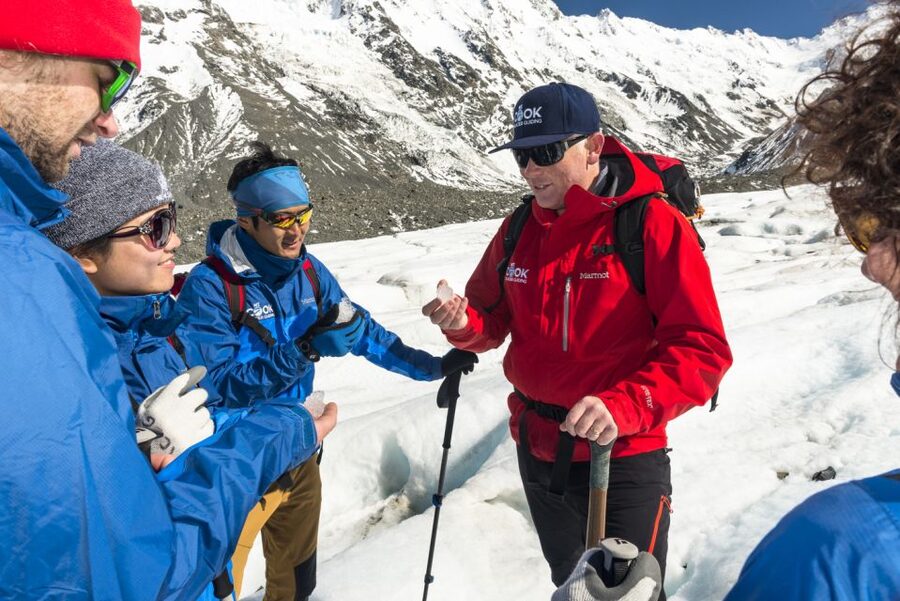
I also like that the glacier walk is not just a short photo stop. Your guide cuts steps into the ice and leads you among moulins, tunnels, caves, crevasses, and other formations that change over time. Guides such as Hunter, Anna, Tori, Rich, and Kristen receive repeated praise for clear explanations, safety, and helping with photos. Still, this is not a casual sightseeing ride: you need warm clothing, steady movement, and enough flexibility to accept that the weather controls the day.
What makes this Tasman Glacier trip special
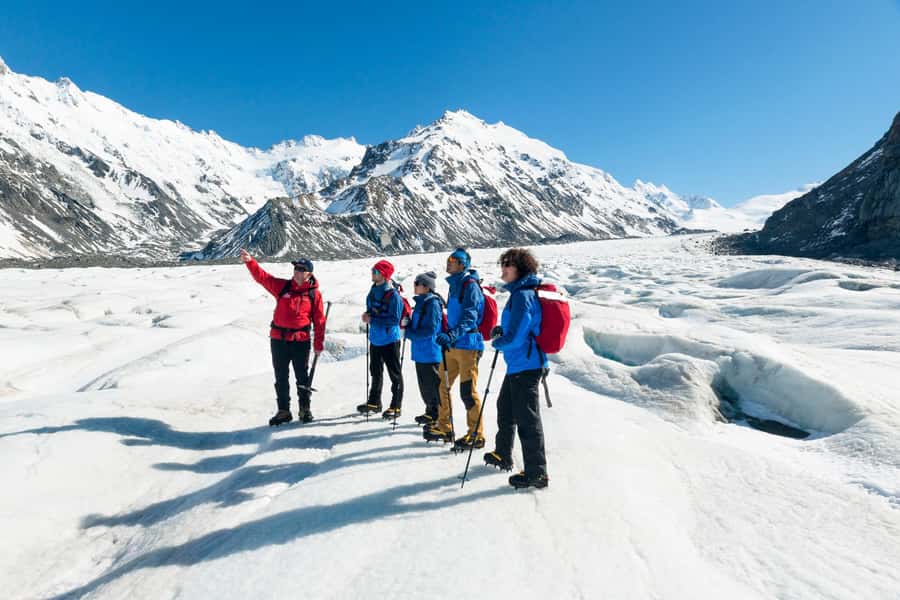
- Two helicopter flights: Fly from Mount Cook Airport to a remote glacier landing area, then return by air after the walk.
- Up to two hours on the ice: The main part of the trip is a guided glacier outing, not just a quick landing.
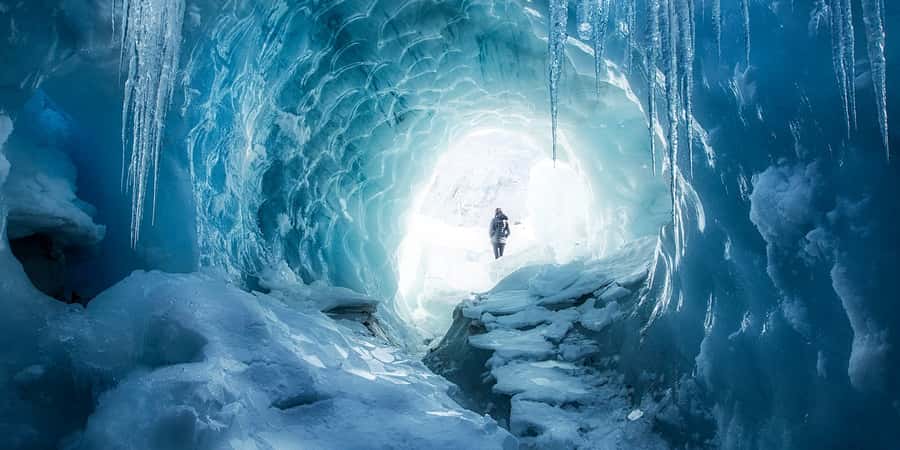
- Changing ice formations: Your route may include blue ice caves, moulins, tunnels, crevasses, and meltwater features.
- Useful equipment included: Leather boots, wool socks, crampons, a walking pole, and a waterproof jacket are supplied.
- Small-group setting: The group is limited to 11 people, allowing the guide to help with footing, photos, and questions.
- Weather matters: The flight and glacier walk depend on safe conditions, so keep some flexibility in your Mount Cook plans.
Meeting your guide at Mount Cook Airport
You begin inside the Mount Cook Airport terminal at the Mt Cook Glacier Guiding desk. This is a useful meeting point because the trip starts and ends at the same airport, with no separate transfer listed.
Allow time for a detailed safety briefing before you fly. The scheduled itinerary gives this part about 45 minutes, which may sound long beside a three-hour activity, but it matters here. You are preparing for a helicopter flight, a landing on remote ice, crampon walking, and changing glacier conditions. The staff explain the equipment and the basic rules before you leave solid ground.
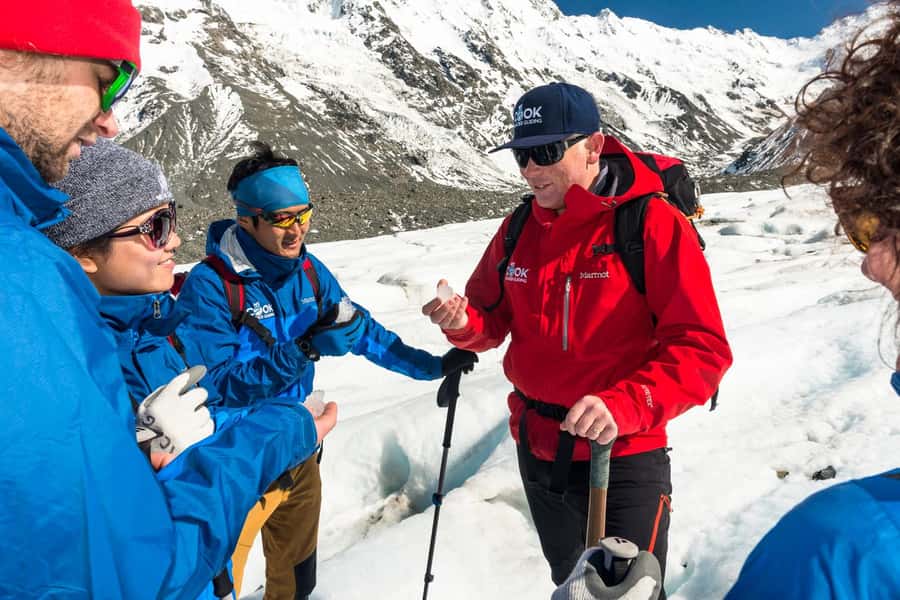
The company supplies most of the specialist kit. You receive leather boots, wool socks, crampons, a walking pole, and a waterproof jacket. Some people also report being offered extra outerwear and packs, but you should still bring your own warm clothing, sunglasses, and a hat. The glacier reflects strong light, and the weather can shift quickly even when the morning begins well.
The English-speaking guides are a major part of the experience. Hunter is praised for his glacier knowledge and for taking group photos. Anna is noted for looking after different abilities, while Tori and Rich receive similar praise for clear explanations and friendly help. That matters because a glacier is more interesting when someone can explain what you are seeing, rather than simply point at it.
More Glacier Hikes in New Zealand
- Franz Josef Glacier Heli-Hike
★ 4.5 · 618 reviews - Heli Hike Fox Glacier
★ 5.0 · 563 reviews - Franz Josef: 2.5 Hour Glacier Hike with Helicopter Transfer
★ 4.7 · 322 reviews
The first 15-minute flight toward the ice
After the briefing, you take the first scenic helicopter flight, listed at about 15 minutes. The flight is not merely transport. It gives you an early view of the mountains, ice, and surrounding country before you begin walking.
Aoraki/Mount Cook is New Zealand’s highest mountain, and seeing it from the air gives you a sense of scale that is hard to get from the valley floor. The helicopter also provides views over the glacier and nearby mountain features. Pilots have been praised for pointing out landmarks and keeping passengers informed during the flight.
The practical benefit of a helicopter is simple: it takes you directly to a remote section of the Tasman Glacier. You avoid a long approach on foot and gain access to ice formations that would not be part of an ordinary valley walk. The tradeoff is that the aircraft is sensitive to wind, cloud, and visibility. A blue-sky forecast does not guarantee takeoff, and even summer conditions can change at short notice.
The flight time is brief, so keep your camera ready but do not spend the whole ride staring through a screen. You may have a window view, but the best view can change quickly as the helicopter turns. Some groups report that everyone had a good view, though exact seating arrangements can vary.
Landing on the Tasman Glacier
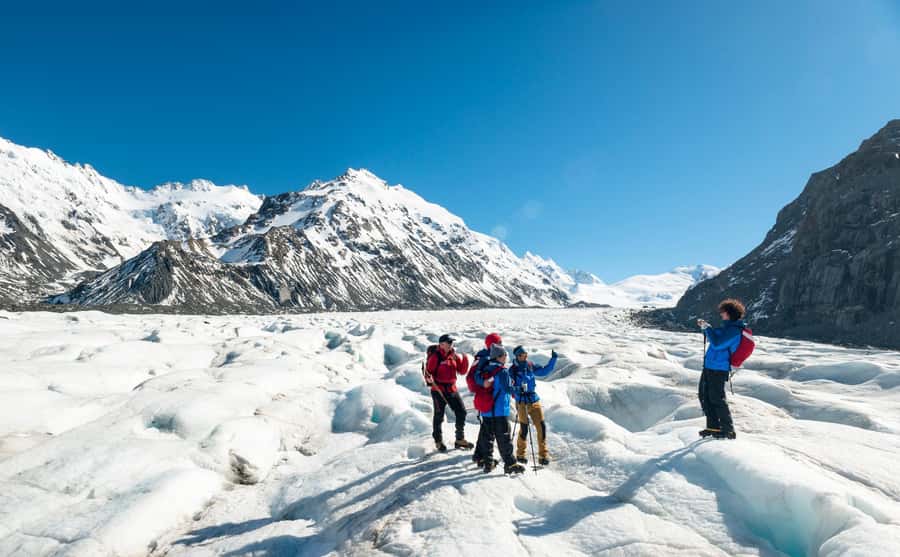
The helicopter lands at a remote point on the glacier, where your guide helps the group get ready for the walk. This is when the supplied boots and crampons become important. Crampons give you grip on the ice, but they do not turn the outing into a technical mountaineering trip. You still need to follow instructions, place your feet carefully, and stay with the group.
The walk is guided along a route chosen for current conditions. That detail is important because the glacier is constantly changing. Ice caves can open, tunnels can shift, meltwater can cut new channels, and sections that were safe or interesting earlier in the season may no longer be suitable.
Your guide may cut steps into the glacier to make the route easier to follow. The pace is designed for exploration rather than a fast workout, with time for photographs and explanations. Several people describe walking into moulins, which are vertical shafts or openings formed by meltwater. You might also pass through blue ice caves or tunnels when conditions allow.
Do not picture a fixed attraction with the same route every day. The strongest part of this outing is its changeable nature. You may see a new ice wall, a fresh opening, a waterfall beside a cave, or a different pattern of blue ice. You may also find that a feature mentioned by other people is not accessible on your visit. The guide has to make the final call for safety.
Two hours among blue ice, moulins, and caves
The glacier walk can last up to two hours, weather permitting. That is a generous amount of time for a helicopter-based outing, and it helps justify the cost. You are not flying in, taking one photograph, and leaving immediately.
The best moments are often close to the ice. Blue tones appear in compressed glacier ice, especially inside caves and tunnels. The ice may look smooth in one place and fractured in another. You might crawl or squeeze through a formation, step into a moulin, or follow a route beside running meltwater.
This is also where the guide’s judgment makes a difference. Anna, Hunter, Rich, Jimmy, Liam, and others are praised for finding interesting features and helping people feel safe. Guides have also taken photos for solo visitors, couples, and groups. If you are traveling alone, mention it early and ask for help with a few pictures rather than trying to manage everything yourself.
The walk is not necessarily strenuous in the way a long mountain hike is strenuous, but it is active and uneven. You may need to bend, crawl, step over ice, or move through narrow formations. One account describes missing a cave walk because a slower group delayed the outing. That is a useful warning: the actual route depends partly on group pace and on how long the guide must spend helping everyone.
You should also expect the group to pause often. That is good for photos and explanations, but it means the experience may feel less like continuous hiking. If you want a private, fast-paced adventure, a group trip of up to 11 people may not suit you.
More Mountain and Summit Hikes in New Zealand
- Rotorua Hiking: Mt Tarawera Guided Volcanic Crater Experience
★ 5.0 · 283 reviews - Mount Cook: 3 Hour Heli Hike to the Tasman Glacier
★ 4.7 · 218 reviews - Queenstown: Walter Peak Horse Trek & Queenstown Lake Cruise
★ 4.7 · 151 reviews
What the guides add to the experience
A scenic flight can impress you in minutes. The guide is what turns the glacier landing into an activity with meaning.
The best guides explain how ice moves and why formations change, then connect those ideas to what you are standing on. They also watch foot placement, help with crampons, choose safe routes, and make sure people with different comfort levels can take part.
Safety is a repeated strength of this trip. Guides are described as attentive and careful, and the pilots are often praised for smooth flights and a reassuring manner. That is especially valuable when you are walking on ice far from the airport.
The group experience can still vary. One person found that a group focused on taking photos slowed the outing enough that a cave walk was missed. Another felt the group did not always remain close enough to hear every explanation. If glacier science is a priority for you, stay near the guide when the group gathers and ask questions directly.
The return flight and Mount Cook views
After the glacier walk, you board the helicopter for the return scenic flight, again listed at about 15 minutes. This flight gives you another chance to see the glacier from above, now with the benefit of knowing what the ice looks like from ground level.
The contrast is worthwhile. On foot, you notice textures, sounds, cracks, and small water channels. From the helicopter, those details become part of a much larger pattern of ice and mountains. Several accounts describe the flight as smooth and breathtaking, with pilots pointing out surrounding features.
The weather can make this final flight feel especially lucky. One group reached the glacier during a short clear window between clouds and cancellations. That is typical of Mount Cook conditions: the most memorable outing may also be the one that only became possible after waiting.
Once you return to the mountain area, there is a short break before you arrive back at Mount Cook Airport. The whole activity lasts about three hours, including the briefing, two flights, glacier time, and the brief pause at the end.
Is $537 per person good value?
At $537, this is an expensive three-hour activity. You are paying for helicopter operations, specialist staff, safety planning, glacier equipment, and access to a remote part of the Tasman Glacier. It is not cheap transport with a quick walk attached.
I think the value is strongest if you want both a flight and an active glacier experience. Buying those elements separately, if available, would not necessarily be simpler or less costly. Here, the helicopter places you on the ice, the guide supplies the essential equipment, and the return flight completes the experience without a long approach or departure walk.
The value is weaker if you mainly want an aerial view of Aoraki/Mount Cook. A helicopter flight without a glacier walk may be enough for you, especially if you dislike crampons, cold conditions, or changing plans. You also need to accept that the precise ice features are not guaranteed. The glacier is natural, not a maintained attraction.
The near-perfect rating of 4.9 from 235 ratings reflects very strong satisfaction, especially with the pilots, guides, equipment, and scenery. The most praised parts are the safety care, the smooth flights, the blue caves and tunnels, and the willingness of guides to take photos. The main criticism is not poor service, but the limits of weather and group pace.
Who should book the heli-hike?
This trip suits you if you want a major Mount Cook experience that combines air time with real movement on the ice. It is particularly good for couples, families with older children, solo visitors who want help with photos, and anyone curious about glacial features rather than just mountain views.
Children must be at least nine years old. The trip is not suitable for people with mobility impairments, and the activity can involve uneven ice, crouching, and careful footwork. You should be comfortable following instructions and moving in a group.
There are two scheduled start times, 8:45 AM and 10:45 AM. The earlier departure may leave more room in your day if weather causes changes, but the available choice depends on booking conditions. Since the trip is weather dependent, avoid placing a critical same-day connection immediately afterward.
Free cancellation is available up to 24 hours before the activity, with a full refund, and you can reserve now without paying immediately. Those policies are useful here because mountain weather is a real factor, not a minor footnote.
My verdict on the Tasman Glacier helicopter hike
You should book this if walking among blue ice formations sounds as appealing as seeing Aoraki/Mount Cook from above. The combination is the strength: the helicopter gives you scale, while the guided walk gives you texture, sound, and a close look at ice that is still changing.
I would skip it if the price stretches your budget, if you need a guaranteed schedule, or if you want a gentle sightseeing outing. For the right person, though, the two flights and up to two hours on the glacier make this one of the most distinctive ways to experience Mount Cook. Keep warm, stay close to your guide, and let the mountain decide the timetable.
FAQ
Where does the Mount Cook Tasman Glacier tour begin?
It begins inside the terminal at Mount Cook Airport. Look for the Mt Cook Glacier Guiding desk.
How long does the experience last?
The full activity lasts about three hours. This includes the safety briefing, two helicopter flights, the glacier walk, and a short break.
How much time do you spend on the glacier?
You can spend up to two hours on the Tasman Glacier, weather permitting.
Are helicopter flights included?
Yes. The experience includes a flight to the glacier and a second scenic flight back to the Mount Cook area.
What equipment is provided?
Leather boots, wool socks, crampons, a walking pole, and a waterproof jacket are included.
What should you bring?
Bring warm clothing, sunglasses, and a hat. Food and drinks are not included.
Is the tour suitable for children?
Children under nine years old cannot join the activity.
What happens if the weather is unsuitable?
The trip is weather dependent, so flights and glacier access may be affected by conditions. You can cancel up to 24 hours in advance for a full refund, and the booking option allows you to reserve without paying immediately.
More Three-Hour Trips around New Zealand
- Mauritius: Tamarind Falls Highlights 3-Hour Hiking Trip
★ 4.9 · 588 reviews - Skaftafell Glacier Hike 3-Hour Small Group Tour
★ 4.5 · 580 reviews - Solheimajokull Glacier 3-Hour Small-Group Hike
★ 5.0 · 501 reviews - Kyoto: 3-Hour Fushimi Inari Shrine Hidden Hiking Tour
★ 4.9 · 270 reviews
More Helicopter Flights around New Zealand
- Fox Glacier: Up to 3 Hours Hike with Helicopter Transfer
★ 4.9 · 309 reviews - Everest Base Camp Trek with Helicopter Return from Gorakshep to Lukla
★ 5.0 · 161 reviews - Denali National Park: Helicopter and Hike Adventure
★ 4.8 · 7 reviews
Just added around New Zealand
- Cardrona Valley: Horse Trekking Experience★ 5.0 · 12 reviews
- Abel Tasman National Park: Cruise, Kayak, & Hike Tour★ 5.0 · 9 reviews
- Queenstown: Walter Peak Horse Trek & Queenstown Lake Cruise★ 4.7 · 151 reviews
- Bay of Islands Cruise & Island Tour – Snorkel, Hike,Swim,Wildlife★ 5.0 · 177 reviews
- Tongariro Alpine Crossing: Premium Guided Hike★ 4.6 · 189 reviews
- Rubicon Valley Horse Treks – 2 Hour River Trail Horse Trek★ 5.0 · 196 reviews
- Volcanic Valley Self Guided Walking and Hiking at Waimangu★ 4.5 · 248 reviews
- Mount Cook: 3 Hour Heli Hike to the Tasman Glacier★ 4.7 · 218 reviews
New Zealand Hiking Tours, compared.
Queen Charlotte Track: Cruise & Self-Guided Hike from Picton
Read our review →
Franz Josef: 2.5 Hour Glacier Hike with Helicopter Transfer
Read our review →
Fox Glacier: Up to 3 Hours Hike with Helicopter Transfer
Read our review →
Rotorua Hiking: Mt Tarawera Guided Volcanic Crater Experience
Read our review →
Cardrona High Country Pub Trail Horse Trek (Intermediate level+)
Read our review →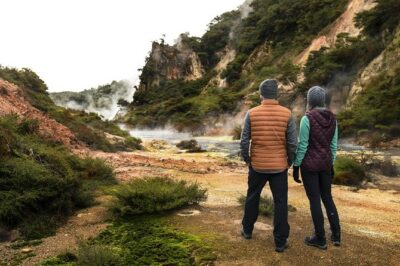
Volcanic Valley Self Guided Walking and Hiking at Waimangu
Read our review →Browse the lists this tour appears in