
REVIEW · NEW ZEALAND HIKING TOURS
Mount Cook: 3 Hour Heli Hike to the Tasman Glacier
Glaciers make ordinary walks look small. This three-hour trip combines a helicopter flight over Aoraki/Mount Cook National Park with a guided walk on the Tasman Glacier, giving you two very different views of the Southern Alps in one compact outing. I especially like the smooth mountain flight and the chance to spend about two hours on the ice with proper boots and crampons. The main catch is the $564 price, plus the fact that weather can cancel the flight or shorten the glacier walk.
You begin at Mount Cook Airport with a safety briefing and equipment fitting, then fly toward the Tasman Glacier. I also like the small group limit of 10 people, which gives guides such as Kerry, Scott, Maddie, and Jess room to help with footing, explain the ice, and take photographs. Still, you should arrive ready for cold, wet conditions, and you should not expect a hard-paced alpine climb.
Key points to know before booking
- The helicopter flight is part of the attraction: You fly over Tasman Glacier Lake, the Southern Alps, and ice formations before landing on the glacier.
- You get around two hours on the ice: The walk covers uneven terrain and may include ice caves, crevasses, snowfields, or other formations, depending on conditions.
- The return route is especially scenic: The helicopter can fly close to the roughly 1,000-meter Hochstetter Icefall on Aoraki’s eastern face.
- Guides handle the technical basics: Glacier boots, crampons, and a waterproof jacket, if needed, are supplied.
- Weather controls the day: Flights require suitable conditions and minimum passenger numbers, so keep some flexibility in your Mount Cook plans.
- This needs real stamina: You must be at least 10 years old, under 150 kilograms including equipment, and able to manage a moderate hike.
From Mount Cook Airport to the Tasman Glacier
The activity begins upstairs at the Mount Cook Airport office. Hotel pickup and drop-off are included for people staying in Mount Cook Village, which makes the morning or afternoon easier, especially if you do not have a car.
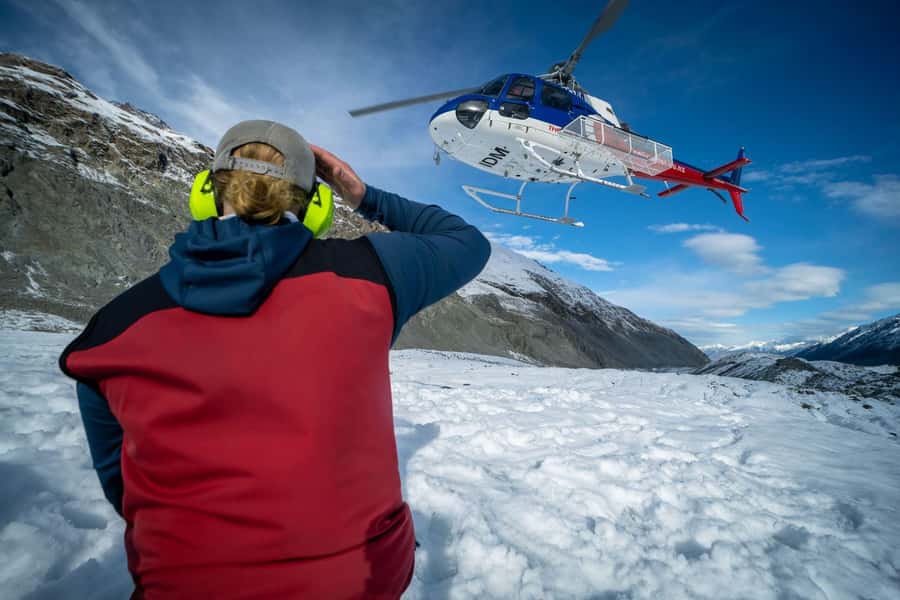
Your requested booking time is the check-in time, not the moment the helicopter lifts off. Allow at least 45 minutes after check-in for the safety briefing and for staff to fit your glacier equipment. That extra time matters. You will need to listen carefully, sort your layers, and learn how to move safely around the aircraft and on the ice.
The initial safety briefing lasts about 20 minutes. Ground staff have been praised for clear instructions, careful equipment fitting, and smooth handling when people board and leave the helicopter. This is a reassuring part of the operation because a heli hike involves more than simply stepping out for a scenic flight.
The group is limited to 10 participants, though the exact helicopter arrangement can depend on the day’s operations. Several activities may run around the same time, and the flight schedule can shift. Do not pack your Mount Cook day so tightly that a delay ruins your next plan.
More Glacier Hikes in New Zealand
- Franz Josef Glacier Heli-Hike
★ 4.5 · 618 reviews - Heli Hike Fox Glacier
★ 5.0 · 563 reviews - Franz Josef: 2.5 Hour Glacier Hike with Helicopter Transfer
★ 4.7 · 322 reviews
The 15-minute flight over Tasman Glacier Lake
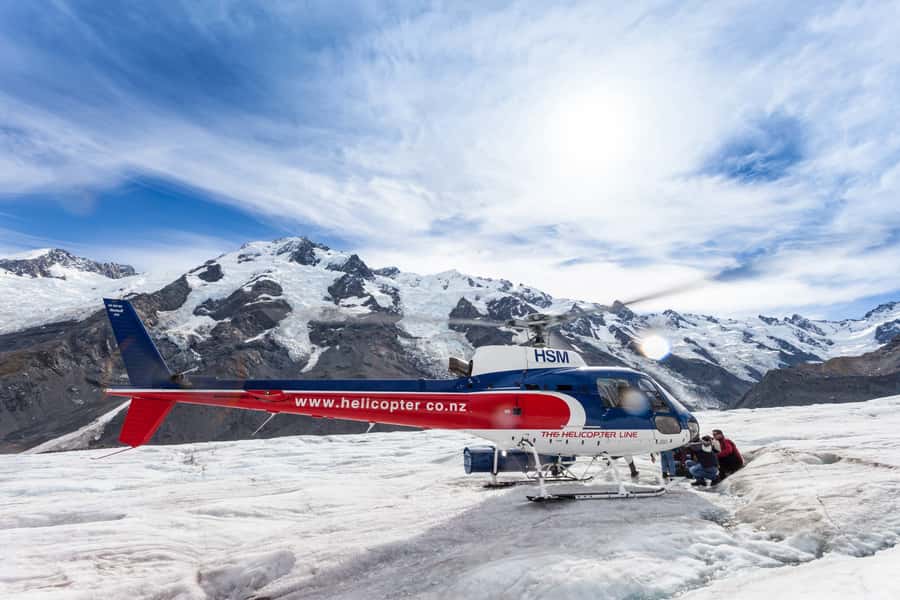
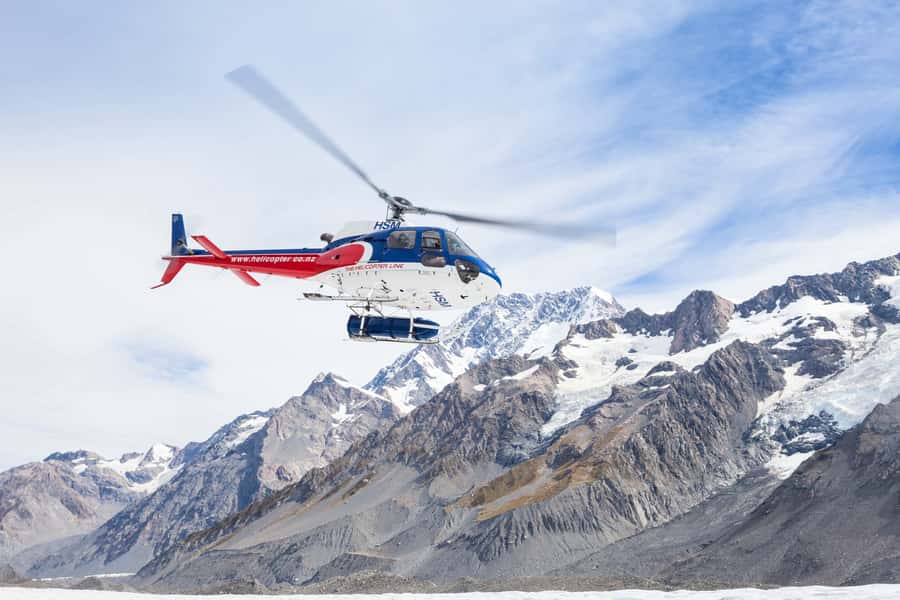
The first helicopter flight lasts about 15 minutes. That sounds brief on paper, but the route gives you a fast change in scale. You rise above the airport and fly toward Tasman Glacier Lake, ice fields, and the tall peaks of the Southern Alps.
A helicopter is useful here because it puts you above terrain that would take far longer to reach on foot. From the air, you can see the glacier’s broad course and the broken ice formations that are difficult to understand from ground level. A flight also lets you see the relationship between Aoraki, Mount Tasman, the lake, and the surrounding snowfields in one sweep.
The pilot adds another layer to the trip. Passengers have singled out the pilots for smooth flying and useful information during the route. You will want your camera ready, but keep your attention outside the window. Selfie sticks, drones, and tablets or iPads are not allowed, partly for passenger safety and partly because loose objects are a poor match for helicopter operations.
Weather can change the view quickly. Clear conditions may give you a sharp sight of Aoraki, while cloud or snowfall can hide the upper peaks. A previous postponement or a later departure can sometimes produce better conditions, but there is no guarantee. If the flight is canceled, you are offered another date or a full refund.
Landing on a moving, uneven world
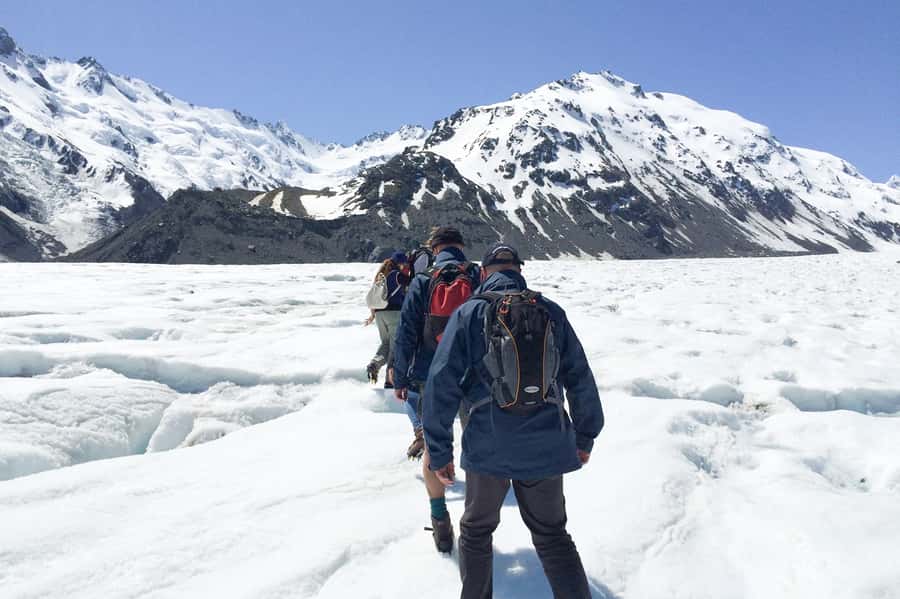
The Tasman Glacier is not a flat white platform. Once you land, you walk over surprisingly undulating ice terrain, with the highest peaks of the Southern Alps rising around you. The surface can include thick snow, uneven ice, ridges, hollows, and changing formations.
You are fitted with glacier boots and crampons before setting out. A waterproof jacket is also supplied if required. You should still bring warm clothing, rain gear, sturdy closed-toe shoes, sunglasses, sunscreen, and comfortable clothing that allows movement. Some people have found the cold uncomfortable when rain arrived and they had dressed too lightly, so bring more insulation than you think you will need.
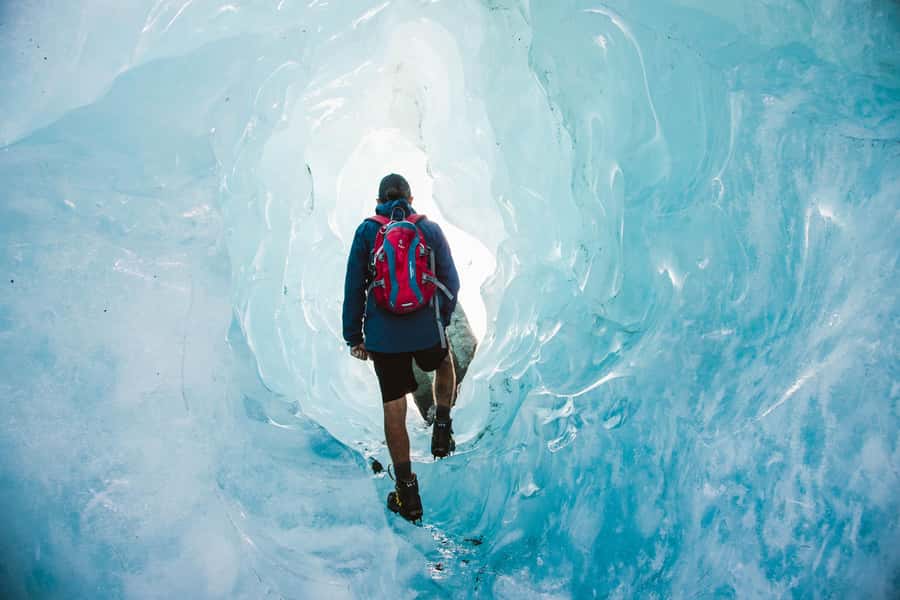
The guide controls the route and pace. This is not a self-guided walk, and that is a good thing. Ice conditions can change, and the guide decides which sections are suitable. The most interesting route might include ice caves, openings, seracs, crevasses, or snow passages, but what you see depends on recent snowfall, weather, and safety conditions.
Heavy snowfall has sometimes covered or changed the formations, limiting access to caves and other features. On another day, you might be able to enter a large ice cave or walk through more complex ice shapes. I would treat those details as possible bonuses, not guaranteed parts of the trip.
Two hours with a guide on the ice
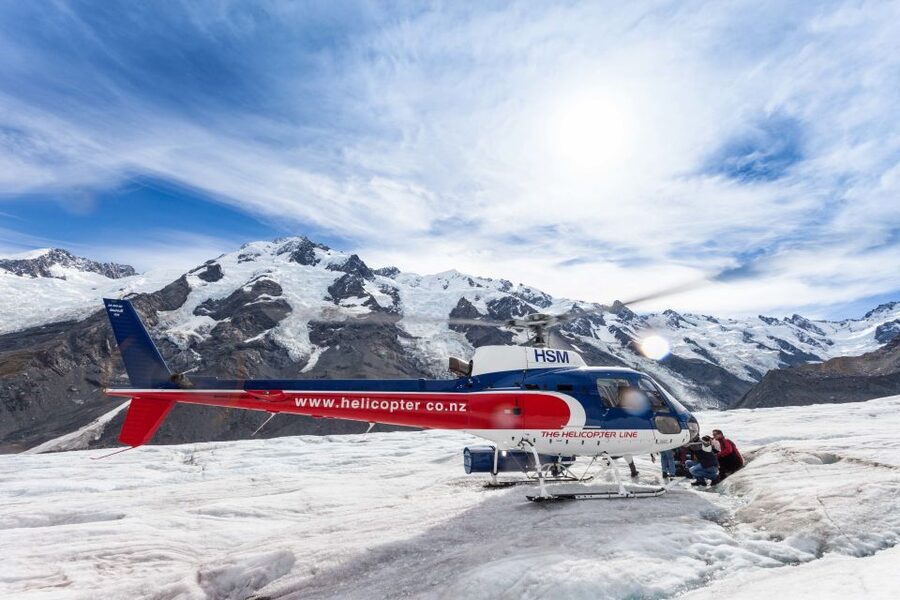
The glacier walk lasts about two hours, which is the heart of the experience. You have enough time to move beyond a quick photo stop and get a sense of how the ice behaves underfoot.
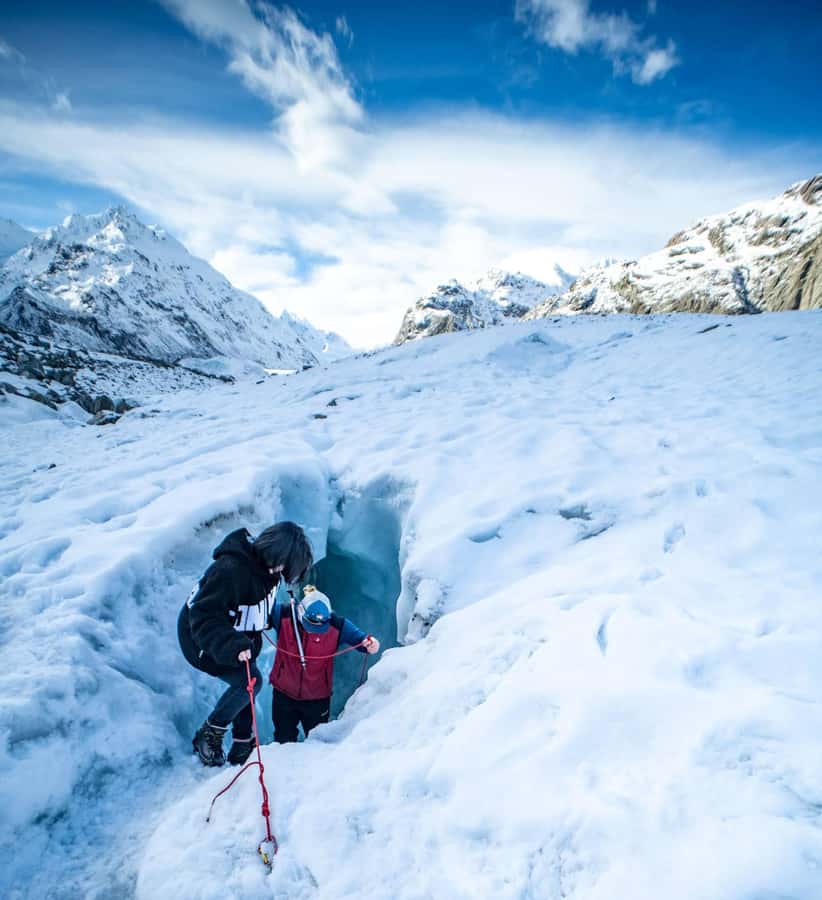
Guides explain how to walk with crampons, where to place your feet, and what to watch for around uneven sections. Scott, Kerry, Maddie, Jess, and Max have each been praised for combining safety with good humor and clear explanations. One guide, Scott, was also noted for scouting safe ice caves and acting as a capable photographer, while Jess showed guests how ropes can be secured for rescue or ice climbing.
That kind of instruction gives the walk meaning. You are not just standing on a glacier for a picture. You learn to read the surface a little, notice ice formations, and understand why a seemingly simple hollow or ridge deserves care.
The walk requires moderate fitness and hiking ability. Some participants have found the snow and ice tiring, and one guide noticed when a person in the group began to fatigue and acted quickly to help them finish safely. You do not need to be an expert climber, but you should be comfortable walking for two hours over rough, cold ground.
The pace may feel gentle if you are looking for a demanding hike. One participant wanted a faster and harder walk and felt that the term heli hike suggested more exertion. This is a fair point. The guide must keep a mixed group together, and safety takes priority over speed. If you want an athletic mountain challenge, this may feel restrained. If you want an unusual and well-managed way to explore glacial ice, the pace is more suitable.
More Mountain and Summit Hikes in New Zealand
- Rotorua Hiking: Mt Tarawera Guided Volcanic Crater Experience
★ 5.0 · 283 reviews - Mount Cook: 3-Hour Tasman Glacier Helicopter Ride and Hike
★ 4.9 · 235 reviews - Queenstown: Walter Peak Horse Trek & Queenstown Lake Cruise
★ 4.7 · 151 reviews
The return flight and Hochstetter Icefall
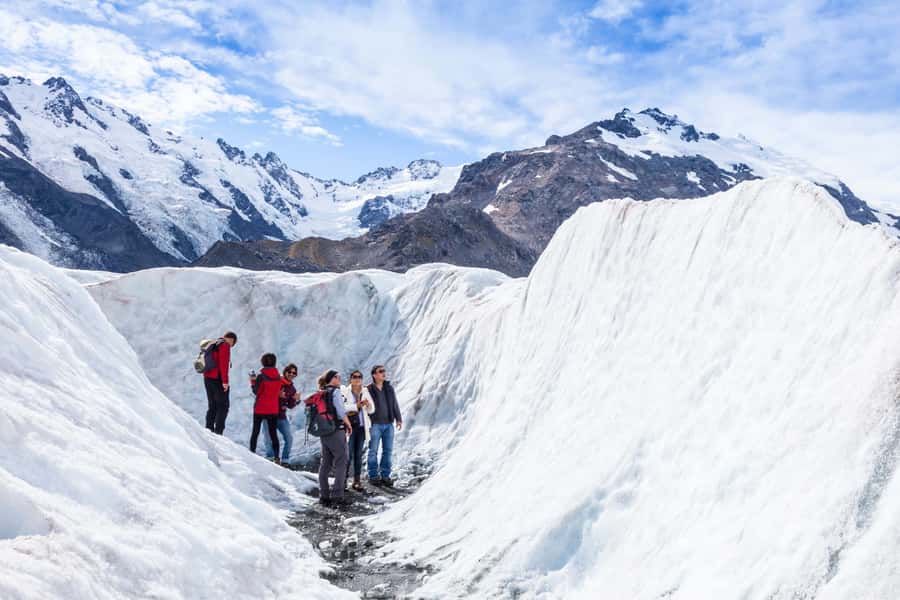
After the walk, you return by helicopter through Aoraki/Mount Cook National Park. The flight is another scenic ride, not merely transport back to the airport.
The route can take you close to the Hochstetter Icefall on the eastern face of Aoraki. At roughly 1,000 meters high, it gives you a sense of the glacier’s scale that is hard to gain from the walking route alone. Below, the snow and ice remain visible year-round, though the exact view depends on weather and cloud.
The two flights bookend the hike well. The first shows you the glacier from above before you land on it. The second lets you see the broader mountain setting after you have walked through the ice yourself. I like that progression: the helicopter provides context, while the hike provides detail.
How the $564 price holds up
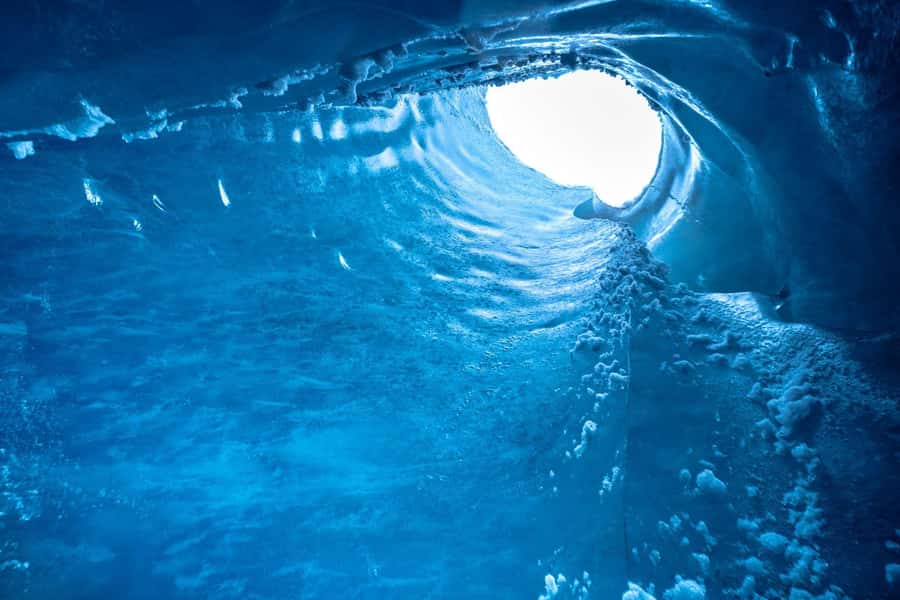
At $564 per person, this is an expensive half-day activity. You are paying for helicopter operations, pilots, aircraft logistics, glacier equipment, professional guides, hotel transfers within Mount Cook Village, and a small group rather than a large bus outing.
The value depends on what you want from Mount Cook. A standard viewpoint or valley walk costs far less and gives you more time outdoors. This experience, however, reaches the Tasman Glacier itself and combines aerial views with guided ice travel. You are buying access to terrain that is not practical for most independent visitors.
I think the cost is easier to justify if this is your main splurge in Aoraki/Mount Cook National Park. It is harder to justify if you are already booking several scenic flights or if your budget is tight. The activity earns its price through the complete package, not because the glacier walk alone is long.
A rating of 4.7 from 218 ratings indicates strong overall satisfaction, and the most consistent praise centers on the pilots, guides, safety work, and scenery. The price remains the clearest obstacle, particularly if poor weather shortens the experience or prevents the flight.
Weather, equipment, and practical preparation
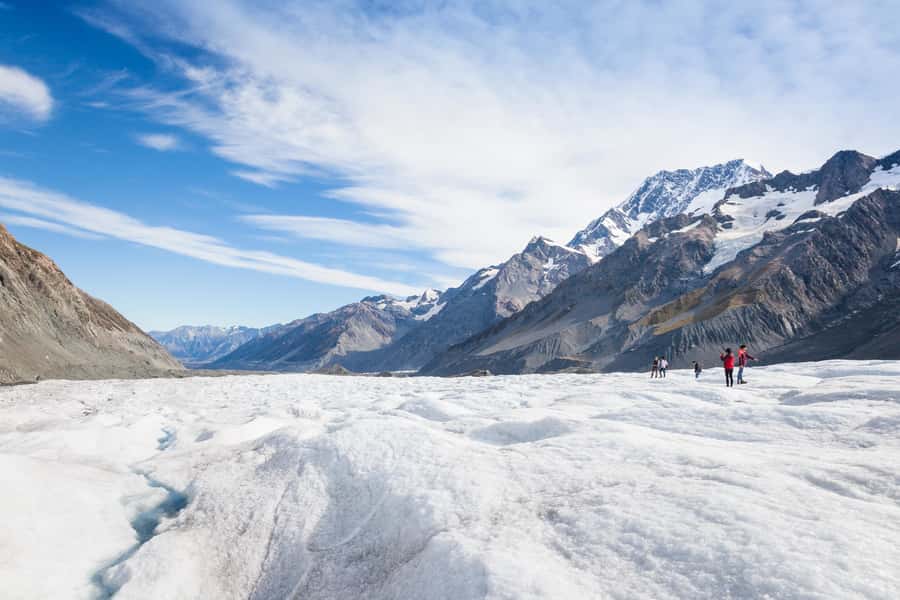
Weather is the biggest variable. Flights operate only with favorable conditions and minimum passenger numbers. Snow, rain, cloud, or wind can affect departure times, visibility, landing options, and the route on the glacier.
You should book this early enough to leave room for a rescheduled flight, especially if you have several nights in Mount Cook Village. Free cancellation is available up to 24 hours before the activity for a full refund, and a reserve-now, pay-later option can help keep your plans flexible.
Wear layers rather than one heavy coat. Bring:
- Warm clothing
- Rain gear
- Sturdy closed-toe shoes
- Sunglasses
- Sunscreen
- A phone or camera
The operator supplies glacier boots, crampons, and a waterproof jacket if needed. Still, supplied equipment does not replace a warm base layer, gloves, or a hat. The cold can feel sharper on exposed ice, and wet weather can change comfort quickly.
Leave drones, selfie sticks, and tablets at your accommodation. They are not permitted. Phones and cameras are allowed, but use them sensibly and listen when the guide or ground crew gives instructions.
The maximum weight is 150 kilograms per person, including equipment. The activity is not recommended during pregnancy, and children must be at least 10 years old. English is the tour language, so you need enough English to follow safety instructions. If you have limited English, arrange translation support before booking rather than leaving it until check-in.
Who will enjoy this Tasman Glacier heli hike?
I would recommend it to you if you want a major Mount Cook experience without committing to a long expedition. It suits people who enjoy scenic flights, unusual natural settings, guided outdoor activity, and photography.
It is also a strong choice for a special trip or honeymoon. The combination of mountain flight, glacier landing, and guided ice walk feels far more distinctive than a standard viewpoint stop.
You should think twice if you dislike helicopters, cold weather, uneven ground, or plans that depend on the sky. It may not suit you if you want a fast, strenuous hike, since the pace must work for the whole group. It is also not the right choice if you need a guaranteed departure time or a guaranteed ice cave.
The best guides add real value. They do more than lead you from point to point. They explain the ice, help with crampon technique, watch for fatigue, and often take photographs. That personal care is one of the strongest reasons to choose a guided heli hike rather than focus only on the flight.
Should you book the Tasman Glacier heli hike?
Book it if you want to stand on the Tasman Glacier, see Aoraki from the air, and are willing to pay for a tightly managed, weather-dependent experience. The helicopter flight alone is memorable, but the guided two-hour walk is what makes the trip feel complete.
Skip it if $564 would strain your budget, if you need a vigorous hike, or if you have no flexibility for a cancellation. For everyone else, this is one of the most distinctive ways to experience Mount Cook National Park. Bring serious warm layers, leave space in your schedule, and think of ice caves and perfect views as lucky extras rather than promises.
FAQ
How long does the Mount Cook heli hike last?
The experience lasts about three hours. This includes a 20-minute safety briefing, a 15-minute flight to the Tasman Glacier, about two hours of guided glacier walking, and a 15-minute return flight.
Where does the experience begin?
You check in at the operator’s office upstairs at Mount Cook Airport. Hotel pickup and drop-off are included for people staying in Mount Cook Village.
What equipment is provided?
The activity includes glacier boots, ice crampons, and a waterproof jacket if required. You should still bring warm clothing, rain gear, sturdy closed-toe shoes, sunglasses, and sunscreen.
Is the experience suitable for children?
Participants must be at least 10 years old. Children under 10 cannot join.
Is there a weight limit?
Yes. The maximum is 150 kilograms per person, including equipment.
Can weather cancel the helicopter flight?
Yes. Flights depend on favorable weather and minimum passenger numbers. If the activity is canceled, you can choose another date or receive a full refund.
How far in advance can I cancel for a refund?
You can cancel up to 24 hours before the activity for a full refund. A reserve-now, pay-later option is also available.
More Three-Hour Trips around New Zealand
- Fox Glacier: Up to 3 Hours Hike with Helicopter Transfer
★ 4.9 · 309 reviews - Mauritius: Tamarind Falls Highlights 3-Hour Hiking Trip
★ 4.9 · 588 reviews - Skaftafell Glacier Hike 3-Hour Small Group Tour
★ 4.5 · 580 reviews - Solheimajokull Glacier 3-Hour Small-Group Hike
★ 5.0 · 501 reviews
Just added around New Zealand
- Cardrona Valley: Horse Trekking Experience★ 5.0 · 12 reviews
- Abel Tasman National Park: Cruise, Kayak, & Hike Tour★ 5.0 · 9 reviews
- Queenstown: Walter Peak Horse Trek & Queenstown Lake Cruise★ 4.7 · 151 reviews
- Bay of Islands Cruise & Island Tour – Snorkel, Hike,Swim,Wildlife★ 5.0 · 177 reviews
- Tongariro Alpine Crossing: Premium Guided Hike★ 4.6 · 189 reviews
- Rubicon Valley Horse Treks – 2 Hour River Trail Horse Trek★ 5.0 · 196 reviews
- Volcanic Valley Self Guided Walking and Hiking at Waimangu★ 4.5 · 248 reviews
- Mount Cook: 3-Hour Tasman Glacier Helicopter Ride and Hike★ 4.9 · 235 reviews
New Zealand Hiking Tours, compared.
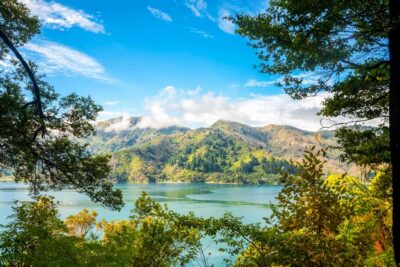
Queen Charlotte Track: Cruise & Self-Guided Hike from Picton
Read our review →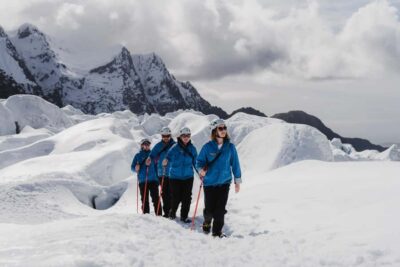
Franz Josef: 2.5 Hour Glacier Hike with Helicopter Transfer
Read our review →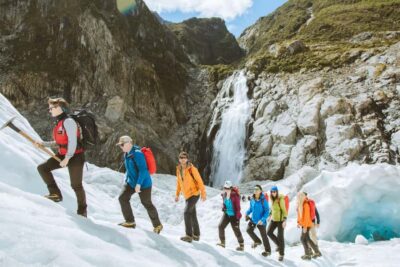
Fox Glacier: Up to 3 Hours Hike with Helicopter Transfer
Read our review →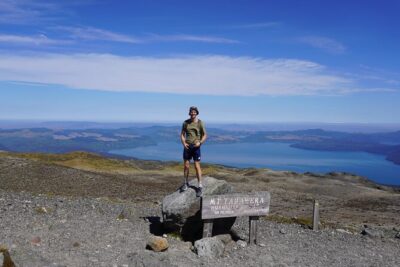
Rotorua Hiking: Mt Tarawera Guided Volcanic Crater Experience
Read our review →
Cardrona High Country Pub Trail Horse Trek (Intermediate level+)
Read our review →
Volcanic Valley Self Guided Walking and Hiking at Waimangu
Read our review →Browse the lists this tour appears in