
REVIEW · SAPA HIKING TOURS
From Sapa: Waterfalls, Trekking and Tribal Villages Tour
Sapa’s best views come with muddy shoes. This half-day trip pairs Silver Waterfall, Love Waterfall, and Tram Ton Pass with a long mountain walk through rice fields and villages near Ban Khoan. I especially like the mix of dramatic scenery and time with Hmong and Red Dzao communities, plus the picnic lunch prepared locally. The small-group format, capped at 15 people, also gives the guide room to adjust the pace.
The main catch is the timing and distance. The tour is advertised as five hours, with roughly four hours of trekking over about 15 kilometers, but some route descriptions and past outings suggest the walk can run longer or feel harder than expected. Clear weather matters, too: fog can soften the views from the rice terraces, while rain can make waterfall paths slippery.
Key points to know before you book
- Silver Waterfall and Love Waterfall come first, about 30 minutes from Sapa Town by private car.
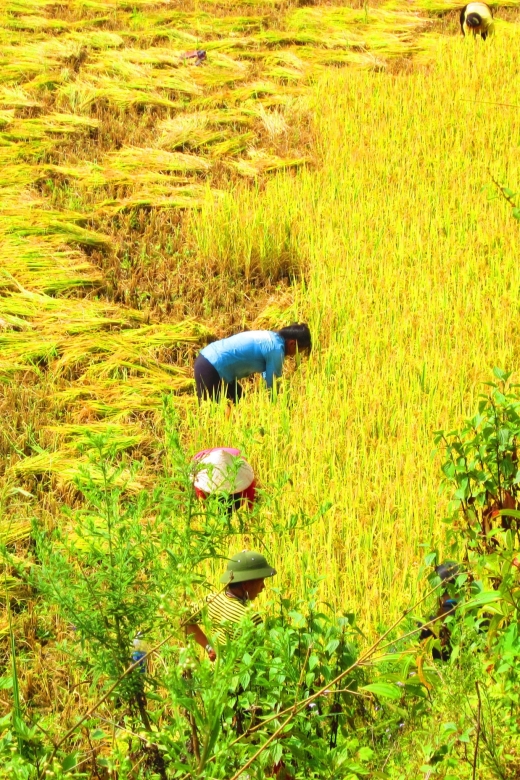
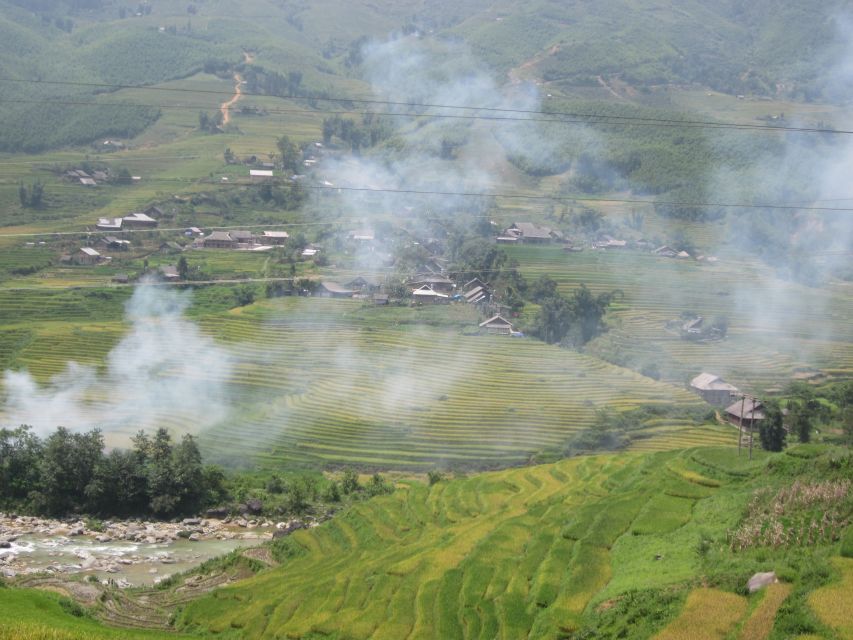
- The village trek is the heart of the day, with rice paddies, bamboo forest, corn fields, and remote mountain paths.
- The route connects Ban Khoan with Ta Phin Village, where you learn about Hmong and Red Dzao traditions.
- Lunch is local and flexible, with a picnic meal served along the route or at a village stop. Vegan food has been accommodated.
- The walk is not a gentle village stroll, despite some descriptions making it sound easy. Expect hills, uneven ground, and a long distance.
- Guides make a major difference, with past guests praising Lisa, Cu, Lan, Sue, and A for their English, warmth, stories, and ability to adjust the route.
Why this Sapa outing is worth considering
Sapa can be frustratingly touristy in the center. Motorbikes, souvenir stalls, and organized groups fill the most accessible paths. This tour takes you away from that busy core and into the countryside, where the focus shifts to farm work, mountain trails, homes, and local customs.
I like that the waterfalls are not treated as the whole event. You see two major sights in Hoang Lien National Park, then leave the road behind for a much longer walk. That gives the day a useful rhythm: water and forest early, then rice paddies and village life later.
The cultural side is also more than a quick photo stop. Your guide can explain Hmong and Red Dzao customs, textile work, family traditions, and stories connected with the area. The quality of this part depends heavily on your guide. Names praised for warmth and clear explanations include Lisa, Cu, Lan, Sue, and A. One guide, A, allowed a choice of route and added different scenery to the walk. That kind of flexibility is valuable in mountain weather.
Still, this is not a polished cultural show. The villages are presented as places where people live and work, not as a stage set. You should approach homes, clothing, and textile traditions with respect and listen carefully when your guide explains what is appropriate.
More Waterfall Hikes in Vietnam
- SaPa: 2-Day Villages,Rice Fields, Love Waterfall Hiking Tour
★ 5.0 · 9 reviews - Trekking Tour to Hidden Waterfall & Sturgeon Farm for dog-lovers
★ 5.0 · 67 reviews - 2 Days Motorbike Tour Ban Gioc Waterfall & Mt. Angel Eye Hike
★ 5.0 · 46 reviews
Silver Waterfall, Love Waterfall, and Tram Ton Pass
The first transfer from Sapa Town takes about 30 minutes. Pickup is included from your hotel lobby in Sapa, and a private car is used for the road portion.
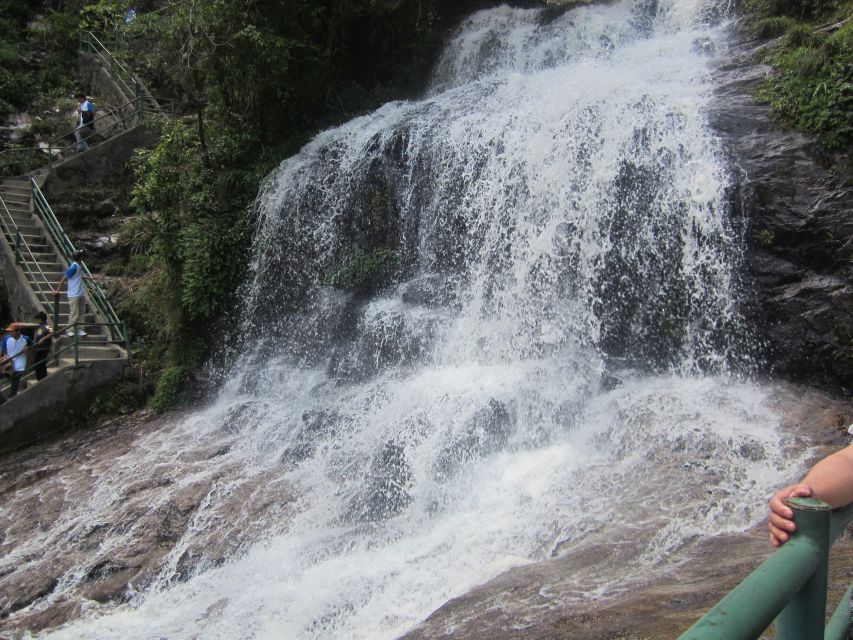
Silver Waterfall is a strong opening stop. The water drops through the mountain forest, and reaching the viewpoint may involve a longer walk and steps rather than a simple roadside glance. One account of the day describes the waterfall section as roughly four kilometers there and back, so comfortable shoes are important even before the main trek begins.
Love Waterfall has a different feel, with forest paths and a more secluded setting. Water levels can change sharply after rain. One outing found both falls especially powerful after a wet spell, but rain can also make the route slick and reduce visibility.
Tram Ton Pass gives you a high mountain viewpoint before the walk begins. On a clear day, it helps you understand the scale of the Hoang Lien range and the steep country around Sapa. On a foggy day, expect a much quieter scene with limited long-distance views. You cannot control the weather, but you can improve your odds by allowing some flexibility in your Sapa schedule.
These stops add real value to the tour, but they also use time and energy. If you want a full day devoted only to trekking, you may find the waterfall visits a distraction. I see them as a good trade for anyone who wants several types of scenery without arranging separate transport.
Starting the trek at Ban Khoan
After the waterfalls and pass, the car continues to Ban Khoan, a traditional village and the starting point for the main walk.
This is where the day changes character. The road trip is easy, but the route from Ban Khoan is physical. You may walk along mountain trails, between rice paddies, through corn fields, and into quieter settlements. A bamboo forest is another memorable section mentioned by people who completed the route.
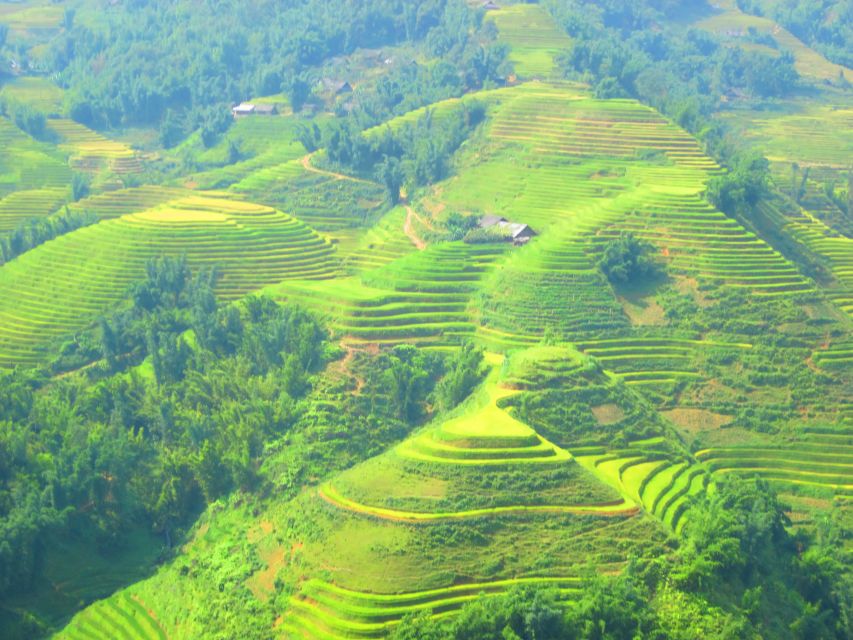
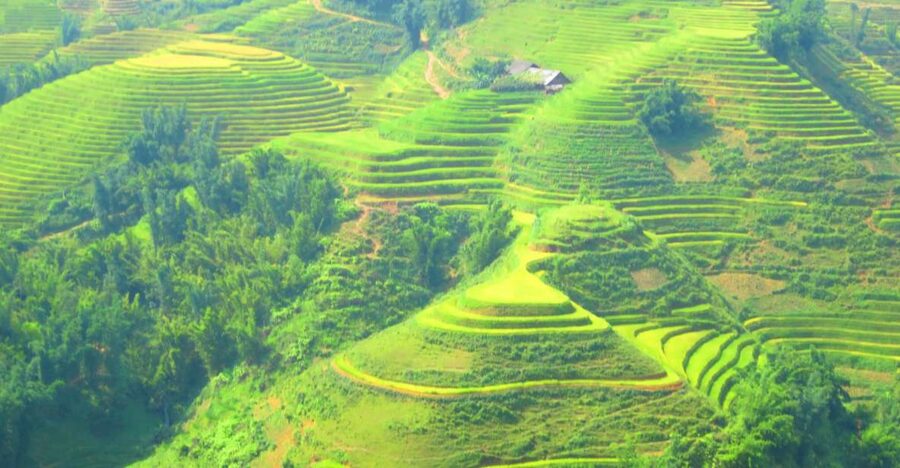
The scenery is the reason to take this trip. Rice terraces spread across steep slopes, and the views change as the trail climbs and drops. You might see open fields one moment, then a shaded path or village track the next. The route feels more varied than a simple out-and-back walk from Sapa.
Do not judge the difficulty by the word village. This is not a flat promenade between houses. One account describes about 17 kilometers of trekking in addition to the waterfall walking, while the stated route gives 15 kilometers and around four hours. Another outing took about three hours of walking with a lunch stop. Those differences suggest that the precise path, pace, weather, and group fitness can change the day considerably.
I would plan for a serious half-day hike, not a casual sightseeing trip. The route has been described as moderately difficult, and one account found it too demanding for a weekend walker. If you are fit and comfortable on uneven mountain paths, the effort should feel worthwhile. If your knees, balance, or stamina are limited, ask the operator exactly which route is planned before paying.
Meeting Hmong and Red Dzao communities
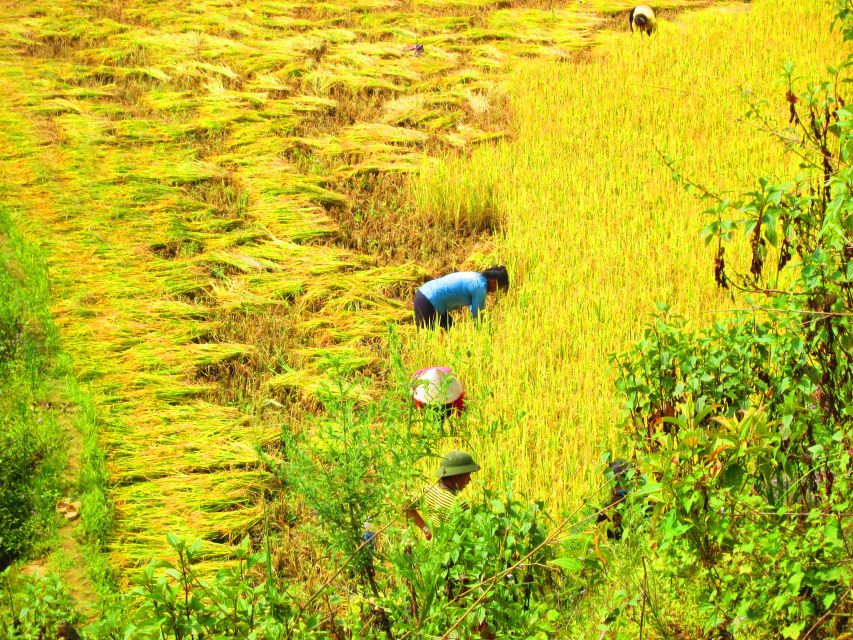
The cultural encounters are strongest when your guide provides context. Hmong and Red Dzao communities have distinct clothing, customs, and ways of life, and the walk gives you time to ask questions rather than rushing through a short stop.
Textile work is one detail that can make the visit more meaningful. A guide may explain the designs, materials, or traditional clothing you see. You will also hear stories about local life and customs, with guides such as Lisa praised for sharing stories passed down through generations.
Ta Phin Village is the later destination and is associated with the Red Dzao community. The plan is to reach a local home there after the trek, then meet your driver for the return to Sapa. The village visit is fairly low-key. It may include lunch and conversation rather than a packed list of activities.
That slower approach suits me. You get a better sense of the place when the guide is not racing from one staged demonstration to another. At the same time, do not book this expecting a formal workshop or a guaranteed hands-on activity. The experience is primarily a walk, a meal, and an introduction to local culture.
More Waterfall Hikes in Sa Pa:
- From Marrakech: Ouzoud Waterfalls Guided Hike and Boat Trip
★ 4.7 · 33,630 reviews - Marrakech: Ourika Valley Trip with Waterfall Hike
★ 4.6 · 6,792 reviews - Marrakech: Ourika Valley Trip with Waterfall Hike & Lunch
★ 4.9 · 5,303 reviews - Marrakech: ourika valley lunch & guided hike to waterfalls
★ 4.9 · 3,737 reviews
Picnic lunch with local food
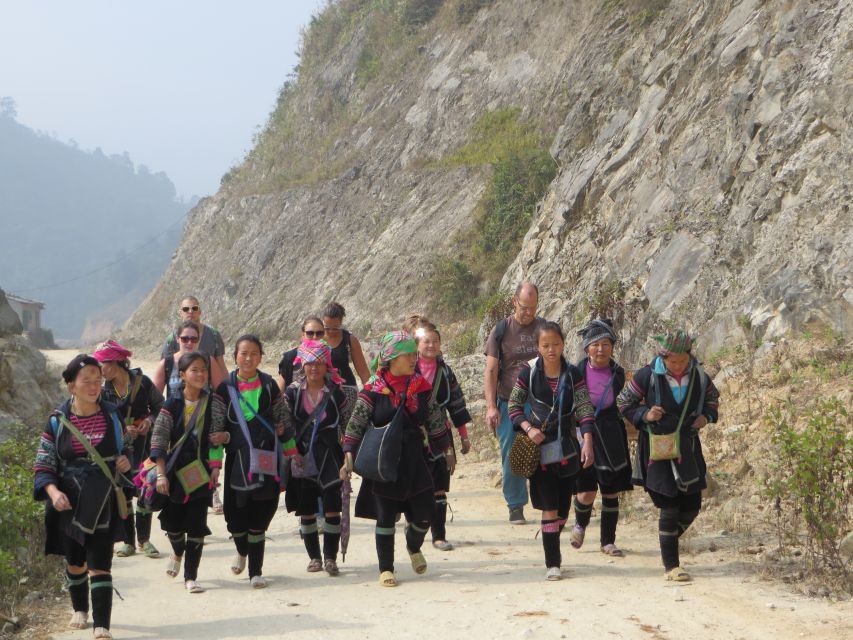
Lunch is included, which makes the $72 price easier to assess. The meal is prepared locally and served as a picnic during the route or at a village stop, depending on the day’s timing.
One vegan diner received suitable food, so dietary needs can be handled in at least some cases. I would still state your requirements when booking and remind the guide at pickup. The supplied information does not promise a fixed menu, so expect a practical local meal rather than a restaurant-style spread.
Lunch also gives your legs a break. On a long walk, this matters more than it sounds. A short pause lets you drink water, check your feet, and adjust clothing before the final section.
Two bottles of mineral water per person are included. Bring your own small daypack as well, since you will want room for sunscreen, a raincoat, insect repellent, and personal items. Do not count on the supplied water as your only hydration for a long, warm hike. The tour includes two bottles, but the route can be strenuous.
How difficult is the 15-kilometer walk?
The honest answer is: it depends on the route used and your own condition.
The planned trek is described as about four hours and 15 kilometers. Some accounts describe closer to 17 kilometers, and one says the trekking section took five hours. Another outing was shorter and more relaxed, lasting about three hours including lunch. You should treat the published duration as an estimate, not a stopwatch guarantee.
The terrain is the bigger issue than the clock. Mountain paths, climbs, descents, rice-field edges, and slippery sections can make a shorter distance tiring. The waterfall paths may also add several kilometers, depending on where the vehicle stops and how far you walk to the viewpoints.
Wear proper hiking shoes with a solid grip. Comfortable clothes are essential, and loose layers help when the temperature changes. From November through March, bring warm clothing. For the rest of the year, pack sunscreen, a sun hat, insect repellent, and a raincoat. Sapa weather can shift quickly, and fog or rain may arrive even when the morning looks fine.
The guide can make the difference between an enjoyable challenge and a miserable slog. Guides praised for keeping a good pace also allowed route choices and adjusted the day to suit the group. Tell your guide early if you need a slower pace or a shorter option.
Guides, vehicles, and group size
The tour includes an English-speaking guide and private car transfers. The group is limited to 15 people, which is small enough for questions and easier movement on narrow trails.
The strongest part of the operation is clearly the guiding. Guides have been praised for warmth, humor, local knowledge, good English, and help with photographs. Cu was described as eloquent and fun to spend time with, while Lan was praised for stories, facts, and a comfortable pace. Sue kept a foggy day interesting, and A gave route choices that added variety.
There is one practical warning. The booking coordination may not always be as smooth as the guiding. A confirmation issue was reported, with the local agency not immediately aware of a booking made a week earlier. I would keep your confirmation handy and contact the provider before the day, especially if your schedule depends on catching a train or bus afterward.
The return transfer to Sapa takes about 30 minutes once you meet the driver in Ta Phin. Because the trek can run long, avoid booking a tight onward connection.
Is $72 good value?
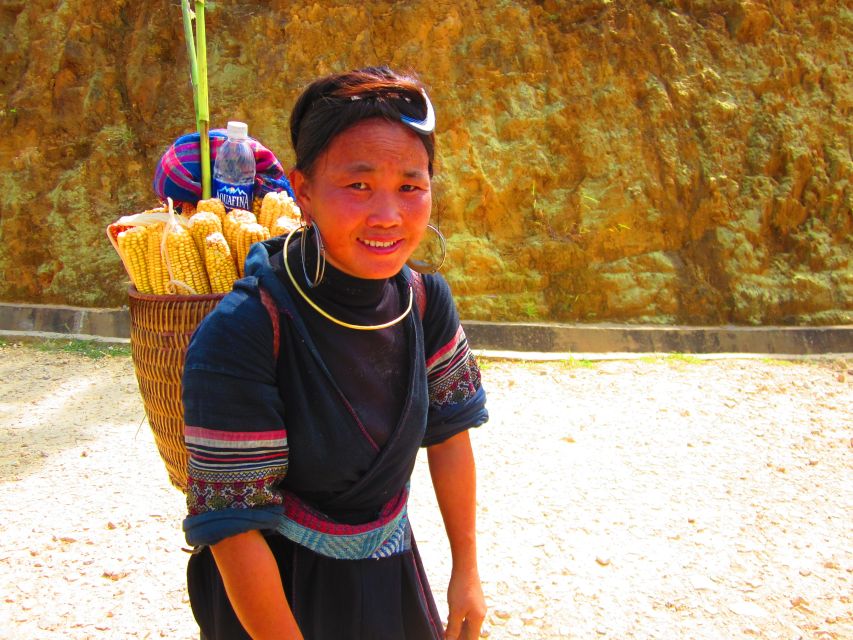
At $72 per person, the package includes a guide, entrance fees, private car transport, picnic lunch, and two bottles of water. That is a fair bundle for Sapa, particularly if you value having the waterfalls and remote villages covered in one organized outing.
The private vehicle is useful because the sights and trailhead are spread out. Organizing separate transport to Silver Waterfall, Love Waterfall, Tram Ton Pass, Ban Khoan, and Ta Phin would take time and local coordination. The guide is also doing more than leading the path. A good guide interprets the communities, manages the pace, and helps the day work when weather or fitness levels vary.
The value drops if you want only a short walk. You are paying for a substantial route, not simply a waterfall transfer and village photo stop. It also may not suit you if you dislike uncertain timing or want a fixed, tightly managed itinerary.
The 4.6 rating from 91 reviews suggests a strong overall experience, but the mixed comments about distance and booking organization deserve attention. I would consider the price worthwhile for fit walkers seeking scenery and culture, provided you confirm the route and arrive prepared.
Practical preparation for a better day
Use the hotel pickup to your advantage. Be ready in comfortable hiking clothes with your daypack packed before the guide arrives.
Bring:
- Hiking shoes with good grip
- Insect repellent and sunscreen
- A raincoat and sun hat
- Warm layers from November through March
- Personal snacks if you need extra food
- A phone or camera protected from rain
Do not dress too warmly for the trek. One outing found that the walk generated plenty of heat, even though the waterfall area felt cold and foggy. Layers work better than one heavy jacket.
Fog is not a reason to cancel automatically. It can hide the rice terraces, but the waterfalls and forest still offer something to see. Clear conditions produce the best wide views, so check the forecast and keep your expectations realistic.
Free cancellation is available up to 24 hours before departure, and you can reserve without paying immediately. Those terms are helpful if your Sapa plans depend on weather, but they do not remove the need to confirm the route and pickup details.
Should you book this Sapa trek?
Book it if you want a busy, varied half-day with waterfalls, mountain views, a real hike, and a thoughtful introduction to Hmong and Red Dzao life. I would especially recommend it to fit walkers who prefer quieter paths to Sapa’s central sights and who value a good local guide.
Think twice if you want an easy stroll, a precise five-hour schedule, or guaranteed clear views. The distance may be longer than expected, and fog can hide the terraces. Before booking, ask the provider to confirm the current route, expected walking distance, and lunch arrangement.
For the right person, this is a strong way to see more of the Sapa region in one day. The waterfalls provide the easy headline, but the best part is the stretch between villages, where rice fields, bamboo, mountain paths, and conversation replace the town’s noise.
FAQ
How long does the tour last?
The advertised duration is five hours, with starting times shown according to availability. The trek itself is described as about four hours, but the total walking time can vary with the route, pace, lunch stop, and weather.
Where does the tour start?
Pickup is included from your hotel lobby in Sapa Town. You first travel by car to the waterfalls and Tram Ton Pass, then continue to Ban Khoan for the main trek.
How far is the trek?
The planned trek is about 15 kilometers. Some route accounts describe up to 17 kilometers, and the waterfall walks may add distance, so confirm the exact route before booking.
Is lunch included?
Yes. A picnic lunch is included and is prepared locally. Vegan food has been accommodated, but you should state dietary needs when booking.
What should I wear and bring?
Wear comfortable clothes and hiking shoes suitable for outdoor activity. Bring insect repellent, sunscreen, a raincoat, a sun hat, and a small daypack. From November through March, wear warm clothes.
Is the tour suitable for a small group?
Yes. The group is limited to 15 participants, and an English-speaking guide leads the experience. A private car is included for the transfers.
Just added around Sa Pa
- Hanoi: Sapa Trekking 2 Days 1 Night – Sleeper Bus from Hanoi★ 4.6 · 18 reviews
- From Hanoi: 2-Days Sapa Trekking Tour Lao Chai and Cat Cat★ 4.3 · 7 reviews
- Easy Trek in Sapa mountain : Y Linh Ho – Lao Chai – Ta Van★ 4.8 · 16 reviews
- Discover Sapa: 2D1N Trekking Adventure & Cozy LaLa Homestay★ 4.9 · 17 reviews
- SaPa: 2-Day Villages,Rice Fields, Love Waterfall Hiking Tour★ 5.0 · 9 reviews
- AUTHENIC 2D1N Trek & Bungalow Retreat with Dinh Hmong Family★ 5.0 · 19 reviews
- From Hanoi: Sapa 3-Day Medium Trek and Limousine Trip★ 4.5 · 59 reviews
- 2 Night Lao Chai-Ta Van Homestay- Trekking & Fansipan Visit★ 4.0 · 8 reviews
Sapa Hiking Tours, compared.
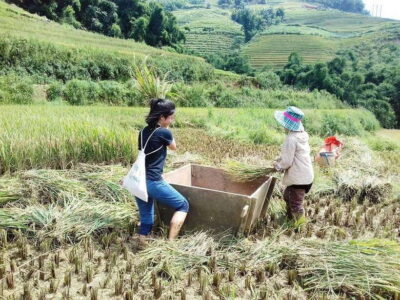
Sa Pa: Muong Hoa Valley Trek and Local Ethnic Villages
Read our review →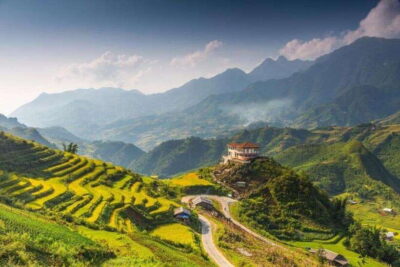
Eco Adventure Terrace Fields and Local Villages Trek
Read our review →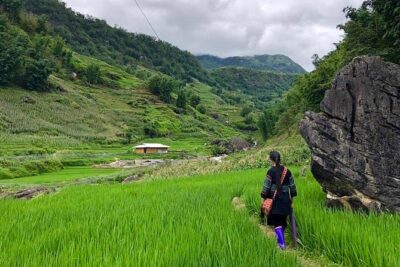
Number one top rated ethical cultural trekking and homestay by ETHOS
Read our review →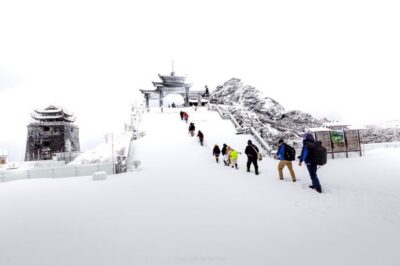
1-Day Guided Trek to Lao Chai & Ta Van with Lunch
Read our review →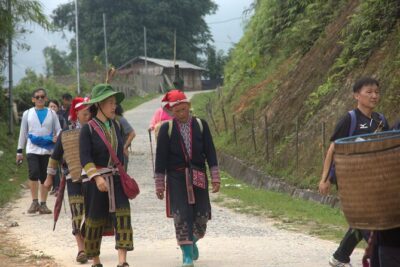
Sapa 1 Day Long Trek: Trek to Hau Thao and Sa Seng Villages
Read our review →
EXPLORE SAPA: 2D1N TREKKING & HMONG CULTURE WITH DINH
Read our review →
Browse the lists this tour appears in