
REVIEW · POKHARA HIKING TOURS
From Pokhara: 4-Day Mardi Himal Base Camp Trek
Mardi Himal packs big mountain views into four demanding days. I like the quiet forest trails and the personal care of a private guide, especially guides such as Anil, Santosh, Bala, and Tanka, who are praised for adjusting the pace and helping on steep sections. I also like the mix of rhododendron woods, small villages, and high alpine scenery. The main catch is simple: this is not an easy walk, and reaching the actual base camp on Day 3 may be too ambitious for some people.
The price of $138 is strong value if it includes permits, transport, lodging, guide costs, and trekking gear. Check the meal option carefully, though. One past participant found the prepaid food package much more expensive than ordering meals directly at the teahouses.
Key points to know before you book
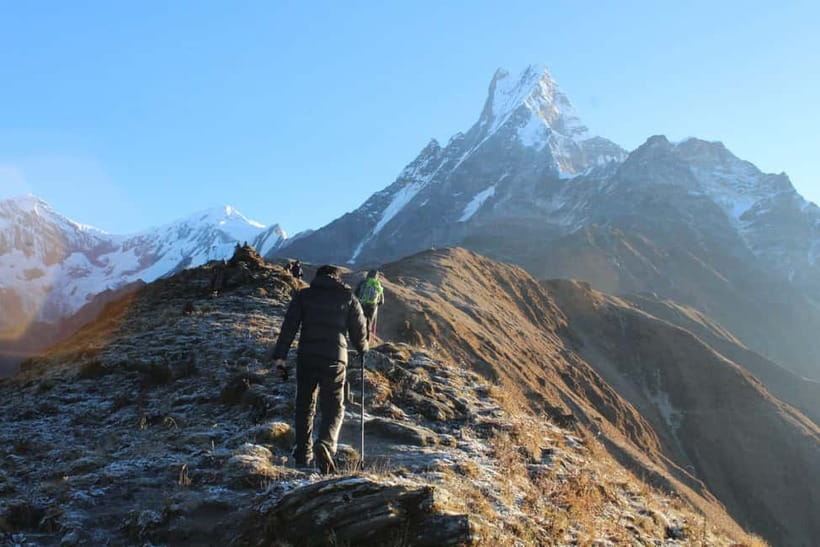
- The route changes quickly: You move from village roads and forest paths to high, exposed mountain viewpoints in only two days.
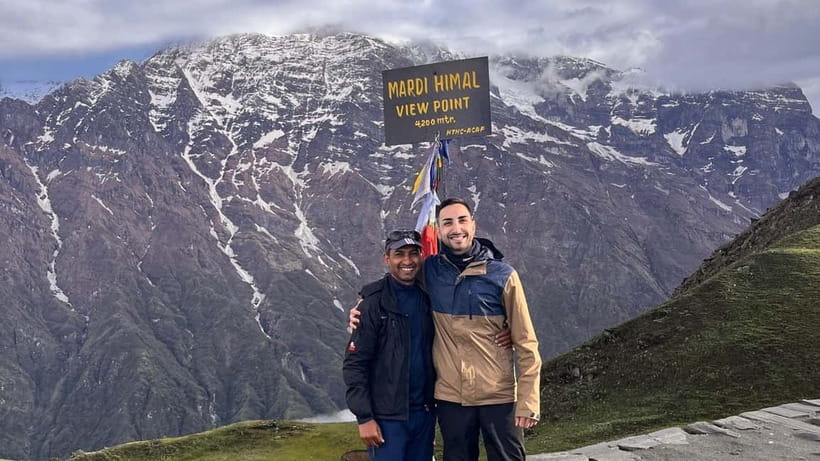
- The base camp is optional on Day 3: The morning goal is the Mardi Himal Viewpoint at about 4,200 meters, with Base Camp at roughly 4,500 meters for those who are fit and moving well.
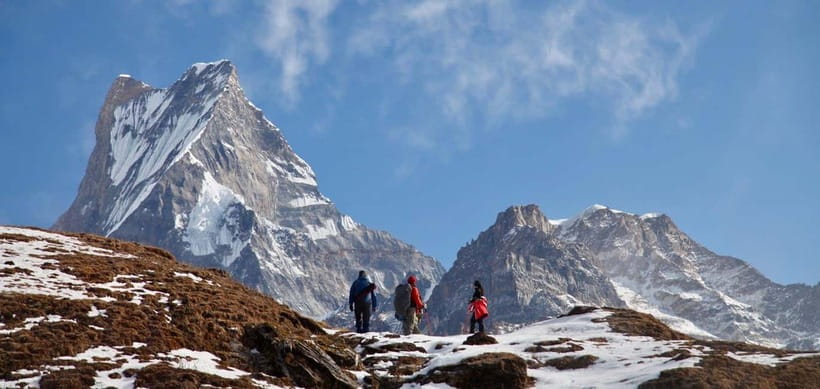
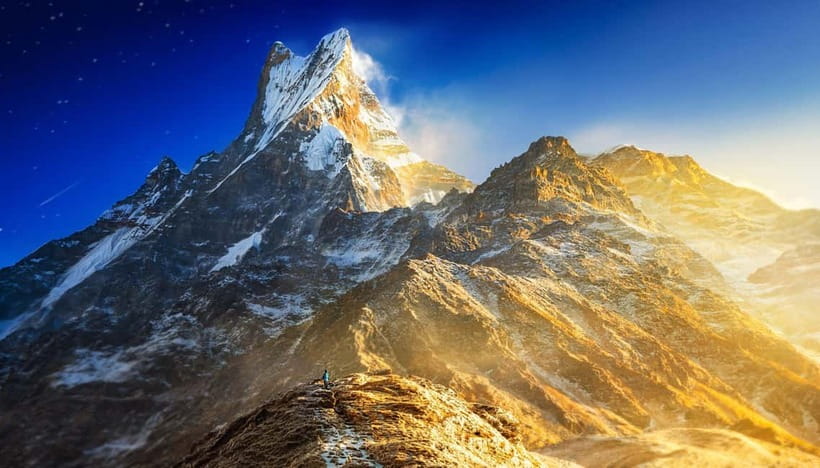
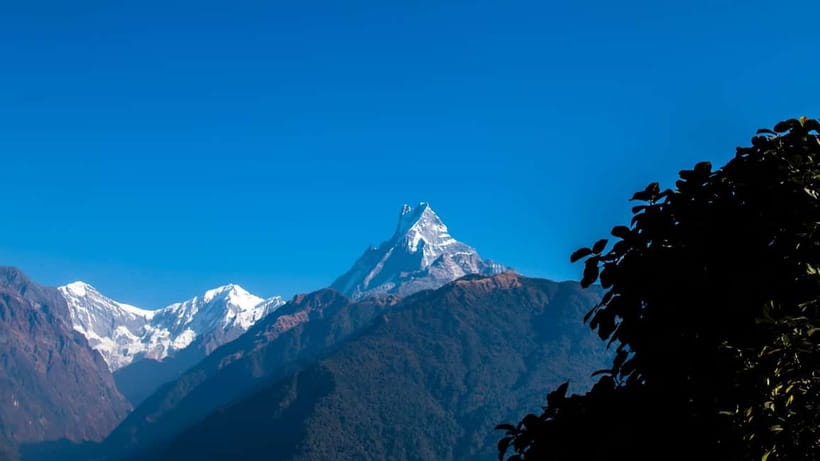
- Sunrise is the prize: Machapuchhre and the Annapurna range can glow from the high viewpoints, though cloud can block the show.
- Private guiding adds real value: Guides can slow the pace, arrange breaks, explain local culture, and help when stairs become tiring.
- Expect basic mountain lodging: Teahouses provide a practical bed and meals, not hotel comfort.
- You need proper preparation: Hiking shoes, warm layers, cash, insurance, and a reasonable fitness level matter here.
Why this short Mardi Himal route works
I like this trek because it gives you several different Nepal experiences without asking you to commit to a two-week expedition. You leave Pokhara by car, walk through wooded hills, sleep in small teahouses, reach a high mountain camp, then return through villages and canyons.
The route is less crowded than the best-known Annapurna trails, according to the experience description. That does not mean you get solitude every minute, but it does suggest a quieter feel than Nepal’s busiest routes. The private format also helps. You are not tied to the pace of a large group, and the guide can respond if you need more rest or if weather changes the plan.
The strongest part of the experience is the guide service. Anil is praised for patience, photography, and a caring manner. Santosh is singled out for practical advice and a good sense of humor. Bala helped people through hard sections while explaining Nepalese culture and nature. Those details matter because a four-day mountain trek leaves little spare time. A thoughtful guide can turn a tiring climb into a manageable one.
Still, do not mistake the short duration for an easy holiday. You walk for about five to seven hours on the first two days, climb to more than 3,500 meters, and may reach 4,500 meters on Day 3. Several sections include steep stairs. You need to be healthy, prepared for cold, and comfortable with sustained uphill walking.
More Annapurna Treks in Pokhara:
- Trekking in Annapurna/Langtang/Everest/Upper Mustang regions
★ 5.0 · 161 reviews - Pokhara: Annapurna Foothills Day Hike with Transfers
★ 5.0 · 100 reviews - Kathmandu/Pokhara: 5-Day Annapurna Base Camp (ABC) Trek
★ 4.9 · 72 reviews
Day 1: Kande to Forest Camp through Australian Camp
Your morning begins with a drive of about one hour from Pokhara to Kande. Hotel pickup is available around Lakeside, Sarangkot, and Pokhara International Airport. The starting transfer is useful because it saves your legs for the trail and removes the need to arrange a separate taxi.
From Kande, the trail passes through Australian Camp and Pothana before continuing toward Forest Camp. This first day introduces the route gently, with forest paths and mountain views rather than an immediate high-altitude push. Rhododendron and oak trees provide shade, and the changing views give you a good reason to stop, catch your breath, and take photographs.
The walking time is listed at around five to six hours. That is a full first day, especially if you have just arrived in Pokhara or have not done much uphill walking. Your guide should help set a sensible pace. Guides such as Chandra and Anil have been praised for patience with people new to trekking, and that support is valuable from the first climb.
Forest Camp sits at about 2,550 meters. You stay in a simple teahouse, where the focus is a warm meal, a bed, and rest for the next day. Do not expect polished rooms or extensive facilities. Mountain teahouses are part of the appeal, but comfort is basic.
Day 2: Forest Camp to High Camp
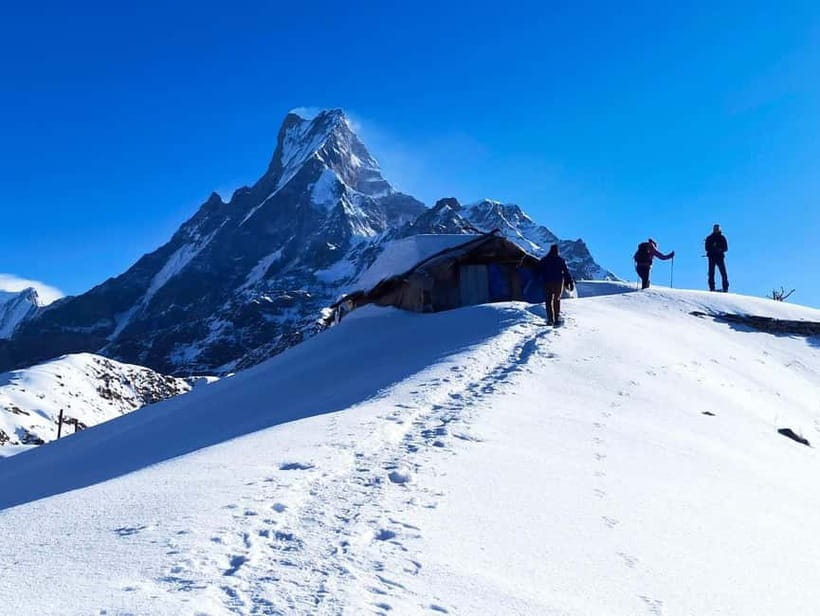
Day 2 is the hardest sustained climb for many people. You walk uphill for about six to seven hours through dense rhododendron and oak forest before reaching High Camp at approximately 3,580 meters.
The trees make this section feel protected at first, but the route becomes more open as you gain height. The scenery changes from woodland to alpine terrain, and the views toward Machapuchhre and Annapurna South become the reward for the steady climb.
This is where a private guide earns the fee. A guide can recommend when to stop, check how you are handling the altitude, and help you avoid racing uphill. Several accounts describe guides carrying or helping with bags on steep stair sections. If you are new to mountain walking, that practical assistance may matter more than a polished commentary.
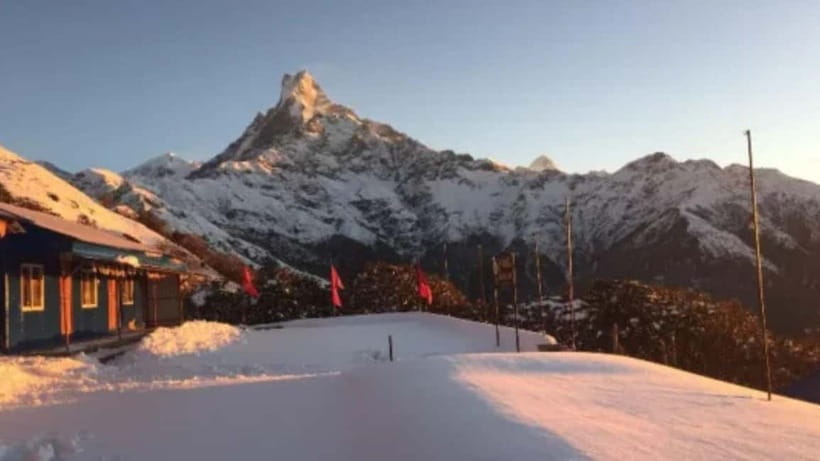
High Camp is the key overnight stop. The altitude makes the evening colder, and temperatures can change sharply compared with Pokhara. Pack warm layers, a hat, gloves, and clothing that can handle both mild and very cold conditions. A trekking stick and sleeping bag may be available as part of the gear arrangement, but confirm what you will receive before setting off.
High Camp is also where the route delivers its strongest visual promise. Machapuchhre, often called Fishtail, is a major presence, with Annapurna South adding to the mountain panorama. Clear weather is never guaranteed, so keep your expectations realistic. The mountain views can be outstanding, but clouds may cover them, particularly outside the most reliable conditions.
Day 3: Sunrise, Mardi Viewpoint, and the optional Base Camp
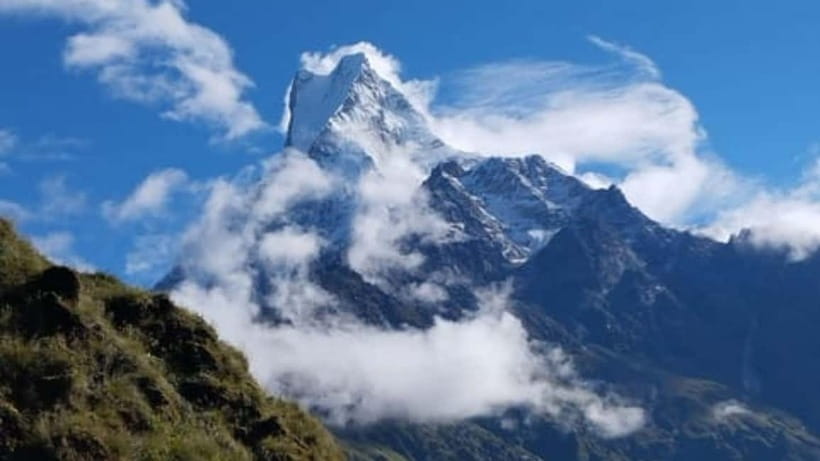
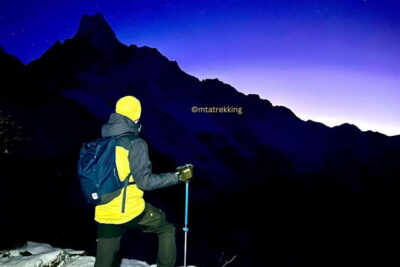
Day 3 starts early, usually before sunrise, for the walk toward Mardi Himal Viewpoint. The uphill section takes about three to four hours, with the viewpoint at roughly 4,200 meters.
The early start is worthwhile because sunrise can light the Annapurna range and Machapuchhre from the high ridge. This is the photo moment of the trek, but it is also the coldest part of the day. Keep your warmest clothing close rather than buried deep in your bag.
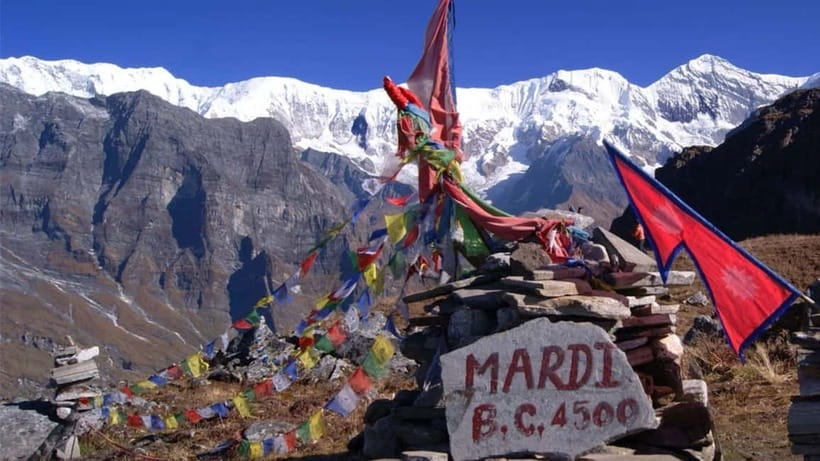
The itinerary allows an optional continuation to Mardi Himal Base Camp at about 4,500 meters. This is an important distinction. The advertised name refers to a base camp trek, but the actual Base Camp walk depends on your fitness, altitude response, weather, and available time. One person completing the four-day route did not make it all the way to Base Camp and still considered the viewpoint scenery excellent.
I see the optional approach as a sensible feature, not a weakness. High altitude is not a place to prove a point. If you feel strong, the route can continue. If you are tired, dizzy, sick, or slowed by weather, the viewpoint can be the correct turning point.
After the high point, you descend for roughly three to four hours to Low Camp at around 2,970 meters. The downhill walk may sound easy, but steep stairs can be hard on knees and thighs. Trekking poles are useful here, and your guide can help you choose a steady pace.
Low Camp provides another simple teahouse night. By this stage, you will likely appreciate an uncomplicated dinner and an early rest more than extra sightseeing. Food may include standard teahouse meals, and the included meal arrangement covers breakfast, lunch, and dinner if you choose that option.
More Four-Day Trips around Pokhara:
- Pokhara: 4-Day Ghorepani, Poonhill & Ghandruk Mountain Trek
★ 5.0 · 132 reviews - Pokhara: 4-Day Mardi Himal Trek
★ 4.9 · 59 reviews - 4-Day Private Poon Hill Trekking Tour
★ 5.0 · 58 reviews - Pokhara: 4-Day Private Trek Tour
★ 4.9 · 43 reviews
Day 4: Low Camp, Siding, Lumre, and Pokhara
The final day takes you downhill for about four to five hours to Siding Village. The route then continues for about another hour toward Lumre, with the itinerary also identifying the Lumre canyons and Lwang Ghalel area.
This section changes the mood again. You leave the high mountain setting and pass through village country, where the walk feels more connected to daily rural life. It is a fitting finish because the trek is not only about mountain photographs. It also gives you time to notice settlements, local routes, and the way the highlands connect with the road network.
From Lumre, you return to Pokhara by car in about one hour. Drop-off is available around Lakeside and Pokhara International Airport. The timing makes the route useful if you are returning to a hotel in Pokhara or continuing through the airport, but confirm the exact pickup and drop-off plan in advance.
What the $138 price really covers
At $138 per person, this is a good-value package if you want the main logistics handled. The price includes round-trip transport between your hotel, the airport, and the trek start point, plus trekking permits, required paperwork, and TIMS fees.
It also includes teahouse accommodation, a government-certified English-speaking guide, guide expenses, local and government taxes, and a first aid kit. Trekking gear such as a stick or sleeping bag may be supplied as needed. Luggage storage in Pokhara is another useful touch, since you can leave nonessential belongings behind.
A porter is included only if you select the porter option. Meals are also tied to the option you choose. This is where you should read the booking details carefully. Ordering meals at teahouses directly may cost less than the prepaid meal package, and one person reported paying substantially more for the included-food option than the food itself would have cost. If you do not choose meals in advance, one past participant spent around 3,600 Nepalese rupees per person per day on meals and drinks, though your own spending may vary.
Personal expenses are not included. Carry cash for drinks, snacks, extra food, tips, and any purchases along the route. Card payment may not be dependable in remote mountain areas, and the supplied information specifically advises bringing cash.
The private guide makes the difference
The guide is not just someone who points down the path. On this trek, the guide handles permits, helps with accommodation, checks your condition, explains local culture, and adjusts the day when needed.
That flexibility appears again and again in the strongest experiences. Anil is described as attentive and relaxed. Tanka is praised for caring support and easy conversation. Jeet Bhadur is noted for flexibility, while Bishnu brought the history, traditions, and nature of Nepal into the walking days. These are the qualities I would value most on a demanding four-day route.
You cannot necessarily request a particular guide, so treat those names as examples of the service standard rather than a promise. The important point is to tell the company about your fitness level and trekking experience before departure. A first-time trekker can manage this route with support, but honest communication is essential.
A porter can also make the experience more enjoyable. Carrying a lighter daypack leaves you with more energy for the stairs and high-altitude sections. If your package includes one, pack responsibly and keep your personal essentials with you.
Fitness, weather, and what to pack
You should have a reasonable level of fitness before booking. The route includes five to seven hours of walking on several days, steep climbs, stairs, and high altitude. You do not need to be an elite athlete, but you should be comfortable walking uphill for extended periods.
Wear sturdy hiking shoes rather than casual trainers. Bring comfortable hiking clothes, spare clothes, hiking pants, and warm layers for High Camp and the early morning viewpoint walk. A waterproof camera or phone protection is wise because rain is possible. One account describes rain on Day 1, while another missed sunrise because of cloud cover.
Travel insurance is mandatory, and emergency rescue services are available if required. Bring your passport or ID card, and submit a passport copy at least one day before the trek so the permits can be arranged.
The best attitude is flexible. You may reach Base Camp, or the weather and your energy may make the viewpoint the better goal. The mountain will not care about your schedule, so do not let the title of the trek pressure you into a risky push.
Who should book this trek?
I would recommend it to you if you want a short Himalayan route from Pokhara, prefer a private guide, and like the idea of changing scenery each day. It suits people who want forests, teahouses, villages, sunrise views, and a high mountain viewpoint without signing up for a much longer trek.
It is also a good fit for first-time trekkers who are honest about their fitness and willing to walk at a steady pace. The guide support can make a real difference, especially if you are nervous, traveling alone, or carrying limited mountain experience.
I would think twice if you dislike basic lodging, cold mornings, steep stairs, or uncertain weather. Four days sounds brief, but the schedule is active. If reaching the exact Base Camp is your only reason for booking, choose a longer or more flexible plan instead.
Should you book the 4-day Mardi Himal Trek?
Yes, if you want strong mountain scenery and a practical private trek at a reasonable price. The best parts are the forest-to-alpine route, sunrise potential, quiet villages, and attentive guiding. I would book the package with careful attention to the meal and porter choices, carry cash, and treat Base Camp as an optional bonus rather than a guarantee.
For a first taste of trekking from Pokhara, this is a convincing choice. Just bring proper shoes, warm clothes, travel insurance, and enough patience for the stairs.
FAQ
How long is the Mardi Himal trek from Pokhara?
The experience lasts four days. Walking times are about five to six hours on Day 1, six to seven hours on Day 2, three to four hours to the high viewpoint on Day 3, and four to five hours on Day 4, plus the return drive.
What altitude does the trek reach?
High Camp is approximately 3,580 meters. Mardi Himal Viewpoint is about 4,200 meters, and Mardi Himal Base Camp is roughly 4,500 meters.
Is Mardi Himal Base Camp guaranteed on the four-day route?
No. The walk to Base Camp is optional on Day 3 and depends on your fitness, condition, weather, and available time. The planned morning destination is Mardi Himal Viewpoint.
Where does the trek start?
You drive from Pokhara to Kande, which takes about one hour. The trail then passes through Australian Camp and Pothana before reaching Forest Camp.
What type of accommodation is provided?
You stay in simple teahouses or lodges along the route, including Forest Camp, High Camp, and Low Camp.
Are meals included?
Breakfast, lunch, and dinner are included if you select the meal option. Personal expenses and extra drinks are not included. Check the meal pricing carefully before booking.
Is a porter included?
A porter is included if you select the porter option. The guide, guide expenses, permits, accommodation, and transport are covered separately according to the package details.
What languages does the guide speak?
Live guiding is available in English, Hindi, and Nepali.
Can I cancel the trek or pay later?
You can cancel up to 24 hours in advance for a full refund. A reserve-now, pay-later option is also available.
Just added around Pokhara
- Pokhara: 7-Day Annapurna Base Camp Trek & Natural Hot Spring★ 5.0 · 11 reviews
- Pokhara: 5 Day Annapurna Base Camp Trek & Natural Hot Spring★ 4.9 · 44 reviews
- Pokhara: 4-Day Private Trek Tour★ 4.9 · 43 reviews
- Pokhara: Annapurna Day Hike with Panoramic Views★ 4.3 · 7 reviews
- Pokhara: 4-Day Mardi Himal Trek★ 4.9 · 59 reviews
- Pokhara: 4-Day Poon Hill and Ghandruk Guided Trek★ 5.0 · 14 reviews
- Pokhara: 3-Day Ghorepani and Poon Hill Trek★ 5.0 · 7 reviews
- Pokhara: 3-Day Trek★ 4.5 · 7 reviews
Pokhara Hiking Tours, compared.
Trekking in Annapurna/Langtang/Everest/Upper Mustang regions
Read our review →
4-Day Ghorepani, Poonhill & Ghandruk Mountain Trek
Read our review →
Kathmandu/Pokhara: 5-Day Annapurna Base Camp (ABC) Trek
Read our review →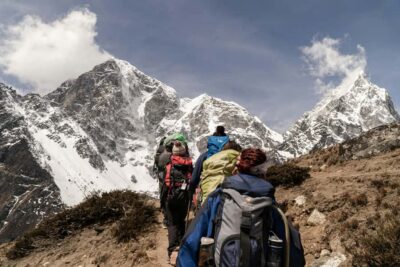
Browse the lists this tour appears in