
REVIEW · PERU HIKING TOURS
From Arequipa: Sillar Route Trek
Stone tells Arequipa’s story. This four-hour outing takes you beyond the city to the white volcanic stone quarries that gave Arequipa its famous nickname, then into a narrow canyon with ancient petroglyphs. I like the mix of working stonecraft and simple walking, and I especially like that the tour adds volcano views and a short visit to the Chilina Valley viewpoint.
The Culebrillas Canyon is the strongest stop for me, with dark, winding walls rising 15 to 20 meters around a sandy walking route. The main drawback is that time can feel tight at the Añashuayco Quarry, especially when several groups arrive together. The $12 price is excellent, but you also need 18 soles in cash for entrance fees.
The morning departure is useful if you want your afternoon free, while the 2:00 PM departure can offer warmer light and sunset color on the stone. Guides such as Jose, Mike, Roni, Julia, and Alexandra have earned praise for clear explanations and good English, though some departures are mainly in Spanish unless you ask for English.
Key points to know before booking
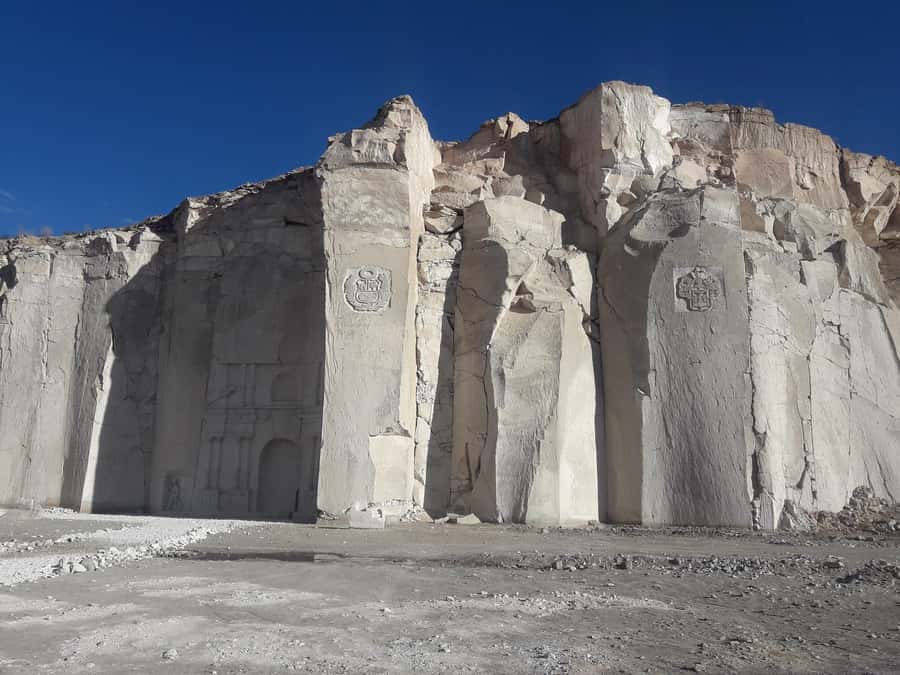
- Añashuayco Quarry: See huge ignimbrite walls, working stonecutters, and a large carving of the Church of the Company of Jesus.
- Culebrillas Canyon: Walk for about 20 to 25 minutes through a narrow canyon and look for Wari petroglyphs more than 1,000 years old.
- Volcano viewpoint: Stop for views of Arequipa’s volcanoes, the Chilina Valley, and nearby agricultural terraces.
- Small extra cost: Transportation and a guide are included, but entrance fees total 18 soles and are paid separately.
- What to bring: Wear closed shoes, sunscreen, a hat, and insect repellent. The canyon walk is short but uneven.
- Afternoon option: The 2:00 PM departure can bring softer light and sunset colors, but city traffic may slow the return.
Why the Sillar Route matters in Arequipa
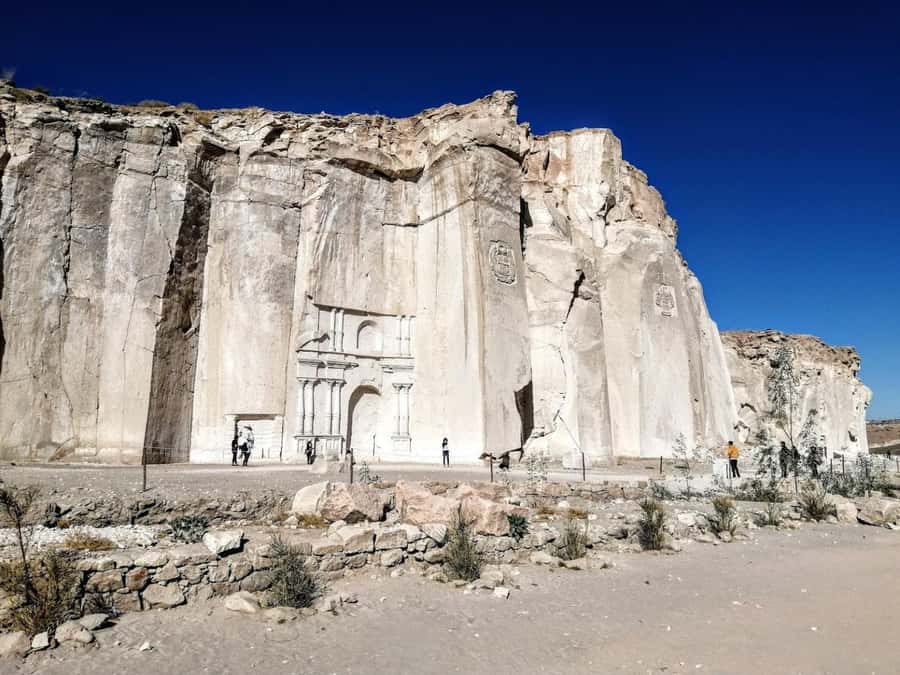
Arequipa’s historic center is famous for its pale buildings, churches, courtyards, and carved façades. Much of that visual character comes from sillar, a light-colored volcanic stone formed from ash and other material thrown out by volcanic eruptions.
This tour gives you the useful missing piece. Instead of only seeing finished buildings in town, you visit the places where the stone is cut. You can see tall quarry walls shaped by extraction, learn how the blocks are prepared, and meet a stonemason who may demonstrate the work.
That connection makes the city easier to understand. The white walls around the Plaza de Armas are not just an attractive style. They reflect local geology, labor, traditional building methods, and the long relationship between Arequipa’s people and its volcanoes.
The quarry is still in operation, so this is not simply a museum display. Depending on the time of day, you may see stonemasons working early in the morning. The tour can also let you try cutting a stone block yourself, although the exact amount of hands-on time may vary.
A few more hikes around Peru worth a look
- From Cusco: 7 Lakes Ausangate Trek with Breakfast and Lunch
★ 4.8 · 360 reviews - From Arequipa: 2-Day Colca Canyon Trekking Tour
★ 4.8 · 243 reviews - Cusco: Rainbow Mountain Tour and Red Valley Hike (Optional)
★ 4.7 · 149 reviews
Leaving Arequipa at 9:15 AM
The morning tour begins at C. Álvarez Thomas 115, near the main office. Your name should be on the list, and the staff gives brief instructions before you board the van or bus.
The drive out of the city takes about an hour in total, with the route divided between the different stops. Transport is included, and the vehicle is generally described as safe and comfortable. One practical detail: at least one vehicle was not air-conditioned, and some departures used an open-top bus, so prepare for strong sun rather than assuming a sealed coach.
The group can be fairly large. One departure had about 25 people, which is manageable but not intimate. A larger group also means you may wait while people take photos or gather around the guide. On the other hand, the tour runs on a clear schedule, which helps keep the four-hour outing from stretching into a full day.
The guide usually explains Arequipa’s volcanoes, local traditions, sillar production, and sometimes regional food. English and Spanish are available. If you are the only English speaker, tell the guide early that you need explanations in English. Alexandra, Julia, Jose, Mike, and Roni have all been praised for making an effort to include English speakers.
The volcano and Andenerías viewpoint
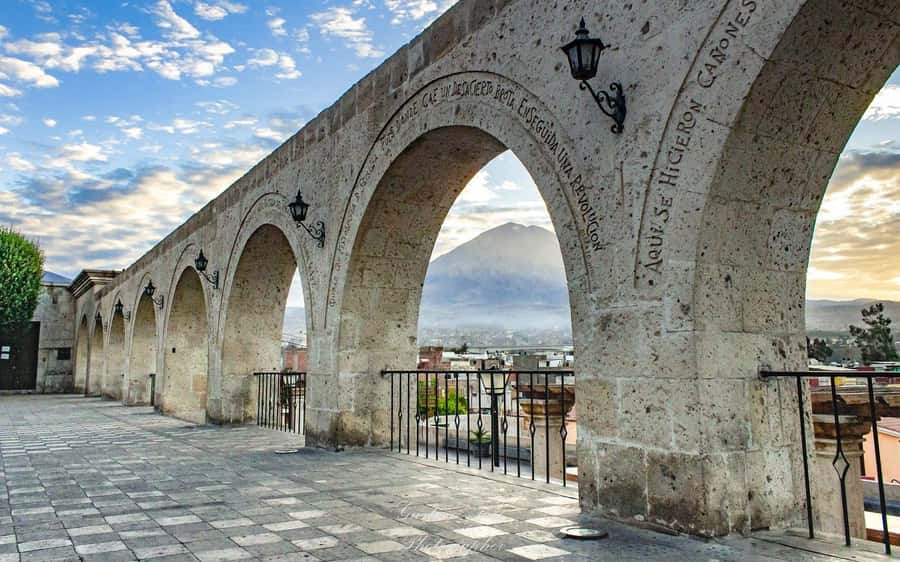
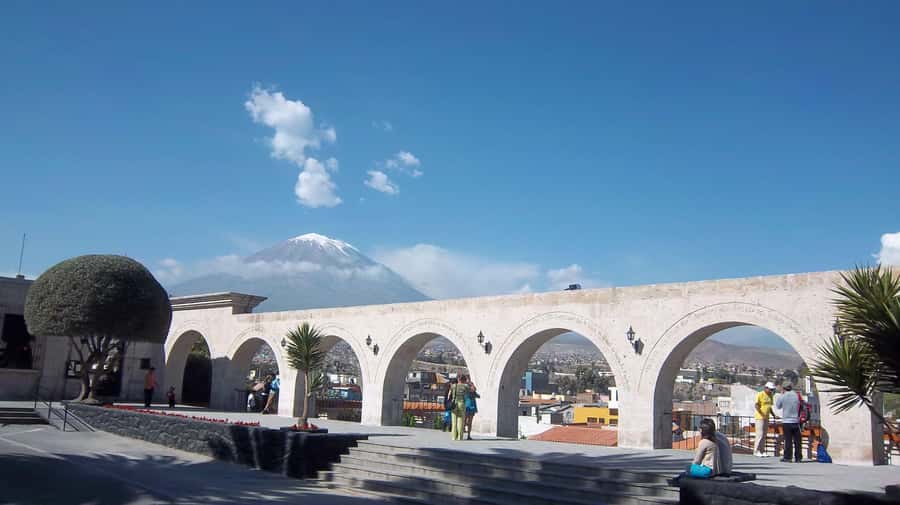
The first viewpoint gives you a quick orientation to the area. You can see volcanoes and the Chilina Valley, with agricultural terraces, or andenerías, cut into the surrounding hills.
This is a short photo stop rather than a long visit. The light and visibility depend on the day, and the operator may use another traditional viewpoint instead. Either way, the stop helps you see Arequipa as a city shaped by volcanic peaks, dry highland terrain, and cultivated valleys.
I would not book this tour solely for the viewpoint. It is useful context, but some people already visit a similar view in Yanahuara during their time in Arequipa. One person felt this stop could be skipped. If you have limited time, the quarry and canyon are the more distinctive parts of the outing.
Still, the viewpoint has value at the start. It gives you a visual map before you reach the quarries, and a guide can explain the names and character of the volcanoes. Leave your camera ready, but do not expect a long guided walk here.
Exploring the Añashuayco Quarry
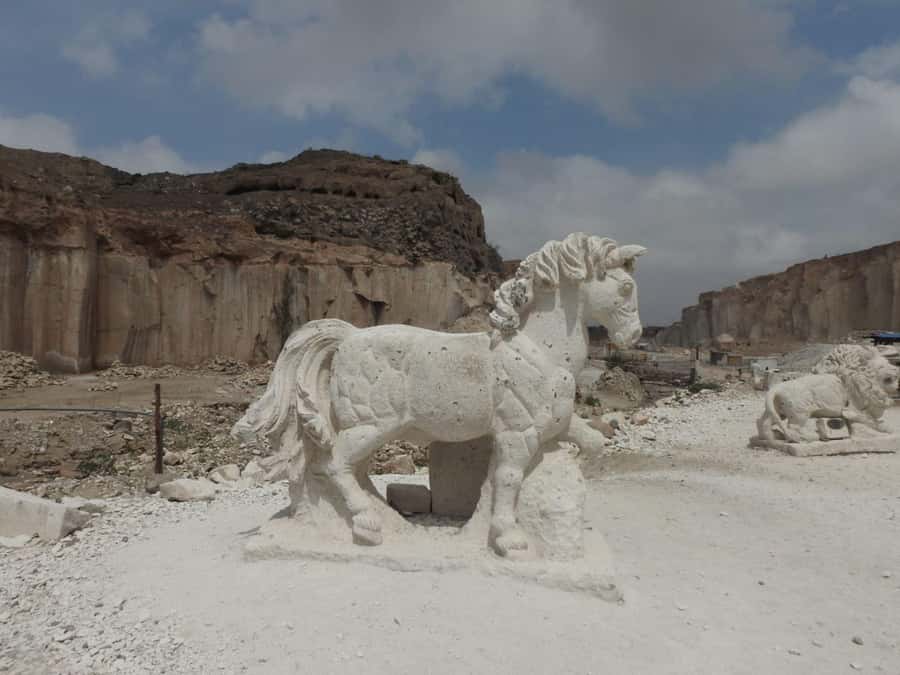
After roughly 45 minutes on the road, you reach the Añashuayco Quarry. The first sight is striking: tall cliffs of pale ignimbrite rise around the extraction areas, creating a canyon-like space made by people cutting into volcanic stone.
The guide explains where sillar came from, how it is shaped, and how it has been used in Arequipa’s buildings. This is the place to ask practical questions. How are blocks separated? Which tools are used? How does a rough piece become a clean building block? The value of this stop is in connecting the raw material to the city’s architecture.
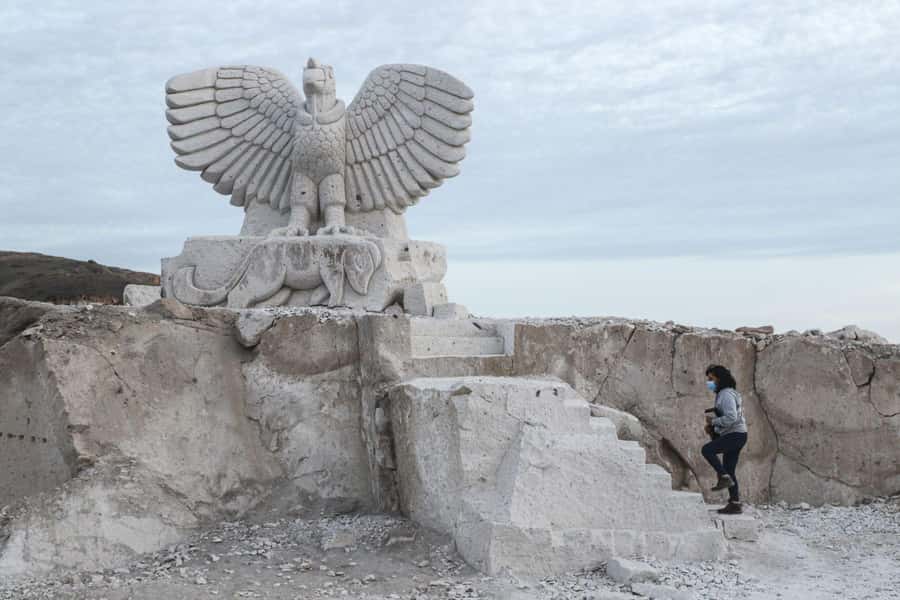
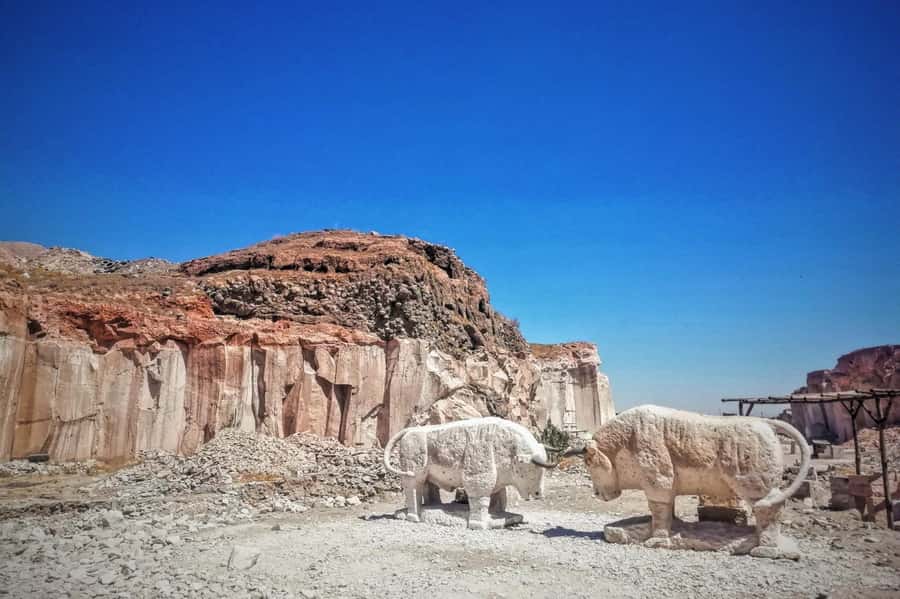
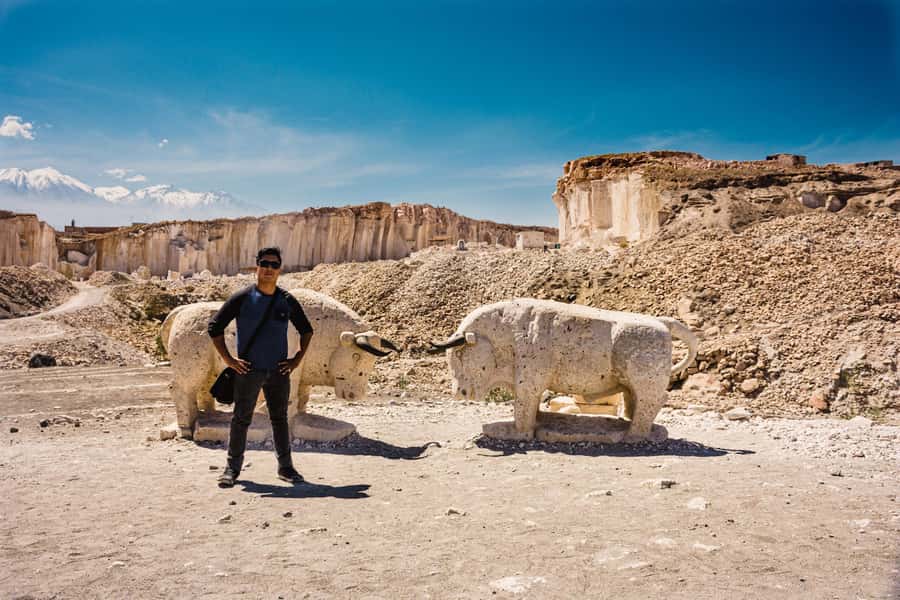
A large carving of the Church of the Company of Jesus is the quarry’s main photo feature. It is made by the stonecutters themselves and gives the otherwise industrial setting a clear local identity. You may also see other stone figures and modern carvings, including animal shapes. Some people enjoy the photo opportunities; others find them more like added decorations than the heart of the visit.
The quarry stop lasts around 45 minutes. That sounds generous, but it can pass quickly. You may have free time to walk around, listen to the guide, take photographs, and visit a stonemason. If several groups arrive together, lines for photos can reduce your time with the working stonecutters.
This is also where expectations matter. The quarry is interesting because it is real and active, not because it has a polished museum presentation. If you want a quiet archaeological site, you may find it a little busy and commercial. If you want to understand how Arequipa’s white stone is produced, it is a useful stop and good value at this tour price.
Same trailhead, a different kind of day:
- From Huaraz: Hike to the Lagoon 69
★ 4.4 · 121 reviews - Cusco: Full-Day Rainbow Mountain & Red Valley Trekking Tour
★ 4.5 · 121 reviews - Salkantay Trek Challenge – 3 Days / 2 Nights
★ 5.0 · 101 reviews - From Cusco: Rainbow Mountain Trek
★ 4.5 · 98 reviews
Meeting the stonecutters
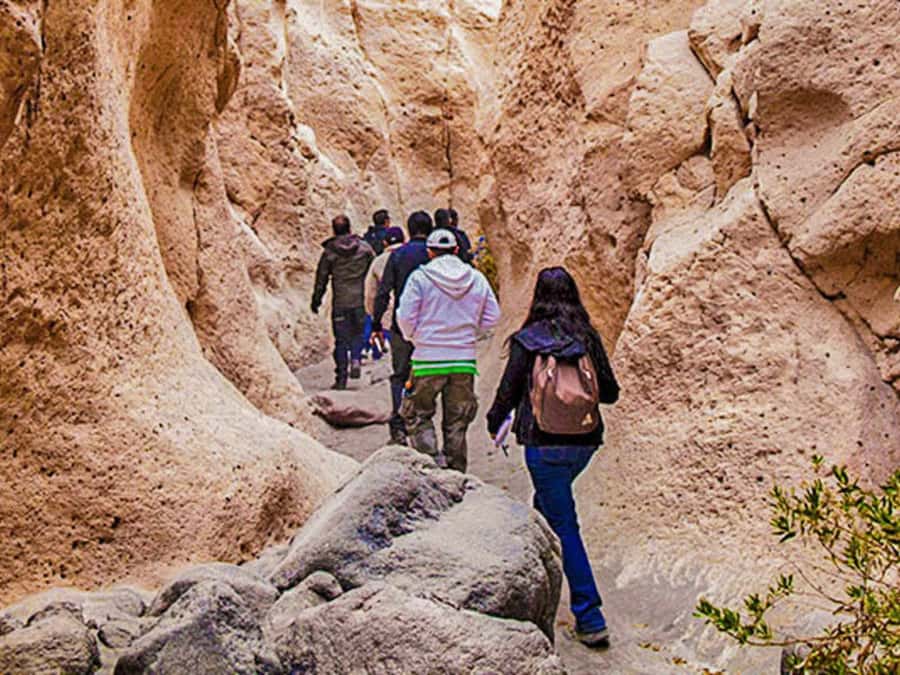
The stonemason visit adds a human side to the quarry. Rather than seeing only cliffs and carved figures, you can hear about the daily work involved in cutting sillar.
In some departures, you can try cutting one of the blocks. This is a small activity, but it changes the way you look at the finished buildings in the city. A wall or church façade made from regular white blocks represents repeated, careful labor. The demonstration helps you notice the marks, edges, and texture of sillar when you return to central Arequipa.
The available information does not promise the same demonstration on every departure, so treat it as a possible feature rather than the main reason to book. The central value remains the explanation of the stone and the chance to see an operating quarry.
Walking into Culebrillas Canyon
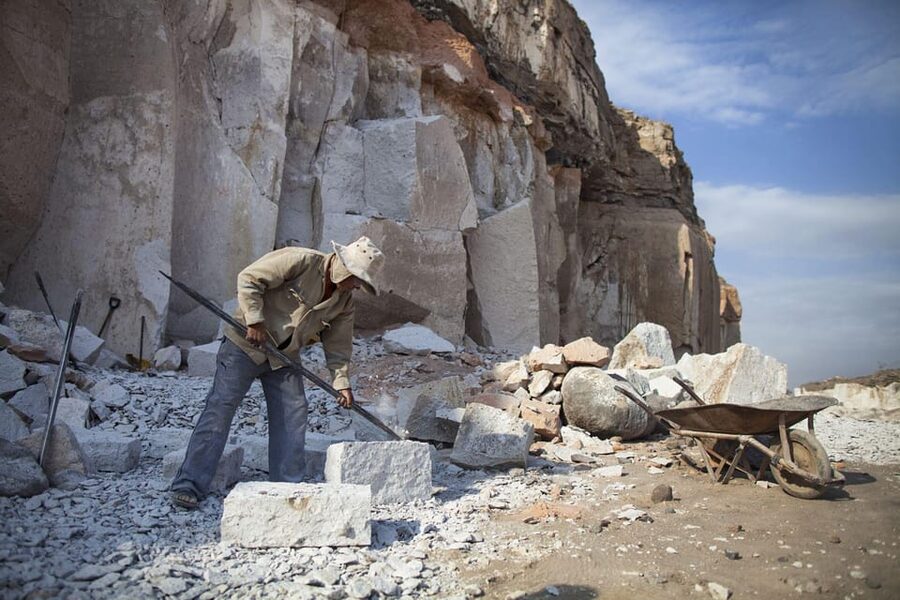
About 30 minutes after leaving Añashuayco, the tour reaches Quebrada de Culebrillas. This is the part I would prioritize if you want scenery and a little walking.
The canyon was formed by flowing water. Its walls begin at around 15 to 20 meters high and grow taller as you walk farther in. The route takes roughly 20 to 25 minutes, so it is not a serious hike, but it is more than a quick photo stop. The canyon narrows around you, and the pale rock walls give the walk a quiet, enclosed feel.
The path may be uneven, and you should wear closed shoes with a secure sole. One person specifically noted that participants with walking problems struggled in the mini canyon. You do not need advanced hiking ability, but you should be comfortable walking over rough ground for a short stretch.
At the end of the walk, look for petroglyphs associated with the Wari culture. They are more than 1,000 years old and give the canyon an archaeological layer that the quarry does not have. The carvings are not presented in a large museum setting, so listen carefully to the guide and take time to locate them.
Crowds can affect this stop. Several groups may enter the canyon at once, and the narrow route can feel busy. Some guides adjust the order of the stops to reach the canyon before the larger groups. Roni, for example, was praised for starting with the canyon to give the group a quieter visit. That kind of timing choice can make a real difference.
Apachetas and the trip back
Near the canyon, you can see apachetas, small stacks of stones placed one on top of another. They are described as symbols of gratitude toward nature and are also associated with good luck.
You do not need to spend long here, but the stacks add a local custom to the trip. They are easy to photograph, though it is best not to add to or rearrange them. The guide’s explanation is more useful than treating them as random piles of rocks.
The return to Arequipa begins around 12:30 PM, with arrival near the center around 1:30 PM. The exact return can vary with traffic. Morning departures leave the rest of the day open for the Plaza de Armas, the Santa Catalina Monastery, museums, or a long lunch.
The afternoon departure begins at 2:00 PM. It follows the same general route, but the later light can be attractive on the quarry walls and canyon rocks. Several people preferred the afternoon for the softer colors and sunset feel. The tradeoff is traffic on the way back, which can make the return less predictable.
What the $12 price really buys you
At $12 per person, this is one of the easier Arequipa excursions to recommend on value. You receive transportation, a live guide, three distinct stops, and a four-hour schedule without committing your whole day.
The extra entrance cost is 18 soles total, paid separately. Bring cash in small bills. There is no cash machine during the tour, and one person arrived without soles and found it inconvenient. If you want to buy anything during the outing, cash is also the safe assumption.
The low price does mean you should not expect a private tour, long stays at every stop, or a highly polished attraction. This is shared transport with a planned route. The strongest value comes from the range of places covered: volcano views, a working quarry, a canyon, and ancient rock art in half a day.
For the money, I think the tour works best as an introduction. It gives you enough background to appreciate Arequipa’s stone buildings and enough scenery to break up time in the city.
Packing advice for a better morning
Bring sunscreen and a hat. The route includes open areas with strong sun, and the dry setting offers little shade.
Use insect repellent. Several people specifically recommended it, and the canyon area can have insects. Closed shoes are more important than fashionable footwear because of the rough walking route.
Carry water and some soles in cash. The entrance fee is not included, and small purchases may also require cash. A phone or camera is useful at the viewpoint, quarry carvings, canyon walls, and petroglyph area.
If you are sensitive to heat, ask about the vehicle before departure. Some transport has not been air-conditioned, and an open-top bus has been used on at least one outing.
Who should book this tour?
You should book it if you have a free half day in Arequipa and want to see more than the colonial center. It suits people interested in local building traditions, volcanic geology, short walks, photography, and archaeology.
It is also a good choice after arriving in Arequipa, since the route is not far from the city and does not involve a strenuous journey. The tour gives you a quick introduction to the surrounding area before you spend more time exploring town.
You may want a different option if you dislike group transport, need a long time at each site, or have difficulty walking on uneven ground. The quarry can feel staged to some people, and the photo stops may not appeal to everyone. The canyon is the most natural and memorable section, but it can become crowded.
Should you book the Sillar Route Trek?
Yes, if you want a low-cost half-day outing with real local context. The working quarry, stonecutting tradition, Wari petroglyphs, and Culebrillas Canyon make this more worthwhile than a simple viewpoint drive.
Choose the morning for a reliable early return. Choose 2:00 PM if light and sunset color matter more to you, and accept that traffic may delay the journey back. Bring 18 soles, insect repellent, sun protection, and closed shoes, and ask for English explanations if needed.
I would book it for the combination of price and variety, while keeping expectations realistic. The tour is best understood as a well-priced introduction to the stone, valleys, and canyons around Arequipa, not as a private or slow-paced archaeological expedition.
FAQ
How long does the Sillar Route Trek last?
The experience lasts about four hours. The morning schedule begins around 9:15 AM and returns to central Arequipa around 1:30 PM.
Where does the tour start?
The meeting point is at C. Álvarez Thomas 115 in Arequipa. The office is on the corner, where your name is checked before departure.
Is transportation included?
Yes. Transportation by van or bus is included, along with a live guide.
Are entrance fees included in the price?
No. Entrance fees cost 18 soles in total and must be paid separately.
What languages are available?
The tour is offered in English and Spanish. If you need English explanations, tell the guide at the start, especially if most of the group speaks Spanish.
How much walking is involved?
The main walk is inside Culebrillas Canyon and takes about 20 to 25 minutes. The ground can be uneven, so closed shoes are recommended.
Is there an afternoon departure?
Yes. A 2:00 PM departure is available. The later time may provide attractive sunset light, but traffic can affect the return to Arequipa.
What should I bring?
Bring sunscreen, a hat, insect repellent, closed shoes, water, and 18 soles in cash for entrance fees. Small bills are useful because there is no cash machine during the tour.
Just added around Peru
- From Huaraz: Hike to the Lagoon 69★ 4.4 · 121 reviews
- From Arequipa Trek : 2-Days of Hiking in the Colca Canyon★ 4.5 · 35 reviews
- Cusco: 4-Day Salkantay Trek to Machu Picchu, Panoramic Train★ 4.3 · 17 reviews
- Cusco: 4-Day Lares Trek to Machu Picchu with Panoramic Train★ 4.9 · 20 reviews
- Arequipa: 2-day Colca Canyon Trekking, Ending in Puno★ 4.8 · 8 reviews
- Ancash: Trekking to Paron Lagoon with Entrance | Full day|★ 4.1 · 9 reviews
- 4 hours Tour: Route of Sillar with Trek in Culebrillas★ 4.2 · 69 reviews
- 4-hour excursion: Sillar Route with Hiking in Culebrillas★ 4.0 · 21 reviews
Peru Hiking Tours, compared.
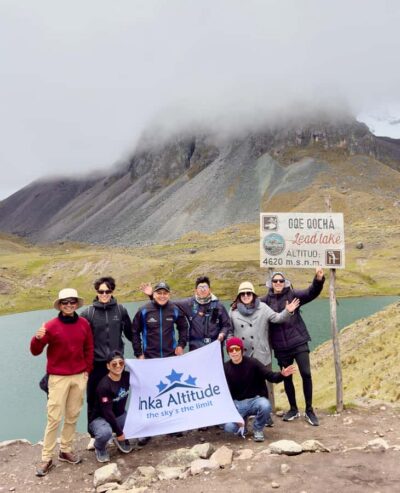
7 Lakes Ausangate Trek with Breakfast and Lunch
Read our review →
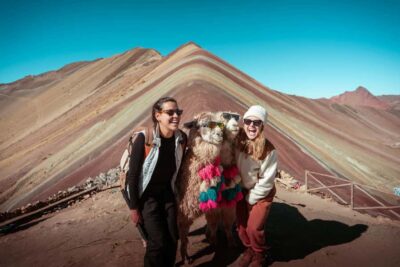
Rainbow Mountain Tour and Red Valley Hike (Optional)
Read our review →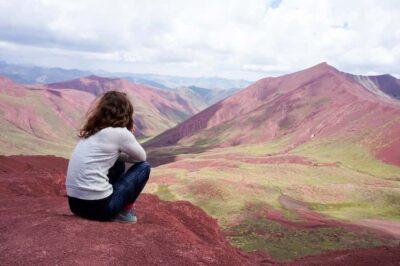
Full-Day Rainbow Mountain & Red Valley Trekking Tour
Read our review →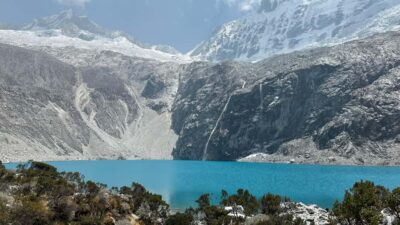
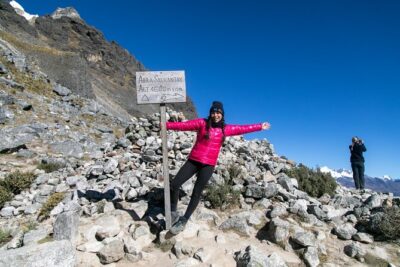
Browse the lists this tour appears in