
REVIEW · SAPA HIKING TOURS
Mountain views & Rice Terraced Fields Hiking – 2D 1N
Rice terraces, village paths, and a night with a local family make this Sapa trek more than a photo stop. For $90, you walk through Hmong, Giay, and Red Dao communities, see a waterfall and valley, and learn about local customs from a guide who knows the area firsthand. I especially like the small-group limit of 10 and the chance to stay in a village instead of returning to town each evening. I also like that the route includes less-touristed paths, a detail praised by a German-speaking guest who enjoyed being away from the usual tourist routes.
The main trade-off is physical effort. You need a moderate level of fitness for the uphill and downhill walking, and weather can affect the experience. The itinerary gives only brief timing details for some stops, so you should expect a guided village trek rather than a tightly scheduled sightseeing tour.
Key points at a glance
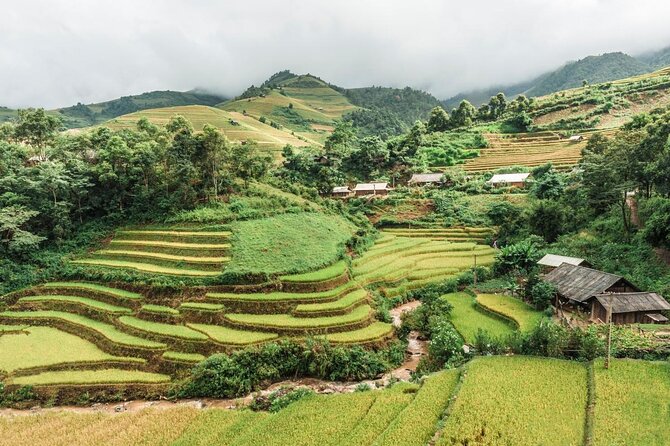
- A 1-kilometer uphill start leads from Sapa toward mountain viewpoints above Hang Da Village.
- Three ethnic cultures appear along the route: Hmong, Giay, and Red Dao communities.
- One homestay night turns the trek into a two-day countryside experience rather than a day trip.
- Giang Ta Chai includes a waterfall, while Ta Van offers views of Giay and Black Hmong village life.
- Meals and village entry fees are included, along with breakfast, dinner, two lunches, water, and transport back to Sapa.
- Guide quality matters here: guide San received especially warm praise for explanations, food, and the homestay.
Why this Sapa trek is worth considering
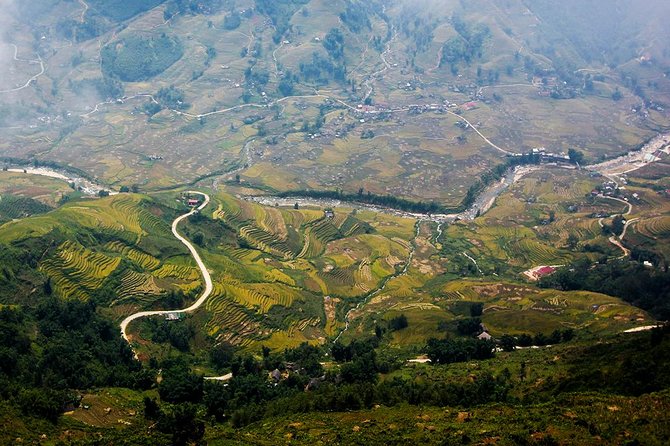
Sapa can be approached in two very different ways. You can stay in town, take short outings, and collect mountain photos. Or you can walk between villages, sleep outside town, and spend more time seeing how the valley works. This two-day trek takes the second approach.
The route covers five villages connected with Hmong, Giay, and Red Dao communities. The supplied route details name Hang Da, Hau Thao, Giang Ta Chai, and Ta Van, with the wider program covering another village along the trek. You are not simply moving from one viewpoint to the next. The guide explains farming, house building, work, and Hmong marriage customs as you go.
That human element is the strongest reason to choose this trip. The scenery is excellent, but Sapa’s rice terraces are only part of the story. A good guide helps you understand why homes, fields, paths, and village routines look the way they do.
The tour has a maximum of 10 people. That is a useful size for narrow trails and village visits. It should also give you a better chance to hear the guide than a large coach group would. The program is run by Trekking Tour Sapa, a small local Hmong operation.
More Mountain and Summit Hikes in Sapa
- Sapa The Hidden Trail Trek 1 Day – Mountain & Rice Valley
★ 5.0 · 133 reviews - Mountain views and villages trek – 1 Day
★ 5.0 · 99 reviews - In Sapa: 1 Day Mountain Trek, Visit beautiful villages
★ 5.0 · 50 reviews
Starting at 9am with Hang Da’s mountain views
The tour begins at 9am with pickup at your Sapa hotel or a meeting point in front of Sapa’s main church. The listed meeting point is Sapa Church on Ham Rong Street. If you are not staying near the church, confirm the pickup details when booking so the morning starts without confusion.
After a short introduction, you walk about 1 kilometer uphill on a small trail toward the mountain views near Hang Da Village. This first section is important to understand before booking. The route does not ease you in with a vehicle ride to a viewpoint. Your legs begin work early.
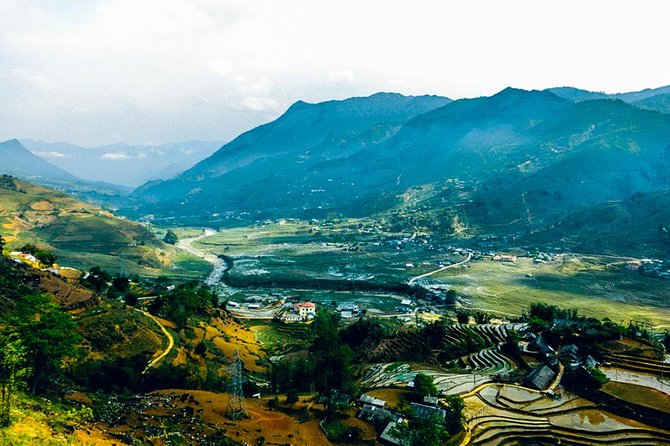
The reward is a broad view over the surrounding mountains and valley. From this height, the famous rice terraces make more sense. They are not just decorative stripes on a postcard. They show how farming has been shaped around steep ground and seasonal water.
The Hang Da portion is listed at about one hour, including the walk and stop. Admission is included. Since the route uses a small trail, proper walking shoes are more useful than fashionable town footwear. The information does not specify trail conditions in detail, so bring shoes you can trust on uneven ground and in wet weather.
This is also a good point to judge the pace. If the initial climb feels hard, tell the guide early. You still have a second day ahead, including downhill sections that can be tiring in a different way.
Hau Thao and the Black Hmong way of life
After the morning section, the route continues toward Hau Thao after lunch. The walk follows a small road downhill into a Black Hmong village. The short listed stop time does not mean Hau Thao is unimportant. It is a place where the guide connects the views with everyday life.
Timing matters here. The description notes that you may see local people working if you arrive at the right time. That wording is worth taking seriously. This is a working village, not a staged cultural performance with guaranteed demonstrations.
You may learn about Hmong marriage traditions, rice cultivation, work, and house-building methods during the wider walk. These details give the trek more substance than a series of quick photo stops. Ask questions as you go, especially if you want to understand how customs relate to daily life.
The route after lunch is downhill, which may feel easier than the morning climb. Downhill walking can still put pressure on knees and ankles, particularly on uneven paths. A moderate fitness level is required, and you should not book this as a gentle stroll.
The overnight stay follows the first day’s village walking. One night of accommodation is provided in a homestay, along with dinner. The homestay is simple by nature, but the available feedback describes the accommodation and food as quite good. Guide San was singled out for being helpful, and the quality of the guide appears to be a major part of the experience.
What a homestay night adds
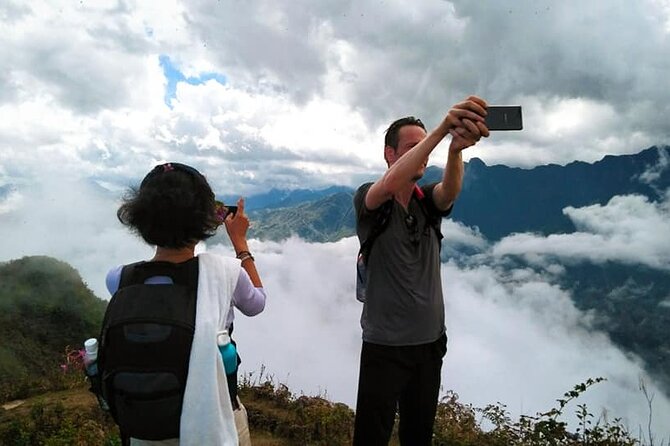
The homestay is the point where this tour changes from a long excursion into a small journey. Instead of walking back to Sapa, you remain in the village and eat dinner there. Breakfast is included the next morning.
The information does not promise private rooms, a particular bedding arrangement, or hotel-style facilities. You should therefore choose this tour for the village stay itself, not for comfort equal to a Sapa hotel. Extra drinks at the homestay, including bottled water or beer, cost extra.
The $90 price becomes easier to judge once you count what is covered. The package includes one night’s homestay accommodation, dinner, breakfast, two lunches, village entry fees, a large bottle of water per person, a local guide, and transport back to Sapa after the trek.
That is strong value if you want meals and a local guide arranged in one booking. You also avoid paying separately for a return ride from the valley. Personal travel insurance, extra drinks, and tips are not included, so leave room in your budget for those items.
A homestay also asks for a little flexibility. You are staying in a local setting, and the tour’s value comes from that change of pace. If your priority is a private bathroom, fixed meal choices, or a predictable hotel routine, a town-based excursion may suit you better.
More Mountain and Summit Hikes in Vietnam
- 2-Day Fansipan Mountain Trek – Indochina’s Highest Peak
★ 4.3 · 42 reviews - Easy Trek in Sapa mountain : Y Linh Ho – Lao Chai – Ta Van
★ 4.8 · 16 reviews - Ninh Binh 1 day Hoa Lu Trang An with Dragon Mountain Hiking
★ 5.0 · 245 reviews - From Hanoi: 2-Day Sapa-Fansipan Peak & Trek & Ha Giang Bus
★ 4.8 · 52 reviews
Day two: Giang Ta Chai, a waterfall, and the valley floor
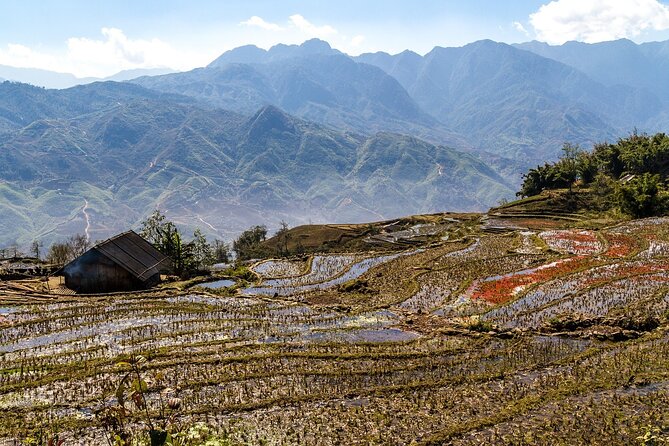
After breakfast, you begin the second day from Hau Thao. The route heads downhill to Giang Ta Chai Village. This section brings more natural scenery, including a waterfall, and gives you another view of the rice terraces and valley.
The Giang Ta Chai portion is listed at about one hour, though the full walking time between places is not spelled out. Expect the schedule to depend on the group’s pace, photo stops, trail conditions, and the guide’s explanations.
The waterfall adds variety to the route. After a day focused largely on mountain views, farms, and village life, water and forest make a welcome change. The stop is also a reminder that the valley is shaped by more than rice cultivation. Streams and falls help explain why these routes feel so green during suitable weather.
You will want to keep your phone or camera ready, but do not let every stop become a race for the next picture. The best part of this day is the combination of walking and explanation. The guide can give meaning to what you are seeing, from the fields to the homes and paths.
Rain can change the feel of this section quickly. The tour requires good weather, and poor conditions may lead to a new date or a full refund. Even when the tour operates, wet ground can make downhill walking slower and less comfortable, so pack with changing weather in mind.
Ta Van and the meeting of two communities
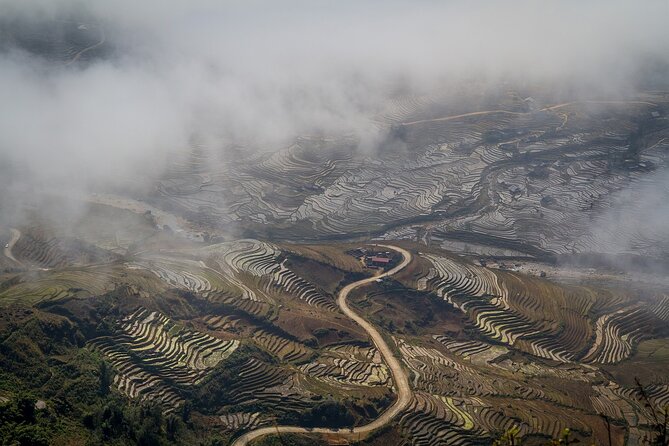
From Giang Ta Chai, the route continues downhill to Ta Van Village. Here you can see both Giay and Black Hmong communities. The stop is brief in the published timing, but its cultural value is clear because it brings two ethnic groups into the same part of the route.
Ta Van is also a natural endpoint for the countryside portion of the trek. After the mountain paths, terraces, villages, and waterfall, you finish in the valley before transport returns you to Sapa. The tour ends back at the meeting point rather than leaving you to arrange your own ride.
This return transport is easy to overlook when comparing prices. Valley transport can be inconvenient to organize after a long walk, and including it makes the $90 fee more practical.
The program refers to Hmong, Giay, and Red Dao communities. The named route details focus especially on Black Hmong and Giay villages, while the broader tour promises contact with all three groups. Ask the operator how the Red Dao village fits into the exact route on your date, since the supplied stop descriptions do not name it.
The guide can make or break the experience
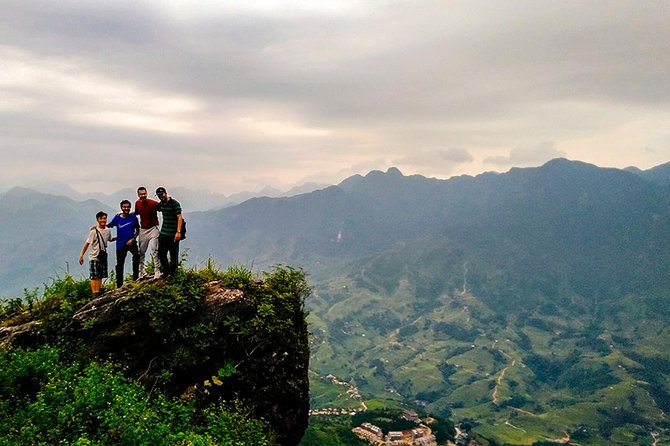
A village trek depends heavily on the person walking with you. The strongest praise here goes to the guides, with San receiving specific credit for explaining the area well. That includes the culture, customs, and local practices that turn a walk into a learning experience.
The operator describes itself as a small local Hmong group in Sapa. That local connection is useful because the tour is built around community visits, not only scenic points. You should still remember that guide assignments can vary, so San may not be the person leading every departure.
A good approach is to ask questions rather than wait for a lecture. Ask about the rice fields, homes, marriage customs, work, and building methods mentioned in the tour. The route gives you the setting, but your curiosity helps determine how much you learn.
One German-speaking guest particularly valued the route for going beyond the usual tourist paths. That fits the nature of this program. You are not promised a completely empty valley, but the combination of small trails, village roads, and an overnight stay gives you more contact with rural Sapa than a quick viewpoint visit.
Fitness, group size, and practical comfort
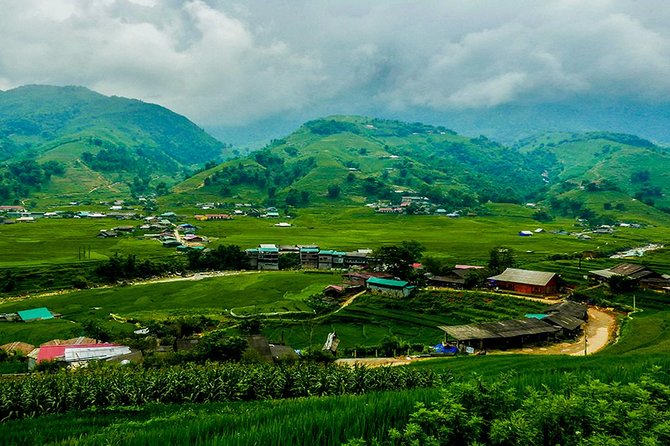
The operator asks for moderate physical fitness. Take that seriously. Day one includes an uphill start, followed by downhill walking toward Hau Thao. Day two continues downhill toward Giang Ta Chai and Ta Van, with enough distance and uneven ground to make tired legs noticeable.
You do not need to be an athlete based on the information provided, but you should be comfortable walking for much of two days. The exact total distance is not supplied, so ask before booking if you need a precise figure.
The group maximum is 10 people. This is small enough to keep the guide’s explanations personal, but it is not a private tour. If you want complete control over breaks and pace, ask about a private option. No private upgrade is specified here, so do not assume one is available.
Pickup is offered from your Sapa hotel or the church meeting point. A mobile ticket is provided, and confirmation comes at booking. The area is near public transportation, which helps if you need to reach the meeting point independently.
The tour provides one large bottle of water per person. That is helpful, but extra drinks are not covered. Carry any additional water you need, especially if you know you drink more while walking.
Who should book this two-day route
I would choose this trek if you want mountain views with a clear cultural focus. It suits people who prefer village paths and a homestay to a quick bus outing, and it is a good fit for anyone who wants a local guide to explain Hmong, Giay, and Red Dao traditions.
It also suits couples, friends, and solo visitors who like a small group. The 10-person limit keeps the experience more manageable than a large organized excursion.
I would think twice if you dislike uphill or downhill walking, need a firm schedule, or expect hotel-level accommodation. The route is weather-dependent, and the exact walking distance is not provided. Those are not flaws, but they are important conditions.
The cancellation terms are fair. You can cancel at least 24 hours before the 9am start for a full refund. If poor weather or an insufficient number of bookings cancels the trip, you are offered another date or a full refund.
Should you book it?
Book this experience if you want Sapa’s terraces as part of a real village route, not as a single photo stop. The combination of a local guide, one homestay night, included meals, waterfall scenery, cultural explanations, and return transport gives the $90 price solid value.
Before paying, confirm the exact village sequence, the expected walking distance, and the homestay arrangements. If you are comfortable with moderate exertion and simple overnight accommodation, this is a well-balanced way to see the Sapa valley. If you want maximum comfort or very short walks, choose a less demanding day outing instead.
FAQ
Where does the tour start?
It starts at 9am at Sapa Church on Ham Rong Street, or pickup can be arranged from your hotel in Sapa.
How long does the experience last?
The tour lasts approximately two days and includes one night in a homestay.
Which ethnic minority communities are included?
The tour visits villages connected with the Hmong, Giay, and Red Dao ethnic minorities. The named route includes Black Hmong and Giay communities.
What meals are included?
Dinner, breakfast, and two lunches are included.
Is transport back to Sapa included?
Yes. Transport back to Sapa is included after the village portion of the tour ends.
What happens if the weather is poor?
If the tour is canceled because of poor weather, you are offered a different date or a full refund.
More Two-Day Trips around Sapa
- EXPLORE SAPA: 2D1N TREKKING & HMONG CULTURE WITH DINH
★ 4.9 · 191 reviews - AUTHENIC 2D1N Trek & Bungalow Retreat with Dinh Hmong Family
★ 5.0 · 19 reviews - Hanoi: Sapa Trekking 2 Days 1 Night – Sleeper Bus from Hanoi
★ 4.6 · 18 reviews - Discover Sapa: 2D1N Trekking Adventure & Cozy LaLa Homestay
★ 4.9 · 17 reviews
Just added around Sapa
- Hanoi: Sapa Trekking 2 Days 1 Night – Sleeper Bus from Hanoi★ 4.6 · 18 reviews
- From Hanoi: 2-Days Sapa Trekking Tour Lao Chai and Cat Cat★ 4.3 · 7 reviews
- Easy Trek in Sapa mountain : Y Linh Ho – Lao Chai – Ta Van★ 4.8 · 16 reviews
- Discover Sapa: 2D1N Trekking Adventure & Cozy LaLa Homestay★ 4.9 · 17 reviews
- SaPa: 2-Day Villages,Rice Fields, Love Waterfall Hiking Tour★ 5.0 · 9 reviews
- AUTHENIC 2D1N Trek & Bungalow Retreat with Dinh Hmong Family★ 5.0 · 19 reviews
- From Hanoi: Sapa 3-Day Medium Trek and Limousine Trip★ 4.5 · 59 reviews
- 2 Night Lao Chai-Ta Van Homestay- Trekking & Fansipan Visit★ 4.0 · 8 reviews
Sapa Hiking Tours, compared.
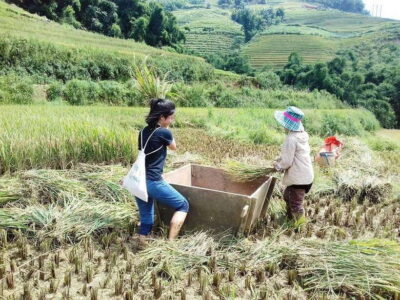
Sa Pa: Muong Hoa Valley Trek and Local Ethnic Villages
Read our review →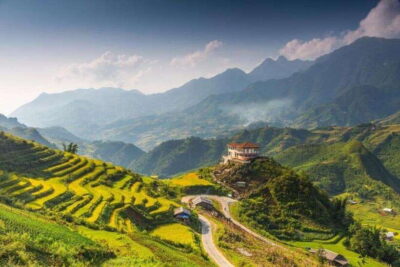
Eco Adventure Terrace Fields and Local Villages Trek
Read our review →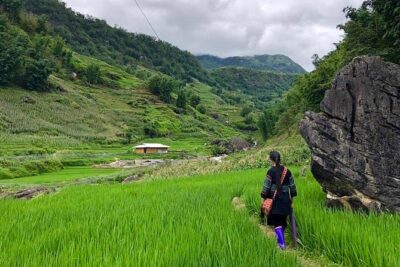
Number one top rated ethical cultural trekking and homestay by ETHOS
Read our review →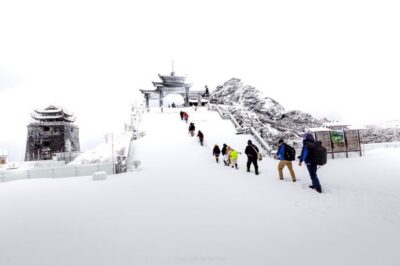
1-Day Guided Trek to Lao Chai & Ta Van with Lunch
Read our review →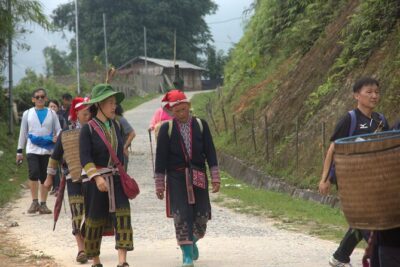
Sapa 1 Day Long Trek: Trek to Hau Thao and Sa Seng Villages
Read our review →
EXPLORE SAPA: 2D1N TREKKING & HMONG CULTURE WITH DINH
Read our review →
Browse the lists this tour appears in