
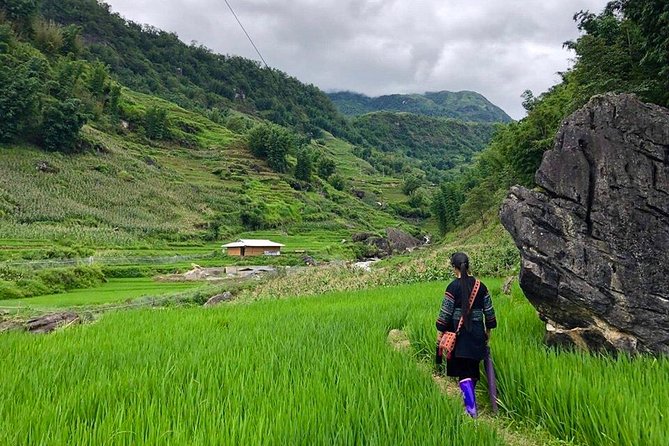
REVIEW · SAPA HIKING TOURS
Number one top rated ethical cultural trekking and homestay by ETHOS
Sapa feels different on foot. This private two-day ETHOS trek leaves the town behind for rice terraces, bamboo forests, and traditional villages, with a night in a local family home. I especially like the chance to share lunch and cook with the host family, plus the freedom to shape the second day around your energy and interests.
The trip also earns high marks for its community focus. Guides such as Cha, Ha, Ker, My, and Kae have been praised for explaining local life and introducing their families. The main drawback is the first day’s length: about 14 kilometers, with a steep section, so you need a moderate level of fitness and comfortable walking shoes.
Key points to know before booking
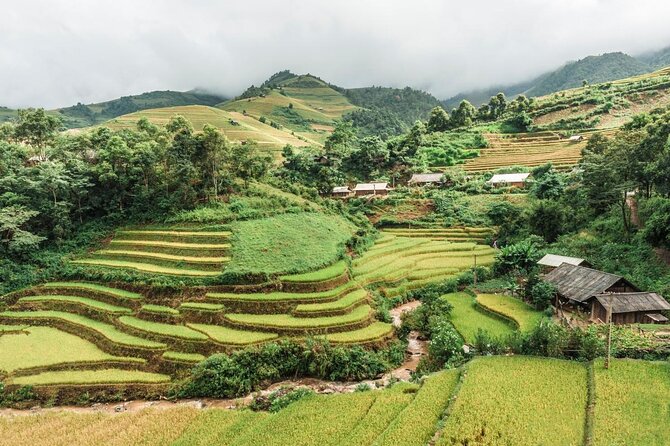
- A private trek for your group: You do not join a large walking party, and the route can be adjusted more easily on the second day.
- A 14-kilometer opening hike: The first six kilometers are relatively easy but undulating, followed by a steep climb of roughly two kilometers.
- A real village homestay: You spend the night with a host family among the rice paddies, rather than returning to Sapa.
- Meals are part of the experience: The price includes two lunches, dinner, and breakfast, with lunch on the first day shared and prepared with the family.
- A flexible second morning: You can choose a destination and set a suitable distance and level of challenge before returning by taxi.
- Strong ethical credentials: ETHOS presents the trek as a way to support community livelihoods and local guides while giving you direct contact with village life.
Leaving Sapa for the rice terraces
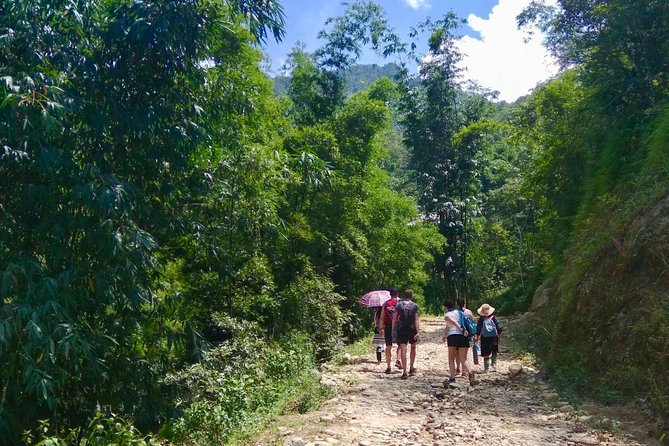
The meeting point is ETHOS, Spirit of the Community, at 79 Nguyen Chi Thanh Street in Sapa. The trek starts at 8:30 a.m., which gives you a clear morning departure rather than a rushed pre-dawn start.
The first day covers about 14 kilometers. The opening six kilometers follow relatively easy, rolling ground through rice terraces and traditional villages. Easy does not mean flat, though. Sapa’s routes rise and fall, and the surface can become more demanding as the walk continues.
The major test comes with a steep climb of around two kilometers. That section is important to understand before booking. This is not a gentle village stroll with a few scenic pauses. You will spend much of the day on your feet, and the uphill stretch can feel serious if you are unused to mountain walking.
The reward is access to places that are difficult to understand from a vehicle. You pass through working villages and agricultural areas, with the scenery changing as the route moves between terraces, forest, and settlement. Your guide gives the walk its meaning by explaining the plants, customs, and daily life connected to the places you pass.
That personal explanation is one of the strongest parts of the experience. Guides including Cha, Ha, Ker, My, and Kae have been praised for being friendly, considerate, and clear when discussing Hmong and Dao culture. The quality of the guide matters here. You are not simply checking off viewpoints. You are learning how people live in the valley.
More Homestay and Village Treks in Sapa:
- Private Hoang Lien National Park & Tribal Village Trek
★ 4.7 · 30 reviews - Discover Sapa: 2D1N Trekking Adventure & Cozy LaLa Homestay
★ 4.9 · 17 reviews - 2 Night Lao Chai-Ta Van Homestay- Trekking & Fansipan Visit
★ 4.0 · 8 reviews
Sharing lunch with the host family
A memorable part of the first day is the midday meal with your host family. You stop to cook and share lunch, rather than eating at a standard restaurant designed for tour groups.
That detail changes the feel of the trek. Food becomes a reason to sit, talk, and watch part of ordinary village life. It also gives you a natural chance to meet the people who will host you overnight. Two lunches are included in the trip, along with dinner and breakfast.
The information provided does not specify the exact dishes, so you should not book this expecting a fixed menu. The value lies in the shared setting and the connection to the family. If you have dietary needs, ask ETHOS before departure, since the supplied details do not explain how special requests are handled.
The homestay among Sapa’s villages
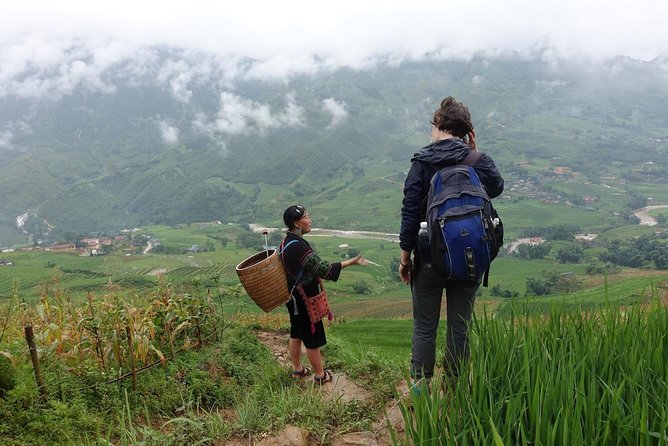
The overnight stay is in a village home surrounded by rice paddies. This is the heart of the trip. You leave behind Sapa’s tourist center and spend the night in the community that gives the valley its character.
A homestay is not the same as a hotel. The appeal is the family welcome and the chance to see village life at close range. The trade-off is that you should expect a simpler setting than a conventional accommodation. The supplied information confirms homestay lodging but does not describe the room, bedding, bathroom, or heating, so contact ETHOS if those details matter to you.
The family connection is a major reason to choose this trek. Guides have introduced their families and explained local customs, giving the evening a personal quality. You may find the night more memorable than a polished Sapa hotel because it puts people, food, and conversation at the center of the experience.
ETHOS also connects the trek with community livelihoods. Its stated aim is to support local knowledge and village income, rather than treating the area as scenery alone. That does not remove every question you may have about responsible tourism, but it gives the trip a clearer social purpose than a basic transport-and-photo excursion.
What the second day lets you choose
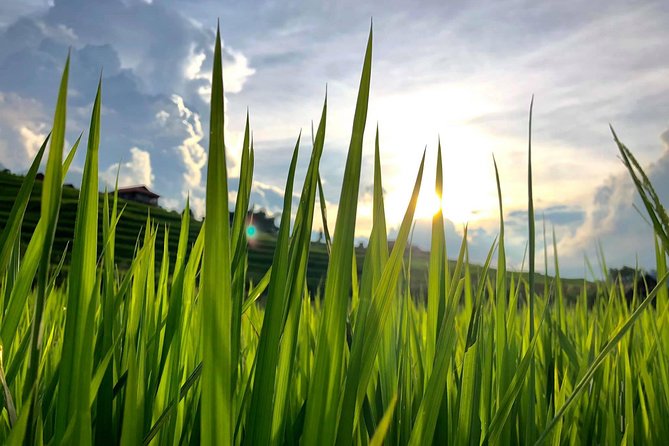
The second morning is deliberately flexible. You continue walking, but the distance and level of challenge can change according to your preferences. You also choose a destination, which makes this part less rigid than the long first day.
This flexibility is useful after a demanding opening hike. You can ask for a shorter walk if your legs are tired, or choose a more ambitious route if you still have energy. The supplied details do not name a fixed second-day destination, so you should discuss the options with ETHOS before setting out.
You continue through the Sapa Valley, with opportunities to see more villages, terraces, and bamboo forest. The guide remains important because the route is not just about reaching a point on a map. The explanations about plants, families, and local life help you notice details you could easily miss alone.
In the afternoon, a taxi brings you back to Sapa. Private transportation is included, and the activity ends at the original ETHOS meeting point. This return arrangement means you do not need to walk back after the second day, though you should confirm the exact pickup timing with your guide.
A few more hikes around Sapa worth a look
- Sa Pa: Muong Hoa Valley Trek and Local Ethnic Villages
★ 4.6 · 864 reviews - Sapa: Eco Adventure Terrace Fields and Local Villages Trek
★ 4.9 · 636 reviews - From Sapa: 1-Day Guided Trek to Lao Chai & Ta Van with Lunch
★ 4.9 · 416 reviews - Sa Pa Full Day Trekking Tour
★ 5.0 · 414 reviews
Why the private format matters
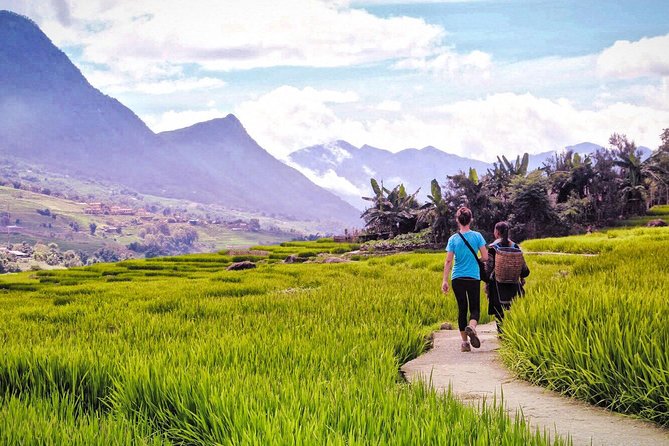
A private tour is a practical advantage here. Only your group takes part, so the guide can respond to your walking speed, questions, and interests. That matters on a route with a long first day and a flexible second morning.
You can spend more time discussing Hmong or Dao life if that interests you. You can also ask for a slower pace during the climb, within the limits of the day’s route. A large group often creates pressure to keep up or move on quickly. This format gives you more room to set the rhythm.
The minimum booking size is two people. That makes the experience a good fit for couples, friends, and family groups, but not for a solo visitor booking alone under the stated conditions. The price is listed at $93.34 per person, and the average booking point is 59 days ahead, so advance planning is sensible if your Sapa dates are fixed.
Is $93.34 good value?
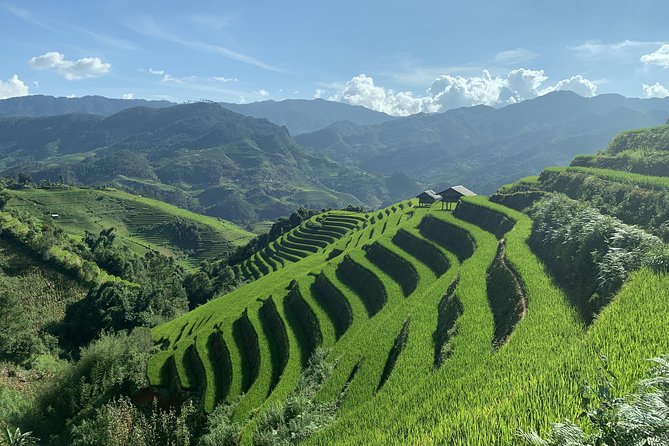
For a two-day private trek, the price covers more than a walking guide. You receive private transportation, water and refreshments, one night of homestay accommodation, two lunches, dinner, and breakfast. The strongest value comes from the combination of guiding, food, and local contact.
A cheaper day hike may show you terraces and villages, but it will not provide the same overnight connection. A hotel-based trek may give you more predictable comfort, yet it removes the chance to share a village meal and wake up in the community itself.
The price also reflects a smaller private arrangement rather than a large group departure. You are paying for flexibility and direct guiding, not only kilometers walked. For two people who want cultural contact and a rural overnight stay, the cost is reasonable.
Still, value depends on what you want. If your priority is luxury, an easy walk, or a tightly scheduled sightseeing route, this may not be the right purchase. You are paying for a simple homestay and a physical day in the hills, not for polished resort comforts.
The guides are central to the experience
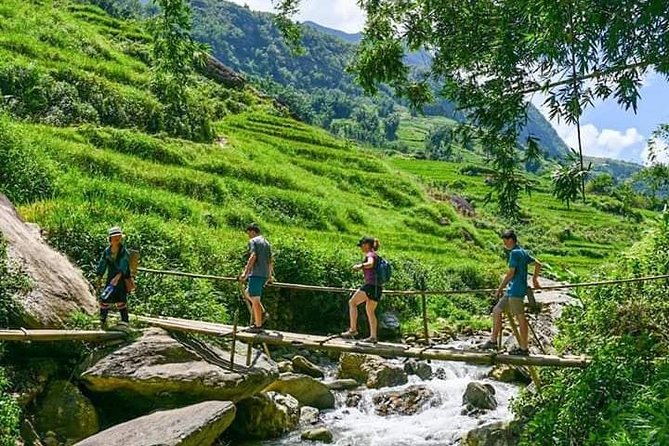
The strongest praise centers on the guides. Cha has been described as insightful and especially welcoming as a host. Hoa provided background information at the start, while Ha was praised for explaining family life and village customs during the trek.
Ker was singled out for combining humor, experience, and hospitality. My helped connect the scenery with real village life, while Kae led walks through forests, rice fields, and more difficult paths with a local family introduction along the way.
Those names matter because the guide is the bridge between you and the community. The scenery around Sapa is attractive on its own, but the explanations make the walk more than a series of views. ETHOS can assign different guides, so you should not assume you will receive a particular person unless the company confirms it.
The overall rating is 5 out of 5 from 456 reviews, with 100 percent recommending the experience. That is unusually strong feedback. The praise is consistent on the points that matter most: local contact, friendly guides, beautiful walking routes, and a feeling of getting away from the usual tourist path.
Who should book this trek?
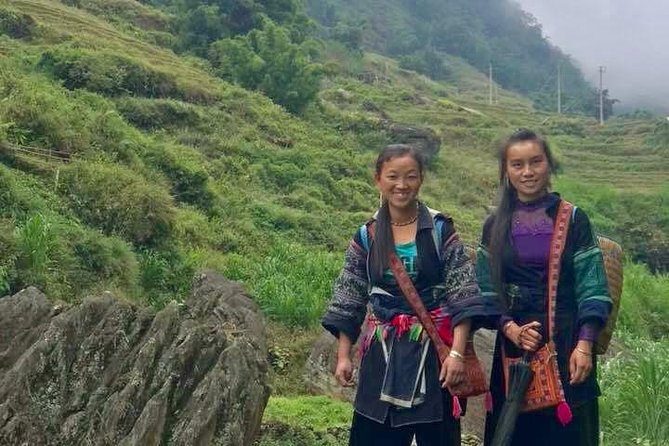
I would recommend it to you if you want a genuine cultural experience and are comfortable with a long first day. Couples and friends will benefit from the private format, especially if you want to ask questions freely or adjust the second day.
It also suits anyone who prefers direct community contact over a fast sightseeing schedule. You will have time with a family, eat included meals in a village setting, and learn about Hmong and Dao life from local guides.
You should think twice if you have limited mobility or dislike uneven, hilly walking. The trip requires moderate physical fitness, and the 14-kilometer first day includes a steep climb. The word easy applies only to the early section, not to the full day.
Pack for walking and changing mountain conditions. Since the trek requires good weather, poor conditions can lead to a new date or a full refund. Travel insurance is not included, so arrange your own cover if you want protection beyond the operator’s weather policy.
Booking, cancellation, and practical details
Confirmation is provided when you book. The meeting point is close to public transportation, and the activity begins at 8:30 a.m. The tour is mobile-ticket friendly, so you can keep the booking on your phone.
You can cancel for a full refund if you do so at least three full days before the local start time. Cancellations or changes made inside that period are not accepted for a refund. If ETHOS cancels because of poor weather, you receive the choice of another date or a full refund.
The supplied details do not state the exact walking surface, room arrangements, bathroom facilities, or the taxi cost beyond the fact that private transportation is included. Ask about those points before departure if they affect your decision.
Should you book the ETHOS Sapa trek?
Book it if you want Sapa through its villages, families, and walking paths rather than only from a viewpoint. The long first day asks for real effort, but the private guide, village homestay, shared meals, and adjustable second morning make the experience feel personal and worthwhile.
I would skip it if you want a soft adventure or hotel-level comfort. For everyone else, the combination of ethical aims, strong guiding, and direct village contact makes this one of the better ways to spend two days around Sapa.
FAQ
Where does the trek start?
It starts at ETHOS, Spirit of the Community, at 79 Nguyen Chi Thanh Street in Sapa, Vietnam.
What time does the experience begin?
The start time is 8:30 a.m.
How long is the trek?
The experience lasts approximately two days. The first day covers about 14 kilometers, while the distance on the second day is flexible.
Is this a private tour?
Yes. Only your group participates, and the booking requires a minimum group size of two people.
What is included in the price?
The price includes private transportation, water and refreshments, homestay accommodation, two lunches, dinner, and breakfast.
How difficult is the walking?
You need a moderate level of physical fitness. The first six kilometers are relatively easy but undulating, followed by a steep climb of around two kilometers. The second day can vary in distance and challenge.
Where do you stay overnight?
You stay with a host family in a village set among rice paddies.
What happens if the weather is poor?
The experience requires good weather. If ETHOS cancels because of poor weather, you can choose another date or receive a full refund.
Just added around Sapa
- Hanoi: Sapa Trekking 2 Days 1 Night – Sleeper Bus from Hanoi★ 4.6 · 18 reviews
- From Hanoi: 2-Days Sapa Trekking Tour Lao Chai and Cat Cat★ 4.3 · 7 reviews
- Easy Trek in Sapa mountain : Y Linh Ho – Lao Chai – Ta Van★ 4.8 · 16 reviews
- Discover Sapa: 2D1N Trekking Adventure & Cozy LaLa Homestay★ 4.9 · 17 reviews
- SaPa: 2-Day Villages,Rice Fields, Love Waterfall Hiking Tour★ 5.0 · 9 reviews
- AUTHENIC 2D1N Trek & Bungalow Retreat with Dinh Hmong Family★ 5.0 · 19 reviews
- From Hanoi: Sapa 3-Day Medium Trek and Limousine Trip★ 4.5 · 59 reviews
- 2 Night Lao Chai-Ta Van Homestay- Trekking & Fansipan Visit★ 4.0 · 8 reviews
Sapa Hiking Tours, compared.
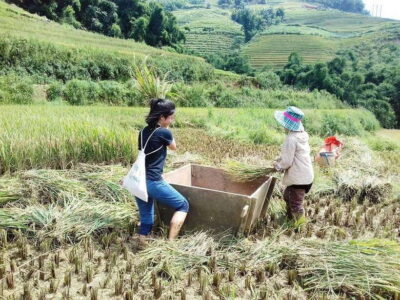
Sa Pa: Muong Hoa Valley Trek and Local Ethnic Villages
Read our review →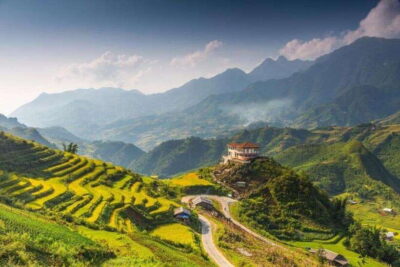
Eco Adventure Terrace Fields and Local Villages Trek
Read our review →
1-Day Guided Trek to Lao Chai & Ta Van with Lunch
Read our review →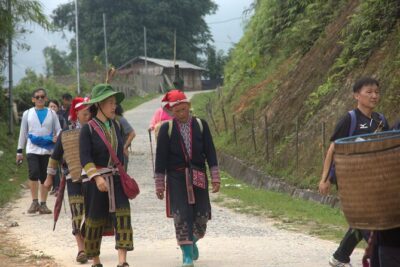
Sapa 1 Day Long Trek: Trek to Hau Thao and Sa Seng Villages
Read our review →
EXPLORE SAPA: 2D1N TREKKING & HMONG CULTURE WITH DINH
Read our review →

Browse the lists this tour appears in