
REVIEW · PERU HIKING TOURS
4-hour excursion: Sillar Route with Hiking in Culebrillas
Stone tells Arequipa’s story. This four-hour excursion links the city’s famous white-stone quarries with the quieter Culebrillas Canyon, where you can walk between high ignimbrite walls and see Wari petroglyphs. I like the mix of working quarry, volcano viewpoints, and a short canyon walk. I also like the low price, $20 per person, which gives you transport and a guide without taking up a full day.
The main thing to consider is that this is not a demanding hike or an ancient ruin circuit. The Añashuayco Quarry is an active, commercial site, and much of the visit centers on stone cutting and photographs. One serious booking issue also appears in the feedback: one confirmed reservation reportedly did not take place at all. Most importantly, confirm the departure details before you go.
Key points at a glance
- Añashuayco Quarry is still active: You can see where Arequipa’s pale volcanic stone is cut and learn how ashlar is shaped for construction.
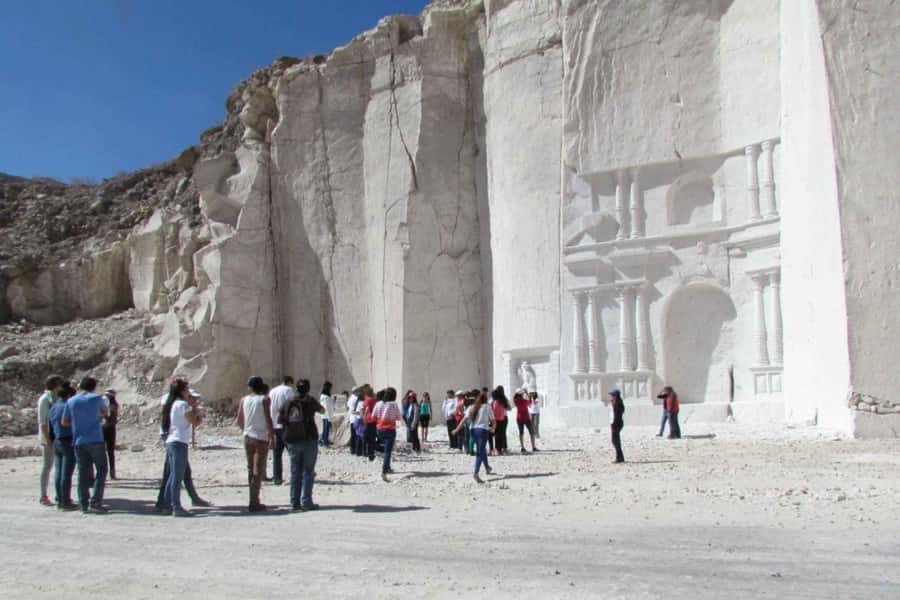
- The Megacavado is the visual centerpiece: Stonemasons carved a large image of the Church of the Company of Jesus into the quarry wall.
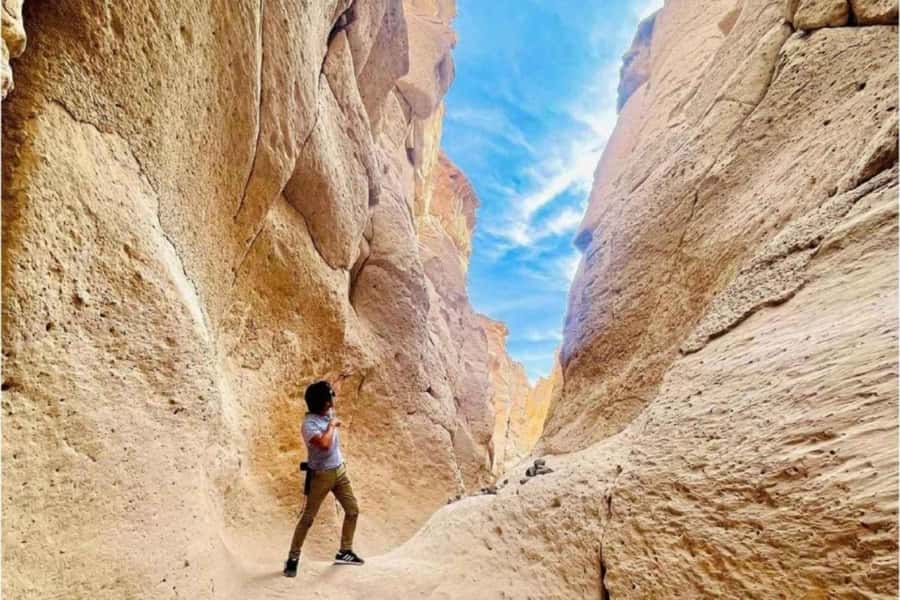
- Culebrillas offers the best walk: A roughly 20-minute route enters a narrow canyon with walls reaching 15 to 20 meters.
- Wari petroglyphs add real archaeological interest: The figures are more than 1,000 years old and appear near the end of the canyon walk.
- Volcano views come early: A short stop looks toward the volcanoes and the Chilina Valley, with the exact viewpoint possibly changing by season.
- The value is strong, with limits: For $20, you get transport and a professional guide, but you pay an additional 10 soles for entry and should not expect a full hiking day.
What the four-hour route actually includes
The excursion begins at about 9:15 a.m. and returns to Arequipa around 1:30 p.m. That makes it a useful morning outing, especially if you want to keep the afternoon free for the city. The stated duration is four hours, though the timetable from 9:15 to 1:30 works out closer to four hours and 15 minutes.
You travel by tourist transport with a professional guide. Tours are offered in English and Spanish. That language choice matters here because the experience depends on explanations about ashlar, quarry work, local culture, and the petroglyphs. One English-speaking participant found the guide’s accent difficult to understand over the microphone, so I would pay attention to where you sit and ask questions when needed.
The route has three clear parts: a volcano viewpoint, the Añashuayco Quarry, and Culebrillas Canyon. The first two are mainly sightseeing and interpretation. The last is the only real walking section, and it is short.
A few more hikes around Peru worth a look
- From Arequipa: Sillar Route Trek
★ 4.2 · 461 reviews - From Cusco: 7 Lakes Ausangate Trek with Breakfast and Lunch
★ 4.8 · 360 reviews - From Arequipa: 2-Day Colca Canyon Trekking Tour
★ 4.8 · 243 reviews
Volcano views above the Chilina Valley
The first stop is a strategic viewpoint with views of the volcanoes and the Chilina Valley. Depending on the season, the guide may use a different traditional viewpoint for this opening stop. This is a quick orientation to the area rather than a long scenic break, but it gives you a useful sense of Arequipa’s volcanic setting before you reach the quarries.
I like this early pause because the white ashlar used across Arequipa makes more sense when you first see the volcanic surroundings that produced it. The stop also breaks up the road journey, which takes about 45 minutes to reach Añashuayco.
Do not expect a long trek or an extensive viewpoint visit. The focus is the Sillar Route, so the volcano stop works best as a short introduction. If you want hours of mountain scenery, this excursion will feel too brief.
Entering Añashuayco Quarry after 45 minutes
After roughly 45 minutes, you reach the Añashuayco Quarry. It is still in operation, and the stone workers begin early in the day. By the time of the visit, you may see the results of their work in the enormous canyon-like cuts and tall ignimbrite walls created as blocks are removed.
This is the part of the route that gives the word sillar practical meaning. Ashlar is not simply a pretty white building material in Arequipa. It is cut, shaped, and prepared by hand in a working setting. The guide explains where the stone comes from, how it is produced, and how it has been used over time.
The quarry walls are the main sight. Their height and pale color create a strong visual impression, but the setting is also industrial. You are not walking through an untouched archaeological site. Machinery, extraction, and stone production are central to the experience.
That contrast is worth understanding before booking. One person expected the Sillar Route to feel more ancient or spiritual and found it more commercial and tourist-focused than expected. I think that is a fair warning. The site has cultural value because it shows a living craft, but it is not an old ceremonial complex.
The Megacavado and the craft of cutting stone
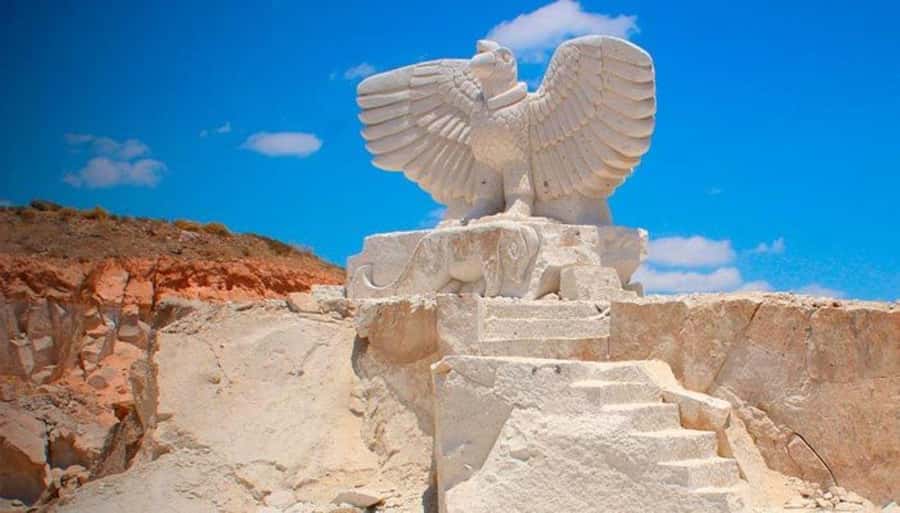
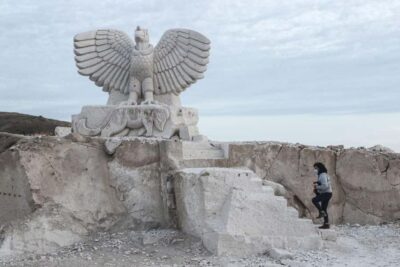
The most memorable feature at Añashuayco is the Megacavado, a large carving of the Church of the Company of Jesus. Local stonemasons made it in the quarry itself. It gives you a direct link between the raw material underground and Arequipa’s famous colonial architecture.
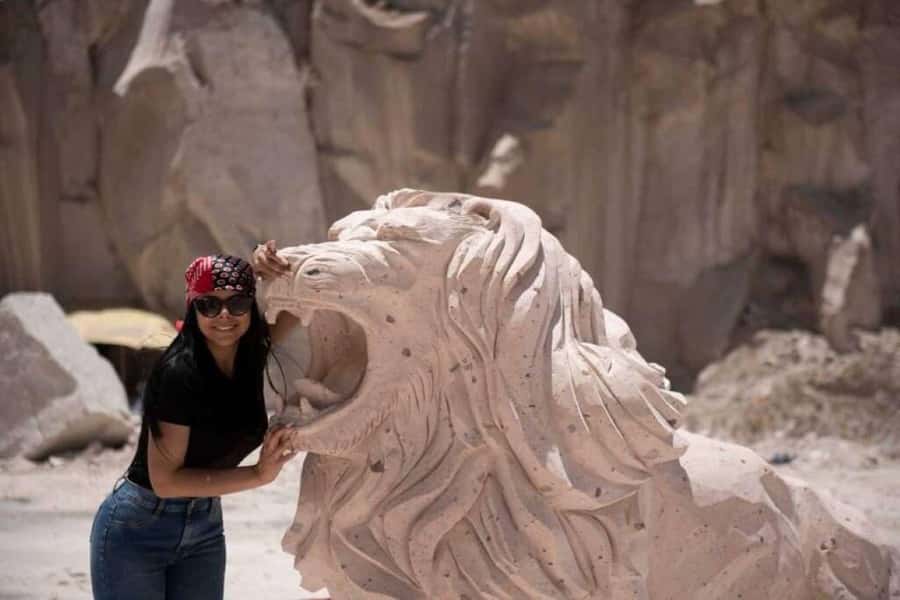
You may also visit one of the stonemasons, hear about the daily work, and try cutting one of the stone blocks yourself. This hands-on element is small, but it helps you understand the skill involved. A block of pale stone can look soft from a distance, yet shaping it requires controlled, repeated work.
I like this portion because it connects a scenic stop to actual labor. You are not only looking at a wall and taking a photograph. You are also seeing how a traditional trade continues and how the city’s architectural identity depends on it.
The visit can feel commercial, especially if the group spends more time posing for pictures than listening. If you want the most from it, stay close to the guide, listen during the explanation, and ask about the tools, the carving process, and the stone’s use in Arequipa.
Same trailhead, a different kind of day:
- Cusco: Rainbow Mountain Tour and Red Valley Hike (Optional)
★ 4.7 · 149 reviews - From Huaraz: Hike to the Lagoon 69
★ 4.4 · 121 reviews - Cusco: Full-Day Rainbow Mountain & Red Valley Trekking Tour
★ 4.5 · 121 reviews - Salkantay Trek Challenge – 3 Days / 2 Nights
★ 5.0 · 101 reviews
Culebrillas Canyon and its 20-minute walk
From Añashuayco, the vehicle continues for about 30 minutes to Quebrada de Culebrillas. This is where the excursion becomes more intimate. Water formed the small canyon, and the walls rise about 15 to 20 meters. As you walk farther inside, the canyon narrows and the walls grow taller around you.
The walk takes approximately 20 minutes. That is enough to give you a change of pace, but it is not a long hike. If the word hiking makes you picture a half-day mountain route, adjust your expectations. This is a short walk through a striking natural formation.
Culebrillas is also the part most likely to match the idea of a quieter, more atmospheric outing. The quarry is open and active, while the canyon encloses you with stone walls. The two locations work well together because they show different sides of ashlar country: one shaped by people, one shaped by water.
Near the end of the walk, you can see petroglyphs attributed to the Wari culture and dated to more than 1,000 years ago. This is the most important historical feature on the route. The marks are a reminder that the area was used long before the modern quarry trade and Arequipa’s colonial churches.
The archaeological element is limited, though. You should not expect a large site, a museum, or a long guided archaeology session. The petroglyphs are one stop within a compact canyon walk. They are valuable because of their age and setting, not because the visit offers a large number of preserved objects.
Apachetas and the final stop before Arequipa
Before returning to the city, the group observes apachetas. These are stones placed one on top of another. They are described as symbols of gratitude toward nature and as objects associated with good luck, giving the end of the route a more reflective and local feel.
The apachetas are not presented as a separate long visit. Think of them as a brief final observation after the canyon walk. Their meaning adds a cultural note to the route, especially after seeing the Wari petroglyphs.
The bus then begins the return to Arequipa at about 12:30 p.m., arriving around 1:30 p.m. That timing leaves room for lunch or an afternoon visit to the city’s churches, museums, and streets built with ashlar.
Is $20 good value?
At $20 per person, this is a good-value half-day outing for anyone who wants to see the area beyond central Arequipa. The price includes tourist transport and a professional guide. You get several distinct stops, rather than one quarry visit followed by a quick drive home.
There is an additional entrance fee of 10 soles for the sites. Add that to your budget before booking. The total remains modest, but the low advertised price is not the final cost.
The value depends on what you want from the day. If you want transport to the quarries, basic historical explanation, volcano views, and a short canyon walk, the price works well. If you want a serious hike, extensive archaeological interpretation, or a long stay at each location, you may find the outing too light.
I would also place some value on the time saved. Reaching the quarries independently can require arranging transport and working out the sequence of stops. Here, the morning has a clear plan and a guide who connects the locations.
Guide quality and communication
The guide is meant to lead the excursion in English or Spanish and explain both the stone trade and the cultural sites. That role is important because the quarry itself may otherwise look like a series of pale walls and cut blocks.
One English-language booking received a mixed assessment because the guide seemed nervous and was hard to understand over the microphone. A heavy accent was part of the problem, but the sound system also mattered. This does not mean every English tour will have the same issue, yet it is a practical reason to sit where you can hear clearly and ask for repetition when a key explanation gets lost.
The language options are still useful. Spanish speakers should have a straightforward choice, and English speakers can book in their language. I would not choose this tour solely for the guide commentary if you need highly detailed archaeological information. The main strength is the combination of transport, access, and basic context.
What to expect from the group atmosphere
The itinerary includes several photogenic places, especially the tall quarry walls, the Megacavado, the volcano viewpoint, and Culebrillas. That means photographs are likely to be a major part of the morning.
One person found that much of the group was more interested in taking social media photos than learning about the history and culture. If you want quiet interpretation, this may frustrate you. The best response is simple: stay near the guide during explanations, then take your photographs during the free moments.
The short walk also means the group may move at an easy pace rather than treating Culebrillas as a serious trek. I see that as a plus for people who want an active break without committing to a demanding route. It is less appealing if your main goal is physical exercise.
Reliability and booking caution
The overall score is 4 out of 5 from 21 ratings, which suggests a generally positive experience with some clear weaknesses. However, one verified booking from Germany stated that the excursion did not take place at all. That is the most serious issue in the available feedback.
I cannot tell from the information provided why that booking failed, or whether it was an isolated incident. Still, I would confirm the pickup time and meeting details shortly before departure. Keep your booking confirmation available and make sure you know whom to contact if the vehicle does not arrive.
The activity allows free cancellation up to 24 hours before departure for a full refund. You can also reserve now and pay later, which helps if your Arequipa plans are still moving around. Those terms reduce financial risk, but they do not remove the need to check the departure arrangements.
Who should book the Sillar Route?
I think this outing suits you if you want a compact introduction to Arequipa’s volcanic stone, a working quarry, and the nearby countryside. It is particularly useful early in a stay because it helps explain why the city’s buildings have their distinctive pale appearance.
You should also book it if you enjoy combining several short stops rather than spending a whole day in one place. The route offers views, craft, architecture, archaeology, and a short walk in a single morning.
I would be more cautious if you want a wilderness experience. The quarry is commercial and active, the walk is only about 20 minutes, and the tour has a strong sightseeing component. It is also not the best choice if you dislike group photo stops or need very clear, detailed English commentary.
Should you book it?
Book this excursion if you want good access and solid variety for $20, plus the 10 soles entry fee. The Añashuayco Quarry and Megacavado show how Arequipa’s white stone is made and used, while Culebrillas provides the most atmospheric walk and the route’s oldest cultural connection through its Wari petroglyphs.
Skip it if you expect a demanding hike, a remote spiritual site, or an extensive archaeological tour. Before paying, confirm that the departure is operating and check the meeting details. With those precautions, this is a practical, affordable way to spend a morning outside Arequipa.
FAQ
Where does the Sillar Route with Hiking in Culebrillas take place?
The excursion takes place in the Arequipa Region of Peru. Stops include the Añashuayco Quarry, Culebrillas Canyon, a volcano viewpoint, and the Andenerías area mentioned in the highlights.
How long does the excursion last?
The listed duration is four hours. The schedule begins at about 9:15 a.m., returns toward Arequipa at 12:30 p.m., and arrives in the city around 1:30 p.m.
What is included in the price?
The $20 price includes tourist transport and a professional guide.
Is there an extra entrance fee?
Yes. Entrance to the places visited costs 10 soles and is not included in the tour price.
Which languages are available?
The live tour guide service is available in English and Spanish.
How long is the walk in Culebrillas Canyon?
The walk through the canyon takes approximately 20 minutes.
Can I see petroglyphs on the excursion?
Yes. Near the end of the Culebrillas walk, you can see petroglyphs attributed to the Wari culture and dated to more than 1,000 years ago.
What can I see at Añashuayco Quarry?
You can see active stone extraction, tall ignimbrite walls, an immense quarry canyon, and the Megacavado, a large carving of the Church of the Company of Jesus. You may also meet a stonemason and try cutting a stone block.
Can I cancel the booking?
Yes. You can cancel up to 24 hours in advance for a full refund. The activity also allows you to reserve now and pay later.
Just added around Peru
- From Huaraz: Hike to the Lagoon 69★ 4.4 · 121 reviews
- From Arequipa Trek : 2-Days of Hiking in the Colca Canyon★ 4.5 · 35 reviews
- Cusco: 4-Day Salkantay Trek to Machu Picchu, Panoramic Train★ 4.3 · 17 reviews
- Cusco: 4-Day Lares Trek to Machu Picchu with Panoramic Train★ 4.9 · 20 reviews
- Arequipa: 2-day Colca Canyon Trekking, Ending in Puno★ 4.8 · 8 reviews
- Ancash: Trekking to Paron Lagoon with Entrance | Full day|★ 4.1 · 9 reviews
- 4 hours Tour: Route of Sillar with Trek in Culebrillas★ 4.2 · 69 reviews
- 4 days/3 nights: Inka Jungle Trek to Machu Picchu★ 4.7 · 25 reviews
Peru Hiking Tours, compared.
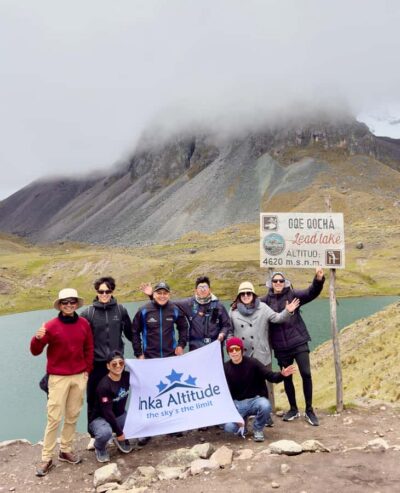
7 Lakes Ausangate Trek with Breakfast and Lunch
Read our review →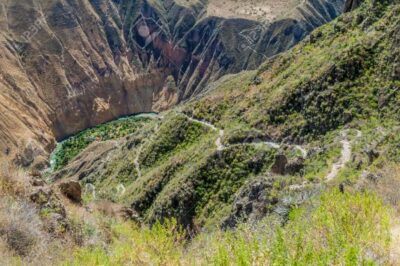
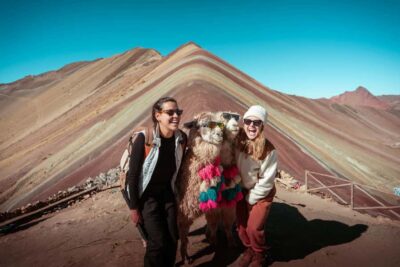
Rainbow Mountain Tour and Red Valley Hike (Optional)
Read our review →
Full-Day Rainbow Mountain & Red Valley Trekking Tour
Read our review →
Browse the lists this tour appears in