
REVIEW · SAPA HIKING TOURS
1-Day Sapa Long Trek – Rice Field Terrace, Ethnic Culture
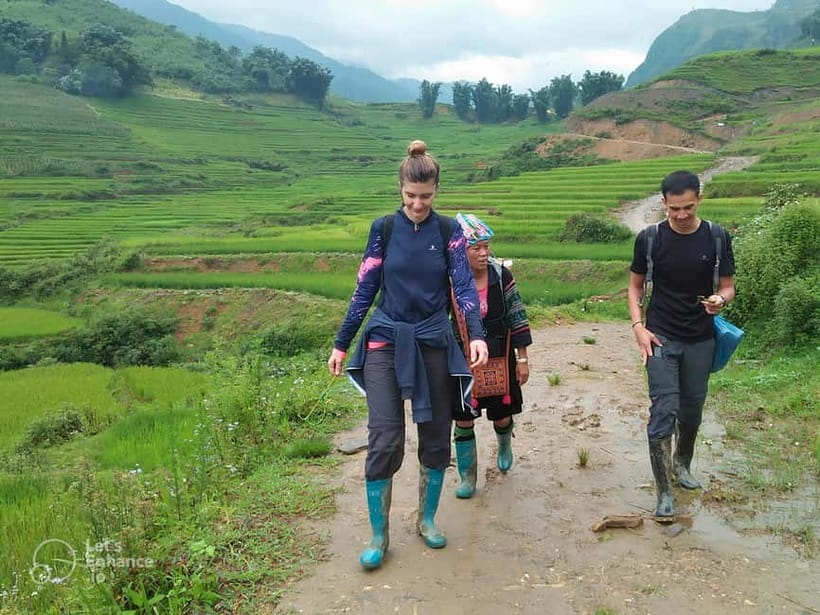
Mud is part of the Sapa experience. This $24 day trek leads you from Sapa town into Muong Hoa Valley, across Hmong rice terraces, through Lao Chai and Ta Van villages, and back by vehicle after about seven hours. I like the strong mix of mountain views and real village contact, especially the home-cooked lunch and local guides who explain daily life in their own communities. The main catch is the trail itself: expect steep sections, uneven ground, and slippery mud after rain.
The small-group format, limited to 10 people, keeps the day more personal than a big coach outing. Guides such as Mao, Sung, Chai, Giang, Thao, and Soso are praised for adjusting the pace and choosing easier or steeper paths. I also like that the experience includes transport back to Sapa, since walking 12 to 15 kilometers is enough for one day.
You should arrive ready for a proper hike, not a gentle village stroll. Good footwear matters, and some parts may feel hard if you have knee, heart, back, or mobility problems. The payoff is a close look at Hmong and Giay life, with rice terraces, streams, mountain air, and lunch in a local home.
Key points at a glance
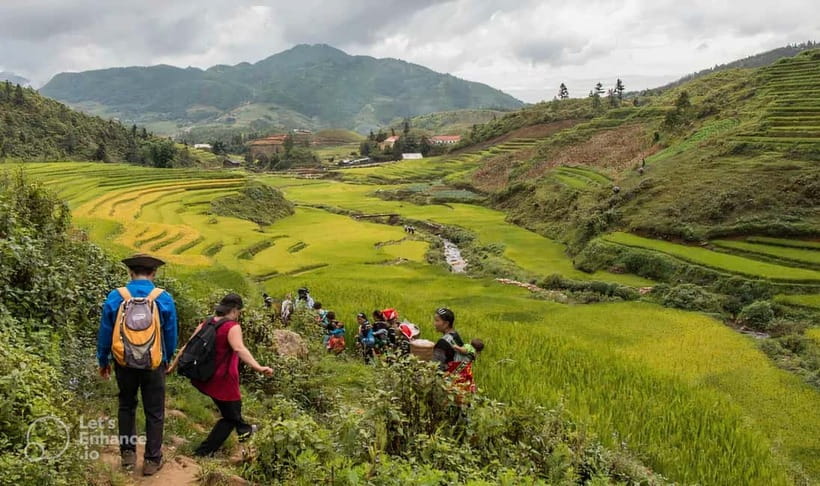
- Fansipan views at the start: Begin from a ridge with a possible view toward Fansipan, known as the Roof of Indochina.
- 13 to 15 kilometers on foot: The route includes climbs, descents, rice fields, forest paths, and uneven village trails.
- Lunch with a local family: Lao Chai Sang offers a traditional home-cooked meal with generous portions and shared dishes.
- Hmong and Giay culture: Learn about village life, clothing, natural dyes, indigo work, and traditional crafts.
- Local guides make the difference: Guides including Mao, Sung, Soso, Chai, and Giang are praised for warmth, English skills, and flexible pacing.
- Mud is not a minor detail: After rain, rubber boots or hiking shoes with strong grip can save the day.
Why this Sapa trek offers good value at $24
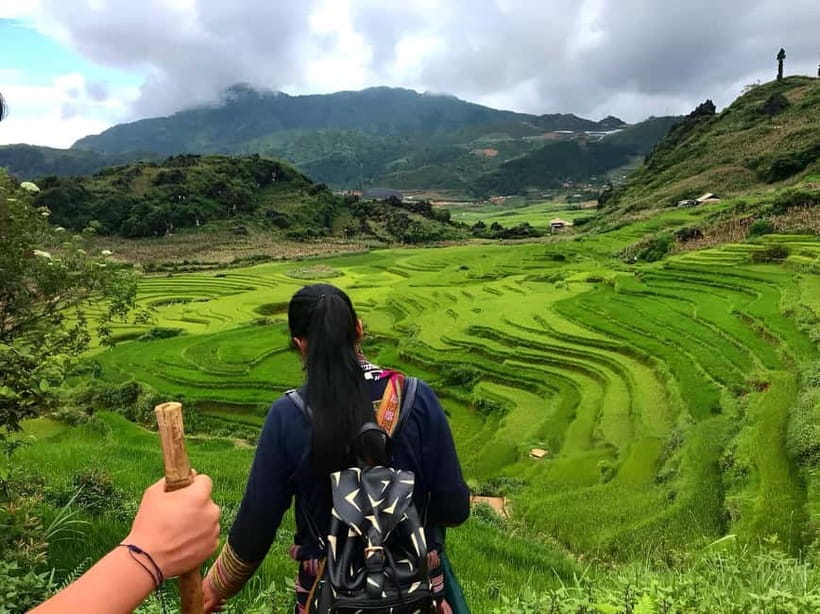
At $24 per person, this is an unusually full day for the price. You get pickup in Sapa town, a local English-speaking guide, village entrance fees, lunch, a small bottle of water, rain protection, and transport back to town. The fee also covers more than scenery. You spend time in homes, hear local stories, and learn about Hmong and Giay traditions.
The value is strongest if you want a cultural walk rather than a simple viewpoint visit. A scenic cable car or short photo stop gives you impressive views, but this trek lets you see people working in fields, homes along the valley, and craft traditions such as indigo dyeing and handwoven clothing.
The price does not cover anything not specifically listed. Pickup outside Sapa town may cost extra, and a requested drop-off outside the normal area may also carry a fee. Confirm those details before the morning of the trek.
More Rice Terrace Hikes in Sa Pa:
- Sa Pa: Muong Hoa Valley Trek and Local Ethnic Villages
★ 4.6 · 864 reviews - Sa Pa: 6-Hours Muong Hoa Valley Trek with Local Ethnic guide
★ 4.5 · 178 reviews - SaPa: 2-Day Villages,Rice Fields, Love Waterfall Hiking Tour
★ 5.0 · 9 reviews
Starting above Muong Hoa Valley at 9:00 AM
The day begins at 9:00 AM in Sapa town. Pickup is available from hotels or another location inside town. If you stay farther out, you can pay for transport to a meeting point, such as Sapa TT Homestay on Dien Bien Phu Street or Sapa View Spring Garden Hotel on Muong Hoa Street.
The opening climb takes you toward a quieter ridge above the valley. On a clear day, you may see Fansipan rising from the Hoang Lien Son range. Clouds are common in Sapa, though, so do not book this day solely for a guaranteed mountain panorama. One guide, Mao, gave her group the choice of climbing higher in mist or staying lower, which is the kind of practical judgment that can improve the day.
This first section sets the tone. You leave the busy center of Sapa and start walking through open mountain country. The air is cool, and the route soon begins to descend toward the rice terraces.
The rice terraces and river paths near Y Linh Ho
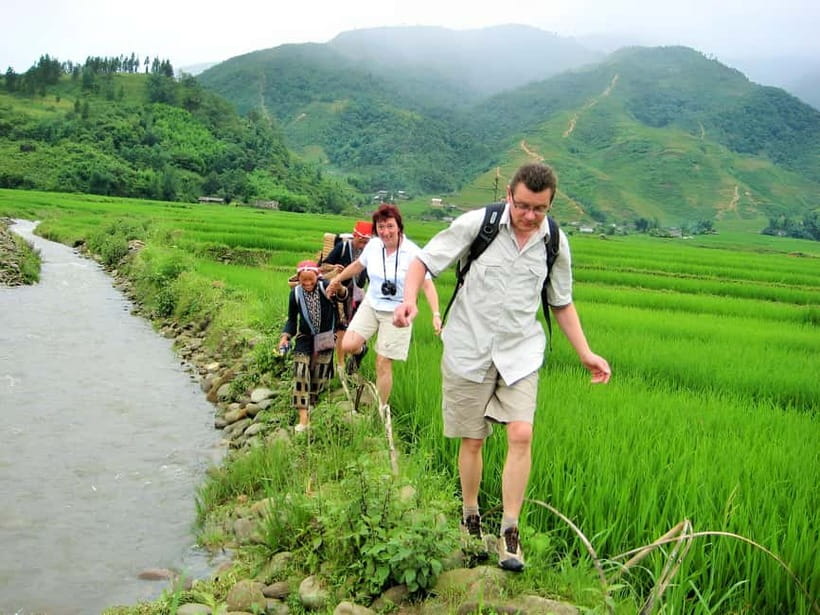
Around 11:00 AM, the trek reaches Y Linh Ho, a quiet Hmong village beside a clear river. A wooden bridge marks the route into the valley, followed by paths through open rice fields and along the lower slopes.
The terraces are the main visual reward. Their appearance changes with the farming season. At times, the fields may be green. At other times, they may be recently planted, harvested, or filled with water. Cloud and mist can soften the distant peaks, while clear weather opens broad views across the valley.
I like this part because the scenery is not presented as a quick roadside stop. You walk through it at ground level, with time to notice irrigation channels, field paths, homes, and people working outdoors. Several routes used by the guides avoid the busiest sections, although you should not expect complete isolation.
The trail can be demanding. Reports from the route describe a total distance of more than 13 kilometers, with some groups covering about 15 kilometers. There are uphill and downhill stretches, and the highest point mentioned by one participant was above 1,100 meters. The exact effort depends on the route, weather, and group pace.
Lao Chai Sang lunch with a Hmong family
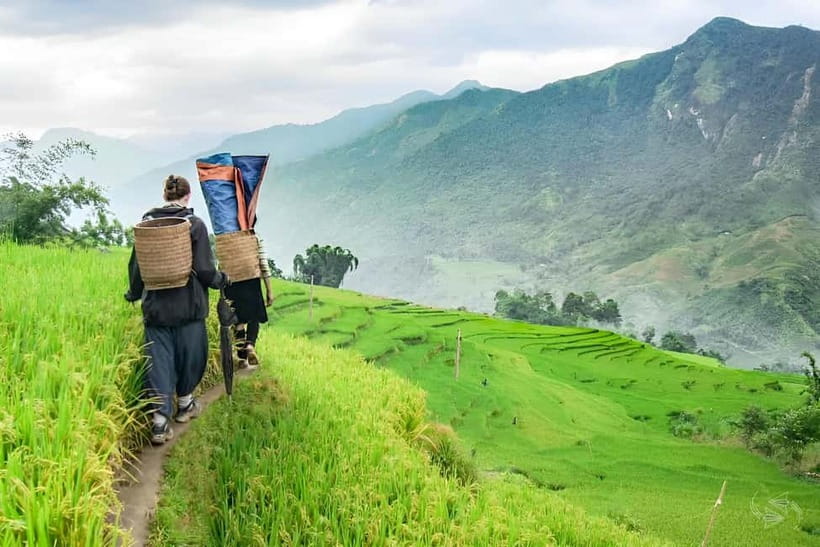
Around 12:30 PM, the group reaches Lao Chai Sang for lunch. The meal is prepared by a local family and served in a simple home setting. It is usually shared family-style, with several dishes and enough food for second helpings according to the experience details.
This is one of the best parts of the day. A meal in a village home gives you a natural pause after the morning walk, but it also creates a chance to talk, look around, and see how hospitality works in the community. Dietary restrictions and allergies can be accommodated if you tell the operator ahead of time.
Do not expect a formal restaurant meal or a long menu. The appeal is local cooking, generous portions, and the setting. One practical note: lunch is included, but you should still carry extra water. The supplied water is only a small bottle, and a 12 to 15 kilometer walk can make that disappear quickly.
More Day Trips around Sa Pa:
- From Sapa: 1-Day Guided Trek to Lao Chai & Ta Van with Lunch
★ 4.9 · 416 reviews - Sapa 1 Day Long Trek: Trek to Hau Thao and Sa Seng Villages
★ 4.6 · 344 reviews - 1-day Authentik trek & Panorama valley views
★ 5.0 · 189 reviews - 1 day Fansipan Trekking
★ 5.0 · 180 reviews
Hmong clothing, indigo dyeing, and local crafts
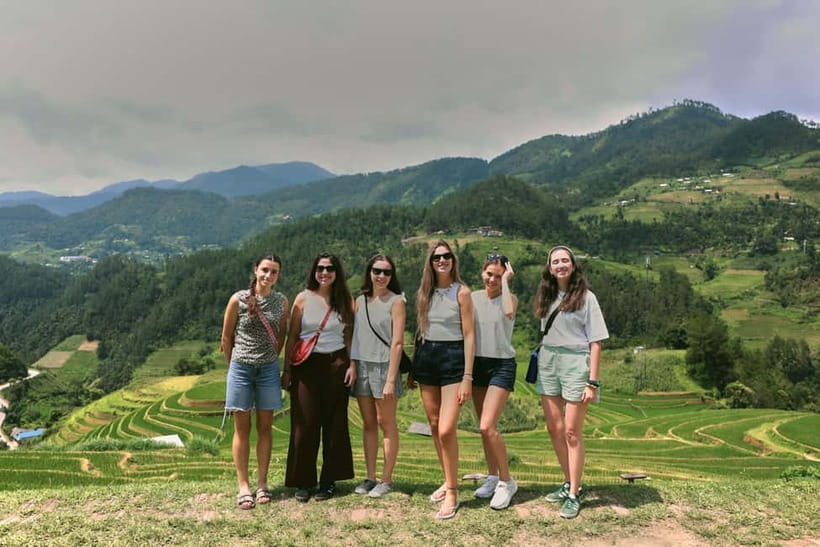
After lunch, usually around 2:00 PM, the route includes a stop connected with Hmong textile traditions. You may see how traditional clothing is made from handwoven fabric and colored with natural dyes. Indigo dyeing is a particularly memorable part of the cultural visit, and some guides explain how local families keep these skills alive.
The experience description also highlights traditional incense making in Ta Van. The exact craft demonstration can depend on the day and route, so ask your guide what will be shown when you start. The broader point is the same: you are seeing practical village skills rather than only buying a souvenir from a shop.
This section works best when you treat it as a conversation, not a performance. Guides such as Ma Ma Je and Thao have been praised for explaining village traditions, women’s lives, and changes within the community. That personal context gives the craft work more meaning.
You should also be prepared for local women to offer scarves, bags, or other handmade goods. Buying something can support household income, but you are not required to purchase. A polite no is enough. Some people find repeated sales approaches tiring, especially after several hours on foot.
Ta Van village and the Giay community
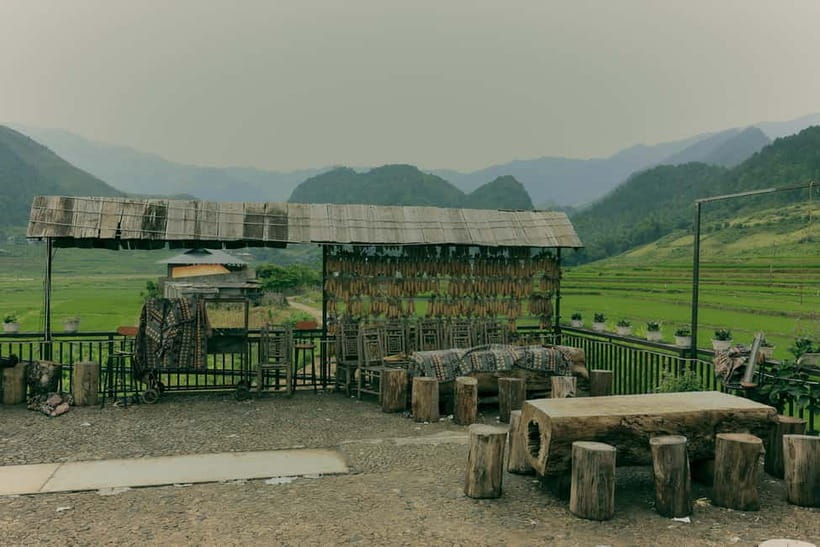
The final main stop is Ta Van, reached around 3:00 PM. Ta Van is associated with the Giay community, and the visit adds a useful contrast to the earlier Hmong villages. The day is not only about terraces. It is also about seeing how different ethnic groups share this mountain region while keeping distinct traditions.
The walk through Ta Van may include village paths, photo stops, and time to speak with your guide. The route description allows about four and a half hours for the Lao Chai and Ta Van portion, so the day has a steady pace rather than a rushed checklist.
At Ta Van, a driver takes the group back to Sapa town. This matters. After a long walk with wet or uneven sections, having a vehicle waiting keeps the final part simple. Depending on the agreed location, a further drop-off may be free or may cost extra.
What the guides add to the day
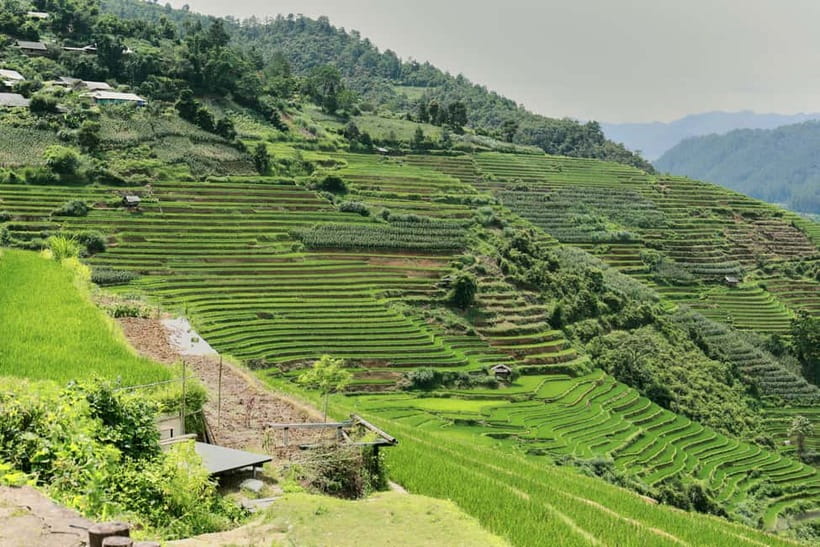
The guides are the strongest part of this experience. They come from local Hmong villages and speak English or Vietnamese. Their value is not only translation. They can explain farming, clothing, family life, local history, village customs, and the changing role of tourism.
Mao is praised for setting a comfortable pace and offering route choices. Sung is described as energetic, clear, and flexible with timing. Soso took a smaller group along quieter paths, while Chai was singled out for careful attention and humor. Giang helped explain traditions and local life in a way that made the trek feel personal.
English ability can vary between guides, but the overall feedback is very strong. Some guides learned English through conversations with visitors, which can make the exchange feel informal and friendly. You may hear different names depending on the date and route, since the operator works with several local guides.
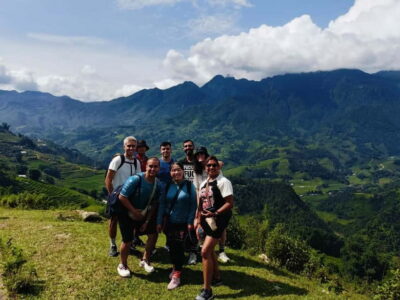
The group limit is 10, though some outings have had only four people. A smaller group is easier to keep together on narrow trails and gives you more time to ask questions. It also helps the guide adjust the pace if one person is struggling.
Rain, mud, and the real trail conditions
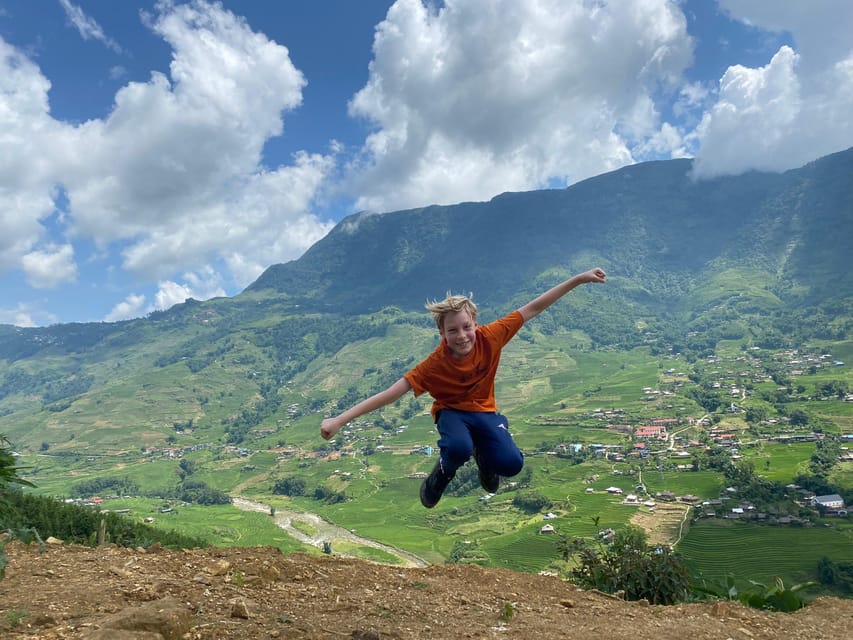
Sapa weather can change quickly, and this trek runs in rain as well as sunshine. Cloud can reduce the mountain views, but the valley still has its own appeal in mist. Rain creates the bigger problem: mud and slick stone.
Several sections may be slippery after wet weather. One person described renting wellies as a game changer, while others recommended hiking boots or shoes with strong grip. The operator may provide rain ponchos or raincoats, but you should still bring your own rain protection during the wet season.
Pack:
- Hiking shoes with good grip
- A sun hat, sunglasses, and sunscreen
- Insect repellent
- Extra water
- A raincoat or light waterproof layer
- Comfortable clothing
- Basic toiletries if needed
Avoid treating sneakers with smooth soles as adequate footwear. They may be fine in dry conditions, but they offer little help on mud. Local rubber boots may be available to rent, though availability and price are not specified.
Who should book this Sapa trekking day
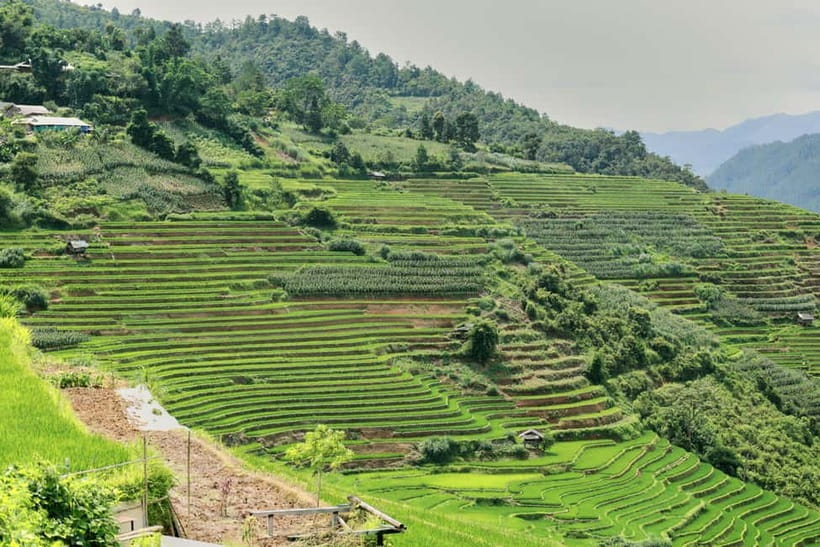
This trek suits you if you want a full day outdoors, enjoy walking through working villages, and care about meeting local people. It is especially good for visitors with only one night in Sapa who want to combine scenery and culture in one outing.
You do not need to be an elite hiker, but you should be comfortable with a long walk. The route has steep or uneven sections, and several people found it challenging after rain. If you tire easily, have a heart condition, back problem, mobility impairment, or another medical condition, this is not a sensible choice.
The experience is also unsuitable for wheelchair users, people with visual impairments, and people who are afraid of heights. Ask about a custom route if you need a gentler plan. The operator says route changes can be requested, and guides may offer easier or steeper options during the day.
Booking details that matter
The activity lasts about seven hours, normally from 9:00 AM until the return to Sapa in the afternoon. It includes free cancellation up to 24 hours before departure and allows you to reserve now and pay later.
Pickup is included only within Sapa town. If you are staying outside town, request a paid transfer to the meeting point. Tell the operator your preferred return location in advance, especially if you want something other than the standard drop-off.
The trek is run by Cat Ba Memories and is offered in English and Vietnamese. Entrance fees for the villages are included. Fansipan national park fees and passport registration relate to a separate Fansipan trekking option, not this standard Lao Chai and Ta Van valley route.
Should you book this $24 Sapa trek?
I would book it if your priority is a close look at Muong Hoa Valley, Hmong and Giay culture, and a full day of walking for a modest price. The home lunch, local guides, and village visits make it more worthwhile than a simple terrace photo stop.
I would skip it if you want an easy stroll, guaranteed clear views, or a polished sightseeing circuit. The trail can be muddy, the walk may reach 13 to 15 kilometers, and craft sellers may approach you. Bring proper shoes, accept that mountain weather controls the views, and you are likely to find this a memorable and well-priced introduction to Sapa.
FAQ
How long does the Sapa trek last?
The activity lasts about seven hours. It begins at 9:00 AM in Sapa and returns after reaching Ta Van in the afternoon.
How far do you walk?
The route is described as a long trek, and individual outings have covered more than 13 kilometers, with some reaching about 15 kilometers. Distance can vary with the route and conditions.
Is lunch included?
Yes. A home-cooked lunch with a local family is included. Dietary restrictions and allergies can be catered for if you provide the information in advance.
Where does pickup take place?
Pickup is available from your hotel or another location inside Sapa town. If you stay outside town, you can request a transfer for an additional fee or travel to one of the stated meeting points.
What shoes should I wear?
Wear hiking shoes or boots with good grip. Trails can become muddy and slippery after rain, and rubber boots may be available to rent locally.
Is the trek suitable for everyone?
No. It is not suitable for people with back, heart, mobility, or other pre-existing medical problems. It is also not suitable for wheelchair users, people with visual impairments, or people afraid of heights.
Can the route be changed?
Custom routes can be requested. Guides may also offer easier or steeper path choices during the trek, depending on weather, trail conditions, and the group’s ability.
Just added around Sa Pa
- Hanoi: Sapa Trekking 2 Days 1 Night – Sleeper Bus from Hanoi★ 4.6 · 18 reviews
- From Hanoi: 2-Days Sapa Trekking Tour Lao Chai and Cat Cat★ 4.3 · 7 reviews
- Easy Trek in Sapa mountain : Y Linh Ho – Lao Chai – Ta Van★ 4.8 · 16 reviews
- Discover Sapa: 2D1N Trekking Adventure & Cozy LaLa Homestay★ 4.9 · 17 reviews
- SaPa: 2-Day Villages,Rice Fields, Love Waterfall Hiking Tour★ 5.0 · 9 reviews
- AUTHENIC 2D1N Trek & Bungalow Retreat with Dinh Hmong Family★ 5.0 · 19 reviews
- From Hanoi: Sapa 3-Day Medium Trek and Limousine Trip★ 4.5 · 59 reviews
- 2 Night Lao Chai-Ta Van Homestay- Trekking & Fansipan Visit★ 4.0 · 8 reviews
Sapa Hiking Tours, compared.
Sa Pa: Muong Hoa Valley Trek and Local Ethnic Villages
Read our review →
Eco Adventure Terrace Fields and Local Villages Trek
Read our review →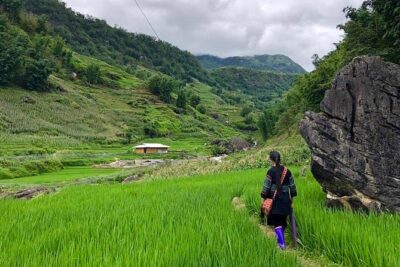
Number one top rated ethical cultural trekking and homestay by ETHOS
Read our review →
1-Day Guided Trek to Lao Chai & Ta Van with Lunch
Read our review →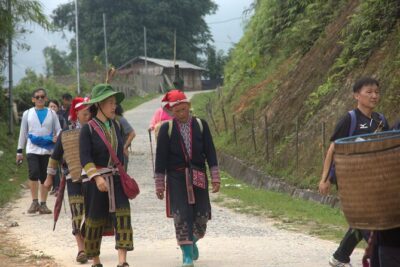
Sapa 1 Day Long Trek: Trek to Hau Thao and Sa Seng Villages
Read our review →
EXPLORE SAPA: 2D1N TREKKING & HMONG CULTURE WITH DINH
Read our review →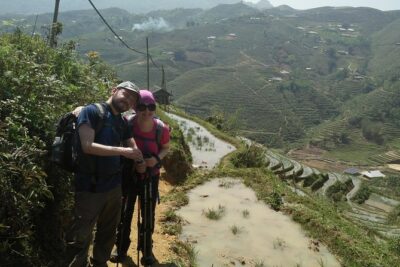
Browse the lists this tour appears in