
REVIEW · 3-DAY EXPERIENCES
3Days Less Touristic Way Trekking from Kalaw To Inle
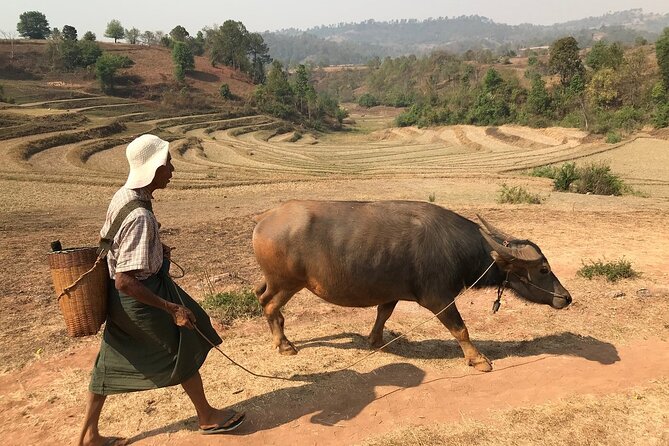
The best route is often the quieter one. This three-day trek from Kalaw to Inle Lake trades busy paths for village life, farmland, and forest, with two nights in local homestays along the way. You walk through Palaung communities, vegetable fields, wooded hills, and small settlements before descending to the western side of Inle Lake.
I like two things right away: your main backpack is transferred for you, and meals are included, so you can focus on walking rather than hauling gear or finding food. Guides such as Rohit and Min Min also add a personal touch, stopping to speak with villagers and explaining plants used for seasoning and medicine.
The main drawback is that the route depends on weather. Rain may close the forest section, and the route description does not give exact distances or elevation changes for the first two days. You should be comfortable walking for several hours on uneven country paths without expecting a polished, hotel-style trip.
What makes this trek worth considering
- Two village homestays: Sleep in local homes rather than returning to Kalaw each evening.
- A quieter route: The path passes through farms, forest, and tribal villages instead of following only the busiest trekking corridor.
- Backpack transfer: Your larger luggage is moved ahead, leaving you to walk with a lighter day pack.
- Food is handled: Three breakfasts, three lunches, two dinners, and drinking water are included.
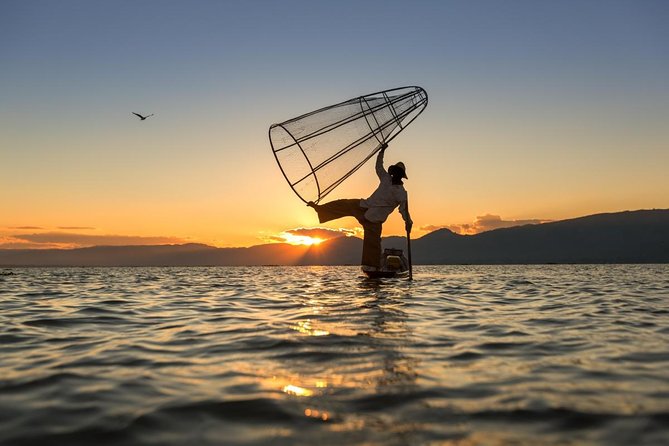
- A boat arrival at Inle Lake: After the final walk, a boat takes you from the western jetty to your hotel.
- Small groups: The maximum group size is 10, and some departures may be private or nearly private.
Kalaw gives you a cool, useful starting point
The trek begins at your hotel in Kalaw at about 7:30 a.m. Kalaw is a practical base for walking because the route quickly leaves the town and reaches open country. You do not spend the first day sitting in a vehicle or waiting for the main attraction to appear. The walking starts early and carries you into the countryside.
I would use the evening before departure to confirm the meeting time, ask which items will go in the transferred backpack, and check the expected weather. The operator offers hotel pickup in Kalaw, which keeps the morning simple.
The tour is capped at 10 people. That matters here. Small groups make it easier to walk at a sensible pace, ask questions, and talk with your guide. Rohit is frequently praised for explaining the route in advance, showing a map, and adjusting the pace with regular breaks. Min Min is also described as attentive and familiar with the villages along the route.
This is not a marked national park trail with signs at every turn. Your guide is part of the navigation, cultural explanation, and social connection. That makes the choice of guide more important than the low price might suggest.
More Three-Day Trips around the world:
- Sapa 3 Days 2 Nights Trekking Tour (1 Night In Ta Van Village, 1 Night In Hotel)
★ 5.0 · 699 reviews - 3-Day Trekking Adventure of Sapa from Hanoi – Stay Ta Van Village
★ 5.0 · 611 reviews - From Marrakech: 3-Day Mount Toubkal Climbing Trek
★ 4.7 · 597 reviews
Day one: rainforest, Palaung villages, and farm paths
The first morning leads away from Kalaw toward a rainforest section. The forest is one of the more interesting parts of the route, but it comes with a clear weather warning: if rain showers make the path unsuitable, the guide may not be able to take you through it.
That is worth treating as a real possibility, not a minor footnote. A wet forest route can be slippery and difficult, and the operator may substitute another path. Bring shoes with a good grip and carry rain protection even if the morning looks dry.
The route then reaches Hin Kha Gone, a village associated with Palaung ethnic people. This is where the walk begins to feel less like a simple point-to-point hike and more like a way to understand the area. You pass through places where farming and household life are part of the same scene.
Lunch comes during the day, followed by more walking toward Myin Taik, a station area, and Ywar Pu. The route description does not provide a firm day-one mileage figure, so ask your guide for the day’s expected walking time before setting out. The pace appears to be adjustable, which is useful if your group has mixed fitness levels.
The strongest part of day one is the chance to see ordinary village life at walking speed. Guides have been praised for knowing people along the route and pausing for friendly conversations. You may also learn about local plants used for cooking or medicine, a small detail that can turn a walk past vegetation into a more meaningful part of the day.
Your first night is in a homestay. Expect a local, simple arrangement rather than private rooms and hotel amenities. That is the point of choosing this route, but it also means you should pack with modest expectations. The included dinner saves you from arranging food in an unfamiliar village.
Day two: vegetable fields, valleys, and a monastery stop
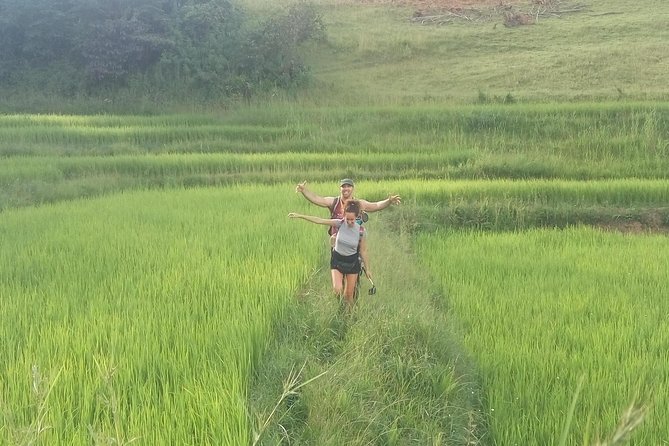
After breakfast, day two moves through the countryside and vegetable plantations. What you see depends on the season, but the farming views are a major reason to choose this trek. The path links fields and villages, giving you a close look at how food is grown in the hills around Kalaw.
The route passes through Lamine, Pinn Nwe, and Khone Hla, where lunch is served. The itinerary then continues toward Hti Tain monastery. The exact order and length of the stops may vary, so your guide’s briefing will be more useful than a fixed timetable.
This is likely the most varied walking day. You get open views, cultivated land, village paths, and religious sites without spending the whole day on one type of trail. The scenery is not presented as a single grand viewpoint. Instead, it changes in small pieces: a field, a ridge, a cluster of homes, then another valley.
I like that the food is included on this day. A long walk is easier when you do not have to guess where lunch will come from. Previous groups have especially praised the cooking, with meals served in scenic settings. The food should still be understood as homestay or trek food, not a restaurant menu with many choices.
The second night is spent at another homestay. Two different homes give you a better sense of village life than staying in the same place twice. They also support households along the route, which helps spread the benefit of trekking beyond Kalaw and the large hotels around Inle Lake.
Still, homestays require flexibility. The listing confirms the accommodation but does not promise private bathrooms, hot showers, or hotel-style bedding. Ask about the arrangement when you book if those details matter to you.
Day three: the first Inle Lake views
After breakfast, the final day passes through another village before reaching views toward Inle Lake. This is the emotional payoff of the route. For two days, you have been walking through hills and farmland. Now the country opens toward the lake, and the path begins its descent toward the western jetty.
The stated walking distance is about 15 to 16 kilometers, or roughly four hours, more or less. That estimate appears to cover the final walking section, but you should confirm the timing with your guide because weather and route conditions can change the pace.
The descent is important to plan for. Walking downhill can be harder on your knees than a steady climb, especially after two days on foot. Trekking poles may be useful, though they are not listed as provided. Good footwear and a small amount of water in your day pack are sensible choices.
Lunch is served near the jetty. Afterward, you board a boat to your hotel at Inle Lake. This is a very practical finish. Instead of ending at a road and arranging a separate transfer, the trek carries you directly into the lake experience.
The boat is included, but all fees and taxes are not. The information also marks the boat stop with admission not included, so ask what, if any, local charges must be paid separately. The boat ride is part of the tour’s appeal, but the exact hotel drop-off and timing should be confirmed before you start.
A few more hikes around the world worth a look
- From Marrakech: Ouzoud Waterfalls Guided Hike and Boat Trip
★ 4.7 · 33,630 reviews - Berber villages : Atlas Mountains Day Hike from Marrakech
★ 5.0 · 14,007 reviews - Bali: Sunrise Mount Batur Guided Hike with Breakfast
★ 4.8 · 9,660 reviews - Bali: Mount Batur Sunrise Guided Hike and Natural Hot Spring
★ 4.8 · 9,284 reviews
The homestays are the heart of the route
The scenery is attractive, but the homestays give the trek its character. You are not only passing through villages during daylight. You spend the night within the communities along the path, eat meals connected to the local setting, and have more time to talk with your guide and hosts.
That does not mean the homestays are staged cultural shows. The information promises local accommodation, not a formal performance or arranged lesson. You should approach the nights with respect, patience, and a willingness to accept simpler facilities.
The best guide reports describe long conversations about customs, local history, and how people live. Rohit is also praised for talking with villagers as he walks, while Min Min is described as knowing many people along the route. Those connections can make a big difference. A guide who simply leads from the front gives you a hike. A guide who explains the place gives you a better trip.
Because the tour supports local homes, your spending reaches communities outside the main tourist centers. That is a useful reason to choose this route even if a hotel trek would be more comfortable.
What the $31 price really includes
At $31, this is an unusually low price for three days of guided walking with accommodation, meals, luggage transfer, water, and a boat ride. The value is strong if the advertised inclusions are all you need.
Included items are:
- Backpack transfer
- Two nights of homestay accommodation
- Three breakfasts
- Three lunches
- Two dinners
- Drinking water
- Boat transfer to your Inle Lake hotel
The price does not include all fees and taxes. That phrase is broad, so I would ask for a clear list before booking. You should also clarify what happens if your hotel is outside the normal boat route or if weather changes the forest section.
The low cost should not lead you to expect luxury. You are paying for a local walking trip, not a private room, luggage service at every step, or a large support team. For a person who values village contact and simple logistics, the price is excellent. For someone who needs controlled comfort, fixed schedules, and detailed accommodation standards, the bargain may come with too many unknowns.
Some people choose this operator because a private two-person trek can cost less than a larger group trip on a busier route. That depends on the booking, so do not assume every departure will have the same group arrangement. The stated maximum is 10 people.
How to prepare without overpacking
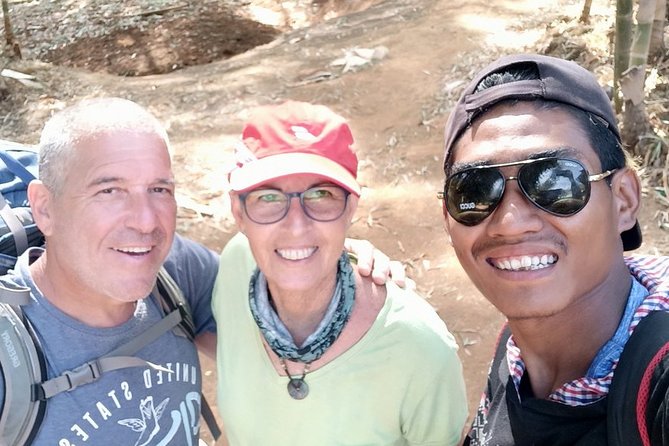
The backpack transfer is one of the tour’s most useful features. You can walk with a lighter day pack while your larger bag is moved ahead. Pack only what you need for the trail, and confirm the transfer plan at the start.
I would bring:
- Comfortable walking shoes with good grip
- A rain jacket or poncho
- A refillable water bottle
- Sun protection
- A small first-aid kit
- A headlamp or phone light
- Clothing suitable for simple homestays
- A dry bag or plastic liner for valuables
These suggestions are practical responses to the route and weather information, not a promise that every item is required. The forest may be closed in wet conditions, but rain can still affect open paths. The tour includes water, yet carrying a small amount while walking is sensible.
You should also arrive ready for several hours of walking on three consecutive days. The tour does not publish a formal fitness grade, and the first two days lack precise mileage details. If you have concerns about endurance, knee pain, or uneven ground, speak with the operator before booking.
Who will enjoy this Kalaw to Inle trek
This trip suits you if you want to see rural Myanmar at a walking pace, sleep in local homes, and accept simple conditions in exchange for direct contact with village communities. It is especially appealing if you prefer a small group and want a guide who can explain plants, customs, and local life rather than only point out viewpoints.
It also works well for people moving from Kalaw to Inle Lake who would otherwise need to arrange transport between the two places. The final boat transfer turns the trek into both an activity and a practical journey.
You may want another option if you need exact daily mileage, private bathrooms, high-comfort lodging, or a guaranteed rainforest route. The trip is weather dependent, and the route details are not as precise as some organized hiking programs.
The guide’s role is a major part of the value. Rohit receives repeated praise for communication, route planning, kindness, and adjusting the pace. Min Min is also singled out for attentive guiding and strong village connections. When booking, ask who will lead your departure and what route will be used that season.
Should you book this trek?
Yes, if your priority is local contact, quiet walking, and strong value. The combination of two homestays, included meals, backpack transfer, and a boat arrival at Inle Lake gives you much more than a basic guided hike for $31.
I would book it after confirming four details: the exact daily walking times, the homestay facilities, any extra fees, and the weather plan for the rainforest. If those answers suit you, this is a practical and memorable way to travel between Kalaw and Inle Lake without rushing from one sightseeing stop to another.
FAQ
Where does the trek start?
The trek starts at your hotel in Kalaw, with a stated start time of 7:30 a.m.
How long does the experience last?
The trek lasts approximately three days and finishes at Inle Lake.
How many people can join the tour?
The maximum group size is 10 people.
Are homestays included?
Yes. Two nights of homestay accommodation are included.
Are meals included?
Yes. The package includes three breakfasts, three lunches, and two dinners.
Is luggage transfer provided?
Yes. Backpack transfer is included, so you do not need to carry your larger bag throughout the trek.
Is the boat transfer to Inle Lake included?
Yes. A boat transfer to your Inle Lake hotel is included, though all fees and taxes are not included.
What happens if bad weather affects the trek?
The experience requires good weather. If poor weather causes cancellation, you are offered a different date or a full refund. You can also cancel for a full refund if you do so at least 24 hours before the start time.
Just added around the world
- Annapurna Base Camp Trek – 11 Days★ 5.0 · 30 reviews
- Annapurna Base Camp Trek 12 Days★ 5.0 · 18 reviews
- Annapurna Base Camp Trek 10 Days★ 5.0 · 35 reviews
- Annapurna Base Camp Trekking★ 5.0 · 38 reviews
- Adventurous Annapurna Base Camp Trekking★ 5.0 · 7 reviews
- Annapurna Base Camp Trek★ 5.0 · 80 reviews
- Annapurna Base Camp Private Short Trek★ 5.0 · 8 reviews
- Annapurna Base Camp Short trek★ 5.0 · 13 reviews
3-Day Experiences, compared.
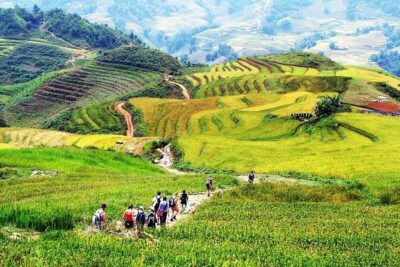
Sapa 3 Days 2 Nights Trekking Tour (1 Night In Ta Van Village, 1 Night In Hotel)
Read our review →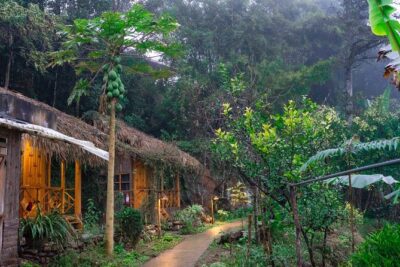
3-Day Trekking Adventure of Sapa from Hanoi – Stay Ta Van Village
Read our review →

3-Day Ethical Orangutan Jungle Trek | Bukit Lawang, Sumatra
Read our review →
Sapa 3 Day 2 Night Trekking With Hotel & Homestay
Read our review →
Monkey Business 3 days – 2 nights Jungle trekking (including rafting)
Read our review →
3 Days Small Group Trekking And Motorbike Combine + Private room
Read our review →
Browse the lists this tour appears in