

REVIEW · HANOI HIKING TOURS
Sapa 3 Days 2 Nights Trekking Tour (1 Night In Ta Van Village, 1 Night In Hotel)
Rice terraces reward strong legs. This three-day Sapa trip gives you two things I value most: a local guide for village walks and a useful mix of hotel comfort and homestay life. I also like that the $139 price includes Hanoi transport, accommodation, entrance fees, breakfasts, lunches, and dinners. The main catch is the terrain, which can be steep, muddy, and slippery, especially in the cooler months.
You will spend one night in Sapa town and one night in Ta Van Village, with walks through Cat Cat, Y Linh Ho, and Giang Ta Chai. Guides such as Su, Cat, Dao, May, and Khu have earned praise for being patient and attentive. Still, the experience can feel quite commercial in places, with local sellers following the walking groups and encouraging purchases.
Key points to know before booking
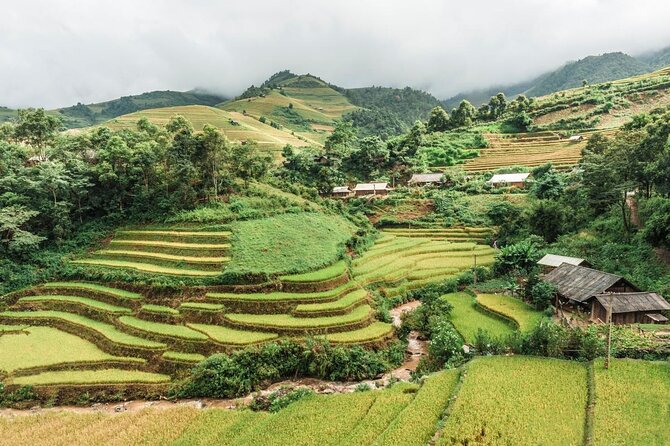
- Two very different nights: You get a standard hotel room in Sapa, then a bungalow in Ta Van Village.
- The second day is the hard one: Expect about 12 kilometers and four hours of walking through steep rice terraces.
- The Hanoi bus takes about six hours: It normally includes rest stops, but comfort varies by vehicle.
- Good guides make a major difference: Su, Cat, Dao, May, Khu, and other local guides are praised for care and local insight.
- Mud is not a small issue: Bring proper trekking shoes, and consider poles or boots in wet weather.
- The village visits are not fully quiet: Local women may walk beside you and sell handmade goods.
Why this three-day Sapa route works

Sapa is at its best when you leave the town behind. The real pleasure here comes from walking between villages, following narrow paths beside rice terraces, and seeing how mountain communities live. This trip gives you enough time to do that without asking you to arrange every bus, meal, transfer, and bed yourself.
You begin and end in Hanoi’s Old Quarter area, with the meeting point at 30 P. Ly Thai To. Pickup is offered for hotels in Hoan Kiem District, but you need to provide your hotel name and address ahead of time. The return drops you at the meeting point, so you arrange your own final taxi or walk back to your hotel.
At a listed price of $139 per person, the package is good value if you plan to use everything included. Hanoi to Sapa transport alone takes most of a day in each direction, and the price also covers three lunches, two breakfasts, two dinners, two nights of lodging, village entrance fees, and local transport in Sapa. Drinks, insurance, VAT, and personal spending cost extra.
The tour is described as private, but the stated maximum is 15 people. In practice, group size and guide arrangements may vary. If you want complete solitude, this is not the right expectation. If you want help with the hard logistics and a chance to meet other people, the format makes sense.
More Evening Trips around Hanoi:
- Hanoi – Sapa 2 Days 1 Night Overnight At Homestay
★ 5.0 · 899 reviews - Hanoi – Sapa 3 Day 2 Night Trekking With Hotel & Homestay
★ 5.0 · 389 reviews - Hanoi – Sapa 2 Days 1 Night Overnight At Local Homestay
★ 5.0 · 233 reviews
Day one: Hanoi to Sapa, then Cat Cat Village
Pickup takes place between 6:00 and 6:20 in Hanoi’s Old Quarter. You transfer to the morning bus and head northwest toward Lao Cai and Sapa. The trip usually takes around six hours, with two comfort stops along the way.
The bus description promises air conditioning and comfortable seats, and some departures use sleeper-style buses with Wi-Fi. This is one part of the trip where conditions can differ. Some passengers found the bus very comfortable, while others found it cramped or uncomfortable. I would treat the bus as practical transport, not as a highlight.
You arrive in Sapa around 1:00 p.m. The town is cooler than Hanoi and can be foggy, particularly from December through March. After meeting your local guide, you have lunch and check into The View Sapa Hotel or a similar property. Rooms are normally shared by two or three people.
The afternoon walk heads to Cat Cat Village, home to Black Hmong communities near the base of a deep valley. The route covers about 3.5 kilometers and takes around two hours. It is a manageable first walk, but do not mistake short distance for effortless walking. The route includes steps and downhill sections, and the approach can feel busy with shops and other groups.
Cat Cat has attractive mountain scenery, traditional buildings, a waterfall, and cultural displays. It is also one of the more commercial parts of the route. You will see plenty of souvenirs and staged activity, so keep your expectations realistic. It is a useful introduction to the region, but not the quietest village visit.
After the walk, you return to the hotel. This first night gives you a proper bed, a shower, and a chance to recover before the longest trek.
Day two: Y Linh Ho and the long walk to Ta Van
Breakfast is served at the hotel from about 7:00 to 8:30 a.m. You check out, leave unnecessary luggage for transport, and begin the main walk around 8:30.
The route passes through rice terraces and follows mountain paths toward Y Linh Ho. This is the day to take seriously. The full walk is about 12 kilometers and takes roughly four hours, though stops, weather, and the condition of the path can change the timing.
You should expect ups and downs, narrow sections, wet ground, and steep areas. Several people found walking poles useful, and some needed gumboots when the trail became muddy. Trainers may be fine in dry conditions, but they are a poor choice on slick paths. Bring shoes with firm grip and ankle support if you have them.
The scenery is the reward. You walk beside rice paddies, see mountain villages from above, and get a closer look at the paths locals use between communities. The best views depend heavily on weather. Clear days can reveal the terraces and surrounding mountains, while fog may reduce everything to a few nearby shapes.
Lunch is served with a local family during the route. The package includes Vietnamese dishes, but you do not have a broad menu. You can normally tell the operator in advance if you are vegetarian or have other food needs. One useful warning: food quality may vary, and some meals have disappointed people who expected the same standard they found elsewhere in Vietnam.
The walk continues toward Ta Van Village, where Dzay people live. You arrive in the afternoon, usually around 2:30, and check into a bungalow or local guesthouse. Your larger bags can be transported separately, which is a major help. Carry only what you need for the walking day.
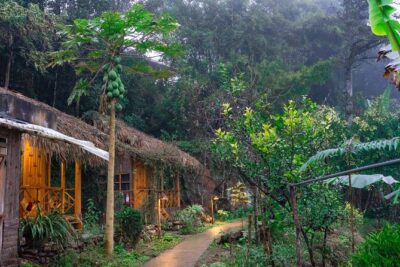
The Ta Van stay is the most memorable part for many people. You spend the evening near a local family, watch the mountain light change, and may help prepare local dishes. It is not a polished hotel experience. You might find insects in the room, basic furnishings, or less predictable comfort. On the other hand, the bungalow setting offers a closer look at village life than another night in town could provide.
Hot water has been available at the homestay for some departures, but you should still pack warm clothes. Sapa nights can be cold, and mountain weather changes quickly. Dinner is included, and the quiet after a long walk is welcome.
Day three: Bamboo forest routes and Giang Ta Chai

Breakfast is prepared by the host at around 8:00 a.m. You then continue on foot toward rice paddies and Giang Ta Chai Village. The route includes photo stops and mountain views, with sections through forest and near waterfalls.
The morning walk is listed as about 90 minutes, but the actual experience depends on the route used and the pace of the group. It is easier than the previous day for some people, but wet ground can still make it demanding. If the trail is slippery, slow down and let your guide choose the safest line.
A waterfall may provide the chance to cool off in warmer weather. In colder months, fog and damp air can make swimming less appealing. The area around Giang Ta Chai is a good place to appreciate the mix of forest, water, rice fields, and village paths that makes this region special.
Around 1:00 or 1:30 p.m., a local bus takes you back to Sapa town. You have free time to rest and may use a public bathroom at the hotel for a shower before the return journey. This detail matters. After two days of walking, a basic wash and a change of clothes can make the bus ride much easier.
You meet the rest of the group at the hotel around 2:00 p.m., then board the bus to Hanoi at about 3:00. The return trip takes around six hours and includes two rest stops. Arrival is scheduled for about 9:00 p.m., at the same central Hanoi meeting point.
More Three-Day Trips around Hanoi:
- 3-Day Trekking Adventure of Sapa from Hanoi – Stay Ta Van Village
★ 5.0 · 611 reviews - From Hanoi: Trek and Stay: 3-Day Sapa Highlands Adventure
★ 4.6 · 152 reviews - From Hanoi: 3 Days Luxury Sapa Trek & Fansipan Peak with Dcar
★ 5.0 · 43 reviews - From Hanoi: 3-Day Sapa Trekking with Limousine Transfer
★ 4.3 · 30 reviews
The guides can make or break the trek

The strongest part of this experience is the local guiding. Su has been praised for being patient, friendly, and attentive to different walking speeds. Cat has helped people through cold, misty conditions, while Dao, May, Khu, Zi, and others have been appreciated for their care and local explanations.
That matters because the paths are not always obvious. A good guide can point out safer footing, adjust the pace, explain village life, and help you handle weather changes. The experience is also more personal when your guide comes from the region and can talk about the communities along the route.
English ability can vary. Some guides communicate very well, while others may be harder to understand. If cultural explanation is especially important to you, ask the operator about your guide when confirming the pickup details. The company provides a 24-hour hotline, and the exact pickup time and itinerary are usually sent one or two days before departure.
The hard truth about village sellers
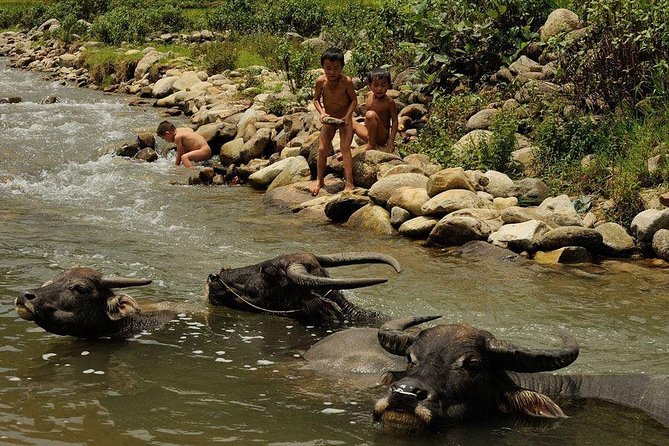
You will probably meet local women who walk with the group on parts of the trail. They may offer help on steep or muddy sections, then ask you to buy handmade goods or give money.
Some people enjoy this contact and buy a small item as a thank-you. Others find the repeated sales pressure tiring, especially after several hours on foot. You are not required to purchase from everyone who approaches you. Carrying small amounts of Vietnamese dong can be useful, but set your own limit before the walk.
The issue is worth knowing because it affects the feeling of the trek. You may hope for a quiet walk through mountain villages, but some sections have a strong commercial side. Cat Cat is particularly developed, and the main walking routes can feel busy during popular periods.
What to pack for Sapa’s changeable weather
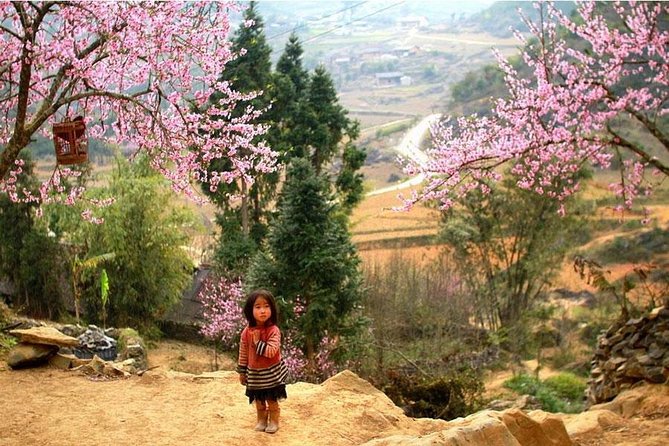
Pack for conditions rather than the calendar. Warm clothing, a hat, scarf, and light rain protection are useful, especially from September through March. Fog is common in December, January, February, and March, and clear views are never guaranteed.
Your most important item is footwear. Bring trekking shoes with good grip, not casual sneakers. In wet conditions, poles or waterproof boots can help. Some people have rented or bought gumboots locally, but it is better to arrive prepared.
Also bring sunscreen, sunglasses, insect repellent, basic medicine, and cash in Vietnamese dong. The banking system in Sapa may not always work well. US dollars, euros, and Australian dollars are accepted in some places, but dong is the safer choice for small purchases.
Keep your main luggage light for the trek. Larger bags can remain on the bus or be transported to the village, but confirm the arrangement with the guide. Carry dry clothes for the homestay and a small bag for essentials.
Who should book this Sapa trek?

I would choose this trip if you want a clear three-day plan and do not want to arrange the Hanoi bus, local transport, guide, meals, and lodging separately. It suits people with moderate fitness who are comfortable walking for several hours on uneven ground.
You should be ready for steep steps, slippery mud, cold nights, and basic village accommodation. This is not a gentle sightseeing tour. It is also not a wilderness trek, since the popular villages have shops, other groups, and active sellers along the route.
The trip works well for couples, friends, and small groups who want both hotel comfort and a homestay night. It may be less suitable if you need luxury, dislike shared rooms, or want complete control over meals and walking speed.
Should you book it?
Book this tour if you want strong scenery, local village routes, and simple all-in-one planning at a fair price. The combination of Cat Cat, Y Linh Ho, Ta Van, and Giang Ta Chai gives you a useful sample of the Sapa area, while the hotel and bungalow split keeps the trip from feeling too rough.
Before paying, check the weather forecast, confirm the bus type, ask where pickup will occur, and tell the operator about food restrictions. If rain is expected, bring serious footwear. If you dislike sales pressure or want a quiet route far from tourism, consider a less-visited trekking area instead.
For an active first visit to Sapa, this is a solid choice. The views may be hidden by fog, the trails may be muddy, and the bus may not be perfect, but good guiding and the night in Ta Van give the trip real value.
FAQ
How long does the trip from Hanoi to Sapa take?
The bus journey takes about six hours each way and normally includes two comfort stops.
Where does pickup take place in Hanoi?
The stated meeting point is 30 P. Ly Thai To in Hanoi’s Hoan Kiem District. Pickup arrangements are available for hotels in Hoan Kiem District when you provide the hotel details.
What accommodation is included?
You receive one night in a hotel in Sapa, usually The View Sapa Hotel or a similar property, and one night in a bungalow or homestay in Ta Van Village.
How difficult are the walks?
The tour is intended for moderately fit people. The second day covers about 12 kilometers and four hours, with steep, narrow, muddy, and slippery sections possible.
Are meals included?
Yes. The package includes two breakfasts, three lunches, and two dinners. Drinks are not included, and you should advise the operator in advance about vegetarian or other food requirements.
Can I cancel for a full refund?
You can receive a full refund if you cancel at least six full days before the experience begins. Cancellations two to six days before departure receive a 50 percent refund, while cancellations less than two days before departure are not refunded. If poor weather or insufficient bookings causes cancellation, you are offered another date or a full refund.
Just added around Hanoi
- From Hanoi: Hoa Lu, Hang Mua Hike, Tam Coc Boat, and Lunch★ 4.4 · 28 reviews
- From Hanoi: Trek and Stay: 3-Day Sapa Highlands Adventure★ 4.6 · 152 reviews
- From Hanoi: Ninh Binh Boat Ride, Mua Cave Hike, Temple Visit★ 4.7 · 146 reviews
- From Hanoi: 3-Day Sapa Trekking with Limousine Transfer★ 4.3 · 30 reviews
- From Hanoi: 2-Day Luxury Sapa Trekking Tour with Homestay★ 4.4 · 49 reviews
- From Hanoi: 1-day Sapa Trekking Tour With Overnight Bus★ 4.2 · 32 reviews
- Hanoi: 2-Day Sa Pa Guided Village & Homestay Trekking Tour★ 4.1 · 13 reviews
- Ninh Binh 1 day Hoa Lu Trang An with Dragon Mountain Hiking★ 5.0 · 245 reviews
Hanoi Hiking Tours, compared.


Halong Bay Full Day with Kayaking, Hiking viewpoint, Cave – Deluxe To Luxury
Read our review →
3-Day Trekking Adventure of Sapa from Hanoi – Stay Ta Van Village
Read our review →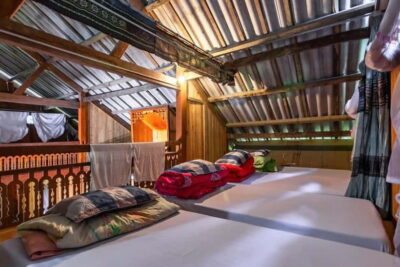
2-Day Sa Pa Ethnic Homestay Tour & Trek with Limousine Bus
Read our review →
Sapa 3 Day 2 Night Trekking With Hotel & Homestay
Read our review →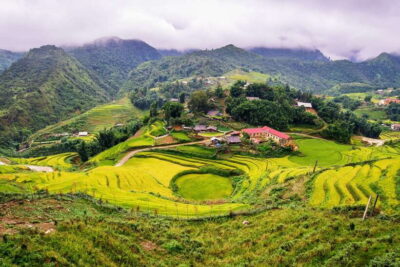
2-Day Sapa Trek Tour – Luxury Limousine Transfer
Read our review →Ninh Binh 1 day Hoa Lu Trang An with Dragon Mountain Hiking
Read our review →Browse the lists this tour appears in