
REVIEW · CATANIA HIKING TOURS
Special trekking on the most authentic and wild side of Etna
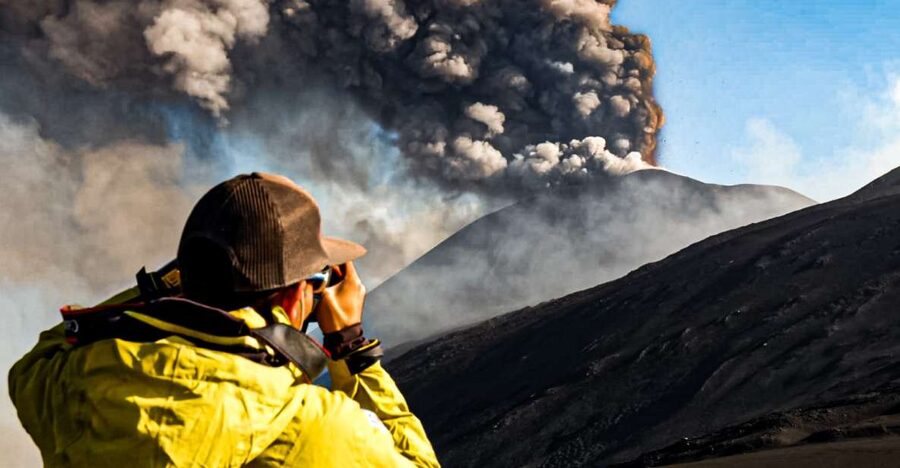
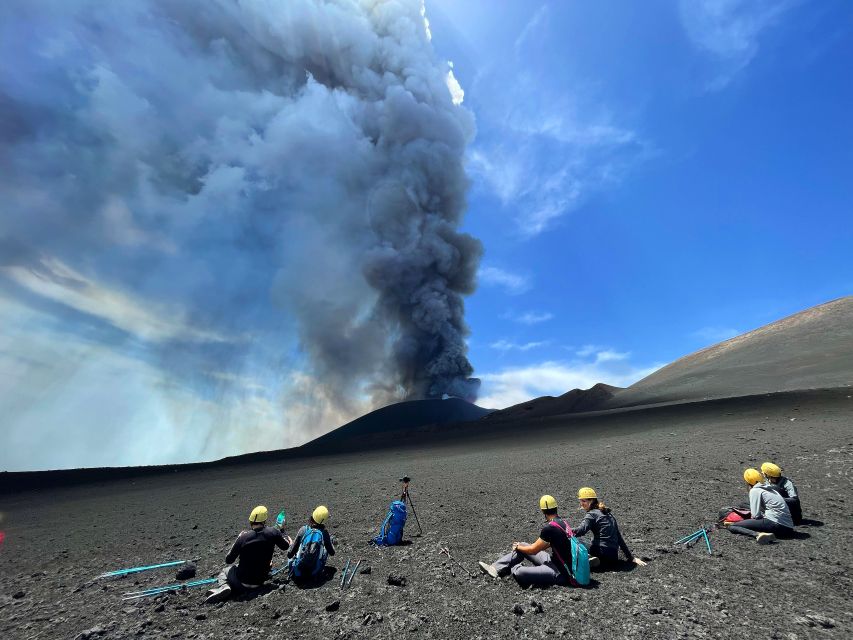
Etna rewards those willing to leave the crowds behind. This four-hour trek explores the volcano’s quieter north side, where you walk among recent craters, lava flows, ground fractures, and old volcanic vents with an authorized volcanological guide. I like the rarely visited route and the way the guide explains what you are seeing instead of simply leading you from one viewpoint to the next. I also like that it remains a strong alternative when the summit craters are closed because of volcanic risk.
The main caution is practical: the advertised price of $62.63 does not include the required 4×4 transport, which costs another €50 per person on site. Add the €3 parking fee, food, and drinks, and the real cost is noticeably higher. The route also suits moderately fit hikers, not beginners looking for an easy walk.
Key points before you book
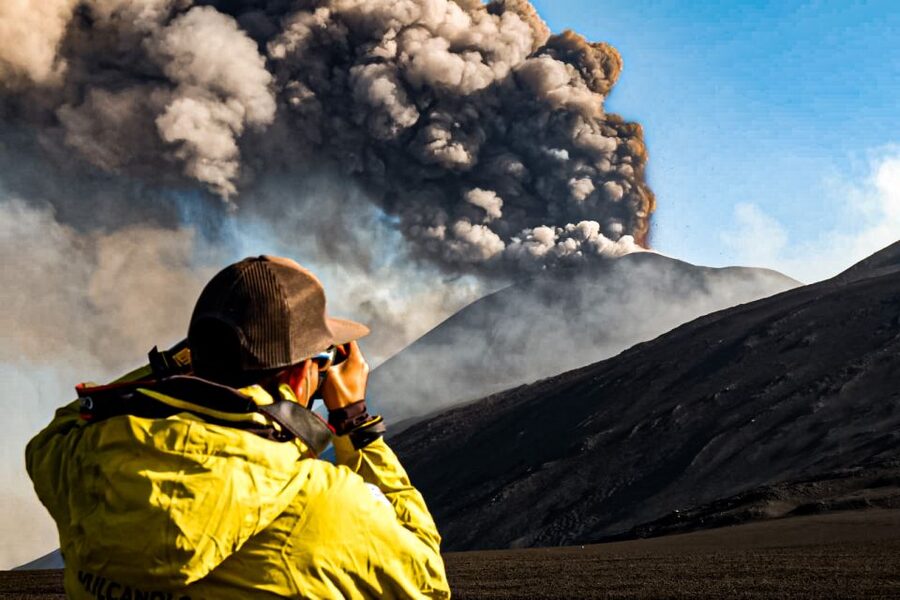
- You reach about 2,900 meters: The trek begins high on Etna, so cold, wind, thin air, and fast weather changes matter.
- The 4×4 ride is part of the adventure: Special vehicles carry you from 1,800 to 2,800 meters over rough volcanic ground.
- You enter an intact volcanic chimney: Protective helmets allow you to step inside a cone formed during the February 24, 1947 eruption.
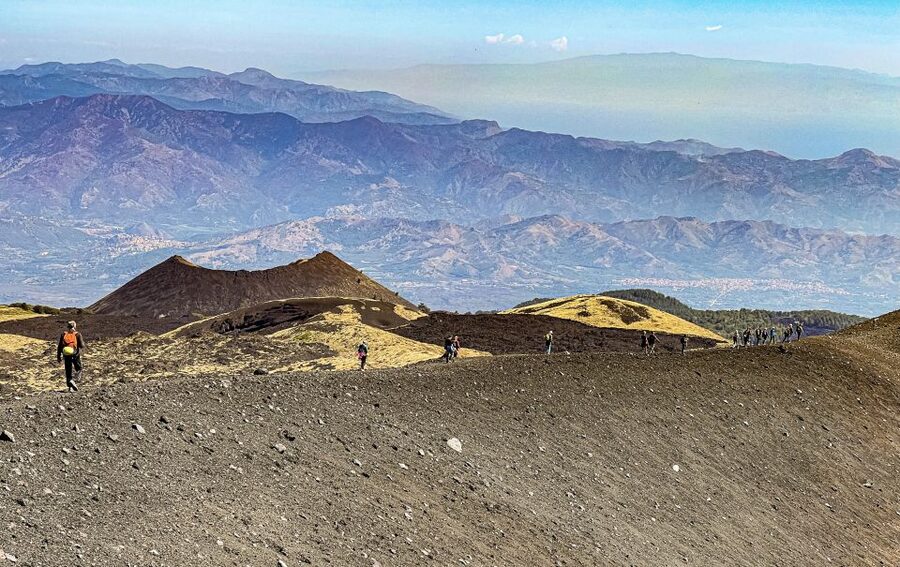
- The north side feels far less developed: The route passes craters, lava channels, ash slopes, and fractures rather than a busy summit walkway.
- The final walk is about 6 kilometers: Expect descents over loose volcanic ash and uneven ground before reaching Piano Provenzana.
- Guide quality matters here: Ciccio, one of the guides, has been praised for clear scientific and historical explanations during the hike.
Why Etna’s north side feels different
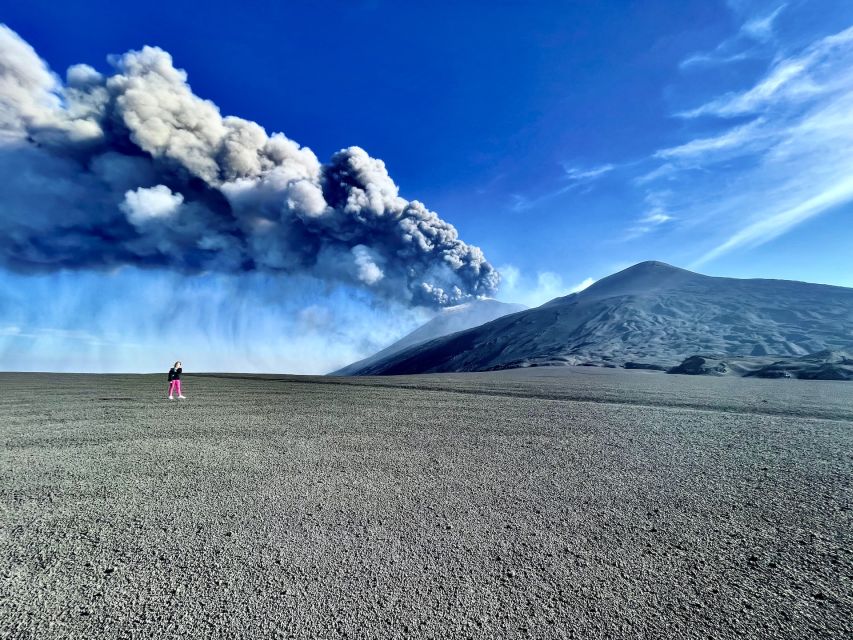
Etna has several ways to reach high ground, but the north side offers a more rugged introduction to the volcano. The meeting point is at Chiosco Bar Mareneve near the winter ski chairlift, in the parking area at around 1,800 meters. From here, you do not simply start walking uphill. You board a special 4×4 vehicle for the rough climb.
That choice of route is important. The north slope sees fewer visitors than the better-known summit approaches, and the terrain feels more raw. You pass volcanic features formed by eruptions from different periods, including the eruptions of 1809, 1874, 1879, 1911, 1914 and 1924, 1923, 1974 and 1975, and 2002.
The guide helps connect these dates to the ground under your boots. Instead of seeing a black cone as just a black cone, you learn that it may be a former vent, an explosive crater, or part of a lava-producing system. That scientific context gives the walk purpose.
The north side is also a sensible option when access to the summit craters is restricted. Etna is an active volcano, and the authorized guides follow Civil Protection instructions and current safety limits. If the summit is closed, this route can still take you to the highest point safely available under the conditions.
More Volcano Hikes in Italy
- Mount Etna: Summit Guided Hiking Tour up to 3,400 m
★ 4.8 · 4,792 reviews - Mount Etna: Trek to 3000m with cable car and 4×4
★ 4.6 · 3,823 reviews - Mount Etna: Summit Crater Trek with Cable Car
★ 4.8 · 1,875 reviews
The 4×4 ride from 1,800 to 2,800 meters
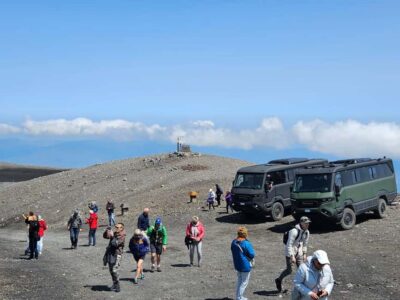
The 4×4 transfer covers about eight kilometers from the starting area to the high-altitude Volcanological Observatory. It is not a standard road shuttle. The vehicle is designed for the rough volcanic surface, and the ride can be bumpy.
I would treat the transfer as part of the outing rather than an inconvenience. The guide begins explaining the volcano while you ride, so you start learning before the main walk begins. The vehicle also saves your legs for the sections where walking really matters.
Still, the extra charge deserves attention. The basic price covers the guide service, but you pay €50 per person locally for the 4×4 transport. That is a large addition to a $62.63 starting price. The vehicle is required for the planned route, so budget for it rather than treating it as an optional extra.
Bring a jacket even if the weather is mild at your hotel. At high altitude, the temperature and wind can feel very different from the coast. The operator supplies warm jackets, but your own windbreaker is still recommended.
The first high-altitude walk to about 2,900 meters
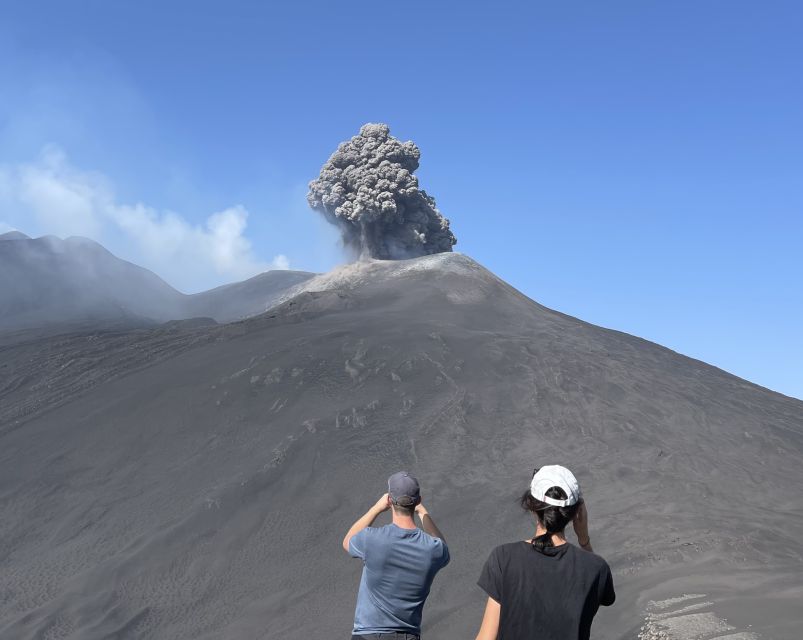
The first short trek begins near the observatory at around 2,800 meters and climbs to approximately 2,900 meters. This section leads to a panoramic point with views toward Etna’s summit craters, recent lava flows, and Sicily below.
On a clear day, the view may extend toward Taormina and the Aeolian Islands. Visibility is entirely weather dependent, so you should not book this only for a guaranteed distant panorama. Clouds, wind, or volcanic haze can change the view quickly.
This first walk also gives you a chance to see how your body handles the altitude. The route is not described as suitable for people with a low fitness level, respiratory issues, heart problems, or altitude sickness. You may feel the height more than the distance suggests.
Take this section at a steady pace. The aim is not speed. The guide needs room to explain the summit area, recent flows, and volcanic activity, while you need time to find secure footing on uneven ground.
Entering the February 1947 volcanic cone
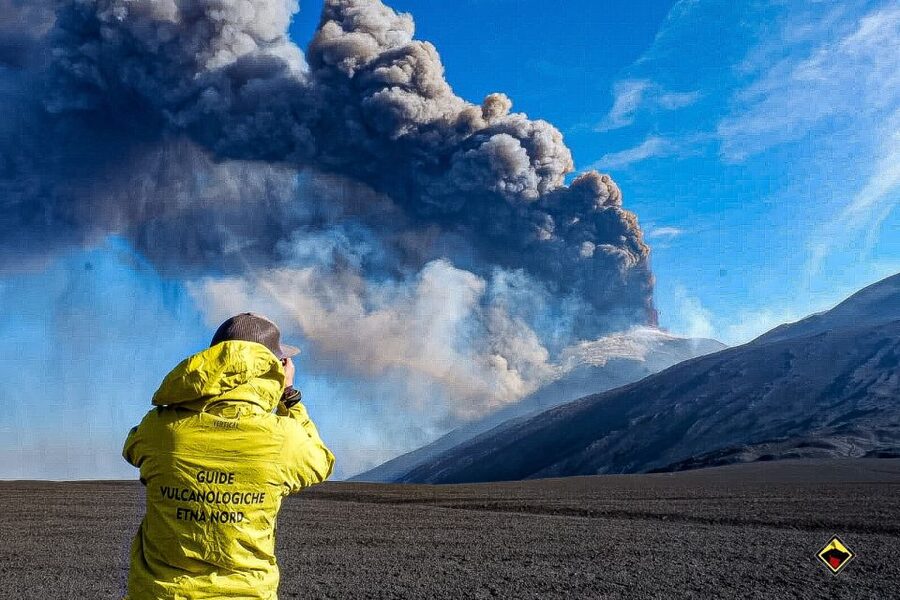
After the first walk, you return to the 4×4 vehicle and move to the north side of one of Etna’s large craters. This is where the longer walking section begins.
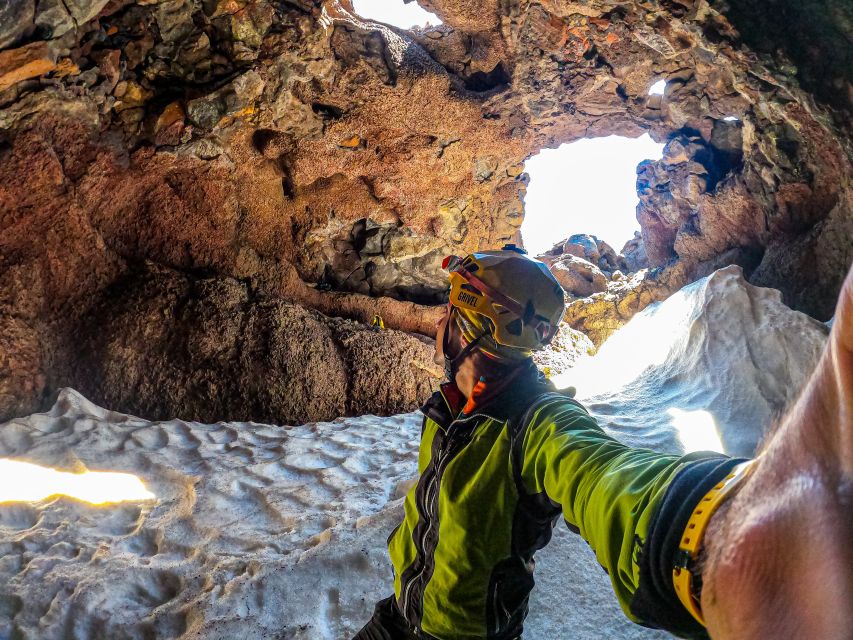
One of the most unusual moments is the visit to the craters formed during the February 24, 1947 eruption. Wearing a protective helmet, you enter the chimney of a volcanic cone that has remained remarkably intact. You also step into openings that once produced lava flows.
This is more revealing than looking at a crater from a distance. Inside the cone, you can see the structure of an eruption vent and get a clearer idea of how molten material moved through the volcano. The guide explains the eruption process carefully, and that explanation is a major reason to choose this excursion over a simple scenic ride.
Ciccio, one of the guides, has been singled out for giving detailed scientific and historical explanations during this part of the walk. A good guide makes a big difference here because volcanic features can look surprisingly similar to an untrained eye.
The enclosed spaces are not suitable for everyone. The activity is specifically not recommended for people with claustrophobia, epilepsy, or a fear of heights. If narrow volcanic interiors make you uneasy, ask yourself if this will add interest or stress before booking.
Same trailhead, a different kind of day:
- Cinque Terre Day Trip with Optional Hiking or Pisa
★ 5.0 · 8,486 reviews - Florence: Cinque Terre Day Trip with Optional Hiking or Pisa
★ 4.9 · 4,848 reviews - Etna: summit craters trekking with volcano guide 3350mt
★ 4.7 · 1,712 reviews - Catania: Mount Etna Trekking Tour Beyond the Tourist Trails
★ 4.9 · 1,596 reviews
Walking the rift and the north-side craters
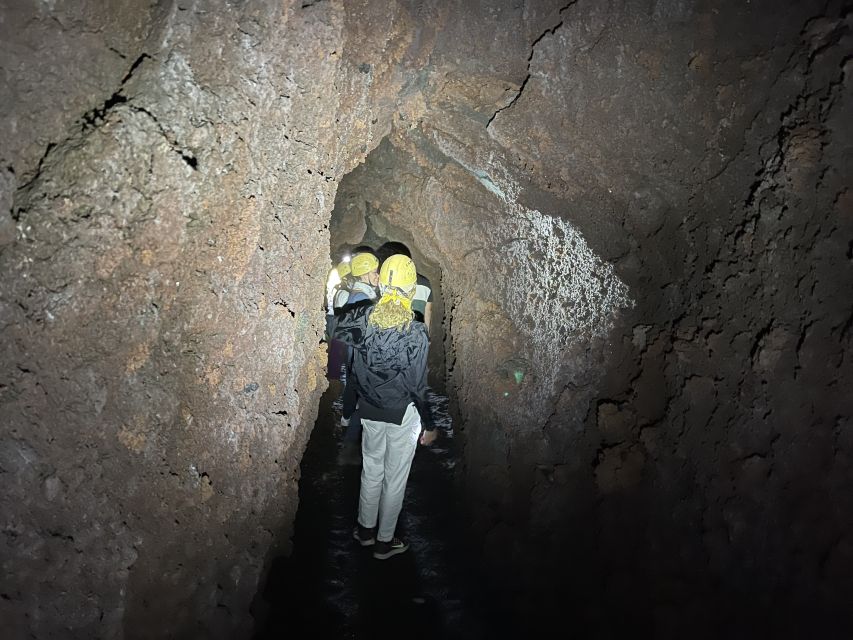
The route continues to a fracture known as the Rift on Etna’s north side. A rift is a crack or fractured zone through which volcanic activity can develop. Seeing this feature helps you understand that an eruption is not always confined to one central summit opening.
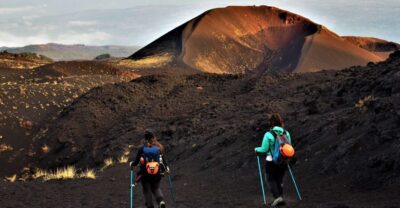
From here, the walk follows the edges of large explosive craters and passes smaller cones created by lateral eruptions. The route includes slopes of loose volcanic ash, so trekking poles are useful rather than decorative equipment. The company provides poles, but you should still expect careful foot placement.
The descent is about six kilometers to Piano Provenzana and ends back at the original meeting point. The surface can shift underfoot, especially on ash slopes. That makes proper footwear essential. Trekking shoes are provided, but the stated safety conditions say you are not covered by insurance without adequate shoes.
The terrain is not technical mountaineering, but it is not a gentle park path either. You need to be comfortable walking downhill on loose material and along crater edges. People prone to vertigo or dizziness should take the warnings seriously.
What the guide adds to the walk
The guide is not just there to keep the group moving. Authorized volcanological guides work within the safety limits set by current volcanic conditions and official ordinances. That matters on an active volcano, where access can change for good reason.
The group is divided among guides according to numbers and languages. This helps avoid one large mass of people crowding a narrow crater edge or volcanic opening. The available languages are English, Italian, and French.
The strongest part of the guiding is the link between the visible ground and the forces that formed it. You learn about fractures, lava flows, eruption dates, craters, and volcanic supply ducts. The guide also starts the explanations during the 4×4 ride, which makes the transport feel useful rather than simply necessary.
A guide also provides judgment. If weather worsens or volcanic conditions change, the route can be adjusted, postponed, or cancelled. You are not making your own decision about how close to go to an unstable area.
What is included, and what you still need to pack
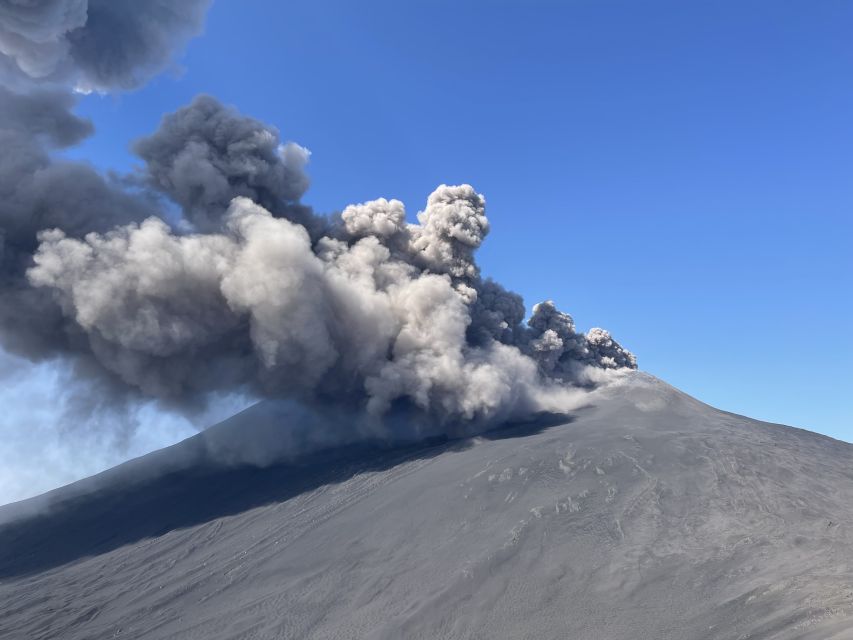
The equipment package is generous for the price of the guide service. It includes an authorized volcanological guide, trekking poles, protective helmets, accident insurance, trekking shoes, warm jackets, extra socks, and a backpack.
That can be helpful if you are packing light for a wider Sicily trip. Extra socks are especially practical on ash and volcanic ground, where shoes can collect fine grit.
You still need to bring:
- A windbreaker or rain jacket
- Sunglasses and sunscreen
- Comfortable clothes and long pants
- Drinks and snacks
- A packed lunch if you want a full meal
- A jacket, even if you start in warm weather
- Hiking shoes if you prefer your own suitable pair
Food and bottled water are not included. There is no promise of a meal stop, so pack enough for the four-hour outing. Alcoholic drinks are not allowed in the vehicle, and sandals, flip flops, open-toed shoes, and high heels are not accepted.
The operator supplies a K-way, or rain jacket, among the items you should bring? The information lists a K-way as not included, so do not assume the supplied warm jacket will protect you from rain. Bring your own waterproof layer.
Is $62.63 a good value?
At first glance, $62.63 for four hours sounds reasonable, especially with a specialist guide and equipment included. The value improves if you want geology, volcanic history, and access to places beyond the usual viewpoints.
The required €50 4×4 payment changes the calculation. With that cost and the €3 parking fee, you are paying substantially more than the headline price before adding lunch or drinks. The final amount is still defensible for a high-altitude guided outing with transport, safety equipment, and a specialist route, but you should compare the full cost, not just the advertised figure.
I think the experience earns its price for people who care about Etna as a working volcano, not just as a scenic mountain. If you only want a quick view from high ground, the long walk and extra transport fee may feel excessive.
The free cancellation period is up to 24 hours before the activity, and reserve-now, pay-later booking is available. The outing requires at least eight participants and may be cancelled if that minimum is not reached. Weather can also force a postponement or cancellation.
Who should book this Etna trek?
You should consider it if you:
- Have moderate hiking fitness
- Enjoy uneven paths and downhill walking
- Want a quieter side of Etna
- Like learning how eruptions shape the ground
- Are comfortable at roughly 2,800 to 2,900 meters
- Want an alternative when summit-crater access is closed
- Prefer a guided route with safety equipment
You should skip it if you have mobility limitations, serious back problems, heart or respiratory conditions, recent surgery, epilepsy, or a low level of fitness. It is also unsuitable for people with altitude sickness, a fear of heights, vertigo, claustrophobia, or no hiking experience.
The route can cause dizziness because it follows crater edges and takes place at high altitude. Be honest about your health before setting out, and tell the guide about any condition that could affect your safety.
Should you book the wild north-side route?
Book this trek if you want to understand Etna from the inside out. The volcanic chimney, the 1947 craters, the north-side rift, and the long descent through later eruption zones offer far more than a photo stop.
Do not book it as a casual sightseeing ride. You will spend time in a rough 4×4, walk at high altitude, descend on loose ash, and pay an additional €50 for transport. For a fit hiker who values a specialist guide and a less crowded route, that is a fair trade. For anyone seeking an easy half-day, it is the wrong choice.
FAQ
Where does the Etna north-side trek start?
The meeting point is Chiosco Bar Mareneve near the chairlift used by skiers in winter. It is the second of four buildings in the parking area.
How long does the activity last?
The activity lasts about four hours. Starting times depend on availability.
How high does the trek go?
The route reaches about 2,900 meters. The 4×4 vehicle first carries you from around 1,800 meters to 2,800 meters.
Is 4×4 transport included in the advertised price?
No. You pay €50 per person on site for the 4×4 transport. This covers the transfers between the starting area, high-altitude route, and lower section.
What languages are available?
The guided trek is available in English, Italian, and French.
What equipment is provided?
The activity provides trekking poles, protective helmets, accident insurance, trekking shoes, warm jackets, extra socks, and a backpack.
What should I bring?
Bring a windbreaker or rain jacket, sunglasses, sunscreen, snacks, drinks, comfortable clothing, long pants, a jacket, and a packed lunch if needed.
Is the trek suitable for beginners?
No. The activity is intended for moderately trained hikers and is not suitable for people without experience or with a low level of fitness.
Can the trek be cancelled?
Yes. It may be cancelled if the minimum of eight participants is not reached or if weather conditions are unsafe. You can cancel up to 24 hours in advance for a full refund.
Just added around Italy
- From Catania: Mount Etna Trekking Private Experience★ 4.6 · 11 reviews
- From Cala Gonone: Gorropu hiking with lunch★ 4.8 · 46 reviews
- Florence: Hiking Tuscany & Chianti wine 3 wineries and lunch★ 5.0 · 9 reviews
- Explore the Dolomites, a hiking day in the mountains★ 5.0 · 8 reviews
- Etna: Trekking to the summit craters at 3340 meters★ 4.0 · 10 reviews
- Catania: Etna Morning or Sunset Trek with Lava Tunnel & Gear★ 5.0 · 27 reviews
- Etna: hiking to a stunning viewpoint over Valle del Bove★ 4.8 · 22 reviews
- Etna: Summit Area Guided Hike from Cable Car Station★ 4.8 · 36 reviews
Catania Hiking Tours, compared.
Etna Sunset Tour: Volcano trek, Cave & tasting from Catania
Read our review →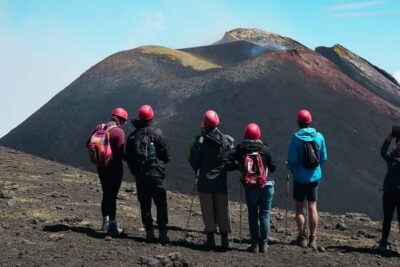
Mount Etna Adventurous Hiking Tour with Equipment
Read our review →
North Upper Craters Guided Tour by 4×4 with Trek
Read our review →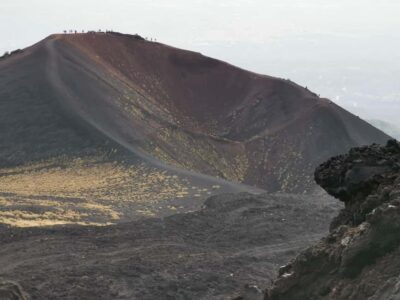
Etna Morning or Sunset Trek with Lava Tunnel & Gear
Read our review →Browse the lists this tour appears in