
REVIEW · CATANIA HIKING TOURS
Mount Etna: Guided Trek 3,000 Meters to the Summit
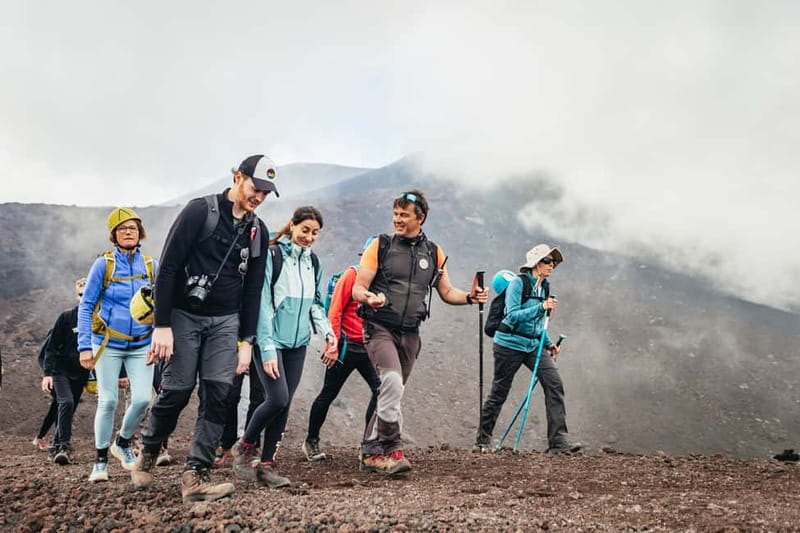
Etna makes you work for the view. This six-hour outing combines a 3,000-meter volcanic trek with a cable-car ascent, so you reach high ground without spending the whole day climbing from sea level. I especially like the chance to walk across old and recent lava flows, and the clear explanations from guides such as Luca, Marco, and Manuel. The main catch is the cost: the advertised price is $113.29, but a €50 cable-car charge is listed as payable on site.
You meet at La Terrazza Dell’Etna, not at your hotel, and the activity ends there too. I also like that the route can be adjusted for weather and safety, though that means your exact path and altitude may change. This is not a casual stroll: expect loose ash, bare rock, wind, exposed sections, and a steady hike at high altitude.
Quick points before you book
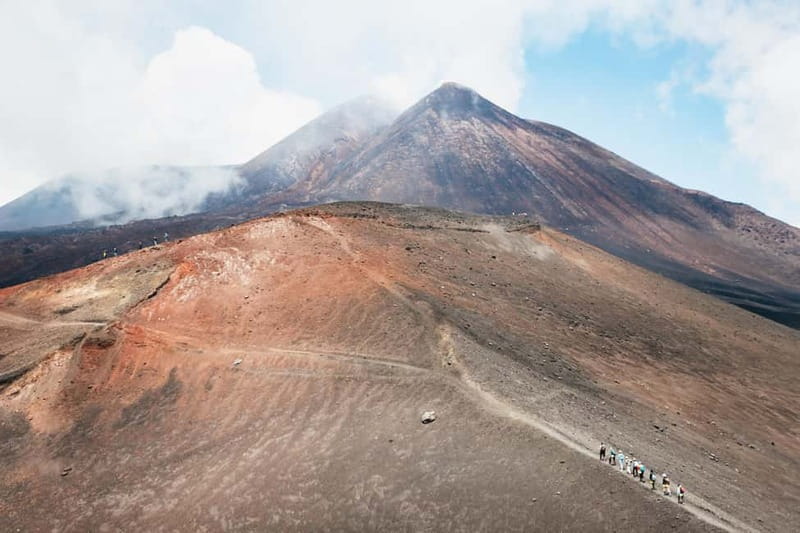
- Reach 3,000 meters by cable car and foot: You ride upward first, then hike through volcanic ash and rock to the base of Etna’s summit craters.
- Stop at the fuming 2001 Crater: This recent-looking volcanic feature sits at about 2,700 meters and adds a memorable landmark to the return route.
- Learn from an alpine and volcanology guide: Luca receives especially strong praise for his pacing, humor, safety care, and explanations of Etna’s geology.
- Budget for the extra cable-car charge: The booking details list €50 payable on site, even though another section says the cable-car ticket is included. Confirm this before paying.
- Pack for four seasons in one morning: Warm layers, gloves, a hat, sunscreen, sunglasses, water, and a face covering are all sensible.
- Plan on moderate physical effort: You need to walk over sand and rock without a normal trail. Children under 10, pregnant women, and people with several listed medical conditions should not book.
Starting at La Terrazza Dell’Etna
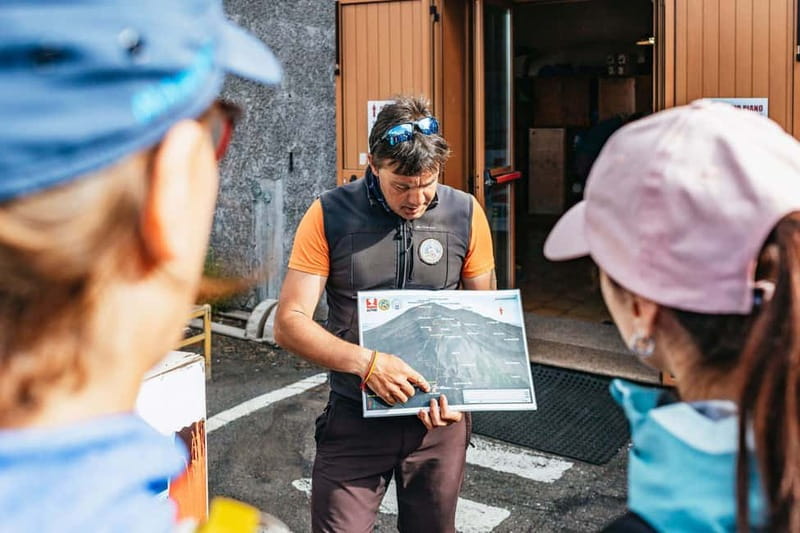
Your day begins at La Terrazza Dell’Etna, where you meet the guide for a briefing. This meeting point matters because hotel pickup and drop-off are not included. You need to arrange your own transport to the starting location and return from it.
The briefing is more than a formality. Your guide can explain the route, weather, volcanic conditions, and safety rules before you leave. Etna is an active volcano, so the itinerary is not locked in stone. Weather, ash, wind, environmental conditions, or volcanic risk can cause delays, changes, or cancellation of part of the route.
The activity is offered in English and Italian. Several guides receive warm praise in the supplied feedback, especially Luca, who is described as friendly, funny, patient, and good at keeping a mixed-ability group together. Marco is also praised for clear explanations, while Manuel receives credit for adapting the route during cold, wet, snowy conditions.
That human element is important here. You are not simply being led uphill. A good guide helps you understand why the ground changes under your boots, why old lava looks different from fresh deposits, and how to stay safe when wind sends ash across the path.
More Mountain and Summit Hikes in Italy
- Mount Etna: Summit Guided Hiking Tour up to 3,400 m
★ 4.8 · 4,792 reviews - Mount Etna: Trek to 3000m with cable car and 4×4
★ 4.6 · 3,823 reviews - Mount Etna: Summit Crater Trek with Cable Car
★ 4.8 · 1,875 reviews
The cable-car ride to 2,500 meters
The first major part of the outing is the ride toward 2,500 meters. The supplied details identify this as a cable-car ride, with a listed duration of about 20 minutes. The cable car saves you from a long lower-altitude climb and puts the focus on Etna’s upper volcanic zone.
You should check the ticket terms carefully before departure. The information supplied for this outing is inconsistent: one section lists the cable-car ticket as included, while another says it is not included and requires a €50 payment on site. Reviews also describe paying for a bus or cable-car transfer, with different amounts reported. Treat the €50 charge as a likely extra cost and confirm the current arrangement directly before booking.
That extra fee can still offer fair value if you want a serious Etna outing without spending the day on a lower trail. The price covers a guide, helmet, trekking poles, and insurance, according to the included services. You are paying for access to high ground, route support, and an organized ascent rather than just a ride up the mountain.
The ride also gives you a quick change in scenery. Lower Etna is not the main focus of this tour. The appeal is reaching the stark upper zone, where the view becomes more about black volcanic rock, ash, craters, and wide-open air.
Hiking across Etna’s ash and lava
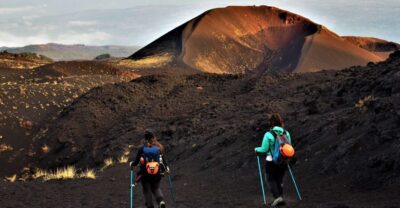
After leaving the cable car, you hike for about two hours toward 3,000 meters. The route crosses old and recent lava flows and areas of loose volcanic material. You may walk on sand and rock where there is no standard path, and some sections can feel exposed.
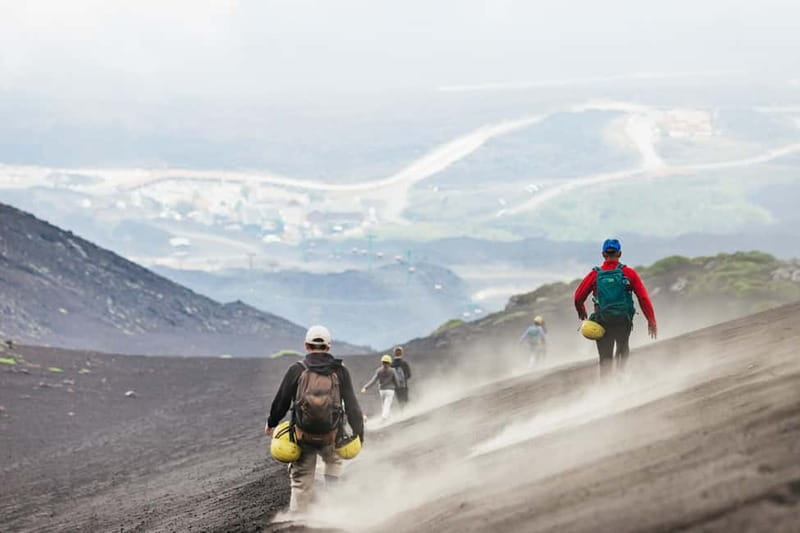
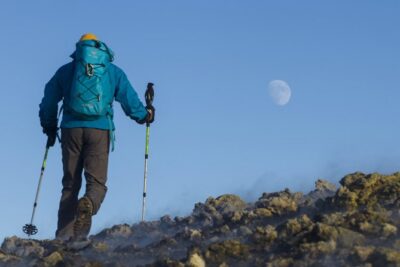
This is where proper footwear matters most. Wear trekking boots that rise above the ankle, and use long socks. Loose pebbles can slip into low shoes, especially on the descent. A trekking pole is recommended, and poles are listed among the equipment provided, though bringing your own may give you a better fit.
The physical demand is moderate, but high altitude changes the feel of ordinary walking. You do not need special climbing skills, but you should be comfortable with a sustained hike over unstable ground. The return can be harder than the climb because ash and small stones shift under your feet.
The pace is one of the strongest parts of this outing. Luca is repeatedly praised for setting a comfortable rhythm without rushing the group. That matters if people in your party have different fitness levels. You will still need reasonable conditioning, but a good guide can make the walk feel manageable rather than like a race.
Bring at least 1.5 liters of water, a snack, and a packed lunch in a 10 to 20-liter backpack. Lunch is not supplied. You will have time for a break during the descent, but do not count on finding food at the upper route.
Reaching the summit crater area at 3,000 meters
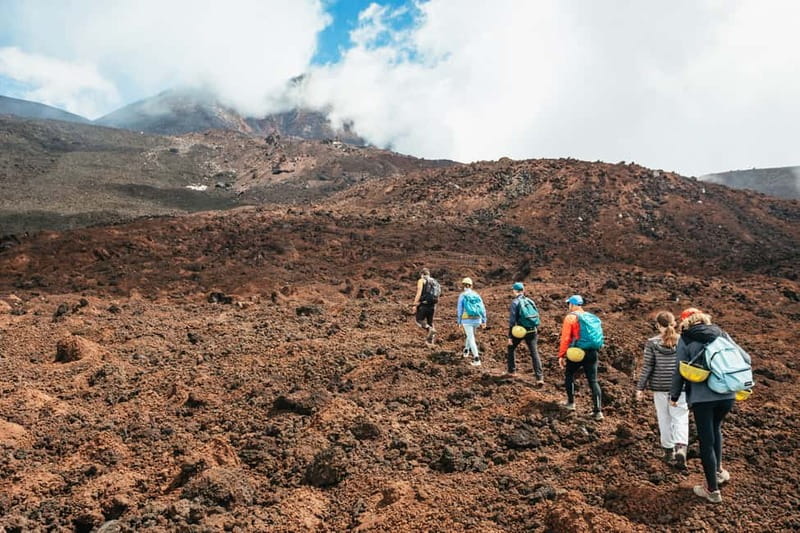
The stated high point is 3,000 meters, where you reach the base of Etna’s summit craters. This is the emotional center of the day. You are high enough to see a dramatic sweep of volcanic terrain, and the reward comes from standing among features shaped by eruptions rather than from reaching a conventional mountain summit.
The views depend heavily on the weather. On a clear day, the elevated position gives you broad views over the surrounding volcanic area. On a cloudy or windy day, the mood changes quickly. You might see less distance but gain a stronger sense of the mountain’s raw power.
Do not expect a polished path or a neat viewpoint with railings. The experience is built around rough ground, changing weather, volcanic ash, and the guide’s interpretation. One account describes a high wind near 100 kilometers per hour, while another recalls rain, frost, and snow in May. Those conditions are not guaranteed, but they show why the guide may shorten or redirect the route.
The guide also controls access and movement near the craters. That is a major reason to choose this outing instead of walking independently. Volcanic conditions can change, and your guide’s job is to balance the promised route with current safety.
More Volcano Hikes in Italy
- Etna: summit craters trekking with volcano guide 3350mt
★ 4.7 · 1,712 reviews - Catania: Mount Etna Trekking Tour Beyond the Tourist Trails
★ 4.9 · 1,596 reviews - Etna Sunset Tour: Volcano trek, Cave & tasting from Catania
★ 4.8 · 1,290 reviews - Catania: Mount Etna Adventurous Hiking Tour with Equipment
★ 4.7 · 784 reviews
The 2001 Crater and the descent
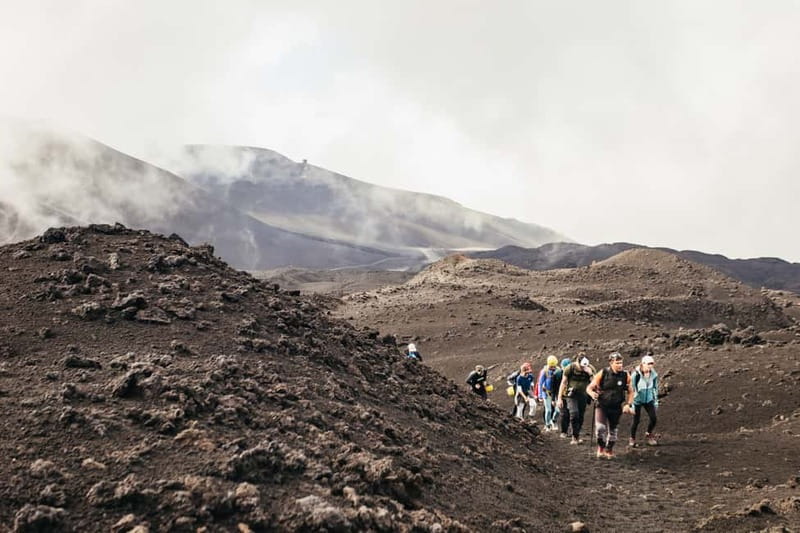
The return route takes about 1.5 hours of hiking before the final ride down. Along the way, you stop at the 2001 Crater, located at roughly 2,700 meters. It still fumes, giving you a direct look at Etna’s continuing volcanic activity.
This stop adds substance to the day. You are not only looking at a huge mountain from above. You are seeing evidence of a specific eruption and noticing that the volcano remains active. The contrast between older hardened lava and a crater that still releases fumes helps turn geology into something visible and immediate.
The descent is not simply the easy part. Loose ash can make you slide, and small rocks can work their way into your boots. Long trousers are useful, especially if they cover the tops of your boots. Walk carefully, use the trekking poles, and keep your face protected when wind pushes ash or fumes toward the trail.
A packed lunch break takes place on the way down. Because food is not included, bring something filling that you can eat without much fuss. You may also want an extra T-shirt, since layers can become damp from exertion even when the air is cold.
After reaching the lower cable-car area, you ride back for about 20 minutes and return to La Terrazza Dell’Etna. The total duration is about six hours, though the timing can change with conditions.
What the guide adds to the day
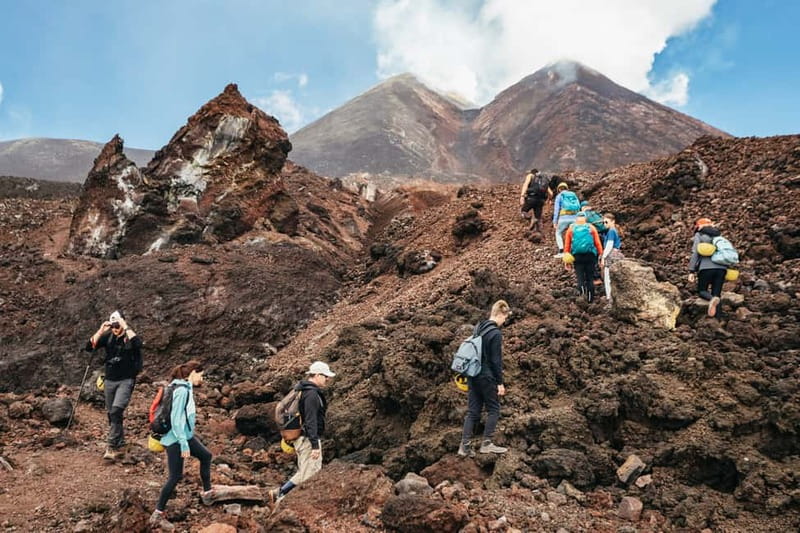
The best reason to book this as a guided outing is interpretation. Etna can look like a field of black stones if you do not know what you are seeing. A volcanology guide gives those surfaces a story: old lava, newer deposits, ash, craters, fumes, and the forces that keep reshaping the mountain.
Luca is the name that comes up most often in the supplied feedback. He is praised for remembering names, making jokes, explaining the volcano clearly, and looking after people who walk at different speeds. That combination matters more here than a theatrical speech. At high altitude, patience and judgment are practical skills.
The guides also help when the weather turns. Manuel is praised for handling rain, frost, and snow while changing the route to suit conditions. Another guide brought the group safely down after a sudden weather change. These details point to the right expectation: you are booking a serious outdoor activity, not a fixed sightseeing ride.
The exact guide cannot be guaranteed from the information provided. Still, the repeated praise for the guiding team is one of the strongest reasons to consider this tour.
Price, extra costs, and overall value
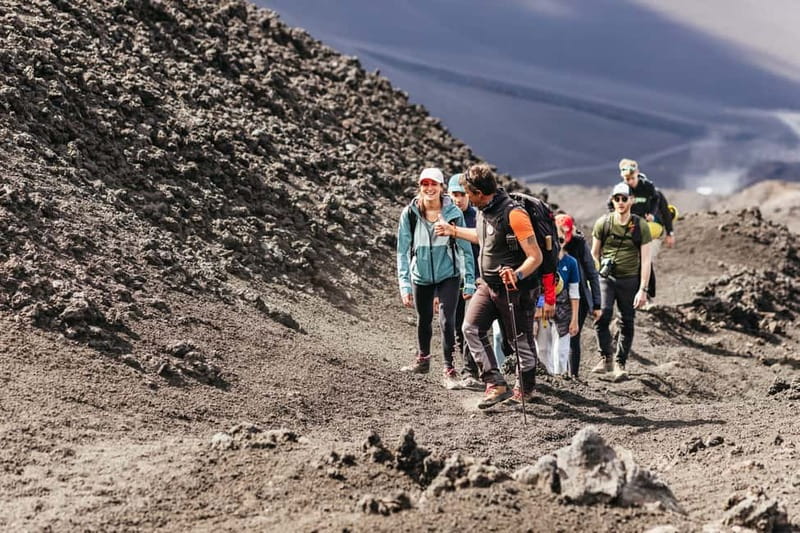
The listed price is $113.29 per person. That sounds reasonable for a six-hour outing with a guide, equipment, insurance, and access to Etna’s upper zone. The value improves if you would otherwise struggle to organize transport, route planning, safety decisions, and volcanic interpretation on your own.
The unclear cable-car charge needs attention. The details say €50 is payable on site, while another section lists the cable-car ticket among the included items. Some feedback also describes paying €50 or €60 for the uphill transport. Since that difference affects the real cost, ask the provider to confirm the exact amount and what it covers before you commit.
You may also need to budget for transport to La Terrazza Dell’Etna, food, and any missing clothing or footwear. Hotel pickup and drop-off are not included. On the positive side, helmets and trekking poles are listed as provided, and some direct arrangements have included borrowed shoes or windproof jackets. Do not rely on that unless the provider confirms it for your departure.
Free cancellation is available up to 24 hours before the activity, and you can reserve now and pay later. Those terms help if your plans depend on mountain weather, but they do not remove the need to check the forecast and arrive prepared.
Who should book this Etna trek?
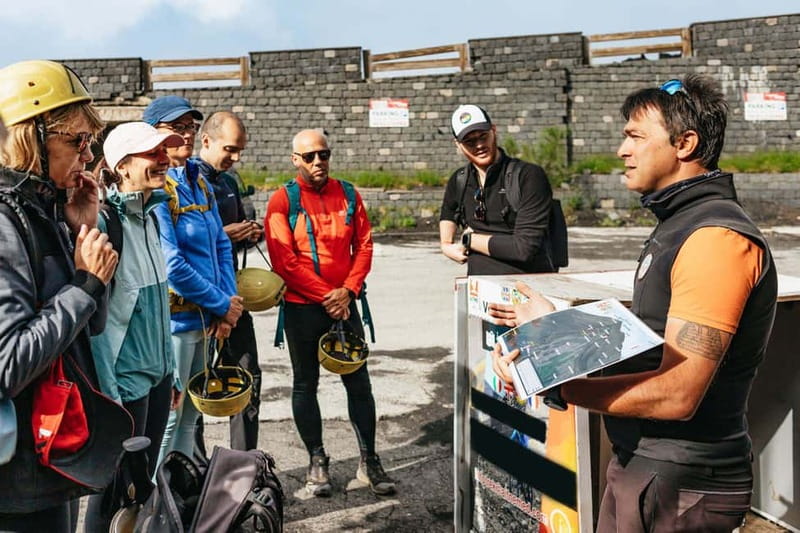
I would choose this outing if you want to get close to the upper craters and learn about the volcano while walking through its changing surfaces. It suits people with moderate fitness who are happy on rough ground and willing to carry water and lunch.
It is a good match for you if:
- You want a more active Etna day than a viewpoint stop.
- You enjoy geology, volcanic features, and outdoor walking.
- You prefer a guide who can adjust pace and route.
- You can manage several hours in wind, cold, ash, and uneven terrain.
- You are at least 10 years old and have no listed medical restriction.
This is not suitable for children under 10, pregnant women, people with mobility impairments, or people with heart, respiratory, or serious balance concerns. It is also unsuitable if you have vertigo. Tell the guide about health concerns before setting off.
Contact lenses are forbidden because wind can spread volcanic ash. Bring sunglasses, sunscreen, a warm pullover, an anorak or windproof jacket, gloves, a hat, long trousers, and an extra shirt. Covering your nose and mouth is also a smart response to ash and fumes, even though it is presented as a practical tip rather than listed equipment.
My verdict: a strong choice with one cost question
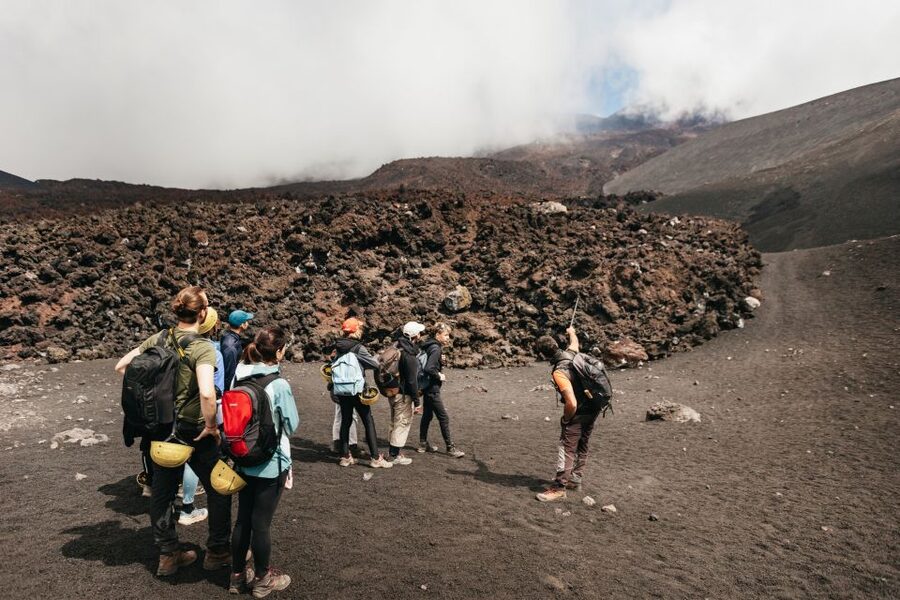
I would book this trek if reaching Etna’s high volcanic zone is a priority and I was comfortable with a moderate hike over ash and rock. The combination of the cable-car ascent, 3,000-meter walk, fuming 2001 Crater, and skilled guiding gives the day real substance.
I would pause only to confirm the cable-car price and current route. Weather and volcanic conditions may alter the plan, and the mountain can be cold, windy, or rough even on a sunny Sicilian day. Pack seriously, arrive at La Terrazza Dell’Etna ready to walk, and you have a strong chance of getting one of Sicily’s most memorable outdoor experiences.
FAQ
How long does the Mount Etna trek take?
The activity lasts about six hours, including the uphill cable-car ride, hiking, a break, the descent, and the return ride.
Where does the activity start and finish?
It starts and ends at La Terrazza Dell’Etna. Hotel pickup and drop-off are not included.
How high does the trek go?
The advertised maximum altitude is 3,000 meters, at the base of Mount Etna’s summit craters.
Is the cable-car ticket included?
The supplied booking details are inconsistent. One section lists it as included, while another says the €50 cable-car ticket must be paid on site. Confirm the current arrangement before booking.
What languages are available?
The live tour guide service is available in English and Italian.
What should I bring?
Bring sunglasses, sunscreen, hiking shoes or trekking boots, warm clothing, gloves, a hat, at least 1.5 liters of water, a snack, and a packed lunch. Long trousers, a windproof jacket, an extra shirt, and a 10 to 20-liter backpack are also recommended.
Is the trek suitable for everyone?
No. It is not suitable for children under 10, pregnant women, people with mobility impairments, heart problems, respiratory issues, or vertigo. You should be comfortable walking over sand and rock, sometimes without a marked trail.
Just added around Italy
- From Catania: Mount Etna Trekking Private Experience★ 4.6 · 11 reviews
- From Cala Gonone: Gorropu hiking with lunch★ 4.8 · 46 reviews
- Florence: Hiking Tuscany & Chianti wine 3 wineries and lunch★ 5.0 · 9 reviews
- Explore the Dolomites, a hiking day in the mountains★ 5.0 · 8 reviews
- Etna: Trekking to the summit craters at 3340 meters★ 4.0 · 10 reviews
- Etna: Summit Area Guided Hike from Cable Car Station★ 4.8 · 36 reviews
- Catania: Etna Morning or Sunset Trek with Lava Tunnel & Gear★ 5.0 · 27 reviews
- Etna: hiking to a stunning viewpoint over Valle del Bove★ 4.8 · 22 reviews
Catania Hiking Tours, compared.
Etna Sunset Tour: Volcano trek, Cave & tasting from Catania
Read our review →
Mount Etna Adventurous Hiking Tour with Equipment
Read our review →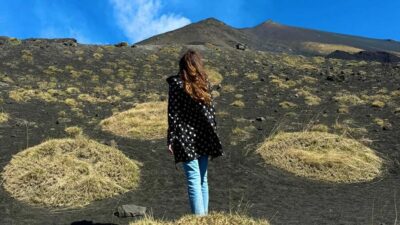
North Upper Craters Guided Tour by 4×4 with Trek
Read our review →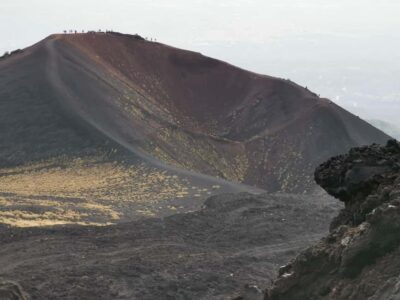
Etna Morning or Sunset Trek with Lava Tunnel & Gear
Read our review →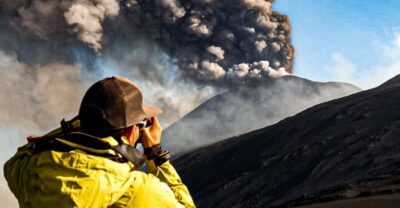
Special trekking on the most authentic and wild side of Etna
Read our review →Browse the lists this tour appears in