
REVIEW · CUSCO HIKING TOURS
Salkantay Trek Challenge – 3 Days / 2 Nights
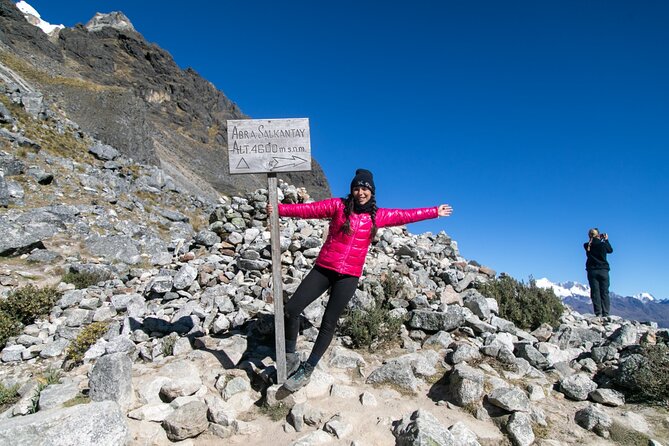
The mountains do not give away Machu Picchu easily. This three-day Salkantay route packs high-altitude passes, jungle paths, coffee country, and Machu Picchu into a very tight schedule. I like the excellent support system, including meals, a horse for up to 5 kilograms of luggage, safety gear, and private transfers. I also like the dramatic change in scenery, from glaciers at 15,190 feet to warm forest near Santa Teresa.
The main catch is simple: this is not a gentle introduction to hiking. You start around 2:30 or 3 a.m., cross the 4,630-meter Salkantay Pass, and cover a demanding amount of ground in the first two days. You should arrive in Cusco at least two days early to adjust to the altitude, and you should be comfortable with long, strenuous walking days.
The small group size, maximum 12 people, helps the trip feel personal rather than bus-like. Guides such as Marco, Guido, and Cesar Quispe have earned especially warm praise for encouragement, organization, safety, and cultural explanations. Still, some people found the cultural information less developed than the hiking itself, and sleep is limited.
Key points to know before booking
- The first day is the real test: You climb to 4,630 meters, then descend for hours into warmer forest.
- You carry only a day pack: Horses transport up to 5 kilograms of personal gear, which matters on such a demanding route.
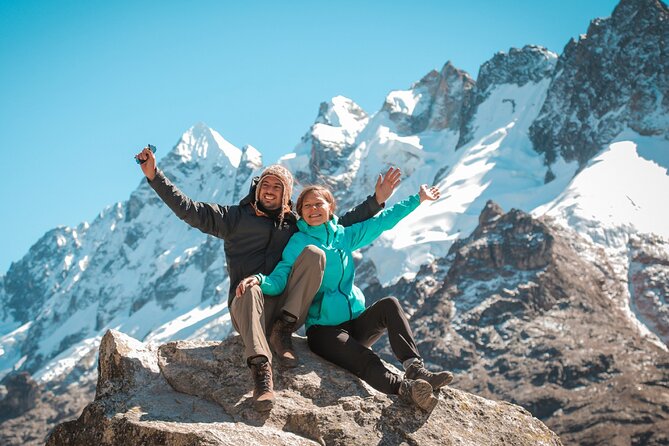
- The scenery changes fast: Glaciers, high Andes, waterfalls, orchids, coffee farms, tropical forest, and the Urubamba River all appear within three days.
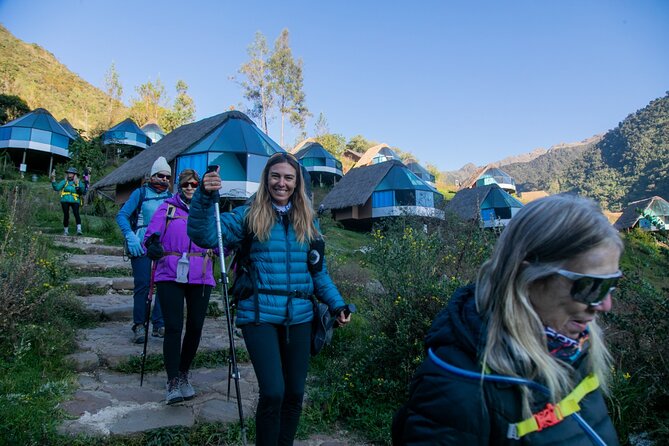
- You sleep in two different settings: One night is at Mountain Sky View camp in an Andean hut, followed by one hotel night in Aguas Calientes.
- Machu Picchu entry is included: Circuit 2 is planned for bookings made three months ahead, with Circuit 3 or Circuit 1 used if availability changes.
- The $680 price covers the complicated pieces: Transport, food, lodging, guide, train, Machu Picchu entry, equipment, and safety support are included.
Why this three-day Salkantay route is so demanding
The classic Salkantay Trek is longer. This version compresses the route into three days, making it useful if you have limited time in Peru but still want a serious mountain trek before Machu Picchu.
That shorter schedule comes with a cost: you do not get much recovery time. Day 1 begins before sunrise and includes the highest point. Day 2 keeps going through the valley and along the river before you reach Aguas Calientes. Day 3 is focused on Machu Picchu and the return trip.
I would not choose this plan if you live a very sedentary life or dislike long days on your feet. One person described the first two days as about 32 miles of hiking, and that gives you a useful sense of the scale. The exact distance can vary with the route and group pace, but this is a challenge, not a scenic stroll.
The support makes the challenge more manageable. You get an experienced mountain guide, cooks, horsemen, porters, water, tea time, snacks, trekking poles, a sleeping bag, rain protection, and a first aid kit. Oxygen, walkie-talkies, and emergency satellite phones are also supplied. These items do not remove the physical work, but they reduce the number of practical worries you must carry.
More Machu Picchu and Inca Trail Treks in Cusco:
- Choquequirao Trek 4 days and 3 nights
★ 5.0 · 81 reviews - Machu Picchu: 5-Day Salkantay Trek with Panoramic Train
★ 5.0 · 79 reviews - 5-Day: Salkantay Trek to Machupicchu and Humantay Lake
★ 5.0 · 42 reviews
Day 1: From Cusco to the Salkantay Pass
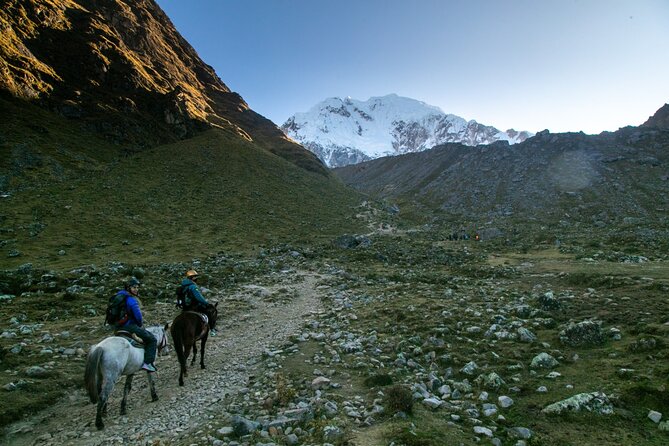
Pickup begins around 2:30 a.m., with a stated start time of 3 a.m. That early departure is necessary to reach Soraypampa, at 3,900 meters, in time for breakfast and the main climb.
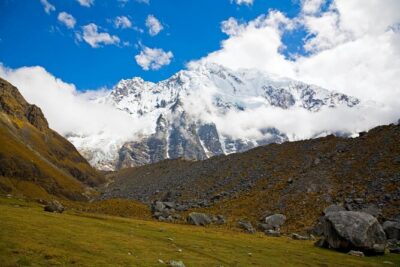
You begin the serious walking after an energy-packed meal. The ascent follows the Seven Serpents Trail toward Abra Salkantay, the high point at 4,630 meters. Here, the scenery is the reward: imposing mountains and glaciers surround the route, and the open high-altitude setting feels far removed from Cusco.
Altitude is the key issue. Even fit people can struggle at this height, particularly when the climb comes after a short night. Arriving in Cusco at least two days before departure is not a minor suggestion. It gives your body time to adjust and gives you a better chance of enjoying the pass rather than simply surviving it.
Bring water and snacks where you can reach them easily. The tour provides water, tea, and trail snacks, but you should still take every opportunity to drink and eat. The guide can help manage the pace, and guides such as Marco, Guido, and Cesar Quispe were praised for keeping people calm and moving safely through the hardest section.
After lunch at Wayracmachay, the route changes character. You descend toward the high Amazon forest, and the air gradually becomes warmer. This is one of the most satisfying parts of the day because the scenery changes as your legs tire.
The day ends at Mountain Sky View camp in Collpapampa, at about 2,950 meters. You sleep in an Andean hut and eat dinner at camp, with the possibility of looking up at the stars after a very long day. The private camping setup includes a dining room, kitchen, tables, and chairs, so this is not a carry-your-own-tent trip.
Still, expect a tired evening. The first day is listed at about 10 hours, and the early start makes the day feel even longer. This is where the provided sleeping bag, hot food, and reduced luggage weight earn their keep.
Day 2: Coffee farms, waterfalls, and the Urubamba River
You wake to the forest sounds at Mountain Sky View and have a homemade breakfast before starting a more relaxed section through the Santa Teresa Valley. The morning walking is easier than the pass, but you still have a full day ahead.
The route passes waterfalls, orchids, and coffee plantations before reaching La Playa. The scenery is warmer and greener than the high Andes, and the coffee country adds a useful local connection to the walk. You are not simply moving from one transport stop to another. You are passing through working rural areas and seeing how the climate shapes what grows there.
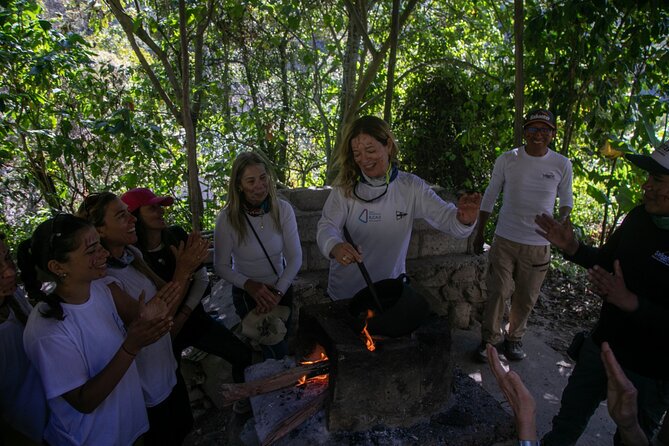
At La Playa, lunch uses local products, followed by an artisanal coffee demonstration. This is a welcome pause after the morning walk. It also gives the day a bit of cultural texture, an area where the trip could use more time. The mountain views are the strongest part of the experience, but the coffee stop helps you connect the route to daily life in the valley.
From there, you travel to Hidroeléctrica. The program allows an optional train transfer from Hidroeléctrica to Aguas Calientes, paid directly to the train operator. If you do not take that train, you continue on foot beside the Urubamba River for about three hours through tropical forest.
This walk is a major consideration. After the previous day, three more hours on foot can feel substantial, even though the altitude is no longer the main problem. The route is included in the experience, and walking it gives you a strong sense of arriving at Machu Picchu by land rather than simply taking a train from Cusco.
You reach Aguas Calientes at the end of the day and sleep in a hotel. Dinner is included, giving you one less decision to make before the early start at Machu Picchu. The hotel is a practical shift from the hut at Mountain Sky View, but do not expect a leisurely evening. The three-day schedule leaves little spare time.
Day 3: Machu Picchu before the return journey
The final day begins with a light breakfast and a bus ride from Aguas Calientes up to Machu Picchu. The bus is included one way. The return bus is optional and paid directly on site, so your legs may determine whether you want to walk back down or buy the bus ticket.
The ride climbs through cloud forest, building anticipation before you enter the Historic Sanctuary of Machu Picchu. Entry is included, with Circuit 2 planned for bookings made three months ahead. If that circuit is unavailable, the provider may use Circuit 3, then Circuit 1, depending on what remains.
That detail matters. Machu Picchu circuits are controlled, and you do not have unlimited freedom to wander wherever you want. Circuit 2 is generally the preferred option in this arrangement because it includes a broader experience of the citadel, but you should understand that the exact circuit depends on availability at the time of booking.
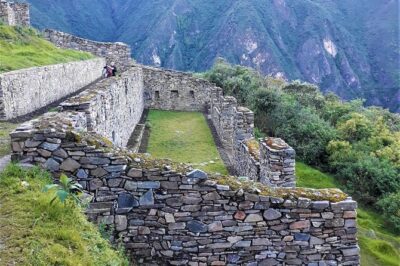
Inside, the guided visit lasts about two hours. You see temples, terraces, and sacred sites while your guide explains the Inca center. The guide is especially important here because the stonework and terraces are impressive, but the meaning of what you are seeing can be easy to miss without context.
The trip then returns to Aguas Calientes for lunch, which is not included on the final day. In the afternoon, you take a tourist-class train to Ollantaytambo. The train is listed as either the Voyager or Expedition service. From Ollantaytambo, private transport takes you back to Cusco.
That return is efficient, but it makes Day 3 another full day. You are not simply visiting Machu Picchu and checking into a nearby hotel. You are also boarding a train, transferring by road, and returning to Cusco the same day.
More Three-Day Trips around Cusco:
- Sapa 3 Days 2 Nights Trekking Tour (1 Night In Ta Van Village, 1 Night In Hotel)
★ 5.0 · 699 reviews - 3-Day Trekking Adventure of Sapa from Hanoi – Stay Ta Van Village
★ 5.0 · 611 reviews - From Marrakech: 3-Day Mount Toubkal Climbing Trek
★ 4.7 · 597 reviews - 3-Day Ethical Orangutan Jungle Trek | Bukit Lawang, Sumatra
★ 5.0 · 401 reviews
What the $680 price really covers
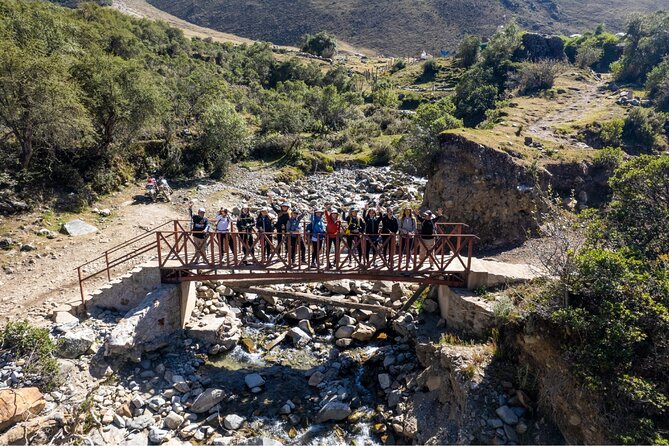
At $680 per person, this is not a bargain trek, but the price includes many costly and difficult-to-arrange pieces. You receive two nights of lodging, three breakfasts, two lunches, two dinners, Machu Picchu entry, the mountain entry fees, the bus up to Machu Picchu, the train to Ollantaytambo, and all private transport and transfers during the tour.
You also get the guide team, cooks, horsemen, porters, camping facilities, sleeping bag, trekking poles, backpack cover, rain poncho, water, tea, snacks, and safety equipment. If you arranged these parts separately, the transport and entrance reservations alone would make the trip complicated.
The horse carrying up to 5 kilograms is particularly useful. You still need a day pack with water, rain protection, personal items, and anything you need during the walking day, but you do not need to carry every item for two nights.
The price does not include personal hiking clothing, travel insurance, tips, lunch and dinner on the final day, or the optional train from Hidroeléctrica to Aguas Calientes. The optional return bus from Machu Picchu to Aguas Calientes is also paid separately.
I would budget for those extras rather than treating $680 as your total cost. The included meals are helpful, and vegetarian or vegan food can be arranged if requested when you book.
The guides and the value of a small group
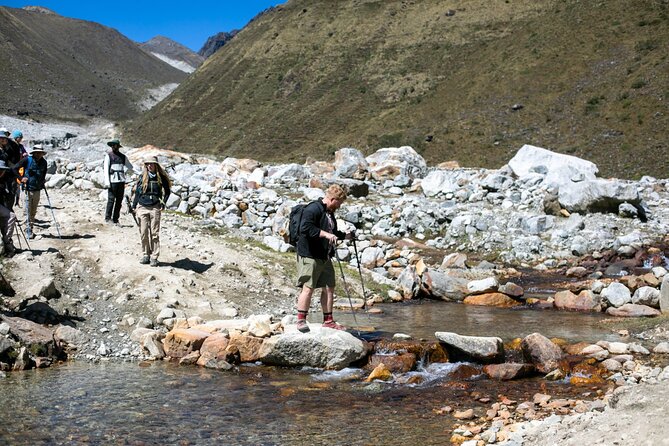
A good guide can change the entire experience on the Salkantay Pass. You need someone who watches the group, explains when to slow down, and keeps morale steady when the altitude and lack of sleep begin to bite.
Marco received repeated praise for being organized, supportive, and energetic. Guido was described as patient, caring, and helpful at the pass. Cesar Quispe was praised for keeping spirits high and adding historical, cultural, and spiritual context to the route.
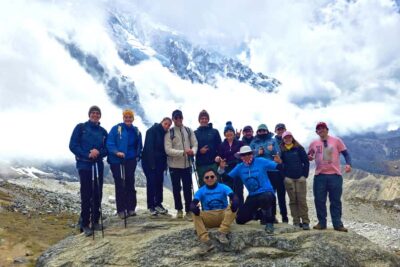
The group limit of 12 people is a real advantage. It allows the guide to pay attention to individuals, and it makes it easier for the group to develop a friendly rhythm. Several people found that the group felt like a family by the end, which is not surprising after sharing a hard pass, long walks, meals, and a hotel night.
The cultural side may depend heavily on your guide. The outdoor scenery and physical challenge are the strongest parts of this trip. If you want a deeper explanation of Andean culture and Inca history, tell your guide that early and ask questions along the way.
Who should book this trek?
You should consider this trip if you want Machu Picchu reached through a demanding mountain route, have only three days, and value having transport, meals, luggage support, and safety equipment organized for you.
It suits people with good general fitness and some experience with long walks. It can be possible for a beginner who prepares well, but you should not confuse possible with easy. The altitude, early start, steep pass, and long second day are serious demands.
I would not recommend it if you want slow mornings, generous rest periods, or a relaxed visit to Machu Picchu. The schedule is intense, and one of the main lessons from the route is that you will not sleep much.
Book at least three months ahead if Machu Picchu Circuit 2 matters to you. Confirmation is sent within 48 hours of booking, subject to availability. You must provide each person’s passport name, number, expiry date, and country, and your passport must be current for the travel date.
The experience is non-refundable and cannot be changed after booking. If poor weather cancels the trip, or if the minimum group size is not met, you are offered another date or a full refund. That makes travel insurance a sensible purchase, especially for an expensive international trip.
Should you book the Salkantay Trek Challenge?
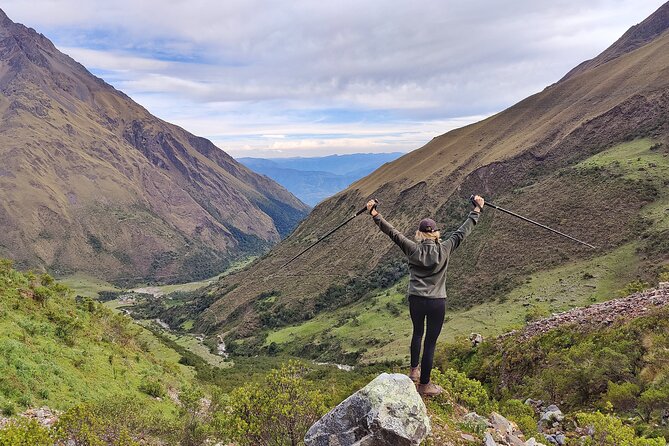
Book it if you want a fast, physically serious route to Machu Picchu and appreciate having the hard logistics handled by a professional team. The combination of glaciers, the Salkantay Pass, coffee country, tropical forest, river walking, and the Inca citadel gives you a lot in three days.
Skip it if you are not prepared for altitude or long walking days. The $680 cost is fair for the included transport, train, lodging, food, guide, equipment, and luggage support, but the real price is paid in effort.
My practical advice is to arrive in Cusco two days early, train with long walks before Peru, carry water and snacks, and pack lightly. If you can accept the early mornings and tired legs, this is a memorable way to reach Machu Picchu, with the mountain journey taking center stage rather than serving as a short prelude.
FAQ
How long is the Salkantay Trek Challenge?
The experience lasts approximately three days and two nights.
What time does pickup begin?
Pickup begins around 2:30 a.m., with a stated start time of 3 a.m.
How high is the Salkantay Pass?
The Salkantay Pass reaches 4,630 meters, or about 15,190 feet.
How early should I arrive in Cusco?
You should arrive at least two days before the trek to adjust to the altitude.
Where do I sleep during the trek?
You spend one night at Mountain Sky View camp in an Andean hut and one night at a hotel in Aguas Calientes.
Is Machu Picchu admission included?
Yes. Machu Picchu admission is included. Circuit 2 is planned for bookings made three months ahead, with Circuit 3 and then Circuit 1 used if needed because of availability.
Is transportation included?
Yes. Private transport and transfers during the tour, the one-way bus from Aguas Calientes to Machu Picchu, and the tourist-class train from Aguas Calientes to Ollantaytambo are included.
Is the return bus from Machu Picchu included?
No. The return bus from Machu Picchu to Aguas Calientes is optional and paid directly to the bus operator on site.
How much luggage can the horses carry?
A horse carries up to 5 kilograms, or 11 pounds, of your personal gear in a duffel bag.
Are vegetarian or vegan meals available?
Yes. Vegetarian and vegan options are available, but you should request them when booking.
Just added around Cusco
- Cusco: 4-Day Salkantay Trek to Machu Picchu, Panoramic Train★ 4.3 · 17 reviews
- Cusco: 4-Day Lares Trek to Machu Picchu with Panoramic Train★ 4.9 · 20 reviews
- Machu Picchu: 5-Day Salkantay Trek with Panoramic Train★ 5.0 · 79 reviews
- From Cusco: Rainbow Mountain Trek★ 4.5 · 98 reviews
- Choquequirao Trek 4 days and 3 nights★ 5.0 · 81 reviews
- 4-Day Inca Jungle Adventure, Mountain Biking, Rafting and Zipline★ 5.0 · 60 reviews
- Humantay Lake Full Day Hike★ 5.0 · 75 reviews
- Full-Day Trek to Humantay Lake from Cusco with Guide★ 4.5 · 66 reviews
Cusco Hiking Tours, compared.
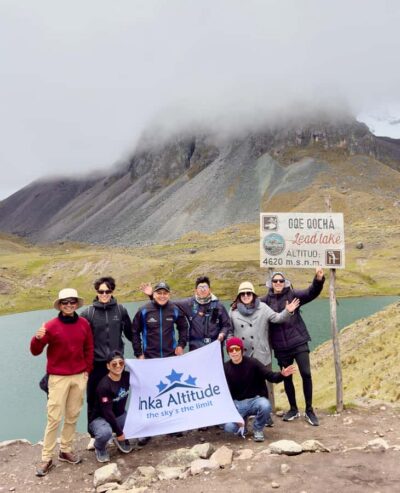
7 Lakes Ausangate Trek with Breakfast and Lunch
Read our review →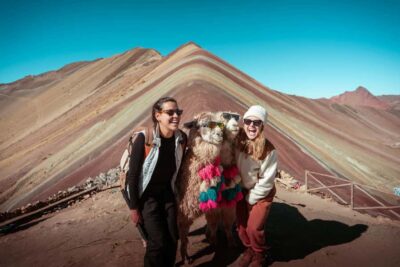
Rainbow Mountain Tour and Red Valley Hike (Optional)
Read our review →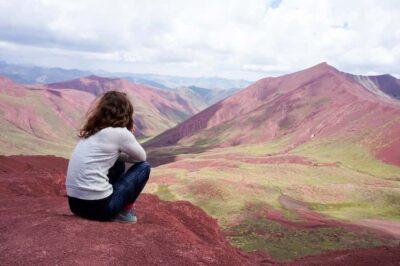
Full-Day Rainbow Mountain & Red Valley Trekking Tour
Read our review →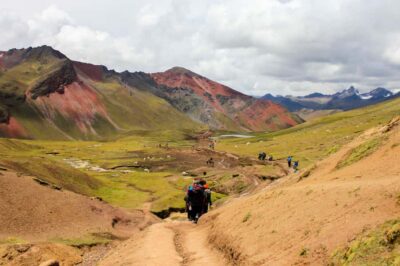
Machu Picchu: 5-Day Salkantay Trek with Panoramic Train
Read our review →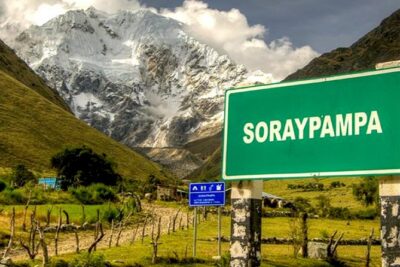
Full-Day Trek to Humantay Lake from Cusco with Guide
Read our review →Browse the lists this tour appears in