
REVIEW · CUSCO HIKING TOURS
Salkantay Trek To Machu Picchu 5 Days And 4 Nights
The Andes save their best views for walkers. This five-day Salkantay route links Humantay Lake, Salkantay Pass, rainforest trails, Llactapata, and Machu Picchu with guides, cooks, horses, tents, trains, and most meals arranged for you. I like the excellent support system, especially the horses carrying equipment and up to 8 kilograms of your belongings. I also like the small-group format, which allows the bilingual guides to keep an eye on your pace and comfort.
The main catch is the physical demand. The second day reaches 15,252 feet, and the first two days are hard at altitude. You need a moderate fitness level, proper acclimatization in Cusco, and a willingness to sleep in tents before enjoying a hotel night in Aguas Calientes.
Key points to know before booking
- The Salkantay Pass reaches 15,252 feet, making day two the toughest and highest part of the route.
- Humantay Lake comes first, with a two-hour excursion from Soraypampa on day one.
- A horse carries up to 8 kilograms of your belongings, while the crew moves tents, food, tables, and other equipment.
- Day three includes a coffee plantation visit beside the Lucmabamba campsite.
- Llactapata provides your first distant view of Machu Picchu before the final hotel night in Aguas Calientes.
- The $690 price includes major logistics, but sleeping bags, trekking poles, Machu Picchu bus tickets, tips, and day-five lunch cost extra.
What the $690 price really covers
At $690 per person, this is not simply a guided hike. You are paying for a working expedition system. The price includes pickup from your Cusco hotel, transport to the trailhead, bilingual guiding, four nights of accommodation, meals from breakfast on day one through breakfast on day five, camping equipment, horses, a chef and assistant chef, emergency support, the train to or from Aguas Calientes, and transport back to Cusco.
That package has real value. You do not need to carry the kitchen tent, dining tent, portable toilet, chairs, tables, or food. The staff also provides mattresses, pillows, hot water for washing, boiled and cold water for bottles, oxygen, and a medical kit. Those small comforts matter after a long day on steep trails.
You still need to budget for several items. A sleeping bag is not included, though it can be rented. Trekking poles are also extra, and they are especially useful on the long descents. The bus between Aguas Calientes and Machu Picchu is not included, nor is lunch on day five. Tips for the guide, chef, muleteers, and other crew members are separate as well.
The group limit is 16 people. That is large enough for a social atmosphere but small enough for the guides to offer practical help. The exact number on your departure may be lower.
More Machu Picchu and Inca Trail Treks in Cusco:
- Salkantay Trek Challenge – 3 Days / 2 Nights
★ 5.0 · 101 reviews - Choquequirao Trek 4 days and 3 nights
★ 5.0 · 81 reviews - Machu Picchu: 5-Day Salkantay Trek with Panoramic Train
★ 5.0 · 79 reviews
Day one: Humantay Lake and the first night above the valley
Your day begins very early, with a 4:30 a.m. start and pickup from your hotel. The drive to Mollepata takes about three hours, followed by breakfast at a local house. You then continue for roughly one hour and 45 minutes to Soraypampa, where the actual walk begins.
The approach is part of the experience. From the road, you get your first views of Salkantay and Humantay mountains. At Soraypampa, located at about 12,467 feet, you meet the support staff and hand over the gear that will travel by horse.
The hike to Humantay Lake takes about two hours as an excursion. The lake is the visual prize of the day, but the altitude makes this opening walk more demanding than the clock suggests. You are already starting high, so move slowly and keep water close.
After returning to the trailhead, you continue toward the first camp. The full day lasts around six hours, including the lake visit and walking to camp. This is a good day to test your boots, adjust your pack, and find out how your body reacts to the thin air.
I like the structure of day one because it gives you a memorable sight right away. The drawback is the early start combined with a long drive and high-altitude walking. Do not treat the first day as a gentle warm-up.
Day two: Salkantay Pass is the serious test
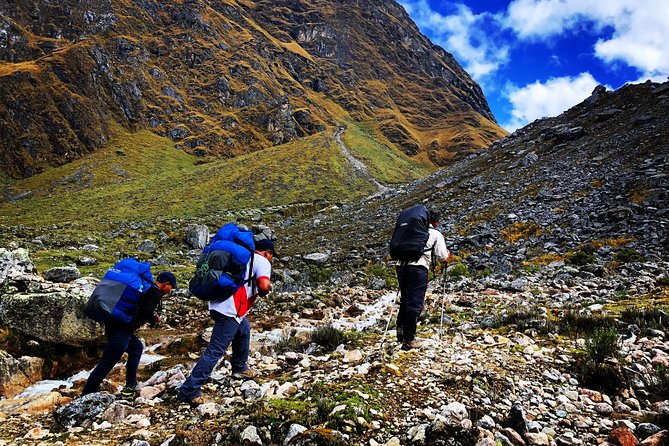
Day two is the trek’s hardest section. After breakfast, you climb for about an hour to Salkantay Pass at 15,252 feet. This is the highest point of the route and the moment when altitude becomes the central issue.
At the pass, the guide explains the Inca importance of Salkantay and leads an offering. That cultural pause gives the climb a purpose beyond reaching a high point. You also have time to appreciate the mountain setting before beginning the descent.
The next section drops for about two hours to Huayrac, at roughly 12,464 feet, where lunch is served. After eating, you continue downhill for about four hours to Colpapampa, at approximately 10,170 feet.
The total walking time is around eight hours. The pass is not the only challenge. Long descents can be tiring on your knees and feet, which is why poles are worth considering. The changing altitude also means you may move from cold, high mountain conditions into warmer air by the end of the day.
This is the day that separates a scenic walk from a real trek. You should arrive in Cusco with time to adjust before starting. If altitude affects you, tell the guide early. The emergency horse, oxygen bottle, and medical kit are useful safety measures, but they do not replace sensible pacing.
Day three: Rainforest walking and Lucmabamba coffee
Day three feels kinder after the pass. The route follows the Santa Teresa River through rainforest, with roughly six hours of gentle ups and downs. This is not flat walking, but the terrain is less severe than the previous day.
The change in climate gives the trek much of its appeal. You leave the stark high mountain zone and enter warmer, greener country. Along the way, you pass a notable waterfall, described as the most beautiful on the route. The river, forest, and changing vegetation keep the walk interesting even when your legs are still recovering.
You reach Lucmabamba around midday, eat lunch, and then visit the coffee plantation beside the campsite. This is one of the route’s best local touches. Instead of moving from one famous viewpoint to another, you get time to see an agricultural side of the region and learn about coffee production at close range.
The afternoon coffee visit also gives the day a slower rhythm. After two demanding days, that matters. You can enjoy a useful cultural stop without adding another major climb to the schedule.
The campsite setting is practical rather than luxurious. You sleep in a tent, but the support team provides mattresses, pillows, dining space, hot washing water, and prepared meals. The crew’s cooking receives especially strong praise, with several departures featuring three-course meals and food adapted to dietary needs. Specific menus are not provided, so tell the operator about dietary requirements before departure.
More Five-Day Trips around Cusco:
- Ausangate Trek 5 Days
★ 5.0 · 74 reviews - Classic Choquequirao Trek – 5 Days / 4 Nights
★ 5.0 · 52 reviews - Ultimate Lares Trek & Inca Trail 5 days
★ 5.0 · 47 reviews - 5-Day: Salkantay Trek to Machupicchu and Humantay Lake
★ 5.0 · 42 reviews
Day four: Llactapata, Machu Picchu views, and a hotel bed
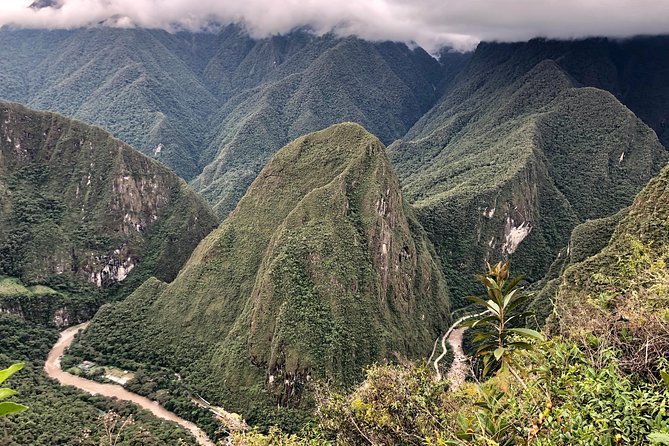
Day four begins with breakfast and a 3.5-hour climb through the rainforest to Llactapata. The ruin sits at about 8,856 feet and receives a full guided visit.
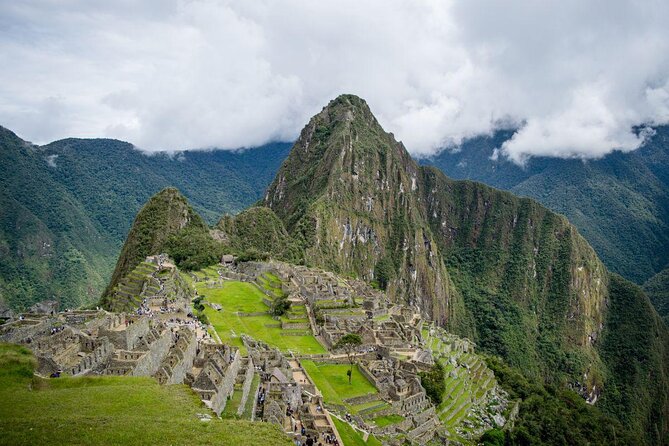
Llactapata is special because it gives you your first distant view of Machu Picchu. The citadel appears far away rather than suddenly beneath you. That perspective helps you understand the surrounding mountains and makes the final arrival feel earned.
From Llactapata, you descend for about 2.5 hours to Hidroelectrica, where lunch is served. The trail work is not finished, but the major mountain challenge is behind you. At 3 p.m., you board the train to Aguas Calientes and check into a hotel.
This transition from tent to hotel is one of the smartest features of the plan. After three nights of camping and long walking days, a proper room and restaurant dinner provide a welcome reset before Machu Picchu.
The train also saves your legs for the main attraction. You are not asked to walk the entire way into Aguas Calientes after the Llactapata descent. The journey is still a full day of about five hours, but it combines hiking, lunch, a train ride, and a comfortable overnight stay.
Day five: Machu Picchu and the return to Cusco
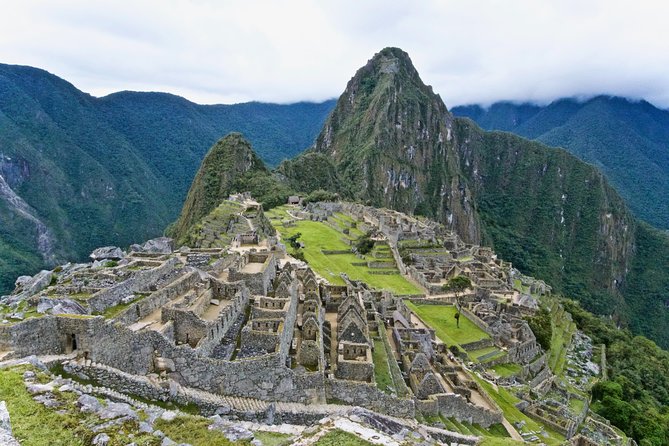
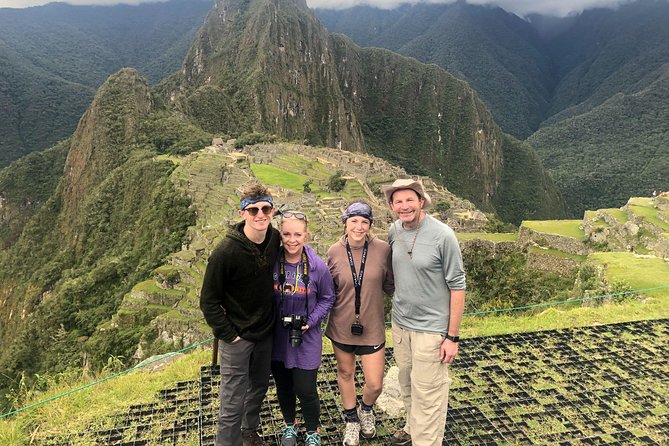
After breakfast at the hotel, you take a bus to Machu Picchu. The package includes a two-hour guided walk through the site. That guided time matters because the ruins are much more than a photo stop. A good guide can connect the stonework, location, Inca culture, and surrounding mountains in a way that gives the visit shape.
If you have reserved Huayna Picchu separately, the scheduled climb begins at 10 a.m. Huayna Picchu is not included in the package, so you need to arrange that option in advance. If you are not climbing, you have additional time at Machu Picchu before returning to Aguas Calientes.
Do not overlook the practical timing here. You still need to catch the train later in the day, and the bus ticket to Machu Picchu is not included. You should leave enough time for the guided visit, any permitted extra time, and the return to town.
The return train goes to either Ollantaytambo or Poroy. From there, private van transport continues to Cusco. Day five lasts about three hours according to the schedule, though the total day includes transfers and waiting time.
Lunch in Aguas Calientes is also not included. I would plan for that cost rather than assuming the meal package covers every meal of the trip.
Guides, cooks, horses, and the human side of the trek
The support crew is one of the strongest reasons to choose this organized route. The guide team has included Christian, Ericsson, Eddie, Hipo, and others. Christian is especially praised for his explanations of Inca culture, local plants, wildlife, and the region’s natural features. Eddie is also remembered for his warmth and cultural presentation.
Guiding quality matters here because the route changes so quickly. You need more than someone pointing toward the next hill. You benefit from a guide who can explain why the pass matters, identify the meaning of an offering, discuss rainforest plants, and help you judge your pace.
The chefs are another major strength. Prepared meals are served in a dining tent, and the food has been described as varied, generous, and unusually good for a camping trek. You should still bring small personal snacks if you like to eat between meals, since the provided schedule does not specify trail snacks.
The horses carry the group equipment and up to 8 kilograms of each person’s belongings. You receive a duffle bag for this purpose. Keep your daypack light with water, rain gear, sunscreen, medication, a camera, and anything you need during the day.
Fitness, altitude, and what to pack
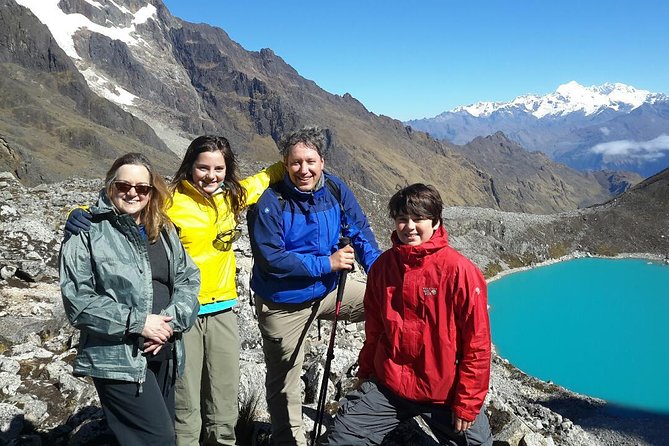
This route suits you if you can handle long days of uphill and downhill walking at altitude. The operator asks for moderate fitness, but that phrase should not be read as an effortless standard. Day two takes about eight hours and reaches more than 15,000 feet.
Spend time acclimatizing in Cusco before the trek. The first two days are the most difficult, and several departures found the trek much easier after the Salkantay Pass. That pattern is useful, but it does not guarantee an easy experience for everyone.
Pack trekking boots, warm layers, several shirts, socks, gloves, a sun hat, warm underwear, light long pants, and a rain jacket. Add sunscreen of at least SPF 35, sunglasses, insect repellent, a headlamp, toiletries, toilet paper, wet wipes, a personal towel, and spare camera batteries.
A sleeping bag is essential for the camps and can be rented. Poles are recommended for the steep descents. Bring your original passport, including the old passport if you received a new one after booking.
Should you book the Salkantay Trek?
I would choose this trip if you want Machu Picchu to be part of a full Andean walking experience rather than a stand-alone sightseeing visit. The route offers mountain drama, a glacial lake, an exceptionally high pass, rainforest, coffee, ruins, trains, and a final guided visit to Machu Picchu.
The price is strong for the amount of support included. You are not carrying the camp infrastructure, cooking your meals, or arranging every transfer yourself. The main reasons to hesitate are the altitude, the long second day, the early start, and the extra costs for a sleeping bag, poles, bus tickets, tips, and day-five lunch.
Book it if you are prepared to walk hard, camp for three nights, and start before dawn. Choose a gentler Machu Picchu plan if you want more comfort, shorter walking days, or less exposure to altitude. Free cancellation is available when you cancel at least 24 hours before the local start time, but cancellations within 24 hours are not refunded.
FAQ
How long is the Salkantay Trek to Machu Picchu?
The experience lasts five days and four nights. You spend the first three nights camping, then stay in a hotel in Aguas Calientes on night four.
What time does the trek start?
Pickup and the trek start at approximately 4:30 a.m. on day one.
How high is the Salkantay Pass?
The pass reaches about 15,252 feet, making it the highest point of the route.
Is camping equipment included?
Yes. The package includes tents, mattresses, pillows, a kitchen tent, a dining tent, tables, chairs, a toilet tent, and a portable toilet.
Can horses carry my personal belongings?
Yes. A horse carries up to 8 kilograms of your personal belongings. A duffle bag is provided for packing them.
Is a sleeping bag included?
No. A sleeping bag is not included, but one can be rented from the operator.
Is the bus ticket to Machu Picchu included?
No. The round-trip bus ticket between Aguas Calientes and Machu Picchu is not included.
Just added around Cusco
- Salkantay 5-Day Trek To Machu Picchu★ 5.0 · 39 reviews
- Small Group: 4-Day Inca Trail Trek to Machu Picchu★ 5.0 · 33 reviews
- Classic Choquequirao Trek – 5 Days / 4 Nights★ 5.0 · 52 reviews
- 6 day Rainbow Mountain x Ausangate Trek – FlashpackerConnect★ 5.0 · 30 reviews
- 5 Day – Salkantay trek to Machu Picchu – Group Service★ 4.5 · 27 reviews
- Inca Trail Trek to Machu Picchu – 2 Days (Small Group or Private)★ 5.0 · 31 reviews
- Salkantay Trek: 5 Days to Machu Picchu★ 5.0 · 33 reviews
- Salkantay Trek Standard 5D/4N★ 5.0 · 48 reviews
Cusco Hiking Tours, compared.
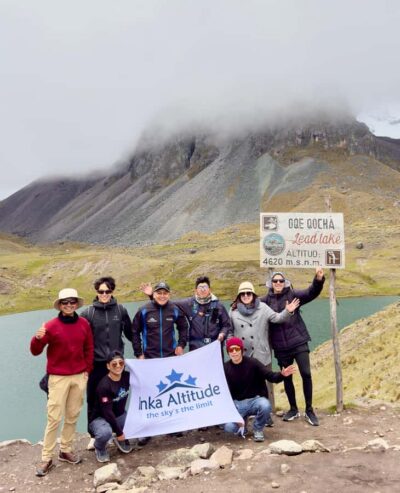
7 Lakes Ausangate Trek with Breakfast and Lunch
Read our review →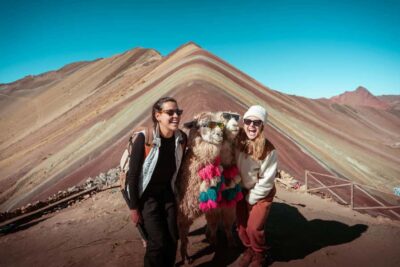
Rainbow Mountain Tour and Red Valley Hike (Optional)
Read our review →
Full-Day Rainbow Mountain & Red Valley Trekking Tour
Read our review →
Private Palccoyo Rainbow Hike Without the Crowds
Read our review →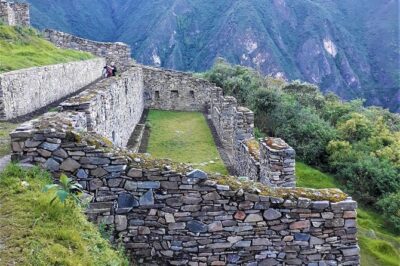
Machu Picchu: 5-Day Salkantay Trek with Panoramic Train
Read our review →Browse the lists this tour appears in