
REVIEW · CUSCO HIKING TOURS
Salkantay Trek Standard 5D/4N
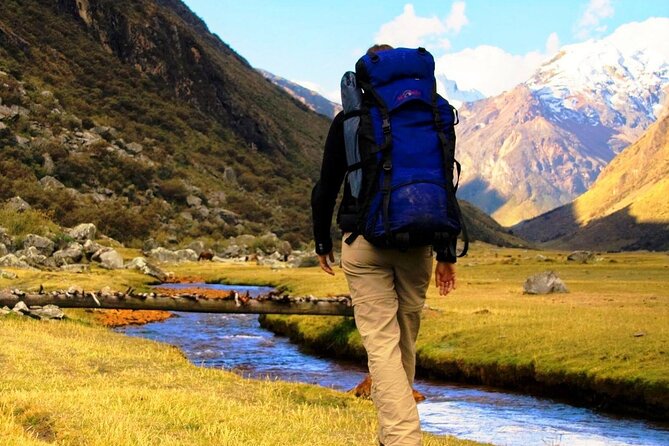
Five days, four nights, and two worlds. This Salkantay route links high Andean passes, Humantay Lake, cloud forest, coffee country, and Machu Picchu in one demanding trip. I like the small group of up to 15 people, which should make the long days easier to manage, and I like that meals, camping gear support, a cook, guide, and return transport are arranged in advance.
The biggest caution is the physical effort. You begin at high altitude, reach 4,600 meters, and spend several days walking for six to eight hours. The strict no-refund policy also matters, especially because one customer described canceling during unrest in Cusco and receiving a future-use voucher rather than cash back.
The 4.8 rating from 48 ratings and 94 percent recommendation suggest strong overall satisfaction, but this is not a soft adventure. You need to be comfortable with basic camps, early starts, steep paths, and a fixed schedule.
Key points before you book
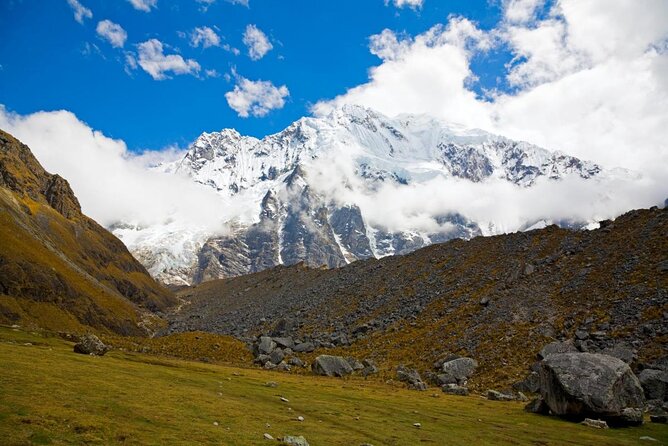
- Humantay Lake comes first: The opening hike reaches 4,200 meters, so the trip tests your altitude tolerance almost immediately.
- Salkantay Pass is the high point: Day two climbs to 4,600 meters before dropping into warmer forest.
- Three nights are spent camping: A dining tent, kitchen, tables, chairs, cook, and assistants are provided.
- Day four gives you your first Machu Picchu view: From Llactapata, you can look toward the famous citadel before walking to Aguas Calientes.
- Machu Picchu is visited on day five: An early bus takes you uphill, followed by a private guided visit.
- Several extras cost more: Bus tickets at Machu Picchu, sleeping bag hire, walking poles, ziplining, hot springs, and Huayna Picchu or Machu Picchu Mountain are not included.
Why this five-day route works
The appeal is simple: you get a wide sample of the Andes without having to arrange separate transfers, camps, meals, permits, and train tickets yourself. The route changes character almost every day. You begin among high, cold peaks, pass through cloud forest, walk near coffee plantations, and finish at one of Peru’s best-known archaeological sites.
I also like the way the trip builds toward Machu Picchu rather than rushing there by train on the first morning. You earn the arrival. The walk to Aguas Calientes on day four gives you time to settle before the major visit.
That convenience has limits. The schedule is fixed, and the walking days are long. The tour is advertised as suitable for most people, but that should not be confused with easy. You need to handle altitude, uneven trails, repeated climbs and descents, and early wake-ups.
The 4:00 a.m. meeting time in Cusco sets the tone. You begin before sunrise, travel to Mollepata, eat breakfast, and then reach Soraypampa, where the walking begins. Organizing your clothes, water, and daypack the night before will make that first morning less painful.
More Machu Picchu and Inca Trail Treks in Cusco:
- Salkantay Trek Challenge – 3 Days / 2 Nights
★ 5.0 · 101 reviews - Choquequirao Trek 4 days and 3 nights
★ 5.0 · 81 reviews - Machu Picchu: 5-Day Salkantay Trek with Panoramic Train
★ 5.0 · 79 reviews
Day one: Mollepata, Soraypampa, and Humantay Lake
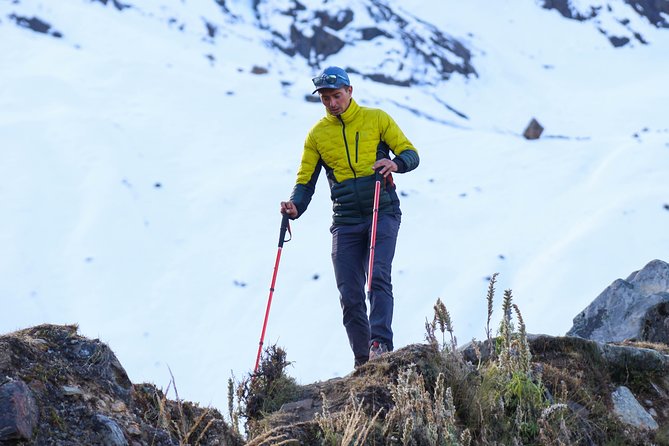
The first day combines transport, altitude, and one of the trek’s most photographed sights. After the early pickup in Cusco, you stop in Mollepata for breakfast before continuing to Soraypampa at about 3,900 meters.
At Soraypampa, you meet the horsemen and horses carrying camping equipment. That is an important part of the setup. You are not expected to carry the full camp, cooking supplies, and shared equipment yourself, though your personal daypack remains your responsibility.
The hike to Humantay Lake rises to roughly 4,200 meters. The lake is the visual reward, but the altitude is the real story. At this height, even a relatively short uphill section can feel slow. Take the pace seriously, drink water, and do not treat the first day as a warm-up.
After visiting the lake, you return to Soraypampa for lunch prepared by the cook. The group then continues to Salkantaypampa, the first camp, with views of the snowy Salkantay peak. Afternoon tea and dinner are included.
This is a strong opening because it gives you a major Andean sight right away. It is also a rough opening for anyone still adjusting to Cusco’s altitude. If you want a relaxed first day, this itinerary will feel too aggressive.
Day two: the 4,600-meter Salkantay Pass
Day two is the trek’s hardest mountain day for many people. You wake with coca tea, eat breakfast near the mountains, and climb for about three hours to Salkantay Pass at 4,600 meters.
The pass is the highest point of the route. The attraction is not only the elevation but the change in scenery around you. From the high pass, you begin descending toward Wayrac Machaq for lunch, then continue into the high jungle.
That descent is welcome, but it does not make the day short. The full walking time is listed at about eight hours. You move from cold, exposed mountain conditions toward trees, streams, bromeliads, and orchids. This sharp change is one of the route’s best features.
You should expect tired legs by the end. The group then reaches the second campsite, where the setting is warmer and more wooded than the first night. The included cook and dining setup become especially useful here. A proper meal and a place to sit can make a large difference after a full day on the trail.
The practical point is clear: do not book this section because you like the idea of a scenic walk. Book it because you are ready for a high-altitude mountain crossing followed by a long descent.
Day three: cloud forest, coffee, and optional hot springs
Day three continues through cloud forest for about three hours before lunch, followed by another three hours of hiking to Lucmabamba. Rivers and waterfalls add variety, and the vegetation becomes thicker as the route drops lower.
Lucmabamba is one of the more distinctive stops because the itinerary includes time in coffee plantations and an explanation of coffee processing. This gives the walk a local agricultural side rather than making it only about mountain views.
A zipline is available if you reserve it in advance, but it is not included. That makes it an optional extra rather than a built-in part of the day. If you are interested, ask about it before departure so the activity can be arranged.
Cocalmayo hot springs are another possible addition. They are about 30 minutes from the campsite, and both transportation and admission cost extra. The itinerary does not give a total cost, so you should ask the operator for the current amount before committing.
This day is shorter in individual sections than day two, but you still walk about six hours. The coffee stop and possible hot springs can make the day feel more varied, though they also add expense and may reduce your rest time.
A few more hikes around Cusco worth a look
- From Cusco: 7 Lakes Ausangate Trek with Breakfast and Lunch
★ 4.8 · 360 reviews - Cusco: Rainbow Mountain Tour and Red Valley Hike (Optional)
★ 4.7 · 149 reviews - Cusco: Full-Day Rainbow Mountain & Red Valley Trekking Tour
★ 4.5 · 121 reviews - From Cusco: Rainbow Mountain Trek
★ 4.5 · 98 reviews
Day four: Llactapata, Hydroelectric, and Aguas Calientes
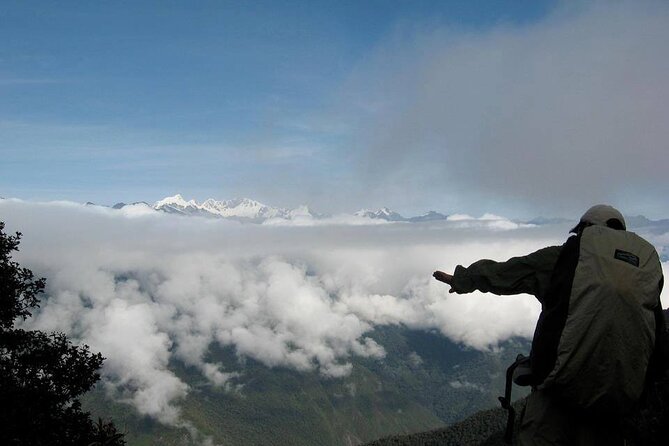
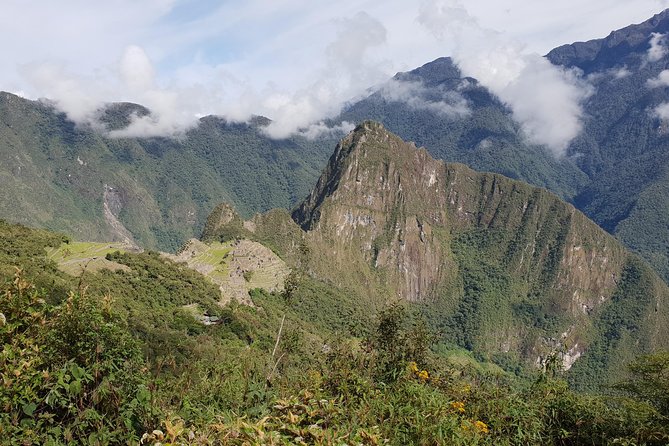
Day four brings your first view toward Machu Picchu. After breakfast, you hike to Llactapata, where the route provides views of the surrounding scenery and the citadel in the distance.
That viewpoint gives the trip a sense of arrival without ending the journey too soon. You then walk downhill to Hydroelectric for lunch. After eating, you continue for about three more hours to Aguas Calientes.
This final walk is different from the high mountain sections. You are no longer climbing toward a remote pass, but you still need energy because the day includes several hours on foot. Reaching Aguas Calientes under your own power also means you do not simply step off a train and go straight to a hotel.
Your night in Aguas Calientes is in a hostel or hotel, depending on the operator’s arrangement. This is a welcome change after three nights camping. It also puts you in position for the early bus to Machu Picchu.
One detail deserves attention: the return train is included from Aguas Calientes to Ollantaytambo, followed by transport to Cusco. The outward journey to Aguas Calientes is made on foot as part of the trek, while the return uses rail. That arrangement keeps the route active without making the trip entirely overland.
Day five: Machu Picchu with a private guide
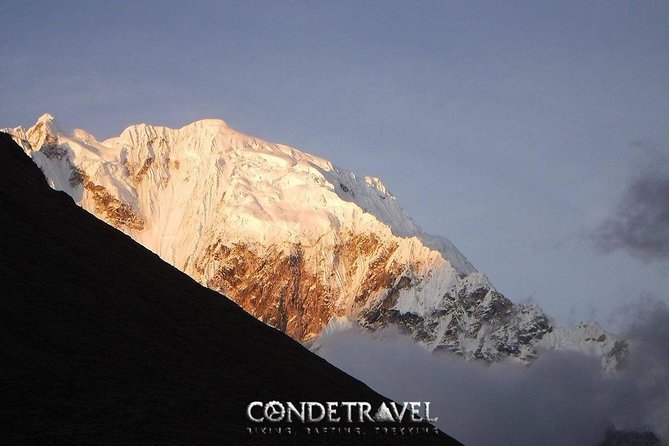
The final morning begins early. After breakfast, you take the bus up to Machu Picchu for sunrise, with the bus fare paid separately. The tour includes the entrance fee and a private guided visit once you are inside.
A private guide is valuable here because Machu Picchu can otherwise become a quick walk past stones and terraces. The guide gives structure to the visit and helps you understand what you are seeing. The exact duration and route inside the site are not specified, so ask for those details before booking if they matter to you.
Huayna Picchu and Machu Picchu Mountain are not included. Their entrances require separate arrangements, and the basic tour should not be treated as including either climb.
After Machu Picchu, you return by train and bus to Cusco. The included train goes to Ollantaytambo, and transportation from there to Cusco is provided. By the time you arrive back at the starting meeting point, you will have had a full five days rather than a single busy day trip.
Camping, meals, and what you carry
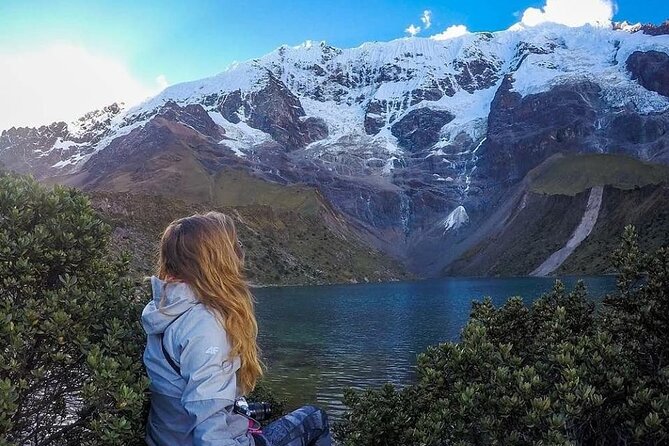
The camping setup is more organized than a self-supported trek. You get three camping nights, a dining tent, kitchen, tables, chairs, a first aid kit, a cook, assistants, and a professional bilingual guide.
Breakfast, lunch, and dinner are included for four days. That removes one of the main burdens of a multi-day hike: finding food each evening and carrying enough supplies. It also means you should confirm whether you have dietary needs before departure, since the supplied details do not explain special meal arrangements.
The horses carry the camping equipment, but a sleeping bag is not included. Walking poles are also extra, and both can be important on a route with steep climbs and long descents. You should ask the operator if rental options are available rather than assuming they will be waiting at camp.
Accommodation is basic by design. Three nights are in camps, followed by one night in Aguas Calientes. If you need a private room, upgraded bedding, or a particular hotel standard, get that confirmed before paying.
Group size, transport, and value
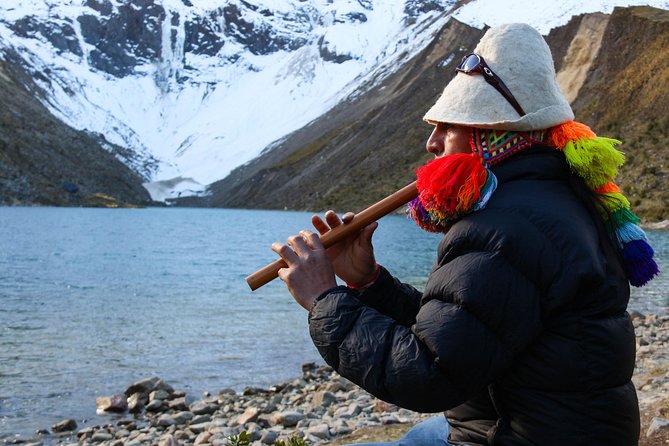
The maximum group size is 15 people. That is large enough to create a social atmosphere but small enough for the guide to keep track of the group more easily than on a mass departure.
The package covers the transfer from Cusco to Mollepata, the return train to Ollantaytambo, transport onward to Cusco, meals, camping support, the Machu Picchu entrance, and the guide team. Since no tour price is provided here, I cannot judge whether it is cheap or expensive in cash terms. I can say what you are paying for: reduced planning, shared support, and a route that combines several transport and accommodation pieces.
The value is strongest if you would otherwise need to arrange a guide, cook, camps, meals, Machu Picchu entry, train tickets, and the Cusco transfers separately. It is weaker if you already have trekking equipment and prefer to make your own food and transport choices.
Remember the extra costs. You pay separately for the Machu Picchu bus in either direction, sleeping bag, walking poles, zipline, Cocalmayo transport and entry, and the optional mountain permits. These are not minor details if you are building a strict budget.
The cancellation issue you should take seriously
This experience is non-refundable and cannot be changed for any reason under the stated policy. One customer canceled shortly before departure during a period of transport strikes and violence in Cusco, then complained after being denied a cash refund. The operator replied that the cancellation came too close to departure and offered a voucher for future use.
You should read that policy carefully before booking. If your plans may change, this is not a flexible product. The tour can also be canceled if its minimum group size is not reached, in which case you are offered another date or experience, or a full refund.
Who should book the Salkantay Trek
I would recommend this trip to you if you want a full Andean route to Machu Picchu and prefer having the practical work handled by one operator. It suits active visitors who enjoy changing scenery, basic camping, early mornings, and a clear group schedule.
It is a good fit if you want more than the usual rail-and-bus visit to Machu Picchu. Humantay Lake, Salkantay Pass, cloud forest, coffee plantations, Llactapata, and the walk from Hydroelectric give the journey real range.
I would hesitate if you dislike altitude, have trouble with six to eight-hour walking days, or want a soft introduction to Peru. I would also hesitate if you need flexible cancellation or want every optional activity included.
Should you book it?
Book it if your priority is a well-organized, physically demanding route with major mountain scenery and Machu Picchu at the finish. The small group, cook, camping support, private Machu Picchu guide, and included return transport make the package practical.
Before you pay, confirm the exact camping equipment, hotel name in Aguas Calientes, bus costs, train departure, meal arrangements, and optional activity prices. If you accept the fixed policy and prepare for the altitude, this is a strong choice for an active five-day journey. If you want comfort and flexibility, choose a shorter route with more hotel nights.
FAQ
How long is the Salkantay Trek Standard tour?
The experience lasts approximately five days and four nights.
Where does the tour start?
It starts at Portal de Comercio 145 in Cusco, Peru, with a meeting time of 4:00 a.m.
How many people can join the group?
The maximum group size is 15 people.
Is Machu Picchu entrance included?
Yes. The entrance fee to Machu Picchu is included, along with a private guided visit.
Are the buses to Machu Picchu included?
No. The bus up or down between Aguas Calientes and Machu Picchu is not included.
Where do you sleep during the trek?
You spend three nights camping and one night in a hostel or hotel in Aguas Calientes.
Is the return train to Cusco included?
The train from Aguas Calientes to Ollantaytambo is included, as is transportation from Ollantaytambo to Cusco.
Just added around Cusco
- Small Group: 4-Day Inca Trail Trek to Machu Picchu★ 5.0 · 33 reviews
- Classic Choquequirao Trek – 5 Days / 4 Nights★ 5.0 · 52 reviews
- Salkantay 5-Day Trek To Machu Picchu★ 5.0 · 39 reviews
- 6 day Rainbow Mountain x Ausangate Trek – FlashpackerConnect★ 5.0 · 30 reviews
- 5 Day – Salkantay trek to Machu Picchu – Group Service★ 4.5 · 27 reviews
- Salkantay Trek To Machu Picchu 5 Days And 4 Nights★ 5.0 · 44 reviews
- Inca Trail Trek to Machu Picchu – 2 Days (Small Group or Private)★ 5.0 · 31 reviews
- Salkantay Trek: 5 Days to Machu Picchu★ 5.0 · 33 reviews
Cusco Hiking Tours, compared.
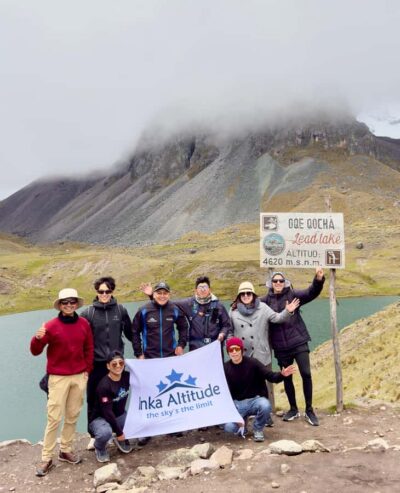
7 Lakes Ausangate Trek with Breakfast and Lunch
Read our review →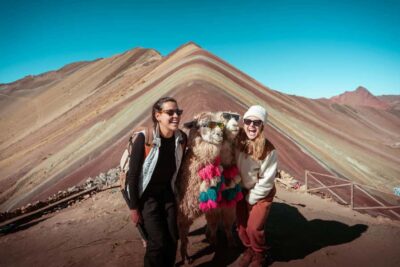
Rainbow Mountain Tour and Red Valley Hike (Optional)
Read our review →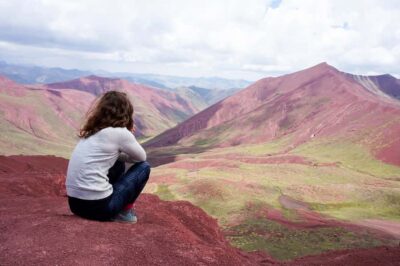
Full-Day Rainbow Mountain & Red Valley Trekking Tour
Read our review →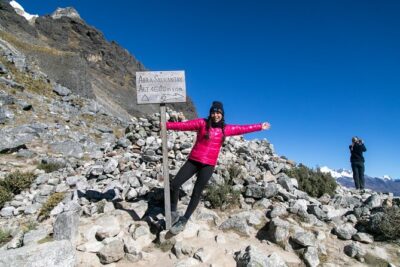
Private Palccoyo Rainbow Hike Without the Crowds
Read our review →
Machu Picchu: 5-Day Salkantay Trek with Panoramic Train
Read our review →Browse the lists this tour appears in