
REVIEW · CUSCO HIKING TOURS
Ausangate Trek 5 Days
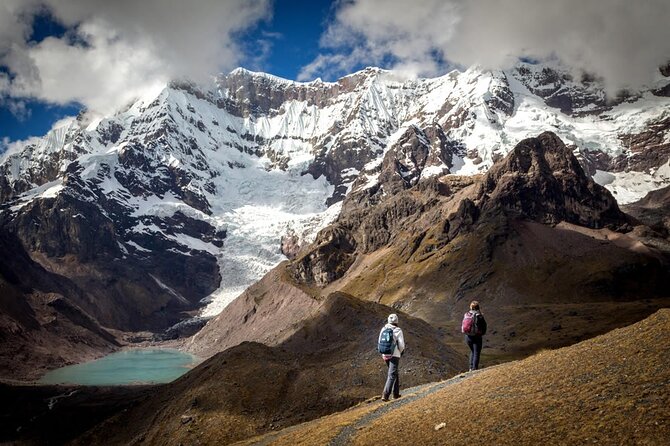
High passes, hot springs, and very few people. This five-day trek from Cusco circles Ausangate, one of Peru’s great sacred mountains, through glacial lakes, broad valleys, and high Andean villages. I like the small-group format, capped at 10 people, and the way the trip combines serious mountain walking with local food, weaving, and a ceremony with a local family. The all-inclusive meals and horse-supported camping also make the remote route much easier to manage.
The main caution is altitude. You will sleep as high as 4,630 meters and cross Palomani Pass at 5,200 meters. I also like the hot springs at Upis and Pacchanta, but this is not a gentle sightseeing trip. You need a moderate fitness level, comfort with long uphill walks, and warm mountain clothing for very cold nights.
Key points to know before booking
- The highest point is Palomani Pass at 5,200 meters, or 17,060 feet.
- Upis and Pacchanta provide hot springs, useful rewards after several hours of walking.
- The route is quieter than many famous Cusco-area treks, with wide views around Ausangate and few other groups in some departures.
- A cook, horse driver, and guide support the trek, while horses carry the camping equipment.
- Meals are included for four breakfasts, five lunches, and four dinners, but a sleeping bag is not provided.
- The final day adds a local cultural visit, including food preparation, traditions, and weaving techniques.
What the Ausangate Trek feels like
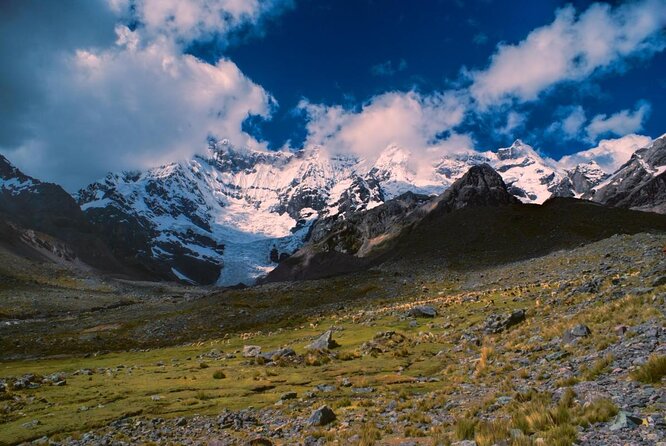
This is a high-altitude circuit rather than a single famous viewpoint. Each day brings a new angle on Ausangate, along with colored lakes, snow and ice, alpacas, and long stretches where the quiet is part of the reward.
The trip begins with a 5:00 am pickup in Cusco. A private vehicle takes you toward Tinke, where you can buy last-minute supplies and have breakfast. From there, the drive continues to Rondoca, the trailhead, where you meet the cook and horse driver who support the group.
The service is a major part of the value. The horses carry equipment, and the camp crew handles much of the work that would otherwise fall on you. Several past departures praised the food in particular, with Benigno often singled out for producing varied, filling meals in a camp kitchen. That matters at this altitude. A warm plate after a long climb is not a small luxury.
The group size is limited to 10, though some departures have been much smaller. That gives the guide room to adjust the pace, answer questions, and explain local beliefs without shouting across a crowd. Guides named in past departures include Guillermo and Urbano, also called Chino. Both were praised for explaining local culture, wildlife, terrain, and the spiritual importance of Ausangate.
More Five-Day Trips around Cusco:
- Machu Picchu: 5-Day Salkantay Trek with Panoramic Train
★ 5.0 · 79 reviews - Classic Choquequirao Trek – 5 Days / 4 Nights
★ 5.0 · 52 reviews - Ultimate Lares Trek & Inca Trail 5 days
★ 5.0 · 47 reviews
Day 1: Cusco to Upis and its hot springs
The first morning starts early, so organize your gear the night before. The stop in Tinke is practical rather than scenic. It gives you one last chance to buy forgotten items and eat before the trek becomes more remote.
At Rondoca, you meet the support team and begin walking. The first section takes about two hours before lunch, with early views toward Apu Ausangate. In Andean tradition, an apu is a sacred mountain spirit, and Ausangate is one of the most important in the region.
After lunch, the trail continues toward Upis. The stated walking time is about three to four hours, with roughly 8 kilometers listed for the day. You gain elevation from about 3,800 meters to a camp near 4,200 meters, so even this shorter opening day can feel demanding.
Upis is a strong first stop because of its hot springs. You can soak while looking toward the mountains, drink coca tea, and let your legs settle before dinner. The springs do not remove the effects of altitude, but they are a welcome way to end the first day.
Your first night is already higher than many mountain towns. Pack a warm sleeping bag, since one is not included. You will also want dry layers for camp and a reliable rain shell, even though weather conditions can change.
Day 2: Arapa Pass, turquoise lakes, and Apacheta Pass
Day two is the first serious test. The crew wakes you with hot coca tea, followed by breakfast. You then climb toward Arapa Pass at 4,850 meters.
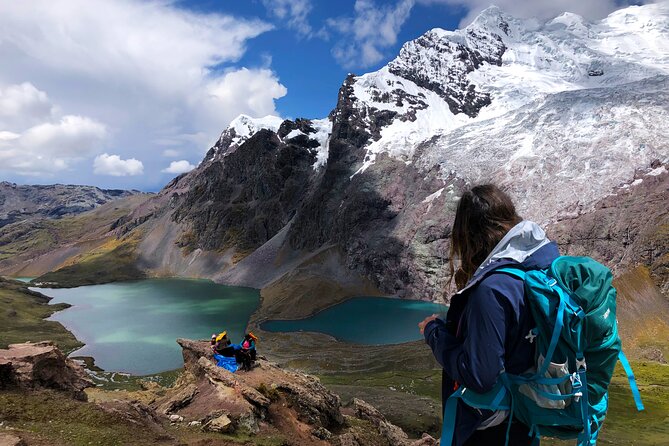
The pass gives you a sense of the scale of the Ausangate region. From there, the trail drops for about two and a half hours through the valley, passing the green lake of Puqa Q’ocha before reaching turquoise Jatun Puqa Q’ocha. The contrast between the lake colors and the surrounding high mountain terrain is one of the day’s main pleasures.
Lunch is served beside Jatun Puqa Q’ocha, with Ausangate visible beyond the water. This is an excellent place for photographs, but do not let the scenery hide the fact that the day is only partly done.
The next climb reaches Apacheta Pass at about 4,980 meters. A turquoise lagoon below is fed by melting snow from Ausangate, giving you a direct look at how the mountain feeds the valleys. After taking in the view, you descend for about an hour to Ausangate Qocha, where camp is set near 4,630 meters.
The numbers vary slightly in the supplied schedule, with the day described as 12 kilometers and seven to eight hours of walking. Either way, this is a full mountain day. At nearly 15,000 feet, your pace may be slower than expected, and the cold at camp can be sharp.
This is one reason the small group helps. A guide can keep the day moving without treating every person as if they have the same response to altitude. Still, the trek is not designed for rushing. Drink regularly, walk steadily, and tell your guide if you feel unwell.
Day 3: Palomani Pass at 5,200 meters
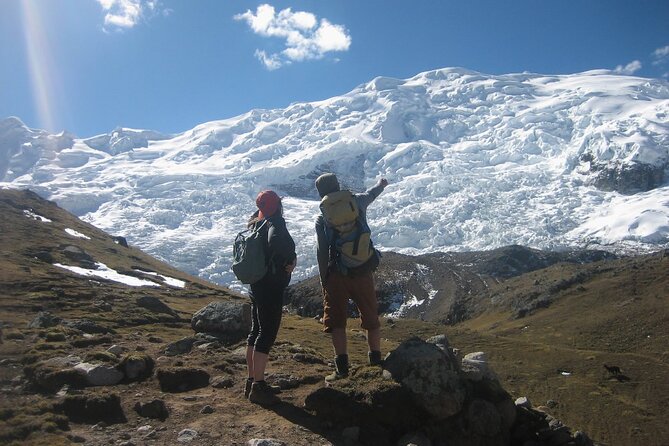
Day three reaches the trek’s highest point. After breakfast, you climb for about two hours to Palomani Pass, at 5,200 meters or 17,060 feet.
This is the physical centerpiece of the route. The ascent is not long by normal hiking standards, but the elevation changes everything. You may find yourself taking short steps and stopping often. That is normal. The goal is a steady climb, not a fast one.
At the top, the guide performs a ceremony for Apu Ausangate. This adds meaning to the view and gives you a direct connection to the region’s spiritual traditions. The mountain is not treated simply as scenery. It is a living presence in local belief.
From Palomani Pass, the route drops for about an hour to Uchuy Phinaya, where you stop for lunch. The afternoon continues for several hours toward the next campsite. The published figures describe approximately six to seven hours of hiking and around 13 kilometers, with camp near 4,500 meters.
The elevation profile is kinder after the pass, but fatigue will be real. This is the day when good meals, horse support, and an encouraging guide matter most. Past departures praised guides for helping people through difficult sections without making the experience feel rushed or impersonal.
A few more hikes around Cusco worth a look
- From Cusco: 7 Lakes Ausangate Trek with Breakfast and Lunch
★ 4.8 · 360 reviews - Cusco: Rainbow Mountain Tour and Red Valley Hike (Optional)
★ 4.7 · 149 reviews - Cusco: Full-Day Rainbow Mountain & Red Valley Trekking Tour
★ 4.5 · 121 reviews - Salkantay Trek Challenge – 3 Days / 2 Nights
★ 5.0 · 101 reviews
Day 4: Glacial lakes and the Pacchanta hot springs
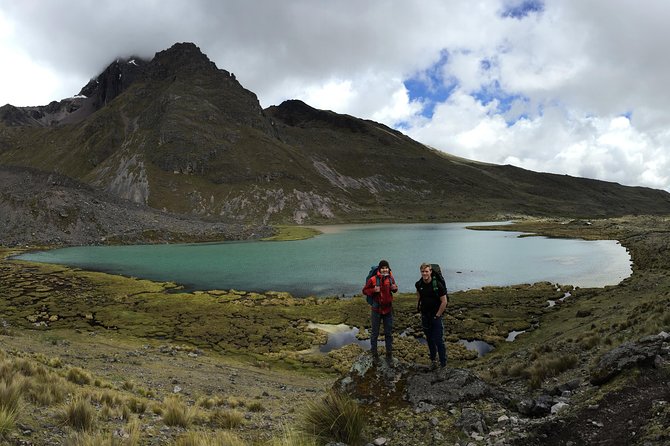
Day four offers a change in rhythm. There is only one pass to cross, leaving more time to appreciate the lakes and the views toward Ausangate from a new angle.
The route passes deep blue lagoons and glacial lakes with striking colors. The schedule even allows for a cold swim for anyone willing to brave it. I would treat that as an optional extra, not a must-do. At this elevation, getting wet can make the rest of the day uncomfortable, especially if the weather turns.
The trail also opens toward Pacchanta Valley. You continue descending, with the mountain still visible behind you, until reaching the hot springs at Pacchanta. After several high camps and long climbs, this soak is one of the best rewards on the route.
The day covers about 15 kilometers and takes roughly six hours. Camp is listed at a descending elevation of around 4,300 meters, though the wording is less precise than the other days. The important point is that you finish lower than the highest camps and reach a more relaxing setting.
Pacchanta is not only a place to rest. It also marks the transition from a remote mountain circuit toward local community life. You have spent days among high lakes and passes, and now the route begins bringing you back toward people, homes, and everyday Andean traditions.
Day 5: Local food, weaving, and the return to Cusco
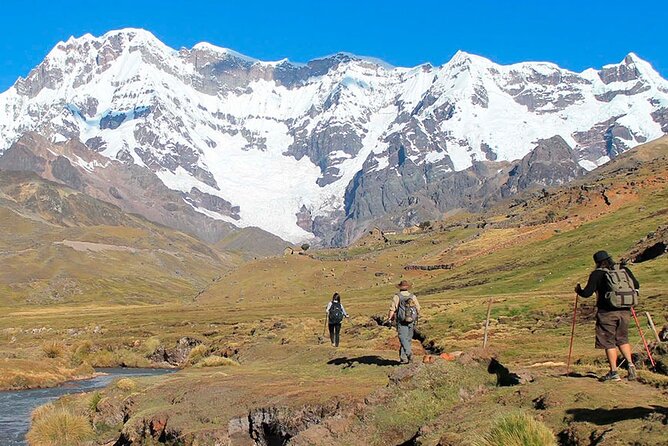
The final day is short, with about three hours listed for the cultural program and return arrangements. After breakfast, you visit a local family who demonstrates traditional food preparation, shares aspects of local culture, and shows weaving techniques.
This visit gives the trek a stronger human ending. The mountains are spectacular, but the chance to learn how local families prepare food and maintain textile traditions helps place the scenery in context. You are not simply passing through a remote area for photographs.
After the visit, a bus takes you back to Cusco. The schedule does not specify an exact arrival time, so keep your evening flexible rather than booking a time-sensitive activity.
Food, camping, and the support team
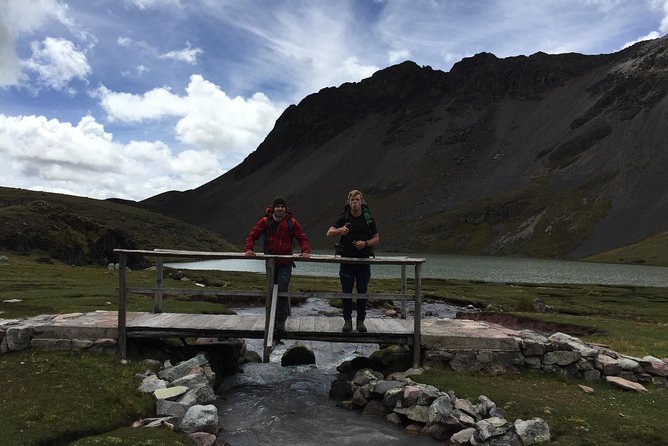
Five lunches, four dinners, and four breakfasts are included. The day count means you should not expect a fifth breakfast or dinner from the tour, so plan around the exact schedule.
Food received some of the strongest praise from past departures. Benigno was described as producing fresh, varied meals despite the remote camp setting, while assistant cooks helped keep service running. That is valuable on a trek where you burn energy for six to eight hours a day.
Camping equipment is included, and horses carry the gear. Angel, a horse driver named in past departures, was praised for handling equipment and helping set up and take down camp. You should still confirm exactly what camping gear is supplied before departure, since the information confirms camping equipment but does not provide a full packing inventory.
A sleeping bag is not included. This is an important extra cost and comfort issue, not a minor footnote. Night temperatures can feel severe at these elevations, so bring or rent a sleeping bag suited to cold mountain conditions.
The entrance fee is also separate at 20 soles. Keep local currency available for that payment and for the Tinke stop.
Is the $660 price good value?
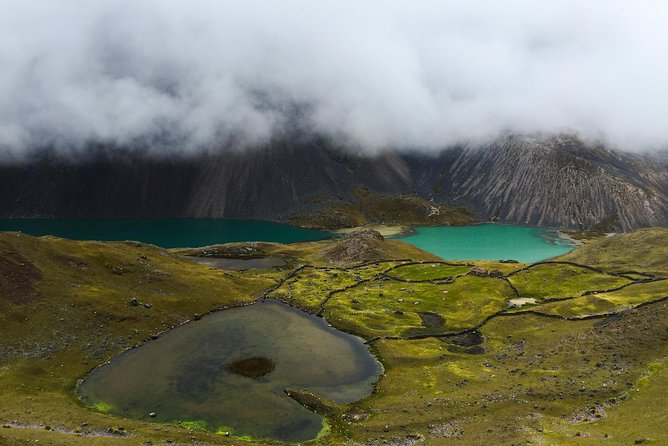
At $660 per person, the price is reasonable for a five-day, horse-supported, guided trek that includes transport from Cusco, camping equipment, meals, and a support crew.
The value comes from what would be difficult to arrange independently: private transport to the trailhead, a guide, cooks, horse support, camps, and a cultural visit. The route also avoids the feel of a large procession. Some small departures have had only two people, giving the service a personal feel without changing the full mountain itinerary.
The price does not include a sleeping bag or the 20-sol entrance fee. You should also budget for personal snacks, drinks, and any breakfast or last-minute supplies purchased in Tinke. The tour is booked an average of 17 days ahead, so arranging it early is sensible if your Cusco dates are fixed.
Who should choose this trek?
You should consider this trek if you want high mountain scenery and cultural contact without the busier feel of the Inca Trail. It suits people who enjoy long days on foot, basic camping, and remote places more than polished facilities.
You need moderate physical fitness, but fitness alone does not solve altitude problems. The route reaches 5,200 meters and camps above 4,200 meters on several nights. If you have no experience at altitude, allow time in Cusco before the start and discuss your concerns with the operator.
This is a poor fit if you want a relaxed holiday, low elevations, or guaranteed warm weather. It is also not ideal if you dislike cold nights, shared camp routines, or long stretches away from roads.
The experience may suit families with older teenagers who are used to mountain walking, but the supplied information does not give a minimum age. Ask the provider before booking for younger children.
Practical tips for a better five days
Start preparing for the 5:00 am pickup the night before. Put your passport, water, layers, medication, camera, and personal snacks where you can reach them quickly.
Bring warm clothing for temperatures that can feel as cold as Himalayan mountain nights, especially at the high camps. A hat, gloves, thermal layers, waterproof outerwear, and warm socks are sensible choices based on the elevations and the cold reported at camp.
Use the horses as a reason to pack carefully, not as an excuse to bring everything. Keep one small daypack with water, rain gear, warm layers, sunscreen, snacks, and personal items.
Expect the guide to be part teacher, part pace-setter, and part cultural interpreter. Guides such as Guillermo and Urbano have been praised for explaining local traditions and wildlife, while also helping with photographs and encouragement.
The operator offers free cancellation if you cancel at least 24 hours before the start time. Cancellations later than that are not refunded, and changes within 24 hours are not accepted. Poor weather or failure to reach the minimum number of participants can lead to a rescheduled trip or full refund.
Should you book the Ausangate Trek?
Book it if you want a serious but well-supported high-altitude trek with excellent scenery, hot springs, local culture, and a good chance of quiet trails. The strongest reasons are the small groups, horse-supported camping, strong cooking, and guides who bring meaning to the mountain rather than treating it as a backdrop.
Think twice if you are not ready for 5,200 meters, cold camps, and long walking days. The $660 price is fair, but the sleeping bag, entrance fee, personal supplies, and physical demands all belong in your decision.
For the right walker, this is one of the better ways to see the Ausangate region. You get the big mountain views, but also the smaller details: coca tea at Upis, a meal beside a turquoise lake, a ceremony at Palomani Pass, and weaving with a local family before heading back to Cusco.
FAQ
How long is the Ausangate Trek?
The trek lasts five days and includes approximately three to eight hours of activity per day, depending on the section.
What is the highest point on the trek?
The highest point is Palomani Pass at 5,200 meters, or 17,060 feet.
How large is the tour group?
The tour has a maximum of 10 participants.
What meals are included?
The tour includes four breakfasts, five lunches, and four dinners.
Is a sleeping bag included?
No. A sleeping bag is not included and must be arranged separately.
Are horses provided?
Yes. Horses carry the camping equipment during the trek.
What is not included in the price?
The 20-sol entrance fee and sleeping bag are not included.
What time does the tour start?
Pickup from Cusco is scheduled for 5:00 am.
Can I cancel for a refund?
You can receive a full refund if you cancel at least 24 hours before the experience starts. Later cancellations are not refunded.
Just added around Cusco
- Salkantay 5-Day Trek To Machu Picchu★ 5.0 · 39 reviews
- Small Group: 4-Day Inca Trail Trek to Machu Picchu★ 5.0 · 33 reviews
- Classic Choquequirao Trek – 5 Days / 4 Nights★ 5.0 · 52 reviews
- 6 day Rainbow Mountain x Ausangate Trek – FlashpackerConnect★ 5.0 · 30 reviews
- 5 Day – Salkantay trek to Machu Picchu – Group Service★ 4.5 · 27 reviews
- Salkantay Trek To Machu Picchu 5 Days And 4 Nights★ 5.0 · 44 reviews
- Inca Trail Trek to Machu Picchu – 2 Days (Small Group or Private)★ 5.0 · 31 reviews
- Salkantay Trek: 5 Days to Machu Picchu★ 5.0 · 33 reviews
Cusco Hiking Tours, compared.
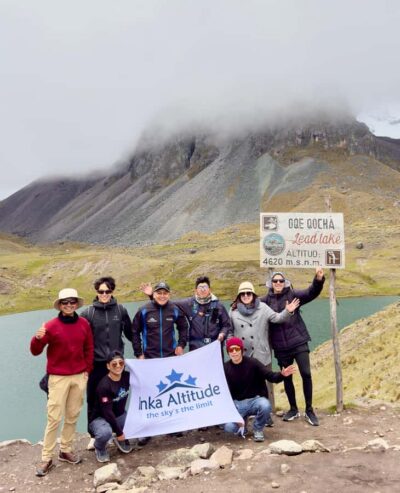
7 Lakes Ausangate Trek with Breakfast and Lunch
Read our review →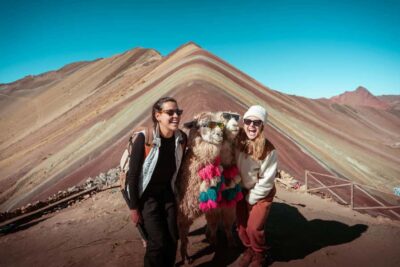
Rainbow Mountain Tour and Red Valley Hike (Optional)
Read our review →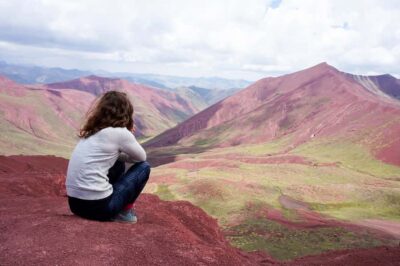
Full-Day Rainbow Mountain & Red Valley Trekking Tour
Read our review →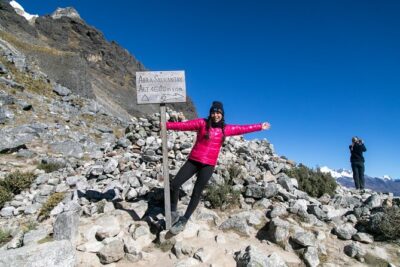
Private Palccoyo Rainbow Hike Without the Crowds
Read our review →
Machu Picchu: 5-Day Salkantay Trek with Panoramic Train
Read our review →Browse the lists this tour appears in