
REVIEW · HANOI HIKING TOURS
2-Day Sa Pa Ethnic Homestay Tour & Trek with Limousine Bus
Mountain paths make better memories than city streets. This two-day trip combines rice-terrace trekking with a night in Ta Van village, giving you a close look at Hmong mountain life without requiring a long stay in northern Vietnam. I like the friendly local guides, especially Soso, Sua, Soa, Tung, and Sha, and I like that transport, meals, village entry, and the return car are arranged for you.
The second strong point is the homestay itself. It is basic, but usually clean and comfortable, with good food and, in some cases, a private room and hot shower. The main drawback is the weather and footing: mist can hide the big views, and wet trails become muddy, steep, and slippery. You need proper hiking shoes, not ordinary sneakers.
Key points to know before booking
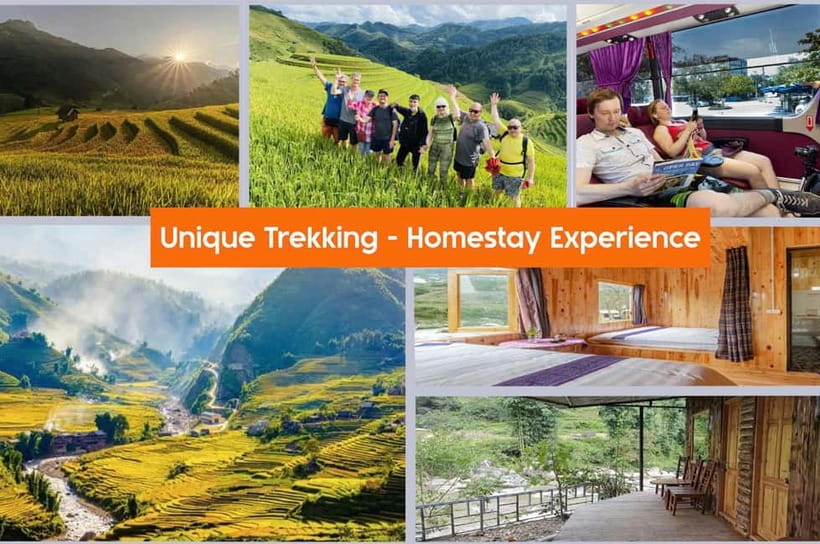
- The first trek covers roughly 8 kilometers: Expect a mostly downhill route from Sa Pa through rice terraces and along the Muong Hoa Stream.
- Day two is shorter but still active: The approximately 4-kilometer walk includes rice paddies, bamboo forest, uneven ground, and some climbs.
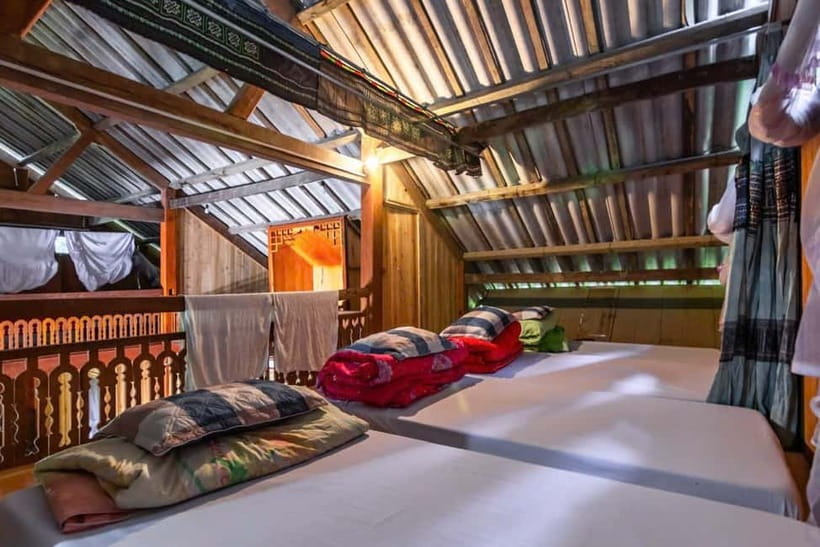
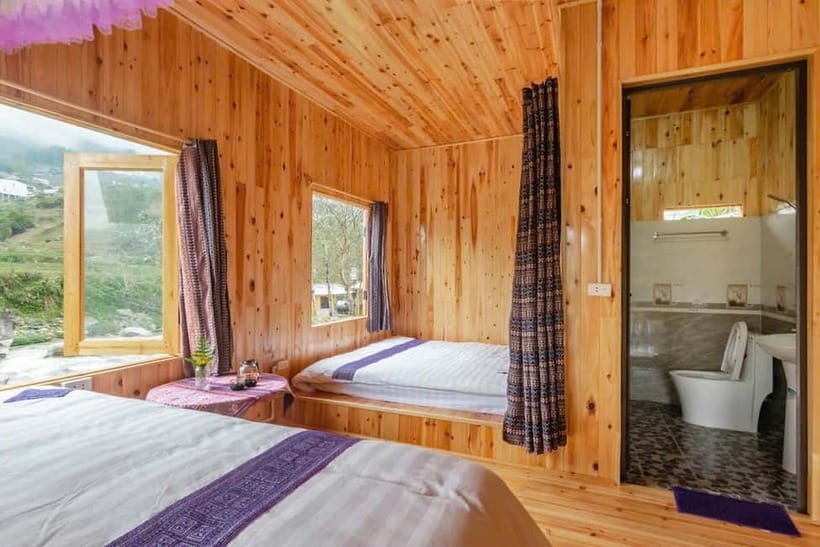
- Ta Van is more comfortable than luxurious: You get a single mattress in a basic homestay, with clean water and fresh meals.
- The guide makes the trip: Local Hmong guides such as Soso and Sua explain village life, farming, customs, and the people you meet along the way.
- Craft sellers are part of the route: Local women may walk with the group and later offer scarves, jewelry, and handmade goods for sale.
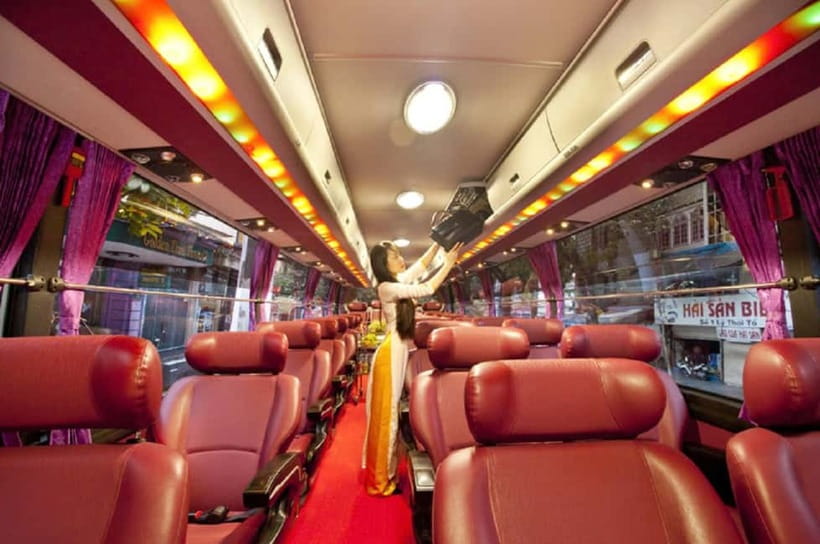
- The upgraded bus can be worth it: The limousine or sleeper-bus option is widely praised for its roomy design, blanket, water, and Wi-Fi on much of the route.
Why this two-day Sa Pa trip works
Sa Pa is famous for its mountains, but a quick visit to the town can leave you with little more than cool air, cafés, and a few busy viewpoints. This trip takes you beyond the town and into Lao Chai, Ta Van, and Giang Ta Chai, where the walking is the main event.
I like the balance. You do not have to organize a separate bus, guide, village permit, homestay, and return transfer. At the same time, the trip does not reduce Sa Pa to a quick photo stop. You walk through working rice fields, follow local paths, eat meals in the mountains, and spend the night outside the town center.
This is still a whirlwind visit. Two days includes the long journey from Hanoi, so your time on the trail is limited. If you can spare three days, adding another night in Sa Pa would give you a slower pace. But if your Vietnam schedule is tight, this plan gives you a useful taste of the highlands.
More Homestay and Village Treks in Hanoi:
- Hanoi – Sapa 2 Days 1 Night Overnight At Homestay
★ 5.0 · 899 reviews - From Hanoi: 2-Day Sapa Trekking Trip with Homestay & Meals
★ 4.8 · 704 reviews - Hanoi – Sapa 3 Day 2 Night Trekking With Hotel & Homestay
★ 5.0 · 389 reviews
The comfortable ride from Hanoi to Sa Pa
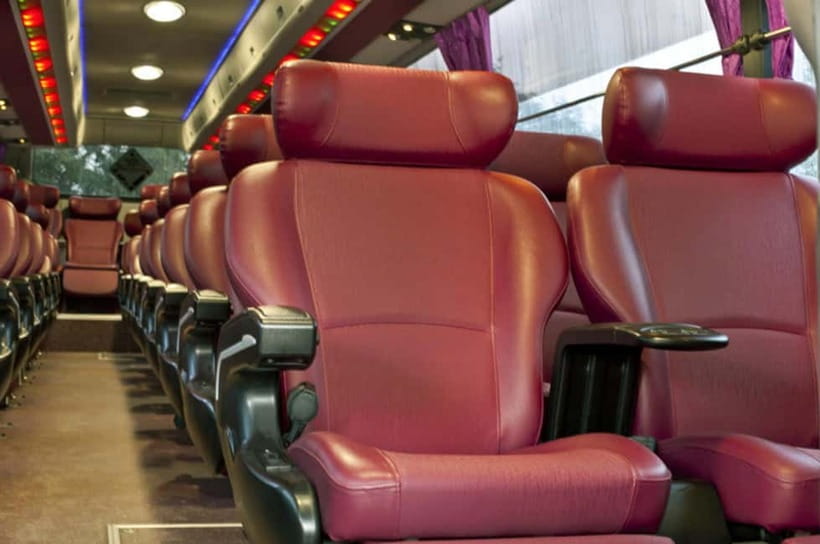
The road from Hanoi to Sa Pa takes much of the first morning, so the bus matters. The limousine and sleeper-bus options are intended to make this long transfer easier than a standard coach. Several bus journeys include reclining or cabin-style seating, a blanket, bottled water, and Wi-Fi for much of the route.
I would pay attention to the exact option you select. The supplied information describes a round-trip limousine bus, while some bookings include an upgraded sleeper bus. Those are not the same type of vehicle, so check what is included before you confirm. Many people find the sleeper bus more comfortable than a regular bus, especially because the seats are not narrow upright coach seats.
The bus travels through Lao Cai before reaching Sa Pa. On arrival, a local representative meets you at the bus stop and takes you to a hotel in Sa Pa. This hotel is used for lunch, a rest, and a shower later in the trip. That arrangement is practical: you can leave larger luggage in the bus trunk or at the Sa Pa hotel while carrying only what you need to the village.
Bring a small overnight bag with dry clothes, toiletries, and hiking essentials. You can collect your stored luggage when the trip ends, but anything needed during the homestay should go with you.
Lunch in Sa Pa before the trail
The first meal is served in Sa Pa town before the walking begins. Expect local food designed to give you enough fuel for the afternoon rather than a long restaurant experience. The meal is included, as are the second-day lunch, dinner, and breakfast.
This pause also gives you time to change shoes, use a proper bathroom, and leave larger bags behind. Do not treat it as wasted time. Starting the trek with a light pack makes the muddy sections much easier.
The town is also where you may first notice the traditional clothing of Hmong, Dzao, and Tay people. The clothing is colorful and distinctive, but the value of the trip is greater when your guide explains the people and customs behind what you see. Guides such as Soso, Sua, and Tung are praised for speaking good English and for sharing details about their own lives, not just repeating a prepared script.
Day one: Lao Chai, Muong Hoa, and Ta Van
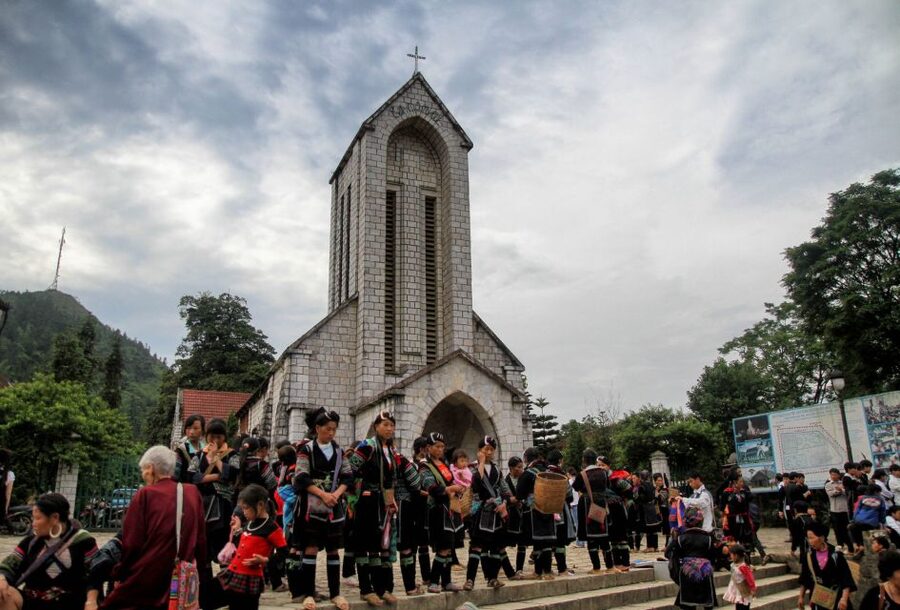
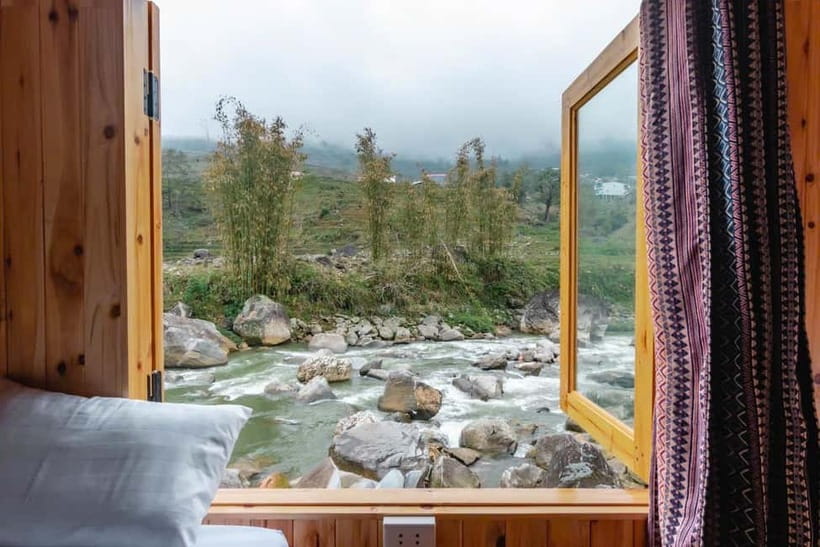
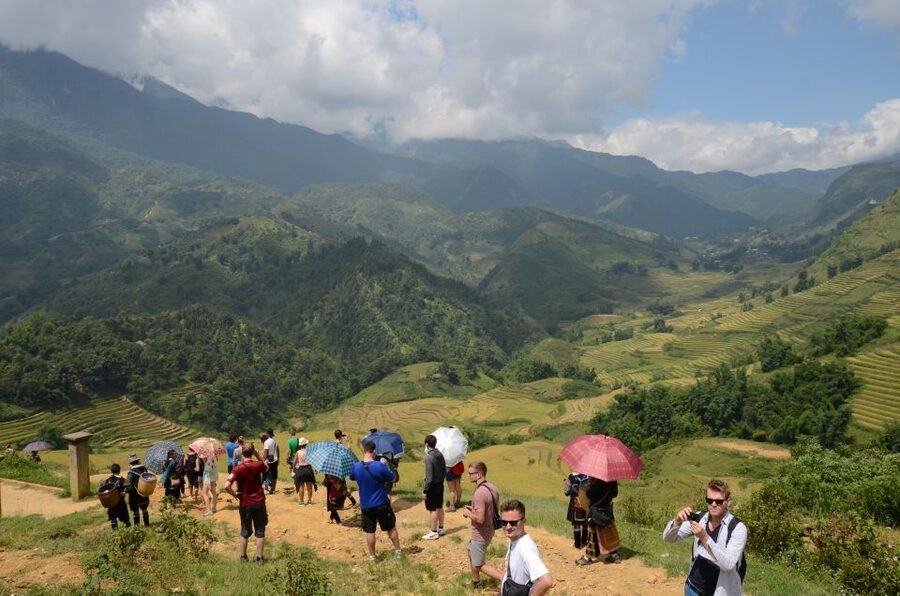
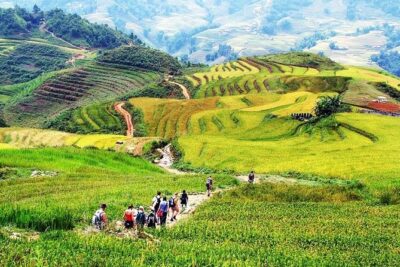
The first walk heads toward Lao Chai, a Black Hmong village surrounded by the Hoang Lien Son mountains. The route passes through rice terraces and follows the Muong Hoa Stream, with views changing as the path moves between open slopes, village areas, and narrower trails.
The walk is often around 8 kilometers and tends to be mostly downhill. That sounds easy until you factor in mud, loose ground, heat, and slippery stone or earth paths. Downhill sections can be hard on your knees, while a wet trail demands steady footing.
The terraces are at their most dramatic when the rice is growing and the weather is clear. The timing of the agricultural season matters. You might see bright green fields, recently harvested plots, or muted brown terraces. Fog is also common in Sa Pa. It can block distant views, but it gives the villages and forest a different mood. Bring patience, since mountain weather can change quickly.
Local women may join part of the walk. They can be helpful on difficult sections, and their knowledge of the trails is clear. They may also sell handmade items such as jewelry, scarves, or other crafts. This can feel uncomfortable if several people press you to buy something. If you want to support local makers, carry Vietnamese Dong and decide in advance what you are willing to spend. If not, a polite but firm refusal is best.
The route continues to Ta Van village, where you check into the homestay. This is the point where the trip shifts from scenic walk to cultural stay. You have time to meet the family, eat dinner, and see village life after the day’s visitors have left.
More Two-Day Trips around Hanoi:
- From Hanoi: 2-Day Sapa Trek Tour – Luxury Limousine Transfer
★ 4.1 · 249 reviews - Hanoi – Sapa 2 Days 1 Night Overnight At Local Homestay
★ 5.0 · 233 reviews - From Hanoi: 2-Day Sapa-Fansipan Peak & Trek & Ha Giang Bus
★ 4.8 · 52 reviews - From Hanoi: 2-Day Luxury Sapa Trekking Tour with Homestay
★ 4.4 · 49 reviews
What the Ta Van homestay is really like
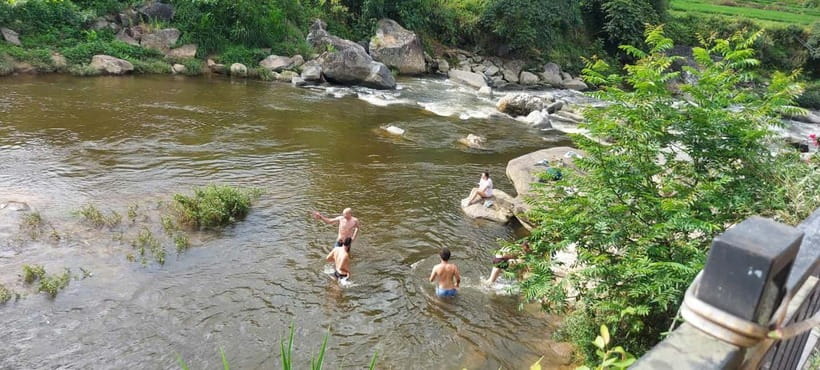
Set your expectations correctly. This is a basic mountain homestay, not a boutique hotel. The standard arrangement is a single mattress, though some bookings receive a private room. Clean water and fresh food are provided, and many people find the accommodation comfortable enough for one night.
The food is one of the strongest parts of the stay. Dinner and breakfast are prepared by the host, with generous portions and a chance to eat in a more local setting. The meals are simple rather than fancy, but that is part of the point. You are sleeping in a village and eating what the homestay can provide, not staying in central Sa Pa with hotel facilities.
The exact level of interaction with the host family can vary. You might share a meal and conversation, or you might find the family gives you more space. Do not expect a formal cultural presentation. The guide is usually your best source for explanations about customs, farming, and daily life.
Nighttime can be noisier than you expect. Village activity may begin early, and sounds carry through basic buildings. Light sleepers should pack earplugs. The homestay is safe, but it is not designed to provide the silence or soundproofing of a city hotel.
If you want more privacy, ask about upgrading to a private room when booking. The information provided does not give a fixed upgrade price, so confirm the supplement before you pay.
Day two: bamboo forest and Giang Ta Chai
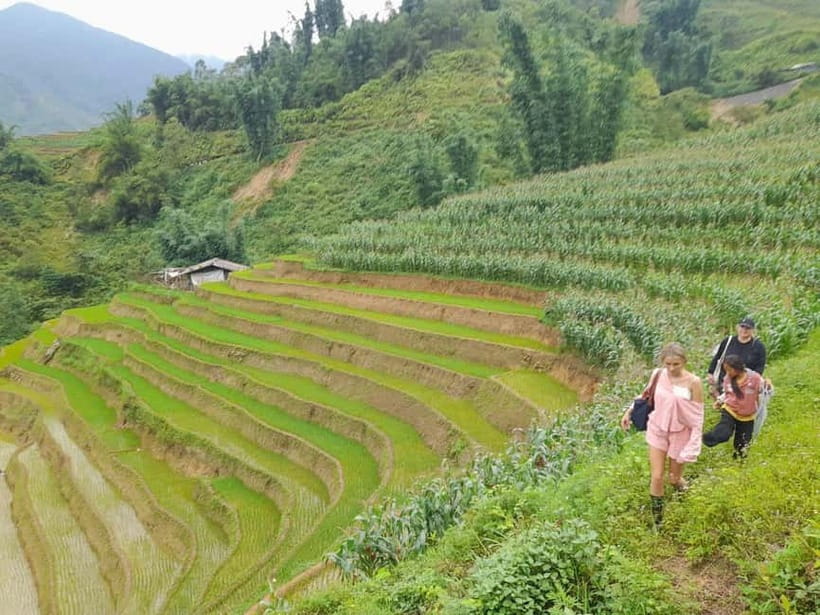
Breakfast comes from the homestay family before the second trek. This walk is shorter, around 4 kilometers, but do not assume it is effortless. The route is undulating and includes rice paddies, a bamboo forest, and uneven paths.
The bamboo section is a highlight. It feels different from the open terraces, with narrower trails and more shade. You also get a panoramic view toward Giang Ta Chai village before crossing the Giang Ta Chai Bridge.
Rain changes this section quickly. Mud can turn an easy-looking path into a balance exercise, and several people have found normal sneakers unsuitable. Hiking shoes with a strong grip are the most important item you can bring. Extra socks and a change of clothes are sensible because mud and rain are realistic possibilities.
After the bridge, a car takes you back to the Sa Pa hotel. You have lunch there and time for a shower before the return bus to Hanoi. This is another thoughtful part of the plan. A hot shower after two days of walking is not a luxury; it makes the long ride home much more pleasant.
The tour ends back at the designated meeting point. From there, you are responsible for getting to your hotel, so check the return location before the trip begins.
The guides are the heart of the experience
The guide can make this trip ordinary or memorable. The strongest guides are local Hmong women or other local staff who can discuss the region from personal experience. Soso is repeatedly praised for her warmth, English, humor, and ability to explain village life. Sua is also singled out for her care, good spirits, and local knowledge.
Guides help with more than directions. They can point out how the terraces are used, explain ethnic clothing, answer questions about family life, and help you manage slippery sections. Some groups include older or slower walkers, and a good guide adjusts the pace rather than turning the trek into a race.
You should still tell the guide if you need a slower pace or a break. The route is described as moderate, but that word means different things to different people. It is not suitable for wheelchair users or people with major mobility limitations, and children under six should not join.
Value, food, and what is included
No tour price is provided here, so I cannot judge the exact cost. I can judge the package. The included items cover the expensive and complicated parts: round-trip Hanoi to Sa Pa transport if that option is selected, a local English-speaking guide, one night at the homestay, four included meals, the village entry ticket, and the return car from Giang Ta Chai.
That is good value if you want a ready-made short trip. You would otherwise need to arrange several separate transfers and find a suitable guide for the rural trails. The meals also reduce the need to search for food during a packed schedule.
Budget extra money for drinks, tips, and crafts. An 8 percent government tax is not included. A holiday surcharge of 700,000 Vietnamese Dong per person applies on listed dates, including April 30, May 1, September 1 to 3, December 24 and 31, January 1, and Lunar New Year.
Cash is important. Sa Pa banking services can be unreliable, and Vietnamese Dong is the safest currency to carry. US Dollars, Euros, and Australian Dollars are also accepted according to the tour information, but local currency is simpler for small purchases and tips.
Who should book this trek
I would choose this trip if you want mountain scenery, local food, and a cultural stay but have only two days. It works well for couples, solo visitors, and small groups who want a guide rather than a self-guided hike.
You should be comfortable walking on uneven ground for several hours. Bring hiking shoes, sunscreen, insect repellent, sunglasses, cash, and a waterproof layer. Extra clothes are useful, especially if rain is in the forecast.
This is not a good fit if you want a polished hotel, an easy sightseeing circuit, or guaranteed clear views. Sa Pa weather can bring mist, rain, and low visibility. You may work hard for a view that never appears. The reward is the walking itself, the villages, and the chance to spend a night away from town.
FAQ
Is transport from Hanoi included?
Round-trip limousine-bus transport from Hanoi to Sa Pa is included when you select the transport option. Meeting points can vary by booking option.
How long is the journey from Hanoi to Sa Pa?
The provided information describes a long morning bus journey through Lao Cai to Sa Pa, but it does not give a fixed travel time.
Where do you sleep?
You spend one night at a basic ethnic homestay in Ta Van village. The standard setup includes a single mattress.
Can I get a private room?
A private-room upgrade may be available in the Sa Pa homestay. You should request it when booking and confirm the extra charge.
What meals are included?
The tour includes two lunches, one dinner, and one breakfast. Drinks are not included.
How difficult is the trekking?
The trekking is generally described as moderate. The first day is about 8 kilometers and mostly downhill. The second day is about 4 kilometers with undulating paths, rice paddies, and bamboo forest.
What happens to my large luggage?
You can store luggage in the bus trunk during the journey and then at the Sa Pa hotel where you eat lunch. Take essential overnight items with you to the village.
Should I bring hiking shoes?
Yes. Hiking shoes are strongly advised because the trails can be muddy, steep, and slippery. Ordinary sneakers may not provide enough grip.
Is this tour suitable for children?
Children under six should not take part. The tour is also not suitable for people with mobility impairments or wheelchair users.
Do I need cash?
Yes. Vietnamese Dong is recommended because banking services in Sa Pa can be unreliable. Cash is useful for tips, drinks, and handmade goods sold along the route.
Should you book it?
Book this trip if you want a practical introduction to Sa Pa that gets you onto village paths quickly. The local guides, homestay food, and rice-terrace routes are the main reasons to go, while the comfortable bus removes much of the transport hassle.
Skip it if you need soft beds, dry trails, or complete control over your schedule. For everyone else, this is a strong two-day choice, especially when a longer Sa Pa stay is not possible. Pack good shoes, accept that fog may hide the view, and treat the homestay as a simple village base rather than a hotel. That is when the trip makes the most sense.
Just added around Hanoi
- From Hanoi: Hoa Lu, Hang Mua Hike, Tam Coc Boat, and Lunch★ 4.4 · 28 reviews
- From Hanoi: Trek and Stay: 3-Day Sapa Highlands Adventure★ 4.6 · 152 reviews
- From Hanoi: Ninh Binh Boat Ride, Mua Cave Hike, Temple Visit★ 4.7 · 146 reviews
- From Hanoi: 3-Day Sapa Trekking with Limousine Transfer★ 4.3 · 30 reviews
- From Hanoi: 2-Day Luxury Sapa Trekking Tour with Homestay★ 4.4 · 49 reviews
- From Hanoi: 1-day Sapa Trekking Tour With Overnight Bus★ 4.2 · 32 reviews
- Hanoi: 2-Day Sa Pa Guided Village & Homestay Trekking Tour★ 4.1 · 13 reviews
- Ninh Binh 1 day Hoa Lu Trang An with Dragon Mountain Hiking★ 5.0 · 245 reviews
Hanoi Hiking Tours, compared.
Halong Bay Full Day with Kayaking, Hiking viewpoint, Cave – Deluxe To Luxury
Read our review →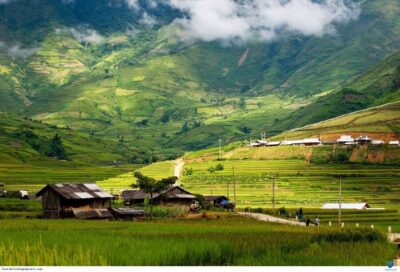
Sapa 3 Days 2 Nights Trekking Tour (1 Night In Ta Van Village, 1 Night In Hotel)
Read our review →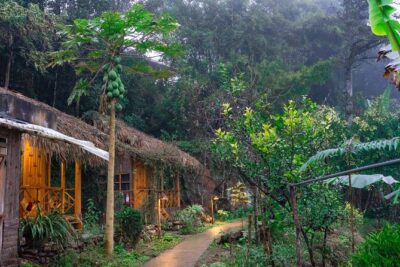
3-Day Trekking Adventure of Sapa from Hanoi – Stay Ta Van Village
Read our review →
Sapa 3 Day 2 Night Trekking With Hotel & Homestay
Read our review →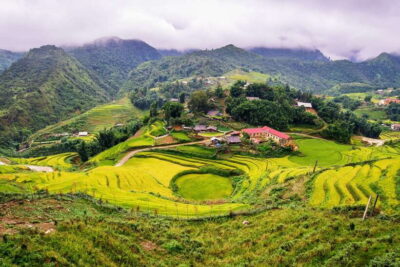
2-Day Sapa Trek Tour – Luxury Limousine Transfer
Read our review →Ninh Binh 1 day Hoa Lu Trang An with Dragon Mountain Hiking
Read our review →Browse the lists this tour appears in