
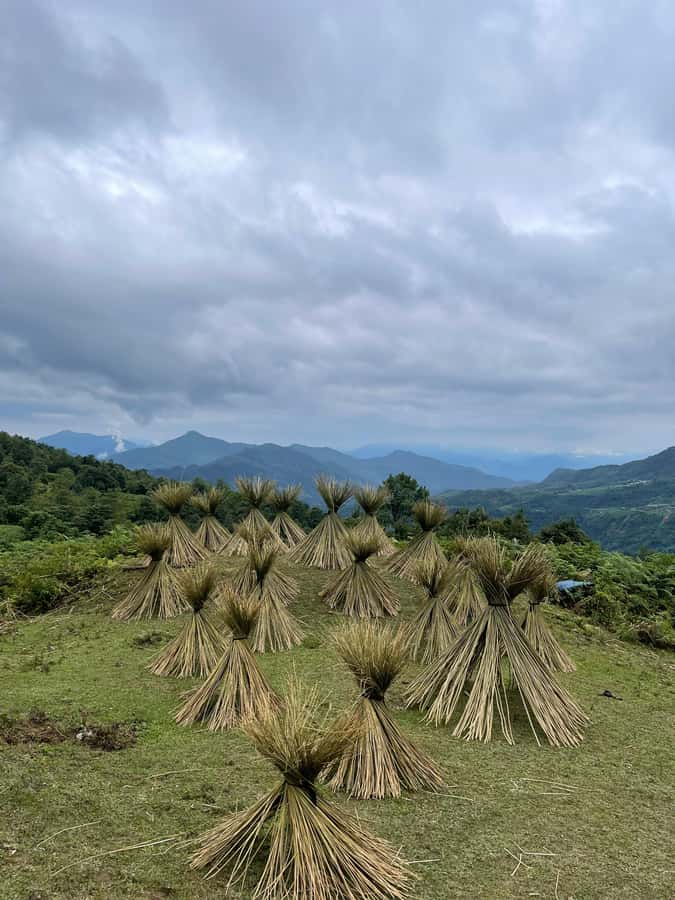
REVIEW · SAPA HIKING TOURS
Sapa: Y Linh Ho – Lao Chai, and Ta Van Trekking Day Tour
Rice terraces do the heavy lifting here. This 10 to 12 kilometer trek leaves Sapa town for Y Linh Ho, Lao Chai, and Ta Van, linking striking mountain scenery with daily life in Black Hmong and Giay villages. I especially like the local guide approach, including Su, whose clear English and personal stories about farming, family, education, and village life add real value. I also like that lunch and the return transfer are included in the $19 price.
The main consideration is the terrain. This is a moderate hike lasting about five to seven hours, with a long descent from Sapa and uneven village paths. Rain can change the trail quickly, and the tour is not suited to anyone with limited mobility or a low fitness level.
Key points at a glance
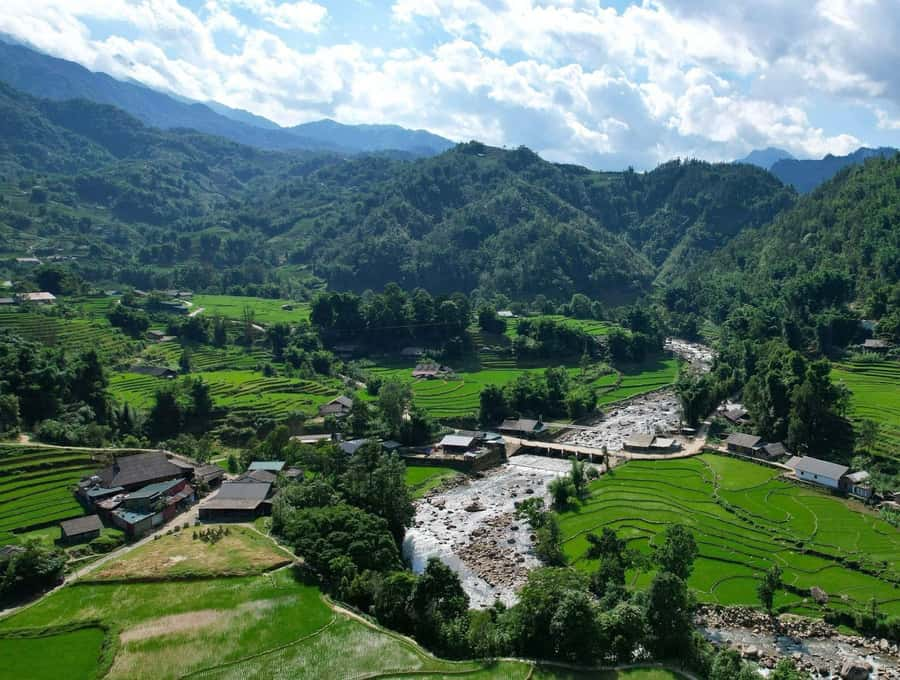
- Muong Hoa Valley views: Rice terraces, forested hills, streams, and village paths fill the route.
- Three distinct villages: Y Linh Ho, Lao Chai, and Ta Van each offer a different cultural setting.
- Local insight from Su: He speaks clear English and shares personal knowledge of village life, farming, family, and customs.
- Small-group feel: Several bookings have involved only two people or a small group, making conversation easier.
- Useful inclusions: Lunch, a live guide, the trek, and transport back to Sapa are covered.
- Good value at $19: The price is modest for a full-day outing with food and return transport.
Starting from Sapa at 8:30 in the morning
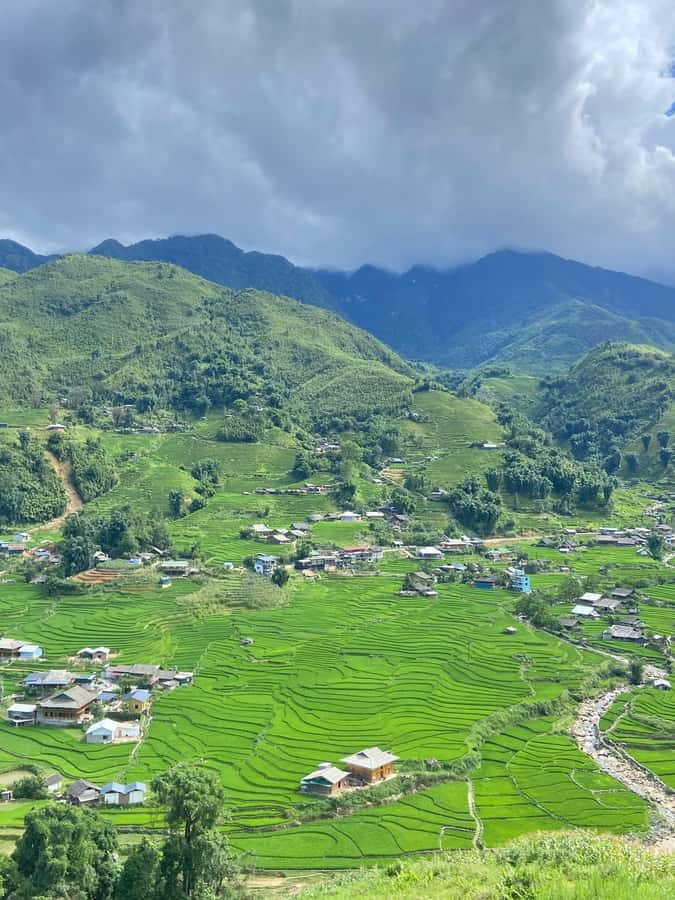
The tour begins in Sapa town, usually around 8:30 AM, with a meeting point near Sapa Church or another agreed location. You get a short orientation and safety briefing before walking out of town toward the Muong Hoa Valley.
That early start matters. It gives you the cooler part of the day for the longer walking sections and leaves enough time to reach all three villages without rushing. Since the tour lasts roughly five to seven hours, you should keep your morning free and avoid booking a tight afternoon activity.
The first major change is from town streets to open mountain views. Sapa is lively and built up around tourism, but the path soon moves into quieter countryside. You will spend much of the day walking rather than riding, so this feels like a proper outing rather than a quick photo stop.
The guide helps set the pace. That is especially useful if you are walking with people of different abilities. Still, the route is not a gentle stroll. You should be comfortable with several hours on foot and with surfaces that can become slippery after rain.
A few more hikes around Sa Pa worth a look
- Sa Pa: Muong Hoa Valley Trek and Local Ethnic Villages
★ 4.6 · 864 reviews - Sapa: Eco Adventure Terrace Fields and Local Villages Trek
★ 4.9 · 636 reviews - Number one top rated ethical cultural trekking and homestay by ETHOS
★ 5.0 · 456 reviews
The long descent into Muong Hoa Valley
The route drops from Sapa toward Y Linh Ho, opening views across rice terraces and forested hills. This is one of the most memorable parts of the day because you see the valley gradually unfold rather than simply arriving at a viewpoint by car.
The terraces are the main visual reward. Their appearance changes with the season, but the stepped fields give the valley its distinctive shape. You can stop for photographs, though it is worth putting the camera away at times so you can watch the path, the hills, and the small settlements below.
The descent is also the first physical test. Downhill walking can be harder on knees than it sounds, and muddy conditions make footing less certain. Comfortable shoes with a firm sole are a must. Sandals and smooth city sneakers are poor choices for this route.
A hat, sunscreen, and water are also practical. The weather in northern Vietnam can shift quickly, so a light rain layer is sensible even if the morning begins bright. The supplied guidance is simple and correct: dress for changeable conditions rather than trusting the first hour of weather.
Y Linh Ho and the Black Hmong community
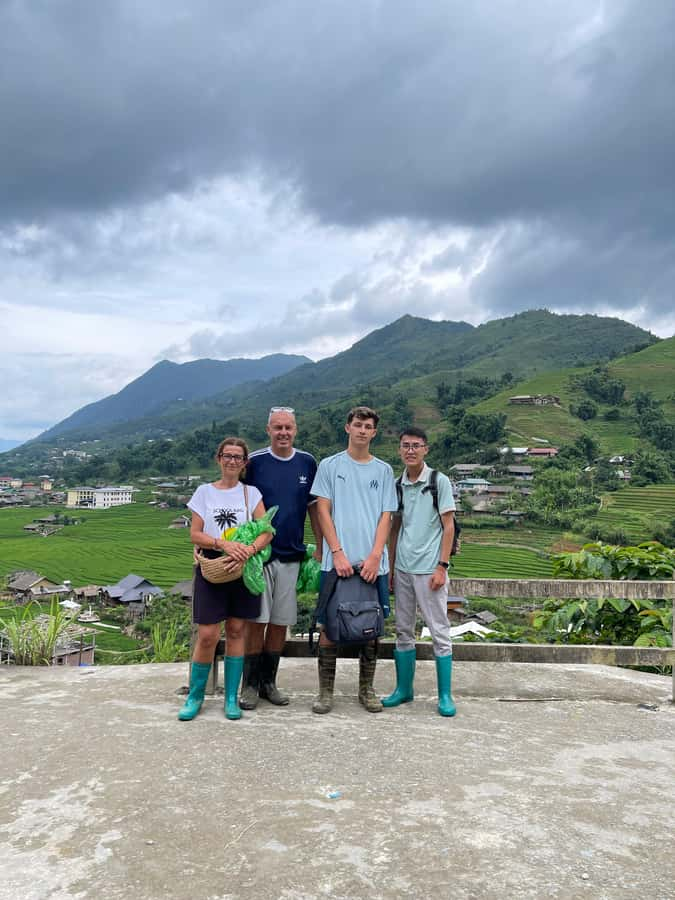
Y Linh Ho is home to the Black Hmong ethnic group, and the visit gives the walk a cultural purpose beyond scenery. You can learn about local customs, daily routines, and weaving techniques while seeing how village life fits into the valley.
The strongest part of this stop is the chance to ask questions. A guide with local roots can explain details that would otherwise pass unnoticed, such as the meaning behind crafts or the way family life connects with farming. Su has been praised for speaking clear English and for sharing his own experience as a farmer living in the area.
That personal link changes the tone of the outing. Instead of hearing only broad facts about an ethnic group, you can have a conversation about marriage, education, work, and family. You may also learn how a guide’s own life connects with the places on the route.
Keep your expectations sensible. This is not a museum visit or a formal cultural show. The village is a living community, and the most rewarding moments come from respectful conversation and careful observation. Ask before photographing people or private spaces, and treat craft displays as part of someone’s livelihood rather than a staged attraction.
Walking onward to Lao Chai
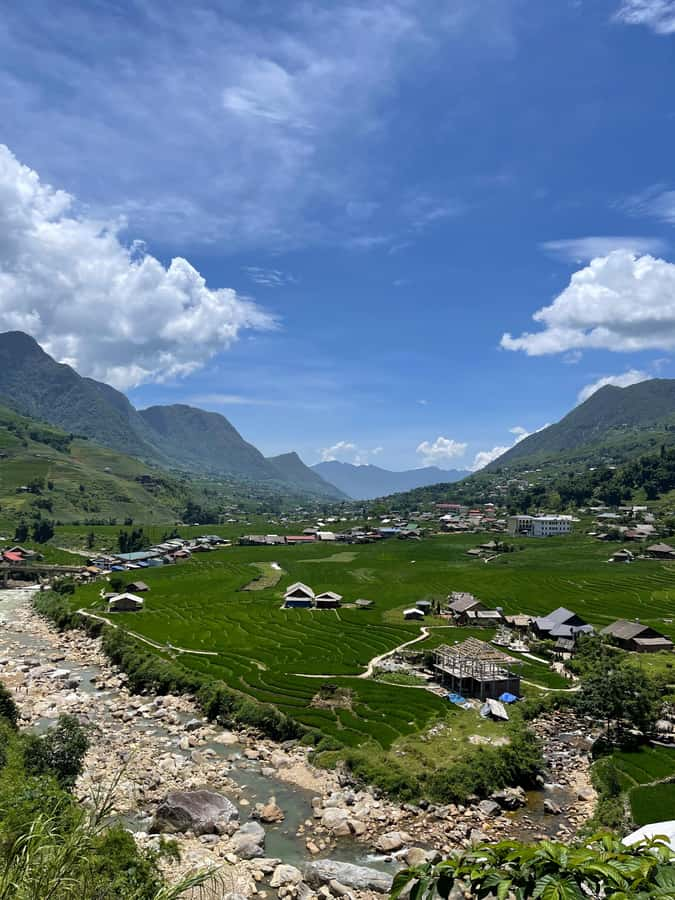
From Y Linh Ho, the trail continues along the valley toward Lao Chai. The route includes winding paths, open terraces, streams, and rural scenery. This middle section gives you time to settle into the rhythm of the hike.
Lao Chai is another Black Hmong village, but the stop feels less like a single sight and more like a chance to see the area in motion. You may encounter local handicrafts and have opportunities to talk with residents. The quiet setting makes it easier to notice small details, including homes, paths, cultivated fields, and the changing view as the trail follows the valley.
This is also a good point for photos. The broad views are attractive, but the smaller scenes often tell you more about the place. Look at the way the footpath connects homes and fields, or how the terraces follow the slopes rather than cutting across them.
The walk can be peaceful, but the route is not presented as a fully easy hike. Some sections may feel rough underfoot, and the total distance adds up. If you are unsure about your fitness, the five to seven hour duration is the most useful warning. You do not need to be an athlete, but you should be ready for sustained walking.
Same trailhead, a different kind of day:
- From Sapa: 1-Day Guided Trek to Lao Chai & Ta Van with Lunch
★ 4.9 · 416 reviews - Sa Pa Full Day Trekking Tour
★ 5.0 · 414 reviews - Sapa 1 Day Long Trek: Trek to Hau Thao and Sa Seng Villages
★ 4.6 · 344 reviews - EXPLORE SAPA: 2D1N TREKKING & HMONG CULTURE WITH DINH
★ 4.9 · 191 reviews
Lunch by the valley
Lunch is included and takes place at a local house or a riverside restaurant. That is a welcome part of the plan because it gives you a proper break rather than asking you to carry a full meal for the entire route.
The meal has received strong praise, with several people describing it as delicious. Exact dishes are not specified, so you should not book this expecting a fixed menu. The appeal is the setting and the pause in the middle of a long walk, along with the chance to eat local food in a simple environment.
A riverside lunch can also make the day feel less hurried. You can rest, refill your energy, and continue the afternoon route toward Ta Van. Bring water anyway, since the included meal does not replace your own drinking supply.
If you have dietary needs, it is wise to ask about them before setting out. The available information confirms lunch is included, but it does not provide a detailed menu or special-diet policy.
The cultural shift at Ta Van Village
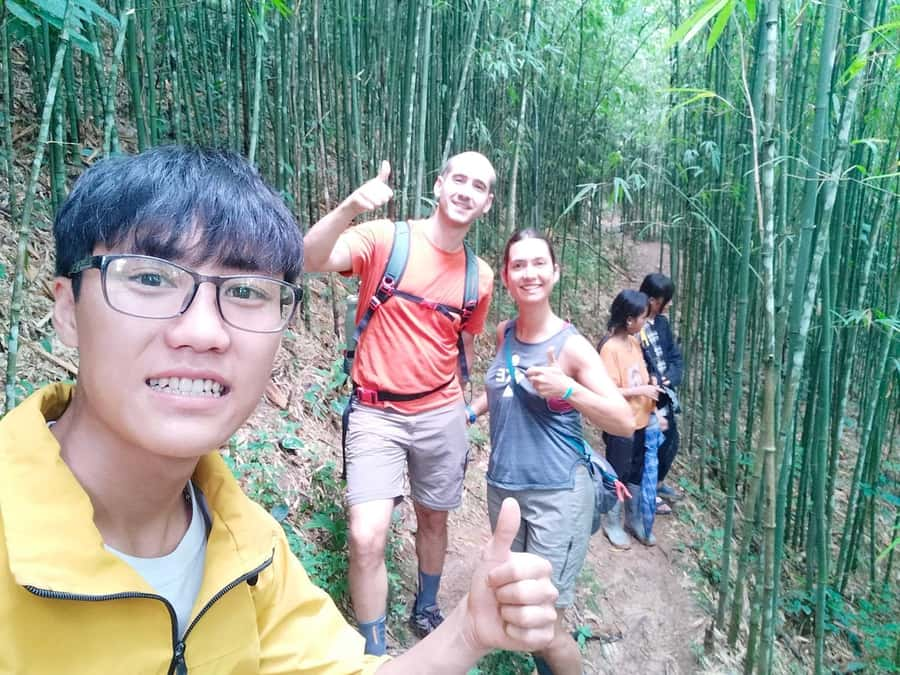
The final village is Ta Van, home to the Giay ethnic minority. Reaching Ta Van gives the day a useful contrast. You have already seen Black Hmong communities at Y Linh Ho and Lao Chai, and here you can notice differences in local identity, architecture, and village life.
The route into Ta Van is part of the experience. You continue deeper into the valley, with the mountain setting still around you, but the cultural focus becomes more pronounced. The guide can help explain the changes instead of leaving you to guess from appearances.
There is an optional short rest at a local homestay or café. You may have a chance to try traditional snacks, sit down, and let your legs recover. This is not described as an overnight homestay, so think of it as a brief stop rather than a full lodging experience.
For many people, Ta Van is a satisfying final section because it combines scenery with a calm village atmosphere. The only catch is that you have already walked for several hours by this point. If your pace is slow or the trail is wet, the stop may feel more like a necessary rest than an extra cultural visit.
What makes Su a valuable guide
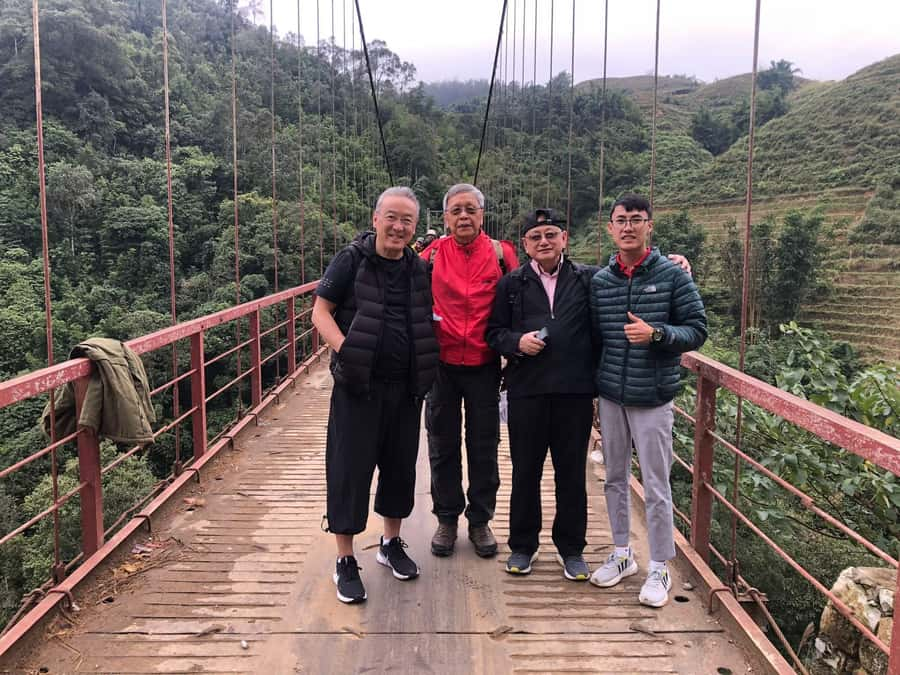
A local guide can make or break a village walk. In this case, Su is repeatedly praised for his friendly manner, clear English, and ability to answer questions without making the conversation feel formal.
He also brings a personal story. He lives in one of the villages and has spoken about farming, family, education, marriage, and everyday life. That gives you a better sense of how people experience the region beyond the views seen from the trail.
Su’s wife has also joined some outings, adding more personal conversation along the way. The guide’s connection to the community is particularly useful if you want more than photographs. You can ask about cultural values and local routines while walking, which makes the long distance pass more pleasantly.
Group size is another advantage when it is small. One booking involved just two people, while other Sapa outings can have groups of more than ten. A small group gives you more time to ask questions and makes it easier to follow the guide’s pace. Group size can vary, so you should not assume every departure will be private.
Is $19 good value?
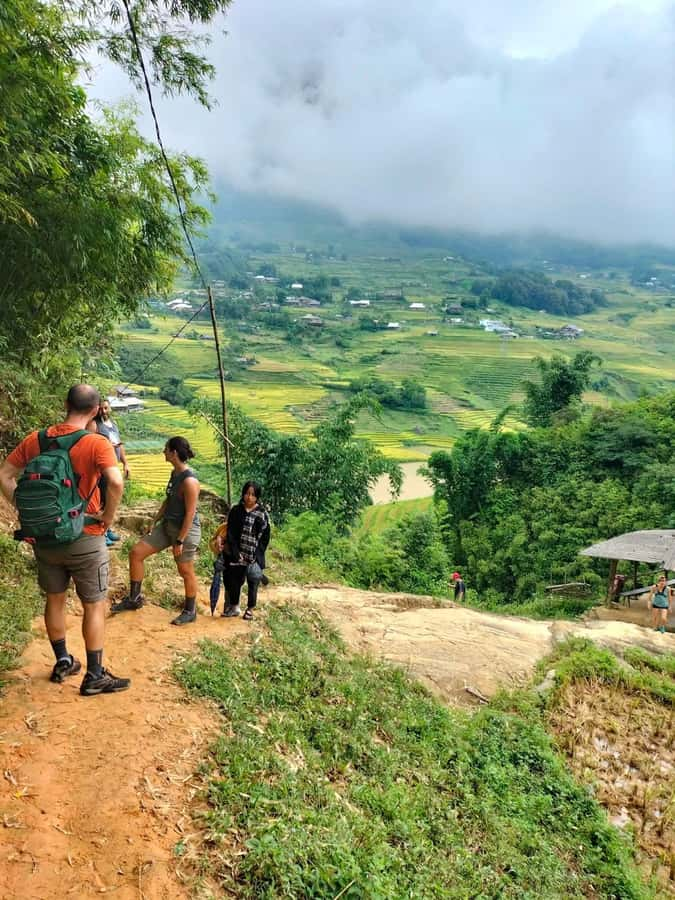
At $19 per person, this is an unusually inexpensive full-day outing. The price includes a live guide, the three village visits, lunch, the trekking route, and transport back to Sapa. You are paying for several hours of guiding and walking, not just a short transfer to a viewpoint.
The value is strongest if you want three things at once: mountain scenery, cultural conversation, and a day outdoors. Arranging each part separately would take more effort, and you would lose the continuity of a guide walking with you from Sapa through the valley.
The modest price does come with limits. This is not a luxury tour, and there is no promise of private transport throughout the day or a polished attraction with fixed facilities. The experience depends heavily on weather, trail conditions, group pace, and the quality of the guide assigned.
The rating is 5 out of 5 from 25 ratings, with especially strong praise for the scenery, lunch, small groups, and Su’s personal approach. Those are the parts I would give the most weight when deciding. The price is excellent, but the guide and weather will shape the day more than any brochure description.
Who should book this trek?
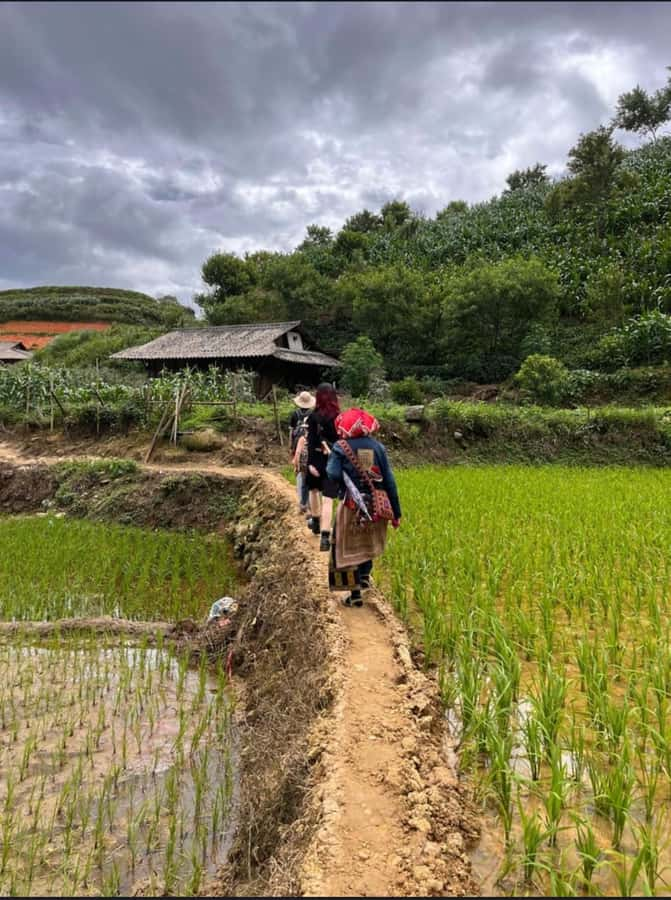
I would choose this tour if you want to walk through the countryside rather than view Sapa only from town. It suits people with moderate fitness who enjoy several hours on foot, changing scenery, and direct cultural contact.
It is also a good fit if you prefer a small, conversational outing. Su’s clear English and local background can help you ask the questions that make village visits more meaningful.
You should think twice if you dislike uneven ground, wet weather, or long downhill sections. The route is not suitable for people with mobility impairments or a low level of fitness. If you need a short, easy excursion, this is the wrong choice.
Bring comfortable shoes, a hat, sunscreen, a camera, and water. Dress in layers and carry something for rain. You can cancel up to 24 hours before departure for a full refund, and the reserve-now, pay-later option helps if your Sapa plans are still shifting.
Should you book the Y Linh Ho to Ta Van trek?
Yes, if you want strong value and a real walking day in the Muong Hoa Valley. The combination of rice terraces, three villages, included lunch, and return transport is hard to fault at $19.
I would book it especially for the guide-led cultural side. A local guide such as Su can turn a scenic hike into a conversation about how people actually live in the valley. Just arrive ready for moderate exertion, changing weather, and a trail that may not always feel tidy or easy.
If you prefer comfort over contact, choose a shorter sightseeing option instead. If you want mountain views with context, this is one of the better low-cost choices around Sapa.
FAQ
How long is the Y Linh Ho, Lao Chai, and Ta Van trek?
The outing lasts about five to seven hours and covers roughly 10 to 12 kilometers.
What time does the tour start?
Departure is in the morning, usually around 8:30 AM, from Sapa Church or another designated meeting point.
Which villages does the trek visit?
The route visits Y Linh Ho, Lao Chai, and Ta Van in the Muong Hoa Valley.
Which ethnic communities are connected with the villages?
Y Linh Ho and Lao Chai are associated with the Black Hmong community. Ta Van is home to the Giay ethnic minority.
Is lunch included?
Yes. Lunch is provided at a local house or riverside restaurant.
Is transport back to Sapa included?
Yes. The tour includes a transfer back to Sapa town at the end.
What should I bring?
Bring comfortable shoes, a hat, a camera, sunscreen, and water. Since the weather can change quickly, dress appropriately for changing conditions.
Just added around Sa Pa
- From Sapa: Guided Full-Day Trekking with Lunch and Drop-Off★ 4.2 · 86 reviews
- Sapa: Trekking Sapa One Day With Group Tour★ 4.7 · 55 reviews
- Sapa Trekking Bargains With Local Guide★ 4.9 · 91 reviews
- Sapa: Ta Phin Village Trek with Lunch and Bathing Experience★ 4.7 · 13 reviews
- Sapa: Muong Hoa Valley View & Villages Trek with Local Guide★ 5.0 · 25 reviews
- Sapa: Muong Hoa Mountain Views and Villages Trek with Lunch★ 4.3 · 28 reviews
- Sapa: Ta Phin Village Trek & Red Dao Herbal Bath★ 5.0 · 22 reviews
- Sapa Cat Cat Village And Y Linh Ho Private Trekking Tour★ 4.4 · 7 reviews
Sapa Hiking Tours, compared.
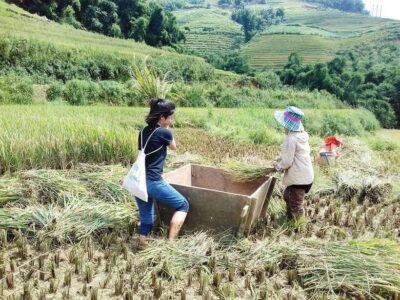
Sa Pa: Muong Hoa Valley Trek and Local Ethnic Villages
Read our review →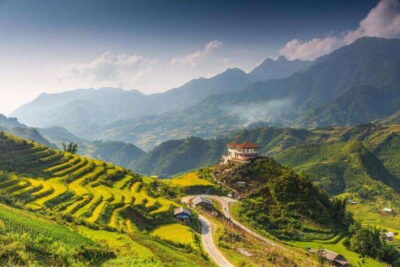
Eco Adventure Terrace Fields and Local Villages Trek
Read our review →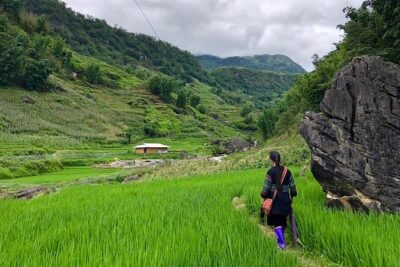
Number one top rated ethical cultural trekking and homestay by ETHOS
Read our review →
1-Day Guided Trek to Lao Chai & Ta Van with Lunch
Read our review →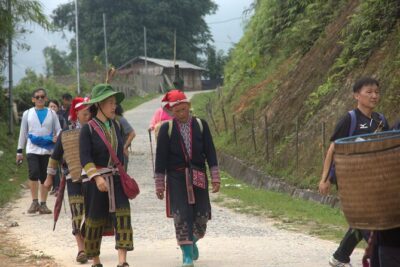
Sapa 1 Day Long Trek: Trek to Hau Thao and Sa Seng Villages
Read our review →
EXPLORE SAPA: 2D1N TREKKING & HMONG CULTURE WITH DINH
Read our review →
Browse the lists this tour appears in