
REVIEW · SAPA HIKING TOURS
Sa Pa: 2-Day Trekking Trip with Ethnic Minority Homestay
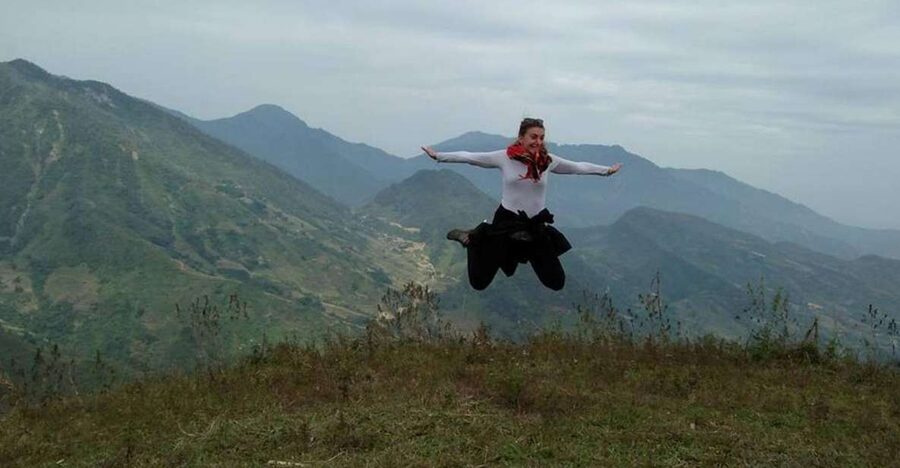
Mountain villages reward slow travel. This two-day trek takes you beyond Sa Pa into the Muong Hoa Valley, where rice terraces, wooden homes, and village paths replace the town’s hotels and cafés. I especially like the small-group format, capped at 14 people, and the chance to sleep at a Dzay family homestay rather than simply pass through for a photo.
The views toward Fansipan and the rice paddies are a major draw. I also like how the trek connects several communities, including Black H’mong and Dzay villages, so you learn about local customs along the way. The main caution is practical: wet trails can become slippery and muddy, and local women who help you on the first day may expect you to buy their handicrafts afterward.
- Two different trekking days: An 11-kilometer first day leads from Y Linh Ho through Lao Chai to Ta Van, followed by an 8-kilometer route through bamboo forest and Giang Ta Chai.
- A real overnight stay: You sleep in a Dzay village homestay, eat dinner there, and have breakfast with the host family.
- Strong guide reports: Guides including Lan, Khu, Lang, Coo, Nhu, and Son are praised for friendly service, clear English, local knowledge, and adjusting the pace.
- Best views depend on weather: Clear days reveal Fansipan and the terraces. Rain brings mist, mud, and more effort, but can also make the walk feel more adventurous.
- Good value at $55: The price covers guiding, entrance fees, transport, accommodation, three meals, mineral water, and two lunches.
- Know the rough edges: One report mentions bedbugs in some beds, and another describes a 40-minute wait in the return van.
Why This Sa Pa Trek Is Worth Two Days
A quick village visit gives you scenery. Two days give you a little context.
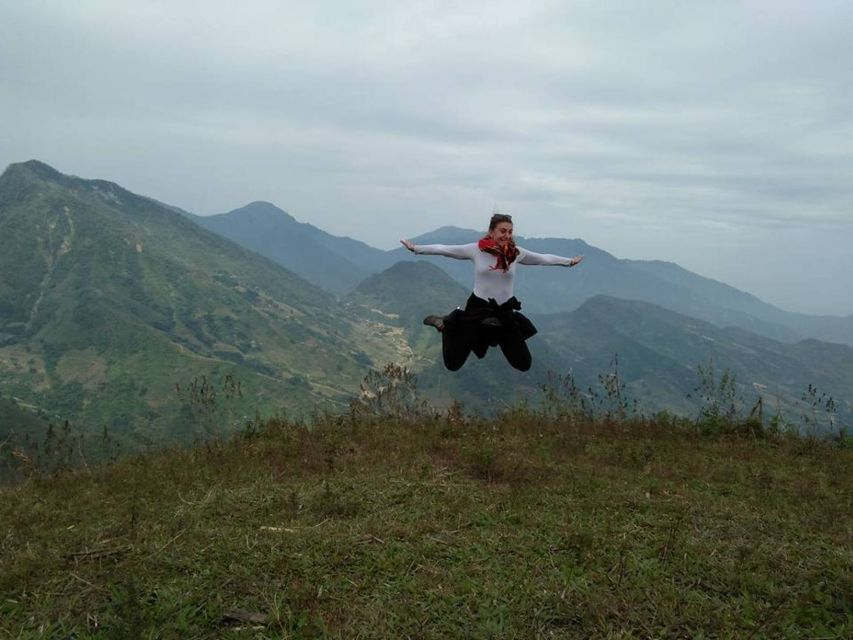
This trip begins in Sa Pa and heads down into the Muong Hoa Valley, one of the area’s main trekking zones. You walk through several settlements instead of visiting one village, and the overnight stop gives you time to see village life after the day’s walking is over.
That difference matters. You are not only looking at rice terraces from a roadside viewpoint. You are walking on dirt trails, entering a typical wooden home, sharing meals, and hearing about the customs of several ethnic minority groups from an English-speaking guide.
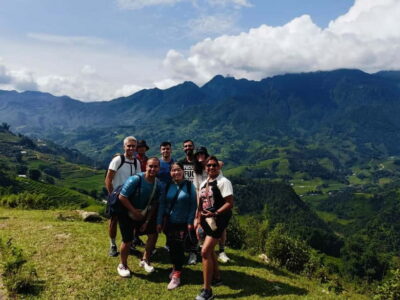
The group size is limited to 14 people, though some departures may be smaller. One person described a group of five, which is a pleasant size for a mountain walk. You can ask questions without shouting across a crowd, and the guide can pay closer attention to your footing and comfort.
The advertised price is $55 per person. For two days, that is strong value because it includes the guide, village entrance tickets, return bus transfer, one night at the homestay, two lunches, dinner, breakfast, and mineral water. Drinks are extra, so keep some cash handy.
Day One: 11 Kilometers From Y Linh Ho to Ta Van
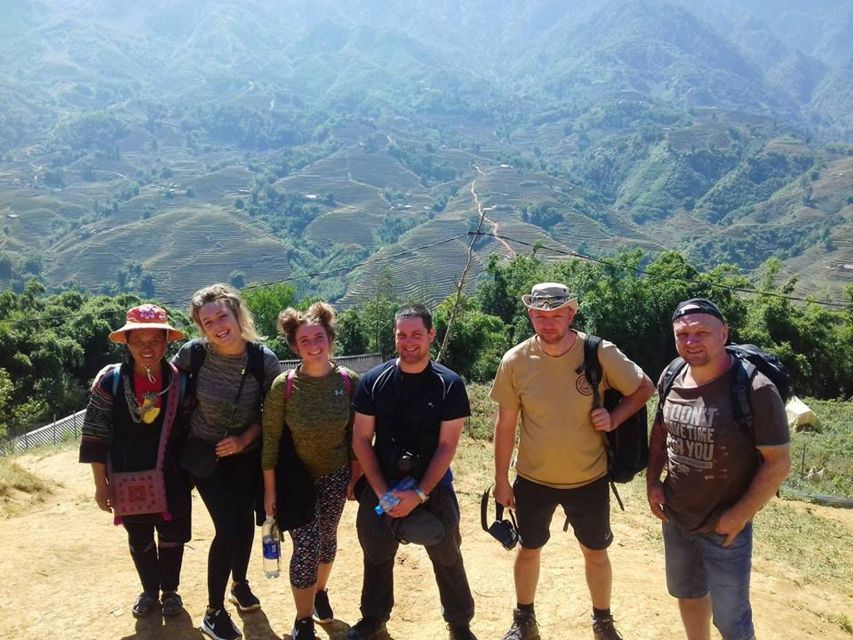
The first day is the longer walking day. You leave Sa Pa and trek roughly 11 kilometers through the Muong Hoa Valley, with Y Linh Ho and Lao Chai along the route before reaching Ta Van.
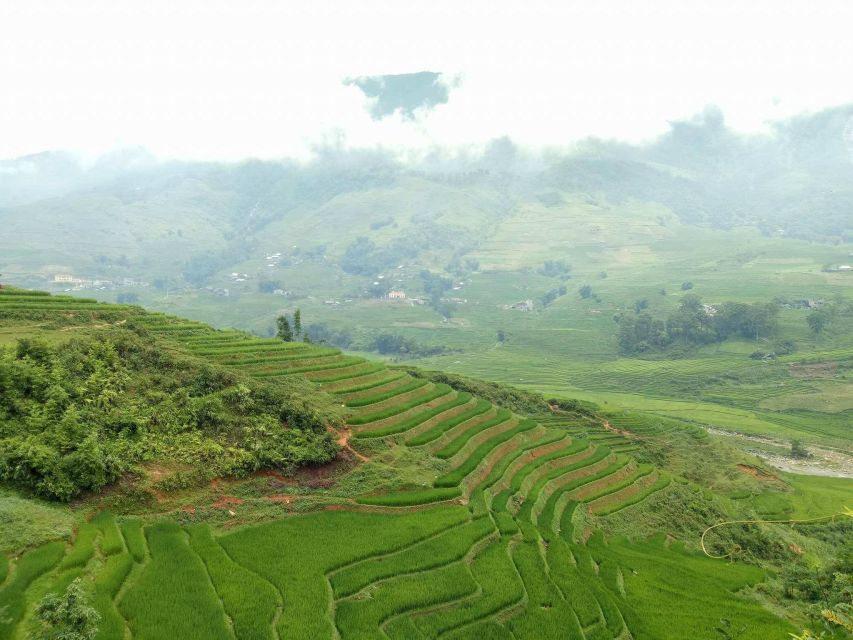
The walk begins with broad mountain views and rice paddies. On a clear day, you can see toward Fansipan, Vietnam’s highest mountain, and the stepped fields spread across the valley sides. The views are a big reason to choose this trip, but do not expect them to look the same in every season or under every sky. Mist and rain can hide the peaks.
At Y Linh Ho, you meet members of the Black H’mong community. The guide explains local customs and may take you inside a typical wooden house. This is one of the more useful parts of the day because it gives you a look at how homes are arranged, not just how they appear from the trail.
You then continue toward Lao Chai, passing other settlements on the way to Ta Van. The route is described as manageable for a healthy person, but it is still a proper trek rather than a gentle village stroll. The surface can be uneven, and rain makes the descent into the valley slippery.
Several people found local women helpful on the roughest section of the first day. They may hold your hand or guide you over muddy ground. That help can be welcome, especially in wet weather, but you should understand the social expectation: they may hope you purchase something from them once they leave.
You do not need to treat this as a reason to avoid the trek. Just decide in advance how you want to handle small sales encounters. A polite refusal is fine, and buying only if you genuinely want something keeps the exchange straightforward.
The guide is important here. Lan is repeatedly praised for her warm manner, humor, English, and explanations of H’mong culture. Khu is also described as especially friendly and helpful, while Lang receives praise for her English and patient explanations. Guides can vary by departure, but the strongest part of the experience appears to be the human connection created by the local guide.
More Homestay and Village Treks in Sa Pa:
- Number one top rated ethical cultural trekking and homestay by ETHOS
★ 5.0 · 456 reviews - Private Hoang Lien National Park & Tribal Village Trek
★ 4.7 · 30 reviews - Sapa: 2-Day Local Guided Valley Trek with Night Homestay
★ 5.0 · 27 reviews
Ta Van Homestay: Simple, Social, and Comfortable Enough
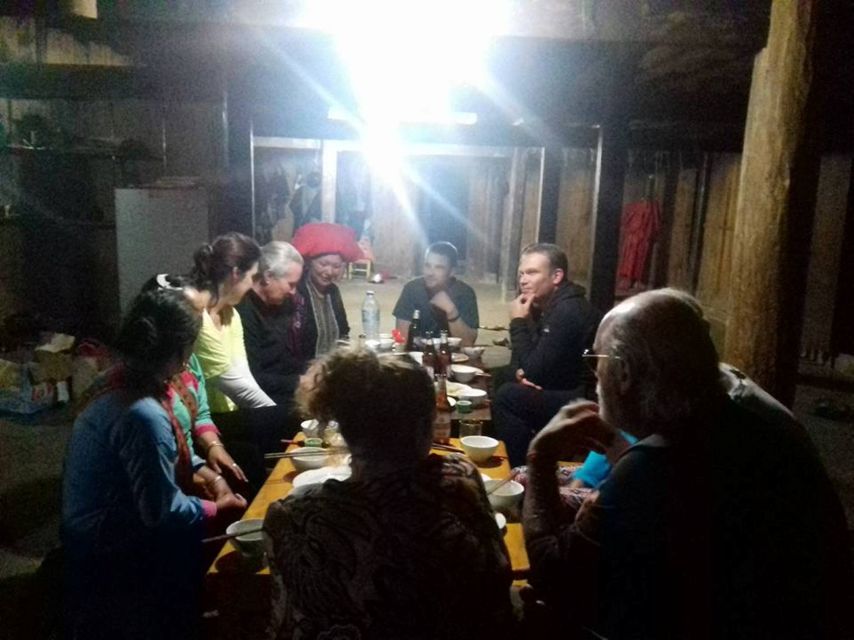
You spend the night in Ta Van at a Dzay homestay. This is not a private hotel room with resort-style services. It is a simple local stay, and that is the point.
The sleeping arrangements are described as comfortable by several people, with warm blankets and, in one case, internet and electrical outlets. A separate report raised a concern about bedbugs in some beds, so I would pack a sleeping liner if you have one and check the bed before settling in. It is a sensible precaution for any basic homestay.
The evening is quiet. After a full day on the trail, that may suit you perfectly. One person noted there was not much to do after dinner, but the group was tired and did not need an evening program.
Dinner is served at the homestay and is one of the trip’s most praised features. The food is home-cooked Vietnamese fare, and several meals across the trip receive strong marks. You may also be offered locally made happy water, a traditional rice spirit shared in social settings. Drink carefully, particularly if you still feel the day’s walking in your legs.
The value of the overnight stay is not luxury. It is the chance to sit down and eat in a village home, see how the night feels outside Sa Pa, and have more time with your guide and fellow group members. If your main goal is polished accommodation, this may feel basic. If you want a closer look at local life, it is the right kind of basic.
Day Two: Bamboo Forest, Waterfall, and the Muong Hoa River
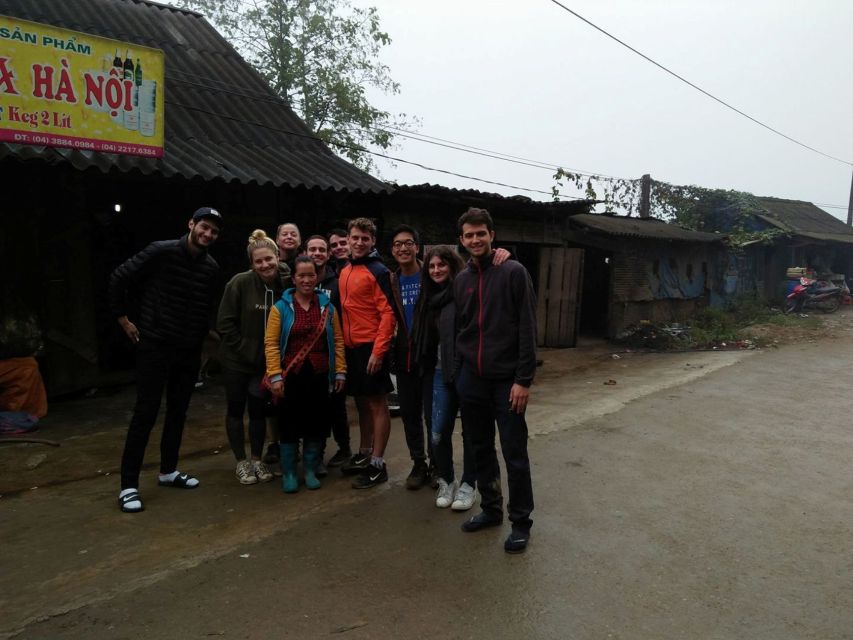
After breakfast at the homestay, you set out for a shorter trek of about 8 kilometers. The route follows dirt trails and passes a small H’mong village before reaching a bamboo forest.
The second day is often described as especially scenic. Bamboo changes the feel of the walk, and the trail offers a different setting from the open rice terraces of day one. You still need proper footwear, since dirt trails can become slick after rain.
The route includes a stop at a waterfall. You can take a break there and, conditions permitting, cool off with a swim in the Muong Hoa River. This is a welcome pause after two days of walking, but bring a swimsuit or wear clothing you are comfortable getting wet in if you want to swim.
Lunch follows at a local restaurant. Two lunches are included in the price, along with the hosted dinner and homestay breakfast. Drinks are not included, so budget separately for anything beyond the supplied mineral water.
After lunch, you return to Sa Pa by bus. The transfer is normally a useful part of the package because you do not need to arrange your own ride from the valley. Still, allow some spare time if you have a bus or train connection. One person waited about 40 minutes in a van while another group was collected and nearly missed a bus to Hanoi.
What the Guides Add to the Walk
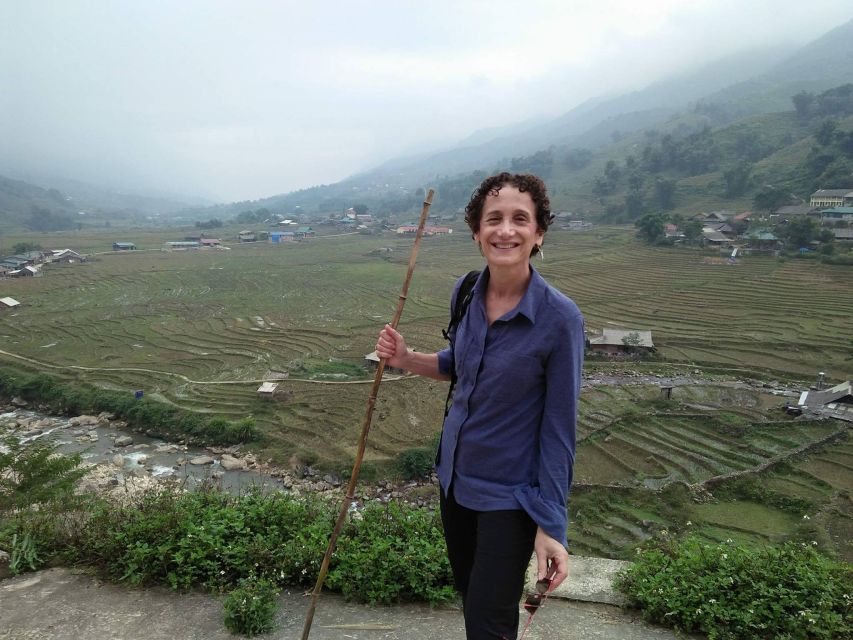
The route is attractive, but the guide determines how much you take from it.
The best guide reports point to the same qualities: clear English, friendliness, patience, and a willingness to adjust the pace. One guide checked regularly whether the group wanted a longer or shorter route and what time they wanted to start or finish. That flexibility is useful because fitness levels can vary sharply within a small group.
Lan is praised for making H’mong culture easier to understand while keeping the mood light. Khu is described as attentive and eager to answer questions. Nhu is praised for kindness, and Coo for friendly explanations. Other named guides include Son, Lam, and Dung.
The experience is not only about identifying villages. A good guide helps explain the differences between the communities you pass, points out homes and farming areas, and gives meaning to ordinary details along the path.
There is one less positive guide comment. One person felt that Lang spent too much time on her phone and did not always engage with the group. That appears to be an individual complaint rather than the general pattern, but it is worth remembering that guide quality can vary by date and assignment.
More Two-Day Trips around Sa Pa:
- EXPLORE SAPA: 2D1N TREKKING & HMONG CULTURE WITH DINH
★ 4.9 · 191 reviews - SAPA: 2-DAY 1-NIGHT TREKKING & CULTURE WITH HMONG GUIDE LINH
★ 4.9 · 126 reviews - Mountain views & Rice Terraced Fields Hiking – 2D 1N
★ 5.0 · 99 reviews - 2-Day Fansipan Mountain Trek – Indochina’s Highest Peak
★ 4.3 · 42 reviews
Weather, Mud, and the Right Level of Fitness
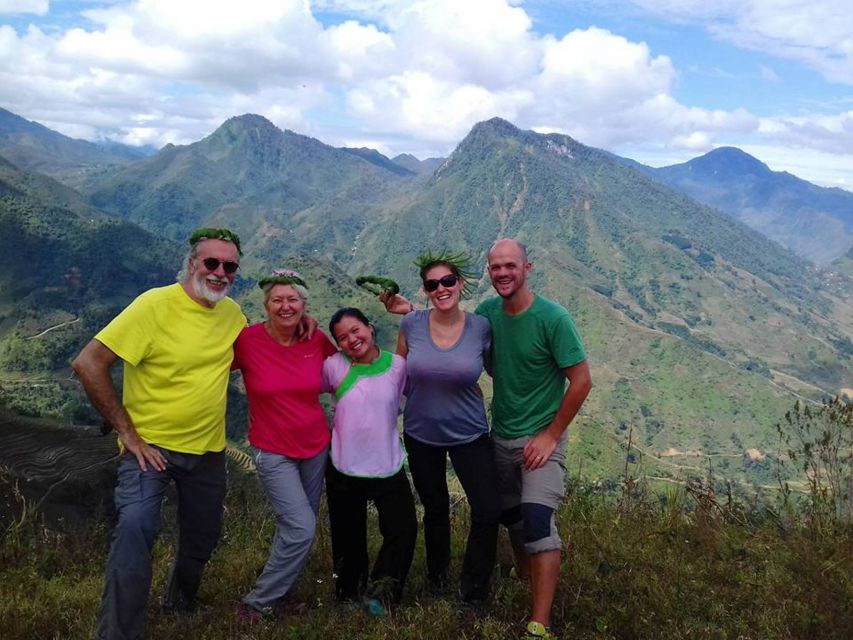
You should think of this as a moderate mountain trek. It is not described as highly technical, and healthy people generally found the route manageable. Still, the 11-kilometer first day, uneven paths, slopes, and wet conditions demand balance and stamina.
Rain changes the trip. The valley may look misty rather than open, and the paths can turn muddy. One person almost skipped the trek because of morning rain, then found the experience rewarding after joining. Local assistance on muddy sections made the route easier, but you should still expect dirty shoes and slower walking.
Bring trekking shoes rather than smooth-soled trainers. Pack warm clothing from October through March, along with sunglasses, sunscreen, and insect repellent. Comfortable shoes are essential, and a small bag for wet clothing is useful if you plan to swim.
This experience is not suitable for children under six, pregnant people, or anyone with back problems or mobility impairments. It is also not suitable for people with disabilities according to the supplied restrictions. The operator does not promise a fully accessible route, and the muddy trail sections make that clear.
Cultural Courtesy on the Village Trails
The villages are homes and working communities, not outdoor exhibits. Ask before entering a house, listen when the guide explains customs, and avoid treating people as scenery.
You will encounter local sellers, especially during the first day. Some may walk beside you for part of the route and offer handicrafts. You can be friendly without feeling pressured to buy. If you do purchase something, agree on the price before handing over money.
The homestay asks for a different kind of courtesy. Follow the household’s lead around meals, shoes, sleeping areas, and alcohol. A respectful attitude matters more here than perfect cultural knowledge.
The tour’s most praised quality is the chance to learn from the guide and host family rather than simply photograph the valley. Keep that in mind when you choose your pace. Stop to listen, not only to take pictures.
How Good Is the $55 Value?
At $55, this is one of the more affordable ways to spend two days in the Muong Hoa Valley.
You receive:
- An English-speaking guide
- Entrance tickets for the included sites
- Two local restaurant lunches
- One homestay dinner
- One breakfast
- One night in a Dzay village homestay
- Mineral water
- Return bus transport to Sa Pa
That package removes many small costs that can add up. You are also paying for local guiding and the planning needed to connect several villages with an overnight stay.
The price does not include drinks. There is also a $30-per-person Lunar New Year surcharge from January 26 through February 2, 2025, payable at the meeting point. Check the current date and price before booking, since holiday terms can change.
The small-group limit improves the value. You get a more personal guide experience than on a large coach excursion, while still sharing transport and meals with other people.
Who Should Book This Trek?
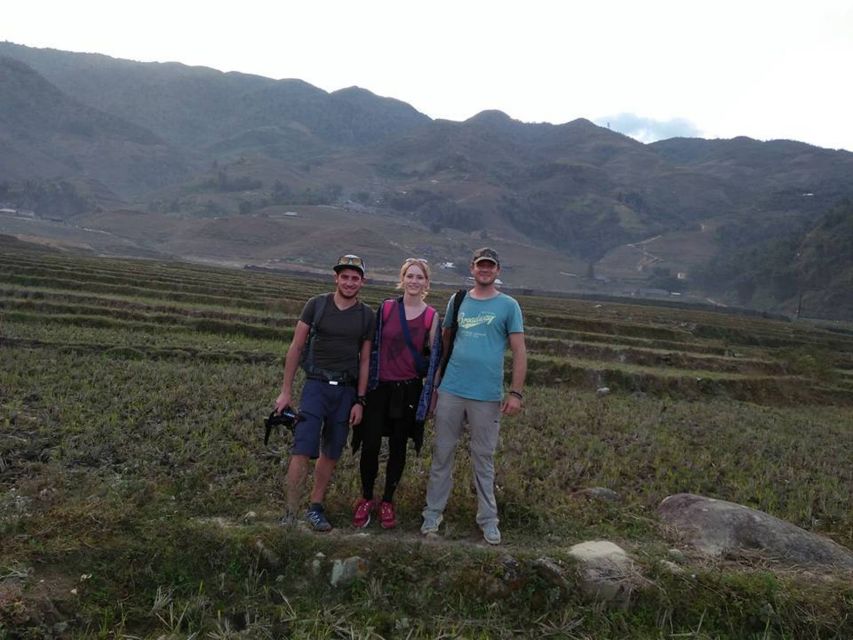
You should consider booking if you want mountain scenery with cultural context, enjoy walking for several hours, and prefer a local homestay to a standard hotel.
It suits people who want a structured introduction to Sa Pa’s villages without arranging guides, meals, and transport separately. It is also a good choice if you are comfortable with simple accommodation and do not need an evening entertainment schedule.
I would hesitate if you dislike mud, uneven ground, basic lodging, or informal sales encounters. You should also avoid it if you have mobility limits, back problems, are pregnant, or do not feel able to manage the walking distance.
Free cancellation is available up to 24 hours before departure, and you can reserve now and pay later. Pickup is available from hotels in Sa Pa’s town center. Starting times depend on availability, so confirm the pickup details before making a connection afterward.
Should You Book the Sa Pa Two-Day Trek?
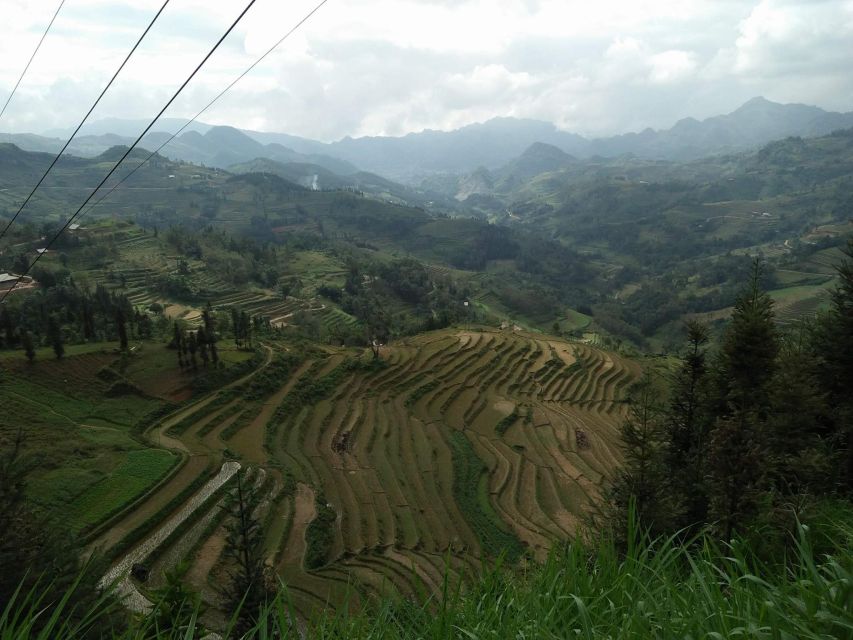
Yes, if you want the best mix of scenery, village walking, and local contact for a modest price.
The strongest reasons are the Muong Hoa Valley views, the Dzay homestay, the excellent food, and the guides who are often praised for making the culture understandable. The main drawbacks are muddy trails, simple accommodation, occasional pressure to buy from local sellers, and a possible delay on the return transfer.
Bring shoes you trust, warm layers, insect repellent, and a flexible attitude. If you can accept a little mud and basic comfort, this two-day route gives you far more than a quick viewpoint stop around Sa Pa.
FAQ
How long is the trekking route?
The first day covers about 11 kilometers from Sa Pa through Y Linh Ho and Lao Chai to Ta Van. The second day covers about 8 kilometers through a bamboo forest and Giang Ta Chai before returning to Sa Pa.
Where does the trek start?
Pickup is available from hotels in Sa Pa’s town center. Starting times depend on availability.
Where do you sleep?
You spend one night at a Dzay ethnic minority homestay in Ta Van village.
What meals are included?
The package includes two lunches at local restaurants, one hosted dinner in the village, and one breakfast at the homestay.
Is the guide English-speaking?
Yes. The experience includes a live English-speaking guide.
Is transport included?
Yes. Return bus transport between Sa Pa and the trekking area is included.
Is the tour suitable for children?
It is not suitable for children under six years old.
What should you bring?
Bring comfortable trekking shoes, warm clothing, sunglasses, sunscreen, and insect repellent. Warm clothes are especially recommended from October through March.
Can you swim during the trek?
The second-day route includes a waterfall stop and an opportunity to cool off with a swim in the Muong Hoa River.
Is the tour suitable for people with mobility or back problems?
No. It is not suitable for people with mobility impairments, back problems, disabilities, or for pregnant women.
Just added around Sa Pa
- Sapa: Y Linh Ho – Lao Chai, and Ta Van Trekking Day Tour★ 5.0 · 25 reviews
- Sapa: Trekking Sapa One Day With Group Tour★ 4.7 · 55 reviews
- From Sapa: Guided Full-Day Trekking with Lunch and Drop-Off★ 4.2 · 86 reviews
- Sapa Trekking Bargains With Local Guide★ 4.9 · 91 reviews
- Sapa: Ta Phin Village Trek with Lunch and Bathing Experience★ 4.7 · 13 reviews
- Sapa: Muong Hoa Valley View & Villages Trek with Local Guide★ 5.0 · 25 reviews
- Sapa: Muong Hoa Mountain Views and Villages Trek with Lunch★ 4.3 · 28 reviews
- Sapa: Ta Phin Village Trek & Red Dao Herbal Bath★ 5.0 · 22 reviews
Sapa Hiking Tours, compared.
Sa Pa: Muong Hoa Valley Trek and Local Ethnic Villages
Read our review →
Eco Adventure Terrace Fields and Local Villages Trek
Read our review →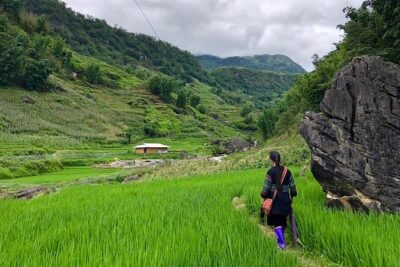
Number one top rated ethical cultural trekking and homestay by ETHOS
Read our review →
1-Day Guided Trek to Lao Chai & Ta Van with Lunch
Read our review →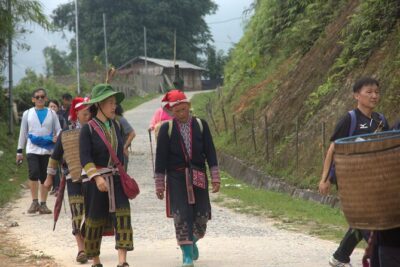
Sapa 1 Day Long Trek: Trek to Hau Thao and Sa Seng Villages
Read our review →
EXPLORE SAPA: 2D1N TREKKING & HMONG CULTURE WITH DINH
Read our review →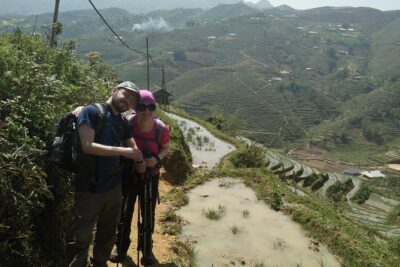
Browse the lists this tour appears in