
REVIEW · SAPA HIKING TOURS
Sapa 1 Day Long Trek: Trek to Hau Thao and Sa Seng Villages
Mountain views come with muddy shoes. This full-day Sapa trek earns its $24 price with two things I especially like: superb high views over Muong Hoa Valley and a local Hmong guide who brings village life into focus. The main catch is the trail itself. It can be steep, slippery, and tiring, especially after rain.
You’ll walk through Sa Seng, Hang Da, and Hau Thao, then finish near Giang Ta Chai for a ride back to town. I also like the family-run lunch and small-group feel. Guides such as Mama Mao, Su, Zozo, and Vang are repeatedly praised for their humor, patience, and care, but do not expect a gentle stroll through tidy paths.
Key points at a glance
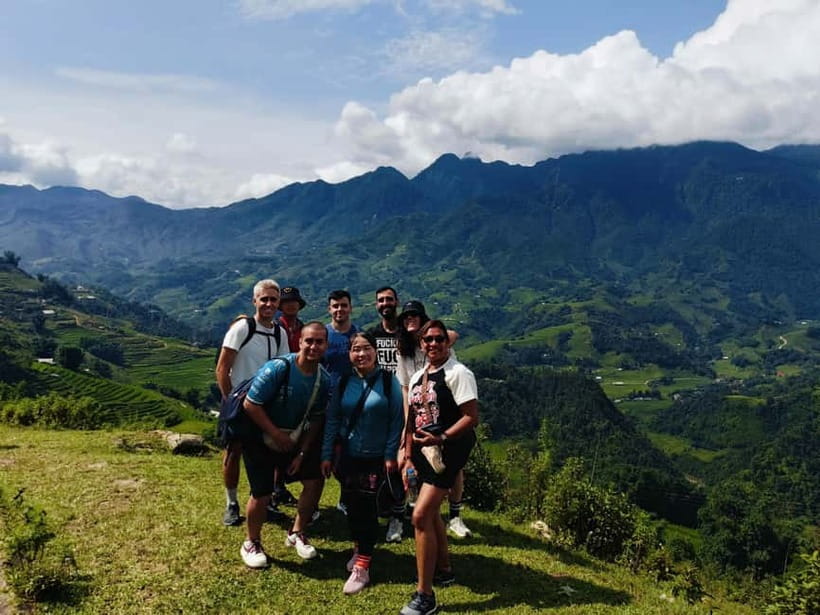
- Sa Seng’s high viewpoint: The uphill start leads to wide views of Fansipan, Muong Hoa Valley, and Sapa’s famous rice terraces.
- Three Black Hmong communities: Sa Seng, Hang Da, and Hau Thao give you a closer look at farming, homes, animals, and daily mountain life.
- A proper full-day hike: The route can cover roughly 15 kilometers, with steep climbs, rocky ground, mud, bamboo forest paths, and long downhill sections.
- A warm local lunch: A family-run restaurant provides a filling home-style meal around midday. Drinks may cost extra.
- Guides make the difference: Local guides explain Hmong customs, farming, house-building, and village life while keeping an eye on the group.
- Weather controls the views: Fog and rain can hide Fansipan and the terraces, but the cultural side of the walk still works well in poor conditions.
What this $24 Sapa trek is really like
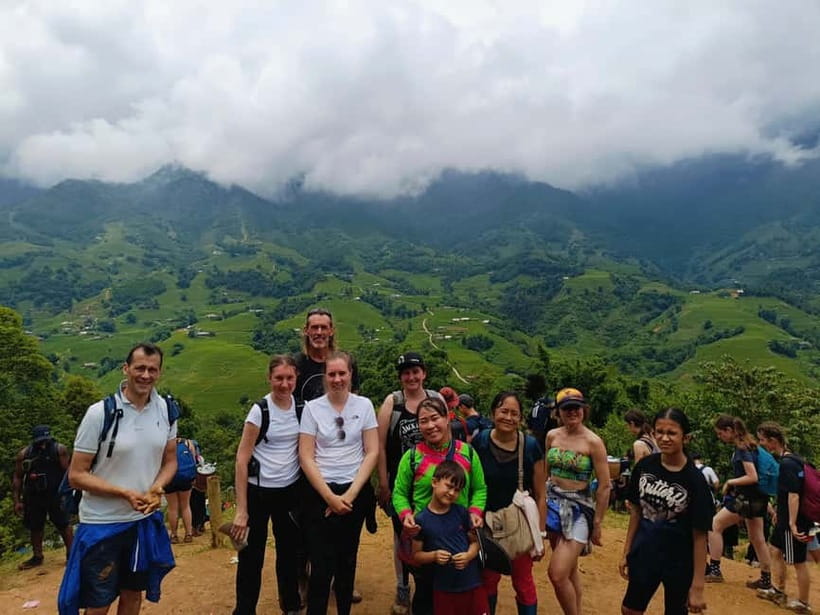
This is not a short village walk dressed up as an adventure. Plan on 7 to 10 hours, with a 9:00 AM pickup and a finish around 3:30 PM before the drive back to Sapa. Some groups cover close to 15 kilometers, and one reported outing measured 15.6 kilometers with 630 meters of ascent and 1,100 meters of descent.
That makes the price excellent value if you want a serious day in the hills. For $24, you get hotel pickup in Sapa Town, a local English-speaking guide, transport back to town, lunch, bottled water, village and route fees, and the full trek. You are paying less for polished sightseeing and more for time on your feet.
The tour has a rating of 4.6 from 344 reviews, and the strongest praise goes to the guides. Names vary by departure, but Mama Mao, Mao, Su, Zozo, Vang, La, Chau, and others are described as friendly, funny, careful, and proud of their homes. That matters here because the path can be rough, and a good guide is more useful than a guide who simply recites facts.
More Day Trips around Sa Pa:
- From Sapa: 1-Day Guided Trek to Lao Chai & Ta Van with Lunch
★ 4.9 · 416 reviews - 1-day Authentik trek & Panorama valley views
★ 5.0 · 189 reviews - 1 day Fansipan Trekking
★ 5.0 · 180 reviews
The uphill start to Sa Seng Mountain
Pickup begins at your accommodation in Sapa Town. If your hotel sits outside the town area, you can request a paid transfer to a meeting point. The two stated meeting points are Sapa TT Homestay at 812 Dien Bien Phu Street and July Hotel Central Sapa at 02 To Vinh Diem Street.
After a short briefing, you begin with around one kilometer uphill. The distance sounds modest, but the slope and uneven ground make this opening section the first real test. One reviewer called the early climb steep but rewarding, while another described it as a tricky uphill route with rough paths.
Go slowly here. You do not need to win the first hour. Save energy for the long descent and the sections where mud or concrete roads make your legs work in a different way.
After roughly an hour of moderate trekking, you reach the top of Sa Seng Mountain. On a clear day, this is the grand view of the trip. Fansipan, at 3,143 meters, appears in the distance, while Muong Hoa Valley spreads below with its rice terraces and river.
Fog can change the scene completely. Several people walked in near-zero visibility and still enjoyed the day, but the main mountain views were hidden. If the forecast shows heavy rain, ask about changing the date. If it is simply cloudy or misty, the walk can still be worthwhile, especially if you care about villages and culture as much as photographs.
Looking down over Muong Hoa Valley
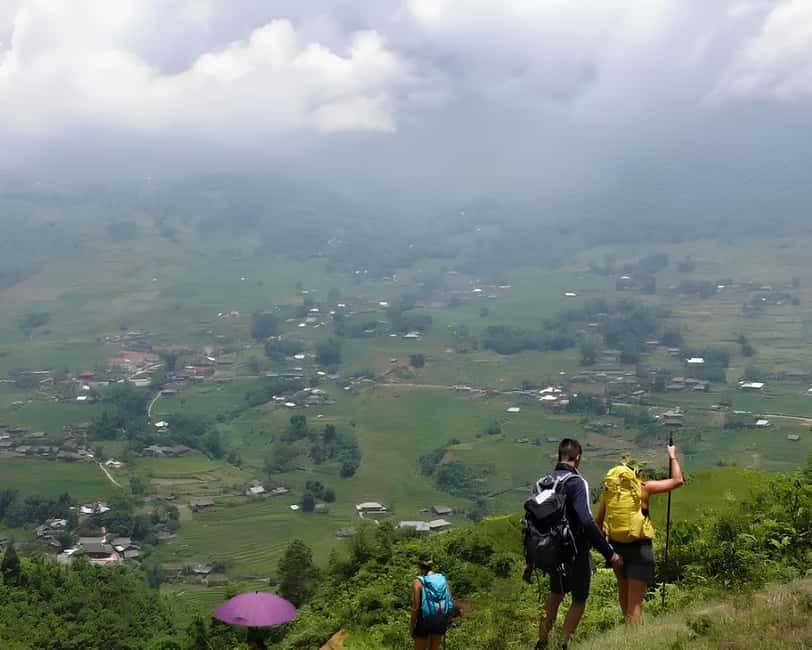
The view from above is one of the best reasons to choose this route. You see the valley as a broad mountain basin rather than from the bottom among the rice fields. The terraces form lines across the hillsides, and the river helps show the scale of the valley below.
The views are seasonal and weather-dependent. In clear conditions, this is the photo stop people hope for. In fog, you may get brief openings rather than one long panorama. A guide such as Chau has adjusted the route in poor visibility, offering the group a choice between climbing higher for a possible view or staying lower on safer paths.
That flexibility is useful. You are not locked into a single plan when the mountains disappear behind cloud. Still, the path can become difficult in wet weather, so scenic ambition should not outrank safe footing.
Down through Hang Da and Black Hmong country
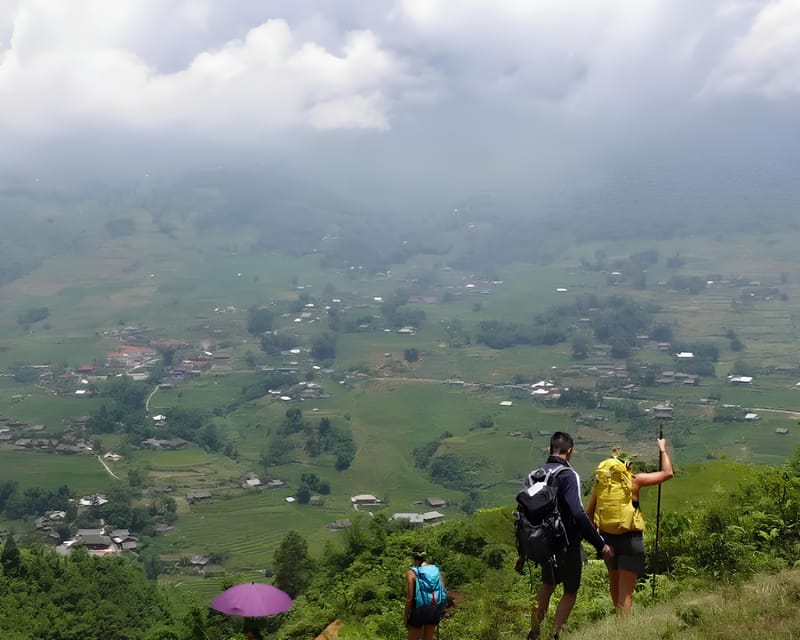
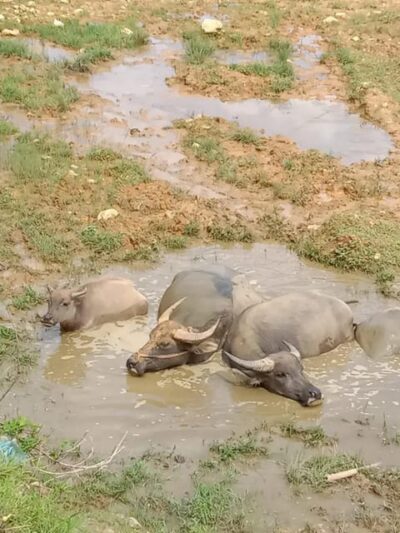
From Sa Seng, the route drops toward Hang Da Village. This is where the experience becomes less about a viewpoint and more about daily life. You may see buffaloes, pigs, and horses moving freely near the homes and paths. These are not staged farm displays. They are part of work, transport, food production, and household life in the mountain communities.
The route passes rice fields, corn fields, bamboo forest, rocky ground, and village lanes. The bamboo section has been a highlight for several people, but it can also be muddy and slippery. In rainy weather, guides have provided gumboots, although proper hiking shoes remain the better choice if you have them.
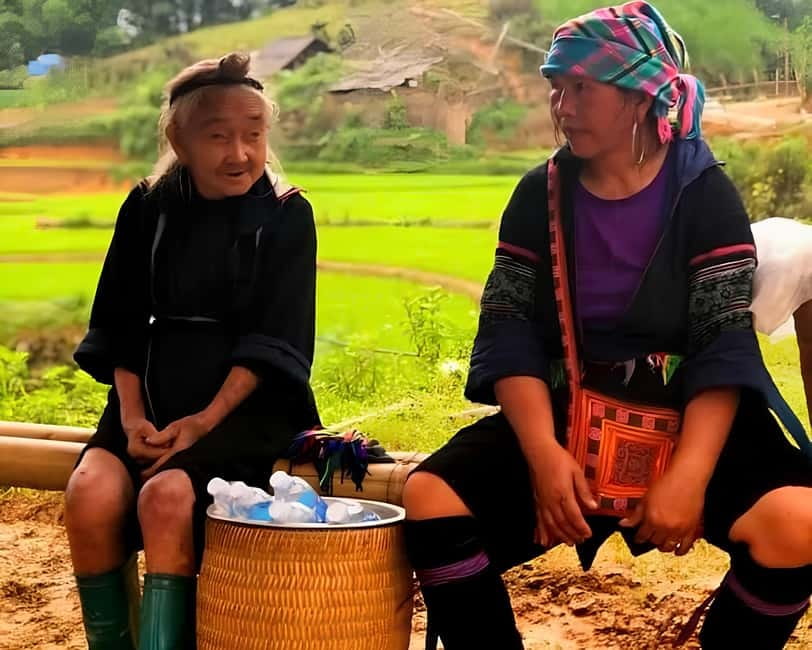
You may meet local women along the path who offer scarves and other handmade goods. Buying something can support local sellers, but you should expect persistent sales approaches at times. One practical tip is to decide in advance if you want to shop and set a firm budget. That keeps a pleasant walk from turning into an awkward negotiation.
The guide adds the human context. You can ask about marriage customs, house-building, rice planting, harvesting, and the way animals fit into village life. The best guides do not just point at a house or field. They explain how the parts connect.
A few more hikes around Sa Pa worth a look
- Sa Pa: Muong Hoa Valley Trek and Local Ethnic Villages
★ 4.6 · 864 reviews - Sapa: Eco Adventure Terrace Fields and Local Villages Trek
★ 4.9 · 636 reviews - Number one top rated ethical cultural trekking and homestay by ETHOS
★ 5.0 · 456 reviews - Sa Pa Full Day Trekking Tour
★ 5.0 · 414 reviews
Lunch at a family-run restaurant
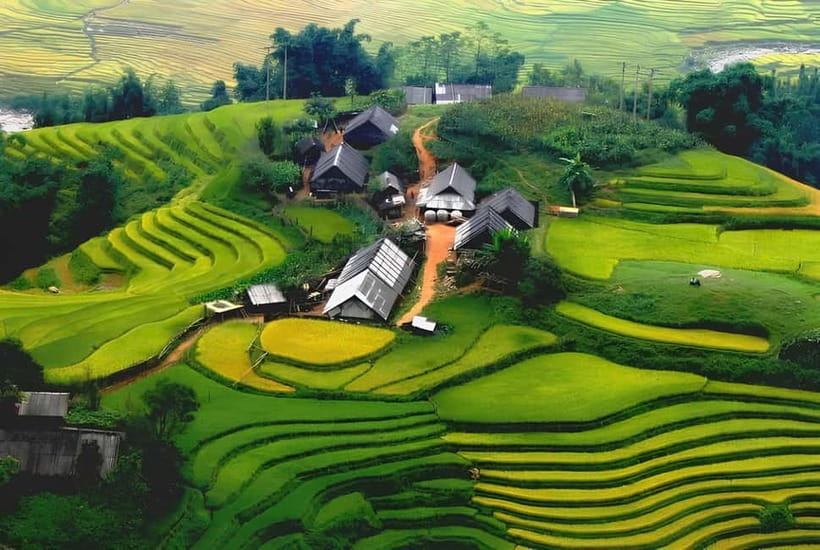
Around noon, you stop for lunch at a local family-run restaurant. The meal is home-style and freshly prepared, with several people describing it as delicious and generous. One person specifically noted that there was a lot of food, which is welcome after the first climb.
This is not a quick snack between photo stops. It gives you time to sit, eat, meet others in the group, and enjoy local hospitality. Drinks are not always included, so carry cash if you want something beyond the supplied bottled water.
Lunch also breaks up the physical rhythm of the day. By this point, you have already climbed and descended through changing terrain. A real meal is much better than trying to push through on sweets and coffee.
The group size can be small, which helps. A group of five, for example, is large enough for company but small enough for conversation. It also lets the guide adjust the walking pace and help anyone who is struggling.
Hau Thao and the farming year
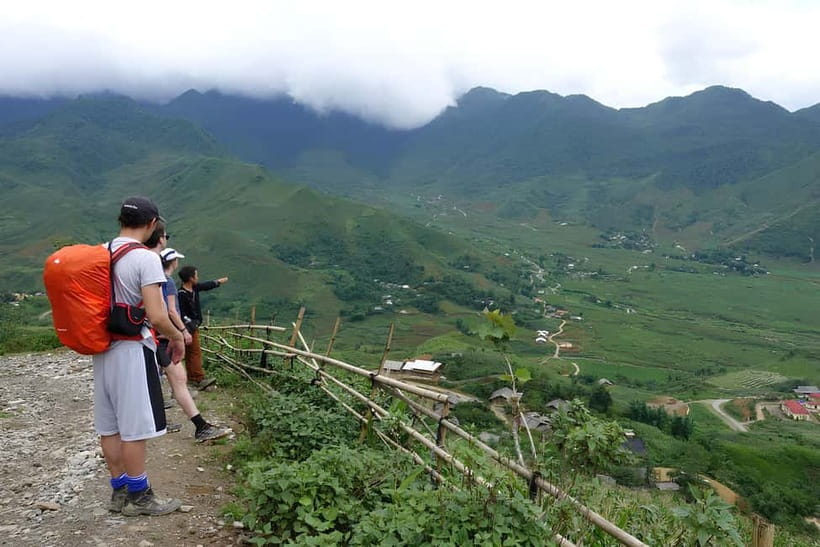
After lunch, the trek continues toward Hau Thao Village, another Black Hmong community. Depending on the season, you may see farmers planting or harvesting rice. The exact activity depends on the agricultural calendar, so do not expect the same scene every month.
This part gives the walk its strongest sense of place. Rice terraces are attractive in photographs, but seeing the work behind them gives you a clearer idea of what you are looking at. Fields require planting, water management, harvesting, and constant care on steep ground.
Your guide can explain Hmong traditions and the practical design of local homes. This is where local knowledge matters most. A guide from the area can talk about family customs and village life in a personal way, rather than offering a general description of northern Vietnam.
The cultural information varies by guide. Several guides are praised for excellent English and detailed explanations, while one person felt the village information was lighter than expected. If this subject matters greatly to you, ask questions as you walk. The guides tend to respond well when you show genuine interest.
The final walk to Giang Ta Chai
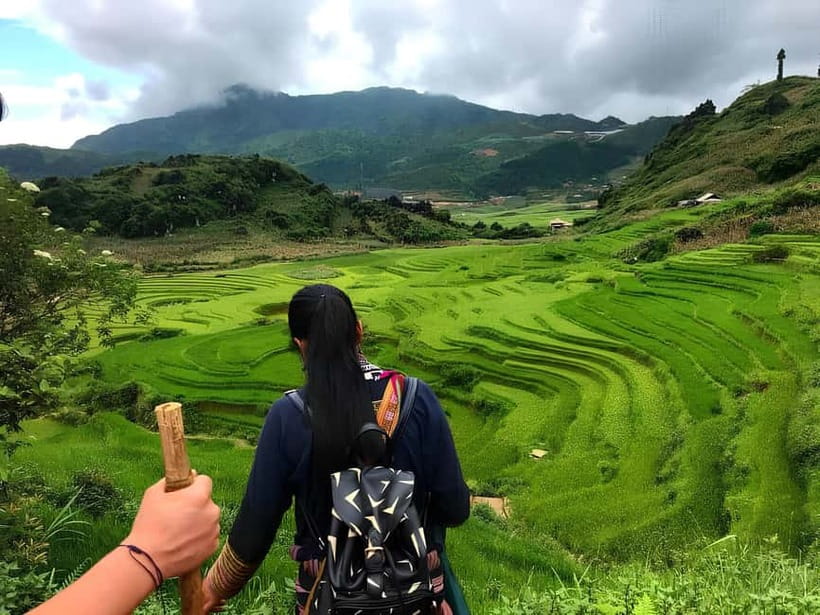
The route ends in Giang Ta Chai, where a vehicle collects you for the return to Sapa. The schedule suggests finishing around 3:30 PM, but the full duration can stretch to 10 hours depending on weather, pace, stops, and group conditions.
Do not assume the final section is easy simply because most of the climbing is finished. Long downhill walking can be hard on knees, and parts of the route may use steep concrete roads. In wet conditions, mud and slippery ground require steady concentration.
The guide’s support is especially important here. Good guides check on the slower walkers, offer a hand on tricky sections, and adjust the pace. Su, La, Vang, Zozo, and Mama Mao are all praised for being attentive and encouraging.
Once you reach the vehicle, the ride saves your tired legs from another long walk into town. Drop-off in Sapa Town is included, though an extra fee may apply for locations outside the town area.
How hard is the trek?
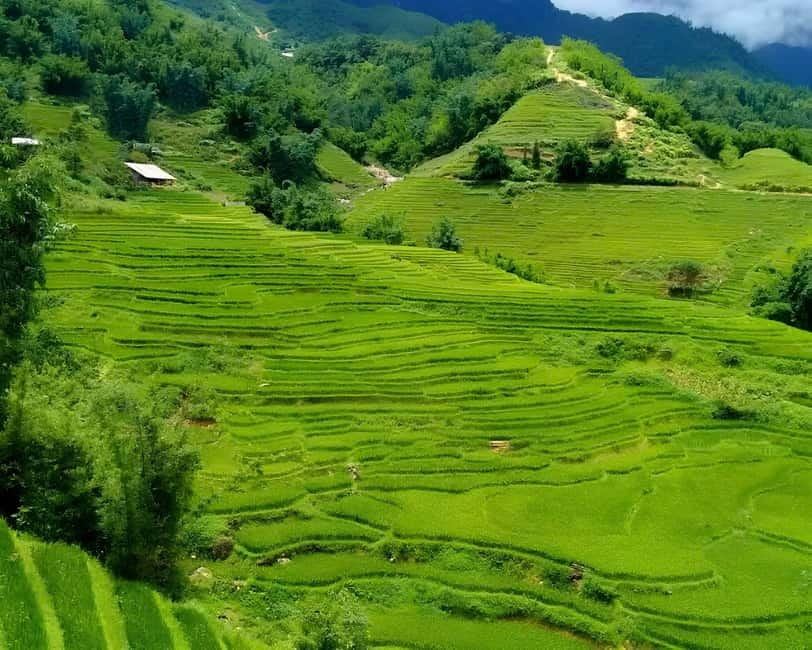
The tour is best described as moderate to challenging, not easy. The route includes an uphill start, uneven trails, rice fields, rocky areas, bamboo forest, muddy sections, and a substantial descent.
Your fitness matters, but weather may matter even more. In dry conditions, the walk is demanding but manageable for people used to long hikes. In rain, the same trail can become slippery enough that you need to watch every step.
Bring proper hiking shoes with grip. Sunglasses, a sun hat, a hat, and cash are listed as useful items, but footwear deserves the most attention. Pack light, keep your hands free, and carry only what you need for the day.
This trip is not suitable for people with mobility impairments, heart, kidney, or altitude problems, wheelchair users, people with serious visual impairment, children under four, people over 80, or anyone over 159 kilograms. The restrictions also list babies and very young children, so families should check the age rules carefully before booking.
Weather, timing, and what you will see
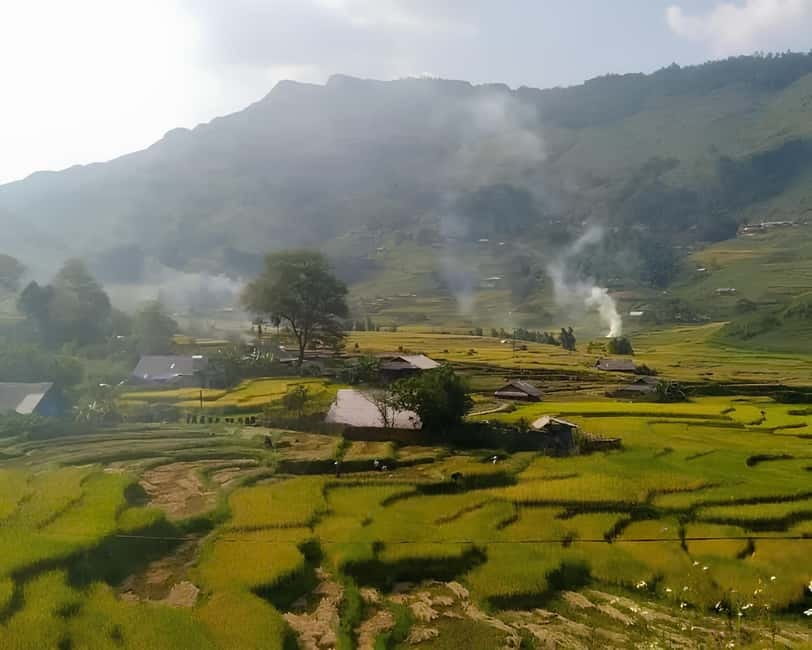
Sapa weather can shift quickly. Winter mornings may be foggy, while summer rain can turn paths into slippery tracks. Clear conditions bring the best Fansipan and valley views, but fog does not erase the villages, animals, lunch, or cultural conversation.
Several people enjoyed the trek despite rain and mist. One group changed to easier paths at first, then chose a harder muddy section later when conditions improved. That is a good model: let the guide assess the ground, then decide how much challenge you want.
If photography is your main goal, aim for a dry, clear day and keep your schedule flexible. If you have only one day in Sapa, this remains a strong choice because it combines scenery and village life instead of relying on one viewpoint.
Leave some space in your day after the trek. The official finish is mid-afternoon, but the ride back and changing weather can stretch the day.
Is the tour good value?
At $24 per person, the value is strong. You receive transport, guiding, lunch, water, route fees, and a full day in the mountains. Comparable experiences often charge more simply for a shorter outing, although the exact value depends on your group size and expectations.
You should not book this expecting luxury. The lunch is local and the trail is natural, sometimes rough, and sometimes muddy. The transport solves the return journey, but this is still a boots-and-sweat day.
The strongest value comes from the guide. If you get someone like Mama Mao, Su, Zozo, or Vang, you may find that their stories and care make the difficult sections fun. The guide is the person who turns a long walk into a meaningful visit.
Who should book this Sapa day hike?
Book it if you want a full day outside town, enjoy long walks, and prefer local communities to a string of quick photo stops. It suits active couples, friends, solo walkers who like small groups, and anyone with limited time in Sapa.
It is also a good option if you want both high views and village contact. The route gives you a chance to see Muong Hoa Valley from above, then walk through the farming communities below.
Think twice if you dislike mud, steep paths, uncertain weather, or long downhill sections. If you have heart, mobility, kidney, or altitude concerns, choose a gentler outing and follow the stated restrictions.
The booking is flexible, with cancellation up to 24 hours ahead for a full refund and a reserve-now, pay-later option. Leave your WhatsApp number so the operator can confirm pickup and weather details. If you want to stay near Hau Thao or Giang Ta Chai, ask ahead about a homestay, luggage transfer, and onward transport.
Should you book it?
Yes, if you want an active and affordable day that shows Sapa beyond the town center. The views can be spectacular, the lunch is satisfying, and the Black Hmong guides bring warmth and personality to the route.
Book with realistic expectations. This is a real mountain trek, not a flat cultural walk. Wear shoes with grip, carry cash, accept that fog may hide Fansipan, and be ready to walk for most of the day. If that sounds like a fair trade for rice terraces, bamboo forest, village life, and a good local guide, this is one of Sapa’s better-value day trips.
FAQ
How long does the Sapa trek last?
The activity takes approximately 7 to 10 hours. Pickup is scheduled for 9:00 AM, and the trek is expected to finish around 3:30 PM before transport returns you to Sapa.
Where does the trek start?
Pickup is available from accommodation located in Sapa Town. If you are outside town, you can request a paid transfer or go to Sapa TT Homestay at 812 Dien Bien Phu Street or July Hotel Central Sapa at 02 To Vinh Diem Street.
Which villages does the trek visit?
The route includes Sa Seng, Hang Da, and Hau Thao. The trek finishes in Giang Ta Chai, where a vehicle waits to take you back to Sapa.
Can I see Mount Fansipan?
You can see distant views of Mount Fansipan from Sa Seng Mountain when weather conditions are clear. Fog, clouds, and rain may block the view.
Is lunch included?
Yes. A traditional lunch at a family-run local restaurant is included. Drinks may need to be paid for separately, so bring cash.
Is bottled water provided?
Yes. Bottled water is included during the trek.
What languages does the guide speak?
Live guiding is available in English and Vietnamese.
Is this a private tour?
A small-group option is available. The supplied information does not state that every departure is private, so check the group type when booking.
What should I bring?
Bring sunglasses, a sun hat or hat, and cash. Proper hiking shoes are strongly advisable because parts of the route can be steep, muddy, rocky, and slippery.
Can I stay overnight near the final village?
Yes. You can request help arranging a local homestay near Hau Thao or Giang Ta Chai. Tell the operator in advance if you need luggage transfer or transport plans.
Just added around Sa Pa
- Hanoi: Sapa Trekking 2 Days 1 Night – Sleeper Bus from Hanoi★ 4.6 · 18 reviews
- From Hanoi: 2-Days Sapa Trekking Tour Lao Chai and Cat Cat★ 4.3 · 7 reviews
- Easy Trek in Sapa mountain : Y Linh Ho – Lao Chai – Ta Van★ 4.8 · 16 reviews
- Discover Sapa: 2D1N Trekking Adventure & Cozy LaLa Homestay★ 4.9 · 17 reviews
- SaPa: 2-Day Villages,Rice Fields, Love Waterfall Hiking Tour★ 5.0 · 9 reviews
- AUTHENIC 2D1N Trek & Bungalow Retreat with Dinh Hmong Family★ 5.0 · 19 reviews
- From Hanoi: Sapa 3-Day Medium Trek and Limousine Trip★ 4.5 · 59 reviews
- 2 Night Lao Chai-Ta Van Homestay- Trekking & Fansipan Visit★ 4.0 · 8 reviews
Sapa Hiking Tours, compared.
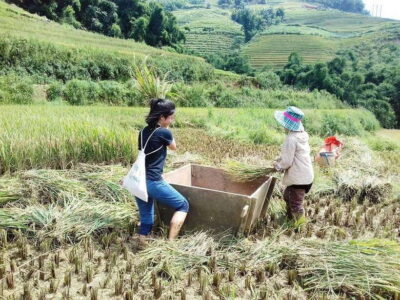
Sa Pa: Muong Hoa Valley Trek and Local Ethnic Villages
Read our review →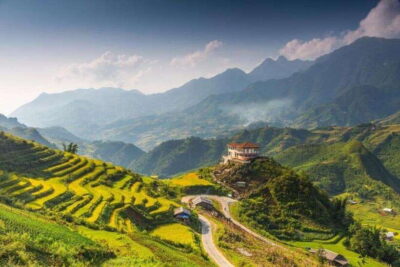
Eco Adventure Terrace Fields and Local Villages Trek
Read our review →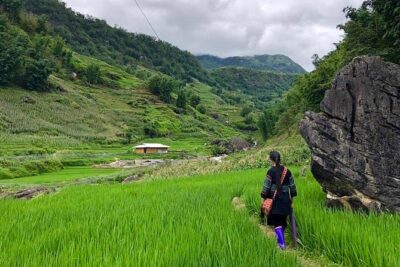
Number one top rated ethical cultural trekking and homestay by ETHOS
Read our review →
1-Day Guided Trek to Lao Chai & Ta Van with Lunch
Read our review →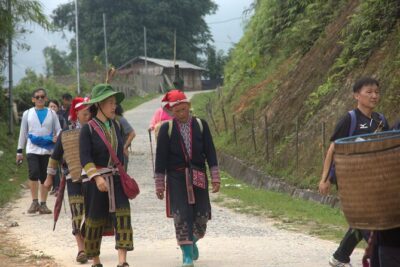
EXPLORE SAPA: 2D1N TREKKING & HMONG CULTURE WITH DINH
Read our review →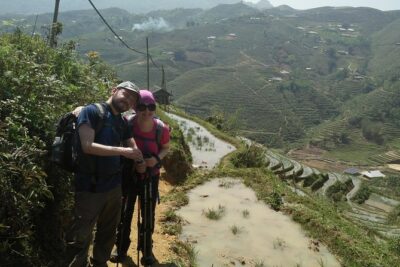

Browse the lists this tour appears in