
REVIEW · SAPA HIKING TOURS
Sa Pa: Muong Hoa Valley Trek and Local Ethnic Villages
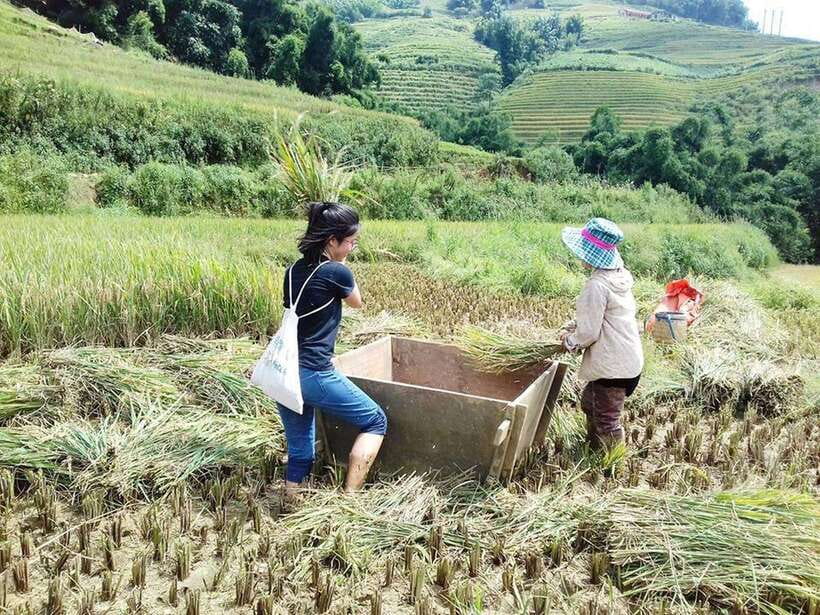
Rice terraces, village homes, and a bamboo forest make this Muong Hoa Valley trek a strong way to see Sa Pa beyond town. I like the small groups, usually limited to 11 people, and the chance to eat lunch at a local home rather than at a standard restaurant. The English-speaking guides, including Su, Khu, Chai, Sunny, and Nhu, are praised for sharing local customs and helping people over rough ground.
The main catch is the trail. Rain can turn it into a slippery, muddy test, especially around the rice fields and bamboo forest. You need proper hiking shoes, steady legs, and a willingness to get dirty. This is not a gentle countryside stroll.
What makes this trek worth six hours
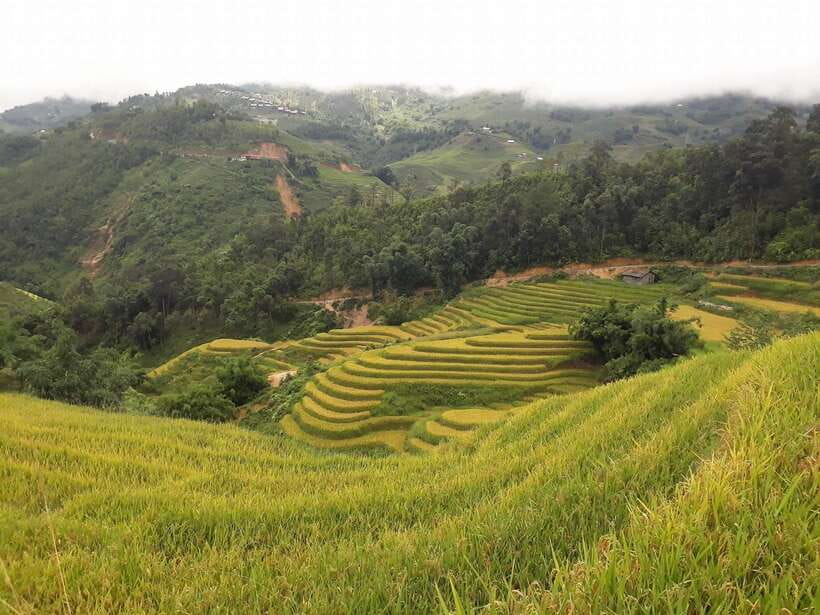
- A 10-kilometer route through three ethnic villages: Walk through Lao Chai, Ta Van Giay, and Giang Ta Chai, each tied to local Black Hmong or Red Dao communities.
- Rice terraces with changing views: Morning mist, working fields, water buffalo, river valleys, and mountain scenery give the walk its visual appeal.
- Lunch in a local home: A meal at a village house breaks up the trek and offers a more personal setting than a tourist dining room.
- Ancient rock carvings near the Muong Hoa River: Look for figures, stilt houses, and decorative patterns carved into the stones.
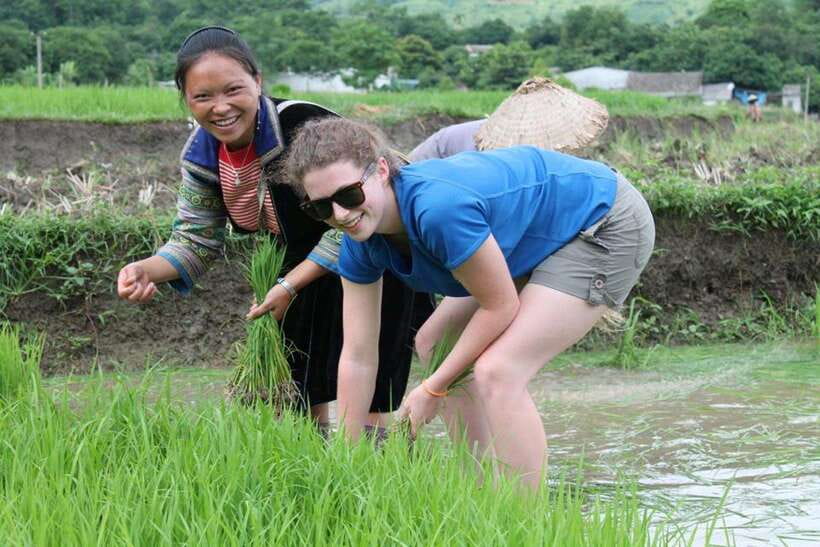
- Local help on difficult ground: Village women often assist hikers through mud and steep sections. Bring cash, since you may feel expected to buy one of their handmade items afterward.
- A good-value half-day outing: At $23 per person, the price covers the guide, entry fees, lunch, water, pickup in central Sa Pa, and return transport.
Starting in Sa Pa and entering Muong Hoa Valley
The day begins with pickup from a hotel in Sa Pa town or from the Vietnam Nomadtrails office. Pickup does not extend outside the Sa Pa area, so you need to arrange your own way into town if you are staying farther away.
The tour ends at about 3:30 PM, giving you an evening free in Sa Pa. That timing matters if you are using the trek as a day activity between longer trips, though the walk can leave you tired enough to want a quiet dinner and a hot shower afterward.
From the start, the route moves away from the town streets and toward the valley. You follow a smaller trail toward the Muong Hoa River, with rice terraces appearing through the morning mist. The atmosphere changes quickly: concrete and shops give way to fields, footpaths, water, and scattered village homes.
The views depend heavily on weather. On a clear day, you get broad views over the terraces and valley. Fog and low cloud can hide the farther mountains, but they can also give the fields a moody, close-up feel. Several people have enjoyed the walk even in mist, while wet days make the footing much harder.
More Rice Terrace Hikes in Sa Pa:
- Sa Pa: 6-Hours Muong Hoa Valley Trek with Local Ethnic guide
★ 4.5 · 178 reviews - 1-Day Sapa Long Trek – Rice Field Terrace, Ethnic Culture
★ 4.9 · 62 reviews - SaPa: 2-Day Villages,Rice Fields, Love Waterfall Hiking Tour
★ 5.0 · 9 reviews
Lao Chai and the Black Hmong villages
The first major village area is Lao Chai, home to members of the Black Hmong community. This is one of the best parts of the outing if you want to connect scenery with daily life.
You are not simply looking at rice terraces from a viewpoint. You walk beside fields and through settled areas, seeing how homes and paths fit into the valley. Guides explain local customs, clothing, traditions, and the way different communities live. A guide such as Sunny or Chai can add real value here, since the village setting makes more sense when someone explains what you are seeing.
The path is not consistently smooth. Some sections are paved or well formed, while others are narrow, rocky, steep, or muddy. After rain, ordinary trainers can lose their grip quickly. Several people needed a hand on descents and slippery slopes, and local women sometimes walk alongside the group to point out safer steps.
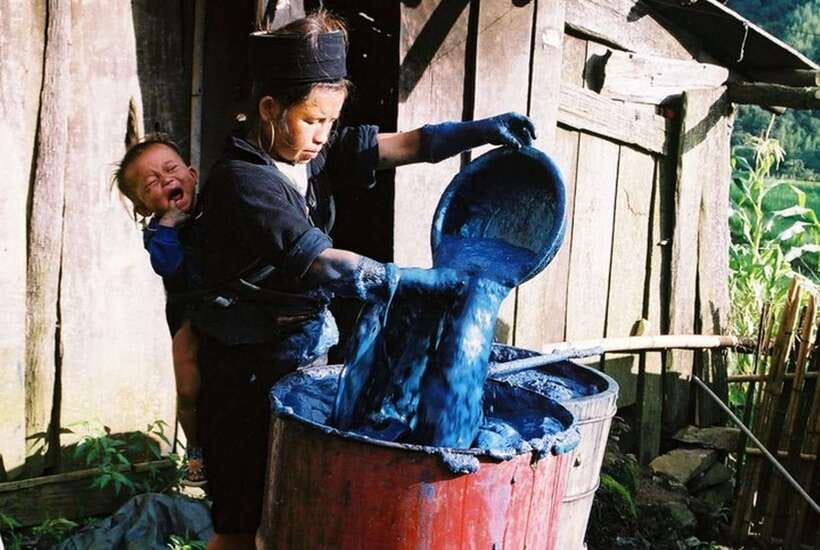
This help is practical, but it comes with a social and commercial expectation. The women often sell small goods, and you may feel encouraged to buy something as thanks. I suggest carrying some Vietnamese cash and deciding in advance what feels fair to you. A small purchase can be a friendly exchange, but you should not feel pressured into spending more than you want.
Ta Van Giay, the river, and ancient carvings
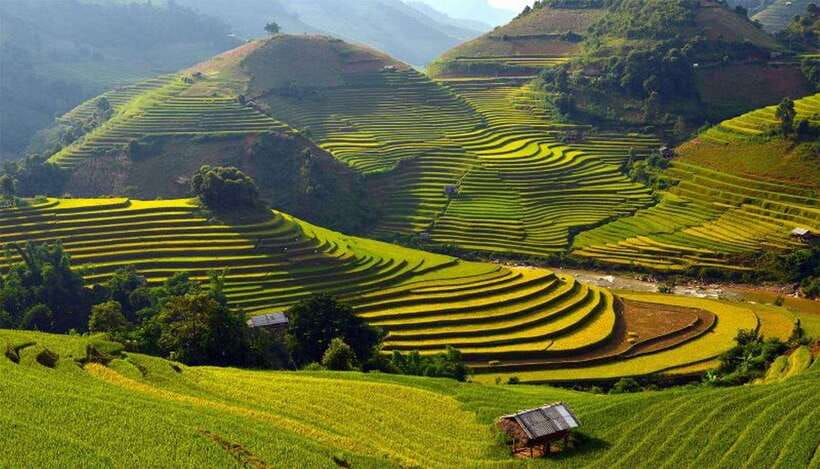
The route continues toward Ta Van Giay, following the Muong Hoa River. This stretch gives you a good mix of village paths, cultivated terraces, and water crossings.
About two kilometers from the settlement, you cross a small suspension bridge. It is a simple feature, but it adds variety to the walk and gives you a different view of the river corridor. If the weather is wet, take your time and follow the guide’s instructions rather than rushing across uneven ground.
One of the most unusual stops is the collection of ancient rock carvings. The markings include human figures, stilt houses, and decorative designs. They are not presented as a grand museum display. You encounter them along the route, which makes the stop feel tied to the valley rather than separated from it.
This is also where a good guide earns their fee. The carvings can be easy to pass without context, and the meaning of the shapes is not obvious at a glance. Guides such as Minh, Khu, and Thao Nu have been praised for explaining local culture and answering questions along the way.
Lunch at a village home
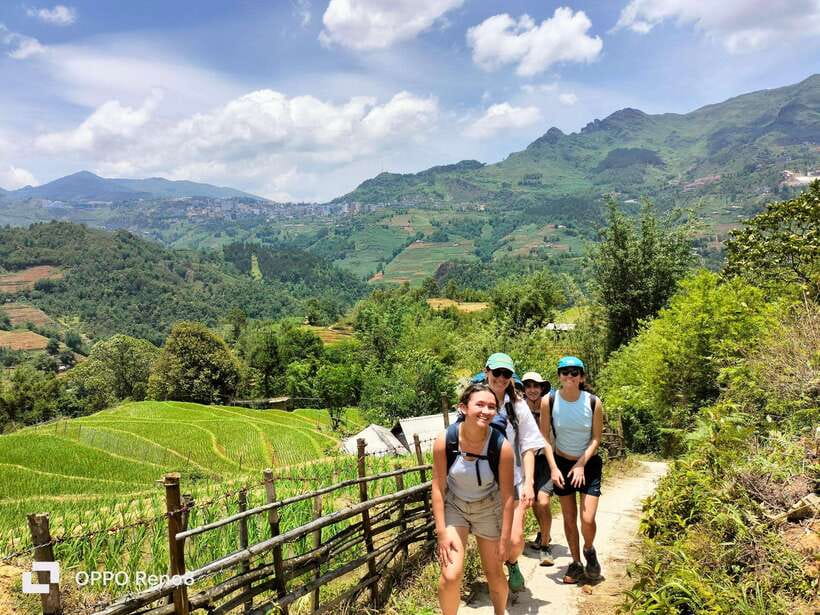
Lunch comes at a local house in one of the villages. This is a useful pause after several hours on foot, and it gives the day a personal center.
The exact menu can vary, but meals have included rice, vegetables, tofu, eggs, and vegetarian spring rolls. Vegan diets have also been accommodated, though you should mention dietary needs when booking. The food is served in a home setting, which feels more connected to the route than a meal at a roadside restaurant.
Do not treat lunch as a quick stop before racing onward. You have already spent hours walking by the time you sit down, and the break helps divide the trek into manageable sections. If you are worried about the distance, this pause makes the day feel less like one long push.
The setting is also part of the experience. You see village life close up, rather than only photographing terraces from a lookout. One guide, Chai, invited a group into her family home during Tet, showing how the meal can become a genuine local encounter.
A few more hikes around Sa Pa worth a look
- Sapa: Eco Adventure Terrace Fields and Local Villages Trek
★ 4.9 · 636 reviews - Number one top rated ethical cultural trekking and homestay by ETHOS
★ 5.0 · 456 reviews - From Sapa: 1-Day Guided Trek to Lao Chai & Ta Van with Lunch
★ 4.9 · 416 reviews - Sa Pa Full Day Trekking Tour
★ 5.0 · 414 reviews
Bamboo forest, Giang Ta Chai, and the waterfall
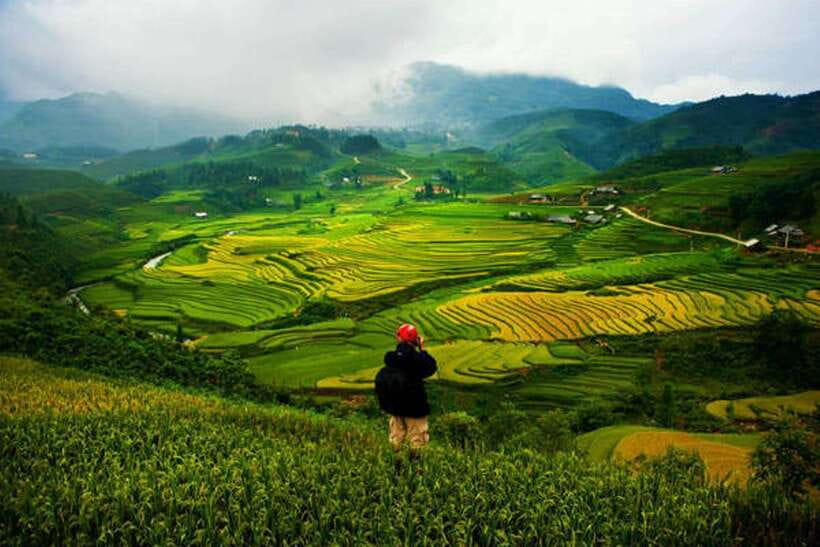
After lunch, the trail heads through a bamboo forest before reaching Giang Ta Chai, a Red Dao ethnic minority village. This section often receives the strongest warnings about slippery ground.
Bamboo shade, wet rocks, narrow paths, and uneven steps can make the route demanding. In dry weather, average walkers with decent shoes may find it manageable. After heavy rain, the same trail can become a careful, muddy scramble. Some people have slipped, fallen into bushes, or ended up soaked, while local helpers offered hands and guidance.
That contrast is important. The route can be fun and adventurous, but the difficulty is not just a marketing detail. You need enough stamina for roughly 10 kilometers, and your phone may record closer to 12.5 kilometers depending on the exact route and walking around the villages. The total can exceed 21,000 steps for some walkers.
Giang Ta Chai adds another cultural layer, since the tour takes you through both Black Hmong and Red Dao areas. You are not visiting a staged cultural show. You walk through places where people live and work, though the presence of sellers and organized walking groups means this is not untouched village life.
The final rest comes near a waterfall. It is a welcome place to stop, cool down, and catch your breath before the uphill climb to the main road. A vehicle waits there to take you back to Sa Pa, so you do not need to retrace the full route.
How hard is the Muong Hoa trek?
I would rate this as moderate on a dry day and challenging after rain. The distance alone is not extreme for a regular walker, but the surface changes constantly. You may deal with mud, steep slopes, wet rocks, narrow tracks, bamboo roots, river crossings, and rough paths.
Wear hiking shoes with a strong grip. Waterproof boots or sturdy wellies may be useful during the wet season, though the tour specifically asks you to bring trekking shoes. Do not wear new white sneakers unless you are happy to see them become brown. A cleaning point may be available at the end, but it is better to start with footwear you trust.
Bring sunglasses, sunscreen, insect repellent, and extra cash. Warm clothing is useful from October through March, when mist and damp air can make the valley feel cold. A small daypack is fine, but oversize luggage is not allowed.
The guides take safety seriously. Su has been praised for pointing out unstable rocks, and several guides have gathered local helpers for steep muddy sections. That support is helpful, but it does not turn the trek into an accessible outing. The activity is not suitable for people with mobility impairments or children under six.
The guides and group size
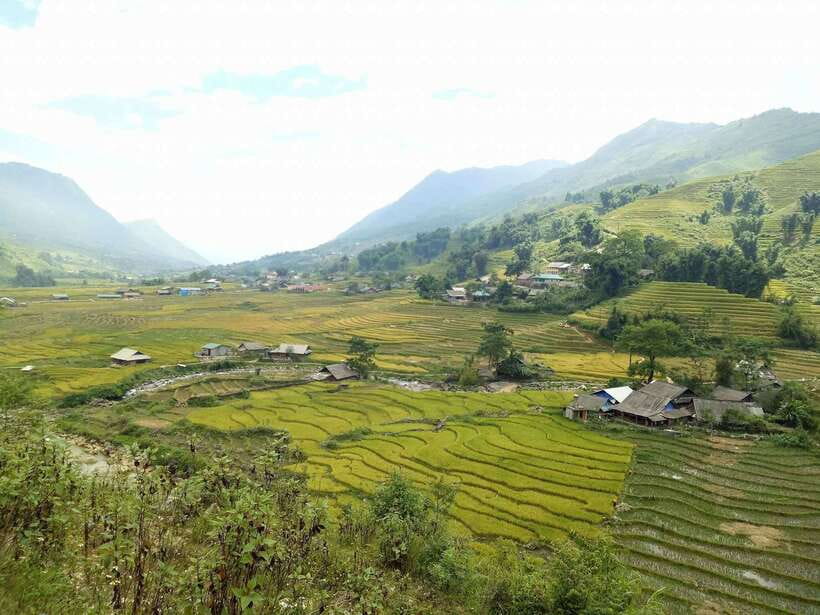
A small group can make a major difference on a trail like this. With no more than 11 participants, the guide can usually keep an eye on people during slippery sections and answer questions without shouting over a crowd.
The guides are one of the strongest parts of the experience. Su, Khu, Chai, Sunny, Nhu, Minh, and Thao Nu have all been praised for friendliness, clear English, local insight, and care with difficult sections. Their value is not limited to navigation. They explain village customs, identify what you are seeing, and connect the rice fields to local life.
Guide quality can vary from person to person, as it does on any group outing, but the repeated praise for individual guides is encouraging. If you want a quiet, private walk, this is not the format. If you want company, transport, and cultural explanation at a low price, the small-group setup works well.
The tour is offered in English. A French-speaking guide costs an additional $19 per person, payable when the booking is confirmed.
Is $23 good value?
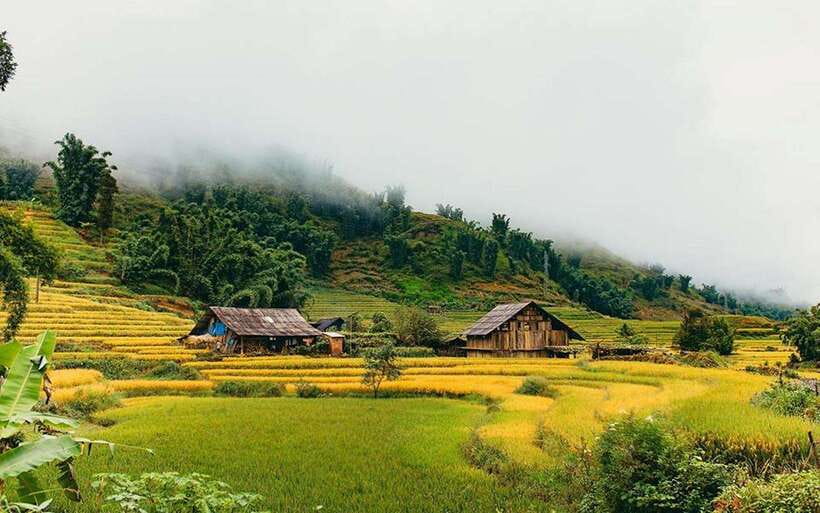
At $23, this is a strong value for a six-hour outing. The fee includes central Sa Pa pickup, return transport from the trail, an English-speaking guide, entry tickets, lunch, and a 500-milliliter bottle of mineral water.
You will pay extra for drinks, personal purchases, and soft drinks. You should also budget for any items you choose to buy from the women who help on the trail. That is not a formal part of the listed price, but it is a practical social detail worth knowing before you go.
The price is lower than arranging a private walk directly with a local village guide, according to one comparison from the experience. The tradeoff is that a packaged small-group tour can feel more organized and slightly more tourist-oriented. You gain transport and a set route, but you may have less control over the pace and exact path.
For someone with limited time in Sa Pa, I think the package offers a lot. You see several villages, rice terraces, a river, carvings, bamboo forest, waterfall, and a local meal without managing the logistics yourself.
Who should book it?
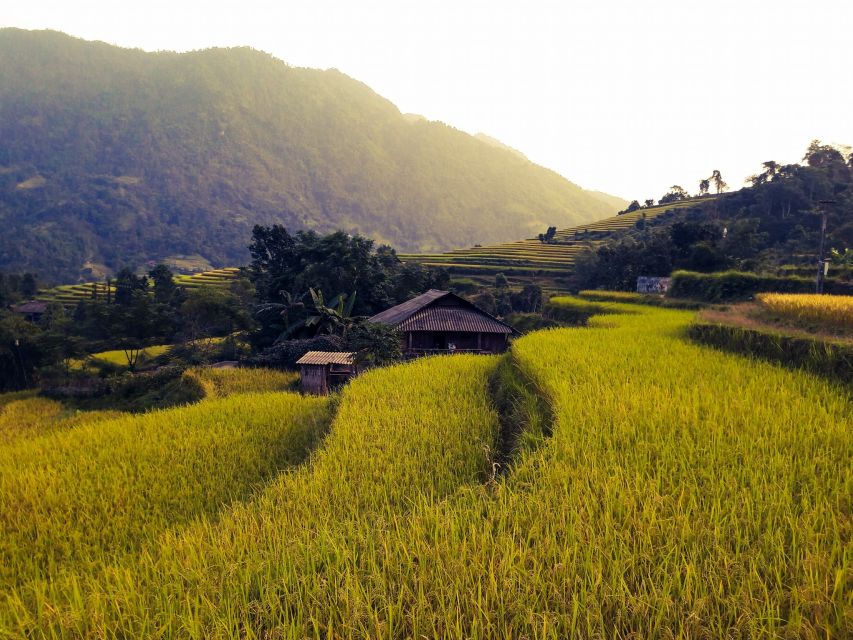
Book this if you want active scenery and a close look at village life in one day. It suits people who are comfortable walking for several hours and who see mud, uneven trails, and a little uncertainty as part of the fun.
It is especially useful if you have only a short stay in Sa Pa. The route brings together several elements that are otherwise difficult to arrange independently, and the return vehicle saves you from finding transport at the end.
Think twice if you dislike slippery ground, sales encounters, or changing weather. A dry forecast will improve the walking conditions, but no forecast can guarantee easy footing. Children under six and people with mobility impairments should choose another activity.
Cancellation is free up to 24 hours before departure, and you can reserve without paying immediately. That flexibility helps if the weather forecast is poor, but you should still pack for conditions that may change during the morning.
Should you book this Sa Pa trek?
I would book it for the combination of scenery, village contact, and low cost, provided I had proper shoes and reasonable fitness. The best parts are not only the famous terraces. They are the small river crossings, conversations with the guide, lunch in a home, and the patient local help when the mud turns the path into a balancing act.
Skip it if you want a polished walking path or a quiet sightseeing ride. Choose it if you want a full, sometimes messy day in the Muong Hoa Valley, with enough structure to make the route manageable and enough rough ground to keep it real.
FAQ
How long is the trek?
The planned trek is 10 kilometers and lasts about six hours overall. Some people record a longer distance, around 12.5 kilometers, depending on the route and walking within the villages.
What time does the tour finish?
The tour ends at approximately 3:30 PM.
Is hotel pickup included?
Pickup is included from hotels in Sa Pa town or from the Vietnam Nomadtrails office. Pickup is not available from outside the Sa Pa area.
What should I wear and bring?
Bring hiking or trekking shoes with good grip. Sunglasses, sunscreen, insect repellent, and suitable clothing are also recommended. Warm clothes are advised from October through March.
Is the trail difficult?
The trek can be challenging, especially after rain. Mud, steep sections, wet rocks, and uneven paths are common, so a suitable level of fitness is needed.
Is lunch included?
Yes. Lunch at a local home is included. Vegetarian food has included rice, vegetables, tofu, eggs, and spring rolls, and vegan diets can be accommodated.
Can children join the trek?
Children under six are not permitted. The activity is also unsuitable for people with mobility impairments.
What language is the tour offered in?
The standard tour has a live English-speaking guide. A French-speaking guide is available for an additional $19 per person.
Just added around Sa Pa
- Hanoi: Sapa Trekking 2 Days 1 Night – Sleeper Bus from Hanoi★ 4.6 · 18 reviews
- From Hanoi: 2-Days Sapa Trekking Tour Lao Chai and Cat Cat★ 4.3 · 7 reviews
- Easy Trek in Sapa mountain : Y Linh Ho – Lao Chai – Ta Van★ 4.8 · 16 reviews
- Discover Sapa: 2D1N Trekking Adventure & Cozy LaLa Homestay★ 4.9 · 17 reviews
- SaPa: 2-Day Villages,Rice Fields, Love Waterfall Hiking Tour★ 5.0 · 9 reviews
- AUTHENIC 2D1N Trek & Bungalow Retreat with Dinh Hmong Family★ 5.0 · 19 reviews
- From Hanoi: Sapa 3-Day Medium Trek and Limousine Trip★ 4.5 · 59 reviews
- 2 Night Lao Chai-Ta Van Homestay- Trekking & Fansipan Visit★ 4.0 · 8 reviews
Sapa Hiking Tours, compared.
Eco Adventure Terrace Fields and Local Villages Trek
Read our review →
Number one top rated ethical cultural trekking and homestay by ETHOS
Read our review →
1-Day Guided Trek to Lao Chai & Ta Van with Lunch
Read our review →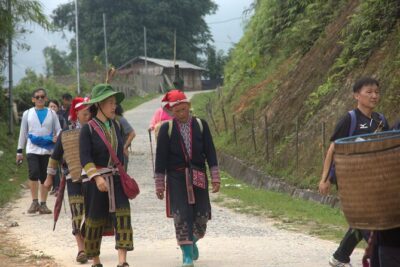
Sapa 1 Day Long Trek: Trek to Hau Thao and Sa Seng Villages
Read our review →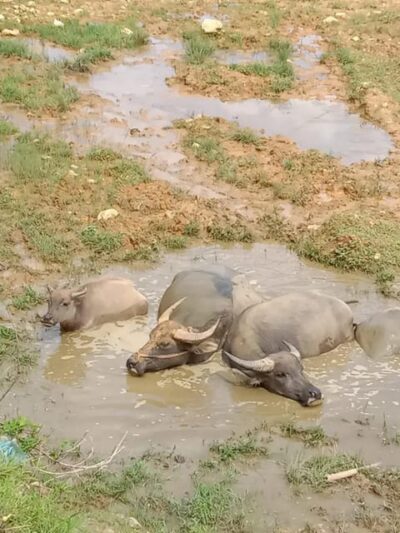
EXPLORE SAPA: 2D1N TREKKING & HMONG CULTURE WITH DINH
Read our review →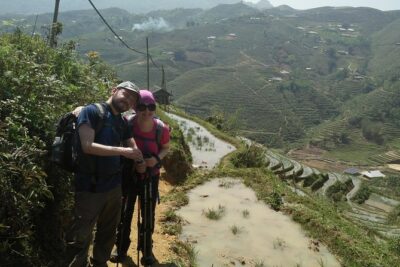

Browse the lists this tour appears in