
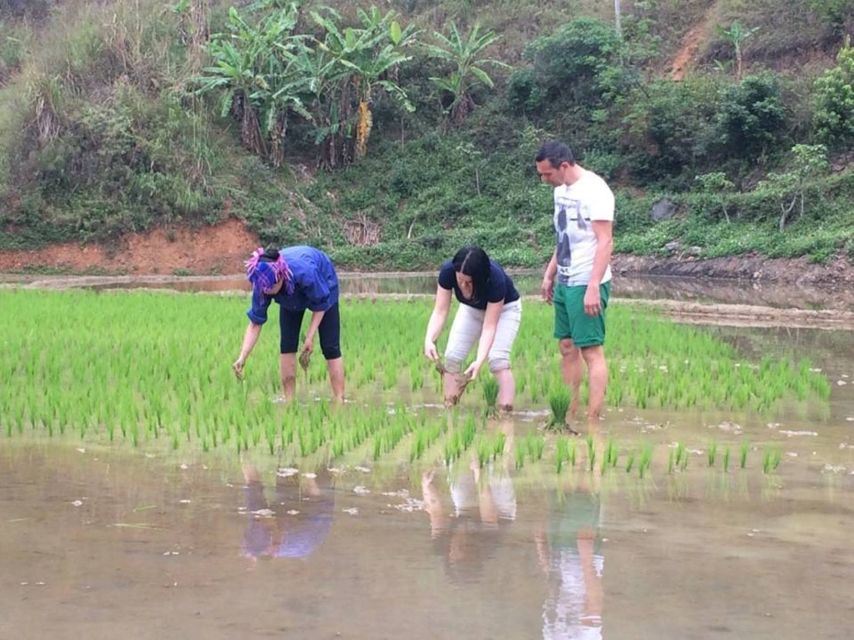
REVIEW · SAPA HIKING TOURS
Sa Pa: 6-Hours Muong Hoa Valley Trek with Local Ethnic guide
Rice terraces reward sturdy shoes. This 10-kilometer trek links Y Linh Ho, Lao Chai, and Ta Van, giving you mountain views, village life, and a close look at Black Hmong and Dzay traditions. I like the small group size, limited to 11 people, and the chance to walk with a local English-speaking guide rather than simply view the valley from a bus.
I also like the price: at $18 per person, transportation, entrance fees, a guide, and a bottle of water are included. The catch is the trail itself. Mud, steep slopes, heat, and slippery paths can turn a pleasant walk into hard work, especially after rain. Local women may help you across difficult sections, then offer handmade goods for sale, which some people find uncomfortable.
Key points to know before you go
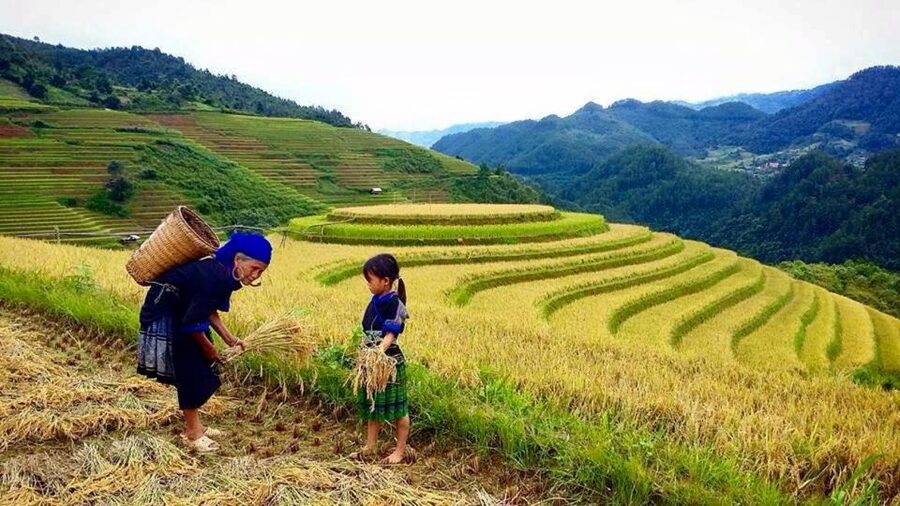
- The route is a 10-kilometer one-way walk: You finish in Ta Van and return to Sa Pa by bus, not on foot.
- The best views come near Lao Chai: This village opens onto broad terraces and mountain scenery.
- Local help is part of the experience: Hmong women sometimes assist on muddy or steep sections, but sales pressure can follow.
- Lunch costs extra: You eat at a local restaurant, with the meal paid separately.
- Weather changes the difficulty: Dry paths can feel moderate, while wet paths become slick and demanding.
- Sang is a guide name worth noting: Several guests praised guides named Sang for clear English, humor, and care.
From Sa Pa to Y Linh Ho in 20 minutes
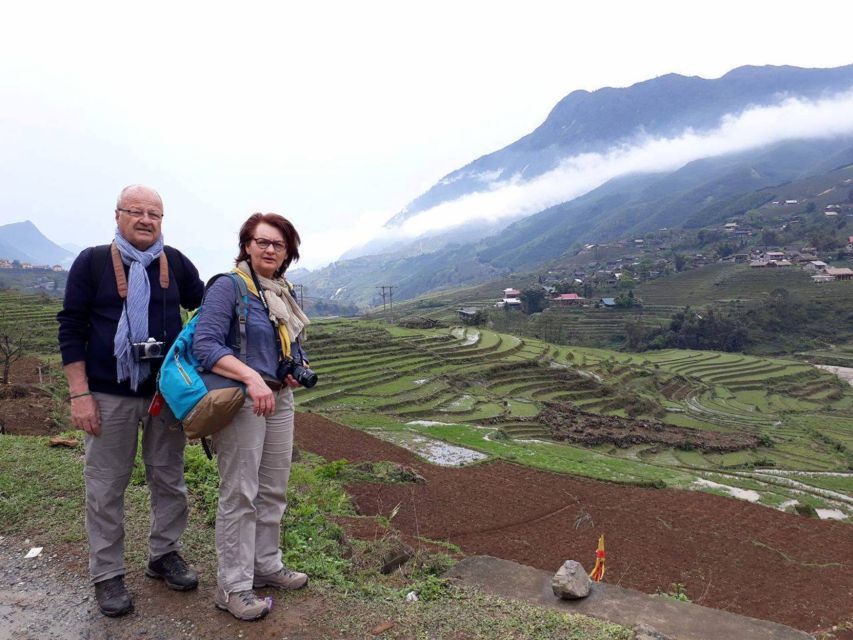
The day begins in Sa Pa, with hotel pickup available from hotels in town. If your hotel is outside the pickup area, you may need to go to the operator’s office or another meeting point, so provide your hotel name and address when booking.
The first section is a roughly 20-minute walk along a scenic road toward Y Linh Ho village. This is the gentle opening before the route becomes more uneven. Y Linh Ho is associated with the Black Hmong, and the stop gives you a first look at village life rather than a quick photo stop from a roadside viewpoint.
Your guide helps explain what you are seeing and how local families live. The experience is strongest when you treat the village as a community, not a stage set. Ask before photographing children, and never touch a child’s head. Those small gestures matter here.
The tour is conducted in English, and the quality can vary by guide. Several guides, including Sang and Sai, received especially warm praise for clear explanations and friendly personalities. Other comments describe English that was understandable but not perfectly grammatical. You should expect useful conversation and cultural background, not a university lecture.
More Rice Terrace Hikes in Sa Pa:
- Sa Pa: Muong Hoa Valley Trek and Local Ethnic Villages
★ 4.6 · 864 reviews - 1-Day Sapa Long Trek – Rice Field Terrace, Ethnic Culture
★ 4.9 · 62 reviews - SaPa: 2-Day Villages,Rice Fields, Love Waterfall Hiking Tour
★ 5.0 · 9 reviews
Lao Chai and the valley’s great terrace views
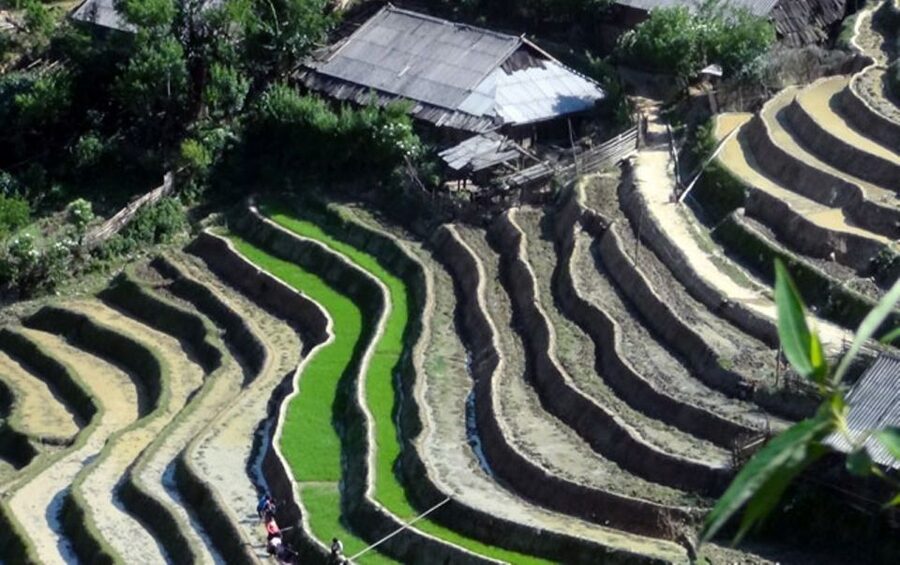
From Y Linh Ho, the route continues toward Lao Chai. This is the visual centerpiece of the trek. Rice terraces fold across the slopes, and you get a better sense of how much work goes into farming in a steep mountain valley.
The exact appearance changes with the season. Rice fields may be green, freshly planted, golden near harvest, or partly bare between growing cycles. Winter can bring thick fog, especially in the morning. That may hide the grand views, but it also gives the walk a quieter, more mysterious feel. From October to March, bring warm clothes.
The route is not a paved sightseeing path. You may walk on dirt, concrete, stone, uneven village roads, and narrow tracks beside or through the terraces. In wet weather, mud is a serious issue. Several people needed help descending slippery paths through the forest, and local women were often quick to steady visitors before a fall.
I would not treat their help as part of a formal safety service. It is local assistance, offered informally, and you should still watch every step. Good footwear is the difference between a rewarding walk and six hours of regretting your shoe choice.
Hmong crafts in Lao Chai
Lao Chai also provides a chance to learn about Black Hmong crafts. The planned activities include indigo dyeing, batik making, and hemp weaving. These are not random souvenirs pulled from a shop shelf. They connect clothing and household goods to local materials, skills, and identity.
Indigo dyeing is particularly useful for understanding Hmong dress. The dark blue color comes from repeated dyeing, and batik adds patterns to the cloth. Hemp weaving shows another side of local production, from plant fiber to finished fabric.
The time given to these activities may depend on the pace of the group and the condition of the trail. Think of them as cultural stops along a walking route, not long craft workshops where you make a complete item yourself.
You may be offered handmade products during the day or near lunch. Buying something can be a direct way to support local makers, but you should feel free to say no. Some visitors liked purchasing items after receiving help on the trail, while others disliked being pressed to buy. A polite but firm answer is usually best.
Lunch at your own cost
Lunch takes place at a local restaurant, with food and soft drinks excluded from the tour price. The meal is one of the day’s convenient pauses, particularly if you have been walking in heat or mud.
The feedback on food is mixed. Some meals were described as tasty, plentiful, and varied, while one person found the lunch bland. That is normal for a group meal where the menu may be set for convenience. Bring a little extra money, and do not assume lunch is included simply because it is part of the schedule.
The restaurant stop can also be the most awkward part of the day. Local women and children may approach you with handmade goods while you eat. One sensible approach is to decide in advance how much, if anything, you want to spend. That lets you enjoy the meal without feeling trapped into buying.
If you do purchase something, inspect the item, agree on the price, and buy because you want it. You are not required to pay for assistance with a purchase, even though many people choose to show appreciation this way.
More Guided Tours around Sa Pa:
- From Sapa: 1-Day Guided Trek to Lao Chai & Ta Van with Lunch
★ 4.9 · 416 reviews - Sapa Trekking Private Tour With Ethnic Female Tour Guide
★ 4.9 · 24 reviews - From Marrakech: Ouzoud Waterfalls Guided Hike and Boat Trip
★ 4.7 · 33,630 reviews - Bali: Sunrise Mount Batur Guided Hike with Breakfast
★ 4.8 · 9,660 reviews
The walk to Ta Van through forest and farms
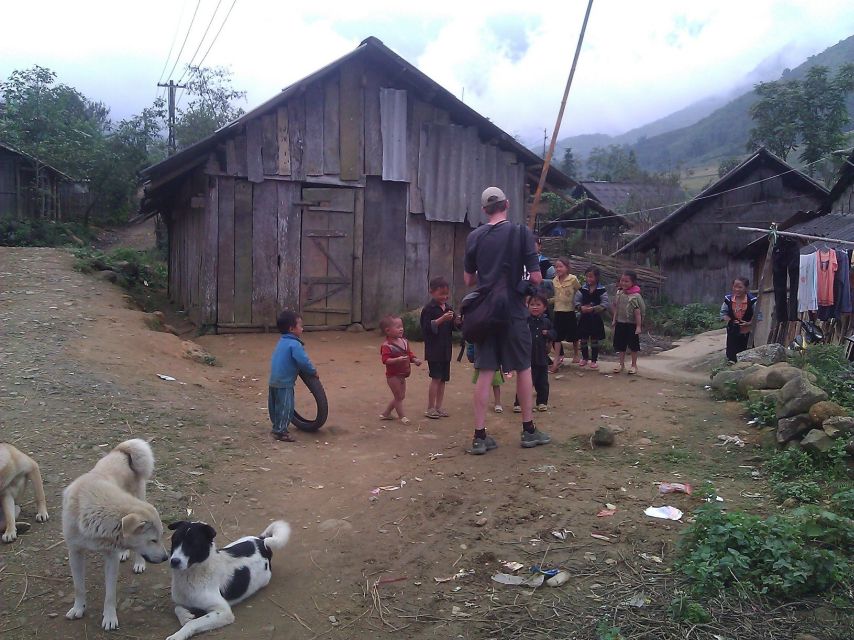
After lunch, the trail continues to Ta Van. This section brings more forest, bamboo, farmland, and traditional homes. You may cross small bridges and walk along paths that become very slippery in rain.
Ta Van is linked with the Dzay people, giving the day a useful cultural contrast. You can notice differences in clothing, customs, village layout, and daily work between the Hmong and Dzay communities. The tour also discusses rice cultivation and traditional weaving, tying the visible terraces to the labor and skills behind them.
The route is mostly downhill or uneven in parts, according to the practical experience of past participants. That can sound easier than it is. Descending steep ground places stress on knees and requires steady balance, especially when the surface is wet.
I would rate the trek as moderate in dry conditions and challenging in wet conditions. You do not need to be an athlete, but you should be comfortable walking for several hours over rough ground. If you have limited mobility, are pregnant, use a wheelchair, or are bringing a child under six, this is not a suitable choice.
Senior citizens are specifically advised not to take the trek because of its length and the danger of wet paths. Families with older children may manage it, but the parent should be honest about the child’s stamina and balance.
Returning to Sa Pa by bus
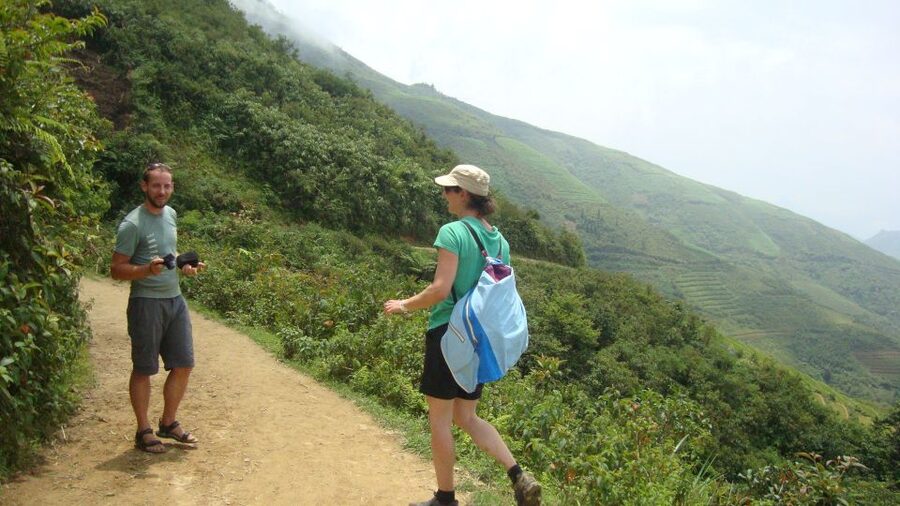
This is not a loop. Once you reach Ta Van, a bus takes you back to Sa Pa and drops you near the local office in the town center. That final ride is welcome after a full day on your feet.
The return by vehicle also makes the route more efficient. You see several villages without having to retrace the same trail. If you are in Sa Pa for only a short time, this is one reason the tour works well: it gives you a substantial valley walk without requiring an overnight stay.
Transport is included, but pickup needs attention. Hotel pickup is available only from Sa Pa town hotels, and the operator needs your exact accommodation details. One transport problem reported on a past departure involved a missed minivan pickup and a rushed transfer by motorbike. That appears to have been an isolated mishap, but it is a useful reminder to confirm the meeting point and pickup time.
What the $18 price really covers
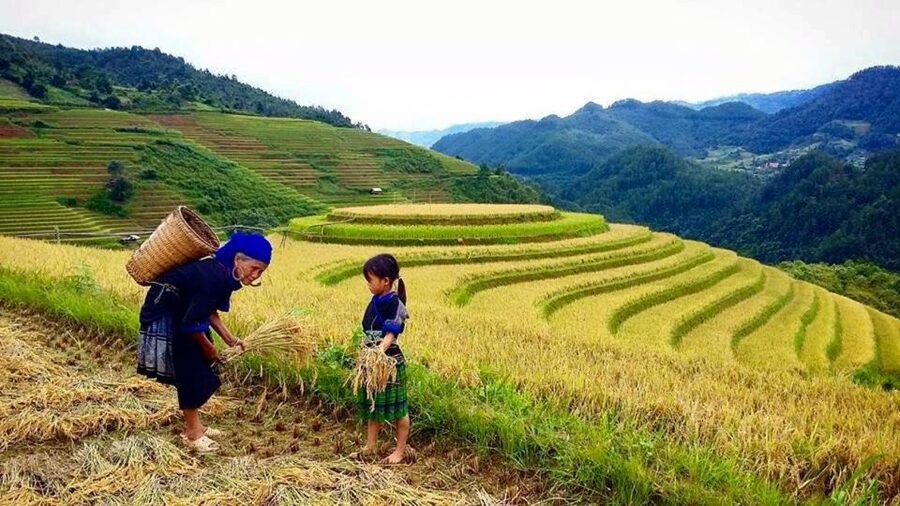
At $18, this is a strong-value outing if you want scenery and local contact in one day. The fee includes a guide, bus transport, entrance tickets, and 500 milliliters of water. You are paying very little for six hours of organized access to the valley.
The low price does not mean every comfort is covered. Lunch, soft drinks, insurance, VAT, and personal expenses are extra. You should also budget for possible purchases, though these should remain your choice.
There is a $20 surcharge for a French-speaking guide. A Lunar New Year surcharge is also listed, but the supplied booking information gives different dates and amounts for different years. Confirm the current holiday surcharge before you pay, particularly if your visit falls around Tet.
Free cancellation is available up to 24 hours before departure, and you can reserve now and pay later. Those terms help if your Sa Pa plans depend on weather, train delays, or a changing itinerary.
How to prepare for mud, heat, and fog
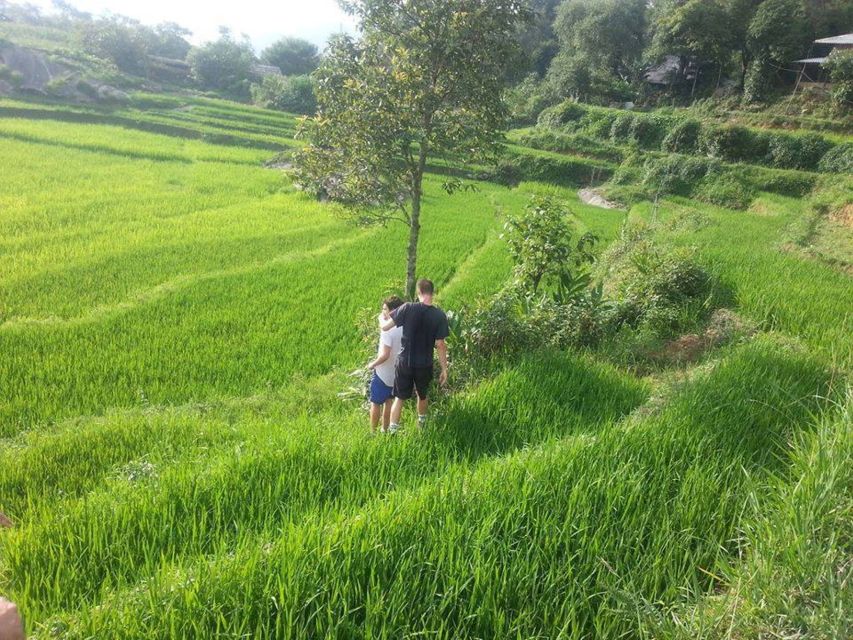
Your footwear matters most. Wear trekking shoes with a firm grip, not smooth sneakers or sandals. If the forecast is wet, expect mud on your shoes and trousers. One practical visitor carried an extra pair of shoes because the first pair became heavily coated in mud.
Pack sunglasses, sunscreen, and insect repellent. Bring warm clothing from October through March, when Sa Pa can feel cold and foggy. A light waterproof layer is sensible, although the listed requirements do not specify one.
Carry some Vietnamese currency for lunch, drinks, and personal purchases. The tour includes one small bottle of water, but the description does not promise additional drinking water. If you normally drink a lot while walking, bring extra water.
Keep your hands free where possible. You may need both hands for balance on a steep or muddy section. A small daypack is more useful than a large bag.
Who will enjoy this trek most?
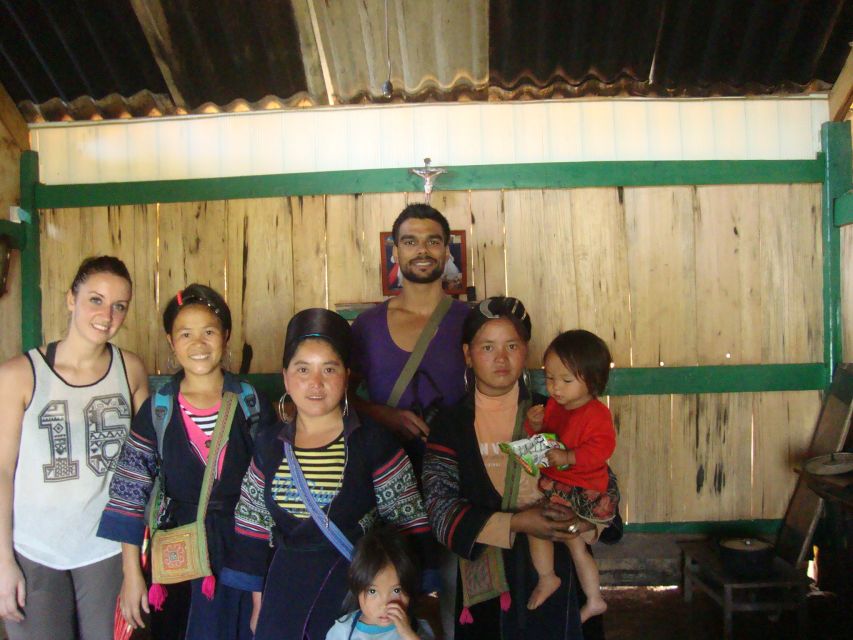
I would choose this experience if you want an active introduction to the Muong Hoa Valley and have limited time in Sa Pa. It suits people who prefer walking through villages and fields rather than viewing the valley only from a lookout.
It is also a good match if you want direct contact with local guides and an introduction to Hmong and Dzay life. The cultural value comes from moving through working villages, seeing crafts, and learning about rice cultivation in the places where those traditions continue.
I would not choose it for a relaxed sightseeing day. The trail can be steep, slick, and tiring. You may get help from local women, but that does not remove the physical challenge.
The small group limit of 11 is another plus. It is easier to hear the guide, keep a steady pace, and ask questions than it would be in a large coach group. Still, the walk is shared, so your pace may be affected by other people on the trail.
Should you book the Muong Hoa Valley trek?
Book it if you have reasonable fitness, proper shoes, and an interest in village life. The price is hard to beat, and the combination of terraces, forest paths, Hmong crafts, Dzay culture, local food, and a bus return gives you a lot in six hours.
Skip it if you need level paths, dislike mud, or want a quiet lunch without sales approaches. Check the weather before departure, confirm your pickup details, and bring money for lunch. For the right visitor, this is an active, affordable way to see why the Muong Hoa Valley is more than a pretty view from Sa Pa.
FAQ
How long is the Muong Hoa Valley trek?
The activity lasts about six hours and covers approximately 10 kilometers.
Where does the trek start?
It starts from Sa Pa, with pickup available from hotels in Sa Pa town. Some accommodations may require you to meet the group at a designated meeting point or the local office.
Which villages does the route visit?
The route includes Y Linh Ho, Lao Chai, and Ta Van.
Which ethnic communities are part of the experience?
You learn about the Black Hmong community in Y Linh Ho and Lao Chai, along with the Dzay community in Ta Van.
Is lunch included in the price?
No. Lunch at a local restaurant is available during the trek, but food and soft drinks are paid for separately.
Is transportation included?
Yes. Bus transportation is included, including the return from Ta Van to Sa Pa.
What should I bring?
Bring trekking shoes, sunglasses, sunscreen, insect repellent, and warm clothes between October and March. Extra money for lunch and personal expenses is also useful.
Is the trek suitable for children and older people?
The trek is not suitable for children under six. Senior citizens are advised not to take it because the 10-kilometer route can be dangerous in wet conditions.
Can I cancel or pay later?
You can cancel up to 24 hours before the activity for a full refund. Reserve now and pay later is also available.
Just added around Sa Pa
- Hanoi: Sapa Trekking 2 Days 1 Night – Sleeper Bus from Hanoi★ 4.6 · 18 reviews
- From Hanoi: 2-Days Sapa Trekking Tour Lao Chai and Cat Cat★ 4.3 · 7 reviews
- Easy Trek in Sapa mountain : Y Linh Ho – Lao Chai – Ta Van★ 4.8 · 16 reviews
- Discover Sapa: 2D1N Trekking Adventure & Cozy LaLa Homestay★ 4.9 · 17 reviews
- SaPa: 2-Day Villages,Rice Fields, Love Waterfall Hiking Tour★ 5.0 · 9 reviews
- AUTHENIC 2D1N Trek & Bungalow Retreat with Dinh Hmong Family★ 5.0 · 19 reviews
- From Hanoi: Sapa 3-Day Medium Trek and Limousine Trip★ 4.5 · 59 reviews
- 2 Night Lao Chai-Ta Van Homestay- Trekking & Fansipan Visit★ 4.0 · 8 reviews
Sapa Hiking Tours, compared.
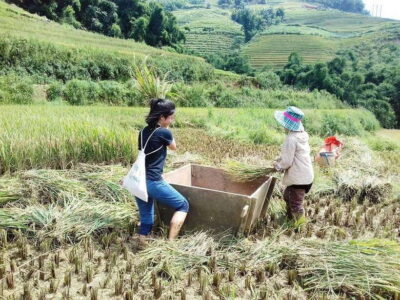
Sa Pa: Muong Hoa Valley Trek and Local Ethnic Villages
Read our review →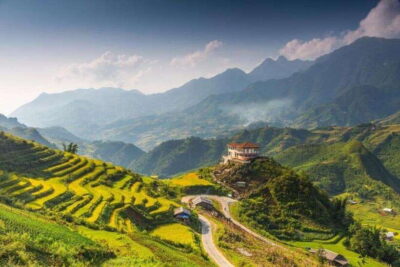
Eco Adventure Terrace Fields and Local Villages Trek
Read our review →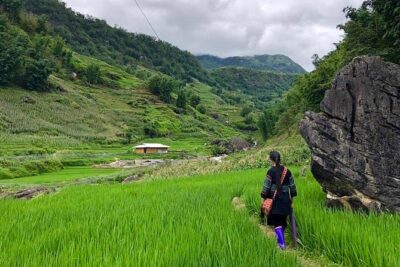
Number one top rated ethical cultural trekking and homestay by ETHOS
Read our review →
1-Day Guided Trek to Lao Chai & Ta Van with Lunch
Read our review →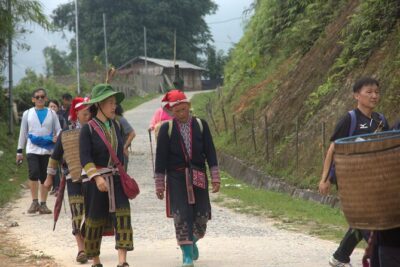
Sapa 1 Day Long Trek: Trek to Hau Thao and Sa Seng Villages
Read our review →
EXPLORE SAPA: 2D1N TREKKING & HMONG CULTURE WITH DINH
Read our review →
Browse the lists this tour appears in