
REVIEW · POKHARA HIKING TOURS
Pokhara: 4-Day Mardi Himal Trek
Mountain mornings reward the early riser. This four-day Mardi Himal trek gives you rhododendron forests, village paths, and terraced fields, then opens onto grand views of Machhapuchhre, Annapurna South, and Mardi Himal. I especially like the private-group format and the way local guides such as Kaji, Ramit, Prabit, and Lalit adjust the pace to suit the people walking.
I also like the strong practical support: Pokhara pickup, permits, trekking gear, tea-house stays, and a guide are covered. The main catch is the pace. Reaching the high viewpoint in four days means long days, many stone steps, and a fast gain in altitude. I would not treat this as an effortless beginner walk.
The four details I would remember before booking
- Sunrise at about 4,200 to 4,300 meters: The early climb rewards you with views of Fishtail, Annapurna, and Mardi Himal.
- A private group with a personal guide: Guides have helped with pacing, food choices, altitude checks, and local introductions.
- A sharp climb from forest to high camp: The route changes quickly from warm woodland to exposed high mountain paths.
- Base Camp is optional: The final push to about 4,500 meters depends on weather, snow, and your condition.
- Meals depend on the package: The Full Package includes breakfast, lunch, and dinner, while the Standard Package does not.
- The $139 price needs careful checking: It offers useful inclusions, but you should budget for food, drinks, and possibly a porter.
From Pokhara to Kande, where the walking begins
Your morning starts with pickup in Pokhara, with listed pickup points around Baidam, Lakeside, Pame, and Lakeside Road. The drive to Kande takes about 1.5 hours. It is not just a transfer to forget: you pass fields, forest, the Seti River, and mountain views before the trail begins.
The first walking day is about five hours from Kande to Forest Camp. The path leads through woodland and hillside scenery, with a tea-house stop around midday. This is a good introduction to Nepal trekking because the route feels rural from the start, rather than like a long road walk.
You will pass through forests where birds and butterflies may appear, and the route can feel cool and shaded. In wetter months, forest sections may also bring leeches and mosquitoes. I would carry insect protection and keep socks pulled up if you are walking during the monsoon period.
Forest Camp is the first overnight stop, listed at about 2,600 meters. Accommodation is in a tea house or similar standard lodging. Conditions are basic, and facilities become more limited as you climb. A sleeping bag is worth using, especially if you care about warmth and bedding hygiene.
More Annapurna Treks in Pokhara:
- Trekking in Annapurna/Langtang/Everest/Upper Mustang regions
★ 5.0 · 161 reviews - Pokhara: Annapurna Foothills Day Hike with Transfers
★ 5.0 · 100 reviews - Kathmandu/Pokhara: 5-Day Annapurna Base Camp (ABC) Trek
★ 4.9 · 72 reviews
Forest Camp to High Camp, the hard middle day
Day two is the serious climbing day. You spend roughly five hours gaining height from Forest Camp toward Mardi Himal High Camp. The supplied details give different figures for High Camp, around 3,550 to 4,000 meters, so I would confirm the exact overnight location before departure.
The trail passes through dense forest before reaching more open ground. You may see birds, butterflies, and, with luck, Himalayan thar. The higher you go, the more the views widen. Machhapuchhre becomes a strong focal point, with Annapurna peaks appearing behind it when the sky is clear.
This day demands more than the word moderate might suggest. You are climbing a lot of steps, and the altitude gain is quick. One four-day schedule can feel much harder than a five or six-day version because there is less time for your body to adjust.
Your guide should watch your pace, breathing, and general condition. That personal attention has been one of the best parts of this operation. Guides including Lalit and Santosh have helped people dealing with altitude symptoms, while Ramit and Prabit are praised for checking comfort regularly and changing the pace when needed.
High Camp is a memorable place to spend the night, but do not expect city comforts. One stay mentioned by name is Namaste Hotel in High Camp. Facilities can include limited hot water, weak or absent phone service, and basic toilets. Carry a flashlight, toilet paper, and enough warm clothing.
The 4 a.m. climb to Mardi Himal Viewpoint
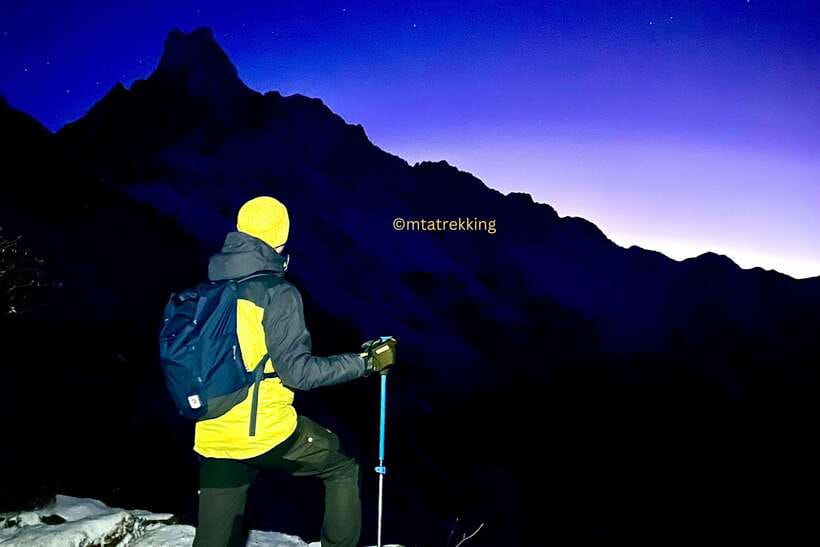
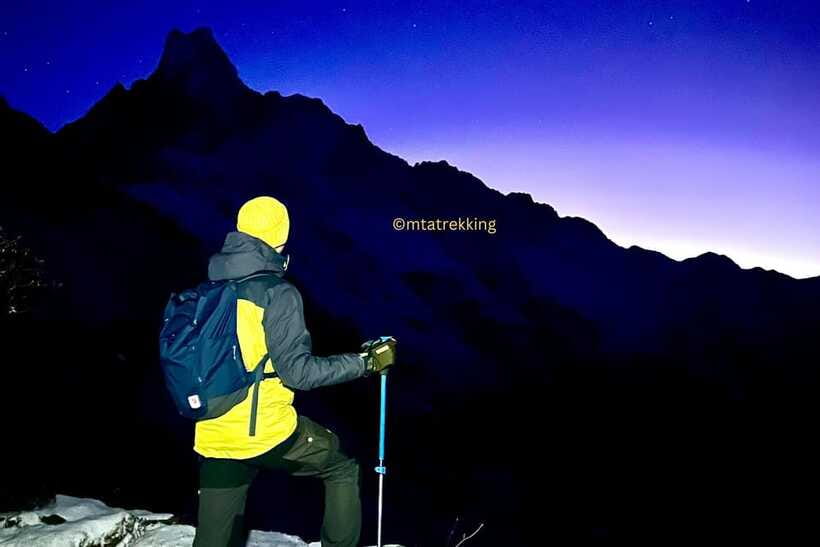
The third morning starts around 4 a.m. You hike for about 1.5 to 2 hours toward the sunrise viewpoint. Other schedule details describe about three hours for the viewpoint section, likely allowing for the climb, waiting, and return. Start in the dark with a flashlight and several warm layers.
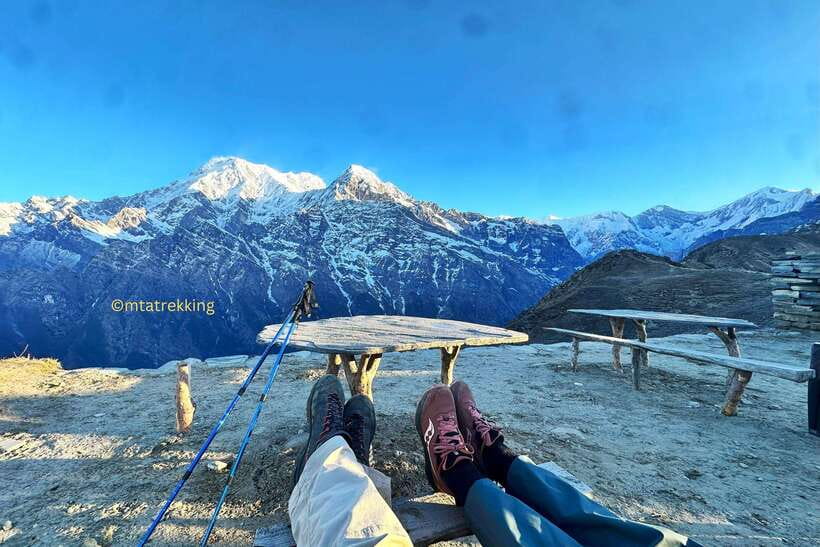
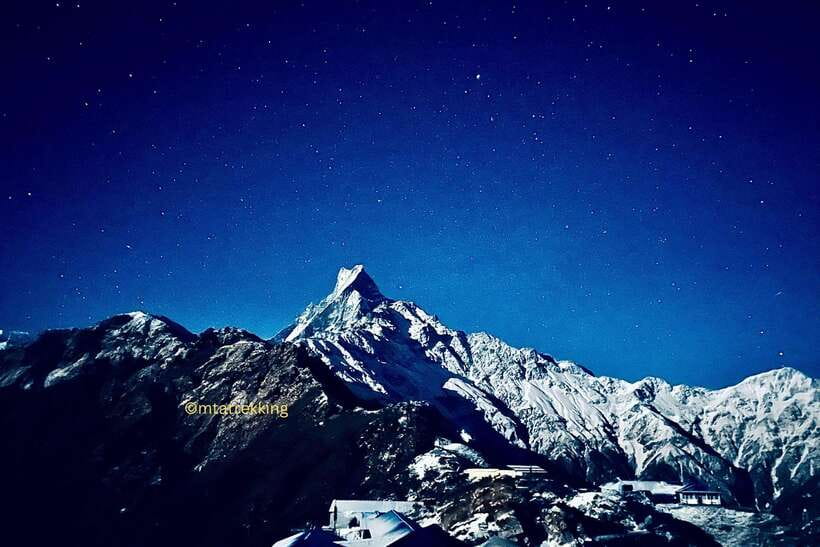
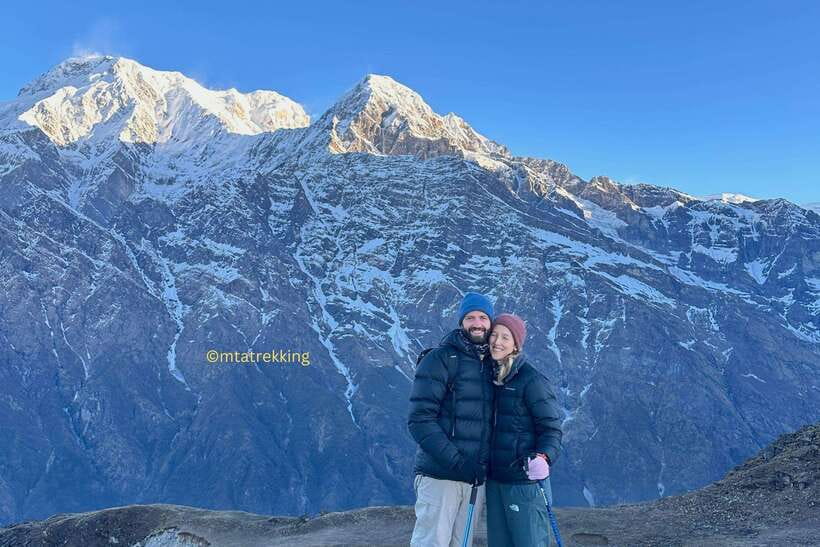
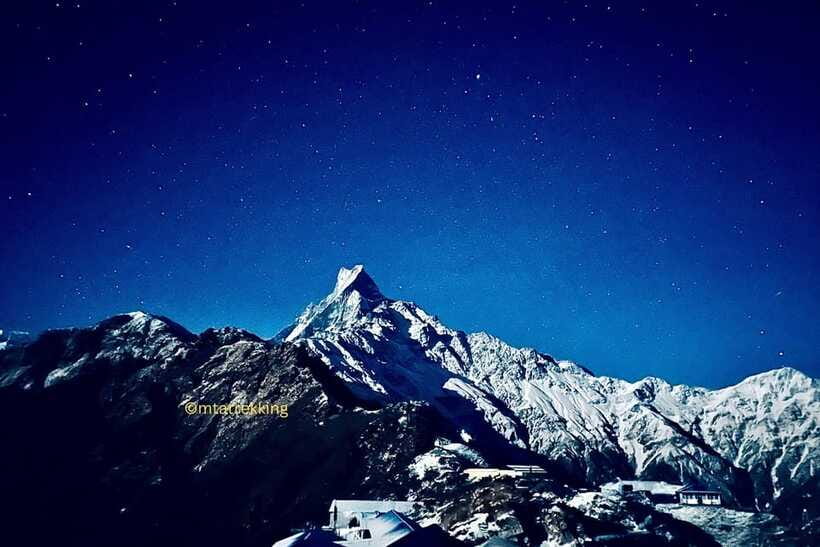
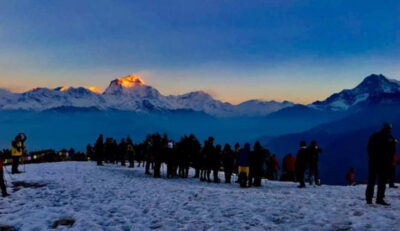
The viewpoint is variously listed at about 4,200 or 4,300 meters. From there, the reward is a broad Himalayan view: Machhapuchhre, the Annapurna range, Mardi Himal, and the high ridges around them. Sunrise is the emotional high point of the trip, and this is where the early start earns its keep.
The route can be snowy in January and February. Snow may make the path beyond the viewpoint difficult, and crampons may be needed in winter conditions. In bad weather, your guide may stop the walk before Base Camp. That is a sensible decision, not a failure. At this altitude, a safe viewpoint is better than a risky final kilometer.
If conditions are good and you feel strong, you may continue toward Mardi Himal Base Camp at about 4,500 meters. This section is optional and should depend on weather, snow, and your health. The Base Camp extension is a special bonus, but you should not book this trip assuming it is guaranteed.
After the mountain section, you descend to Forest Camp for the night. The return is still scenic, with Machhapuchhre and Annapurna visible when clouds stay away. It is also a long day, so the morning cold, thin air, and descent can leave your legs tired.
The return through Low Camp and Kalimati
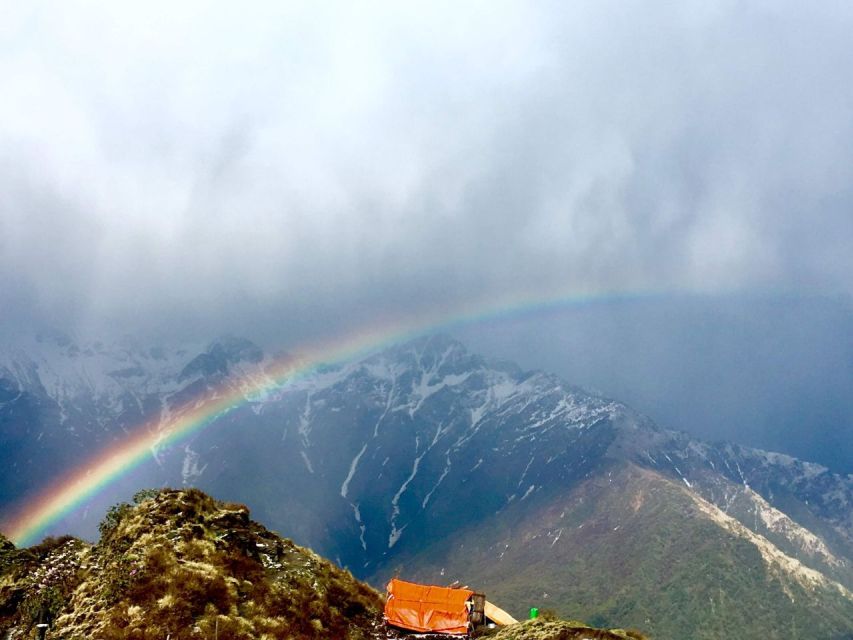
The final day takes you down through Low Camp toward Kalimati. The route includes forest paths, small bridges, gentle waterfalls, birdsong, and changing views of Fishtail. The lower trail feels softer and more sheltered than the high ridge, though the descent can still be hard on knees.
The schedule includes Low Camp and then Kalimati, with the lower section taking about three hours. A jeep or SUV collects you at Kalimati for a 1.5 to 2-hour drive back to Pokhara. This saves you from a long road walk and gives the four-day plan a practical finish.
The itinerary also lists Lumle as part of the return route. Exact stopping points can vary with trail conditions and transport arrangements, so I would ask your operator to confirm the final pickup point before you leave high camp.
More Four-Day Trips around Pokhara:
- Pokhara: 4-Day Ghorepani, Poonhill & Ghandruk Mountain Trek
★ 5.0 · 132 reviews - 4-Day Private Poon Hill Trekking Tour
★ 5.0 · 58 reviews - Pokhara: 4-Day Private Trek Tour
★ 4.9 · 43 reviews - From Pokhara: 4-Day Mardi Himal Base Camp Trek
★ 4.9 · 31 reviews
What the tea houses are really like
Tea-house accommodation is part of the appeal. You sleep in small mountain lodgings, eat simple meals, and spend evenings near other people walking the route. This creates more contact with local hosts and mountain communities than a fully self-contained camping trip.
The rooms are basic rather than polished. One useful detail is that a sleeping bag can improve both warmth and comfort. The operator provides trekking gear such as poles and sleeping bags, but I would confirm what is available and whether you want to bring your own.
Food is included only with the Full Package. The Standard Package includes accommodation but not breakfast, lunch, or dinner. This is the most important price detail to clarify before paying, since meals at high altitude can add up.
Local dishes and tea are part of the experience. Ginger, lemon, honey tea and chai are popular stops along the route. Guides have also advised eating fresh food and avoiding meat or frozen items at higher elevations. Bring enough cash for meals, drinks, and personal purchases, as personal expenses are not covered.
What the $139 price delivers
At $139 per person, this is attractive value if you want a guided trek without arranging every detail yourself. The package includes Pokhara hotel pickup and drop-off, an English or Hindi-speaking guide, trekking permits, TIMS fees, government taxes, transportation during the trek, and tea-house accommodation for the Standard Package.
Trekking poles and a sleeping bag are listed among the supplied gear. Staff costs are also covered, including wages, food, accommodation, equipment, insurance, and transportation. Complimentary luggage storage in Pokhara is useful if you are continuing elsewhere in Nepal.
The price is less simple if you travel alone. During busy periods, a solo person may need to share a room with another trekker because mountain lodging is limited. Porter service costs an additional $20 per day, and drinks, boiled water, toiletries, laundry, phone calls, and rescue insurance are not included.
I would ask three questions before booking:
- Is the $139 rate for the Standard Package or Full Package?
- Are all tea-house room charges included for the exact dates?
- Is the optional Base Camp section covered, and what happens if weather prevents it?
Those answers will tell you the true cost better than the headline price.
How hard is Mardi Himal in four days?
The route is nontechnical, but that does not mean easy. You do not need climbing skills, yet you do need to handle long uphill days, repeated stone steps, cold mornings, and a quick rise from Pokhara to more than 4,000 meters.
The trek can suit a fit beginner who has prepared properly. It is less suitable if you rarely walk uphill or if you want a relaxed holiday with short daily outings. One four-day schedule can leave you reaching the tea house late, especially if you start slowly or stop often.
I would train with uphill walks, stairs, and a loaded daypack. Move slowly at altitude, drink regularly, and tell your guide at once if you feel unwell. The trip is not suitable for pregnant women, people with altitude sickness, or people over 70.
The best seasons are March to May and September to November. Spring brings forest color and more stable conditions, while autumn often offers clearer mountain views. Summer monsoon weather can hide the peaks and make the trail slippery. Winter brings cold and possible snow, especially above the viewpoint.
The guides make the biggest difference
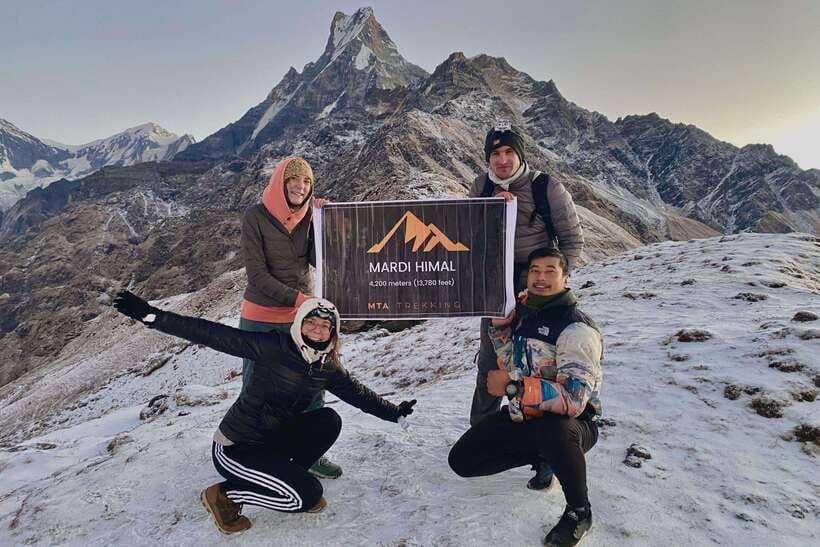
The strongest part of this experience is the human support. Kaji is praised for warmth, humor, careful food choices, and steady care. Ramit has helped with photographs, local stories, pacing, and introductions to people along the route. Prabit is noted for calm organization and regular comfort checks.
Lalit is especially good for a group that wants a measured pace and careful rest planning. Guides such as Santosh, Binod, Jeevan, Gobinda, and Shishir have also been singled out for friendly service and practical support.
That matters because the route changes quickly. A guide helps with the right tea-house stop, food orders, weather decisions, and the choice to continue or turn back above the viewpoint. In a private group, you can usually keep the walking pace more personal than in a large fixed group.
Who should book this trek?
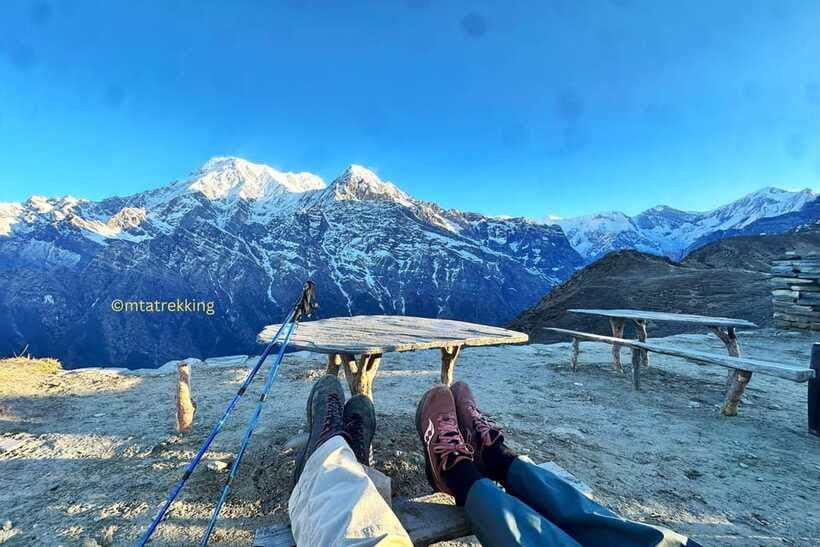
I would choose this trek if you want big Himalayan views in a short window and you are happy with basic tea-house life. It suits people staying in Pokhara who want a compact mountain route rather than a long Annapurna circuit.
I would be cautious if you want maximum comfort, very short walking days, or a guaranteed Base Camp visit. The plan is demanding for four days, and the mountain decides what you actually see.
The strong rating of 4.9 from 59 bookings matches the main strengths: friendly guides, dependable transport, good organization, and spectacular sunrise views. The less flattering details are just as useful: the schedule can feel rushed, food may cost extra, high-camp facilities are basic, and clouds can block the peaks.
Should you book the 4-day Mardi Himal trek?
Yes, if you have reasonable fitness, accept simple accommodation, and want a well-supported introduction to Nepal’s high mountain routes. The best reason to book is the combination of forest walking, local tea houses, and a sunrise viewpoint with Fishtail and Annapurna in front of you.
Before booking, confirm the package type, meal coverage, room arrangements, exact altitude figures, porter cost, and Base Camp policy. Pack warm layers, sunglasses, a sun hat, sunscreen, a flashlight, cash, and a sleeping bag if you prefer your own. If the weather turns poor, trust the guide’s decision and enjoy the route you can safely walk.
FAQ
How long is the Mardi Himal trek from Pokhara?
The experience lasts four days. The first walking day is about five hours from Kande to Forest Camp, and the second is about five hours from Forest Camp toward High Camp.
What altitude does the trek reach?
The Viewpoint is listed at about 4,200 to 4,300 meters, while Mardi Himal Base Camp is about 4,500 meters. High Camp is listed at figures between 3,550 and 4,000 meters, so confirm the exact overnight point.
Is Mardi Himal Base Camp included?
Base Camp is optional and depends on weather, snow, and safety conditions. The guide decides whether the route is suitable to continue beyond the viewpoint.
Are meals included in the $139 price?
Meals are included only with the Full Package. The Standard Package does not include breakfast, lunch, or dinner, so confirm which package you are booking.
What should I bring?
Bring warm clothing, sunglasses, a sun hat, sunscreen, and a flashlight. A sleeping bag is also useful, especially for basic tea-house accommodation.
Is pickup from Pokhara included?
Yes. Hotel pickup and drop-off in Pokhara are included, with listed pickup areas around Baidam, Lakeside, Pame, and Lakeside Road. The listed return drop-offs include Pokhara, Baidam, and Lakeside.
Just added around Pokhara
- Pokhara: 7-Day Annapurna Base Camp Trek & Natural Hot Spring★ 5.0 · 11 reviews
- Pokhara: 5 Day Annapurna Base Camp Trek & Natural Hot Spring★ 4.9 · 44 reviews
- Pokhara: 4-Day Private Trek Tour★ 4.9 · 43 reviews
- Pokhara: Annapurna Day Hike with Panoramic Views★ 4.3 · 7 reviews
- Pokhara: 4-Day Poon Hill and Ghandruk Guided Trek★ 5.0 · 14 reviews
- Pokhara: 3-Day Ghorepani and Poon Hill Trek★ 5.0 · 7 reviews
- Pokhara: 3-Day Trek★ 4.5 · 7 reviews
- Pokhara: 4-Day Beautiful Ghorepani Poon Hill & Ghandruk Trek★ 4.8 · 21 reviews
Pokhara Hiking Tours, compared.
Trekking in Annapurna/Langtang/Everest/Upper Mustang regions
Read our review →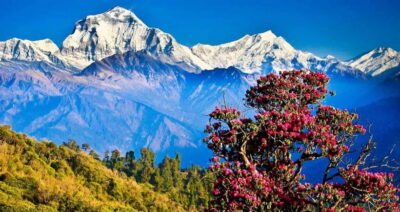
4-Day Ghorepani, Poonhill & Ghandruk Mountain Trek
Read our review →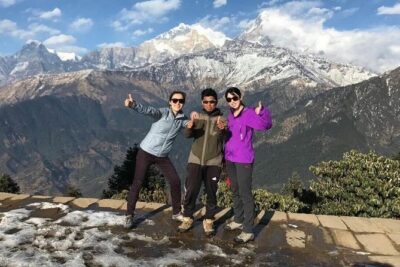
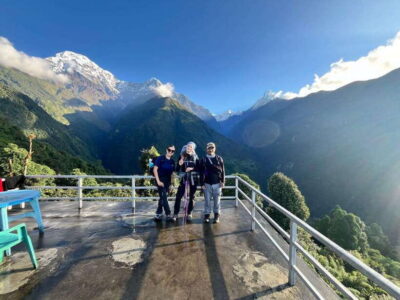
Kathmandu/Pokhara: 5-Day Annapurna Base Camp (ABC) Trek
Read our review →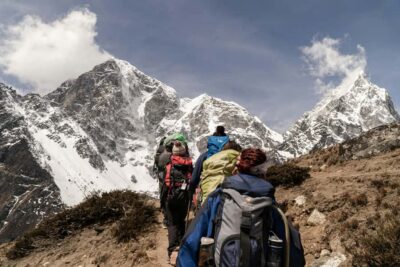
Browse the lists this tour appears in