
REVIEW · SAPA HIKING TOURS
From Sapa: 1-Day Guided Trek to Lao Chai & Ta Van with Lunch
Sapa’s best views require good shoes. This one-day trek takes you from Sapa Town through rice terraces, mountain paths, and the Muong Hoa to Y Linh Ho stream toward Lao Chai and Ta Van. I like the small group size, capped at 12 people, and the chance to learn directly from local guides such as Giang and Toan, who explain Hmong and Zay customs in a personal, easy-to-follow way.
I also like the generous local lunch and the practical cultural stops, including traditional incense making with herbs in Ta Van. The main drawback is the terrain: this is a 12-kilometer hike with slippery, muddy sections after rain, not a gentle village stroll. You need sturdy footwear and a moderate to high level of fitness.
The pace and route can vary with the guide and weather. Guides have taken small groups along quieter paths, and some have made bamboo walking sticks when the trail turned muddy. That flexibility is a real advantage, but you should still expect a full day on your feet.
Key points to know before booking
- A 12-kilometer mountain trek: Expect slopes, uneven ground, slippery sections, and several hours of walking.
- Two distinct ethnic communities: Lao Chai introduces you to the Black Hmong, while Ta Van is associated with the Zay people.
- A local lunch in Lao Chai: The meal is described as tasty, filling, and suitable for vegetarians.
- Guides make the difference: Giang, Toan, Li, Lam, and others have been praised for clear English, local knowledge, patience, and good humor.
- A hands-on Ta Van activity: You can learn how local herbs are used to make incense.
- Strong value at $34: Hotel pickup in central Sapa, an English-speaking guide, entrance fees, lunch, water, and return transport are included.
Starting in Sapa between 9:00 and 9:30
The day begins with hotel pickup in Sapa Town. You are asked to wait in your hotel lobby between 9:00 and 9:30 AM, so this is easy to fit into a morning in town. Pickup is limited to the central Sapa area, and large luggage is not suitable for the trip.
The group limit of 12 matters here. A mountain walk is much easier to manage when the guide can see everyone, stop for questions, and adjust the pace. In practice, groups may be smaller. Some participants have found themselves in groups of four, or even on a private-feeling outing when few people booked that day.
Your guide is likely to shape the feel of the experience. Giang has been praised for her patience, humor, safety awareness, and explanations of Black Hmong life. Toan is often described as friendly and chatty, with a strong grasp of local customs. Li has taken groups through less-used paths and explained the different communities living in the valley.
Guide assignments vary, so you cannot request a particular person with certainty from the information provided. Still, the repeated praise for the guiding team is one of the strongest reasons to choose this walk instead of simply finding a village route on your own.
More Hikes with Lunch in Sa Pa:
- 1 Day Sapa Trek&Home-cooked Lunch HmongSisterHouse&Trekking
★ 5.0 · 7 reviews - From Marrakech: Atlas Mountains Full-Day Hiking Trip w Lunch
★ 4.8 · 7,417 reviews - Marrakech: Ourika Valley Trip with Waterfall Hike & Lunch
★ 4.9 · 5,303 reviews
Walking beside Muong Hoa and Y Linh Ho stream
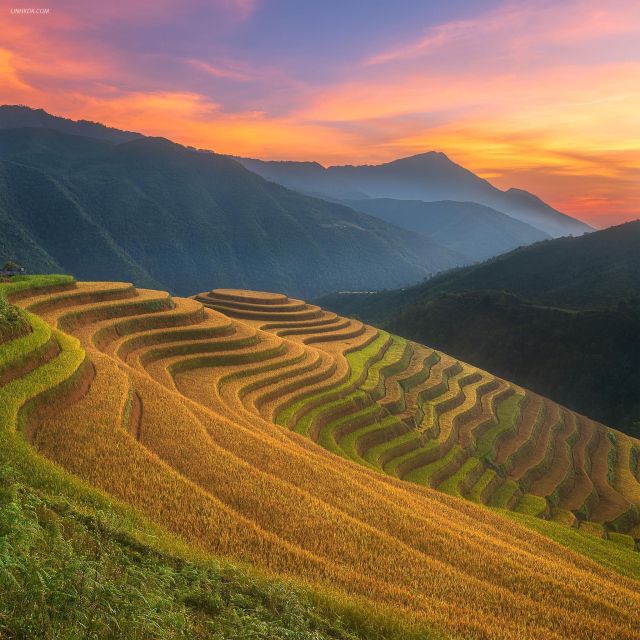
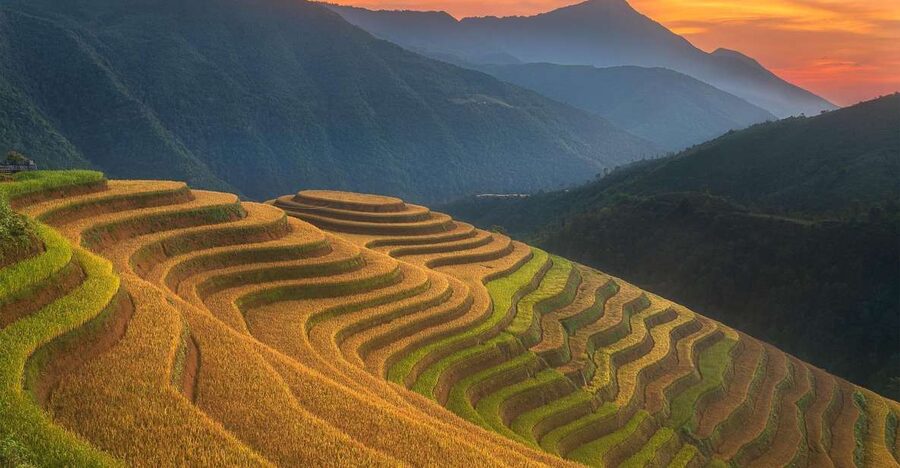
The route leads away from Sapa through countryside, rice terraces, and the Muong Hoa to Y Linh Ho stream. The sound of running water and the open views help make this more than a long pavement walk. You get a closer look at how steep mountain land is shaped into fields.
The Hoang Lien Son mountain range provides the major backdrop. Weather controls how much you see. On a clear day, the views are broad and dramatic. In wet or cloudy weather, the scenery becomes quieter and moodier, but visibility may be limited.
The route is not consistently easy. You can expect uphill and downhill walking, rough ground, and narrow or slippery sections. Several people found the first part particularly tricky after rain. Some described muddy rice fields and bamboo trails, while others said the walk felt manageable in dry weather.
This is where good preparation pays off. Wear hiking shoes with a firm grip, bring rain gear even if the morning looks dry, and pack biodegradable sunscreen and insect repellent. Sunglasses, warm clothing, and a camera are also recommended. Do not rely on ordinary sneakers if rain is in the forecast.
In especially wet conditions, local helpers may offer assistance on difficult ground, and guides have made simple bamboo walking sticks for extra support. That help is useful, but it does not turn the walk into an easy hike. You should be comfortable on uneven paths before booking.
Lao Chai and the Black Hmong way of life
Lao Chai is the main cultural stop and the first destination after the longer stretch through the terraces. It is associated with the Black Hmong, one of the ethnic communities in the Sapa area. Here, the value of the guide becomes clear.
Rather than simply pointing out houses and fields, a good guide can explain daily routines, local traditions, clothing, farming, and the differences between the communities in the valley. Giang, in particular, has explained these subjects through her own connection to the area and her Black Hmong background.
You may pass homes, village paths, gardens, streams, and working fields. The experience is strongest when you treat the village as a lived-in place rather than a photo set. Ask questions, listen carefully, and avoid assuming that every custom is the same across Hmong and Zay communities.
There is one social issue to prepare for. Local sellers may approach along the route, and some can be persistent. Several people have found themselves walking beside a seller for a long stretch after politely declining purchases. You can be courteous but firm. A simple no, thank you, repeated without debate, is enough.
This selling pressure does not erase the cultural value of the walk, but it can affect your mood. If you want a completely commercial-free outing, this is not the right expectation. The tour passes through communities where handmade goods and souvenirs are part of the local economy.
A generous lunch in Lao Chai
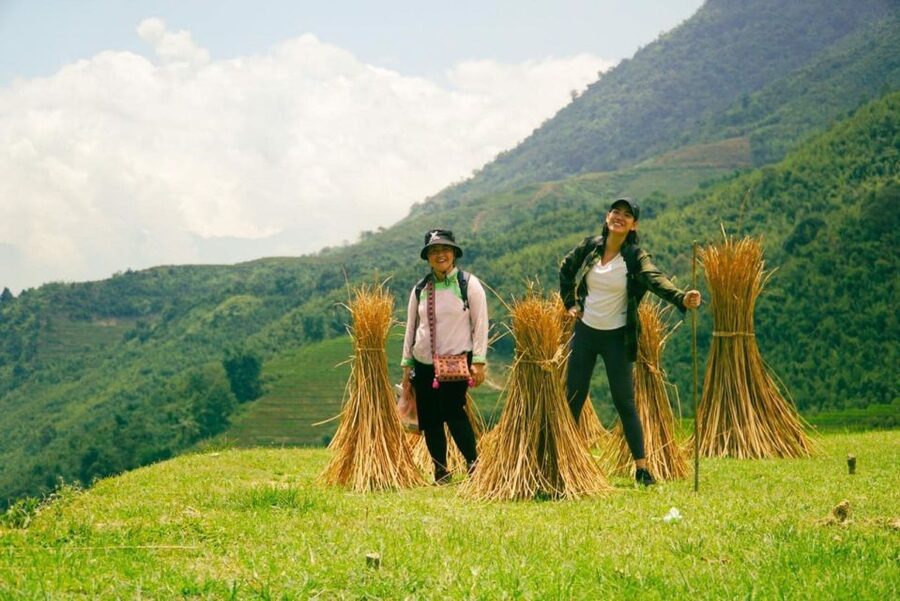
Lunch comes after the morning trek, which is good planning. By then, you will have spent several hours walking over slopes and uneven ground, so a substantial meal is welcome.
The meal is described as traditional, tasty, and plentiful. Details of the exact menu are not fixed, but vegetarian options are available. The information describes lunch at a villager’s home, while some accounts refer to a local restaurant, so the setting can vary by the day or group arrangement.
The important point is that lunch is not a token snack. It gives you a proper break, a chance to sit down, and time to talk with the guide and other people in the group. Local snacks may also appear along the route, and drinks or restrooms can be available at points during the walk, though other drinks are not included in the price.
Water is included, but only a small bottle of mineral water is specified. I would carry extra water if you drink heavily during exercise. You should also bring a little cash for optional drinks or souvenirs, since those extras are not covered.
More Trips with Lunch around Sa Pa:
- Marrakech: ourika valley lunch & guided hike to waterfalls
★ 4.9 · 3,737 reviews - Marrakech: Atlas Mountains & Valleys Waterfall Hike w/ Lunch
★ 4.8 · 1,236 reviews - From Tromsø: Snowshoeing Hike with Picnic Lunch and Photos
★ 4.9 · 840 reviews - Wailua River Kayak and Sacred Falls Guided Hike with Lunch
★ 5.0 · 783 reviews
The road to Ta Van and Zay culture
After lunch, the route continues toward Ta Van village. The scenery shifts as you keep moving through the valley, with more terraces, streams, bamboo areas, and views toward the surrounding mountains.
Ta Van is associated with the Zay people. This gives the day a useful contrast: you are not seeing only one community and receiving one simplified version of village life. The guide can help explain how Hmong and Zay traditions differ and how people live within the same mountain region.
One of the most distinctive parts of the day is the explanation of traditional incense making. Local herbs are used in the process, and you can see how a simple household material becomes a familiar cultural item. This is a small activity, but it gives the visit a practical focus. You are not only hearing about traditions; you are seeing one of them take shape.
The walking continues after lunch, so do not treat the meal as the end of the hard work. The full route is advertised at 7.5 miles, or 12 kilometers. One participant reported walking more than 14 kilometers, so the actual distance can feel longer depending on detours, village paths, and the precise route used that day.
The return to Sapa
At the end of the village visit, you board a bus back to Sapa. Return transport is included, and it is a welcome finish after a long walk. One account specifically praised the punctuality of the ride back to accommodation.
The itinerary gives roughly 5.1 hours for the main Lao Chai portion, while the experience is presented as a full-day activity. Allow the whole day rather than scheduling a tight afternoon appointment. Mountain walking, lunch, cultural explanations, photo stops, and transport can all affect the finish time.
The return ride also makes this more practical than a self-guided route. You do not need to work out how to get from Ta Van back to Sapa after tiring yourself out. Hotel pickup and the bus return are built into the day.
What $34 really gets you
At $34 per person, this is good value if you want several services bundled into one outing. The price includes central Sapa hotel pickup, a live guide, entrance tickets, lunch, a small bottle of water, and the return bus.
The strongest value is not the transport. It is the guide. Without someone who can explain local culture and adjust the walking route, the rice terraces are beautiful but less meaningful. A good guide turns a scenic walk into a clearer picture of village life.
You still need to budget for drinks, souvenirs, and personal insurance. The price does not cover other beverages, and insurance is not included. Do not bring a large suitcase or bulky luggage. This is a walking day, not a transfer service.
The cancellation policy is useful if your mountain plans depend on weather. You can cancel up to 24 hours before departure for a full refund, and you can reserve now and pay later. Starting times should be checked when booking because the activity is listed simply as a one-day experience.
Who will enjoy this trek most
I would choose this for someone who wants scenery and culture in equal measure. It suits active visitors who are happy to walk for several hours, take uneven paths, and accept that rain can change the character of the route.
It is especially good for:
- People who want local explanation rather than a scenic walk alone
- Hikers with moderate to high fitness
- Small groups and solo visitors who prefer a guide
- Anyone interested in Hmong and Zay customs
- People who enjoy village food and hands-on demonstrations
- Visitors with one free day in Sapa
I would not choose it for someone who needs level access, uses a wheelchair, or wants a short, easy outing. It is also not recommended for people over 70 according to the activity information. That age guidance is broad, but the physical demands are real.
Families should judge the walk by the fitness of each person, not simply by the one-day duration. Children or older adults may find the mud, slopes, and slippery sections harder than the distance suggests.
Practical advice for a better day
Check the weather before you leave, but do not assume a dry morning guarantees a dry trail. Rain can make sections slippery and muddy, so waterproof layers and shoes with real traction are more useful than stylish clothing.
Bring warm clothing because Sapa’s mountain weather can change. Pack sunglasses, biodegradable sunscreen, and biodegradable insect repellent. A camera is worthwhile, but keep it protected from rain and easy to reach during short stops.
Carry only what you need. The instruction not to bring large luggage is sensible, since you will be walking through fields and village paths. A small day bag is the practical choice.
Be ready to set your own boundaries with sellers. You can appreciate local crafts without buying something from every person who walks beside you. If the attention becomes uncomfortable, tell your guide clearly.
Finally, ask questions. The best parts of this experience come from the human detail: why a village is arranged a certain way, how local families use plants, what distinguishes Hmong and Zay life, and what daily work looks like beyond the terraces. The guides have repeatedly been praised for answering questions and adapting the walk, so make use of that access.
Should you book it?
Book this trek if you want Sapa’s famous terraces with a strong cultural side and you are ready for a proper hike. At $34, the included lunch, guide, entrance fees, hotel pickup, and return transport make it an unusually practical day out.
Skip it if you want dry, level paths, a fixed finish time, or freedom from souvenir sellers. For everyone else, this is a well-priced way to reach Lao Chai and Ta Van with enough local explanation to give the views meaning. Bring boots, accept the mud, and let the guide set a safe pace.
FAQ
How long is the trek?
The hike is advertised at 7.5 miles, or 12 kilometers. Some participants have reported walking more than 14 kilometers, so the exact route may vary.
How difficult is the walk?
It requires a moderate to high level of fitness. You may encounter slopes, uneven ground, muddy fields, bamboo paths, and slippery sections, especially after rain.
Where does the tour begin?
Pickup is provided from hotels in Sapa Town. You should wait in your hotel lobby between 9:00 and 9:30 AM.
Which villages does the trek visit?
The route goes to Lao Chai, associated with the Black Hmong, and Ta Van, associated with the Zay people.
Is lunch included?
Yes. Lunch in the Lao Chai area is included, and vegetarian options are available.
Are drinks included?
A small bottle of mineral water is included. Other drinks are not included.
What languages can the guide speak?
The activity offers guides in English, Vietnamese, and French. Audio guide support is listed in English and Vietnamese.
Is the tour suitable after rain?
It can still operate, but the trail may become muddy and slippery. Waterproof clothing and sturdy hiking shoes are strongly recommended.
Is return transport included?
Yes. After visiting Ta Van, you return to Sapa by bus.
Can I cancel the booking?
You can cancel up to 24 hours in advance for a full refund. Reserve-now, pay-later booking is also available.
More Day Trips around Sa Pa
- Sapa 1 Day Long Trek: Trek to Hau Thao and Sa Seng Villages
★ 4.6 · 344 reviews - 1-day Authentik trek & Panorama valley views
★ 5.0 · 189 reviews - 1 day Fansipan Trekking
★ 5.0 · 180 reviews - Sapa The Hidden Trail Trek 1 Day – Mountain & Rice Valley
★ 5.0 · 133 reviews
Just added around Sa Pa
- Hanoi: Sapa Trekking 2 Days 1 Night – Sleeper Bus from Hanoi★ 4.6 · 18 reviews
- From Hanoi: 2-Days Sapa Trekking Tour Lao Chai and Cat Cat★ 4.3 · 7 reviews
- Easy Trek in Sapa mountain : Y Linh Ho – Lao Chai – Ta Van★ 4.8 · 16 reviews
- Discover Sapa: 2D1N Trekking Adventure & Cozy LaLa Homestay★ 4.9 · 17 reviews
- SaPa: 2-Day Villages,Rice Fields, Love Waterfall Hiking Tour★ 5.0 · 9 reviews
- AUTHENIC 2D1N Trek & Bungalow Retreat with Dinh Hmong Family★ 5.0 · 19 reviews
- From Hanoi: Sapa 3-Day Medium Trek and Limousine Trip★ 4.5 · 59 reviews
- 2 Night Lao Chai-Ta Van Homestay- Trekking & Fansipan Visit★ 4.0 · 8 reviews
Sapa Hiking Tours, compared.
Sa Pa: Muong Hoa Valley Trek and Local Ethnic Villages
Read our review →
Eco Adventure Terrace Fields and Local Villages Trek
Read our review →
Number one top rated ethical cultural trekking and homestay by ETHOS
Read our review →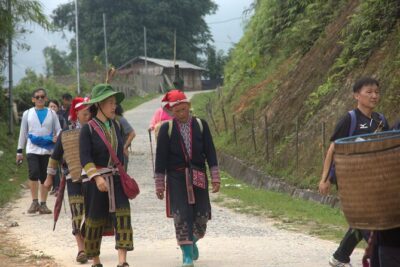
Sapa 1 Day Long Trek: Trek to Hau Thao and Sa Seng Villages
Read our review →
EXPLORE SAPA: 2D1N TREKKING & HMONG CULTURE WITH DINH
Read our review →

Browse the lists this tour appears in