
REVIEW · POKHARA HIKING TOURS
Kathmandu: 9-Day Annapurna Circuit Trek via Thorong La Pass
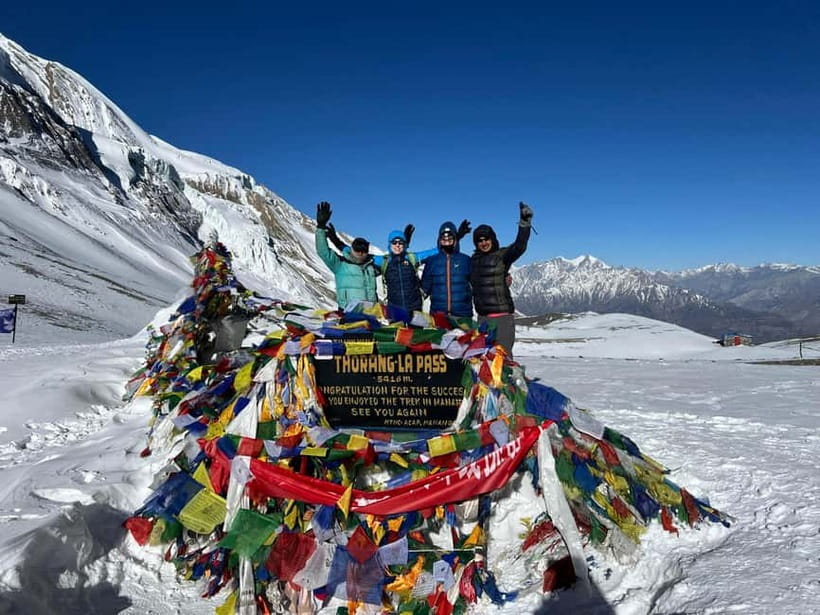
Thorong La is a serious mountain day. This 9-day Annapurna Circuit trek gives you a fast but carefully paced route through green valleys, high alpine country, Tibetan-style villages, and the 5,416-meter Thorong La Pass. I like the built-in acclimatization day in Manang, and I like that the trip includes permits, tea house lodging, guides, transport, meals on the full package, and a Pokhara hotel night.
The guide care is another strong point. Parkash, Sishir, Ramit, Ghanashyam, Chakra, Binod, and other MTA guides receive repeated praise for patience, safety checks, local connections, and good humor. The main caution is simple: this is not a gentle sightseeing holiday. The pass day is long, cold, and demanding, and basic lodging plus similar meals can test your patience.
Key points to know before booking
- Thorong La reaches 5,416 meters, making the pass crossing the physical and emotional high point of the trip.
- The Manang acclimatization day matters, especially on a compact nine-day schedule.
- Upper Pisang offers one of the finest village stops, with strong mountain views and a more traditional Himalayan feel.
- The route shifts quickly from green valleys to dry high country, so you need layers, sun protection, and a proper sleeping bag.
- Muktinath adds religious and cultural interest after the pass, with importance for both Hindu and Buddhist pilgrims.
- MTA Trekking receives strong praise for guide support, communication, and practical care on difficult walking days.
What this nine-day trek is really like
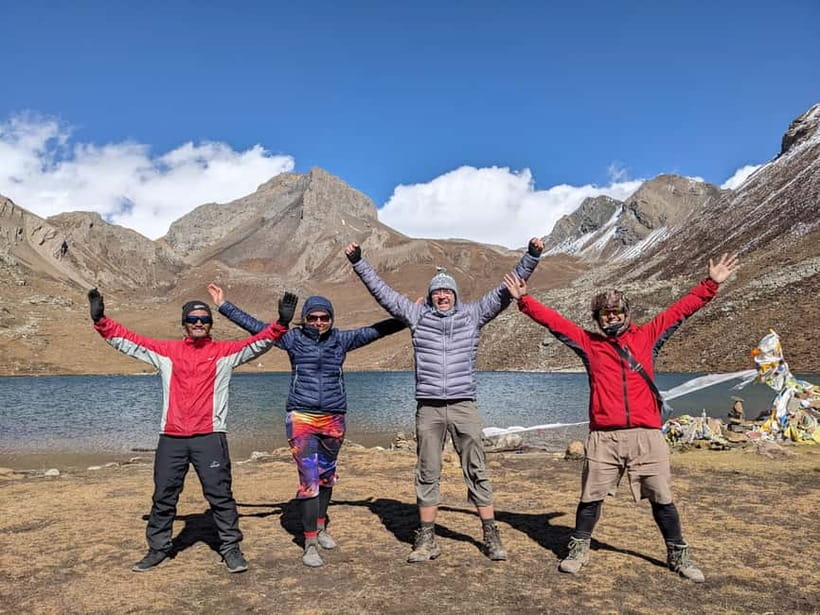
The Annapurna Circuit is appealing because the scenery changes almost every day. You begin among terraced fields, river valleys, and forest. By the time you reach Manang, the air is thin, the trees are fewer, and the mountains feel much closer.
This version is short for a high-altitude trek. The schedule works by using road transport at the beginning and end, then keeping the walking stages focused. You still need good fitness, but you are not walking every section of the traditional circuit.
I would choose this trip if you want a major Himalayan crossing without arranging every permit, vehicle, lodge, and guide yourself. I would not choose it if you want slow mornings, private rooms, or a relaxed holiday. The route asks for early starts, steady walking, cold nights, and some flexibility.
The package is private, with an English or Hindi-speaking guide. The guide meets you for a briefing before departure, then collects you early from a hotel in Thamel or nearby areas. That briefing is useful because road conditions, weather, and your own pace matter a great deal in Nepal’s mountains.
More Annapurna Treks in Pokhara:
- Trekking in Annapurna/Langtang/Everest/Upper Mustang regions
★ 5.0 · 161 reviews - Pokhara: Annapurna Foothills Day Hike with Transfers
★ 5.0 · 100 reviews - Kathmandu/Pokhara: 5-Day Annapurna Base Camp (ABC) Trek
★ 4.9 · 72 reviews
Day 1: Kathmandu or Pokhara to Dharapani by bus and jeep
The first day is mostly a transport day, lasting about seven to eight hours over roughly 175 kilometers. You travel by public bus to Besisahar, then continue by shared local jeep to Dharapani.
This is not luxury transport, but it gives you an early look at rural Nepal. Expect rolling valleys, terraced farmland, small settlements, and distant mountain views. The road section also saves your legs for the walking days ahead.
The change from bus to jeep is worth noting. The jeep takes you farther toward the trail and avoids spending another walking day on lower roads. It can also make the day feel long, especially after an early hotel pickup.
Your overnight stay is in a tea house. These lodges are practical rather than polished, with basic rooms and simple shared facilities. Think of them as a warm place to eat, sleep, and charge yourself for the next morning, not as mountain resorts.
Day 2: Dharapani to Chame through forest and Bhote villages
The first proper walking day covers about 13 kilometers in six hours, reaching Chame at 2,670 meters. The route passes through Bhote villages, pine and oak forest, open fields, streams, and mountain scenery.
This is a good introduction to the rhythm of the trek. You walk steadily, stop for food and water, and let your guide set a pace that protects your energy. The trail is not merely a path between hotels. It connects villages where local life still shapes the day.
Chame is where the Annapurna Circuit begins to feel properly alpine. You will notice cooler air and a stronger mountain presence. After the walk, a tea house gives you a place to rest, eat, and prepare your clothing for the colder nights ahead.
Day 3: Upper Pisang and the Bhratang Valley
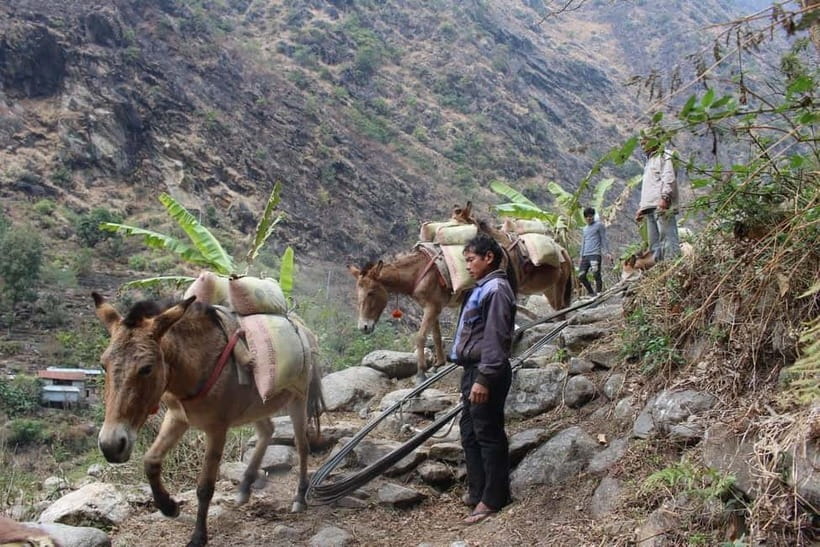
The route from Chame to Upper Pisang takes about five to six hours and covers roughly 15 kilometers. You climb through the Bhratang Valley, with views toward Lamjung Himal and the surrounding peaks.
Upper Pisang is one of the most memorable stops on this itinerary. The village has a more traditional Himalayan character than the lower settlements, and the position gives you a strong sense of the mountains rising around you.
You have time to look around, meet local people, and learn from your guide about the area. This is also a day when the changing climate becomes clear. Forest gradually gives way to drier ground and more open views.
The distance is manageable on paper, but altitude changes the effort. Do not race into Manang simply because the walking time looks short. Eat, drink, and keep your breathing steady.
A few more hikes around Pokhara worth a look
- Poon hill Trek 3 days
★ 5.0 · 176 reviews - Pokhara: 4-Day Ghorepani, Poonhill & Ghandruk Mountain Trek
★ 5.0 · 132 reviews - Ghorepani – Poon Hill Trek 3N-4D
★ 5.0 · 125 reviews - From Pokhara: 3-Day Ghorepani Poon Hill Trek with Guide
★ 4.9 · 68 reviews
Day 4: Upper Pisang to Manang at 3,540 meters
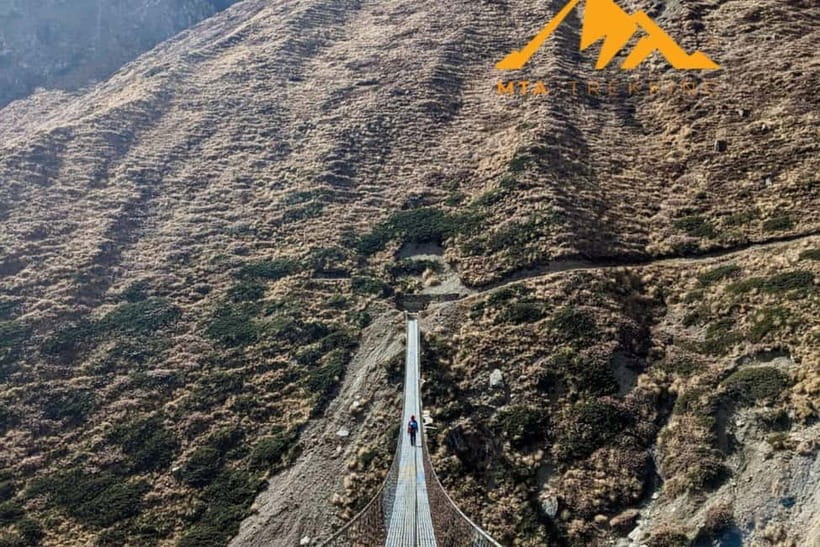
The walk to Manang takes around five to six hours and covers about 16 kilometers. You move through forest and open valleys, with views of Tilicho Peak, Annapurna III, and Annapurna IV.
Manang is an important pause point. It is a substantial settlement for this part of the circuit, and reaching it feels like a shift from the lower valley to high mountain country. The air is thinner, the sun is strong, and your body begins to show you how it is handling the altitude.
The itinerary lists Manang at 3,540 meters and gives you an acclimatization day next. That decision improves the trip. On a nine-day schedule, it might be tempting to push ahead, but skipping this pause can make the Thorong La crossing far harder.
Day 5: Acclimatization in Manang
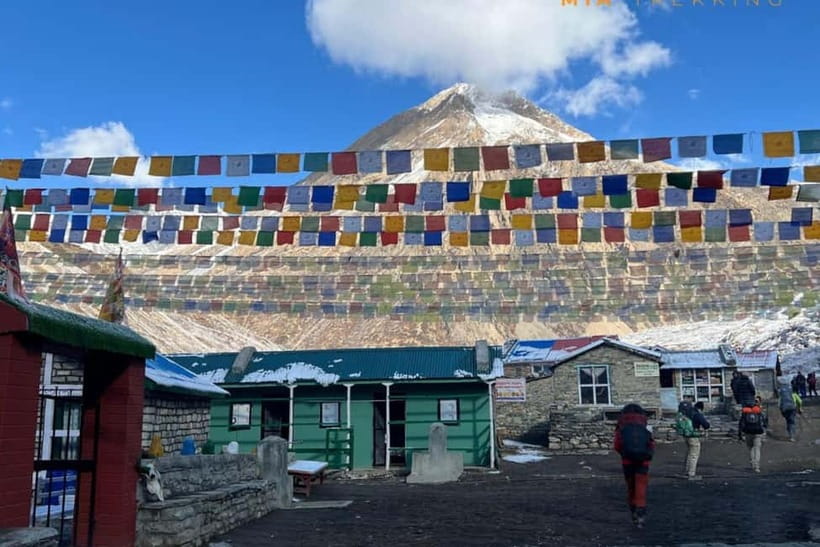
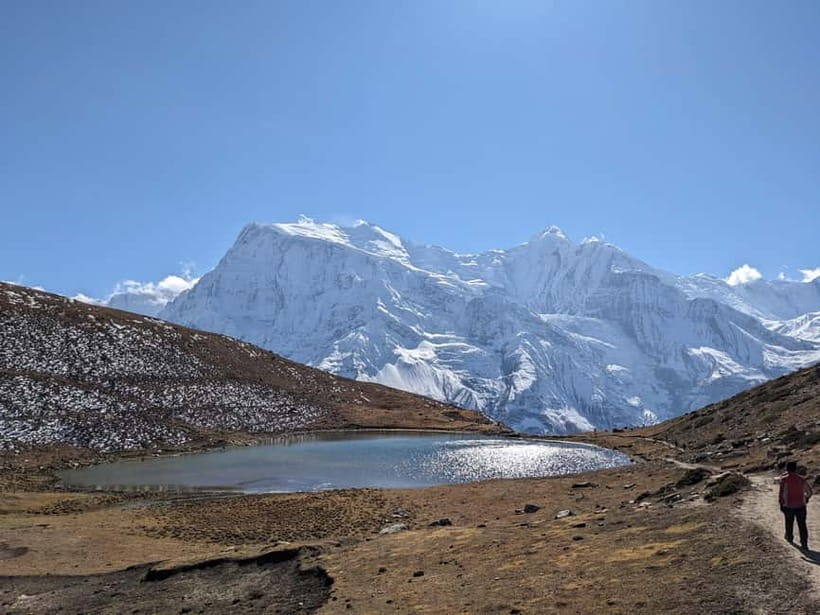
The acclimatization day is not a blank day. You rest, drink plenty of water, and take an optional walk to Gangapurna Glacier Lake or nearby icefalls if you feel well.
This is one of the most valuable parts of the schedule. A short hike during the day can help you adjust while still leaving time to recover. Your guide should keep an eye on how you are feeling, and the strongest praise for the MTA team focuses on exactly this kind of attention.
Chakra reportedly encouraged an acclimatization stop instead of trying to force an eight-day finish. Sishir also received praise for checking hydration, rest, and altitude symptoms. These are not minor details at this elevation.
Do not treat the optional walk as a test of toughness. If you have a headache, nausea, unusual tiredness, or other signs of altitude sickness, tell your guide. The pass is not worth taking risks.
Day 6: Manang to Yak Kharka at 4,050 meters
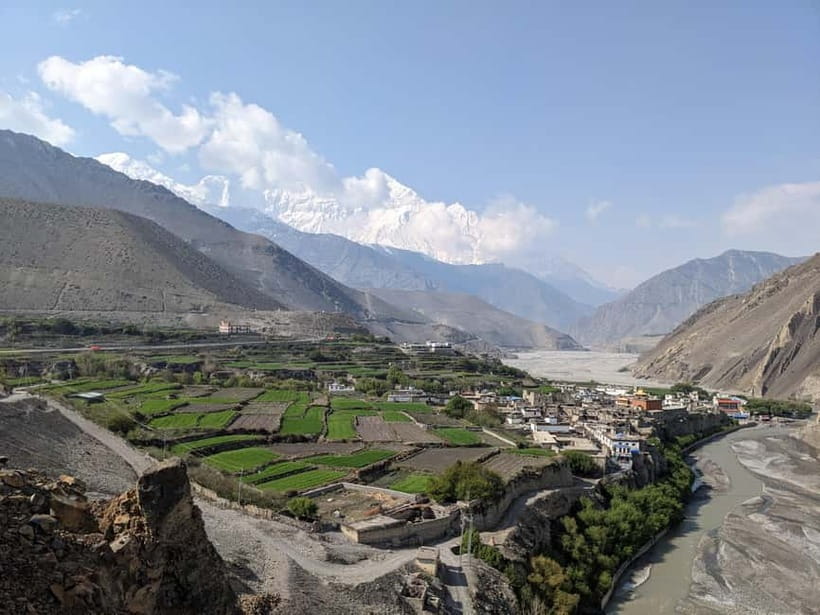
This is a shorter day, about seven kilometers and four hours of walking, ending at Yak Kharka. You pass through alpine pastures with wide mountain views.
The shorter distance is welcome because the elevation is now doing more work than the trail length suggests. You may find your pace slowing, your appetite changing, or simple tasks taking longer. That is normal enough to discuss with your guide, rather than hide.
Yak Kharka is a functional overnight stop before the pass approach. Accommodation is basic, and nights can be very cold. A warm layer, dry socks, and a proper sleeping bag matter much more here than extra casual clothing.
Day 7: Thorong Phedi, the pass base camp
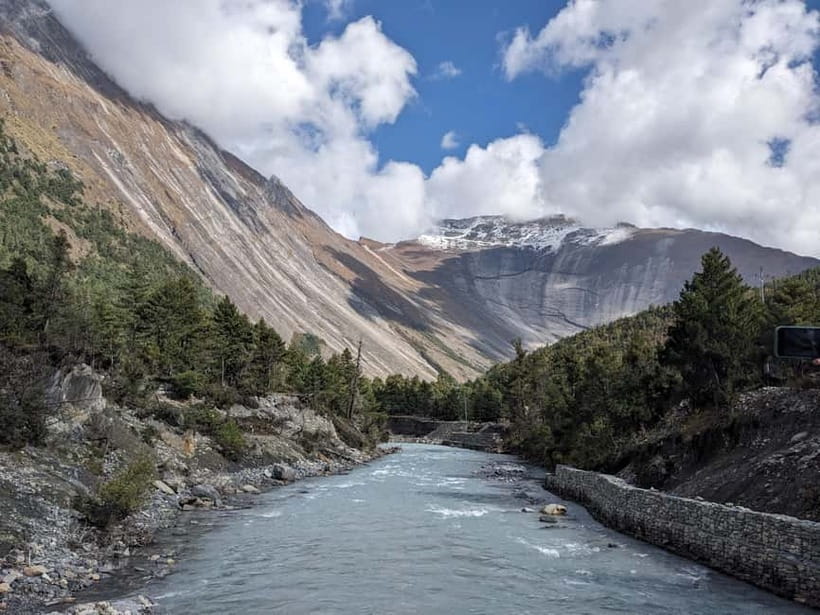
The walk from Yak Kharka to Thorong Phedi takes four to five hours and covers about six kilometers. The route crosses rocky ground and suspension bridges before reaching the base camp for Thorong La.
This short stage is designed to preserve energy for the next day. You should resist the urge to make it harder by walking too fast or adding unnecessary side trips.
Thorong Phedi is a waiting room for the biggest challenge. The tea house may feel crowded and basic, and sleep can be difficult because of cold, nerves, or altitude. Prepare your clothing and day bag before dinner. You will leave around 4:00 AM.
Day 8: Crossing Thorong La to Muktinath
This is the centerpiece of the trip. You start before dawn to reach Thorong La before strong winds develop. The full day takes about seven to eight hours, including the climb to 5,416 meters and the descent to Muktinath.
The ascent is steady and tiring. Prayer flags mark the pass, and the views open across the high Himalaya. Reaching the top is a genuine achievement, but do not assume the hard part ends there.
The descent to Muktinath can feel surprisingly long. One clear lesson from the experience reports is that going down may hurt as much as going up. Your knees and feet take a beating, and loose or rocky paths require care.
You should pack water, snacks, sunglasses, sunscreen, gloves, a warm hat, and layers you can adjust quickly. The sun can be intense even when the air is freezing. Good boots and trekking poles, if you use them, will help on the descent.
Muktinath is more than an overnight stop. It is a sacred pilgrimage site for Hindus and Buddhists, and its religious importance gives the day a different mood after the physical effort of the pass.
The optional trip to Tatopani hot springs is not included. The stated taxi cost is about USD 50, shared or paid by participants according to the arrangement. Ask about the timing before counting on it, since the pass day is already long.
Day 9: Bus from Muktinath to Pokhara
The final day uses a bus for the roughly 110-kilometer journey to Pokhara, taking about five to six hours. The road trip brings you out of the high country and back toward a city with more comfort, food choices, and warm showers.
The transport details should be confirmed before departure because the package describes the route as Muktinath to Pokhara, while some transport notes refer to Jomsom to Pokhara. In practice, the road connection is part of the return plan, but you should know the exact meeting point and vehicle arrangement.
The package includes one night at Hotel Orchid in Pokhara and a farewell dinner with traditional Nepali food in Lakeside. It also lists a luxury tourist air-conditioned sofa-seater bus from Pokhara to Kathmandu, which is useful if Kathmandu is your final base.
Guides, support, and the human side
The strongest part of this trip is the guide service. Parkash is praised for checking in often and offering help with a bag on the hardest day. Sishir receives praise for patience, jokes, local relationships, hydration checks, and careful acclimatization.
Ramit, Ghanashyam, Chakra, and Binod are also described as friendly and supportive. Those names matter because a high-altitude trek depends on the person walking beside you, not only on the printed route.
The guides are authorized, English-speaking, and covered by insurance through the operator. Porters are available for an additional cost. If you are unsure about carrying your own bag at altitude, budget for that extra help rather than waiting until your shoulders and legs are already worn out.
Food, lodging, and what the package covers
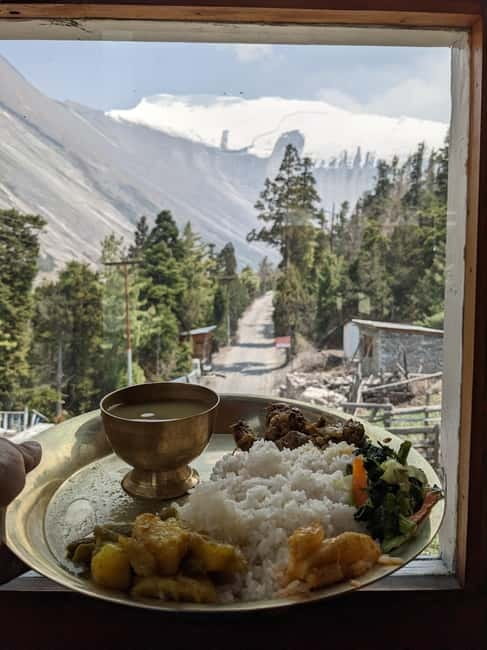
Full Package bookings include breakfast, lunch, and dinner during the trek. Food is described as tasty but fairly similar from day to day, which is normal for tea house walking. You should expect simple meals rather than a wide restaurant menu.
Eight nights of tea house lodging are included, along with the Pokhara hotel night. You also get required trekking permits, TIMS fees, government taxes, staff costs, luggage storage, and scheduled transport.
The value is strongest if you want one company handling the complex pieces. You avoid arranging permits, guides, insurance for staff, road transfers, and mountain lodging one by one. The package does not include soft or alcoholic drinks, bottled or boiled water, showers, laundry, battery charging, phone calls, extra porters, or personal bar expenses.
Travel and rescue insurance is also not included. Buy a policy that specifically covers high-altitude trekking and rescue. Ordinary holiday insurance may not cover an ascent above 5,000 meters.
Best months and essential gear
March through May offers warmer conditions and spring flowers. September through November generally gives the clearest skies and best mountain visibility. For the strongest views, autumn is the safer choice in the information provided.
December through February can bring cold, snow, and trail closures. June through August brings heavy rain and slippery trails, so these months are not recommended for this trek.
Bring:
- Comfortable trekking shoes or boots
- Sunglasses, sun hat, and sunscreen
- Quick-dry clothing
- Warm layers
- A proper sleeping bag
- Passport or identification copy
- Essential high-altitude trekking gear
The most useful packing lesson is not to underestimate the cold. One person found the nights especially cold and strongly advised bringing a proper sleeping bag. Your day bag should also hold water, snacks, sun protection, and an extra layer.
Who should book this trek?
This trip suits you if you have good fitness, can walk for several hours on consecutive days, and want a serious Himalayan goal within nine days. It is a good choice for someone who values a private group and personal guide attention.
It may also suit first-time Himalayan trekkers if you prepare properly and listen to the guide. One first-time visitor was worried before arrival but found the support and acclimatization plan reassuring.
I would not recommend it if you have altitude sickness, high blood pressure, are pregnant, or want an easy family outing. Children under seven are specifically excluded. Even fit walkers need to accept that altitude affects people differently.
Should you book the Annapurna Circuit via Thorong La?
Book it if crossing a 5,416-meter pass is the goal and you want the difficult parts organized for you. The best reasons are the changing scenery, Upper Pisang, the Manang acclimatization day, Muktinath, and the repeated reports of attentive guides.
Think twice if you dislike basic tea houses, cold nights, public buses, long road transfers, or early starts. The nine-day schedule is efficient, but it leaves little room for illness, weather delays, or a slower pace.
For the right person, this is a strong value-focused trek. You pay in effort rather than luxury, and the reward is a dramatic route from subtropical valleys to high Himalayan passes with a capable local team beside you.
FAQ
How high is Thorong La Pass?
Thorong La Pass reaches 5,416 meters above sea level.
How long is the trek?
The experience lasts nine days, including transport from the Kathmandu or Pokhara area and the return journey to Pokhara.
Is there an acclimatization day?
Yes. Day 5 is set aside for acclimatization in Manang, with an optional hike to Gangapurna Glacier Lake or nearby icefalls.
What accommodation is included?
The trek includes eight nights in tea houses or lodges. One night in Pokhara at Hotel Orchid is also included.
Are meals included?
Full Package bookings include breakfast, lunch, and dinner during the trek. Drinks, bottled or boiled water, and personal snacks are not included.
What languages does the guide speak?
Live guiding is available in English and Hindi.
Is travel insurance included?
No. You must arrange your own travel and rescue insurance, and it should cover high-altitude trekking.
Just added around Pokhara
- Pokhara: 7-Day Annapurna Base Camp Trek & Natural Hot Spring★ 5.0 · 11 reviews
- Pokhara: 5 Day Annapurna Base Camp Trek & Natural Hot Spring★ 4.9 · 44 reviews
- Pokhara: 4-Day Private Trek Tour★ 4.9 · 43 reviews
- Pokhara: Annapurna Day Hike with Panoramic Views★ 4.3 · 7 reviews
- Pokhara: 4-Day Mardi Himal Trek★ 4.9 · 59 reviews
- Pokhara: 4-Day Poon Hill and Ghandruk Guided Trek★ 5.0 · 14 reviews
- Pokhara: 3-Day Ghorepani and Poon Hill Trek★ 5.0 · 7 reviews
- Pokhara: 3-Day Trek★ 4.5 · 7 reviews
Pokhara Hiking Tours, compared.
Trekking in Annapurna/Langtang/Everest/Upper Mustang regions
Read our review →
4-Day Ghorepani, Poonhill & Ghandruk Mountain Trek
Read our review →
Kathmandu/Pokhara: 5-Day Annapurna Base Camp (ABC) Trek
Read our review →
Browse the lists this tour appears in