
REVIEW · SAPA HIKING TOURS
In Sapa: 1 Day Mountain Trek, Visit beautiful villages
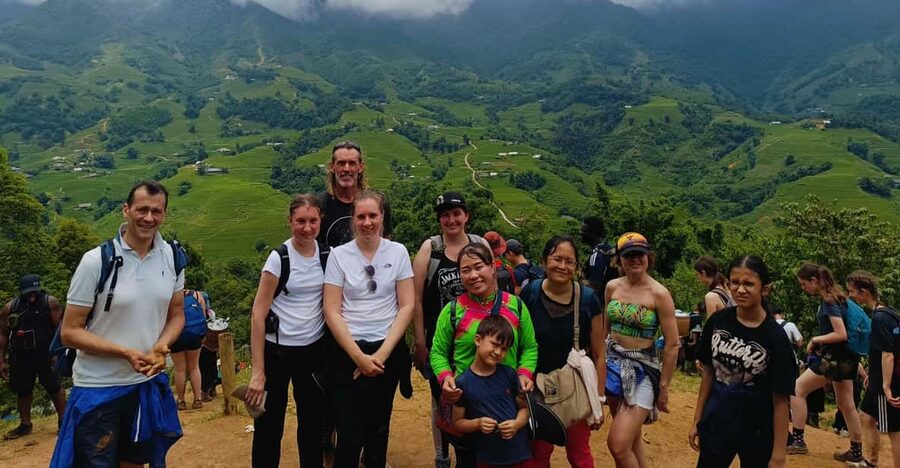
Mountain views come with muddy shoes. This 10-hour Sapa trek takes you from Sa Seng Mountain into Hang Da and Hau Thao, with wide views of Fansipan, Muong Hoa Valley, and some of northern Vietnam’s most impressive rice terraces. I especially like the small-group format and the chance to learn about Black Hmong marriage customs, farming, and house building from a local guide.
The homemade lunch and village visits add real value for $24 per person. My main caution is the difficulty: this is not always an easy walk. Steep ground, uneven steps, and slippery mud can turn parts of the route into a proper hike, especially after rain.
Five things to know before you go
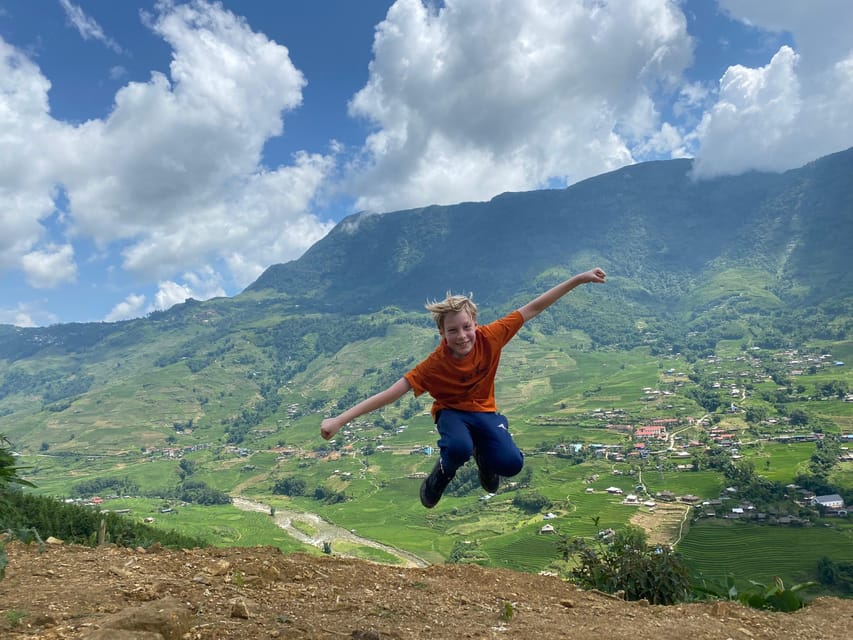
- The best view comes early: After roughly an hour climbing a 1-kilometer uphill trail, you reach Sa Seng Mountain with views of Fansipan and Muong Hoa Valley.
- You visit two Black Hmong villages: Hang Da comes first, followed by Hau Thao, where you can see farming life and local homes.
- Expect a real trek: The full walking distance is commonly around 12 to 14 kilometers, with about six hours on foot.
- Lunch is local and simple: A family-run restaurant serves the included traditional meal.
- Small groups improve the day: The tour allows up to 10 people, and smaller groups can move at a pace that suits everyone.
The morning climb to Sa Seng Mountain
The day begins around 9:00 a.m. Pickup is described as being available from your accommodation, but the stated meeting point is Sapa TT Homestay, about 2.3 kilometers from central Sapa. Confirm the exact arrangement before you set out. If you need to reach the homestay yourself, you can go by taxi, motorbike, or on foot.
The first section is short in distance but not especially gentle. You follow a small uphill trail for about 1 kilometer, and the climb takes roughly an hour. That may sound modest, but the surface and gradient matter more than the numbers. This is the part that quickly tells you if your shoes are up to the job.
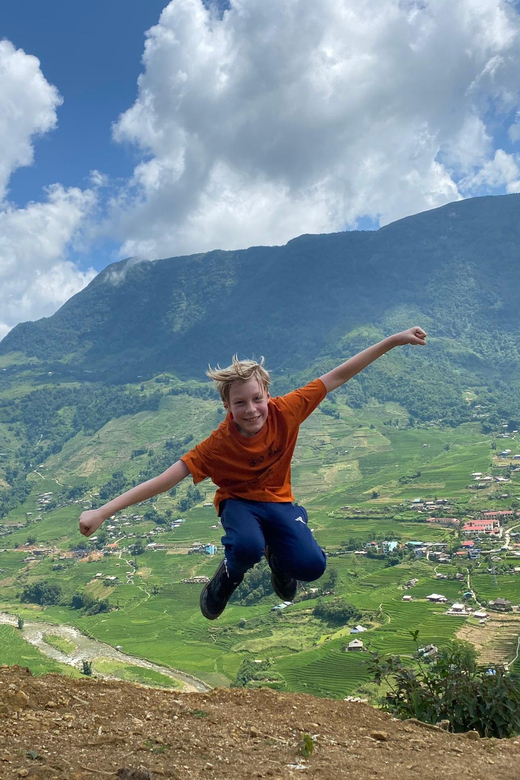
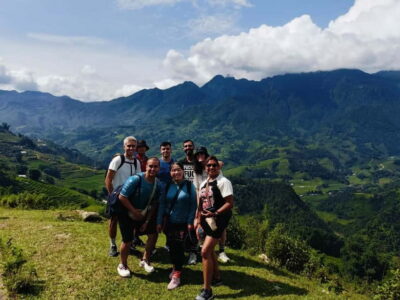
At the top of Sa Seng Mountain, the reward is a broad view over northern Vietnam. On a clear day, you can see Fansipan, at 3,143 meters the highest mountain in Indochina, along with Sapa town below. Muong Hoa Valley opens out beneath you, marked by large rice terraces and the valley’s main river.
This is the strongest photo stop of the morning. Clouds can soften or partly hide the mountains, and rain may limit visibility, but even overcast weather gives the route a moody highland feel. Do not judge the trek only by the forecast in Sapa town. Conditions on the mountain can be different.
More Mountain and Summit Hikes in Sapa
- Sapa The Hidden Trail Trek 1 Day – Mountain & Rice Valley
★ 5.0 · 133 reviews - Mountain views & Rice Terraced Fields Hiking – 2D 1N
★ 5.0 · 99 reviews - Mountain views and villages trek – 1 Day
★ 5.0 · 99 reviews
Down to Hang Da and the Hmong countryside
From Sa Seng, the route heads down the mountainside toward Hang Da, a village of the Black Hmong minority. The descent is scenic, but it can be harder on your legs than the climb. Several people have found the downhill sections slippery after rain, and large uneven steps require care.
You pass working countryside rather than a string of formal attractions. Water buffalo, cattle, and pigs are part of the local farming system, not decorative sights arranged for visitors. These animals matter to village households for work, food, and income, so your guide can help explain what you are seeing.
That everyday setting is one of the trip’s best qualities. You are not simply driven to a viewpoint, photographed, and sent back to town. You walk through places where farming, homes, animals, and footpaths all share the same space.
The route can feel quiet, although local people may approach to sell handmade goods. Some visitors find the attention tiring, particularly when women walk beside the group for part of the route. A polite but firm answer is usually the easiest way to handle it. Keep some cash with you if you want to buy something, but there is no need to purchase anything.
A family lunch with time to reset
Lunch takes place at a small restaurant run by a local family. The meal is included, along with one small bottle of water per person, so you do not need to budget separately for the main midday stop. Bring extra water anyway. One small bottle is not much for a full day in the mountains.
A family-run lunch is a better fit for this route than a polished restaurant in central Sapa. It gives you a break in a local setting and supports a small household business. The food is described as homemade, fresh, and traditional, but the exact dishes are not specified, so anyone with strict dietary needs should ask before booking.
Lunch also divides the day well. By this point, you will have completed the hardest initial climb and much of the descent. Take advantage of the pause to check your footwear, drink water, and adjust your pace for the afternoon.
Hau Thao and the value of a local guide
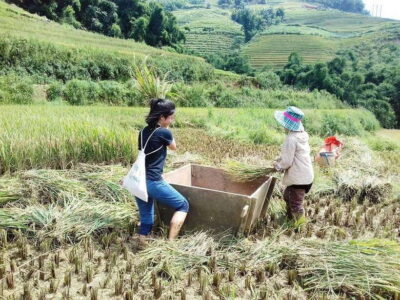
After lunch, you continue along a small road toward Hau Thao, another Black Hmong village. Here the focus shifts from scenery to local life. If the timing is right, you may see people planting or harvesting rice in the fields.
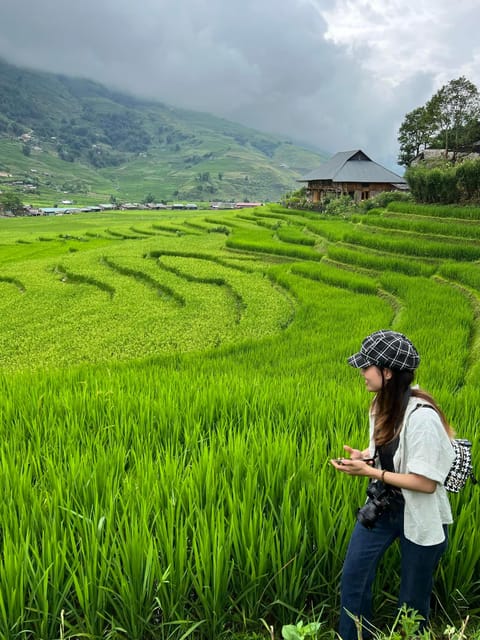
The agricultural calendar shapes much of what you see. During harvest season, the terraces can turn golden. At other times, they may show fresh planting, standing water, or green growth. The view changes with the season, so a return visit would not simply repeat the same scene.
The guide’s explanations are a major reason to choose this route. You can learn about Hmong marriage traditions, work in the rice fields, and methods used to build local houses. These details help you understand why the villages look and function as they do.
The guides assigned to this experience have included Mao, Mrs. Mao, Sung, Soso, and Moa. Their names vary by departure, so you should not book expecting one particular person unless the operator confirms it. The consistently strong point is the local perspective and the guides’ willingness to answer questions in English or Vietnamese.
One guide may explain hemp clothing, plant-based dyes, household work, or village customs if those subjects arise during your walk. Still, keep expectations realistic. This is a village trek, not a formal museum visit, and daily work may not be happening at every stop.
More Mountain and Summit Hikes in Vietnam
- 2-Day Fansipan Mountain Trek – Indochina’s Highest Peak
★ 4.3 · 42 reviews - Easy Trek in Sapa mountain : Y Linh Ho – Lao Chai – Ta Van
★ 4.8 · 16 reviews - Ninh Binh 1 day Hoa Lu Trang An with Dragon Mountain Hiking
★ 5.0 · 245 reviews - From Hanoi: 2-Day Sapa-Fansipan Peak & Trek & Ha Giang Bus
★ 4.8 · 52 reviews
The final walk to Giang Ta Chai
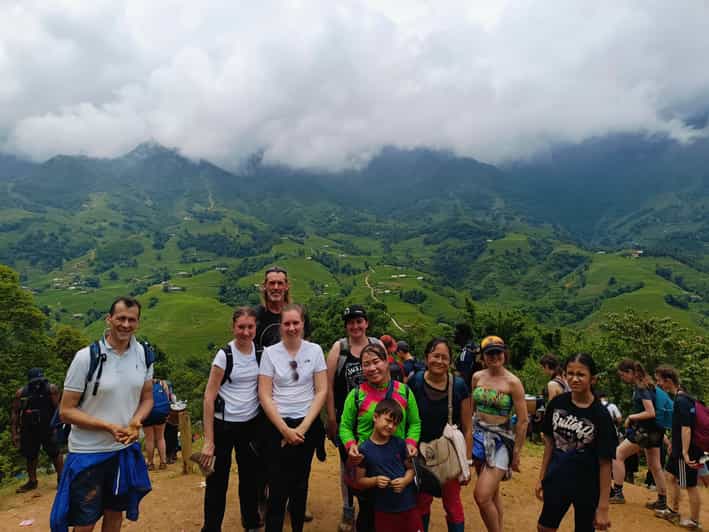
At about 3:30 p.m., you walk toward Giang Ta Chai, where transport meets the group on the main road. From there, you ride back to Sapa and finish the day.
This final stretch helps the schedule work. Instead of trekking all the way back to town, you end in a village and use transport for the return. It also means the day is built around one-way walking rather than a long out-and-back route.
The overall program lasts about 10 hours, but the amount of active walking can feel substantial. Several descriptions place the trek at around 12 to 14 kilometers, with roughly six hours spent on foot. That is why I would call it moderately difficult rather than easy.
The route is manageable for a reasonably active person, but it is not suited to someone who struggles with uneven ground or long descents. The tour is not suitable for people with mobility impairments or wheelchair users, and the stated age restriction excludes people over 95.
What the $24 price really covers
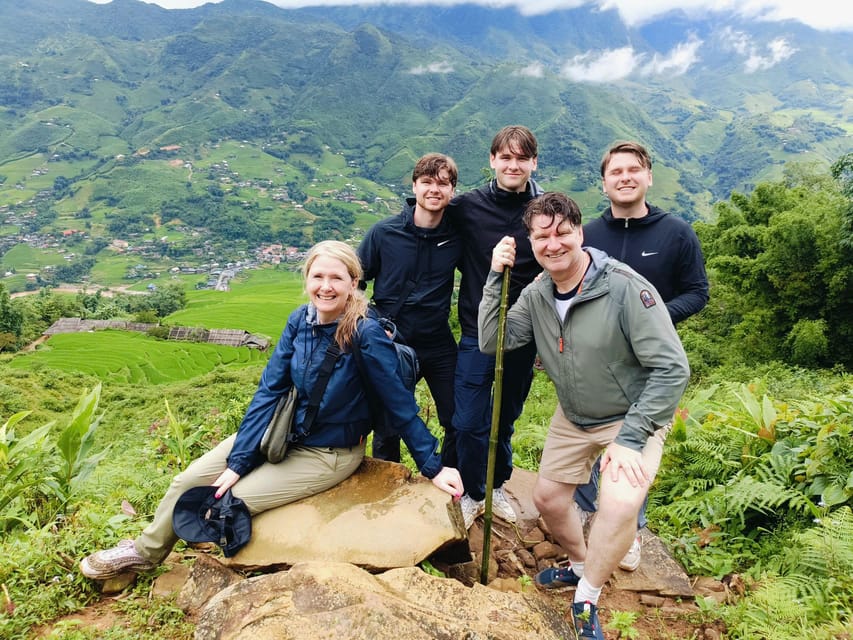
At $24, this is a strong-value day if you want transport, a guide, lunch, village entry fees, and a return ride bundled together. You also receive a trekking stick and one small bottle of water. Paying separately for all those pieces would be less convenient, and arranging a local guide for a full day could cost more.
The value is not just the number of inclusions. A local guide gives you access to explanations that you would miss by walking the same trail alone. The route also reaches viewpoints and villages without requiring you to plan your own transport from the mountain back to Sapa.
The price does not include anything not specifically listed. Carry cash for personal purchases and extra drinks. Do not assume snacks, extra water, specialty food, or shopping are covered.
Transport is one of the strongest practical points. A high percentage of customers gave the transport a perfect rating, and pickup arrangements have generally been described as smooth. One older account found pickup and drop-off a little chaotic, so I would confirm the meeting place, pickup time, and return point in advance.
How hard is the trail?
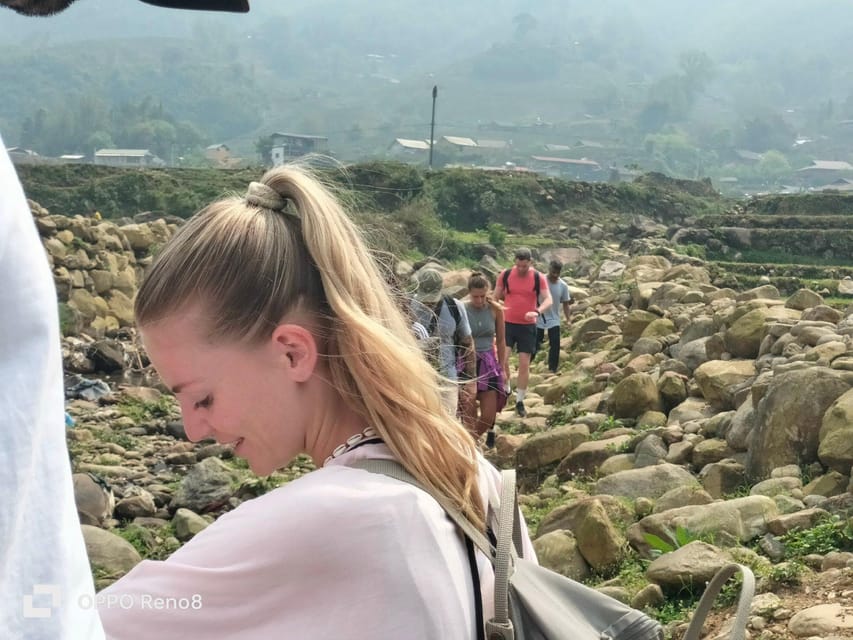
The word easy in the tour description needs a little interpretation. The walk is not technical climbing, and there is no mention of ropes or special equipment. But steep slopes, muddy patches, uneven terrain, and big steps make it a real mountain hike.
I would pack:
- Sturdy shoes with good grip
- Comfortable clothes that can get dirty
- Rain protection
- Extra drinking water
- Cash for purchases
- A small day bag
- A change of socks if rain is likely
The supplied trekking stick can help on descents and muddy ground. Wear shoes you trust rather than new footwear. Several people specifically found the route more challenging than expected, while others considered it moderately easy. Fitness, weather, and your comfort with steep ground will decide which description fits you.
The tour is best for someone who enjoys walking for several hours and does not need every path to be smooth. If you want a gentle village stroll, this may be too demanding. If you like a workout with strong scenery and cultural stops, the effort feels worthwhile.
Group size, pace, and guide quality
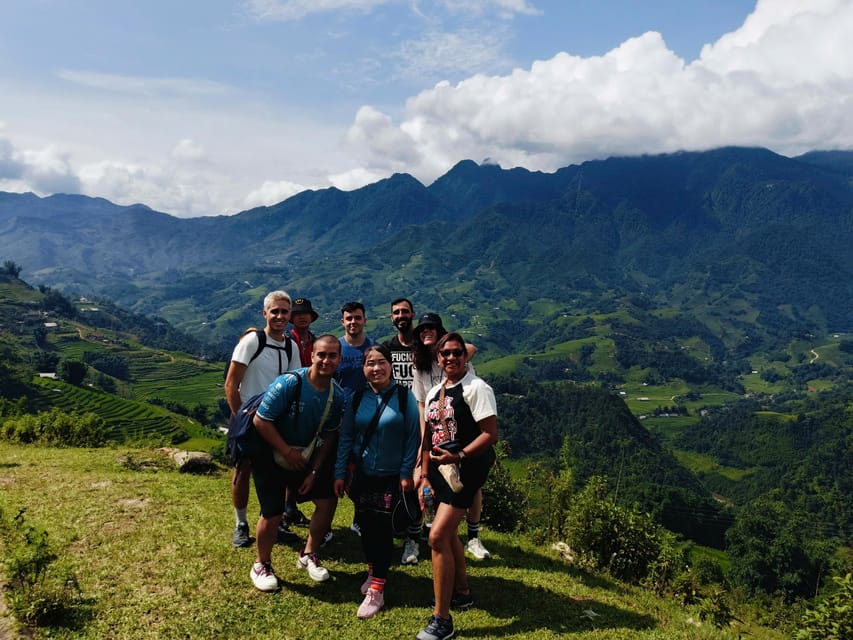
The group is limited to 10 people, though some departures have had only four or six participants. That makes a real difference on a trail where people naturally spread out.
A small group allows the guide to slow down for a steep patch, wait for someone who is taking photographs, or answer questions without holding up a large crowd. It also makes the day feel more personal than a bus tour.
English and Vietnamese are available. Guide quality is a major strength, especially when the guide comes from the local area and can explain customs from direct experience. The best guides on this route do more than point out rice terraces. They connect farming, marriage, houses, clothing, and family life so the village feels like a living community rather than a photo stop.
The pace is not fixed in the same way as a large group excursion. Still, tell the guide early if you need to slow down. Do not wait until the first long descent has exhausted you.
Weather, seasons, and what you will see
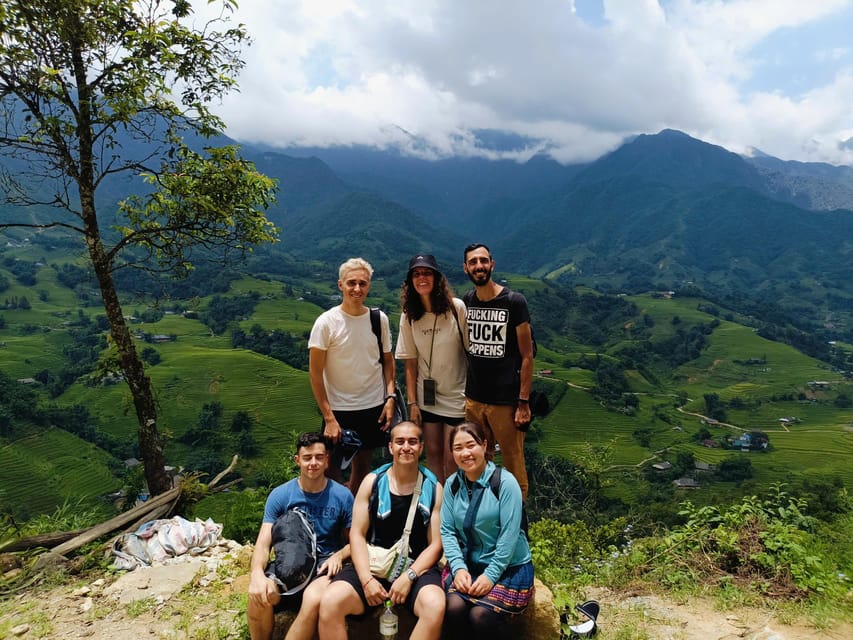
Sapa’s mountain weather can change the character of this trek. Sunny conditions bring clearer views and stronger rice-terrace colors. Cloud, rain, and mist can reduce the view from Sa Seng Mountain, but they also make the valleys feel quieter and more dramatic.
Rain has a practical cost. Mud makes the downhill sections slippery, and wet stone or packed earth can make large steps awkward. If the forecast looks poor, bring waterproof layers and accept that the views may be partial.
Rice terraces are especially striking around harvest time, when they take on golden tones. Planting season offers a different kind of interest, with people working in the fields. The tour does not promise a specific farming activity, so treat field work as a possible bonus rather than a guaranteed performance.
Who should book this Sapa trek?
I would recommend it to you if you want three things in one day: mountain views, a meaningful village walk, and local cultural explanation. It works particularly well for a short stay in Sapa because it covers a lot of ground without requiring an overnight homestay.
It also suits photographers, active couples, small groups of friends, and solo visitors who prefer a guided route. The combination of Sa Seng Mountain, Muong Hoa Valley, Hang Da, Hau Thao, and the family lunch gives you more variety than a simple viewpoint visit.
I would hesitate to recommend it if you dislike mud, long walks, uneven ground, or sales approaches in villages. It is also a poor fit if you need fully accessible paths or want a slow sightseeing day with little exertion.
Should you book it?
Book this trek if you want to see Sapa beyond town and are ready for a genuine walk. The best reasons to go are the local guides, broad views from Sa Seng Mountain, and the chance to see Black Hmong village life without spending two days on the trail.
Before paying, confirm the pickup point and ask about current trail conditions. Pack proper shoes, extra water, and cash. If you do that, the $24 price offers a lot: transport, lunch, village access, a small group, and a full day in the Muong Hoa area. It is not the easiest walk in Sapa, but for an active visitor, the challenge is part of the reward.
FAQ
How long does the Sapa mountain trek last?
The activity lasts about 10 hours. It starts around 9:00 a.m. and ends after transport returns you to Sapa from the Giang Ta Chai area.
How far do you walk?
The route is described as roughly 12 to 14 kilometers, with about six hours of trekking. The exact effort depends on weather, pace, and trail conditions.
Which villages does the tour visit?
The route goes through Hang Da and Hau Thao, both associated with the Black Hmong community. The walk finishes near Giang Ta Chai, where transport collects the group.
Is lunch included?
Yes. A traditional lunch at a small family-run restaurant is included. One small bottle of water per person is also provided.
Where is the meeting point?
The stated meeting point is Sapa TT Homestay, about 2.3 kilometers from central Sapa. Pickup from accommodation is also described, so confirm the exact arrangement before departure.
What should I bring?
Bring cash, sturdy walking shoes, extra water, and clothing suitable for changing mountain weather. A trekking stick is provided. Weapons and sharp objects are not allowed.
More Day Trips around Sa Pa
- From Sapa: 1-Day Guided Trek to Lao Chai & Ta Van with Lunch
★ 4.9 · 416 reviews - Sapa 1 Day Long Trek: Trek to Hau Thao and Sa Seng Villages
★ 4.6 · 344 reviews - 1-day Authentik trek & Panorama valley views
★ 5.0 · 189 reviews - 1 day Fansipan Trekking
★ 5.0 · 180 reviews
More Mountain and Summit Hikes in Sa Pa
- Berber villages : Atlas Mountains Day Hike from Marrakech
★ 5.0 · 14,007 reviews - Bali: Sunrise Mount Batur Guided Hike with Breakfast
★ 4.8 · 9,660 reviews - Bali: Mount Batur Sunrise Guided Hike and Natural Hot Spring
★ 4.8 · 9,284 reviews - From Marrakech: Atlas Mountains Full-Day Hiking Trip w Lunch
★ 4.8 · 7,417 reviews
Just added around Sa Pa
- Hanoi: Sapa Trekking 2 Days 1 Night – Sleeper Bus from Hanoi★ 4.6 · 18 reviews
- From Hanoi: 2-Days Sapa Trekking Tour Lao Chai and Cat Cat★ 4.3 · 7 reviews
- Easy Trek in Sapa mountain : Y Linh Ho – Lao Chai – Ta Van★ 4.8 · 16 reviews
- Discover Sapa: 2D1N Trekking Adventure & Cozy LaLa Homestay★ 4.9 · 17 reviews
- SaPa: 2-Day Villages,Rice Fields, Love Waterfall Hiking Tour★ 5.0 · 9 reviews
- AUTHENIC 2D1N Trek & Bungalow Retreat with Dinh Hmong Family★ 5.0 · 19 reviews
- From Hanoi: Sapa 3-Day Medium Trek and Limousine Trip★ 4.5 · 59 reviews
- 2 Night Lao Chai-Ta Van Homestay- Trekking & Fansipan Visit★ 4.0 · 8 reviews
Sapa Hiking Tours, compared.
Sa Pa: Muong Hoa Valley Trek and Local Ethnic Villages
Read our review →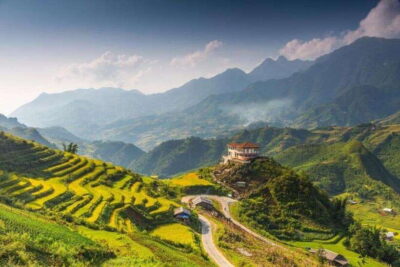
Eco Adventure Terrace Fields and Local Villages Trek
Read our review →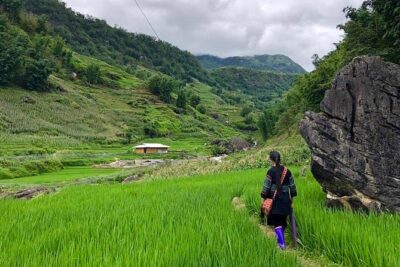
Number one top rated ethical cultural trekking and homestay by ETHOS
Read our review →
1-Day Guided Trek to Lao Chai & Ta Van with Lunch
Read our review →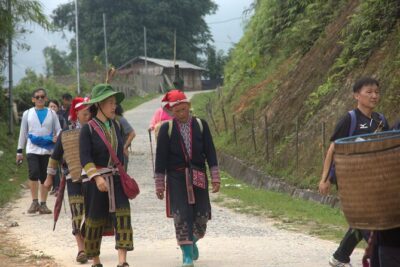
Sapa 1 Day Long Trek: Trek to Hau Thao and Sa Seng Villages
Read our review →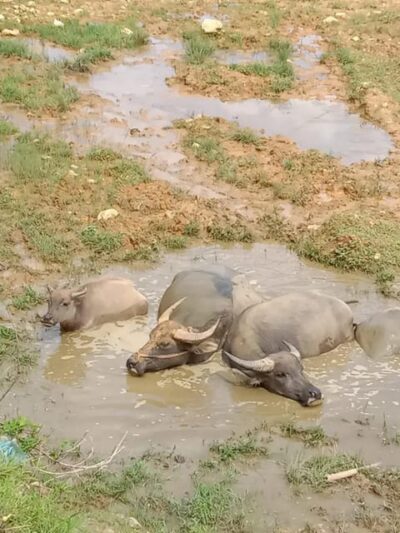
EXPLORE SAPA: 2D1N TREKKING & HMONG CULTURE WITH DINH
Read our review →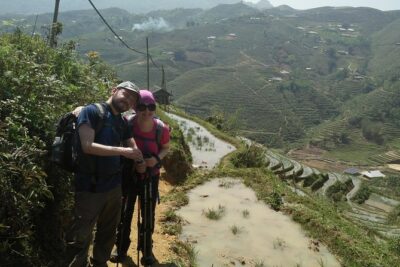
Browse the lists this tour appears in