
REVIEW · MOUNTAIN & SUMMIT HIKES
6 Days Bale Mountains Trekking
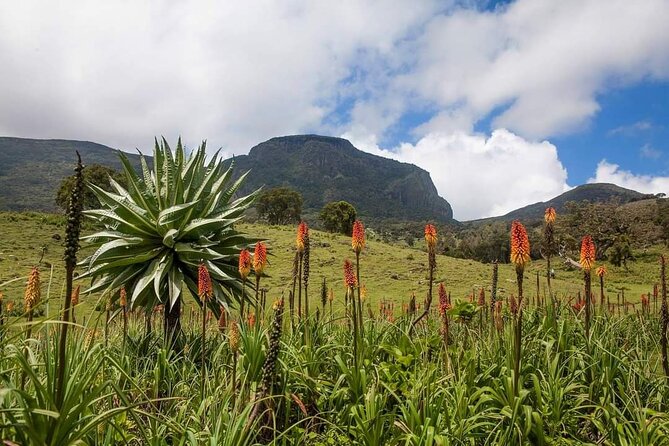
Wild Ethiopia rewards sturdy legs. This six-day Bale Mountains trek combines high-altitude walking, wildlife watching, volcanic ridges, glacial lakes, rivers, and Harenna Forest. I like the way it moves beyond a single scenic viewpoint, giving you several days to see how the terrain changes from juniper woodland to open mountain country and tropical forest.
I also like the small group limit of 10 people and the strong support from Armaye Ethiopia Tours. Guides named in past trips include Awel, Awol, and Armaye, with particular praise for clear communication, thoughtful planning, and making solo hikers feel safe. The main drawback is the altitude: camps reach 3,900 meters, and several days involve seven to nine hours of walking.
Key points at a glance
- Wildlife begins near Dinsho: Look for Mountain Nyala, Menilik’s bushbuck, baboons, warthogs, and endemic birds soon after arrival.
- High camps test your fitness: The route rises from 3,100 meters at Dinsho to 3,900 meters at Wasema.
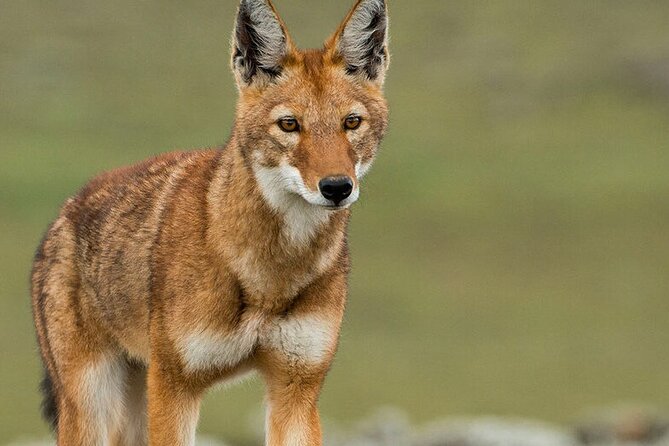
- Ethiopian wolf sightings are possible: The species appears in several sections of the route, along with Abyssinian hare and birds of prey.
- The scenery changes each day: Rivers, valleys, volcanic rock, glacial features, swamps, bamboo, and rainforest all form part of the journey.
- The price covers most daily costs: At $488 per person, accommodation, meals, transport on the tour, park fees, and drinks are included, but domestic flights are extra.
- This is a real trek, not a gentle walk: You need moderate fitness and comfort with long days at altitude.
Why the Bale Mountains deserve six days
The Bale Mountains offer a rare mix of wildlife and high-country walking. You are not simply following one trail through one type of scenery. The route begins around juniper woodland, climbs into broad mountain country, crosses river valleys and high camps, then finishes in Harenna Forest.
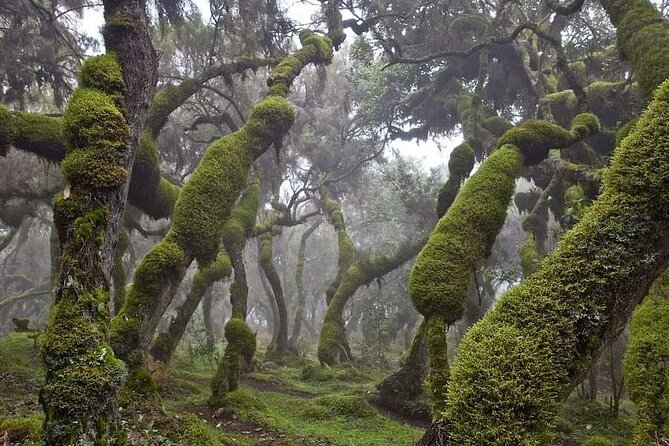
That variety gives the trip its value. One day may focus on animals near Dinsho. Another brings open views around the Mararo Valley. Later, you are looking at the remains of volcanic activity and the effects of the Ice Age on Ethiopia’s mountain forms. The final full day changes the mood again, with forest trails, waterfalls, bamboo, and the Bale monkey.
I like this kind of route because the wildlife is part of the walking rather than a separate game drive. Sightings are never guaranteed, but the chance to spot an Ethiopian wolf while moving through its mountain habitat makes the trek special.
The tour costs $488 per person, before the domestic flight. That is a useful price for six days when you consider that it includes five breakfasts, five lunches, five dinners, accommodation, bottled water, coffee and tea, park fees, and an air-conditioned vehicle. You are also paying for guides, transfers, and the practical work needed to organize camps and mountain transport.
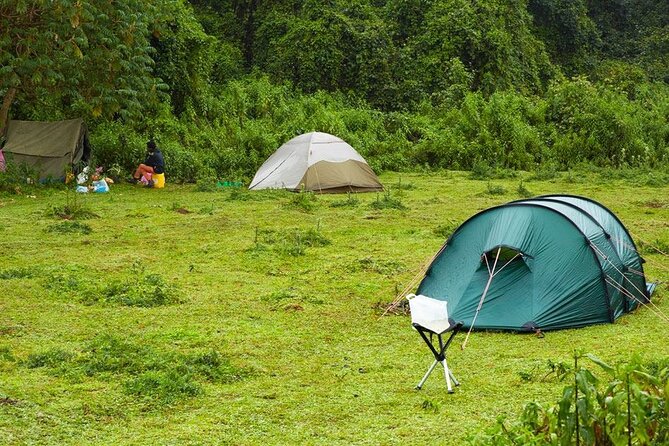
You should still ask for the exact accommodation details before paying. The itinerary names Dinsho, Sodota, and Wasema campsites, followed by Tokuma or a similar property, but it does not describe tent arrangements or bathroom facilities. If you are used to hotels, this will feel basic. If you want a close-to-nature trek, that simplicity is part of the appeal.
More Mountain and Summit Hikes in the world:
- Berber villages : Atlas Mountains Day Hike from Marrakech
★ 5.0 · 14,007 reviews - Bali: Sunrise Mount Batur Guided Hike with Breakfast
★ 4.8 · 9,660 reviews - Bali: Mount Batur Sunrise Guided Hike and Natural Hot Spring
★ 4.8 · 9,284 reviews
Day 1: Dinsho at 3,100 meters
After your arrival at Goba airport, the team picks you up and drives to Dinsho, home of the park headquarters. The first walking section takes you around the headquarters area and nearby juniper woodland.
This opening day is excellent for getting your first feel for Bale’s wildlife. You may see Menilik’s bushbuck, Mountain Nyala, warthog, reedbuck, gray duiker, and baboons. The bird list includes the Black-headed siskin, Wattled Ibis, and Abyssinian catbird.
The appeal here is not dramatic distance. It is the chance to begin slowly and see some of Bale’s special species before the harder walking begins. The park headquarters also gives you a useful introduction to the area’s ecology.
The day is listed at about seven hours, so do not treat it as a short arrival stroll. You spend the night at Dinsho Campsite at roughly 3,100 meters. That altitude matters from the start. Give yourself time to move steadily, drink water, and tell your guide if you feel unwell.
Day 2: An 18-kilometer walk to Sodota
After breakfast, you set out for an 18-kilometer hike to Sodota Camp. The route passes the Wolla and Web rivers near Dinsho, adding water, open views, and changing ground underfoot.
This is the first day that clearly feels like a proper trek. Seven hours of walking over 18 kilometers can be tiring even before altitude enters the picture. The route is not presented as technical climbing, but you still need decent stamina and good walking habits.
The wildlife possibilities include Ethiopian wolf, rock hyrax, and birds of prey. A wolf sighting would be a major moment, but you should approach the day as a walk through prime habitat rather than a guaranteed wildlife outing.
Sodota Camp sits at about 3,500 meters. That rise from Dinsho is modest on paper, but you may notice it after a long day. The campsite setting keeps you close to the mountain environment, though the basic facilities may not suit anyone seeking comfort or privacy.
Day 3: Mararo Valley and Wasema Camp
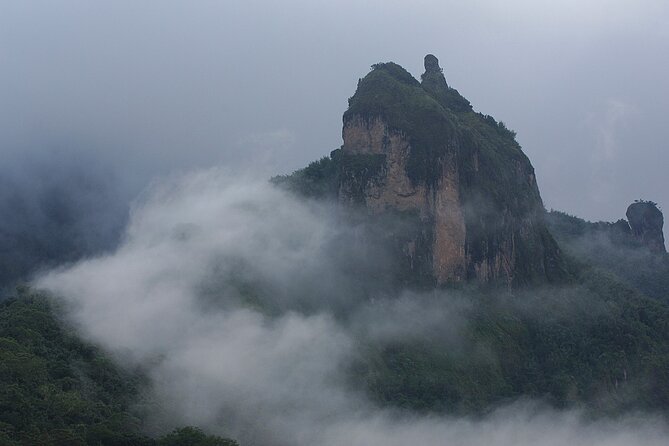
Day three takes around seven hours and passes through the Mararo Valley. The route offers a closer look at the mountain’s natural forms, with eagles nesting near the verros, as described in the itinerary.
You may also see an Ethiopian wolf and more distinctive bird species. This part of the trip is especially appealing if you enjoy watching the sky as much as the ground. Eagles, birds of prey, and other high-country species add movement to what can otherwise be a quiet walking day.
The overnight stop is Wasema Camp at about 3,900 meters. This is the highest named campsite on the route and one of the most important practical points in the entire trip. At this height, a moderate fitness level is not the whole story. Your response to altitude matters too, and people adjust at different speeds.
Do not plan demanding activities after arriving at camp. Eat, drink, keep your evening simple, and follow the guide’s advice. The high camp is a reason to choose this tour for its wild setting, but it is also the clearest reason to avoid it if you dislike basic camping or long days above 3,500 meters.
More Six-Day Trips around the world:
- Singalila Ridge Trek from Darjeeling – 6 Days
★ 5.0 · 56 reviews - 6 Days Serengeti Safari(hiking waterfalls &coffee tour)
★ 5.0 · 48 reviews - 6 day Rainbow Mountain x Ausangate Trek – FlashpackerConnect
★ 5.0 · 30 reviews - 6 Days: Hiking Kilimanjaro via Machame Route
★ 5.0 · 24 reviews
Day 4: Volcanic forms and Ice Age country
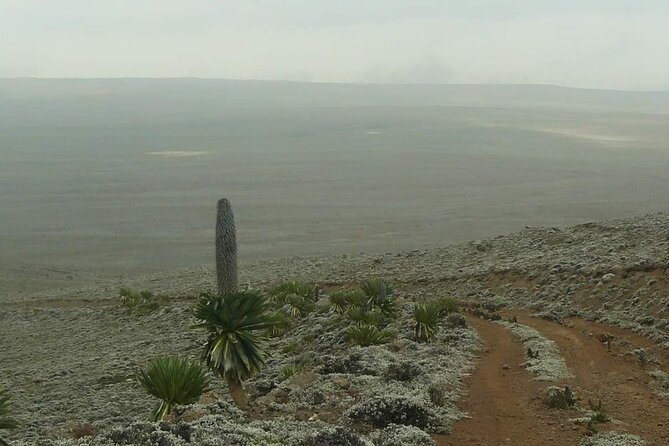
The fourth day continues through the high mountain region and lasts about eight hours. The route helps explain why Bale looks the way it does. Its mountain range was shaped by an ancient super-volcano, while Ice Age forces also helped form Ethiopia’s relief.
This is a good day to pause and pay attention to the ground itself. Rock formations, ridges, valleys, and high open areas are not random scenery. They reflect a long geological story, and the guide can help connect what you see with the area’s volcanic and glacial past.
The itinerary does not name the night’s campsite or provide a detailed list of stops, so you should request that information before departure. That is a small planning gap, especially for anyone who wants to know exactly how many hours of walking remain and where the evening will be spent.
Still, the day’s value is clear. It is less about ticking off one attraction and more about seeing the high Bale country as a living geological record. The eight-hour schedule makes this another serious walking day.
Day 5: From the mountains to Harenna Forest
After breakfast, a vehicle meets you at camp and takes you toward Harenna Forest, described as the country’s second tropical rain forest. This transfer breaks up the walking and gives your legs a needed change after several high-altitude days.
The route offers further wildlife chances, including Ethiopian wolf, Abyssinian hare, Blue-winged Goose, Ruddy Shelduck, Wattled Crane, and other water birds. The mix is one of the tour’s best features. Bale is not only about mountain mammals. Wet areas and forest edges support a broad range of birdlife too.
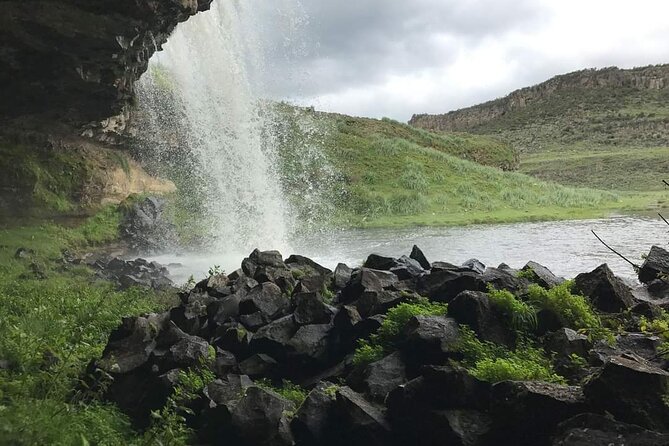
Once in Harenna Forest, you walk to a waterfall and along a bamboo trail. The Bale monkey may be seen here, along with numerous bird species. The forest section gives the trip a strong finish because the setting feels very different from the open uplands around Wasema.
This is the longest listed day at about nine hours, though that total includes driving and walking. You should still expect a full day. Overnight accommodation is at Tokuma or a similar property, which may feel more comfortable than the campsites, but exact facilities are not specified.
Day 6: A short transfer to the airport
After breakfast, you are transferred to the airport for your flight back to Addis Ababa. The final day is listed at about two hours, so there is no major trek to complete.
The domestic flight is not included in the $488 price. That is important when comparing the tour with other Ethiopia packages. The ground arrangements and meals are covered, but you need to budget separately for the flight and confirm the schedule before booking.
The pickup at Goba airport is included at the beginning, and the return airport transfer is also part of the plan. The stated meeting time is 8:30 am, but you should confirm the exact pickup details and flight timing with Armaye Ethiopia Tours.
Wildlife is a major reason to go
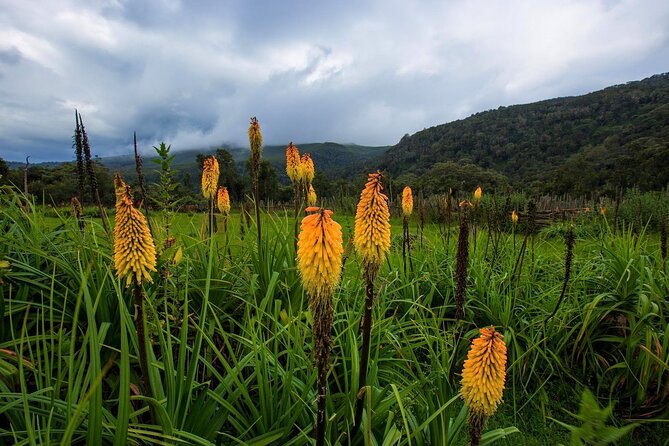
Bale’s animals give the trek a purpose beyond scenery. The Mountain Nyala and Menilik’s bushbuck are especially tied to Ethiopia, while the Ethiopian wolf is one of the most sought-after sightings on the route.
You may also see:
- Warthog, reedbuck, gray duiker, and baboons
- Rock hyrax and Abyssinian hare
- Bale monkey in Harenna Forest
- Eagles and other birds of prey
- Wattled Ibis, Black-headed siskin, and Abyssinian catbird
- Blue-winged Goose, Ruddy Shelduck, and Wattled Crane
Keep your expectations sensible. This is not a zoo visit, and the itinerary does not promise a particular sighting. Your best approach is to enjoy the habitat first and treat animals as a welcome bonus.
A guide matters here. Past trips have included Awel, Awol, and Armaye, and the strongest praise has focused on their care, planning, communication, and ability to support people on the trail. One solo older woman specifically felt comfortable throughout the trek, while another account praised the guide for making sure every need was handled.
What the $488 price really covers
At $488 per person, this is a practical package rather than a luxury trip. The included air-conditioned vehicle matters because the route combines road transfers with walking, especially on the move to Harenna Forest and the airport.
Included items are:
- Accommodation
- Five breakfasts, five lunches, and five dinners
- Bottled water
- Coffee and tea
- Air-conditioned vehicle
- Park admission and other listed fees
- Taxes
You still pay for the domestic flight, tips, alcoholic drinks, souvenirs, and other personal expenses. The low group limit helps the price feel fair, especially if the trip runs with close attention from the guide team.
The best value comes if you want an organized, wildlife-focused trek and do not want to arrange park access, camps, meals, transfers, and guides yourself. The weaker value comes if you expect polished lodging, private comfort, or a fully inclusive airfare package.
Who should book this trek
I would recommend this trip to you if you want:
- Several days of walking rather than short nature stops
- High-altitude scenery and basic campsites
- A chance to see Ethiopian wildlife in its habitat
- A small group with a maximum of 10 people
- A mix of mountain country and forest
- A guided route with meals and transport arranged
I would be cautious if you have limited fitness, dislike long days, or have concerns about sleeping at high altitude. The route includes seven-hour days, an eight-hour day, and a nine-hour day, with camps rising to 3,900 meters.
Good footwear, layered clothing, sun protection, and a water bottle are sensible choices, though specific equipment requirements are not provided. Ask the operator what camping gear is supplied, what facilities are available, and how luggage is handled between camps.
The tour has a five-star rating from 10 submitted reviews and a 100 percent recommendation rate. That points to a reliable level of organization, but it does not remove the physical demands. A well-run trek can make a hard route easier, not turn it into an easy route.
Booking and cancellation details
Confirmation is provided when you book. Pickup is offered, the experience accepts mobile tickets, and public transportation is nearby. The group can include up to 10 people.
You can cancel for a full refund if you do so at least 24 hours before the start time. Changes or cancellations made later are not accepted for a refund. Poor weather or failure to reach the minimum group size can lead to a new date, another experience, or a full refund.
Should you book the Bale Mountains trek?
Book it if you want Ethiopia at walking pace, with wildlife, geological features, high camps, and a forest finish. The route is varied, the price covers most daily costs, and the small group format adds useful personal support.
Skip it if you want a soft adventure or hotel-based sightseeing. The altitude and long walking days are real. For fit hikers who accept basic camping and want a close look at Bale’s wildlife and mountain country, this six-day trip offers strong value at $488, provided you budget separately for the domestic flight.
FAQ
How long is the Bale Mountains trekking experience?
The tour lasts approximately six days, including arrival, five nights of accommodation, five full sets of included meals, trekking, the Harenna Forest visit, and the airport transfer on the final morning.
How much does the trek cost?
The listed price is $488 per person. The domestic flight fee is not included.
Is the domestic flight included?
No. The domestic flight must be paid for separately. The tour includes airport pickup at Goba and a transfer to the airport for the return flight to Addis Ababa.
What meals are included?
The package includes five breakfasts, five lunches, and five dinners. Bottled water, coffee, and tea are also included.
How fit do I need to be?
You should have a moderate level of physical fitness. Walking days range from about seven to nine hours, and the route reaches camps at altitudes up to 3,900 meters.
How many people can join the tour?
The group size is limited to a maximum of 10 people.
Can I cancel for a full refund?
Yes, if you cancel at least 24 hours before the experience start time. Cancellations or changes made less than 24 hours in advance are not refunded or accepted. Poor weather or failure to meet the minimum group size may result in a new date, another experience, or a full refund.
Just added around the world
- Annapurna Base Camp Trek – 11 Days★ 5.0 · 30 reviews
- Annapurna Base Camp Trek 12 Days★ 5.0 · 18 reviews
- Annapurna Base Camp Trek 10 Days★ 5.0 · 35 reviews
- Annapurna Base Camp Trekking★ 5.0 · 38 reviews
- Adventurous Annapurna Base Camp Trekking★ 5.0 · 7 reviews
- Annapurna Base Camp Trek★ 5.0 · 80 reviews
- Annapurna Base Camp Private Short Trek★ 5.0 · 8 reviews
- Annapurna Base Camp Short trek★ 5.0 · 13 reviews
Mountain & Summit Hikes, compared.
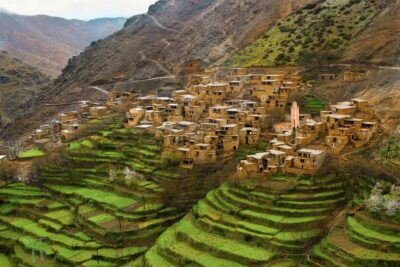
Berber villages : Atlas Mountains Day Hike from Marrakech
Read our review →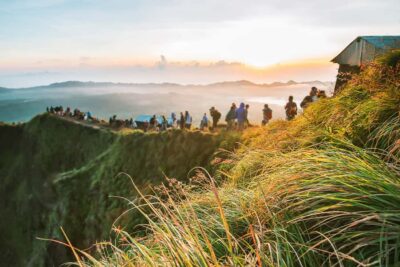
Sunrise Mount Batur Guided Hike with Breakfast
Read our review →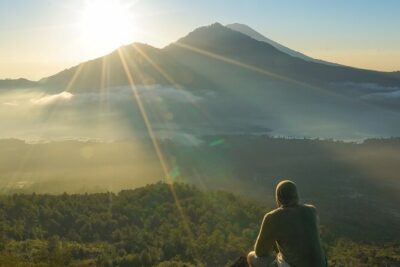
Mount Batur Sunrise Guided Hike and Natural Hot Spring
Read our review →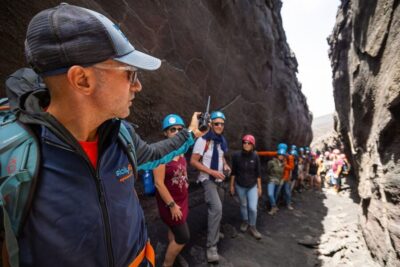
Bovilla Lake & Gamti Mountain Hiking Day Trip
Read our review →
Mount Batur Sunrise Trek With Guide and Breakfast
Read our review →Browse the lists this tour appears in