
REVIEW · POKHARA HIKING TOURS
1 N 2 Days easy Dhampus,Australian camp trek from Pokhara
Two days can bring you close to the Himalayas. This short private trek from Pokhara combines a manageable mountain walk with wide Annapurna views and a night near the quiet Australian Camp. I like the chance to see sunrise and sunset without committing to a long Himalayan route, and I like the personal help from guides such as Amrit and Biru, who adjust the pace and explain local life. The main catch is that easy does not mean effortless: stone steps can be tiring, and clouds may hide every mountain you came to see.
The trip also gives you two different settings. Australian Camp offers a high viewpoint at about 2,100 meters, while Dhampus, at roughly 1,700 meters, gives you a closer look at Gurung village life, stone houses, fields, and everyday routines. At $86 per person, with transport, a guide, and one night included, it offers good value, though meals and drinks cost extra.
Key points to know before you go
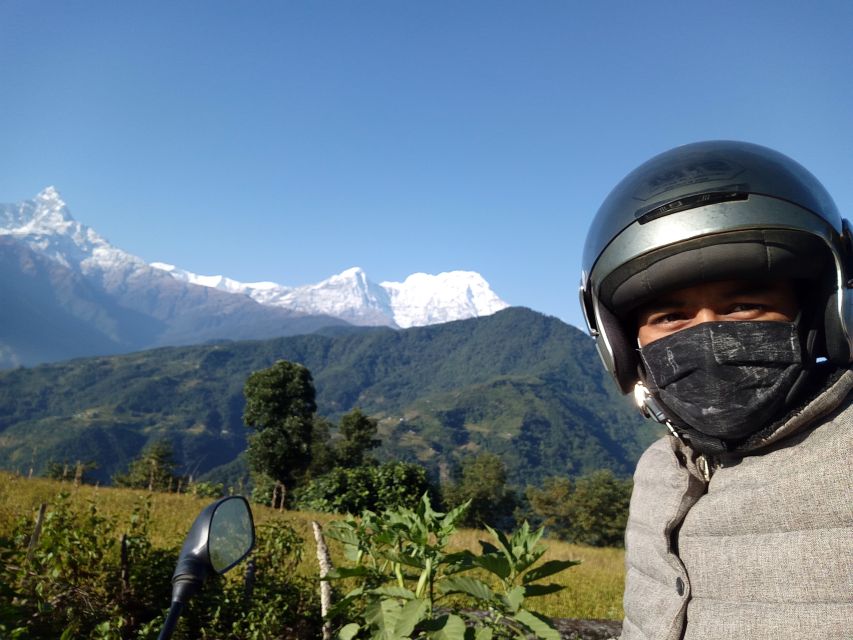
- A short Himalayan taste: You get a two-day mountain experience from Pokhara without the length or altitude of a major Annapurna trek.
- Kande to Australian Camp takes about two hours: The walk is brief but includes stone steps and uphill sections.
- Dhampus adds village character: Traditional Gurung homes, terraced fields, and local hospitality give the trip more depth than a viewpoint visit alone.
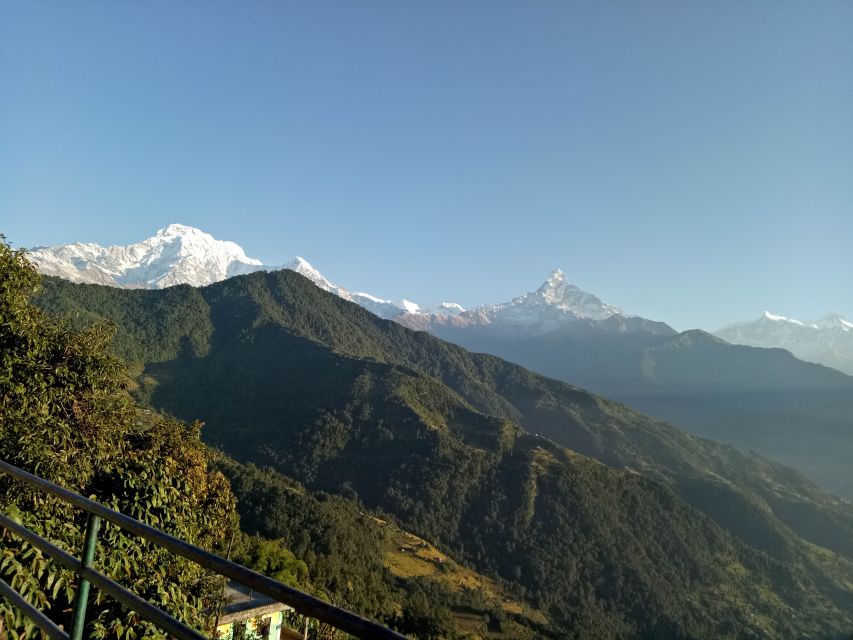
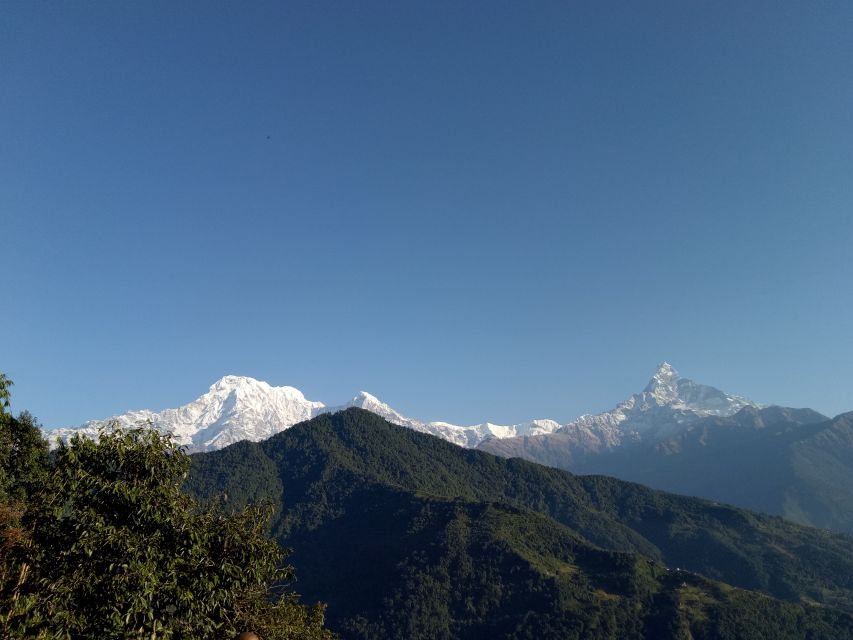
- The best views depend on weather: Clear mornings can reveal Annapurna, Machhapuchhre, Dhaulagiri, and other high peaks, but fog may block them completely.
- The guide makes a real difference: Amrit, Biru, Armit, Milan, and Biruenda are praised for patience, safety, local knowledge, and flexibility.
- Private travel keeps the pace personal: You can slow down, take photographs, rest, or spend quiet time without following a large group.
Why this short trek works from Pokhara
This is a good choice if you want a taste of Nepal’s mountain trails but do not have time for the Annapurna Base Camp or Poon Hill routes. You leave Pokhara early, drive toward Kande, walk through the hills, sleep at a simple lodge, and return the next day.
The walking distance is modest. That makes the trip suitable for many first-time hikers, but you should not confuse a short route with a flat route. The climb includes stone steps, and one person described the approach as harder than expected. If you are not in strong shape, a patient guide can help, but you still need comfortable shoes and a willingness to walk uphill.
The private format is one of the strongest features. You are not tied to the speed of a mixed group. If your wife feels unwell, as happened on one outing, the guide can slow down and adjust the plan. If you want to stop often for photographs, you can do that too.
The trip is also a useful introduction to mountain weather. A clear forecast does not guarantee a clear view. Fog covered the peaks for some departures, while a change in the clouds produced a beautiful sunset later in the day. You need to treat the mountains as the main attraction, not a guaranteed backdrop.
More Two-Day Trips around Pokhara:
- Pokhara: 2-Day Ghorephani and Poon Hill Private Trek
★ 4.6 · 50 reviews - From Antigua: Adventure, 2-Day Hiking to Acatenango Volcano
★ 4.4 · 1,189 reviews - Mt Toubkal Ascent Express Trek 2 Days 1 Nights
★ 4.7 · 962 reviews
Day one: Kande, stone steps, and Australian Camp
Your guide picks you up from your hotel in Pokhara early in the morning. Private transport takes you to Kande, near Naudanda, where the walking portion begins.
The route to Australian Camp takes around two hours. Expect a trail with uphill stretches and stone steps rather than a smooth park path. The distance is short enough for a careful beginner, but the steps can make the walk feel more demanding than the time suggests.
Your guide should set the rhythm. Guides named Amrit, Milan, and Biruenda have been praised for encouraging people without pushing them too hard. One useful piece of advice repeated during the walks was to slow down and take your time. That is exactly the right approach here.
You pass green hills, terraced farmland, forest, and rural settlements. The appeal is not only the final viewpoint. The walk gives you a look at the way villages and fields fit together in the hills above Pokhara.
Australian Camp, also known as Thulo Kharka, sits at about 2,100 meters. Its name comes from its popularity with Australian hikers, though the setting feels distinctly Nepali: forest, farmland, mountain air, and simple lodges rather than a developed resort.
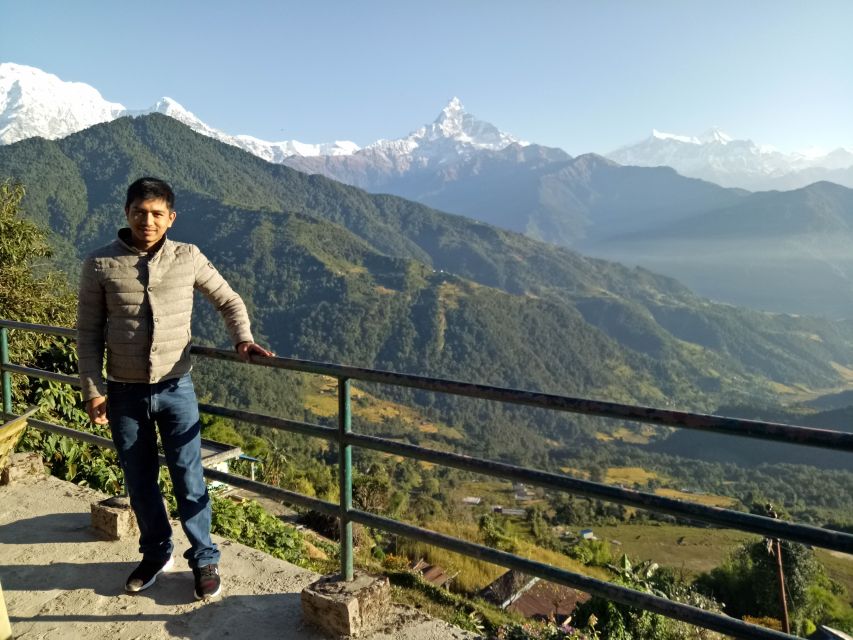
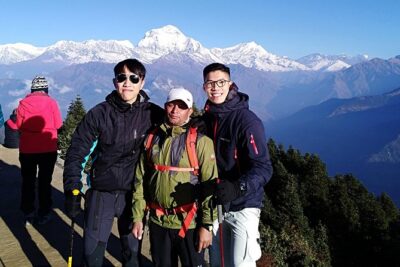
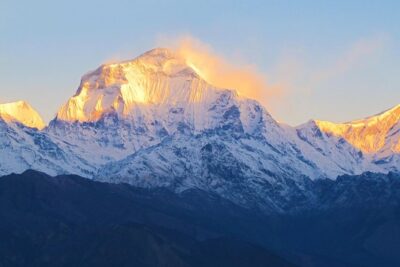
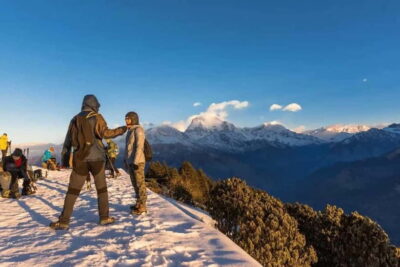
The main reward is the open view. On a clear day, you can see across the Annapurna range and toward Dhaulagiri. Machhapuchhre, also called Fishtail, is one of the most recognizable peaks in the area. The viewpoint is described as offering a 180-degree panorama, but that view depends heavily on clear skies.
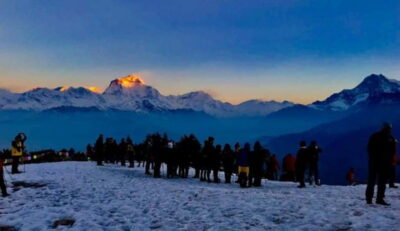
In the evening, you can watch the light change over the mountains. Sunset is one of the most appealing parts of the overnight plan because you are already at the viewpoint instead of trying to return to Pokhara after a quick afternoon stop.
Accommodation is in a guesthouse or lodge. It is described as comfortable, but you should keep expectations practical. This is a mountain overnight, not a city hotel. Food and drinks are available for purchase, but they are not included in the $86 price.
If the clouds roll in, the first evening may not deliver the grand view. That does not make the walk pointless, but it does change the experience. One guide sensibly moved the overnight stay to Dhampus when the weather made Australian Camp less appealing. That kind of decision can save the trip from becoming a night beside a wall of fog.
Day two: sunrise, Dhampus, and the return to Pokhara
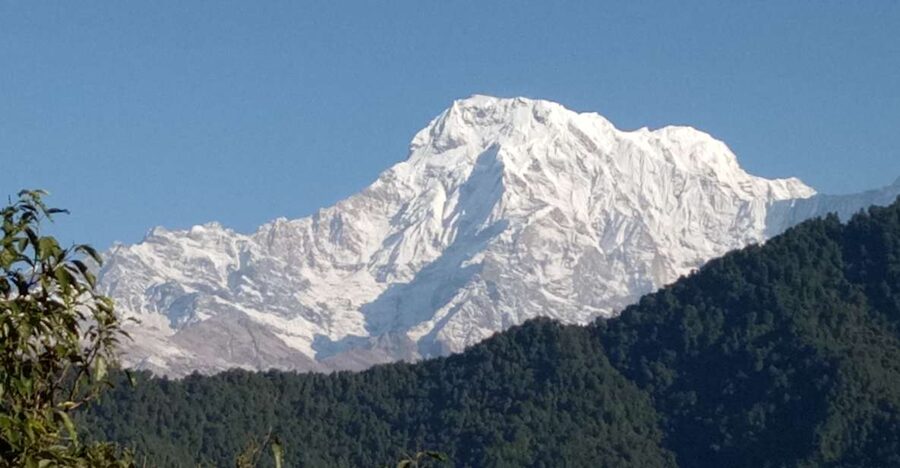
The second morning starts early if you want to see sunrise. From Australian Camp, the changing light can reveal the Annapurna peaks and surrounding ranges. On a clear day, this is the moment that makes the short trek feel worthwhile.
You should allow time to simply watch. The best guides do not treat the sunrise as a rushed photo stop. Amrit and other guides are praised for matching the walking speed to the person in front of them and allowing quiet time when needed.
After breakfast at the lodge, you hike down toward Dhampus Phedi. The descent is easier for some people than the climb, but stone steps can still be hard on knees. Use a steady pace and watch your footing, especially if the trail is damp.
The route gives you a different view of rural Nepal. Dhampus is a traditional Gurung village at around 1,700 meters, with stone houses, narrow lanes, terraced fields, and mountain views. It is also known as a starting point for longer Annapurna Base Camp and Poon Hill routes.
Dhampus is not only a pass-through point. If weather or trail conditions lead you to stay there instead of Australian Camp, you gain more contact with village life. One particularly memorable stay included local music and an informal evening with Nepali residents at the guesthouse. It was not a staged cultural performance. It grew naturally from the people sharing the same place.
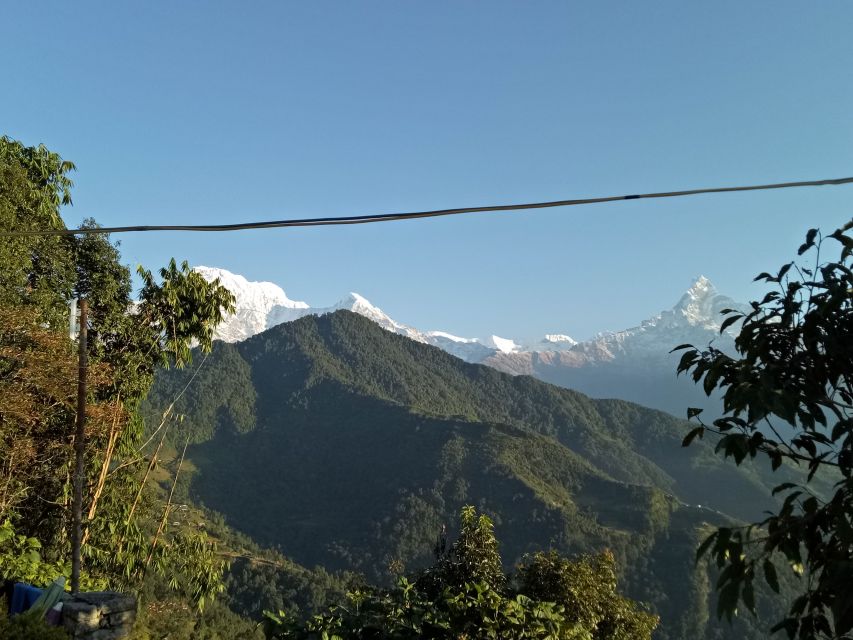
That difference matters. Australian Camp is the stronger high viewpoint, while Dhampus can feel more connected to daily life. You may see electrical wires in some photographs, so it is worth walking around and looking for angles if you care about mountain pictures. The village rewards a slower visit.
From Dhampus Phedi, private transport takes you back to your hotel in Pokhara. The trip is short enough to leave you with time in Pokhara afterward, depending on the pace of the morning and road conditions.
Australian Camp or Dhampus: which overnight suits you?
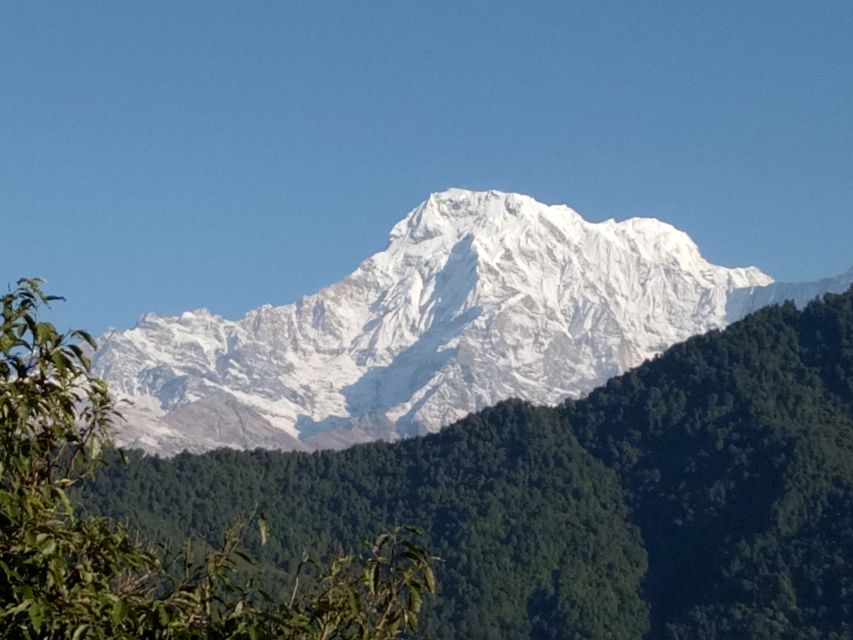
The planned overnight is at Australian Camp, and that is the better choice if your main goal is a sunrise or sunset panorama. You are closer to the high viewpoint, so photography is easy and the setting feels open.
Dhampus is the better alternative if you want more village atmosphere. It offers traditional Gurung culture, local homes, terraced land, and a more grounded sense of place. The mountain views can still be excellent, especially when evening clouds clear.
The smart approach is to stay flexible. If the weather is poor at Australian Camp, an experienced guide may recommend Dhampus instead. That can reduce the walking required the next day and give you a better chance of enjoying the mountains when the clouds lift.
You should also understand that neither place guarantees a view. Fog blocked the Annapurna range for some departures, including one outing when the mountains could not be seen at all. The walk and village setting still have value, but you should book this trip during a season that gives you the best odds.
March through May and September through December are listed as the best periods. Even in these months, mountain weather can change quickly. December through April departures may feel especially rewarding when skies are clear, but the supplied experiences show that fog remains possible.
A few more hikes around Pokhara worth a look
- Poon hill Trek 3 days
★ 5.0 · 176 reviews - Trekking in Annapurna/Langtang/Everest/Upper Mustang regions
★ 5.0 · 161 reviews - Pokhara: 4-Day Ghorepani, Poonhill & Ghandruk Mountain Trek
★ 5.0 · 132 reviews - Ghorepani – Poon Hill Trek 3N-4D
★ 5.0 · 125 reviews
The guide is the heart of the experience
The guide is not just there to lead the trail. A good guide watches your footing, checks your condition, explains what you are seeing, and decides when a plan needs to change.
Amrit is praised for clear English, local information, and careful attention to walking speed. He also adjusted plans when someone felt unwell. Biru is described as patient and considerate, with a good sense of when to talk about Nepal and when to give you quiet time.
Armit helped with slippery sections and regularly asked what the person wanted to do. Milan encouraged a hiker through the steep stone steps. Biruenda carried a bag for a person who was worried about fitness and repeatedly reminded them to slow down.
These details matter because a short trek can still feel stressful if you are worried about keeping up. The strongest part of this experience is the guide’s personal attention, not simply the route itself.
English, Hindi, and Nepali are available. English ability may vary by guide, but the named guides are praised for explaining the route and local culture in a clear, friendly way. If you prefer plenty of conversation, you can ask about Pokhara, Gurung traditions, and mountain life. If you want quiet, the private format makes that easier too.
What the $86 price really covers
At $86 per person, the price includes hotel pickup and drop-off, round-trip private transport, a professional English-speaking trekking guide, one night in a guesthouse, an emergency first-aid kit, official documents, and a private trip.
That is solid value for a two-day outing from Pokhara. Transport alone would be less convenient to arrange independently, and the guide adds safety and flexibility on the trail. The private vehicle also means you avoid joining a large scheduled group.
Food and drinks are not included. You buy those at the lodge, so budget extra for meals. The accommodation is simple guesthouse lodging, not a luxury stay, but the purpose of sleeping there is to catch the evening and morning views.
You also receive free cancellation up to 24 hours before the start time and can reserve without paying immediately. Those terms make the booking less risky when your Pokhara schedule or mountain weather plans are still moving.
Who should book this trek?
I would recommend it to you if you want:
- A short introduction to Himalayan trekking
- A private guide and vehicle
- Sunrise and sunset near the Annapurna range
- A chance to see Gurung village life
- A route that does not require several days at high altitude
- Flexible pacing for a first trek or a mixed-ability pair
It can also suit people who are not regular hikers, provided they understand the stone steps and uphill sections. Comfortable shoes are essential. Your passport or identification card should be carried as well.
I would not choose it if you need wheelchair access, are pregnant, or want a guaranteed clear view. The experience is not suitable for wheelchair users or pregnant women, and the terrain is not designed for easy rolling access.
I would also think twice if your only goal is a perfect mountain photograph. Clouds and fog may hide the peaks. The trip works best when you value the walking, village setting, guide support, and chance of a great view rather than treating the panorama as certain.
Is this two-day trek worth booking?
Yes, for most people with limited time in Pokhara, this is a worthwhile short trek. The best reasons to book are the private format, strong guide support, low total cost, and the mix of Australian Camp’s open viewpoint with Dhampus’s Gurung village character.
Book with realistic expectations. The route is easy compared with a long Annapurna trek, but it still includes stone steps. The lodge is basic, food costs extra, and clouds can erase the mountains. If you can accept those limits, the chance to watch sunrise and sunset above Pokhara, while walking through rural Nepal at a relaxed pace, makes this a good two-day choice.
FAQ
How long is the trek to Australian Camp?
The walk from Kande to Australian Camp takes about two hours. It includes uphill sections and stone steps.
Where does the trek begin?
The guide picks you up from your hotel in Pokhara, and private transport takes you to Kande, near Naudanda. The trek begins there.
Where do I sleep on the first night?
The planned overnight stay is at a guesthouse or lodge near Australian Camp. Depending on weather and the guide’s judgment, the overnight may instead be arranged in Dhampus.
Is food included in the price?
No. Food and drinks are available to buy, but they are not included in the $86 price.
What mountain views can I see?
On a clear day, you may see the Annapurna range, Machhapuchhre, Dhaulagiri, and other Himalayan peaks. Australian Camp is known for a wide panoramic view, but fog and cloud can block the mountains.
What should I bring?
Bring your passport or identification card and comfortable shoes. Shoes are especially important because the route includes stone steps.
Which languages can the guide speak?
Guides are available in English, Hindi, and Nepali.
When is the best time to take this trek?
March through May and September through December are listed as the best seasons. Clear mountain views are not guaranteed, even during these months.
Just added around Pokhara
- Day Hike at Annapurna Foothills★ 4.7 · 17 reviews
- From Pokhara: Budget 2 Night 3 days Poon hill trek★ 5.0 · 20 reviews
- Pokhara: 2-Day Ghorephani and Poon Hill Private Trek★ 4.6 · 50 reviews
- Pokhara: 3-Day Ghorephani and Poon Hill Private Trek★ 5.0 · 58 reviews
- 4-Day Private Poon Hill Trekking Tour★ 5.0 · 58 reviews
- Private 7 – Day Annapurna Base Camp Trekking★ 5.0 · 50 reviews
- Pokhara: 4-Day Ghorepani, Poonhill & Ghandruk Mountain Trek★ 5.0 · 132 reviews
- Ghorepani – Poon Hill Trek 3N-4D★ 5.0 · 125 reviews
Pokhara Hiking Tours, compared.
Trekking in Annapurna/Langtang/Everest/Upper Mustang regions
Read our review →
4-Day Ghorepani, Poonhill & Ghandruk Mountain Trek
Read our review →
Browse the lists this tour appears in