
REVIEW · HANOI HIKING TOURS
Sapa 2-Day Trekking Tour – Explore Villages & Scenic Trails
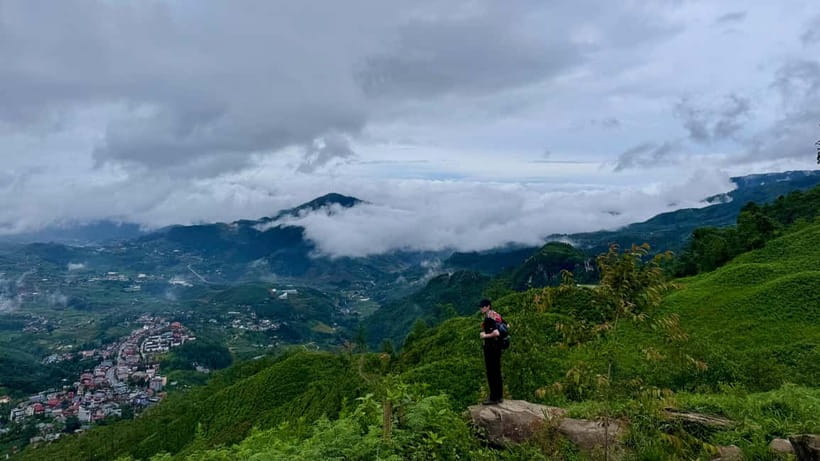
Sapa rewards you on foot. This $58, 2-day trek takes you beyond town and into rice terraces, bamboo forests, waterfalls, and ethnic villages. I like the choice between Ta Van’s gentler cultural route and Hau Thao’s quieter mountain trails. I also like the small groups, local guides, and overnight homestay, where meals and village life become part of the trip rather than a quick photo stop.
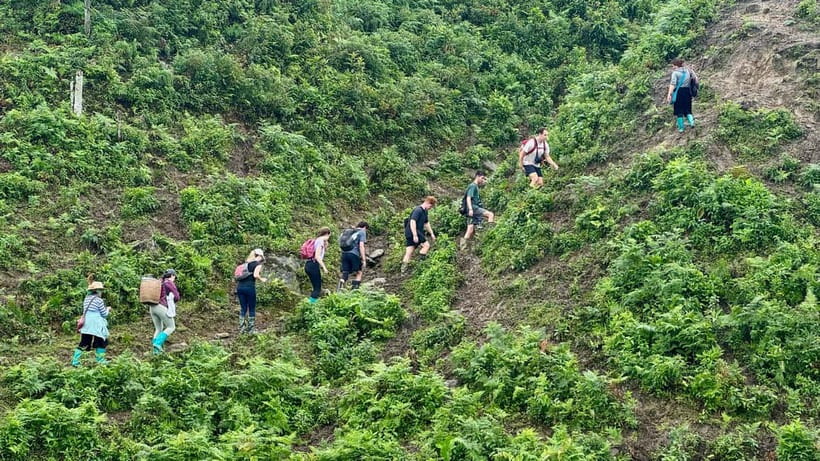
The main catch is the terrain. You can walk 10 to 14 kilometers per day, and mud, steep paths, slippery rice-field edges, and narrow mountain trails can make the outing harder than the word gentle suggests. This is a good trip for anyone with basic fitness, but it is not a sightseeing stroll.
Key points to know before booking
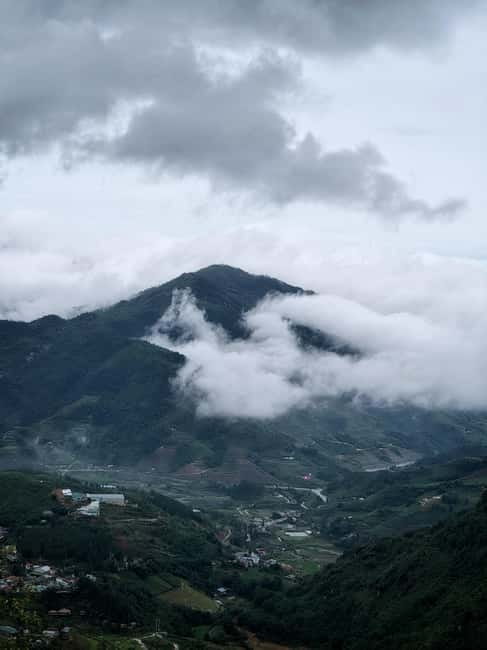
- Ta Van is the easier choice: You walk through Muong Hoa Valley, meet Black Hmong and Dzay communities, and stay in a Dzay homestay.
- Hau Thao feels more remote: Expect longer walks, fewer people on the trails, and more demanding mountain paths.
- The guides make the trip: Mao, Thao, Sung, Su, Chai, Ai, and others are praised for clear English, cultural insight, route changes, and careful pacing.
- The homestay is part of the experience: You receive a private room, dinner, breakfast, and a closer look at village life.
- Rain changes the walk: From May through September, trails may be muddy. Hiking shoes or rented gumboots can save your day.
- The value is strong at $58: The price includes two lunches, one dinner, one breakfast, the homestay, guiding, and transport back to Sapa.
Choosing between Ta Van and Hau Thao
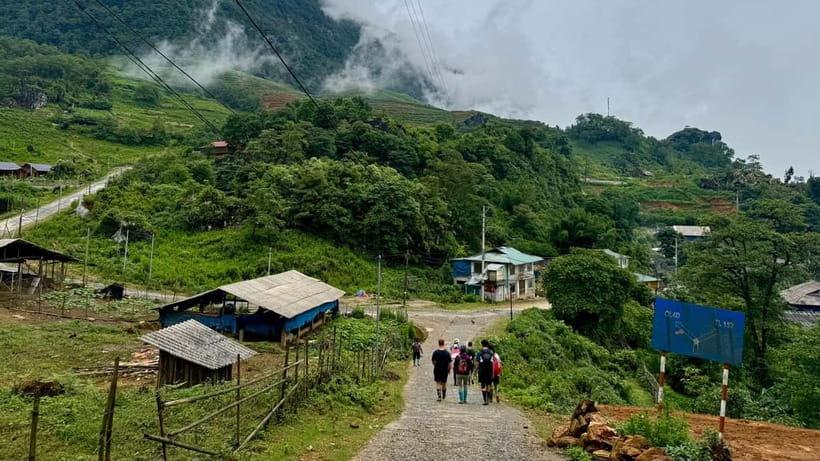
The first decision shapes the whole trip. Ta Van and Hau Thao share the opening route from Sapa through Y Linh Ho and Lao Chai, but they split into different kinds of mountain days.
Ta Van suits you if you want culture with a manageable walk. The route follows the Muong Hoa Valley and gives you broad views of terraced fields. You meet Black Hmong and Dzay communities, see local crafts, and spend the night with a Dzay family.
Hau Thao suits you if solitude matters most. After the shared section, you continue toward a more remote Black Hmong village. The route has longer distances and narrower mountain trails, with fewer tourists and more demanding footing.
I would choose Ta Van for a first Sapa trek, especially if you want time for photos, village stops, and an easier pace. I would choose Hau Thao if you are comfortable walking for several hours and prefer quiet trails over the best-known valley route.
The choice should be made when booking. If you arrive hoping to switch at the last moment, the route and accommodation may already be arranged.
More Two-Day Trips around Hanoi:
- Hanoi – Sapa 2 Days 1 Night Overnight At Homestay
★ 5.0 · 899 reviews - From Hanoi: 2-Day Sapa Trekking Trip with Homestay & Meals
★ 4.8 · 704 reviews - 2-Day Sa Pa Ethnic Homestay Tour & Trek with Limousine Bus
★ 4.8 · 440 reviews
Day 1: Sapa to Y Linh Ho and Lao Chai
The trek begins at 9:00 AM from Sapa Town. You should arrive at Sapa TT Homestay 15 to 30 minutes early for check-in, luggage storage, and a briefing. The meeting point is about one kilometer from central Sapa, so you can reach it by taxi or motorbike.
Bring a small daypack. Large bags can be left at the office, which is a useful touch when your trip includes one night away from town. You need water, a rain jacket, sun protection, long pants, and proper walking shoes.
From Sapa, the route heads into Muong Hoa Valley. Y Linh Ho is known for its mountain scenery and terraced fields, while Lao Chai gives you a closer look at Black Hmong life. The terraces are the visual prize here, but the village stops give the walk its meaning. Your guide can explain clothing, crafts, customs, and daily work in a way a passing viewpoint cannot.
The walk is not only about reaching the next village. You cross paths used by local residents, move through cultivated hillsides, and pass scenery that changes with the weather. On a clear day, the views stretch across layered fields and valleys. In rain, the same paths can turn slick and muddy.
You may encounter local women walking alongside parts of the route. Some carry handmade goods and may encourage you to buy something. That can feel persistent, especially on the first day, but the interaction can also be friendly and useful when the ground is tricky. If someone helps you across a muddy section, buying a small handmade item is a considerate way to respond, though you should set your own budget.
Lunch comes with views over the rice terraces. The exact restaurant or village setting can vary, but the meal is included. Dietary needs should be shared ahead of time. Vegetarian and vegan meals are available, and one guide, Sung, was praised for checking food carefully around an allergy.
Ta Van overnight: Valley culture and a Dzay homestay
On the Ta Van route, you continue to the Dzay village of Ta Van for the night. This option keeps the walking more moderate and leaves room for cultural stops.
The homestay is not a hotel with a village backdrop. It is intended to give you a closer look at local life, with a traditional dinner and time around the home. The accommodation includes a private room, though comfort can vary by property and room arrangement.
Meals are one of the strongest parts of the trip. The food uses local ingredients and Vietnamese dishes, with dinner and breakfast included. Several people found the homestay meal to be among the best food of their Vietnam trip. Most dishes may be meat-based, but vegetarian choices can be arranged.
Do not expect a staged cultural show. The value is in the ordinary details: eating in a village home, hearing family stories, and waking outside Sapa Town. Interaction may be warm but not always lengthy, so you should ask questions respectfully rather than expect a formal cultural program.
Hau Thao overnight: A quieter Black Hmong route
The Hau Thao option shares the first section with Ta Van, then continues toward the mountains. It is the better pick if you want fewer people and a stronger sense of being away from the main route.
This is also the tougher choice. The trail can include narrow mountain paths, cliffside sections, and longer walking days. You will want solid footwear and a steady pace. The reward is a more peaceful setting and time with a Black Hmong host family.
Hau Thao offers the kind of mountain experience many people hope to find in Sapa, but you should not confuse remote with easy. The route asks more from your knees and balance. If you have back, heart, or mobility problems, this tour is not suitable. It is also not suitable for pregnant people, wheelchair users, or people with visual impairments.
The guides are important here. Su led one Hau Thao trip by pointing out plants, animals, and local customs, while Thao was praised for choosing quiet routes away from crowded areas. A strong guide can make the difference between feeling lost on a rough path and feeling well supported.
A few more hikes around Hanoi worth a look
- Halong Bay Full Day with Kayaking, Hiking viewpoint, Cave – Deluxe To Luxury
★ 5.0 · 884 reviews - Sapa 3 Days 2 Nights Trekking Tour (1 Night In Ta Van Village, 1 Night In Hotel)
★ 5.0 · 699 reviews - 3-Day Trekking Adventure of Sapa from Hanoi – Stay Ta Van Village
★ 5.0 · 611 reviews - Hanoi – Sapa 3 Day 2 Night Trekking With Hotel & Homestay
★ 5.0 · 389 reviews
Day 2: Bamboo forest, Giang Ta Chai, and the return to Sapa
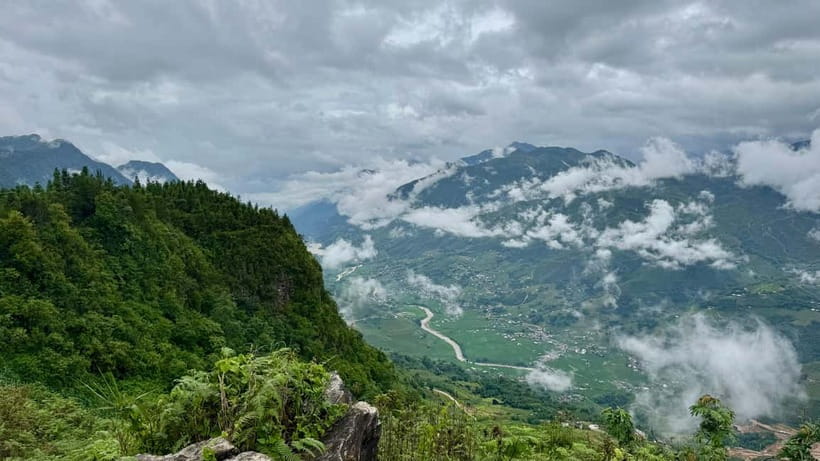
After breakfast, both routes lead toward Giang Ta Chai. The exact approach differs, but the day includes a suspension bridge, bamboo forest, and a Red Dao village near a waterfall.
The bamboo forest is a memorable change from the open rice terraces. The trail feels enclosed and cooler, while the waterfall provides a natural break. Some groups have stopped for a swim, so pack a swimsuit if that appeals to you. Do not assume swimming conditions will always be suitable, especially after heavy rain.
Giang Ta Chai adds another cultural layer. The Red Dao community has its own traditions, clothing, and village life, giving the second day more substance than a simple walk back to town.
The second walking day is shorter for some groups, with reported walking times around two to two and a half hours, but the official distance can still reach 10 to 14 kilometers per day depending on the route and conditions. One important detail: distance and time vary. Mud, rest stops, photos, and your guide’s route all affect the day.
Lunch is included. After lunch, a car takes you back to Sapa and the activity ends at the original meeting point. That vehicle ride matters. You do not need to retrace the entire route on foot or arrange a separate transfer.
Why the guides matter so much

The guide is the heart of this experience. The strongest guide feedback centers on clear communication, local knowledge, humor, and the ability to adjust the walk.
Mao is praised for speaking excellent English, explaining Hmong life clearly, and changing the route when someone needed an easier path. Thao is known for finding less crowded tracks. Sung received praise for careful food checks and for sharing personal cultural details. Su, Suav, Chai, Ai, Gom, Tung, and Su Su are also singled out for warmth, patience, and good route support.
That range of names matters because guide quality can vary by departure. You are not guaranteed one specific person unless the operator confirms it. Still, the pattern is encouraging: the guide role is treated as more than leading from the front.
You should tell your guide early if your knees hurt, you need more breaks, or you have a food allergy. One group found the pace comfortable at 12 to 14 kilometers per day, while another felt the walking was rushed and wanted more time for photos. Speaking up gives your guide a chance to help.
How hard is the trek?
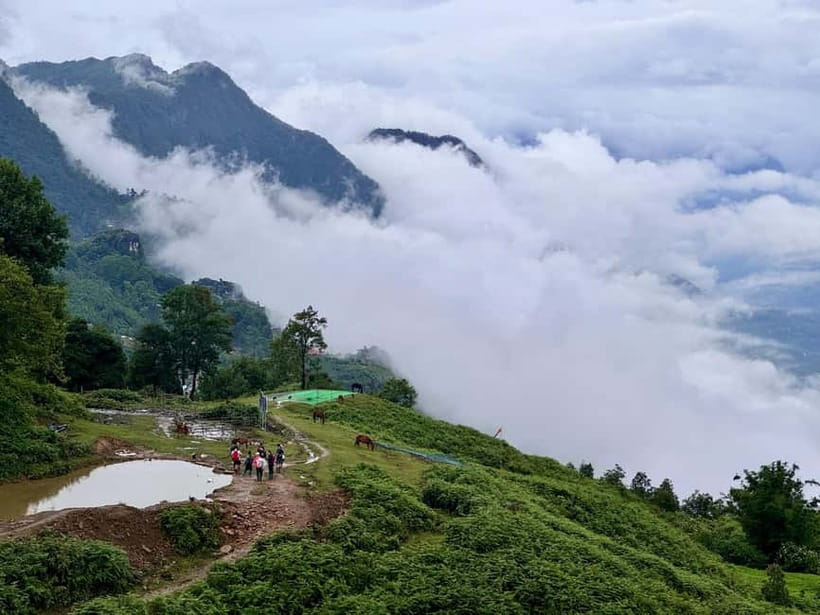
The tour is rated moderate and requires basic fitness. That description is fair, but it needs context.
You may walk across uneven ground, wet paths, steep slopes, rice-field edges, suspension bridges, and narrow trails. The difficulty increases after rain. One person described the trek as manageable but warned that knee problems could make it tough. Another strongly advised hiking shoes and suggested gumboots in wet conditions.
I would pack:
- Shoes with a good grip
- A rain jacket
- A refillable water bottle
- Long pants
- Insect repellent
- A sun hat and sunglasses
- Dry clothes
- A swimsuit if you may swim near the waterfall
- A small daypack
Sapa weather can change quickly, so warm layers are useful even when the morning looks mild. The trek runs year-round, but May through September can bring muddy trails.
The tour is pet-friendly, but pets must be leashed and registered in advance. This is not suitable for people with insect allergies, since you will spend long periods outdoors.
Food, accommodation, and what $58 really buys

At $58 per person, the package offers good value if you want a guided overnight trek rather than only a short valley walk. You receive two lunches, one dinner, one breakfast, a one-night homestay, a local guide, and transport back to Sapa.
That price also saves you from arranging food and a village stay yourself. The meals are Vietnamese and use local ingredients. Vegetarian and vegan options are available, but you should request them before arrival.
The accommodation is described as a private room. Some people found it cozy, clean, and better than expected. One person who paid for a single supplement described the accommodation as outstanding. Still, a homestay is not a luxury hotel, and you should expect a simple village setting.
There is free Wi-Fi at the Sapa meeting homestay, but you should not assume the same level of connection at the overnight property. The real value is the setting and the ease of having everything organized.
One warning deserves attention. Some supplied package notes refer to Hanoi to Cat Ba buses, private car transfers to a harbor, a Cat Ba homestay, Lan Ha Bay and Ha Long Bay cruising, kayaking, and cruise meals. Those details do not match this Sapa trek, which begins and ends in Sapa. Confirm your booking voucher carefully so you know you are paying for the Sapa package and not a separate Cat Ba program.
Group size, timing, and practical planning
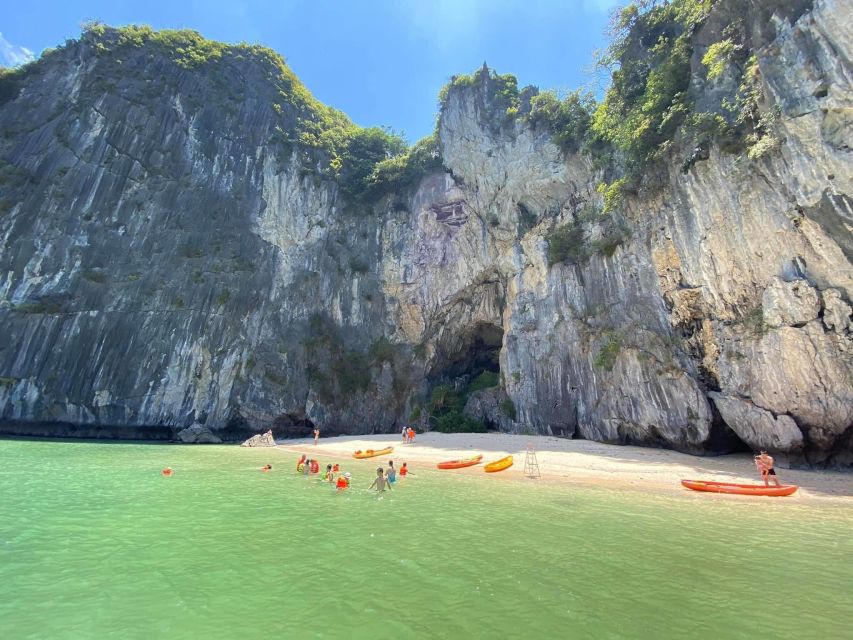
The experience is advertised as a small-group tour. One group had only five people, which allowed the guide to answer questions, change the pace, and keep everyone together. A small group is especially useful on muddy or narrow trails.
Start time is 9:00 AM. Arriving 30 minutes early is sensible, since you need time to store large bags and hear the safety briefing. The activity ends back at the meeting point on Day 2.
English and Vietnamese support are available. Communication was praised, especially with guides such as Mao, though the exact guide depends on the departure.
You can reserve and pay later, and cancellation is allowed up to 24 hours in advance for a full refund. Those terms are useful if your Sapa plans depend on weather, but you should still check the final booking conditions before paying.
Who should book this Sapa trek?
I would recommend it to you if you want:
- A two-day walk rather than a quick viewpoint visit
- Rice terraces and village life in the same trip
- A small group with a local guide
- A homestay and traditional meals
- The choice between a gentler and more remote route
- A practical package at a moderate price
Ta Van is the safer choice for first-time trekkers, mixed-ability groups, and anyone who wants more time for culture. Hau Thao is better for fit walkers who care more about quiet trails and mountain character.
I would not book it if you need fully paved paths, hotel-level accommodation, a fixed walking distance, or complete control over the schedule. It is also a poor fit if you have serious knee, back, heart, mobility, or vision problems.
Should you book the Ta Van or Hau Thao trek?
Yes, if you arrive prepared for real walking. The best features are the small groups, thoughtful local guides, beautiful terraces, and the chance to spend a night in a village instead of returning to Sapa each evening.
Choose Ta Van for the more balanced route and easier cultural introduction. Choose Hau Thao for longer walks, fewer people, and a quieter Black Hmong setting. Pack proper shoes, keep your daypack light, tell the guide about food or fitness concerns, and confirm the Sapa details against any confusing Cat Ba information.
At $58, this is a strong-value choice for an active trip with genuine village contact. Just remember that the mountain sets the timetable. You can choose the route, but you cannot order the mud to stay away.
FAQ
Where does the Sapa trek start?
It starts at Sapa TT Homestay, about one kilometer from central Sapa. You should arrive 15 to 30 minutes before the 9:00 AM departure.
How far do you walk each day?
The stated distance is about 10 to 14 kilometers per day. Actual time and distance can vary by route, weather, rest stops, and walking pace.
Which route is easier, Ta Van or Hau Thao?
Ta Van is the easier route. It offers a more gentle walk through Muong Hoa Valley and focuses on cultural stops in Y Linh Ho, Lao Chai, and Ta Van.
What is the Hau Thao route like?
Hau Thao is more remote and adventurous. It includes longer distances, quieter trails, narrow mountain paths, and a stay with a Black Hmong family.
Is the homestay private?
The tour information states that the one-night homestay includes a private room. The setting is a village homestay rather than a conventional hotel.
What meals are included?
The package includes two lunches, one dinner, and one breakfast. Vegetarian and vegan meals are available if you request them in advance.
Can large luggage be stored?
Yes. Large bags can be stored at the tour office, so you only need to carry a small daypack during the trek.
Can I bring my pet?
Pets are allowed, but they must be leashed and registered in advance.
Is the trek suitable for people with mobility or health problems?
It is not suitable for wheelchair users, people with mobility impairments, pregnant people, people with back or heart problems, or people with visual impairments. It may also be unsuitable for anyone with insect allergies.
Just added around Hanoi
- From Hanoi : Sapa Moutain Trek – Halong bay Heritage★ 4.5 · 25 reviews
- Sapa Trekking Tour 2 Days 1 Night By Bus★ 5.0 · 86 reviews
- 8-Days Hanoi, Sapa Trekking And Halong Bay Cruise★ 5.0 · 8 reviews
- Trekking Sapa – Bac Ha Market: Sleep on Train & Homestay★ 4.5 · 7 reviews
- Sapa Trekking 3 Days 2 Nights (Homestay) – Departure From Hanoi★ 4.5 · 9 reviews
- Sapa trekking 2days by bus from Hanoi ( over night in homestay)★ 5.0 · 21 reviews
- Mai Chau – Pu Luong trekking 3 days 2 nights★ 4.5 · 7 reviews
- Sapa 3 Days 2 Nights Trekking Tour From Hanoi (2 Nights in Hotel)★ 5.0 · 112 reviews
Hanoi Hiking Tours, compared.


Halong Bay Full Day with Kayaking, Hiking viewpoint, Cave – Deluxe To Luxury
Read our review →

Sapa 3 Days 2 Nights Trekking Tour (1 Night In Ta Van Village, 1 Night In Hotel)
Read our review →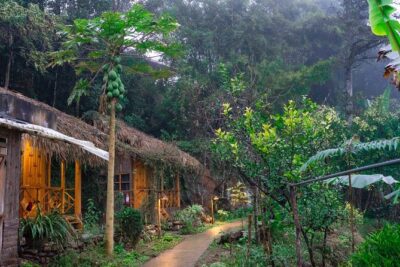
3-Day Trekking Adventure of Sapa from Hanoi – Stay Ta Van Village
Read our review →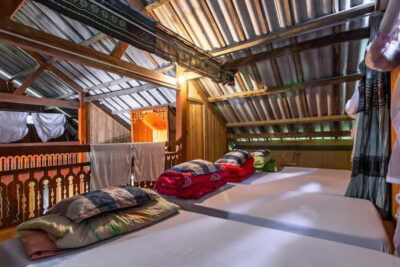
2-Day Sa Pa Ethnic Homestay Tour & Trek with Limousine Bus
Read our review →
Sapa 3 Day 2 Night Trekking With Hotel & Homestay
Read our review →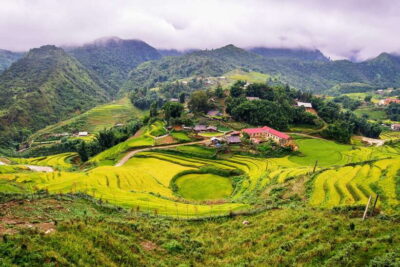
2-Day Sapa Trek Tour – Luxury Limousine Transfer
Read our review →Browse the lists this tour appears in