
REVIEW · ITALY HIKING TOURS
Rome: Mini hike to the ancient Parco degli Acquedotti
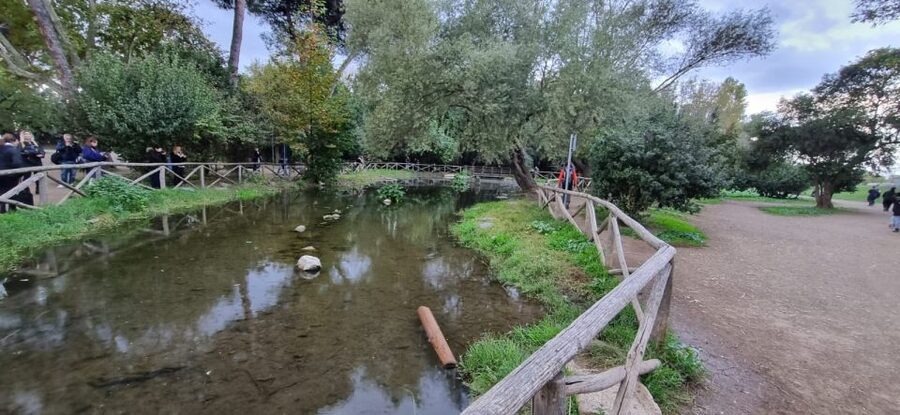
Rome has wild corners. This three-hour walk links the lively Pigneto district with the ancient aqueducts of Parco degli Acquedotti, giving you a side of the city that most visitors miss. I like the unusual route, which moves from neighborhood streets to old paths, and I like the mix of Roman engineering, plants, open countryside, and mountain views.
Guide Sal earns especially warm praise for his friendly manner, broad interests, and careful attention to the group. He has helped with water breaks in hot weather and even accompanied one participant farther by subway after the walk. The main caution is practical: nine kilometers on uneven ground is a real walk, not a casual stroll, and the afternoon heat can be tough in summer.
Key points at a glance
- A one-way route through several sides of Rome: Begin at Pigneto on Metro C and finish near Giulio Agricola on Metro A.
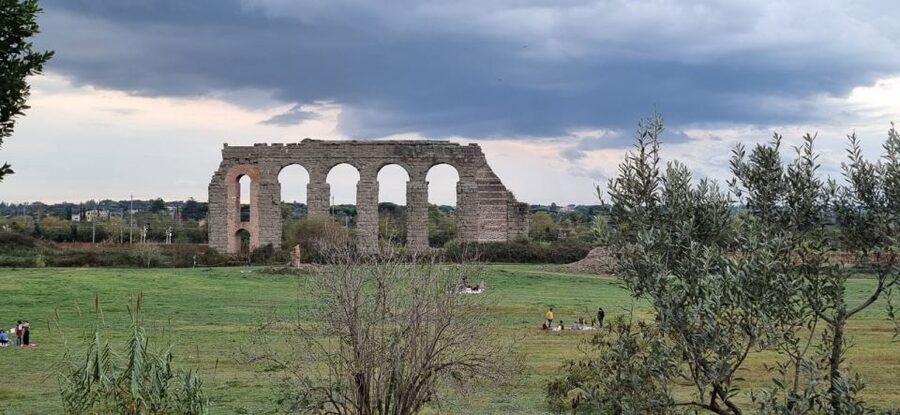
- Ancient aqueducts with a local beginning: The walk starts in Pigneto and follows the old water infrastructure toward the countryside-like park.
- A small group capped at 10 people: This gives Sal room to answer questions and adjust the pace.
- A genuine urban hike: Expect about 9 kilometers, uneven terrain, and conditions that call for hiking shoes rather than sandals.
- A strong nature and history mix: You learn about Roman engineering, local plants, the environment, and how people reused the aqueduct area after World War II.
- Good value for active visitors: At $53 per person, the price includes a professional guide and a carefully connected route that would be difficult to understand on your own.
Why this walk gives you a different Rome
The Colosseum, Pantheon, and Trevi Fountain are essential stops, but Rome is much larger than its famous center. This walk shows you how ancient construction still shapes ordinary neighborhoods and open spaces today.
I like that the experience does not simply drop you beside one photogenic ruin. You begin in Pigneto, a trendy district with its own daily life, then gradually follow the line of an aqueduct toward Parco degli Acquedotti. That change is the point. You watch the city thin out, and you see how Roman infrastructure, later housing, vegetation, and footpaths overlap.
The result is less polished than a central Rome sightseeing tour. You may encounter uneven ground, changing weather, and ordinary streets rather than a sequence of grand monuments. In return, you get a more complete sense of Rome as a living place, not just an open-air museum.
The walk is led by Sal, who has been praised for his approachable style and his interest in history, plants, animals, engineering, and the cultural life of Rome. His role matters here because the aqueducts can look like dramatic walls without explanation. With context, you begin to understand how much planning, labor, and water management went into them.
A few more hikes around Italy worth a look
- Cinque Terre Day Trip with Optional Hiking or Pisa
★ 5.0 · 8,486 reviews - Florence: Cinque Terre Day Trip with Optional Hiking or Pisa
★ 4.9 · 4,848 reviews - Mount Etna: Summit Guided Hiking Tour up to 3,400 m
★ 4.8 · 4,792 reviews
Starting in Pigneto and following Via del Pigneto
Meet 15 minutes before departure outside Pigneto subway station on Line C. The correct meeting side is by the bridge, opposite the exit near the Conad grocery store. That detail is worth noting because the station has two exits, and a few minutes of confusion is not a good way to begin a walking tour.
Pigneto is a useful starting point because it is not presented as a formal monument zone. It is a neighborhood. The route takes you along Via del Pigneto and gives Sal a chance to explain the area, both its past and its current way of life.
This opening section helps you settle into the pace. You are not rushed from sight to sight. Instead, you begin walking through the city while learning why the aqueduct route matters. If your main interest is only ancient ruins, the first part may feel less dramatic. If you enjoy seeing how Romans live alongside old structures, it adds real value.
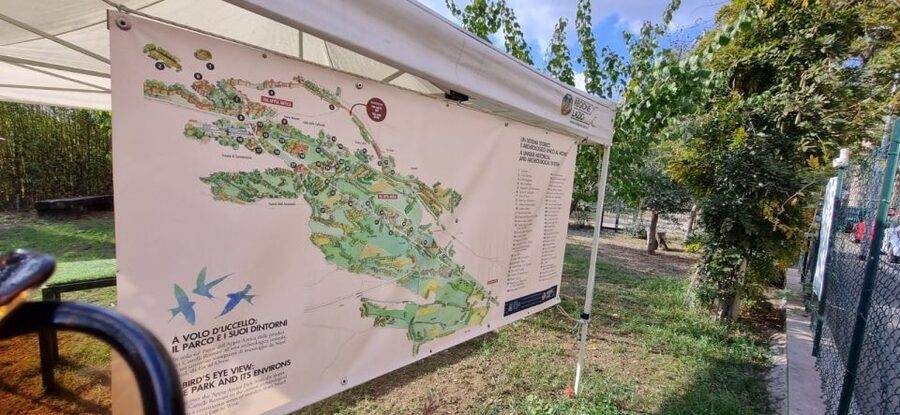
The walk then reaches the Parchetto Condiviso del Mandrione and continues along Via del Mandrione. These sections connect the neighborhood to the older aqueduct route. They also show why this is called an urban hike rather than a standard city tour: you move between paved streets, local paths, and rougher ground.
The Mandrione route and Porta Furba
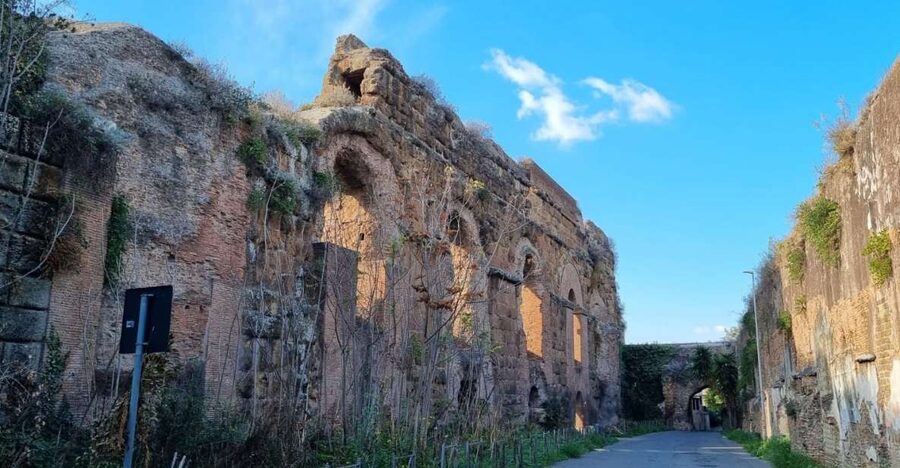
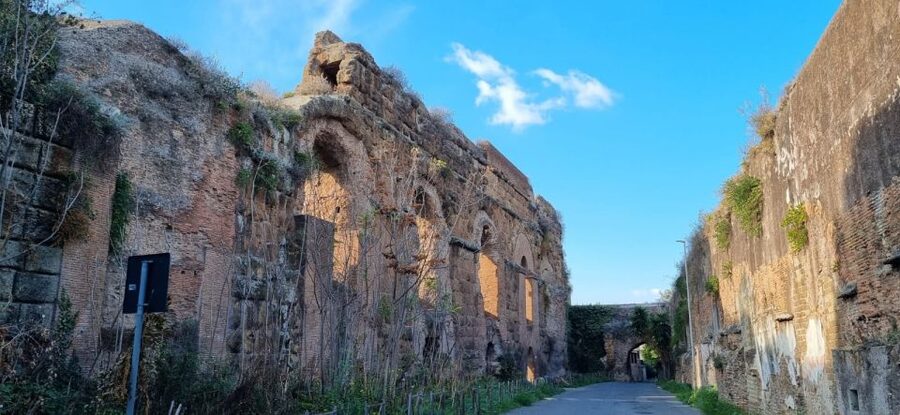
The Mandrione area brings the aqueduct story closer to everyday Rome. Here, ancient construction is not isolated behind a fence. It forms part of the route through a neighborhood and helps explain how people used the area in later periods.
One particularly useful detail is the story of how the aqueduct structures were reused to create new lives after World War II. That adds a human layer to the engineering story. You are not only hearing how water reached Rome two thousand years ago. You are also considering how later residents adapted to the spaces left behind by the ancient system.
The route continues to Porta Furba, also called the Arco di Sisto V. This is a good point to pause and look at the relationship between the old aqueduct line and later Roman development. The stop is part of a gradual build-up toward Parco degli Acquedotti rather than a single grand reveal.
The route is one way, which is convenient. You do not waste time retracing your steps, and you finish near a different subway line. It also means you should think about your plans after the walk. The start is at Pigneto on Line C, while the finish is on Via Lemonia near Giulio Agricola on Line A.
A café pause before the open park
A local café break is included along the way. This gives you a chance to rest before the most open part of the route. The available information does not specify what you purchase or whether refreshments are included, so bring your own water and a small snack.
The pause matters more than it might on a short city stroll. The complete walk covers about 9 kilometers, and you need to carry 1.5 liters of water. In hot weather, regular drinking is essential. Sal has adjusted the pace, sought shade, and helped refill bottles during particularly warm outings, which is reassuring if you are visiting Rome in July or August.
Still, do not treat the café stop as a substitute for preparation. Wear clothing suited to an urban hike, carry sunscreen and a hat, and bring a raincoat if the forecast is uncertain. The tour operates in rain or shine.
Same trailhead, a different kind of day:
- Mount Etna: Trek to 3000m with cable car and 4×4
★ 4.6 · 3,823 reviews - Mount Etna: Summit Crater Trek with Cable Car
★ 4.8 · 1,875 reviews - Etna: summit craters trekking with volcano guide 3350mt
★ 4.7 · 1,712 reviews - Catania: Mount Etna Trekking Tour Beyond the Tourist Trails
★ 4.9 · 1,596 reviews
Torre Fiscale Park and the changing scenery
After the café break, the route enters Torre Fiscale Park. This section helps bridge the gap between the built-up city and Parco degli Acquedotti. You see more open ground and vegetation, while the aqueducts remain the main thread connecting the route.
The appeal here is the contrast. You can move through a city of millions and suddenly find yourself on a path with ancient masonry nearby and broad views ahead. On clear days, the mountains form a backdrop. That extra visibility depends on weather, so do not book this expecting a guaranteed mountain panorama.
Torre Fiscale Park also suits people who want more than architectural facts. Sal’s focus includes flora and fauna as well as Roman construction, so the walk considers the natural setting around the ruins. This is one of the tour’s best features. The aqueducts are easier to appreciate when you see how the surrounding land has changed, recovered, and remained open.
The terrain can be uneven, especially after rain. Hiking shoes are strongly advised, and sandals or flip flops are not allowed. Families can take part, but this is not a stroller-friendly outing or an easy paved walk.
Reaching Parco degli Acquedotti
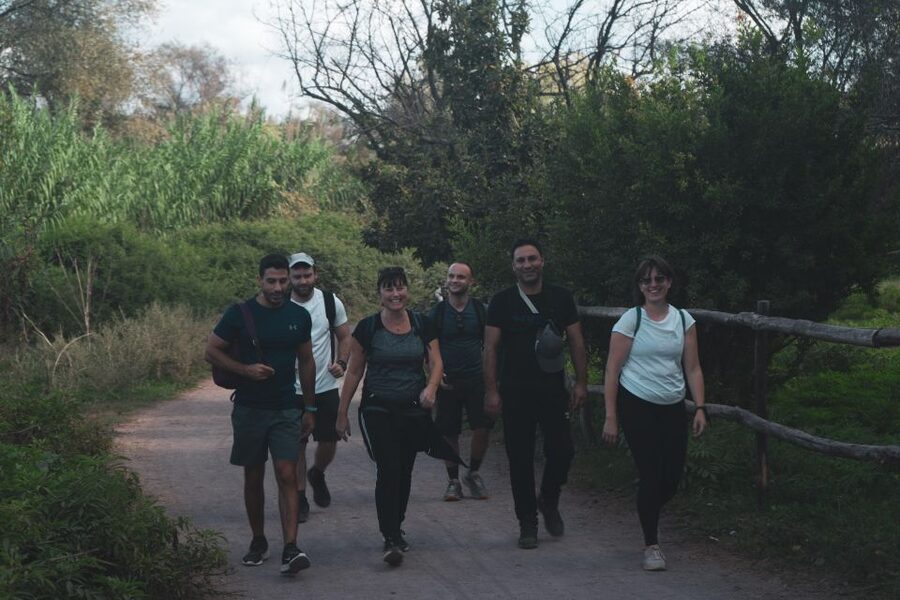
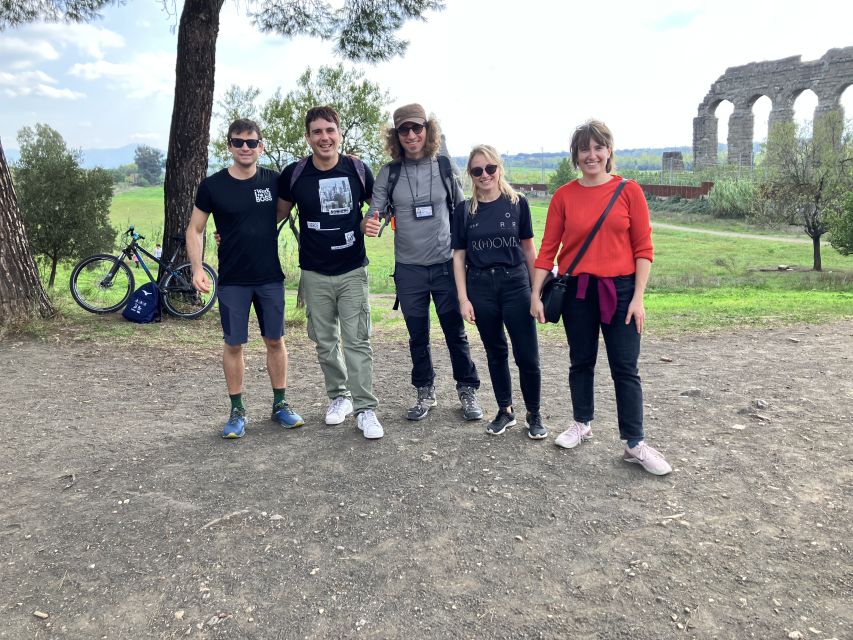
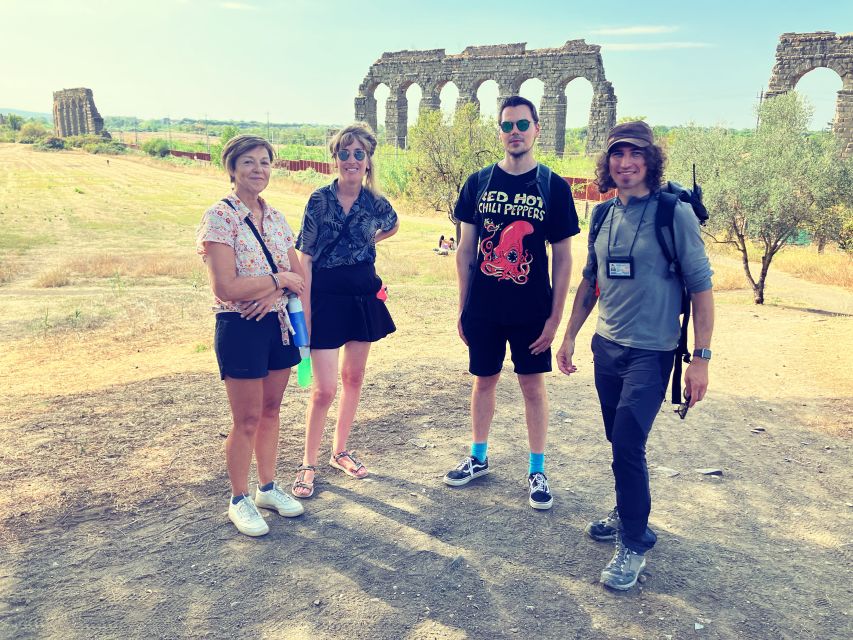
Parco degli Acquedotti is the high point of the route. The park contains several ancient aqueducts and offers the surreal mix that defines the experience: long Roman structures crossing open ground, with plants, paths, and distant views around them.
The scale is important. In the center of Rome, ancient monuments often compete with traffic, buildings, and crowds. Here, the aqueducts can stretch into the distance with much more room around them. That gives you time to study their form and understand their practical purpose.
This is also the best place for photography. The combination of long lines, open space, old stone, and changing light gives you both close details and wide views. One participant described the park as a photographer’s dream, and that assessment makes sense. You can frame a single section of masonry or use the full length of the aqueduct to create a strong sense of distance.
Sal’s explanations are important at this stage. He can discuss the materials used in the construction and the engineering behind the water system. You do not need to know Roman infrastructure before arriving. The tour is designed to make those details understandable while you walk.
The park is not a neatly packaged attraction with one main entrance, one viewing platform, and a quick exit. Its scale is part of the experience. You have to walk through it, and that is why comfortable footwear and water are non-negotiable.
What Sal adds to the experience
The guide is one of the strongest reasons to choose this walk. Sal has been praised for being personable, attentive, and easy to talk with. His interests reach beyond a single subject, covering Roman history, engineering, plants, animals, environmental change, and even music.
That range suits this route. The aqueducts are not only historical objects. They are also examples of engineering, parts of the modern city, shelter for later communities, and structures surrounded by natural life. A guide who can connect those subjects gives you more than dates and names.
His practical care is just as useful. During a hot outing, he kept the group in shade when possible, planned water breaks, and helped refill bottles. After another walk, he rode the subway with a participant who needed help finding a taxi from the finish area. That kind of assistance is not the main product, but it tells you what sort of guide you are likely to meet.
The group is limited to 10 people. That is small enough for conversation without making the tour feel like a private booking. You should still expect the pace and route to follow the guide’s safety decisions. Weather, fallen trees, or other obstacles may lead to a shorter, longer, or altered route.
Fitness, heat, and what to pack
Moderate is the right label, but you should read it carefully. The distance is approximately 9 kilometers, or 5.5 miles, and some of the ground is uneven. You need to be comfortable walking for several hours without relying on frequent paved sidewalks.
Bring:
- Hiking shoes or sturdy comfortable walking shoes
- At least 1.5 liters of water
- A comfortable backpack
- Sun protection, including sunscreen and a hat
- A raincoat suited to the forecast
- A small snack
- Sunglasses and electrolytes if useful for you
- Hiking poles if you normally use them
Do not wear flip flops or sandals. The route can be harder after rain, so hiking shoes are especially important on wet days.
The tour is not suitable for wheelchair users, people with heart problems, people with respiratory issues, or people over 95. There is also inconsistent age information in the published details: one part says children under 12 cannot join, while another says children aged 14 and older may participate with an adult. If you are booking for a child between 12 and 14, confirm the age rule before paying.
Is $53 a fair price?
At $53 per person, this is not the cheapest way to spend three hours in Rome. The value comes from the route and the guide rather than from entrance tickets. You are paying for a small-group walk that connects Pigneto, Mandrione, Porta Furba, Torre Fiscale Park, and Parco degli Acquedotti without requiring you to plan the route yourself.
I consider the price fair if you care about context and active sightseeing. Reaching the aqueduct park independently may cost less, but you would need to work out the transport, route, distances, and historical background on your own. You would also miss the explanations about construction materials, postwar reuse, local nature, and the connection between neighborhoods and ancient infrastructure.
The value is weaker if you want a relaxed, short outing with little physical effort. There is no promise of guaranteed sunshine, mountain views, or a fully paved path. This is best treated as a guided walk with a destination, not a quick park visit.
The free cancellation option up to 24 hours before departure and the reserve-now, pay-later arrangement give you some planning flexibility. Check the available start time carefully because the exact departure schedule is not fixed in the information provided.
Who should book this walk?
I would recommend it to you if you have already seen Rome’s central monuments and want a quieter, more local side of the city. It is also a good choice if you enjoy photography, Roman engineering, plants, open views, and walking tours that connect several subjects instead of repeating standard facts.
Families with older children may like it, provided everyone can handle the distance and uneven terrain. The small group and relaxed conversation should suit people who prefer questions and discussion over a formal lecture.
I would think twice if you dislike walking in heat, need completely level paths, or want a tour that begins and ends in the historic center. The one-way route is convenient for transport but requires some planning after the finish. Also, the park experience depends partly on weather. A gray day can still be worthwhile, but the mountain backdrop and best photography require clear conditions.
FAQ
How long is the Rome aqueduct hike?
The walk lasts about three hours and covers approximately 9 kilometers, or 5.5 miles.
Where does the tour begin?
It begins outside Pigneto subway station on Line C, in the Pigneto neighborhood. Meet on the side facing the bridge, rather than the exit beside the Conad grocery store.
Where does the tour finish?
The walk finishes on Via Lemonia near number 214, close to Giulio Agricola subway station on Line A.
Is the tour conducted in English?
English is available. The activity information also lists German, and the included experience information lists English, German, or Italian.
Is this suitable for families?
Yes, it is described as suitable for families. Children must be accompanied by adults, and the age guidance should be confirmed for children between 12 and 14 because the supplied details give different minimum ages.
What footwear should I wear?
Wear comfortable walking shoes, preferably hiking shoes. Sandals and flip flops are not allowed.
What should I bring?
Bring 1.5 liters of water, a comfortable backpack, clothing suited to an urban hike, sunscreen, a hat, and a raincoat. Snacks, electrolytes, sunglasses, and hiking poles are optional but may help.
Does the tour operate in bad weather?
Yes. The tour takes place rain or shine. The guide may change, shorten, or extend the route because of weather, fallen trees, or other safety concerns.
Can I cancel the booking?
You can cancel up to 24 hours in advance for a full refund. The reserve-now, pay-later option lets you hold a place without paying immediately.
Should you book the Parco degli Acquedotti hike?
Book it if you want Rome with fewer famous-city clichés and more walking, local neighborhoods, ancient engineering, plants, and open space. The strongest part is the full progression from Pigneto to the aqueduct park, with Sal’s friendly, wide-ranging guidance tying it together.
Skip it if you want a gentle stroll or a guaranteed polished route. For an active visitor who packs proper shoes and water, $53 buys a thoughtful three-hour experience and an unusual view of Rome that is difficult to arrange on your own.
Just added around Italy
- Wild Walk – Discovering the hidden paths★ 5.0 · 31 reviews
- Hiking Tuscany & Chianti Wine – 3 Organic Wineries with lunch★ 5.0 · 27 reviews
- Hiking Florence Tuscany hills with lunch & wine★ 5.0 · 22 reviews
- Private Guided Hiking Cinque Terre Day From Florence★ 5.0 · 7 reviews
- Hike & Wine Tour★ 5.0 · 9 reviews
- Private Guided Hike to Tre Cime di Lavaredo★ 5.0 · 16 reviews
- Hike the Dolomites One Day Private Excursion from Cortina★ 5.0 · 18 reviews
- BarCa Winery Cinqueterre Trekking & Wine Tasting & Pesto Class★ 5.0 · 48 reviews
Italy Hiking Tours, compared.
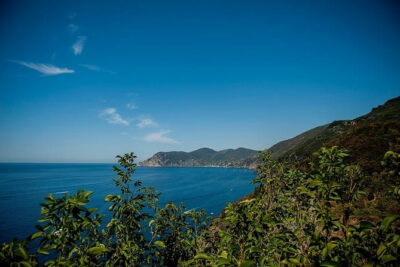
Cinque Terre Day Trip with Optional Hiking or Pisa
Read our review →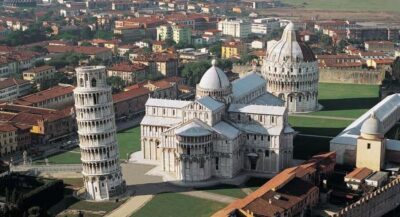
Florence: Cinque Terre Day Trip with Optional Hiking or Pisa
Read our review →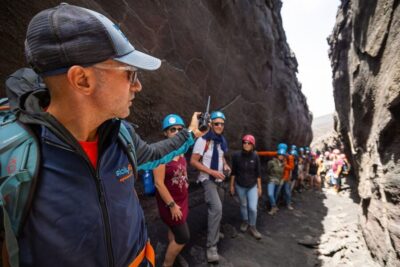
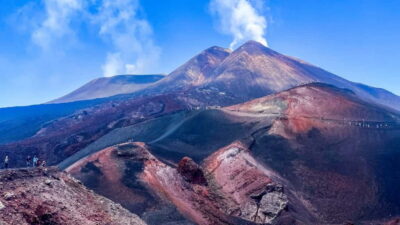
summit craters trekking with volcano guide 3350mt
Read our review →
Mount Etna Trekking Tour Beyond the Tourist Trails
Read our review →Browse the lists this tour appears in