
REVIEW · THAILAND HIKING TOURS
Chiang Rai: 2-Day Jungle Trek only walk with Waterfall
Bamboo becomes your kitchen. This two-day Chiang Rai trek mixes jungle skills with village life, tea plantations, waterfalls, and an overnight stay in an Akha community. I especially like the hands-on bamboo cooking and the chance to learn from local guides such as Mo and RU, who bring personal knowledge of the area. The main caution is fitness: you walk about 10 kilometers each day, often over steep ground.
I also like the small-group limit of 10, since it should make it easier to ask questions and keep a steady pace. The overnight stay sounds wonderfully simple, with a thin mattress on a bamboo floor and dinner shared with a host family. Just know that the waterfall experience can vary with conditions, and one recent participant found the climb demanding and the cascade too small for swimming.
Key points at a glance
- Learn practical jungle skills: Use a traditional long-bladed knife, cut bamboo, and make cups and chopsticks.
- Sleep in an Akha village: Expect basic accommodation, a thin mattress, and a close look at mountain village life.
- Walk through four hill communities: The route includes Lesu, Chinese, Akha, and Lahu villages.
- See more than jungle: Tea plantations, rice fields, pineapple plantations, bamboo forests, and mountain views appear along the way.
- Finish with a hot spring: The Pasoet Hot Spring offers a warm pool after the second day’s hike, with a 100-baht swimming fee.
- Plan for a real trek: The distance is about 10 kilometers per day, with climbs, uneven trails, and changing weather.
What this Chiang Rai trek is really about
This is not a gentle stroll through the woods. It is a two-day mountain trek with a strong practical and cultural focus. You walk from village to village, learn how local people use bamboo and jungle plants, and spend the night in an Akha village rather than returning to a hotel.
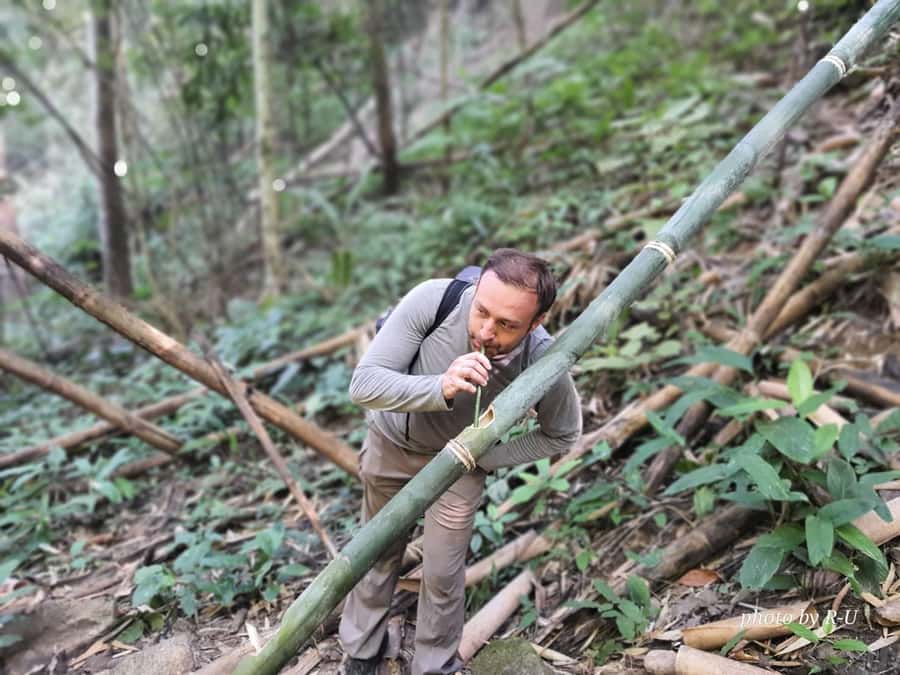
The most appealing part is the hands-on approach. You do not simply watch a guide prepare lunch. You help cut bamboo, make cups and chopsticks, and cook food inside bamboo containers. The traditional knife is part of the experience too, although you must follow the guide closely and respect the rule against making your own fire.
The cultural side matters just as much. You pass through Lesu, Chinese, Akha, and Lahu communities, each with its own setting and traditions. Your guide should help explain what you are seeing, but you still need to behave as a respectful visitor. Dress sensibly, ask before taking photographs, and do not touch plants or village belongings.
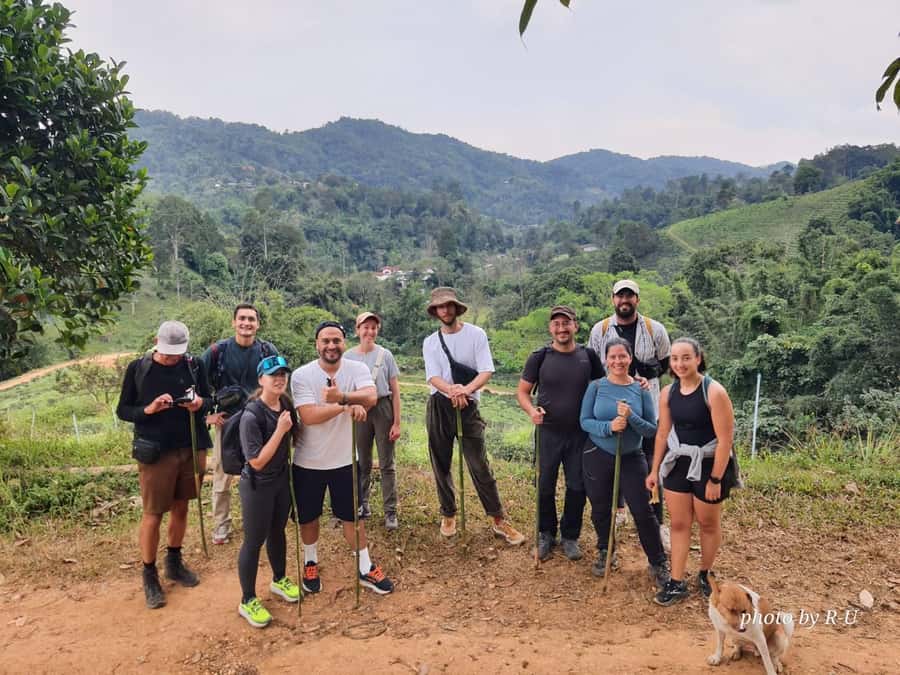
The group limit is 10 people. That is small enough to keep the walk personal without requiring the price of a private guide. Some departures may be much smaller. One couple had only a guide and no other participants, while other departures included a handful of hikers.
More Forest and Jungle Hikes in Thailand
- Chiang Mai: 2-Day Jungle Trek with Elephant Farm & Raft Ride
★ 4.7 · 881 reviews - From Khao Lak: Khao Sok Jungle Hike & River Tour
★ 4.7 · 688 reviews - Khao Sok: Private Day Trekking, Jungle Dinner & Night Safari
★ 4.7 · 206 reviews
Day one: hot spring, jungle trail, and tea country
Pickup takes place from hotels in central Chiang Rai, within about 3 kilometers of downtown. You should wait in the lobby between 9:00 and 9:30 in the morning. The drive brings you first to a hot spring area, where the trek begins.
The opening section introduces you to the local plants and animals. This is where a good guide makes a big difference. Mo, RU, and Aryu have all been praised for making the walk friendly and practical, rather than delivering a dry list of plant names. Mo, in particular, has shown hikers how jungle plants are used and how bamboo can serve several purposes.
You carry a traditional long-bladed jungle knife under the guide’s direction. The point is not to play survival expert. It is to understand how people can use nearby natural materials when they have few tools. You may cut bamboo, shape simple utensils, and learn how the jungle supplies food or useful materials.
The first village stop is Lesu, where lunch is served. The route then continues toward a Chinese village with a large tea plantation. This is one of the most attractive parts of the walk, especially if you enjoy seeing how the countryside is worked rather than viewing it only from a road.
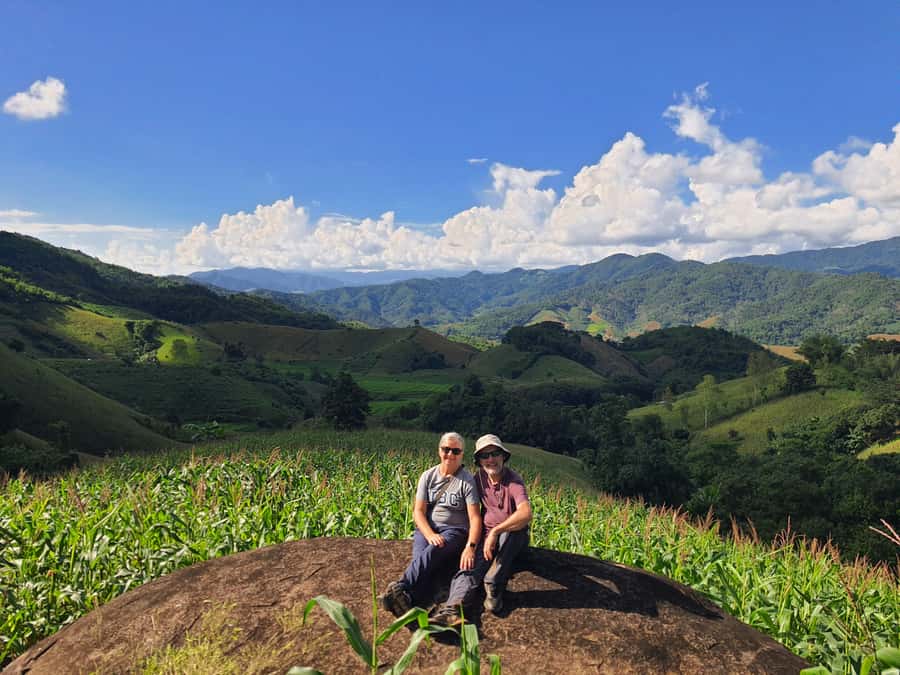
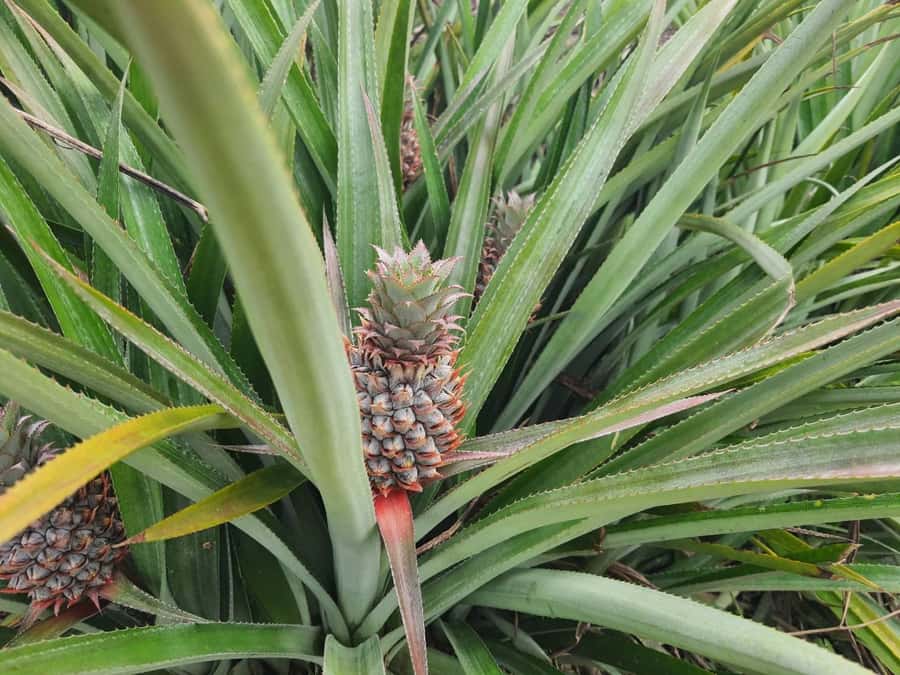
Tea fields, rice fields, pineapple plantations, bamboo groves, and mountain scenery can all appear along the route. The exact views depend on the path and season, but the variety is a major strength. You are not walking through one unchanging patch of forest for two days.
The waterfall stop, with one important caveat
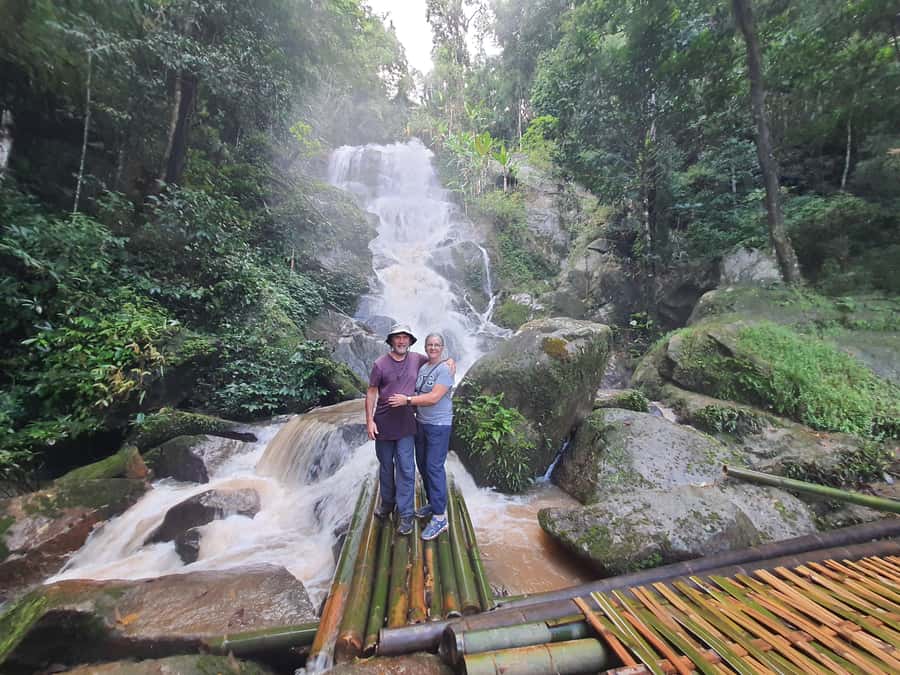
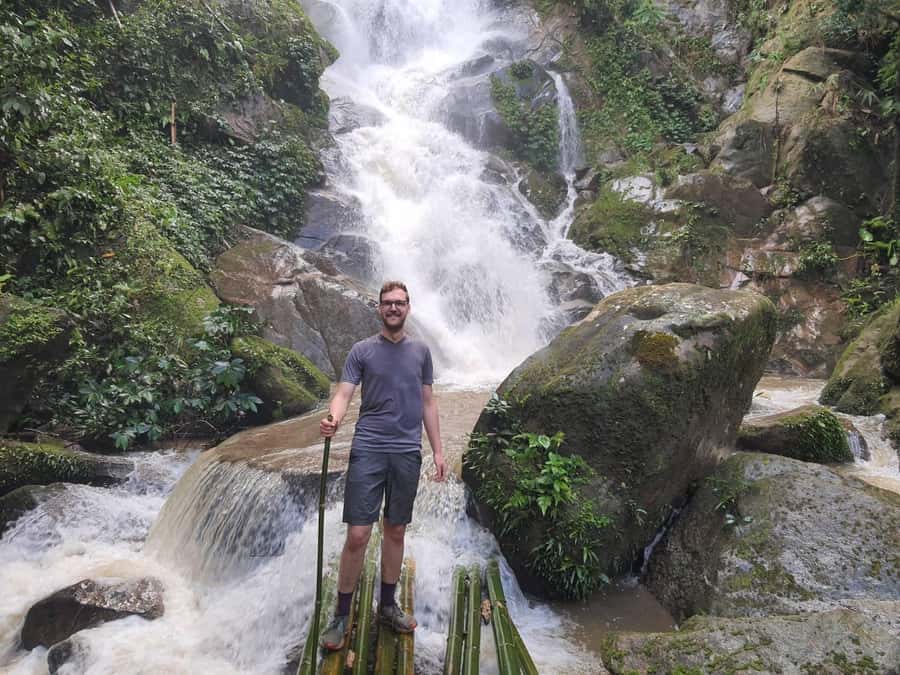
After the Chinese village and tea plantation, you continue toward a waterfall. The planned experience includes time to swim and cool off, so bring swimwear, a towel, and dry clothes in a waterproof bag if possible.
The water break is welcome after the climbs. Still, you should keep expectations flexible. One participant found a small cascade and could not swim there. That may reflect seasonal water levels, the exact route used, or local conditions on that day. The description promises a waterfall swim, but nature does not always follow the brochure.
After the waterfall, you walk to the Akha village for the night. This first day covers roughly 10 kilometers and can include considerable uphill walking. One person who expected an easy forest walk decided to end the trip early, while others found the guide adjusted the pace and added rest stops.
That contrast tells you what to expect. You do not need to be an elite hiker, but you should be comfortable walking for several hours on uneven ground and climbing hills. Good shoes matter more than stylish clothes here.
Sleeping in the Akha village
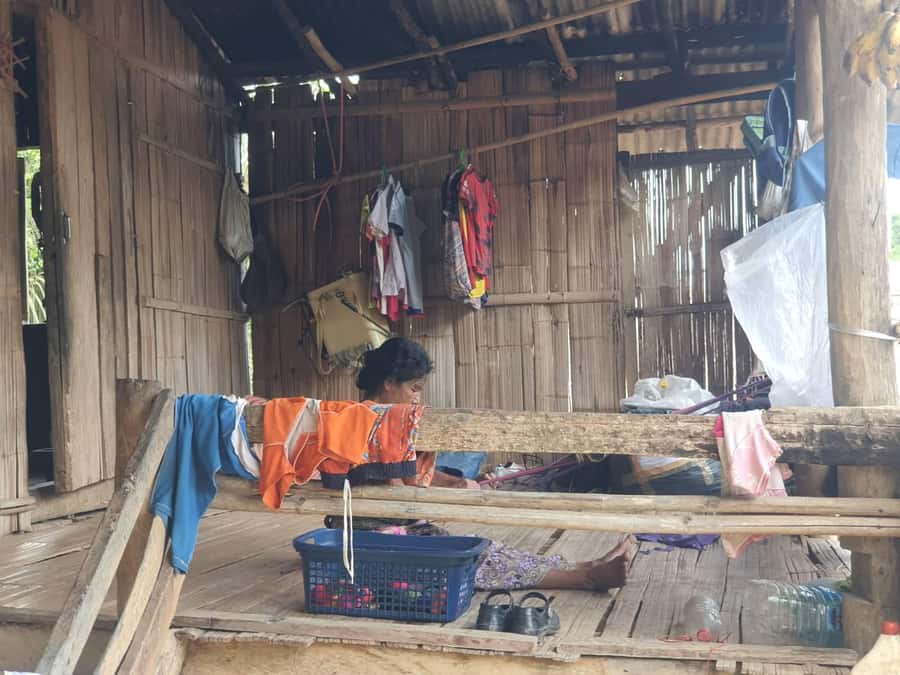
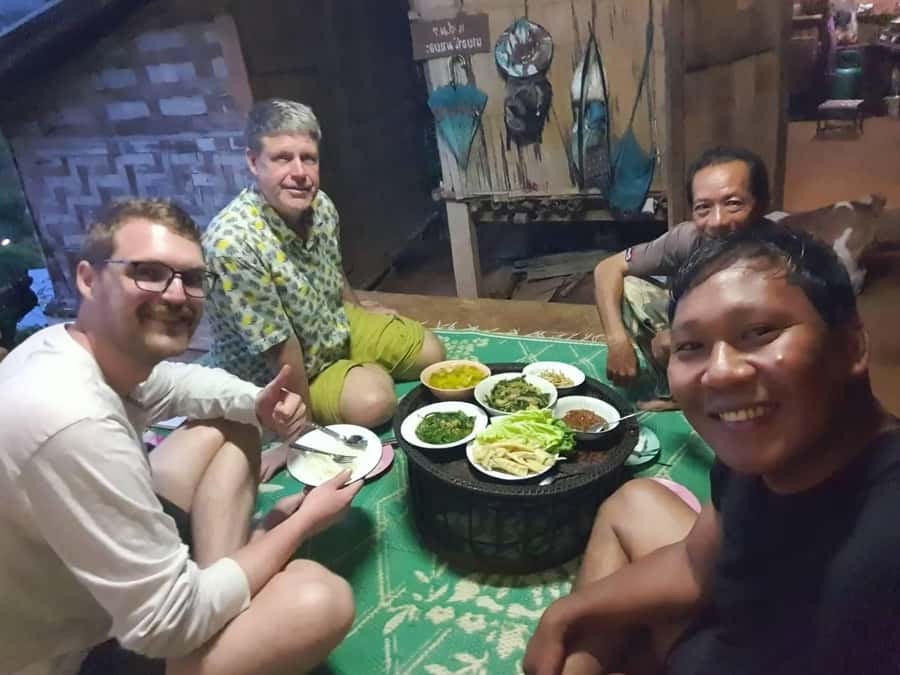
The overnight stay is a homestay-style experience, not a resort. The sleeping area has been described as a bamboo house with a thin mattress on a bamboo floor. You should expect basic comfort and bring a change of clothes, personal toiletries, and a sense of humor about hard floors.
For many people, this will be the most memorable part of the trip. You are not just passing through a village for a quick photograph. You stay overnight, eat dinner, and see a little of ordinary community life. One group enjoyed sunset views high above the Akha village, then shared a meal with the host family and joined local children for songs and laughter.
Dinner is included, as are breakfast the next morning and drinking water. The food has received especially strong praise, with the cooking process itself becoming part of the experience. Vegetarian and vegan needs have been handled on some departures, but you should state dietary requirements when booking rather than assume every meal can be changed at the last moment.
Do not expect hotel-style privacy or a full set of modern facilities. The simplicity is part of the point, but it will not suit everyone. If you need a soft bed, air conditioning, or a private bathroom, this is the wrong kind of overnight stop.
More Waterfall Hikes in Thailand
- Khao Sok: Private Waterfalls and Wildlife Half-Day Trek
★ 4.5 · 337 reviews - Chiang Mai: 2-Days Jungle Trek, Waterfalls and Karen Village
★ 4.8 · 103 reviews - Chiang Mai ATV & White Water Rafting & Trekking to Waterfall
★ 4.7 · 84 reviews - Chiang Mai Untouched Elephant: Nature Walk & Waterfall Trek
★ 4.7 · 77 reviews
Day two: bamboo cooking and Lahu country
After breakfast, you leave the Akha village and continue through the jungle. The second day focuses more directly on practical skills. You cut bamboo and use it to make cups and chopsticks, then prepare lunch in bamboo containers.
This is a clever way to turn a walk into a lesson. You see how one plant can provide tools, cooking vessels, and other useful objects. You also learn how people can prepare food with very little equipment. The process is slower than ordering lunch in town, but that is exactly why it is worth doing.
Some departures have included cooking over a campfire, with the guide preparing a meal in bamboo. Keep in mind that the rules say visitors may not make fires. Your guide controls that part for safety and environmental reasons. You should follow instructions and avoid cutting plants or taking materials without permission.
After lunch, the route heads toward a Lahu village in the high mountains. The walk gives you another chance to see how different communities live in the region. Village visits are not staged entertainment in the usual sense. They are encounters with real homes and working communities, so your behavior matters.
The route then continues through the jungle toward Pasoet Hot Spring. This final section can feel long if your legs are tired from the previous day. The reward is a warm spa pool where you can soak and relax before the drive back to Chiang Rai.
Swimming at the hot spring costs 100 baht, which is not included. Bring cash for that fee, plus money for soft drinks, alcohol, or personal purchases. The tour provides drinking water, but a reusable bottle is still a good idea.
Guides make or break this experience
The strongest part of this trip is the guide. Mo has been praised for his relaxed manner, humor, jungle cooking, bamboo carving, and personal connection to the area. He was born in a Lisu village and had lived there as a child, which gave one group a more personal view of the communities along the route.
RU has also adapted the walk for individual needs, including a changed route for someone with a knee injury and alternative food for vegetarian or vegan diets. Aryu has led very small departures and answered questions about the jungle and local culture in detail.
That does not guarantee the same guide on your date. The important point is to ask questions early and tell the guide about your pace, injuries, or food needs. A good guide can add rest stops and adjust sections of the route, but no guide can remove every steep climb from a mountain trek.
The English-language guiding is another factor to consider. The tour is advertised with a live English-speaking guide. Explanations may be strongest during the jungle skills and village sections, but the depth of cultural detail can depend on the guide assigned to your group.
Fitness, weather, and what to pack
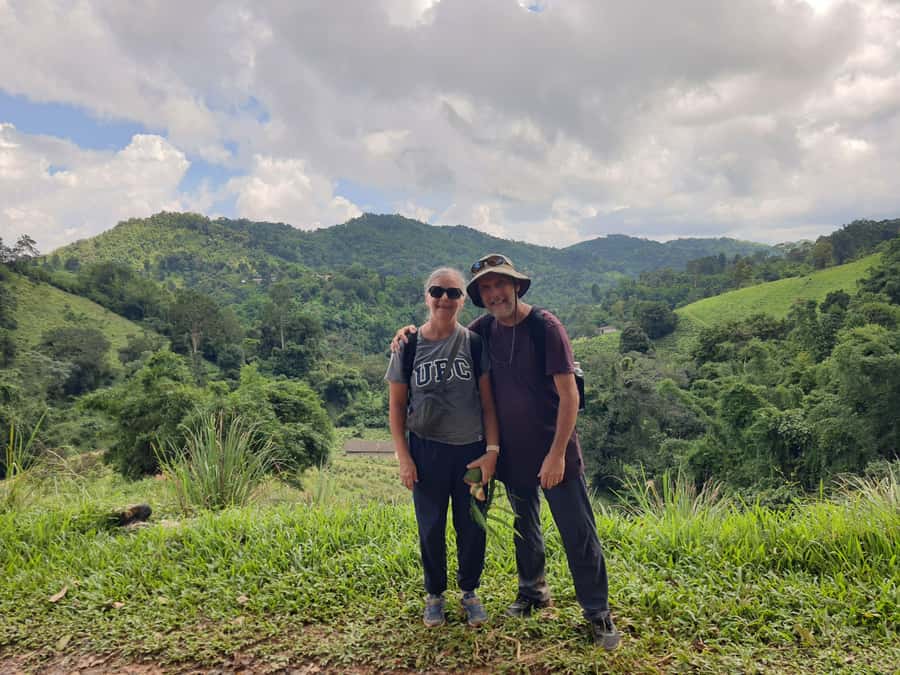
The activity is classed as moderate, but 10 kilometers per day with elevation gain is more demanding than the label may suggest. You should be comfortable walking several hours, climbing hills, and staying on your feet in warm or wet conditions.
This trip is not suitable for pregnant people, wheelchair users, people with heart or back problems, children under 1 year, or people over 70. Those restrictions are blunt, but they reflect the rough trails and basic accommodation.
Pack light, since you will be walking with your belongings. Your essential list should include:
- Comfortable trekking shoes with good grip
- Hat and sunscreen
- Insect repellent
- Swimwear, towel, and dry clothes
- Reusable water bottle
- Snacks
- Camera
- A small amount of cash for the hot spring and personal expenses
Weather can change in the mountains. A light waterproof layer and a bag to protect your clothes or phone would be sensible additions, even though they are not specifically listed. Avoid smoking, littering, touching plants, or making fires.
Is $122 good value?
At $122 per person, the price covers far more than transport and a guided walk. You receive hotel pickup and drop-off, four meals, drinking water, insurance, the English-speaking guide, and one night’s accommodation in an Akha village.
The value is strongest if you want an active cultural experience. You are paying for two full days, a small group, village access, practical jungle instruction, food, and transport from Chiang Rai. Arranging the same combination independently would take time and would not necessarily provide the same local connections.
The value is weaker if you mainly want a short waterfall visit or an easy nature walk. You could find the climbs tiring, and the waterfall may not be suitable for swimming on the day you visit. The 100-baht hot spring entrance fee is small, but it is an extra cost, as are soft drinks, alcohol, and personal items.
Free cancellation up to 24 hours before departure and the option to reserve without paying immediately make planning easier. Pickup is limited to central Chiang Rai within 3 kilometers, so you should confirm that your hotel qualifies.
Who should book this trek?
I would choose this trip if you want to learn by doing. Bamboo cups, village cooking, a basic homestay, and explanations about plants give the trek more purpose than simply following a forest path.
It suits active adults, couples, small groups of friends, and solo hikers who enjoy meeting people and trying unfamiliar routines. It is also a good fit if you want a quieter route with fewer organized groups. Some departures have encountered only a few other visitors over two days.
I would be cautious if you have knee, back, or heart problems, dislike basic sleeping arrangements, or expect a polished resort-style excursion. You should also think twice if swimming at a waterfall is the main reason you are booking. That part depends on conditions, while the walking and village stay are the dependable core of the experience.
Should you book the Chiang Rai jungle trek?
Book it if you want a proper mountain walk with local food, practical skills, and an overnight village stay. The best reasons are the guides, the bamboo cooking, the range of village visits, and the chance to see tea fields, rice fields, and jungle in one compact trip.
Skip it if you want an easy forest outing or guaranteed waterfall swimming. Before booking, be honest about your fitness, ask about the expected route and guide, and pack for rain, insects, heat, and a firm bamboo floor. For the right person, $122 buys two days that feel genuinely connected to northern Thailand rather than a quick photo stop.
FAQ
How long does the Chiang Rai jungle trek last?
The experience lasts two days and includes one overnight stay in an Akha village.
How far do you walk each day?
The total walking distance is approximately 10 kilometers each day.
Where does pickup take place?
Pickup and drop-off are available from downtown Chiang Rai hotels within 3 kilometers of the city center. You should wait in your hotel lobby between 9:00 and 9:30 a.m.
What villages does the trek visit?
The route includes Lesu, Chinese, Akha, and Lahu villages.
Is accommodation included?
Yes. One night of accommodation in an Akha village is included.
What meals are included?
The tour includes lunch and dinner on day one, plus breakfast and lunch on day two.
Is waterfall swimming included?
The planned route includes a waterfall stop with time to swim, but conditions may affect whether swimming is possible.
Does the hot spring entrance fee cost extra?
Yes. Swimming at the hot spring costs 100 baht and is not included in the tour price.
Is the trek suitable for beginners?
It involves moderate physical activity, steep sections, and about 10 kilometers of walking each day. You should be comfortable with a full day of trekking and uneven ground.
What language is the tour offered in?
The tour includes a live English-speaking guide and is offered as a small-group experience with up to 10 participants.
More Two-Day Trips around Thailand
- Chiang Mai 2-Day: Trekking, Tubing & Elephant Observation
★ 4.9 · 95 reviews - Chiang Mai: 2 Days, 1 Night Non-Tourist Trek
★ 4.8 · 57 reviews - From Antigua: Adventure, 2-Day Hiking to Acatenango Volcano
★ 4.4 · 1,189 reviews - Mt Toubkal Ascent Express Trek 2 Days 1 Nights
★ 4.7 · 962 reviews
Just added around Thailand
- From Chiang Mai: Doi Inthanon National Park Hiking Tour★ 4.9 · 43 reviews
- From Chiang Mai: Chiang Dao Cave Trekking Full-Day Tour★ 4.8 · 126 reviews
- From Chiang Mai: Doi Inthanon National Park Day Trip & Hike★ 4.8 · 125 reviews
- From Chiang Mai: Mae Taeng Valley Hike & Bike Day Trip★ 5.0 · 50 reviews
- Chiang Mai: Elephant Sanctuary & Jungle Trek w/ Waterfall★ 4.5 · 18 reviews
- Private Doi Inthanon With Trekking Pha Dok Siew Nature Trail★ 5.0 · 7 reviews
- Chiangmai : Doi Pui Summit Hiking Experience★ 4.8 · 9 reviews
- Chingmai Sunrise Hike & Cultural Traditions★ 4.9 · 17 reviews
Thailand Hiking Tours, compared.

3-in-1: Doi Inthanon Tour, Elephant Sanctuary, and Trekking Trail
Read our review →
2-Day Jungle Trek with Elephant Farm & Raft Ride
Read our review →
Doi Inthanon Park with Kew Mae Pan Hike Day Trip
Read our review →
From Khao Lak: Khao Sok Jungle Hike & River Tour
Read our review →Browse the lists this tour appears in