
REVIEW · CHIANG MAI HIKING TOURS
Chiang Mai: Doi Inthanon Trip with Pha Dok Siew Guided Trek
Thailand’s highest mountain makes a fine escape from Chiang Mai. This full-day outing combines Pha Dok Siew’s forest trail with waterfalls, a Karen village, the King and Queen Pagodas, and the chilly summit area of Doi Inthanon National Park. It gives you a broad taste of northern Thailand in one busy day.
I especially like the two-hour guided walk, which is mostly downhill and passes forest, streams, rice fields, coffee-growing areas, and waterfalls. I also like the local connection: lunch in or near a Karen village, plus tea and coffee tasting, gives the day more purpose than a simple viewpoint tour. The main drawback is the schedule. With roughly four hours of driving, a 10 to 12 person group, and several stops, this is a long day on the road.
The advertised price is around $50, but check the booking option carefully. A package without the national park fee requires 400 Thai baht in cash per person on the day. The tour is good value if you want the park’s major sights without arranging transport, but it is not a quiet private escape.
The day in five useful points
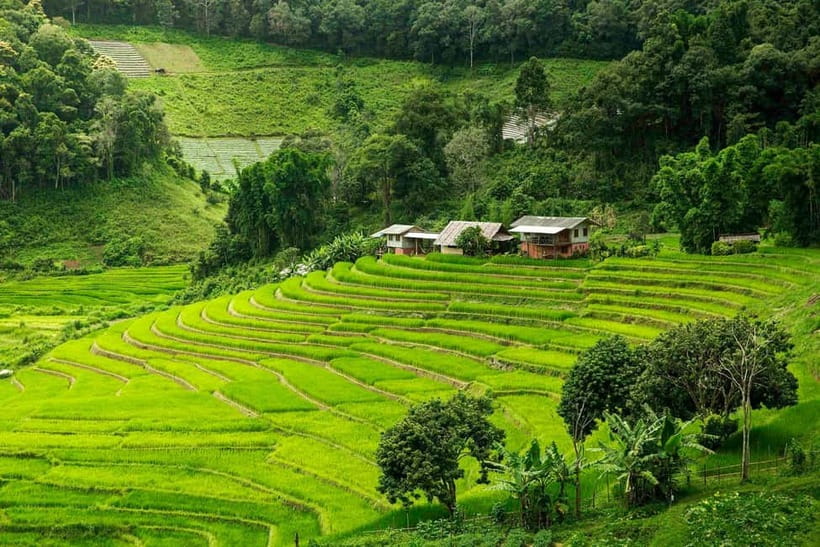
- Pha Dok Siew is the heart of the trip: Expect about two hours on a forest route with steps, bridges, streams, rice fields, and waterfalls.
- The walk is scenic but not effortless: It is mainly downhill, yet heat, wet ground, stairs, and slippery sections can make it tiring.
- The Karen connection adds real character: Lunch, local coffee, tea, and village life make this more than a standard national park circuit.
- Doi Inthanon is cool and damp: Bring a light jacket, especially from November through February, and rain protection during the wet season.
- The highest point is symbolic rather than scenic: Thailand’s summit is in a forested area, so do not expect a sweeping mountain panorama there.
- Check the fee option before paying: National park entry may be included, or you may need to pay 400 baht in cash.
Why Doi Inthanon deserves a full day
Doi Inthanon National Park covers 482 square kilometers southwest of Chiang Mai. Its highest point reaches 2,565 meters, making it the highest mountain in Thailand and earning the park its nickname, the Roof of Thailand.
The mountain is part of the Himalayan range, and its upper slopes feel very different from Chiang Mai. The air is cool, humidity is high, and the forest can be wrapped in fog. Lower areas contain mixed deciduous forest, teak, pine, and dipterocarp trees. Higher ground supports moist evergreen forest and sphagnum bog.
That change in climate is one reason the trip works so well. You begin with a long drive from the city, then move through several types of scenery in one day. The journey is not just about reaching a summit. It is about seeing how the mountain supports forests, waterfalls, farms, villages, and hill community traditions.
The park is about 70 kilometers from central Chiang Mai, but mountain roads make the trip take about two hours each way. You should think of this as a full 12-hour outing, not a quick morning excursion.
More Guided Tours around Chiang Mai:
- Chiang Mai: Guided Jungle and Waterfall Trek with Transfer
★ 4.9 · 8 reviews - From Marrakech: Ouzoud Waterfalls Guided Hike and Boat Trip
★ 4.7 · 33,630 reviews - Bali: Sunrise Mount Batur Guided Hike with Breakfast
★ 4.8 · 9,660 reviews
Morning pickup and the two-hour ride south
Pickup usually runs from 7:00 to 7:30 a.m. in Chiang Mai’s Old Town and around Nimman, depending on the option you select. Some bookings use a meeting point, while others include pickup from a hotel in the covered areas.
The air-conditioned car or minivan matters here. The road time is substantial, and the cool vehicle gives you a chance to rest between stops. A shared group normally has 10 to 12 people, so the atmosphere depends partly on the group. If you enjoy meeting people from different countries, this setup can be a plus. If you want silence and flexible timing, it will feel more restrictive.
Be ready at least 15 minutes early. Pickup points in the Old Town can be slowed by morning traffic, particularly near Tha Phae Gate. The operator asks for your hotel name and a correct WhatsApp number, not just an address. This is worth taking seriously because the van waits only about 10 minutes.
Large luggage is not allowed. Bring a small day bag with water, a hat, rain protection, and an extra layer.
The summit area: Thailand’s highest point
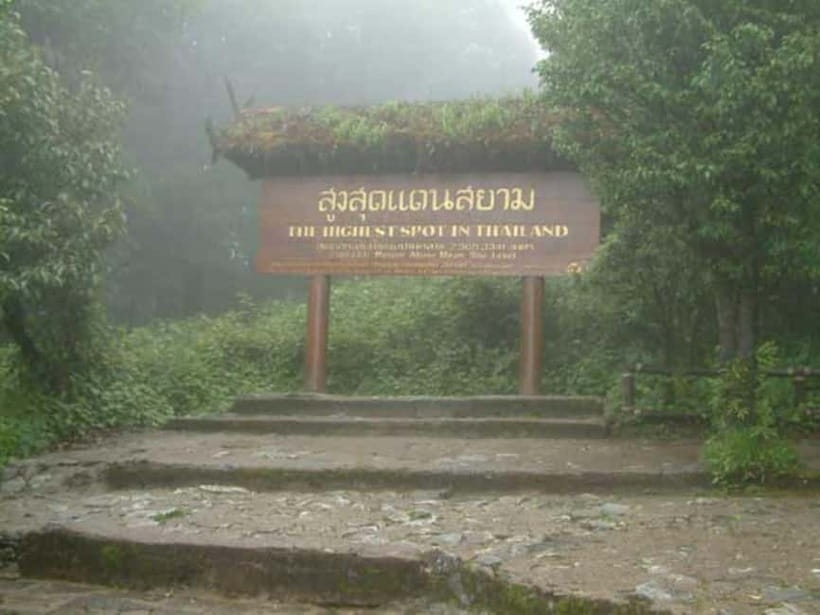
One of the first mountain stops is the highest point of Thailand. The site itself is not a dramatic lookout. It is in a forested area, and the attraction is the fact of standing at the country’s highest elevation rather than seeing a huge panorama.
I would treat this as a pleasant marker and a chance to feel the cooler air, not as the day’s main visual prize. The forest around the summit helps explain Doi Inthanon’s appeal, especially when mist hangs among the trees.
Temperatures can be surprisingly cool here. Several outings have found the upper mountain cold or foggy, while rainy-season conditions can leave you wet. A light jacket is sensible all year, and a warmer layer is useful from November to February.
The King and Queen Pagodas above the clouds
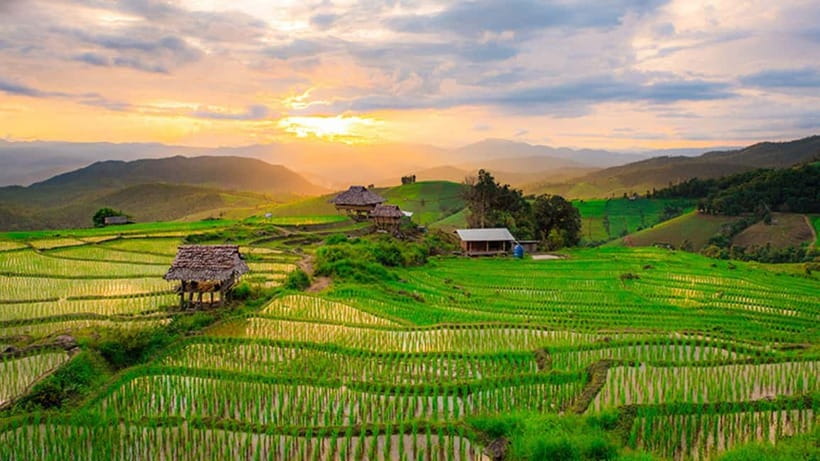
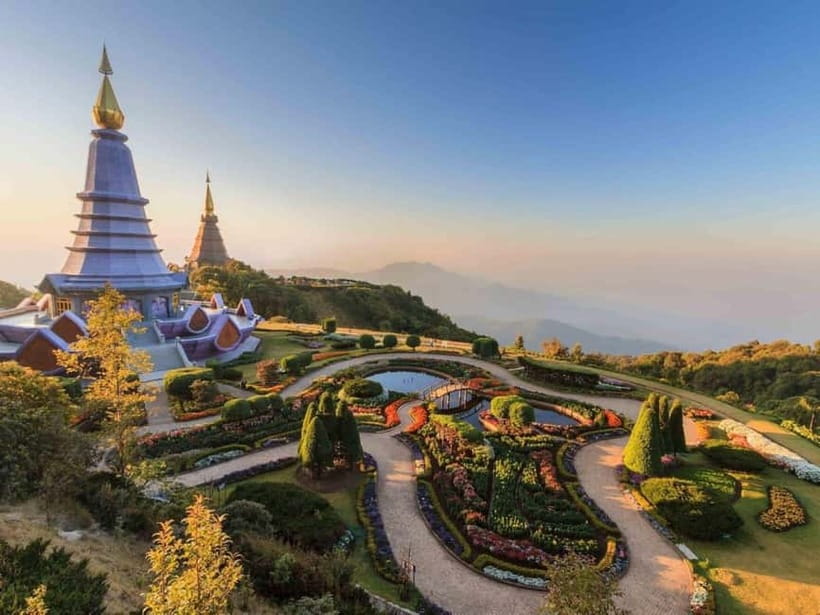
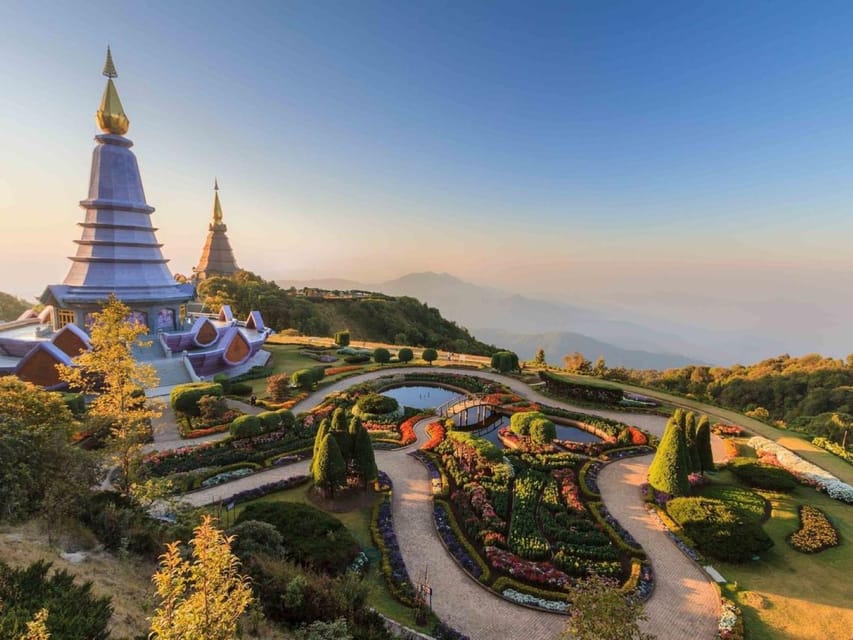
The Grand Pagoda Nabhapolbhumisiri and the neighboring King’s Pagoda are among the most polished stops on the route. They sit high on the mountain and are surrounded by carefully maintained gardens and views that can stretch across the hills when the weather cooperates.
Allow about 30 minutes here. That is enough to see the pagodas, walk around the grounds, and take photographs. Fog can cover the views, but the gardens and architecture still make the stop worthwhile.
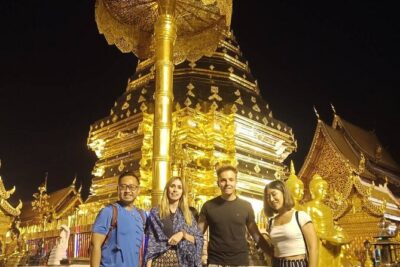
Dress respectfully. Casual clothing is required, with no tank tops and no flip-flops. Sneakers, sports shoes, or other secure footwear are fine. This is not the place for beachwear, even if Chiang Mai is hot when you leave the city.
The pagodas provide a calmer break before the walk. The schedule usually gives you time to look around rather than forcing you through in a few minutes.
A few more hikes around Chiang Mai worth a look
- 3-in-1: Doi Inthanon Tour, Elephant Sanctuary, and Trekking Trail
★ 5.0 · 1,087 reviews - Chiang Mai: 2-Day Jungle Trek with Elephant Farm & Raft Ride
★ 4.7 · 881 reviews - Chiang Mai: Doi Inthanon Park with Kew Mae Pan Hike Day Trip
★ 4.7 · 841 reviews - Chiang Mai: Doi Inthanon Park and Pha Dok Siew Trail Trek
★ 4.6 · 752 reviews
Pha Dok Siew: the best part of the day
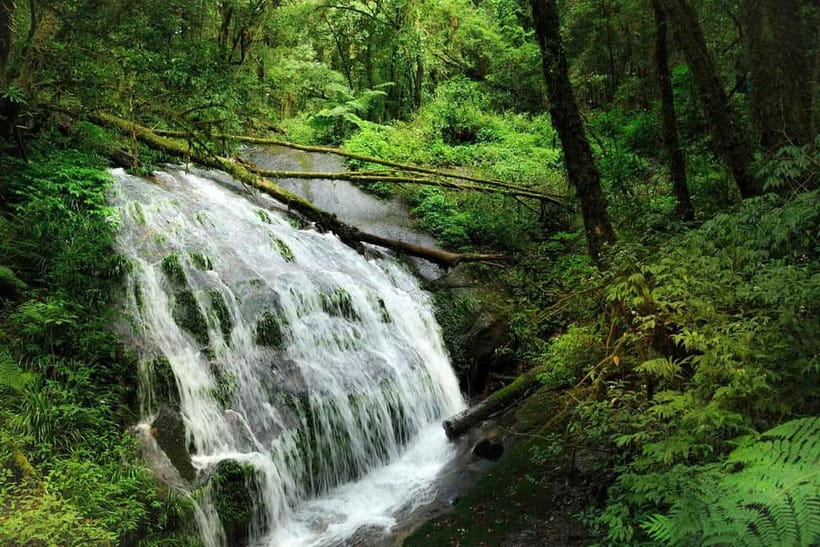
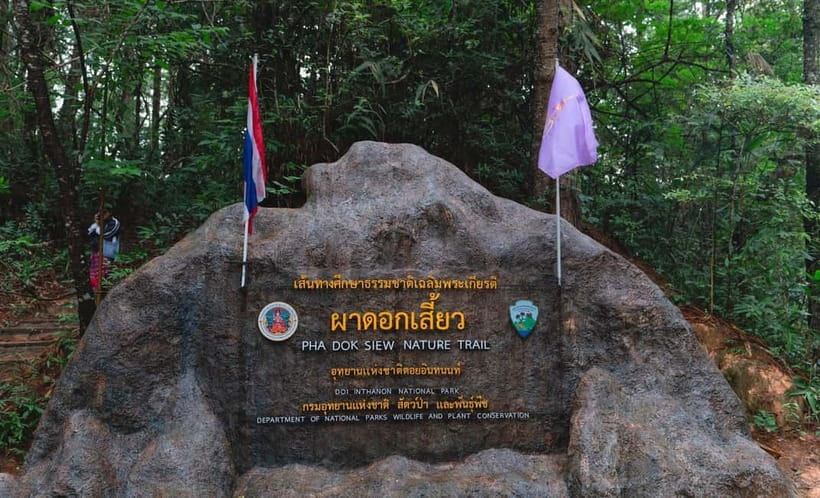
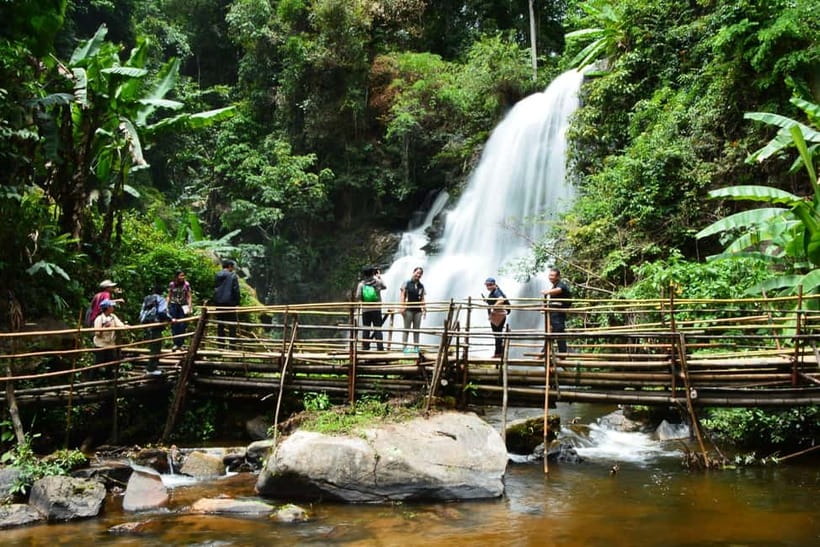
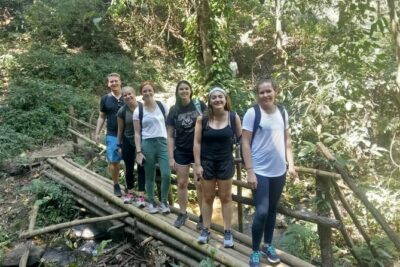
The guided Pha Dok Siew Nature Trail is the main reason I would choose this excursion. The walk lasts about two hours and is managed with help from the local Karen community. Bamboo and wooden bridges, steps, railings, and information boards make the route easier to follow and safer around wet areas.
Expect a forest walk rather than a hard mountain climb. Much of the route is downhill, but that does not mean effortless. You may deal with steps, uneven ground, slippery surfaces, heat, and short sections that test your legs. One participant described feeling the effects for several days, while others found it easy. Your footwear and the weather will make a big difference.
The trail can include streams, waterfalls, rainforest scenery, rice terraces, and coffee-growing areas. During the green season, from July through September, the rice fields can be especially attractive. In the rainy months, the path may be muddy and slick, but the wet conditions also make the forest and falls feel more alive.
A local Karen guide helps point out plants, insects, trees, and wildlife. Guides have spotted everything from caterpillars and spiders to a green snake and even a gibbon. Wildlife is never guaranteed, but the local guide’s eye adds much more to the walk than simply following a path.
The trail improvements also have a social value. Bridges and railings were built with support from Chiang Mai University and a grant, while the Karen community manages the route. Your visit helps keep local guiding and trail care connected to the village.
This is where guide quality matters most. Guides such as Toey, Mint, Bobo, Daniel, and Narong have been praised for humor, patience, local knowledge, and a knack for keeping a mixed group together. The main guide usually handles the wider day, while a local trail guide may lead the forest section.
Lunch, coffee, and the Karen village connection
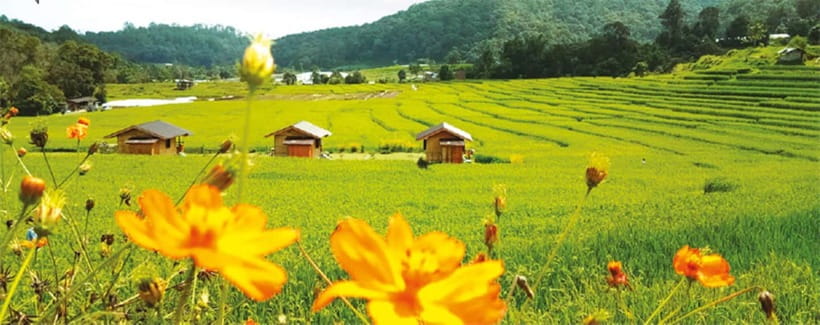
Lunch usually comes after the trail and lasts about an hour. It is a set meal, generally described as generous and simple rather than fancy. You eat in a rural setting, sometimes at or near the Karen village, which makes the meal part of the cultural experience rather than just a refueling stop.
Vegetarian and vegan needs can be accommodated, and one guide was careful to alert the kitchen about a peanut allergy. Still, tell the operator about dietary needs ahead of time. Do not wait until you are sitting down.
The coffee and tea tasting is one of the most memorable small touches. The area is known for locally grown Arabica coffee, and the tasting gives you a direct link between the mountain’s farms and the drink in your cup. You may also see how rice fields and coffee plots fit into village life.
The village visit should be approached with respect. You are seeing a real community that has adapted parts of its daily life to visitors. The strongest version of this stop is not about buying souvenirs or taking quick photographs. It is about listening to your guide, learning how local people use the forest, and recognizing the work behind the food and coffee.
Wachirathan Waterfall and the afternoon road home
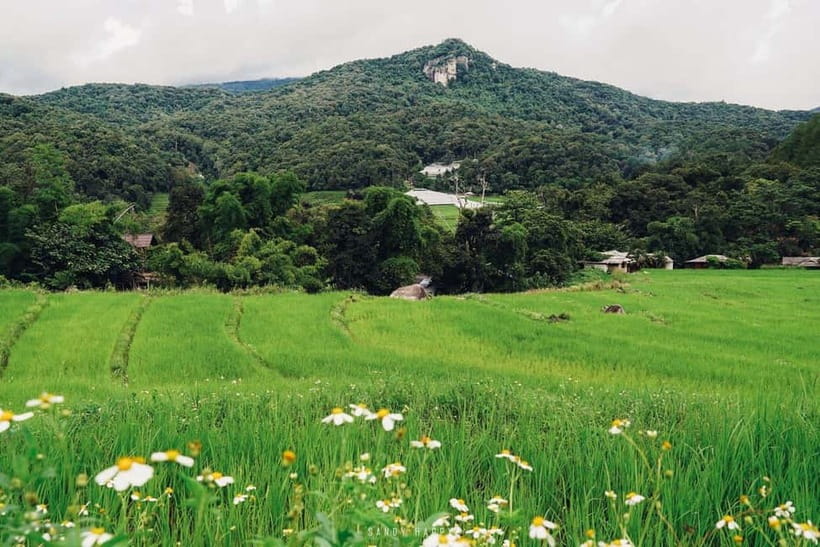
Wachirathan Waterfall is the most accessible major waterfall stop. The itinerary allows about an hour for photographs and a visit, and the falls are powerful, especially during or after the rainy season.
You cannot swim on this tour. Instead, enjoy the spray, sound, and forest setting from the permitted viewing areas. The waterfall is a good place to reset after the trail, but paths may be damp, so hold onto your camera and use shoes with a firm grip.
The tour may also pass or stop near other smaller falls and local points of interest, depending on the day’s conditions. The exact order can change, especially with rain or traffic. The return drive takes about two hours, with drop-off options around Burger King at Tha Phae, Maya Lifestyle Shopping Center, or Chiang Mai.
A small stop at a market may be added on the way back. It can feel unnecessary late in the day, when you are ready for a shower, but it is usually brief.
Price, park fees, and overall value
The listed price is about $50 per person when booked as a single place, though the wording describes a group booking option. Check the final total and inclusions before paying.
There are two important versions:
- National park entry included, so you pay no extra park fee.
- National park entry excluded, requiring 400 baht per person in cash on the day.
The included package normally covers round-trip transport from the Old Town or Nimman area if selected, lunch, drinking water, a guide, insurance, the trekking trail fee, and the national park ticket only when that option is chosen.
For the price, you are getting a lot: transport to a remote mountain park, several major sights, a two-hour guided walk, lunch, and local cultural contact. Hiring a private vehicle would give you more control, but this shared trip is a practical choice if you want the main Doi Inthanon experience without arranging roads, park entry, and trail access yourself.
The tradeoff is time. You cannot linger wherever you want, and 10 to 12 people can slow movement at viewpoints. Still, the schedule appears well balanced: the pagodas are not rushed, the walk receives proper attention, and the long drive is broken into useful stops.
Who should book this Doi Inthanon tour?
I would recommend it to you if you want a mix of nature, culture, and famous sights in one day. It suits reasonably active people who can walk for two hours on uneven ground and manage stairs. Families with older children may enjoy it, but child pricing and suitability should be confirmed for ages 3 to 7.
This is not a good choice for pregnant women, wheelchair users, people with altitude sickness, babies under one year, or anyone over 70. The operator also advises against bringing large bags.
Bring:
- Closed walking shoes with good grip
- A hat
- A light jacket or warm layer
- Rain protection during the wet season
- Cash if your park fee is not included
- A small bag only
The best months for clear, cool conditions are generally November through February, though the high point can be cold. July through September brings green rice fields and wet forest conditions. Rain can make the walk more difficult, but it can also make the waterfalls more impressive.
Should you book it?
Yes, if you want a well-rounded Doi Inthanon day and do not mind a long shared outing. The Pha Dok Siew walk, Karen-guided nature experience, local lunch, and coffee tasting give the trip more substance than a simple stop at Thailand’s highest point.
Think twice if you want a private pace, a serious all-day hike, or guaranteed mountain views. The summit is not a grand viewpoint, the pagodas can disappear into fog, and the trail can be wet. For most visitors based in Chiang Mai, though, the combination of forest, waterfalls, mountain air, village culture, and sensible pricing makes this one of the better organized ways to see Doi Inthanon.
FAQ
How long does the Doi Inthanon tour last?
It is a one-day tour. The schedule includes about two hours of driving each way, a two-hour guided walk, and several sightseeing stops.
Is the national park entrance fee included?
It depends on the option you book. One version includes the national park fee. The other requires you to pay 400 Thai baht per person in cash on the day.
How difficult is the Pha Dok Siew walk?
The walk is mainly downhill and is often described as manageable, but it includes steps, bridges, uneven ground, and potentially slippery sections. Heat and rain can make it more tiring.
Can you swim at the waterfalls?
No. Swimming is not included or permitted as part of this experience.
What should you wear to the pagodas?
Wear casual, respectful clothing. Tank tops and flip-flops are not allowed. Sneakers, sports shoes, or secure walking shoes are acceptable.
Is lunch included?
Yes. A set-menu lunch and drinking water are included. Vegetarian and vegan food can be accommodated, but you should provide dietary information in advance.
How large is the group?
This is a shared tour with about 10 to 12 customers in a group.
Does the tour include hotel pickup?
Pickup is available from the Chiang Mai Old Town and Nimman areas when that option is selected. The exact meeting point depends on the booking, and you should arrive at least 15 minutes early.
Just added around Chiang Mai
- From Chiang Mai: Chiang Dao Cave Trekking Full-Day Tour★ 4.8 · 126 reviews
- From Chiang Mai: Doi Inthanon National Park Day Trip & Hike★ 4.8 · 125 reviews
- From Chiang Mai: Mae Taeng Valley Hike & Bike Day Trip★ 5.0 · 50 reviews
- Chiang Mai: Elephant Sanctuary & Jungle Trek w/ Waterfall★ 4.5 · 18 reviews
- Private Doi Inthanon With Trekking Pha Dok Siew Nature Trail★ 5.0 · 7 reviews
- Chiang Mai:Doi Inthanon National Park & Hike at Kew Mae Pan★ 4.4 · 53 reviews
- Chiangmai : Doi Pui Summit Hiking Experience★ 4.8 · 9 reviews
- Chingmai Sunrise Hike & Cultural Traditions★ 4.9 · 17 reviews
Chiang Mai Hiking Tours, compared.

3-in-1: Doi Inthanon Tour, Elephant Sanctuary, and Trekking Trail
Read our review →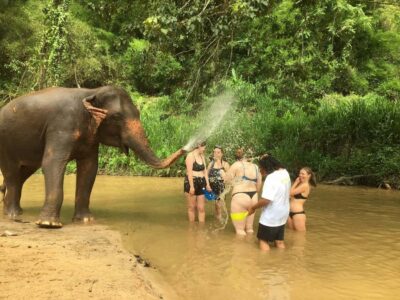
2-Day Jungle Trek with Elephant Farm & Raft Ride
Read our review →
Doi Inthanon Park with Kew Mae Pan Hike Day Trip
Read our review →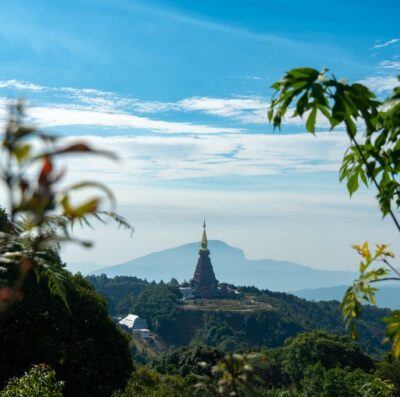
Doi Inthanon Private Tour with Trek & Lunch from Chiang Mai
Read our review →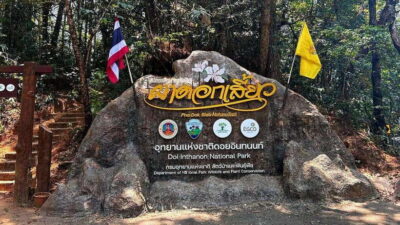
Doi Inthanon National Park and Pha Dok Siew Trek
Read our review →Browse the lists this tour appears in