REVIEW · HIKING TOURS
Arikok Adventurous Hiking Experience in Aruba
Aruba has a wilder side. This three-hour trip takes you beyond the beach resorts into Arikok National Park, where a guide points out native plants, animals, old buildings, rock formations, and historic sites. I especially like the hotel or cruise-port pickup and the chance to hike with someone who can explain what you are seeing, rather than simply following a trail alone. The main caution is that the route is rocky, dusty, hot, and more demanding than a casual stroll for some people.
The $57 price includes transport, park fees, bottled water, and guiding, which makes it a fair deal for a short introduction to Aruba’s interior. I also like the relaxed pace. Guides such as Joshua, Yuri, Ari, Chris, Brandon, and Rambo have been praised for making the outing friendly and informative. Just note that the person leading the hike may be an El Tours guide rather than an official government park ranger.
Key points to know before booking
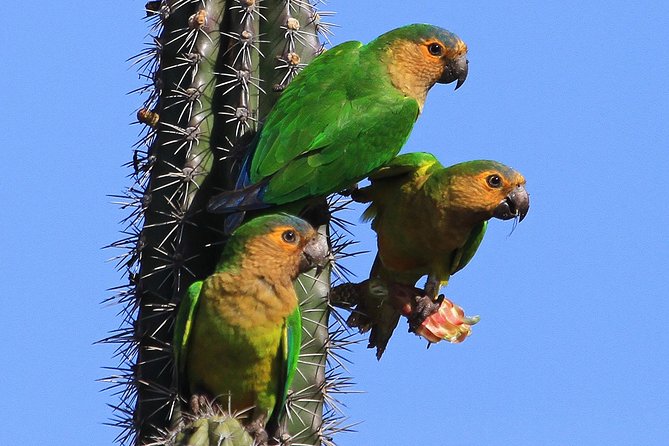
- Native wildlife focus: Look for the Aruban burrowing owl, whiptail lizard, parakeet, rattlesnake, geckos, birds, and goats.
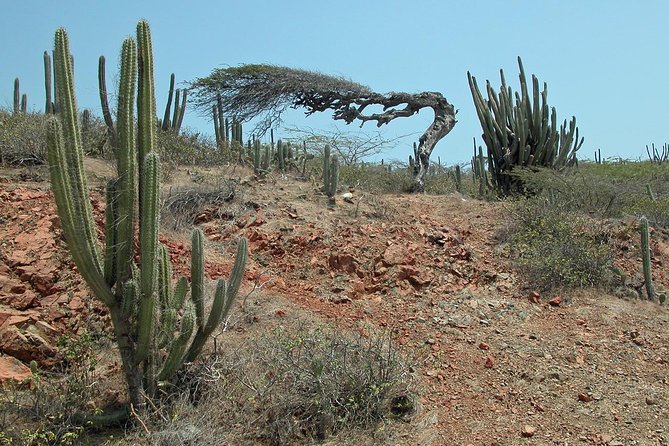
- Rocky desert trail: Expect cactus, loose dust, steps, inclines, and uneven ground rather than a smooth walking path.
- Useful transport included: Pickup and drop-off from your hotel or cruise ship remove the need to arrange a separate ride to the park.
- A gentle but real workout: Most people describe the hike as mild to moderate, but heat, stairs, and a hill near the end can make it tiring.
- Park history included: The route can feature indigenous cave paintings, an old adobe house, gold-mining history, and unusual rock formations.
- Small-group setting: The maximum group size is 25, though a larger group can make it harder to hear the guide.
Leaving the resorts for Arikok National Park
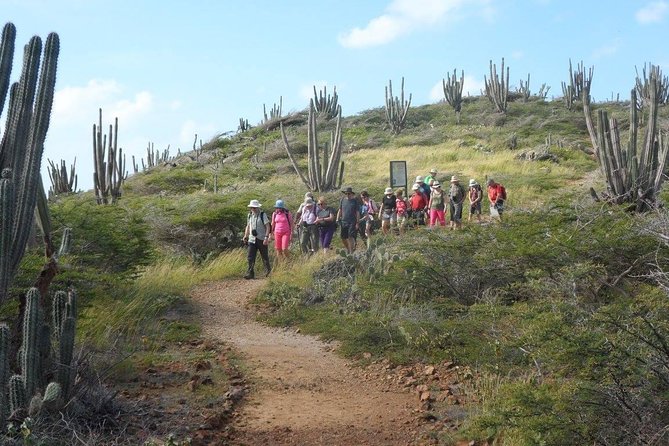
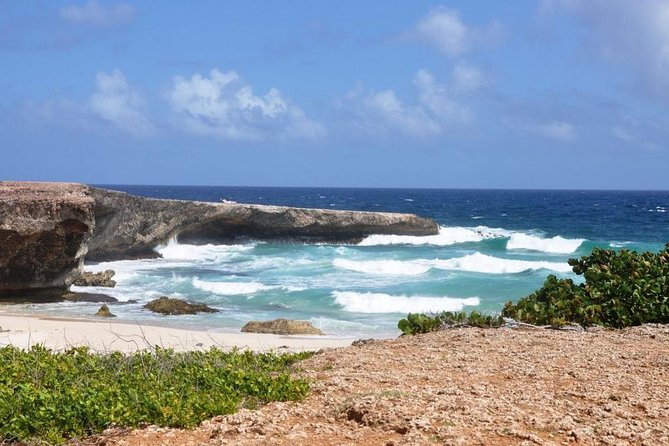
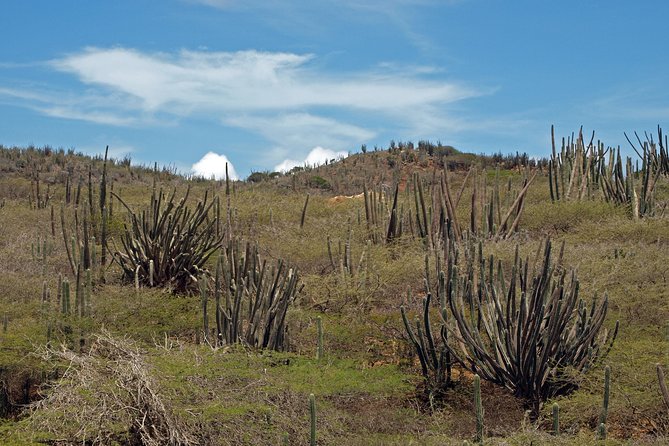
Arikok National Park covers a large part of Aruba’s interior, and it feels far removed from the hotel strip. The scenery is dry, open, and shaped by unusual formations of lava, quartz diorite, and limestone. Cacti grow among bare rock, and the wind can make the warm air feel a little less heavy.
Your morning begins with pickup at your hotel or cruise ship, with a stated start time of 9:00 a.m. The drive is part of the experience, not just a transfer. You may get views of local neighborhoods and countryside along the way, and some guides add background about Aruba’s communities and landmarks. One route described by a participant included a stop or drive past the Ayo rock formation.
The exact drive can vary by pickup point and guide, so do not expect every outing to follow the same road. Still, the included transport is valuable. You avoid finding a taxi, paying park entry separately, or trying to navigate a large protected area on your own.
The trip is offered to both hotel guests and cruise passengers. If you are visiting by ship, confirm the pickup details carefully when booking and allow enough time for the return to the port. The tour lasts about three hours, but that total includes transport and the hike, so it is not three full hours of walking.
A few more hikes around the world worth a look
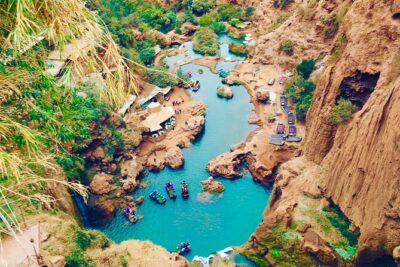
- From Marrakech: Ouzoud Waterfalls Guided Hike and Boat Trip
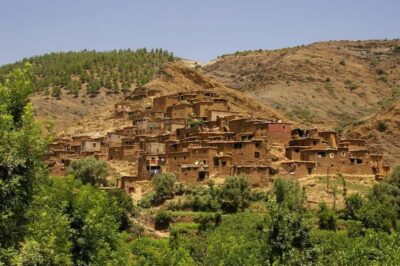
★ 4.7 · 33,630 reviews - Berber villages : Atlas Mountains Day Hike from Marrakech
★ 5.0 · 14,007 reviews - Bali: Sunrise Mount Batur Guided Hike with Breakfast
★ 4.8 · 9,660 reviews
The visitor center begins the nature lesson
At the Arikok visitor center, you meet the guide for the walking portion. The center has a modern sustainable design and includes an exhibit about animals native to Aruba.
This is a useful introduction because many of the creatures in the park are not familiar to visitors from elsewhere. Displays include the Aruban whiptail lizard, known locally as the cododo, the Aruban cat eye snake, called the santanero, and the endangered Aruban rattlesnake, or cascabel.
You may not see every animal shown at the center. Wild creatures keep their own schedules, and several of the most interesting species are elusive. The exhibit helps you understand what to watch for once you are outside, even if the only animals you spot are lizards, birds, or goats.
The guide also explains why the park matters. Arikok protects plants and animals found naturally on Aruba, along with geological formations that are unusual beyond the island. That context turns a walk among cactus and scrub into something more meaningful. You begin to notice that the dry terrain is not empty. It supports a distinct ecosystem adapted to heat, wind, and limited rain.
A hike through cactus, rock, and open desert
The trail is best described as a nature hike with uneven ground. It is not a technical mountain walk, but it is not a paved park promenade either.
You should expect dust, rocks, cactus, steps, and several moderate inclines. One portion includes a larger hill toward the end, while other accounts describe the route as mostly mild. The different impressions make sense: fitness, temperature, weather, and group pace will all affect how hard the hike feels.
Good athletic shoes with some cushioning should be enough for many people. Hiking boots are not essential for most of this route, though they can provide extra confidence on loose or rocky ground. Wear long trousers if you are sensitive to cactus, and keep your arms and backpack clear of spines. One simple rule matters here: stay on the trail and do not reach into plants.
Rain can change the feel of the outing. Wet weather may leave puddles across the path, and you could remain damp for the rest of the hike. The company can cancel for poor weather and offer another date or a full refund, but conditions can also shift during a normally scheduled outing.
The heat is the bigger issue for many people. The guide makes regular stops, which helps, but the trail has exposed sections and can feel still when there is little wind. Bottled water is included, and you should use it before you feel thirsty. Food is not included, so eat beforehand if you need more than a morning drink.
What you may see along the route
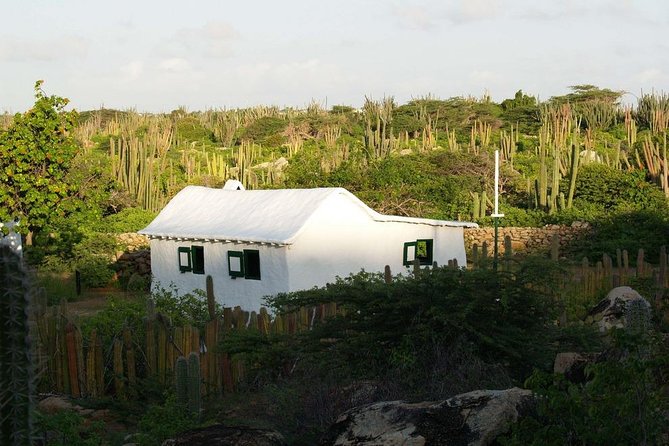
The park’s best feature is the chance to see Aruba’s natural life in its own setting. You may spot the Aruban whiptail lizard moving between rocks, geckos in sheltered places, birds overhead, or goats crossing the open ground. The Aruban parakeet and burrowing owl are special finds, but no guide can promise a sighting.
The burrowing owl, called the shoco, is one of Aruba’s best-known native animals. The Aruban rattlesnake is another important species, though seeing one should not be treated as a goal. The park protects these animals, and your guide can explain their role and the need for conservation without turning the outing into a wildlife checklist.
Plant life gets equal attention. You learn which species have useful traditional purposes and which should not be touched. That information is practical in a cactus-filled park. A plant can look harmless until you are close enough to discover why the guide warned you to keep your hands away.
The scenery changes in small ways as you walk. You pass dry vegetation, stone, slopes, and broad views from higher points. The best views come when you climb above the immediate trail, so bring a camera that you can use without slowing the group.
Wildlife sightings will vary. Some outings have produced birds, lizards, goats, and other small animals. On another morning, you might see little more than a few quick lizards. The geology and views still make the walk worthwhile, but book this for the full natural setting rather than guaranteed animal encounters.
Same trailhead, a different kind of day:
- Bali: Mount Batur Sunrise Guided Hike and Natural Hot Spring
★ 4.8 · 9,284 reviews - Cinque Terre Day Trip with Optional Hiking or Pisa
★ 5.0 · 8,486 reviews - From Marrakech: Atlas Mountains Full-Day Hiking Trip w Lunch
★ 4.8 · 7,417 reviews - Marrakech: Ourika Valley Trip with Waterfall Hike
★ 4.6 · 6,792 reviews
Cave paintings, an old house, and Aruba’s past
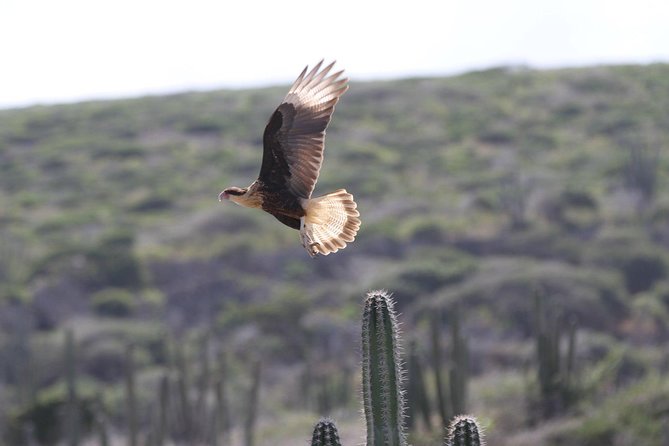
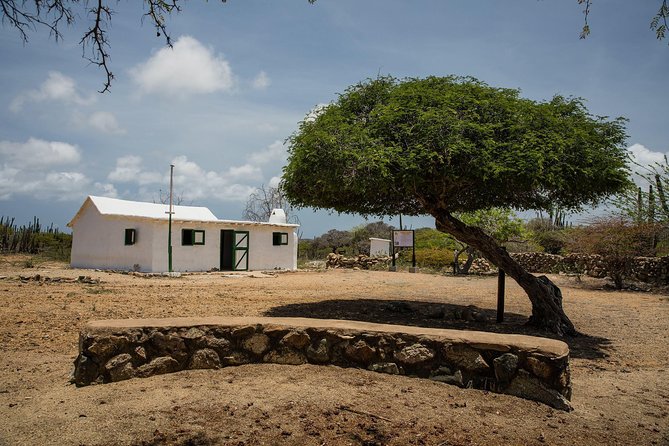
Arikok is not only about plants and animals. The walking route can include historical sites, indigenous cave paintings, an old homestead or adobe house, and information about earlier gold mining in the park.
These stops give the dry scenery a human dimension. The old structures show how people adapted to the island, while the cave art offers a reminder that Aruba’s story reaches much further back than modern tourism. The guide may also explain how local materials and plants were used in daily life.
The quality of this part depends heavily on the guide. Joshua has been praised for combining humor with strong explanations of Aruba’s wildlife and history. Yuri has been noted for explaining conservation, local places, and the meaning of the formations along the drive and trail. Ari, Chris, Brandon, and Rambo have also been described as friendly and informative.
The company advertises the outing as being led by a park ranger. In practice, you should clarify this point if it matters to you. At least one account described the hiking leader as an El Tours employee rather than an official park ranger. That does not automatically make the walk less useful, but it is a fair distinction to understand before booking.
How hard is the three-hour experience?
The minimum age is nine, and children must be accompanied by an adult. The company asks participants to have a strong physical fitness level, though the actual route is often described as easy to moderate rather than strenuous.
I would place it between a long morning walk and a proper half-day hike. You need to manage steps, rocks, cactus, heat, and a hill. If you walk regularly and are comfortable outdoors, the route should be manageable. If you have trouble with uneven surfaces or hot weather, you may find it tiring even at a slow pace.
The group may include a wide range of ages and abilities. That can make the outing more social, but it can also affect the pace. A slower group may mean longer waits and fewer uninterrupted stretches of walking. One person also noted that the guide was difficult to hear when positioned at the front of a group of 12. If the maximum group of 25 is reached, this issue could be more noticeable.
Ask the guide to repeat information if you are at the back. A smaller group can make the experience feel more personal, and on some departures the number of participants may be low.
What the $57 price really includes
At $57 per person, this is a sensible way to see the park without arranging several separate services. The price includes local taxes, the national park fee, bottled water, a driver-guide, a professional guide, hotel or port pickup and drop-off, and the hike itself.
The value comes mainly from convenience and interpretation. You are not simply paying for a walk. You are paying for transport into the park, entry costs, a route chosen by someone familiar with the area, and explanations about plants, animals, geology, and history.
The outing is not the right choice if you want a full-day tour of every major Arikok sight. It does not focus on the coast, and one participant specifically wished the route had included more coastal areas. You would need a separate experience for those views.
It is also not a wilderness expedition. The hike is short, and many people finish wishing it had lasted longer. That is a positive if you want to fit another activity into the same day. It is a limitation if you are seeking a serious, extended hike.
The overall score is 4.7 from 77 ratings, with 92 percent recommending it. The strongest praise centers on the guides, scenery, easy pickup, and clear explanations. The main complaints involve the guide not always being an official ranger, group members slowing the pace, rain, and expectations that the walk would be harder or longer.
Practical advice for a better morning
Wear closed athletic shoes with a decent sole. Long trousers can protect your legs from cactus, and light clothing will help in the heat. Avoid sandals unless you are comfortable with dust, sharp plants, and uneven rocks.
Bring a camera, but keep your hands free when climbing. Use sunscreen and take the bottled water provided. Since meals are not included, eat before pickup or bring food if your booking instructions permit it.
Keep your expectations realistic. This is a guided introduction to Arikok, not a guaranteed wildlife tour. You may see lizards, birds, goats, or other creatures, but the most reliable rewards are the scenery, explanations, geological formations, and historical stops.
The cancellation terms are straightforward. You can receive a full refund if you cancel at least 24 hours before the start time. Changes or cancellations inside that window are not accepted for a refund. Poor weather or failure to reach the minimum number of participants can lead to a different date, another experience, or a full refund.
Should you book the Arikok hike?
Book it if you want a convenient, affordable way to leave the resort area and understand Aruba’s natural side. It suits active adults, families with children aged nine and older, cruise passengers with a suitable morning schedule, and anyone who prefers a guide to explain what they are seeing.
Choose something else if your priority is a long, difficult hike, a coastal tour, or guaranteed wildlife. Also think twice if you dislike heat, cactus, loose rock, or group pacing.
For most visitors, this is a good first look at Arikok. The strongest reason to go is not one spectacular stop. It is the combination of transport, protected nature, local stories, wildlife information, and a manageable walk. At $57, that package offers solid value, especially when a lively guide such as Joshua or Yuri turns a dry trail into a proper lesson about Aruba.
FAQ
How long does the Arikok hiking experience last?
The experience lasts approximately three hours, including pickup, transport, the park visit, and the guided hike.
What time does the tour start?
The stated start time is 9:00 a.m.
Is hotel pickup included?
Yes. Pickup and drop-off are included from hotels and cruise ports.
Is the national park entrance fee included?
Yes. National park fees and local taxes are included in the price.
Is bottled water provided?
Yes. Bottled water is included. Food and other drinks are not included unless specifically stated.
What is the minimum age?
The minimum age is nine years old. Children must be accompanied by an adult.
How difficult is the hike?
Participants should have a strong physical fitness level. The route includes rocks, cactus, steps, inclines, and possibly a larger hill, though it is often described as mild to moderate.
Should I wear hiking boots?
Hiking boots are not required for most people. Athletic shoes with some cushioning are generally suitable, but closed footwear is important because the trail is rocky and contains cactus.
Is the guide always an official park ranger?
The experience is promoted with park-ranger guiding, but the hiking leader may be an El Tours employee. You can ask for clarification when booking if this distinction matters to you.
Can I cancel for a full refund?
Yes. You must cancel at least 24 hours before the local start time for a full refund. Poor weather or failure to reach the minimum number of participants may also lead to a new date or full refund.
Just added around the world
- Annapurna Circuit Trek★ 5.0 · 34 reviews
- Annapurna Circuit Trek★ 5.0 · 35 reviews
- 8 Days Private Guided Trekking in Annapurna Circuit with Pickup★ 5.0 · 13 reviews
- 10 Days Annapurna Circuit Trek★ 5.0 · 7 reviews
- Annapurna Circuit Short Trek★ 5.0 · 17 reviews
- Annapurna Circuit Trek in Nepal (9 Days)★ 5.0 · 7 reviews
- Annapurna Base Camp Trekking★ 5.0 · 116 reviews
- Everest Gokyo Lake Trek★ 5.0 · 9 reviews
Hiking Tours, compared.
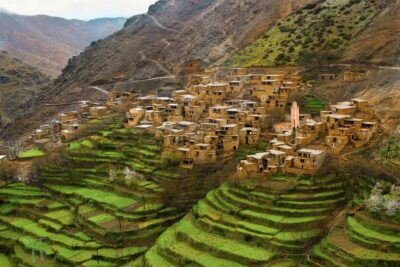
Berber villages : Atlas Mountains Day Hike from Marrakech
Read our review →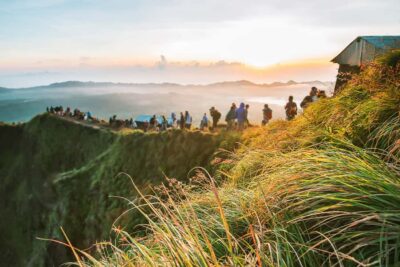
Sunrise Mount Batur Guided Hike with Breakfast
Read our review →
Mount Batur Sunrise Guided Hike and Natural Hot Spring
Read our review →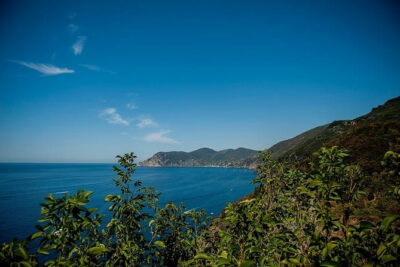
Cinque Terre Day Trip with Optional Hiking or Pisa
Read our review →