
REVIEW · CHIANG MAI HIKING TOURS
From Chiang Mai: Mae Taeng Valley Hike & Bike Day Trip
The countryside is Chiang Mai’s best classroom. This active day trip pairs a 5-kilometer hill walk with a 15 to 20-kilometer bike ride through Mae Taeng Valley, so you see northern Thailand at walking pace and bicycle speed. I especially like the chance to learn about fruit trees, rice farming, village customs, and local plants from an English-speaking guide. The second big plus is the gentle cycling route through fields and small roads, not a hard climb-fest.
The main catch is physical: the hike takes about three hours on undulating ground, and the bike ride adds up to two hours. You also spend a fair amount of time in a covered pickup truck, including roughly 90 minutes getting to the hills from Chiang Mai. Guide Tri has earned particular praise for explaining plants, animal tracks, and village life, but route order can change with the season.
What makes this Mae Taeng day trip worth considering
- A useful two-part workout: Walk a 5-kilometer local trail in the hills, then cycle mostly flat roads, lanes, and paths in the valley.
- Real agricultural scenery: Pass coffee, tea, bananas, wild mangoes, avocados, guavas, and macadamia trees, along with rice fields and fruit orchards.
- A strong guide-led experience: Guide Tri has been praised for pointing out plant life, tarantula holes, termite mounds, animal tracks, and local customs.
- Lunch with a local feel: Eat Thai food at a small restaurant, a private home, or, depending on the day, a mountain tea factory with a wide view.
- Good equipment and support: The bikes have 24 gears and front suspension, with helmets, water, snacks, and fruit provided.
- A cultural finish: The stop at Wat Ban Den adds a temple visit and photo break before the ride back to Chiang Mai.
The long ride from Chiang Mai to Mae Taeng
Your day begins with hotel pickup in Chiang Mai. Be ready in the lobby 10 minutes before the scheduled time, since the driver will be looking for your name. Transport is by covered pickup truck, which suits the rural roads and gives the outing a more practical feel than a polished sightseeing coach.
The drive to the hiking area takes about 1.5 hours. That is the price of reaching quieter countryside. You leave the city behind and head toward the Mae Taeng hills, but you should not expect an instant activity the moment you are collected. If you dislike long road transfers, this is worth weighing before you book.
I would use the ride to keep the daypack light, drink some water, and save your phone battery for the hills. Large luggage is not allowed, and there is no reason to bring it anyway. Comfortable shoes, a hat, sunscreen, sunglasses, insect repellent, and cycling clothes are the right kit.
The exact order can change during the year. Rain, local events, and trail conditions may lead the operator to put cycling in the morning and hiking later. The important point is that both activities remain part of the day, but the conditions and timing are not fixed to the minute.
More Cycling Tours around Chiang Mai:
- Chiang mai Hike & Downhill Bike Adventure –Suthep National Park
★ 4.5 · 204 reviews - Chiang Mai: Doi Suthep National Park Leisure Hiking & Biking
★ 4.7 · 24 reviews - Ketchikan Electric Bike and Rain Forest Hike Ecotour
★ 5.0 · 562 reviews
Three hours on a five-kilometer village trail
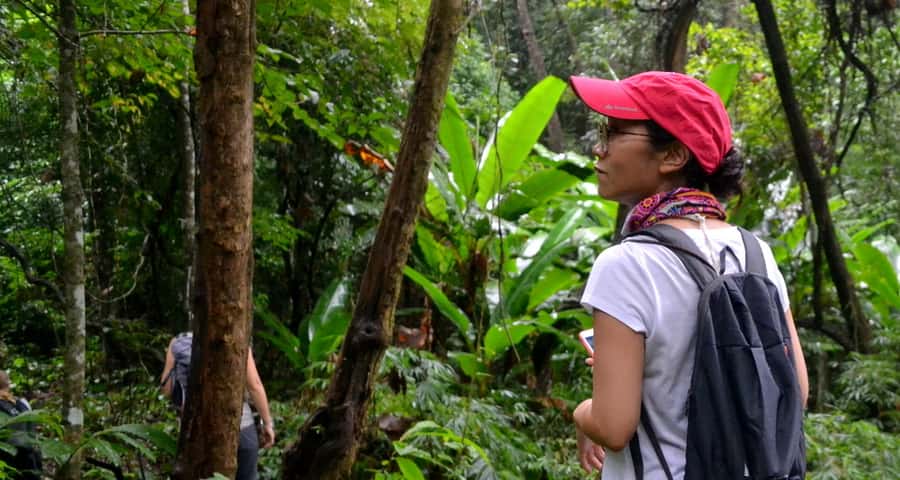
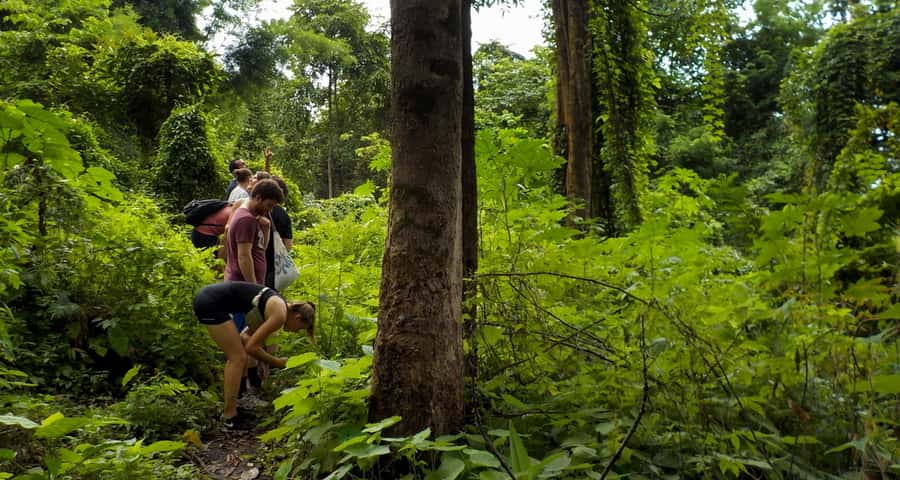
The hike is the more rewarding half if you want contact with rural life. The route follows trails used by local villagers, winding through the hills and agricultural areas rather than leading from one major sight to another. You may see people working in fields or going about ordinary village routines.
At about 5 kilometers, the distance sounds modest. The three-hour duration tells you more: this is a slow, observant walk over undulating ground. You will pause for explanations, look closely at plants, and take in the views, so it is not meant as a speed march.
One of the best details from the day is the range of crops and trees along the route. You may pass coffee and tea, banana plants, wild mangoes, avocados, guavas, and macadamia trees. That variety helps explain how northern communities use the land. You are not simply looking at pretty greenery. You are seeing food production, small orchards, and working countryside.
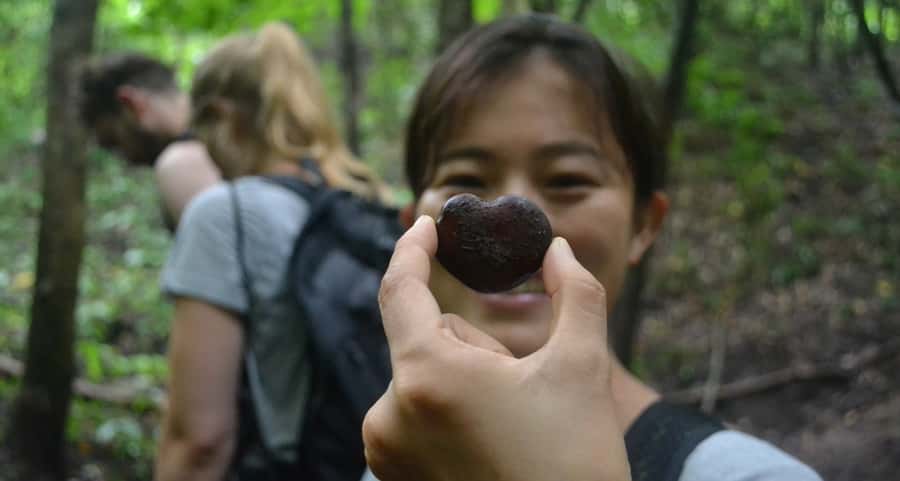
Guide Tri has received particular praise for making the walk informative. He has pointed out animal tracks, tarantula holes, and termite mounds, details you could easily miss on your own. He also explains local customs and traditions, giving the walk a human side instead of turning it into a basic exercise session.
The drawback is the trail itself. This is not suitable for someone with poor fitness, limited mobility, heart problems, or a medical condition that makes uneven ground risky. Wear runners or other secure outdoor shoes. Flip-flops would be a poor choice here, especially if the trail is damp.
Thai lunch with a view or village setting
After the walk, lunch lasts about 45 minutes. Depending on the day, you eat at a local restaurant, a private house, or another local setting. One particularly appealing version has lunch at a small tea factory high in the hills, with a broad view and Pad Thai on the table.
That flexibility is useful because the meal can match the route and local conditions. It also means you should not expect one fixed dining room or a large buffet. This is a simple Thai meal, intended to refuel you between activities.
Thai lunch is included, but extra drinks are not. Drinking water is supplied during the activities, along with snacks and fruit to try. If you need vegetarian food or have another dietary requirement, give advance notice. Do not wait until you sit down to mention it.
I like this break because it keeps the day connected to the places you visit. A meal at a local restaurant or private home feels more fitting than returning to Chiang Mai for a generic tourist lunch. The tradeoff is that food choices and surroundings can vary.
Cycling down into Mae Taeng Valley
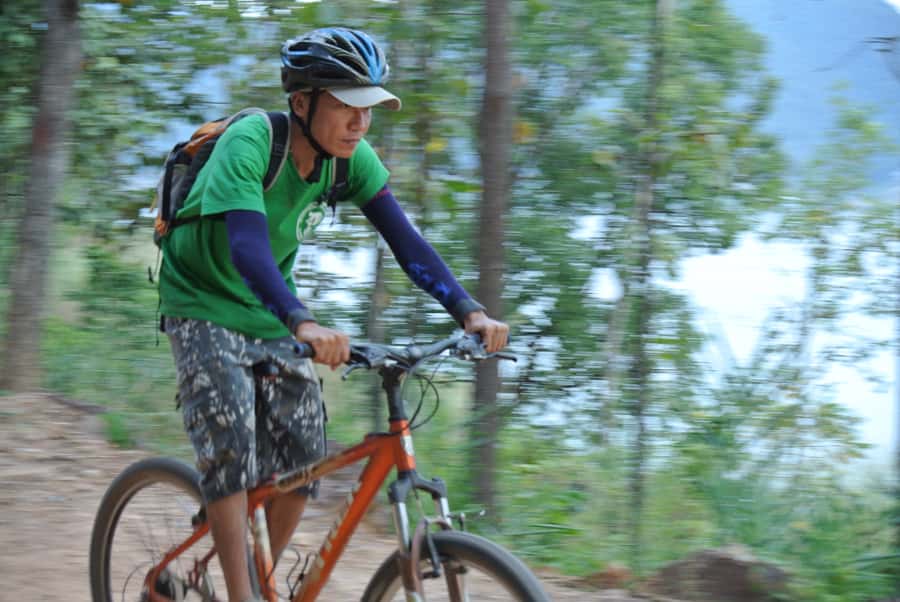
After lunch, a vehicle transfer of about 40 minutes takes you down toward the cycling route. This switch from hill country to valley floor changes the rhythm of the day. The hike asks for steady footing and attention. The bike ride is generally flatter and more relaxed.
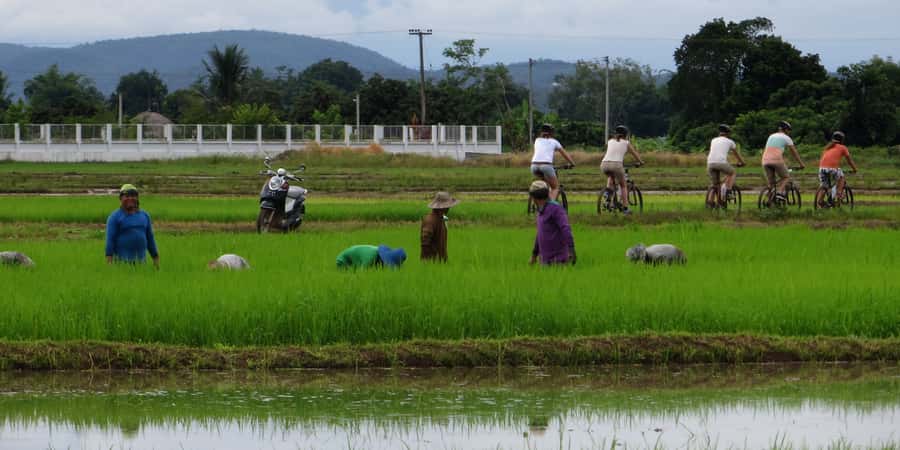
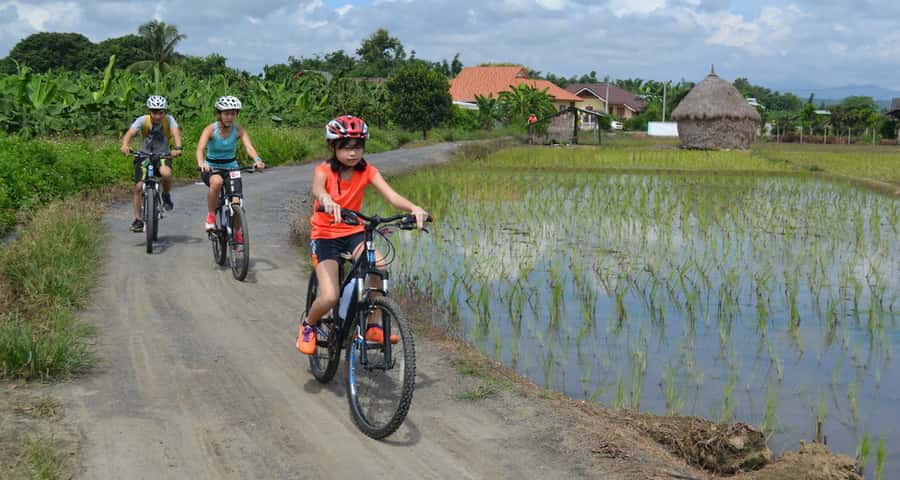
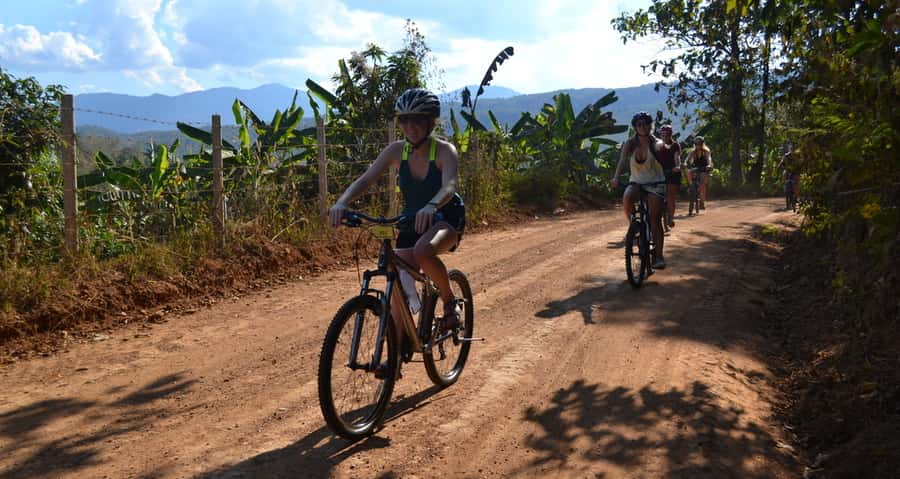
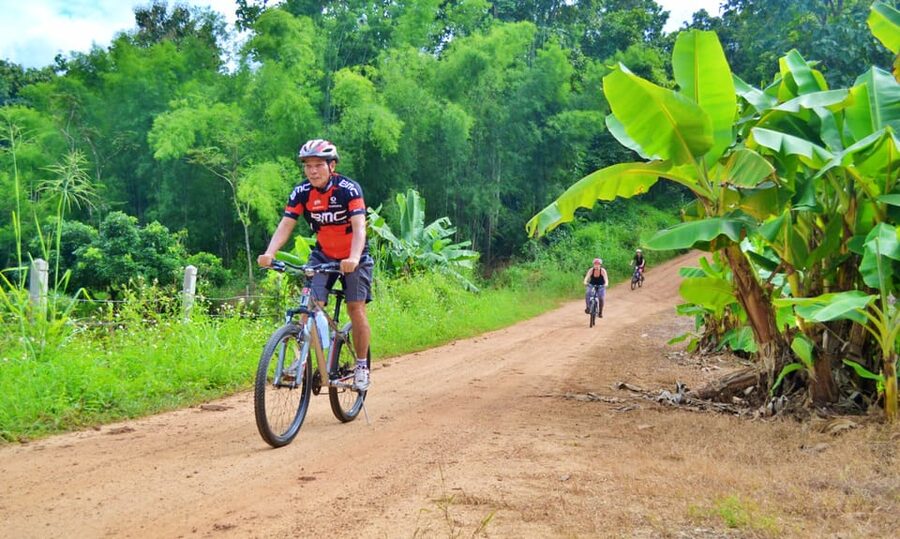
You cycle for about two hours, covering roughly 15 to 20 kilometers. The route uses little-used roads, village lanes, trails, rice fields, and rural paths. You pass through traditional villages and working farmland, seeing the valley as a place where people live and farm rather than as a backdrop built for sightseeing.
This is a good setup for anyone who wants activity without a punishing ride. One account describes the cycling as flat and manageable, with the afternoon heat making the lack of steep climbs especially welcome. Still, manageable does not mean effortless. You need enough fitness for two hours in the sun after a three-hour walk.
The equipment is a strong point. The mountain bikes have 24 gears and front suspension, and helmets are included. You provide your height in advance so the bike can be prepared before you arrive. That small detail matters: a correctly sized bike saves your knees, back, and patience.
Water is available throughout the activities, and snacks and fruit help keep your energy steady. Even so, bring sun protection and wear suitable cycling clothing. The valley may feel easier than the hills, but heat can turn a flat ride into hard work.
More Day Trips around Chiang Mai:
- Chiang Mai: Doi Inthanon Park with Kew Mae Pan Hike Day Trip
★ 4.7 · 841 reviews - Doi Inthanon National Park with Nature Trail Trekking 1-Day Tour
★ 4.5 · 230 reviews - From Chiang Mai: Doi Inthanon National Park Day Trip & Hike
★ 4.8 · 125 reviews - Chiang Mai: Doi Inthanon Park and Pha Dok Siew Hike Day Trip
★ 4.1 · 10 reviews
Villages, rice fields, and everyday northern Thailand
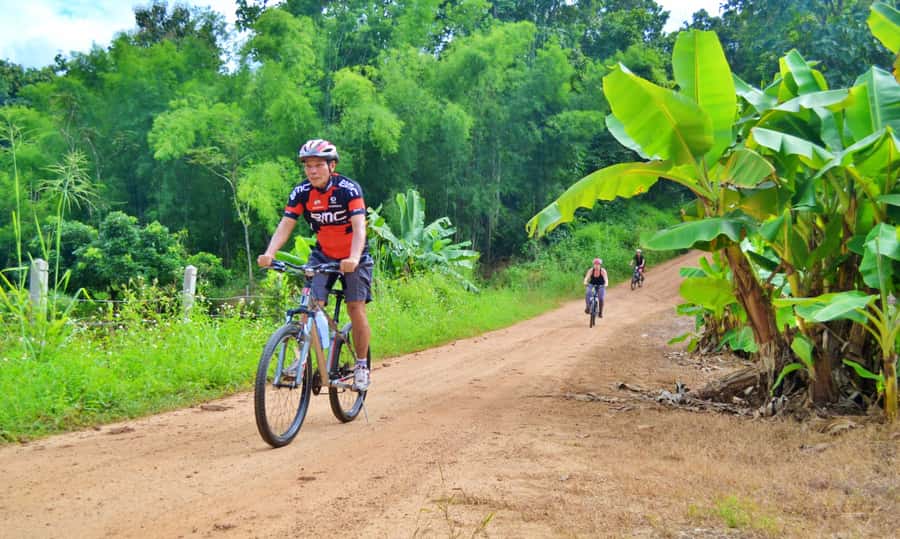
The bike route gives you a different look at Mae Taeng from the hike. On foot, you notice plant species and traces of wildlife. On two wheels, you cover more ground and see how villages, fields, and roads fit together.
Rice fields are a central part of the scenery, and the route offers a useful chance to understand rice cultivation in practical terms. Your guide can connect what you see to local customs and farming routines. That context is the reason to choose this trip over simply renting a bicycle and following a map.
The roads and paths are described as little used, but the route can vary. Seasonal rain, local events, and other conditions may change the exact ride. You should treat the route as a countryside outing rather than a fixed cycling course with precise waypoints.
After the cycling section, you reach a restaurant where you can have a drink and relax. Beverages beyond the supplied water cost extra. This is a welcome pause before the final cultural stop and the drive back.
Wat Ban Den adds a useful cultural stop
Wat Ban Den is scheduled as a 30-minute visit and photo stop. It gives the day a clear cultural note after the physical activities. The stop is brief, so think of it as a chance to look around and take photographs, not a detailed temple tour.
The timing is also practical. After walking and cycling, you may not want another long guided visit. A short temple stop gives you a change of scene without adding a demanding third activity. Bring modest clothing suitable for a temple setting, though the supplied information does not specify a formal dress code.
From Wat Ban Den, the van ride back to Chiang Mai takes about 75 minutes. Traffic can affect the schedule, and the stated times are estimates. The advertised duration is seven hours, but road conditions and the changing order of activities mean you should leave some flexibility around dinner plans.
What the $83 price really covers
At $83 per person, this is not the cheapest way to see the countryside. It is also more than a simple bike rental or a self-guided walk. The price includes hotel pickup and drop-off, transport, an English-speaking adventure guide, water, snacks, a Thai lunch, a mountain bike, and a helmet.
That package makes the cost reasonable if you value structure and local interpretation. You would otherwise need to arrange transport to Mae Taeng, find a safe cycling route, rent suitable equipment, carry water, and organize lunch. The guide is the main value here. Without the explanations about crops, customs, and village life, the day would be pleasant but much less distinctive.
The value is weaker if you only want a hard hike or a serious mountain-bike challenge. The hike is easy to moderate rather than extreme, and the cycling is mainly flat. You are paying for a balanced day that mixes exercise, food, scenery, and cultural context.
Free cancellation up to 24 hours before the activity and the option to reserve without paying immediately make planning easier. Those terms matter in Chiang Mai, where rain can affect outdoor plans. Still, the route may change even when the trip operates.
Who should book this day out?
I would recommend it to reasonably fit visitors who want to leave Chiang Mai and see how the northern countryside works. It suits people who like learning while moving, rather than spending a whole day in a vehicle or at a single attraction.
It is especially good for anyone interested in plants, fruit growing, rice cultivation, village customs, and quiet roads. Families with older children may also find the mix appealing, but the operator specifically says the activity is not suitable for people with low fitness, mobility impairments, or heart problems.
I would skip it if you want a gentle sightseeing day with little exertion. I would also think twice if you dislike heat, uneven trails, or long transfers. The two activities are not optional add-ons. They are the heart of the experience.
Practical advice before you go
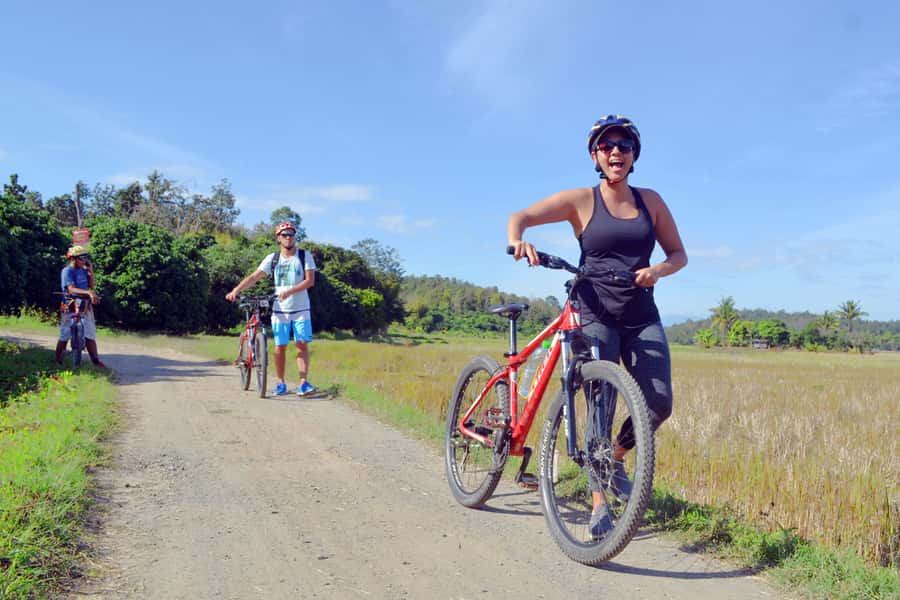
Wear runners or sturdy walking shoes that also work for cycling. Bring a small daypack, sunscreen, insect repellent, sunglasses, and a sun hat. Cycling clothing is sensible, especially if you plan to ride the full 15 to 20 kilometers.
Keep your bag small. Large luggage is not allowed, and the vehicle and bikes leave little reason to bring anything beyond daily essentials. Pack a reusable water bottle if you like, although drinking water is supplied.
Tell the operator about vegetarian meals or other dietary needs in advance. Also provide your height ahead of time so the correct bicycle can be ready.
Finally, do not judge the day by the advertised start and finish times alone. Traffic, weather, local events, and seasonal route changes can affect the schedule. Leave room in your plans at both ends.
Should you book the Mae Taeng Valley hike and bike trip?
Book it if you want an active, well-supported escape from Chiang Mai with real attention to rural life. The strongest parts are the guide-led hill walk, the excellent range of plants and crops, the flat ride through rice fields and villages, and the chance to eat Thai food in a local setting.
The day asks for fitness and patience. You spend time on the road, the hike has uneven ground, and the afternoon ride can be hot. But for the right person, $83 buys far more than transport and exercise. It gives you a practical look at Mae Taeng, with a guide who can explain what you are seeing and equipment that is already arranged.
FAQ
How long is the Mae Taeng Valley hike and bike trip?
The advertised duration is seven hours. The schedule includes driving from Chiang Mai, a three-hour hike, lunch, a two-hour bike ride, a temple stop, and the return journey. Actual timing can change because of traffic, weather, seasonal conditions, and local events.
How far do you hike?
The hiking route is approximately 5 kilometers. It takes about three hours because the trail has undulating ground and includes stops to discuss plants, village life, customs, and farming.
How far do you cycle?
The cycling section covers about 15 to 20 kilometers and lasts around two hours. It takes place mainly on flat roads, village lanes, trails, and rural paths.
Is the cycling route difficult?
The route is described as mostly flat and manageable, but you still need a reasonable level of fitness. The ride follows a three-hour hike, and afternoon heat may make cycling more tiring.
What is included in the price?
The $83 price includes hotel pickup and drop-off, covered pickup truck transport, an English-speaking guide, water, snacks, a Thai lunch, a 24-gear mountain bike with front suspension, and a cycling helmet.
Can vegetarian meals be arranged?
Yes. Vegetarian and other dietary needs can be catered for with advance notice.
What should I bring?
Bring comfortable shoes, sunglasses, a sun hat, sunscreen, insect repellent, a small daypack, and suitable cycling clothing. Large bags and luggage are not allowed.
Is this experience suitable for everyone?
No. It is not recommended for people with mobility impairments, heart problems, medical conditions that affect activity, or a low level of fitness. You should be comfortable walking about 5 kilometers on uneven, undulating terrain and cycling 15 to 20 kilometers.
Just added around Chiang Mai
- From Chiang Mai: Doi Inthanon National Park Day Trip & Hike★ 4.8 · 125 reviews
- From Chiang Mai: Chiang Dao Cave Trekking Full-Day Tour★ 4.8 · 126 reviews
- Chiang Mai: Elephant Sanctuary & Jungle Trek w/ Waterfall★ 4.5 · 18 reviews
- Private Doi Inthanon With Trekking Pha Dok Siew Nature Trail★ 5.0 · 7 reviews
- Chiangmai : Doi Pui Summit Hiking Experience★ 4.8 · 9 reviews
- Chingmai Sunrise Hike & Cultural Traditions★ 4.9 · 17 reviews
- Chiang Mai:Doi Inthanon National Park & Hike at Kew Mae Pan★ 4.4 · 53 reviews
- Chiang Mai: Jungle Trek, Elephants care & Bamboo Rafting★ 4.5 · 8 reviews
Chiang Mai Hiking Tours, compared.

3-in-1: Doi Inthanon Tour, Elephant Sanctuary, and Trekking Trail
Read our review →
2-Day Jungle Trek with Elephant Farm & Raft Ride
Read our review →
Doi Inthanon Park with Kew Mae Pan Hike Day Trip
Read our review →
Doi Inthanon Private Tour with Trek & Lunch from Chiang Mai
Read our review →Browse the lists this tour appears in