
REVIEW · THAILAND HIKING TOURS
Chiang Rai Trek: 4 Hilltribes Villages & Waterfall Only Walk
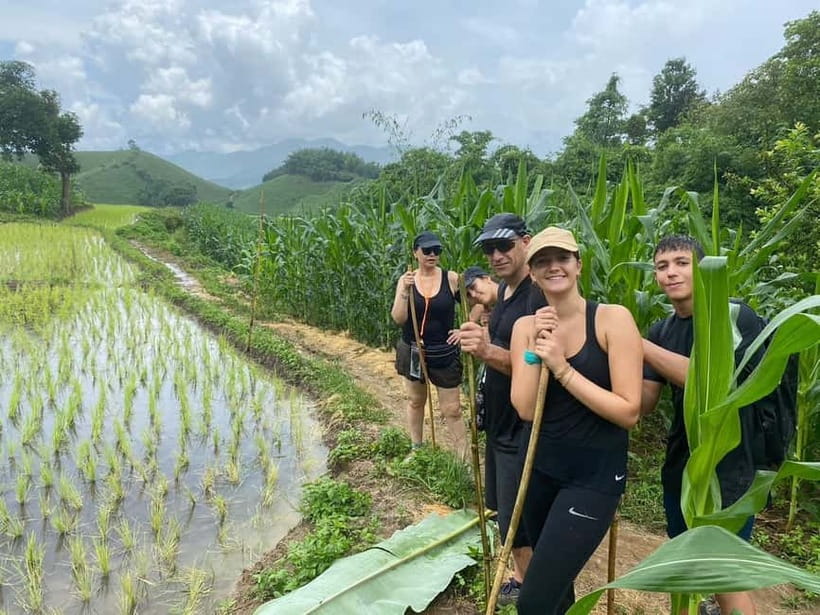
Four villages, one long walk, plenty to taste. This Chiang Rai day trip links Lisu, Chinese, Akha, and Lahu communities with forest paths, farmland, a tea plantation, and Huay Kaew Waterfall. I especially like the bamboo-hut lunch cooked over firewood and the guide’s focus on edible plants, local customs, and daily life. The main catch is the physical effort: expect roughly 10 kilometers, around five hours of walking, and some steep uphill sections.
I also like the route’s cooling finish, with a swim at Chiang Rai’s second-largest waterfall followed by a mineral bath at a hot spring. Pickup can run late, so keep your morning loose and do not plan a tight connection afterward.
At a glance
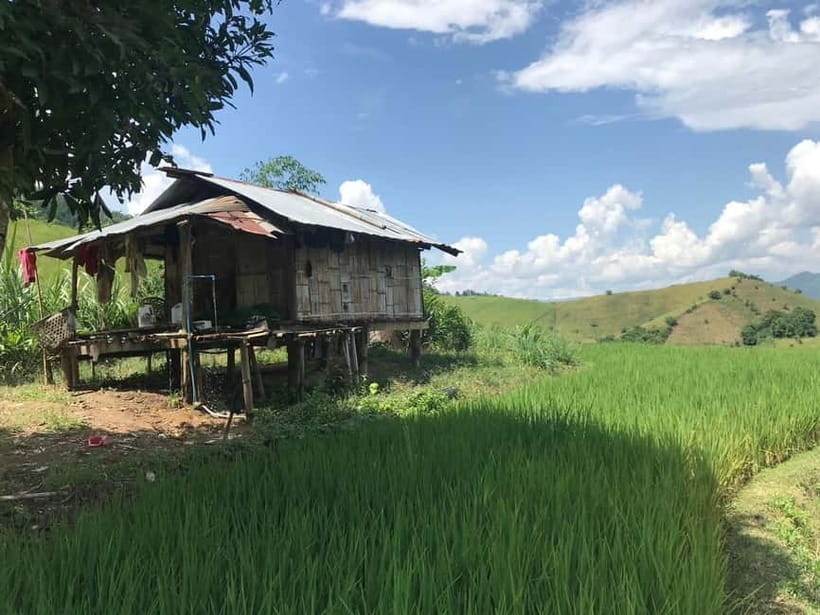
- Four hilltribe communities in one route: Walk through Lisu, Chinese, Akha, and Lahu areas rather than visiting one village and heading straight back.
- Lunch is part of the lesson: Help prepare food in a traditional bamboo kitchen using firewood, not LPG.
- A waterfall and hot spring balance the walking: Swim at Huay Kaew Waterfall, then soak in mineral water before returning to Chiang Rai.
- The guide adds real value: Expect explanations about plants, herbs, animals, farming, customs, and mountain life.
- Small-group format: The setting works best when you want conversation, questions, and a quieter day away from crowded attractions.
- This is a proper hike: Children under 10, wheelchair users, and people over 70 are not suited to the tour.
Why this Chiang Rai trek is different
Many northern Thailand excursions reduce hilltribe visits to a short stop, a few photographs, and a quick return to town. This route gives you time on foot. You pass through forest and bamboo, cross farmland, visit several communities, and finish with water-based stops.
That walking matters. It lets you notice how the countryside changes from forest to cultivated land, and it gives the guide time to explain what you are seeing. The route includes tea, pineapple, rice, coffee, and chocolate fields, along with rainforest plants, fruits, spices, and leaves that may be picked for tasting.
I would choose this day if you want more than scenery. The useful question is not simply How many places do I see? It is Will I understand something about how people use this land? Here, the answer depends heavily on your guide, but the structure gives that conversation room to happen.
The tour is described as a small-group outing, which is a good fit for a long walk. A smaller party makes it easier to stop, ask questions, and keep lunch in a village kitchen from feeling like a staged performance. It also helps the day keep a friendly pace.
More Waterfall Hikes in Thailand
- Khao Sok: Private Waterfalls and Wildlife Half-Day Trek
★ 4.5 · 337 reviews - Chiang Mai: 2-Days Jungle Trek, Waterfalls and Karen Village
★ 4.8 · 103 reviews - Chiang Mai ATV & White Water Rafting & Trekking to Waterfall
★ 4.7 · 84 reviews
Starting at Lam Nam Kok National Park
Your day begins with a car ride from Chiang Rai to the trekking area in Lam Nam Kok National Park. The route starts near a hot spring, though the main soak comes later, after the walk.
From there, you set off through forest and bamboo. This opening section gives you a quick sense of the terrain: this is not a paved village stroll. You will be walking on natural paths, with some uphill sections and no promise of flat ground.
The guide is one of the strongest parts of the day. The trip includes discussion of plants, animals, herbs, local customs, and village life. Several parts of the walk are built around trying edible leaves, fruit, and spices, so slow down when the guide stops. The forest is not just scenery here. It becomes part of the meal and the lesson.
Bring insect repellent. A hat and drinking water are also sensible, even though water is included. Wear footwear suited to uneven ground, and do not bring anything you would worry about getting wet or dirty.
Reaching the Lisu village and cooking lunch
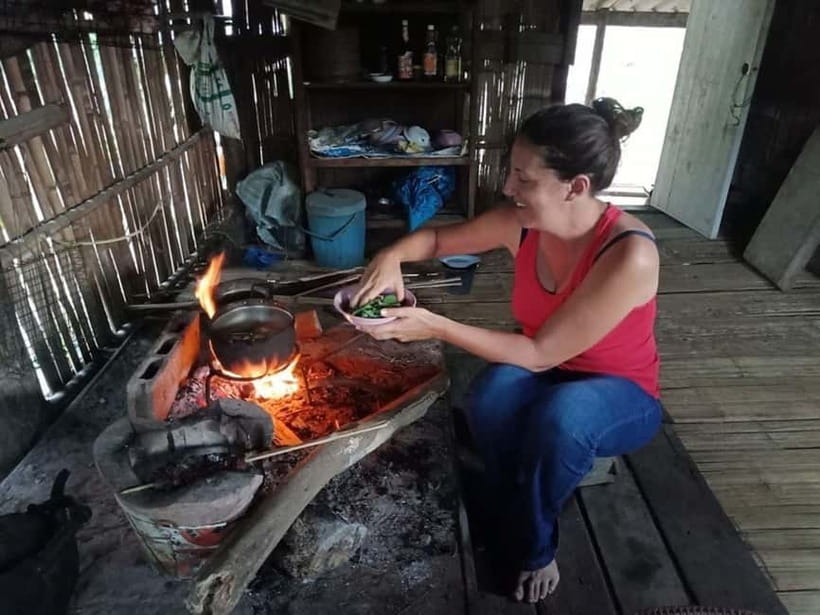
The first village stop is Lisu. Rather than treating the community as a quick viewing point, the route uses it as the setting for lunch preparation.
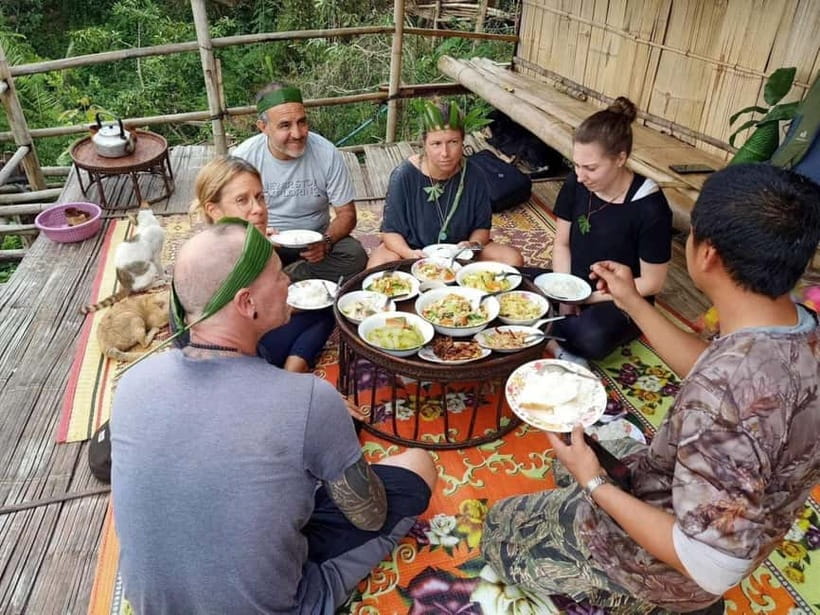
You cook with the guide in a bamboo hut and use a traditional kitchen with firewood instead of LPG. That small detail changes the feel of the stop. You see the heat, the smoke, the pace, and the practical work behind a meal. It is hands-on without requiring you to be a skilled cook.
Lunch is a major reason to choose this tour. You can help prepare the food, and you may be invited to taste ingredients gathered from the surrounding area. The guide’s plant knowledge adds context to what is placed in front of you.
The setting also calls for respect. You are entering a working community, not a theme park. Listen first, ask before taking photographs, and treat the kitchen as someone’s real home or workplace. The most rewarding part is likely to be the exchange around the meal, not collecting a picture of the bamboo hut.
Tea fields and the Chinese village
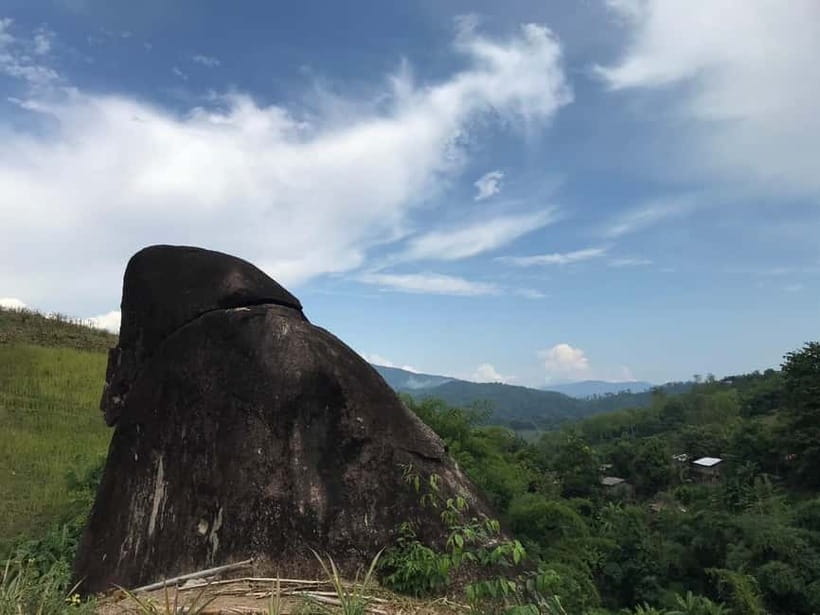
After lunch, the route continues to a Chinese village and its tea plantation. The tea fields offer a welcome change from the denser forest, with cultivated rows and broad views over the surrounding countryside.
The Chinese village is also one of the places where the route shows how several communities use the mountain area in different ways. You move from forest plants and bamboo to managed crops, then onward through farmland. That variety keeps the walk from feeling repetitive.
The route may also pass pineapple, rice, coffee, and chocolate fields. The guide can explain what grows where and point out plants used for food or medicine. If you enjoy learning through taste, this section should be one of the better parts of the day.
Do not expect a formal tea-factory visit or a long shopping stop. The supplied details promise a tea plantation in the village, not a production tour. Think of it as part of the walk and a chance to see rural cultivation, not a separate attraction with a detailed presentation.
Same trailhead, a different kind of day:
- 3-in-1: Doi Inthanon Tour, Elephant Sanctuary, and Trekking Trail
★ 5.0 · 1,087 reviews - Chiang Mai: Doi Inthanon Trip with Pha Dok Siew Guided Trek
★ 4.6 · 910 reviews - Chiang Mai: 2-Day Jungle Trek with Elephant Farm & Raft Ride
★ 4.7 · 881 reviews - Chiang Mai: Doi Inthanon Park with Kew Mae Pan Hike Day Trip
★ 4.7 · 841 reviews
Huay Kaew Waterfall and the best cooling stop
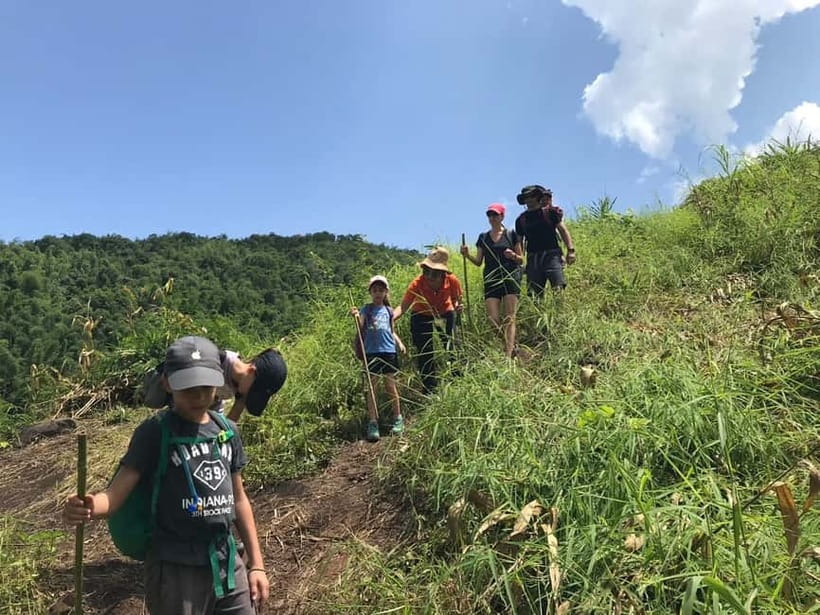
The path continues to Huay Kaew Waterfall, described as the second-largest waterfall in Chiang Rai. This is the day’s most obvious reward after the forest walking, and you can swim there.
Bring swimwear and a change of clothes. A towel is not listed among the included items, so you should check directly with the provider or pack one if you have room. The waterfall stop is much more useful when you can get properly wet rather than simply stand at the edge wishing you had packed better.
The swimming break also gives the group a natural pause. By this point, you have walked through forest, visited the Lisu area, prepared lunch, and crossed tea-growing country. A cool swim breaks up the day before the final villages.
Water conditions can vary, and the tour information does not give details about depth, changing facilities, or how long the stop lasts. Follow the guide’s instructions and bring only what you can keep secure. The key benefit is simple: this is a real chance to cool off in the middle of a demanding walk.
Akha farmland and the Lahu village
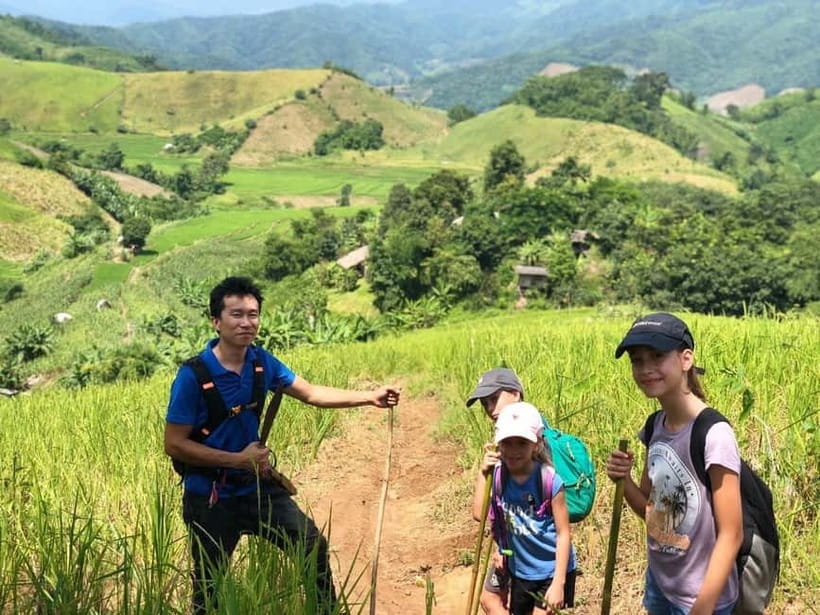
After the waterfall, the route heads toward Akha farmland and then a Lahu village. This final stretch gives you more open views and shows the connection between village life and agriculture.
The farm sections are valuable because they put the communities in context. You are not only walking from one named village to another. You are seeing the land that supports daily life, including fields and paths used by local people.
The guide’s explanations are especially helpful here. You may learn about plants, crops, customs, and the way of life in the mountain communities. The best approach is to stay curious without treating the villages as museum displays. Ask questions about what you see, but let the guide handle introductions and local etiquette.
This portion may feel harder than the earlier sections. One direct account describes the walk as about 10 kilometers, with steep uphill stretches and no flat paths. It was manageable for an active person, but that is a more useful description than calling it easy. You do not need to be a top athlete, but you should be comfortable walking for hours on uneven ground.
Ending with a hot spring bath
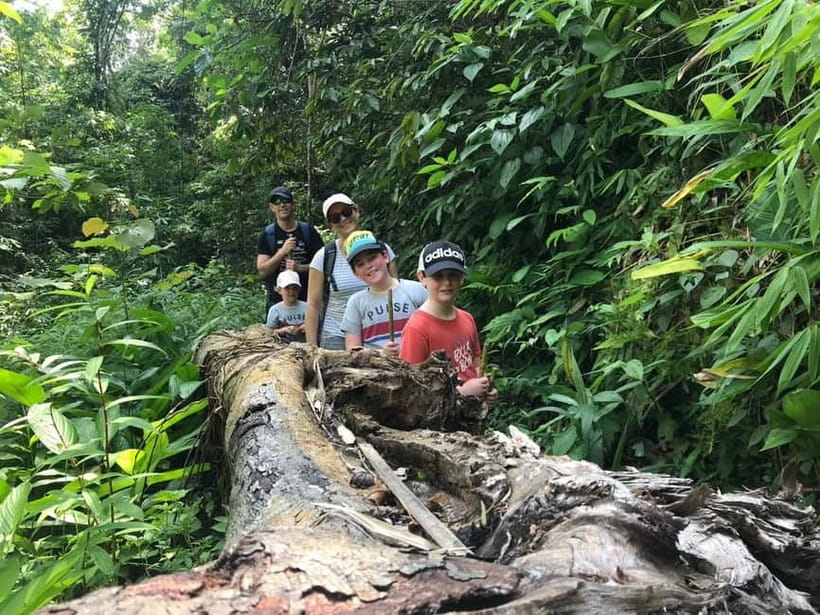
The final stop is the hot spring, where you can take a mineral bath before the car ride back to Chiang Rai. It is a smart way to end the route, especially after the waterfall and the last hills.
You will want a dry change of clothes. The practical order of the day is important: swimwear for the waterfall, dry clothes for afterward, and enough room in your bag for items that may be damp.
The hot spring does not replace the walk, of course, but it gives the day a calm finish. You go from forest paths and village kitchens to warm mineral water, then return by car instead of walking back over the same ground.
The entire outing can take around eight hours, while the walking itself is about five hours. Pickup and return are included for the Chiang Rai area. If you stay outside the normal pickup radius, contact the provider before booking.
What the $82 price includes
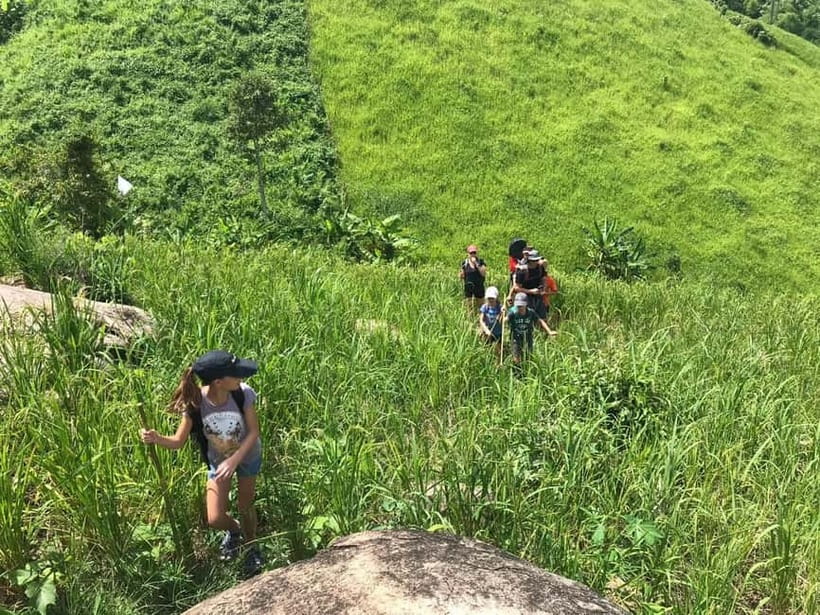
At $82 per person, this is not the cheapest way to see rural Chiang Rai. But the price covers transportation, an English-speaking guide, lunch, drinking water, and travel insurance.
The value rests mainly in the guide and the variety of the route. You are not paying only for a car transfer and a viewpoint. You get a full day with four communities, a plantation, farmland, forest, a waterfall, a cooked meal, and a hot spring.
I would consider the price fair if you value local explanation and an active itinerary. The lunch alone is more useful than a standard packaged meal because it is part of the cultural experience. The guide also adds value by identifying plants and explaining how they relate to food and local life.
You should budget separately for personal expenses, since other costs are not included. Alcohol and drugs are not allowed, and pets cannot join the tour.
Who should book this day
This tour suits you if you:
- Enjoy walking for several hours on uneven paths
- Want village visits tied to farming and daily life
- Like learning about plants, herbs, food, and local customs
- Prefer a small group to a large sightseeing bus
- Want a waterfall swim and hot spring at the end
- Are comfortable with a full day outdoors
It is not a good choice if you want a gentle half-day outing, a fully paved route, or a tightly timed schedule. Children under 10 are not accepted, and the tour is not suitable for wheelchair users or people over 70.
The pickup window may also test your patience. One pickup was scheduled between 8:30 and 9:00 but arrived at 9:15, leaving the group waiting outside. That does not ruin the day, but it is worth knowing. Keep the morning flexible and bring water while you wait.
Practical packing advice
Bring the items the operator recommends:
- Hat
- Swimwear
- Change of clothes
- Water
- Insect repellent
I would add sturdy walking shoes and a small bag that can handle wet clothing. You will be outdoors for much of the day, and the route includes forest, bamboo, farmland, and uphill ground.
Avoid overpacking. You need room for water and dry clothes, but a heavy bag will make the longer sections less pleasant. Since lunch and transportation are included, you do not need to carry food for the day unless you have special dietary needs. Those needs are not addressed in the supplied details, so ask before booking.
FAQ
Where does the Chiang Rai trek begin and end?
The tour begins in Chiang Rai, travels to the trekking area in Lam Nam Kok National Park, and returns to Chiang Rai by car.
How long is the walking portion?
The total walking time is around five hours. The route is about 10 kilometers and includes some steep uphill sections and uneven, non-flat paths.
Which communities are included?
The route visits or passes through Lisu, Chinese, Akha, and Lahu hilltribe communities.
Is lunch included?
Yes. Lunch is included, and you help prepare it in a traditional bamboo hut kitchen using firewood rather than LPG.
Can I swim during the tour?
Yes. The route includes a stop at Huay Kaew Waterfall, where you can swim. Bring swimwear and a change of clothes.
Who should not book this tour?
The tour is not suitable for children under 10, wheelchair users, or people over 70. It also requires several hours of walking on uneven ground, including uphill sections.
Should you book the Chiang Rai hilltribe trek?
Book it if you want a full, active day that connects nature, food, farming, and village life. The strongest reasons are the firewood-cooked lunch, the guide’s plant knowledge, and the unusual combination of four communities, a tea plantation, waterfall, and hot spring.
Skip it if you want short walks, guaranteed punctual pickup, or polished sightseeing stops with little physical effort. For an active person who wants to see rural northern Thailand at walking pace, $82 is a reasonable price for the transport, guide, meal, and wide range of stops. Just arrive ready for hills, insects, a little waiting, and a pleasantly tired ride back to Chiang Rai.
Just added around Thailand
- From Chiang Mai: Doi Inthanon National Park Hiking Tour★ 4.9 · 43 reviews
- From Chiang Mai: Chiang Dao Cave Trekking Full-Day Tour★ 4.8 · 126 reviews
- From Chiang Mai: Doi Inthanon National Park Day Trip & Hike★ 4.8 · 125 reviews
- From Chiang Mai: Mae Taeng Valley Hike & Bike Day Trip★ 5.0 · 50 reviews
- Chiang Mai: Elephant Sanctuary & Jungle Trek w/ Waterfall★ 4.5 · 18 reviews
- Private Doi Inthanon With Trekking Pha Dok Siew Nature Trail★ 5.0 · 7 reviews
- Chiangmai : Doi Pui Summit Hiking Experience★ 4.8 · 9 reviews
- Chingmai Sunrise Hike & Cultural Traditions★ 4.9 · 17 reviews
Thailand Hiking Tours, compared.

3-in-1: Doi Inthanon Tour, Elephant Sanctuary, and Trekking Trail
Read our review →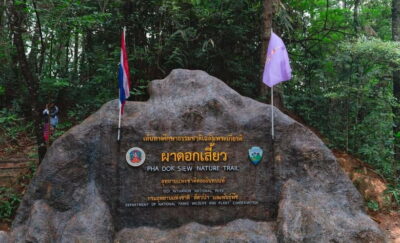
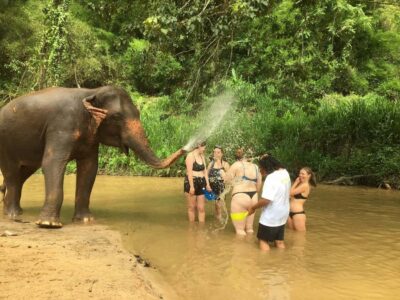
2-Day Jungle Trek with Elephant Farm & Raft Ride
Read our review →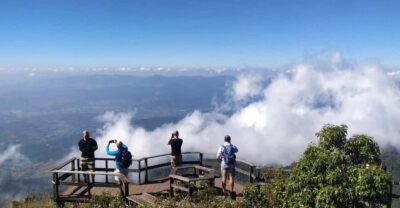
Doi Inthanon Park with Kew Mae Pan Hike Day Trip
Read our review →
From Khao Lak: Khao Sok Jungle Hike & River Tour
Read our review →Browse the lists this tour appears in