
REVIEW · CHIANG MAI HIKING TOURS
Chiang Mai Coffee Full Day Tour: Trek, Brew & Roast Journey.
Coffee tastes better after a mountain climb. This full-day trip takes you from Chiang Mai into the highlands for a forest walk, hill tribe food, and a hands-on look at coffee from plant to cup. I especially like the small eight-person group and the chance to roast beans you can take home. The main caution is simple: this is not a soft sightseeing day. You need comfortable shoes, long pants, and enough mobility for a forest trek.
I also like the human side of the experience. Guide Jack brings humor and strong coffee knowledge, while Moonshine and Jack’s wife help connect the visit to local family life and farming. The day can feel personal rather than factory-made, but the mountain roads, walking, and full-day schedule may not suit young children, pregnant women, or anyone with mobility limits.
Key Points at a Glance
- A 20-minute 4WD climb reaches high mountain country: The truck ride adds real adventure and takes you toward forest at about 1,400 meters.
- A 50-minute jungle walk explains the coffee source: You see coffee plants, local trees, farming methods, and the role of the forest.
- Lunch is vegetarian and prepared with local produce: Expect home-style hill tribe recipes and vegetables grown near the farm.
- You roast your own Northern Thai Arabica beans: This is both a practical lesson and a coffee souvenir to bring home.
- The V60 class gives the day a useful finish: You learn how to turn freshly roasted beans into a pour-over cup.
- Only eight places keep the outing personal: Small numbers make it easier to ask questions and spend time with the guides.
From Chiang Mai to the 1,400-Meter Forest
The day begins with hotel pickup in an air-conditioned van, followed by a scenic drive of about 1.5 hours into the Chiang Mai highlands. That transfer is not dead time. Jack often uses the journey to talk about Northern Thailand, Buddhism, farming, tourism, and coffee culture.
You then switch to a 4WD truck for about 20 minutes of mountain travel. This is part of the appeal. It gives you a closer look at the roads and high-country scenery than a standard minivan tour, though the ride may feel bumpy and exposed compared with ordinary road travel.
The route leads toward an upstream forest area at roughly 1,400 meters. You can expect cooler, fresher air than in the city, along with views of mountain farming areas and signs of hill tribe life. The scenery is a major part of the value here, especially if you want a break from Chiang Mai’s temples, markets, and traffic.
I would not book this for a tightly timed day. The experience is designed to move at a slower pace, with room for questions, food, walking, and coffee practice. That relaxed rhythm is one of its strengths, but it also means you should leave the rest of your day open.
More Coffee Tastings around Chiang Mai:
- Off the Map Chiang Mai Jungle Coffee Trek Roast and Brew
★ 5.0 · 107 reviews - Cape Town: Lion’s Head Sunrise with coffee or Sunset Hike
★ 4.9 · 160 reviews - Coffee, Cocoa and Trekking Tour in Minca: Nature, Crops and Production
★ 4.7 · 21 reviews
A 50-Minute Walk to the Coffee Plants
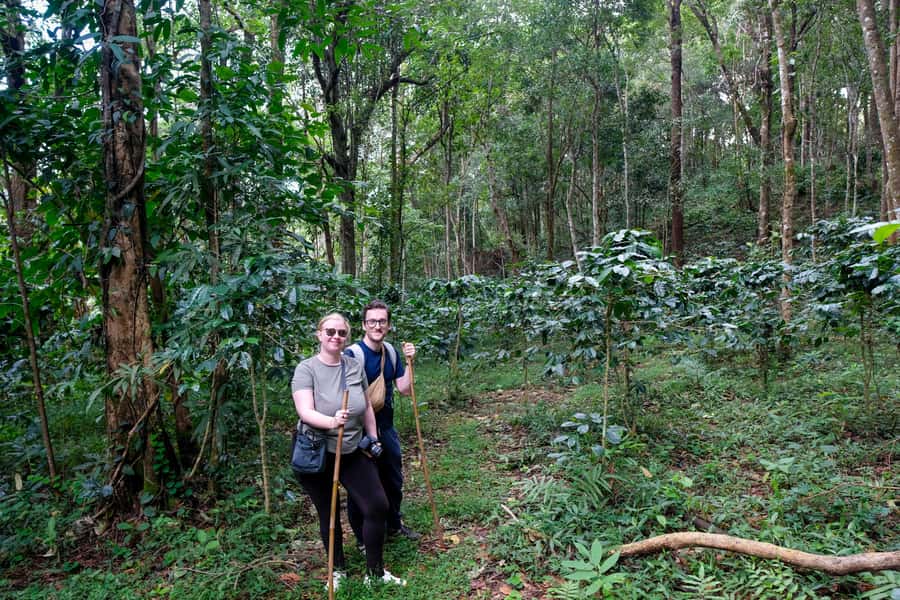
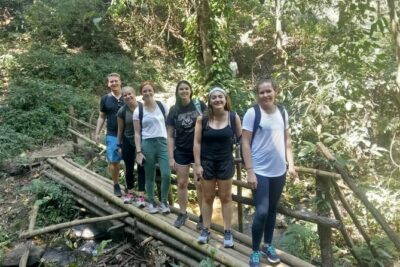
The forest walk lasts about 50 minutes and leads you toward the coffee-growing area. This is not a quick photo stop beside a row of plants. You learn how coffee fits into the wider forest and how local farmers work with the land.
The exact feel of the walk will depend on weather and conditions, but the practical advice is clear: wear outdoor shoes, long pants, sunscreen, and insect repellent. A hat helps with sun protection, and a rain jacket is useful during the rainy season.
The walk is described as manageable rather than extreme. Still, it is a real forest trek, with uneven ground and mountain conditions. One useful point from the day’s feedback is that the walking does not take up the entire experience, so you do not need to be a serious hiker. You do need to be comfortable outdoors.
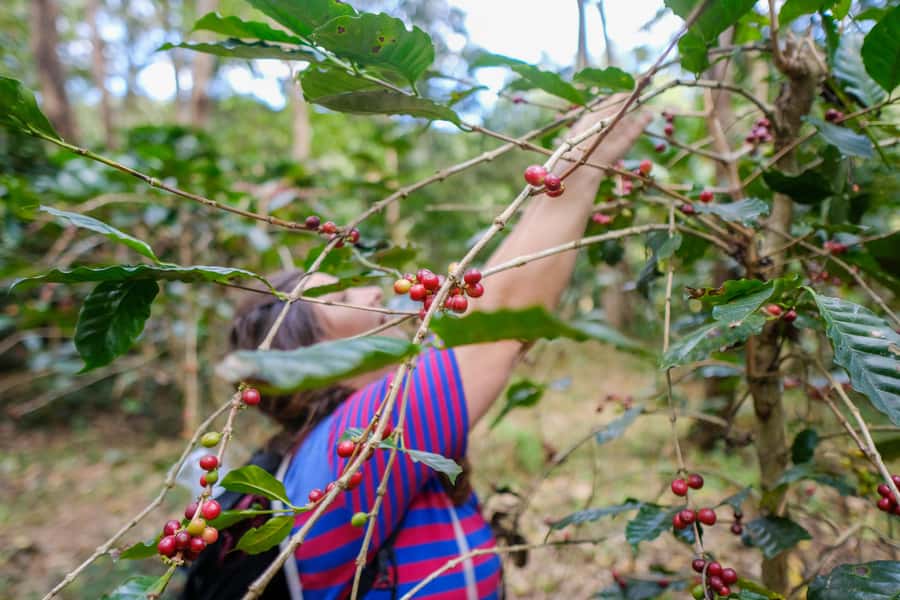
Along the way, you may learn about local plants and their uses, as well as the natural setting that supports the coffee farm. The experience can include seeing ripe coffee cherries, picking coffee, and planting a coffee tree. These details turn coffee from a packaged product into a crop with a place, a season, and a human story.
The farming approach is described as natural and organic, with an emphasis on protecting the forest. That matters because you are not only being shown how coffee is grown. You are also being shown why growing it in a careful way can support both local families and the surrounding environment.
Hill Tribe Farming Without a Stage Show
The cultural element is strongest when it stays close to daily work. You spend time around a coffee farm connected to local hill tribe families and hear about farming, the land, and the way coffee fits into mountain life.
Moonshine has a family connection to the farm, including his grandfather’s coffee land. That gives the visit a more personal basis than a generic cultural presentation. Jack’s team also talks about sustainable organic farming and the effort to maintain the forest while producing coffee.
I appreciate that the cultural focus is not separated from the food and coffee. You see the plants, hear about farming, eat local food, and then work with the beans yourself. Those parts support one another.
You should keep your expectations realistic. This is a short cultural encounter during a day tour, not a full study of every hill tribe community in Northern Thailand. The value comes from meeting the people connected to the farm and listening to their perspective, not from collecting a long list of facts.
Jack is a big part of the atmosphere. His humor and positive energy help the drive and walking time pass easily, while his interest in coffee gives the day a clear focus. His wife helps with transport and may document parts of the day with photographs, allowing you to pay attention to the experience instead of constantly reaching for your phone.
A Vegetarian Lunch With Local Roots
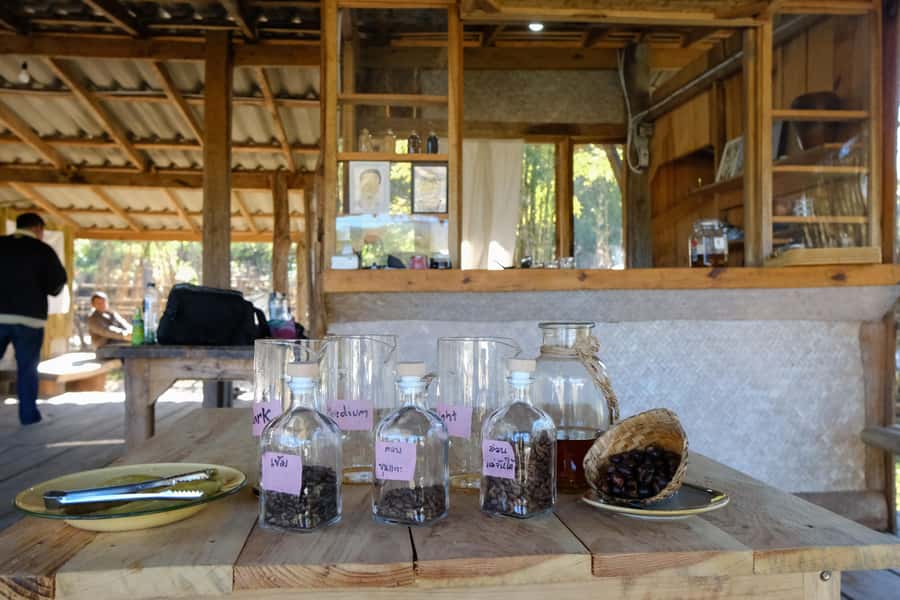
Lunch is one of the strongest parts of the day, even if you are not visiting mainly for coffee. The meal is vegetarian, organic, and based on traditional hill tribe recipes and local ingredients.
You may eat vegetables grown in the area and food prepared in a home-style setting. The meal is not presented as a formal restaurant course. It is meant to fuel the rest of the day and show how local produce fits into mountain life.
That distinction matters. A meal like this gives you a taste of the region that a standard city restaurant may not provide. You also avoid losing time searching for lunch in an unfamiliar mountain area.
The menu is not specified in advance, so you should not book this expecting a particular dish. If you have dietary concerns, personal medication needs, or strict food requirements, it is sensible to raise them when arranging the tour. The provided information confirms a vegetarian lunch, but it does not promise specific allergy accommodations.
Some of the most appealing moments happen around the meal. The setting, the fresh ingredients, and the chance to talk with the team help make the day feel more like time spent with a local family than a quick stop between scheduled attractions.
More Full-Day Trips around Chiang Mai:
- Chiang Mai: Full-Day Kerchor Elephant Eco Park Tour & Trek
★ 4.6 · 224 reviews - From Chiang Mai: Chiang Dao Cave Trekking Full-Day Tour
★ 4.8 · 126 reviews - Chiang Mai Full-Day: Trekking, Tubing & Elephant Observation
★ 4.9 · 30 reviews - From Marrakech: Atlas Mountains Full-Day Hiking Trip w Lunch
★ 4.8 · 7,417 reviews
Roasting Beans You Can Take Home
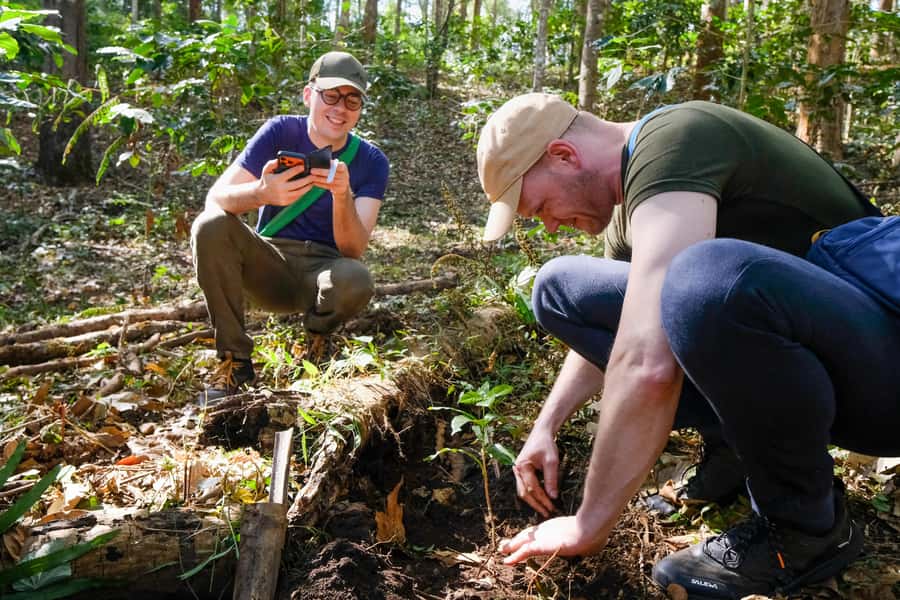
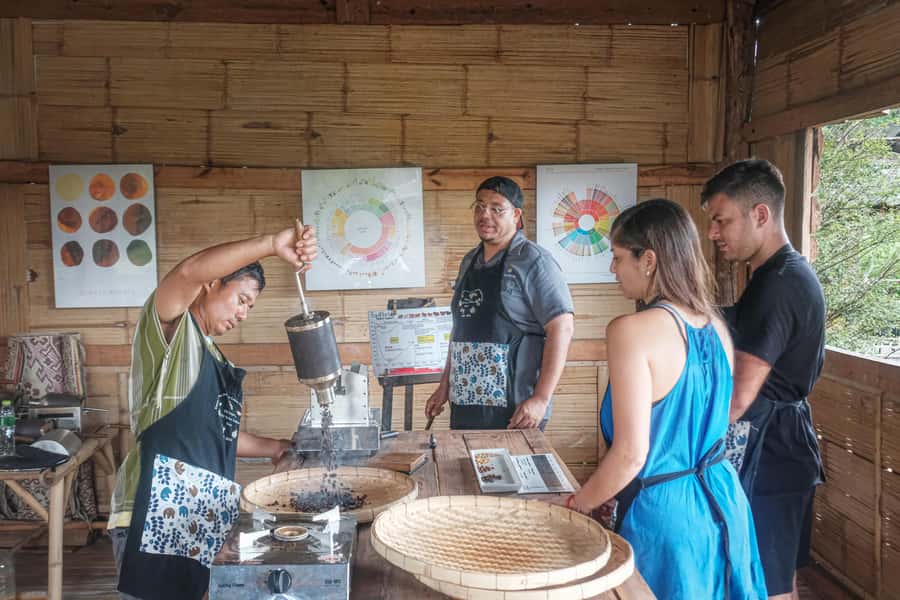
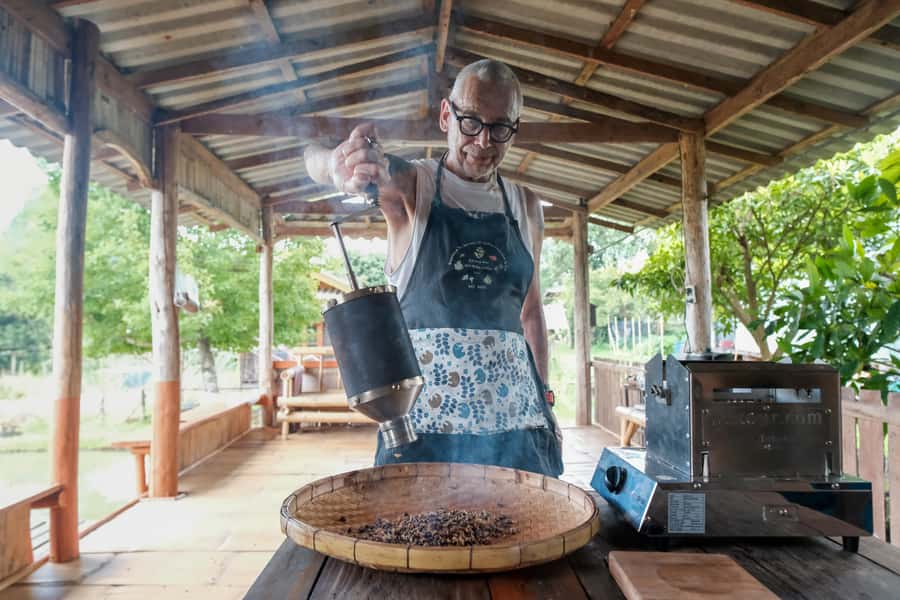
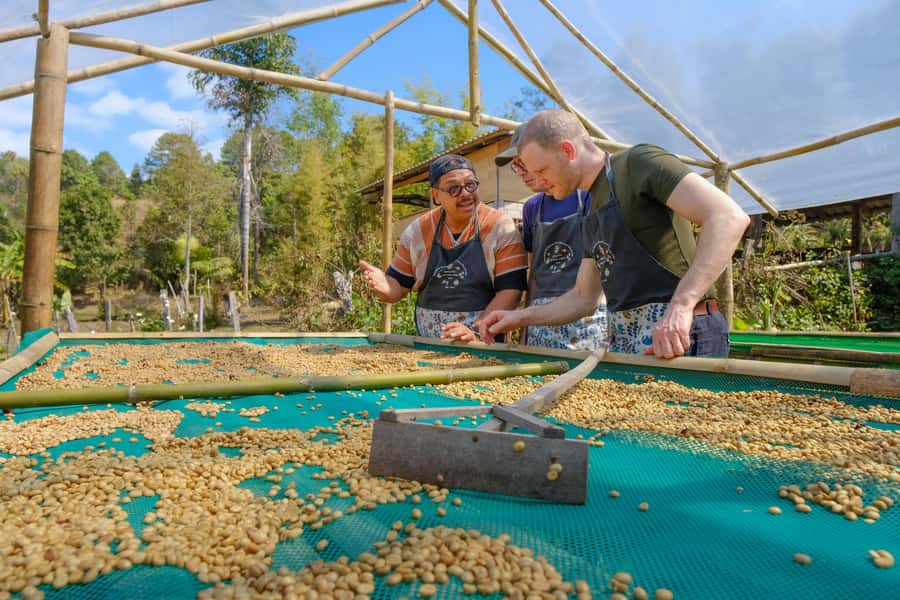
After the forest and lunch, the focus shifts from farm to workshop. You work with green coffee beans and learn how roasting changes their color, aroma, and flavor.
You get to roast your own beans rather than simply watch a demonstration. That hands-on work is a smart choice for a tour because it gives you something to do, not just something to photograph.
Freshly roasted coffee smells powerful, and the process helps explain why different roast levels produce different cups. You can ask questions as you work, test the coffee, and connect the final flavor with what you saw on the farm earlier in the day.
You also take green coffee beans for roasting as part of the included experience, along with your own roasted coffee souvenir. The exact amount is not stated, so I would think of this as a personal sample rather than a large bag of coffee for your kitchen.
The coffee workshop takes place in a scenic setting, described as a bamboo patio above a fish pond with views across fields and mountains. That setting gives the lesson a calm finish. You are not rushing through a commercial café with customers waiting behind you.
Jack’s role is especially useful here. Coffee roasting can sound technical, but a guide who enjoys the subject can make the process clear and fun. You do not need prior coffee skills.
Learning the V60 Pour-Over Method
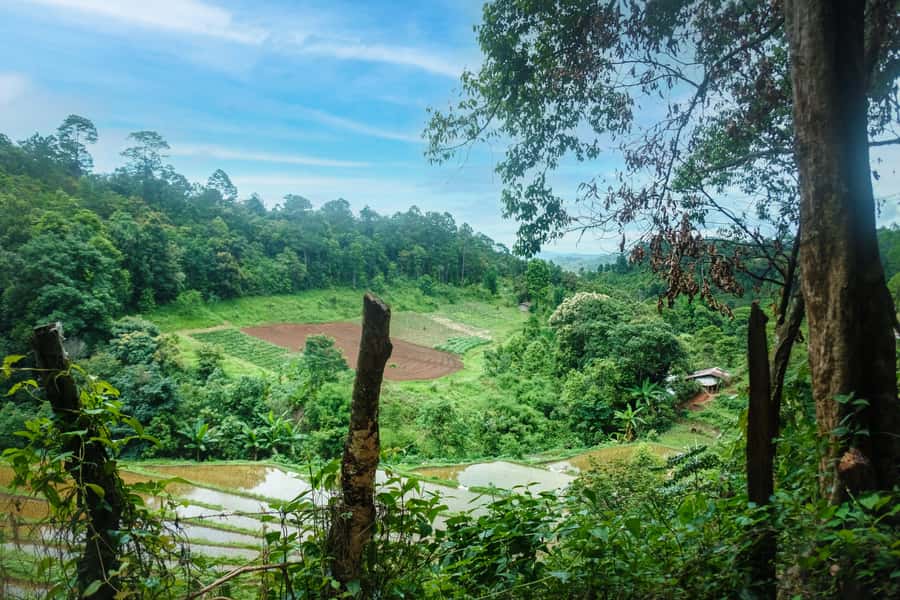
The final coffee lesson covers V60 brewing. This is a pour-over method that uses a cone-shaped dripper, hot water, and controlled pouring to make a clean cup.
The point is not just to drink another coffee. You learn how brewing affects the beans you have just roasted. The class links the full process: plant, cherry, bean, roast, grind, and cup.
Coffee and tea for brewing and testing are included, as is bottled water for the trek. You can expect to taste a range of coffee during the day, which helps you compare flavors and notice what roasting and brewing change.
This part suits anyone who enjoys making coffee at home. You do not have to be a coffee expert, and the class can still be enjoyable if you simply like good drinks and want to try a new method.
The V60 lesson also gives the souvenir more value. Instead of taking home beans that you are unsure how to use, you leave with a better idea of how to prepare them. That is a practical benefit that lasts longer than a standard tour trinket.
Why the Small Group Matters
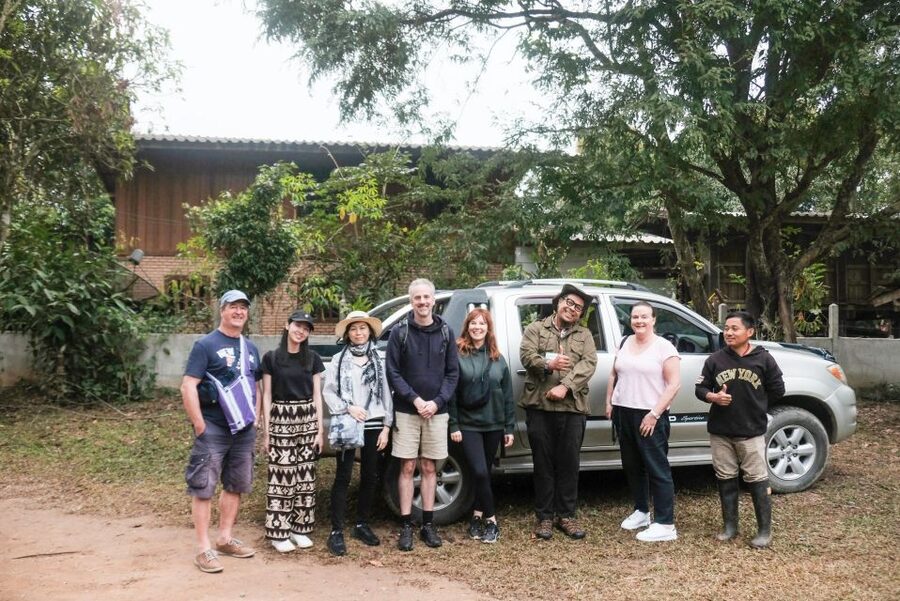
The maximum group size is eight people. That number is important because much of the day depends on conversation and hands-on practice.
With a large group, the forest walk could become a line behind the guide, and the roasting class could turn into a demonstration for people at the back. A small group makes it easier for you to ask about farming, local plants, roasting, food, or life in the mountains.
The personal atmosphere also helps explain why this tour receives such strong praise. Jack, his wife, and Moonshine are able to spend time with the group rather than managing a crowd. The result is a day that can feel closer to an exploration with local hosts than a standard sightseeing circuit.
The tradeoff is price. At $118 per person, this costs more than a basic coffee tasting or a simple countryside transfer. You are paying for round-trip transport, the 4WD ride, a local guide, lunch, water, coffee supplies, and a full day of personal instruction.
I think the price is reasonable if you value the combination of nature, food, culture, and practical coffee skills. It is less compelling if all you want is a cheap cup of coffee or a short farm visit.
Who Should Book This Day
I would recommend it most strongly for coffee drinkers, curious food lovers, and people who want time outside Chiang Mai. You will get the most from it if you enjoy asking questions and trying things with your hands.
It also suits couples and small groups looking for a quieter day away from crowded attractions. The experience has a gentle pace, scenic mountain surroundings, and enough variety to keep the day from becoming a single-topic lecture.
You do not need to be deeply interested in coffee. The forest, local food, farming, and mountain culture give the day plenty of substance. If you enjoy nature and food, you may find the coffee lessons a bonus rather than the whole reason to go.
I would not choose this for children under six, pregnant women, or anyone with mobility impairments. The forest walk, mountain roads, and outdoor setting require a reasonable level of comfort and movement.
Bring a sun hat, sunglasses, sunscreen, insect repellent, long pants, outdoor clothing, comfortable shoes, personal medication, and some cash. Alcohol and drugs are not allowed. During rainy weather, add a rain jacket.
Is the Chiang Mai Coffee Tour Worth It?
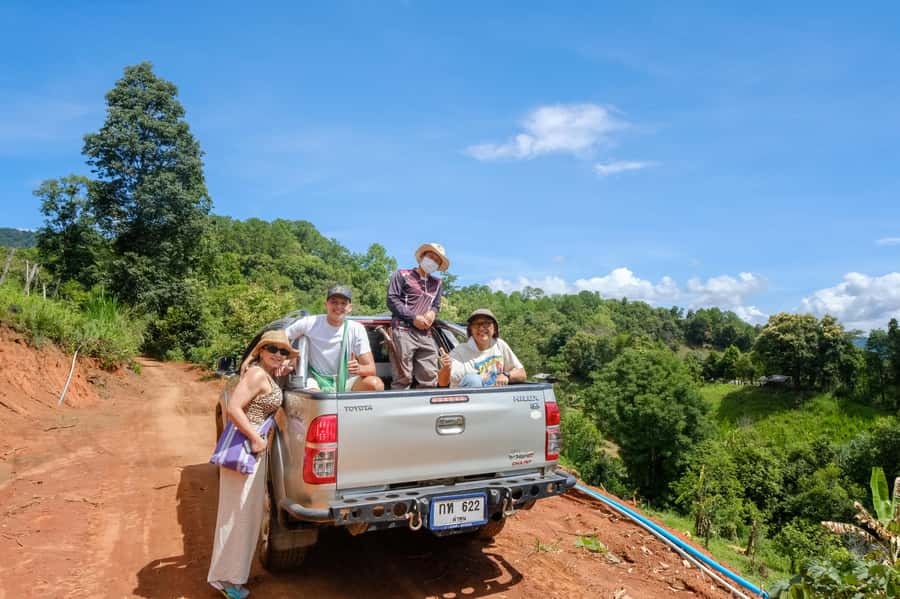
I think you should book this tour if you want a full day with real participation rather than a quick attraction stop. The best parts are the small group, Jack’s warm guiding style, the connection to the farm family, the home-cooked vegetarian lunch, and the chance to roast and brew your own coffee.
Choose something else if you dislike mountain roads, forest walking, or a slower schedule. This is not a polished café visit with air-conditioning at every stop. It is an outdoor day built around people, place, food, and work.
For the right person, $118 buys far more than coffee. You get a mountain outing, a meal, local contact, practical skills, and a souvenir you can actually use. The option to reserve now and pay later adds flexibility, while cancellation up to 24 hours in advance allows a full refund.
FAQ
How long is the Chiang Mai coffee tour?
It is a full-day experience. The schedule includes about 1.5 hours of scenic driving, a 20-minute 4WD mountain ride, a 50-minute forest trek, lunch, and the roasting and brewing workshop.
What is included in the price?
Round-trip pickup in an air-conditioned van, the 4WD mountain trip, a local English-speaking guide, organic vegetarian lunch, coffee and tea for brewing and tasting, bottled water for the trek, and green coffee beans for roasting are included.
How many people can join the tour?
The group is limited to a maximum of eight people.
Is hotel pickup included?
Yes. Pickup and drop-off by air-conditioned van are included.
Is the lunch vegetarian?
Yes. The lunch is organic and vegetarian, using traditional hill tribe recipes and local ingredients.
Do I get to roast coffee myself?
Yes. The experience includes hands-on roasting of coffee beans, and you can take a coffee souvenir home.
What should I wear?
Wear comfortable outdoor shoes and long pants. You should also bring sun protection, insect repellent, and a rain jacket during the rainy season.
Is the tour suitable for children?
It is not suitable for children under six years old.
Can I cancel the booking?
You can cancel up to 24 hours before the experience for a full refund. You can also reserve and pay later, which keeps your plans flexible.
Just added around Chiang Mai
- From Chiang Mai: Chiang Dao Cave Trekking Full-Day Tour★ 4.8 · 126 reviews
- From Chiang Mai: Doi Inthanon National Park Day Trip & Hike★ 4.8 · 125 reviews
- From Chiang Mai: Mae Taeng Valley Hike & Bike Day Trip★ 5.0 · 50 reviews
- Chiang Mai: Elephant Sanctuary & Jungle Trek w/ Waterfall★ 4.5 · 18 reviews
- Private Doi Inthanon With Trekking Pha Dok Siew Nature Trail★ 5.0 · 7 reviews
- Chiangmai : Doi Pui Summit Hiking Experience★ 4.8 · 9 reviews
- Chingmai Sunrise Hike & Cultural Traditions★ 4.9 · 17 reviews
- Chiang Mai:Doi Inthanon National Park & Hike at Kew Mae Pan★ 4.4 · 53 reviews
Chiang Mai Hiking Tours, compared.
3-in-1: Doi Inthanon Tour, Elephant Sanctuary, and Trekking Trail
Read our review →
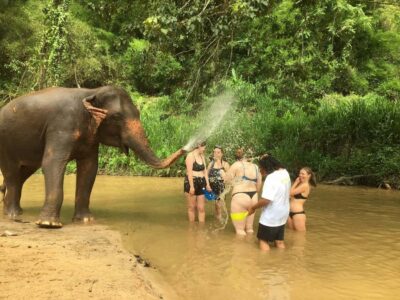
2-Day Jungle Trek with Elephant Farm & Raft Ride
Read our review →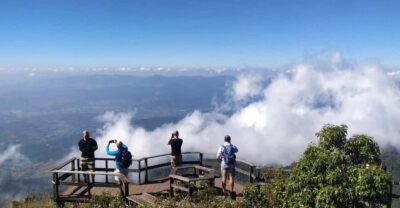
Doi Inthanon Park with Kew Mae Pan Hike Day Trip
Read our review →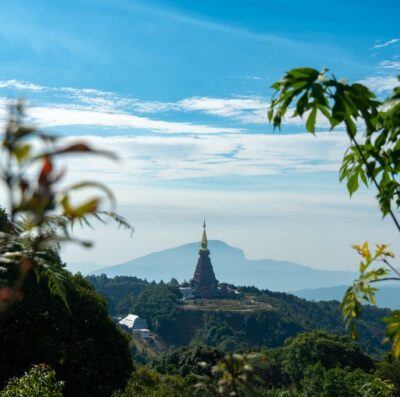
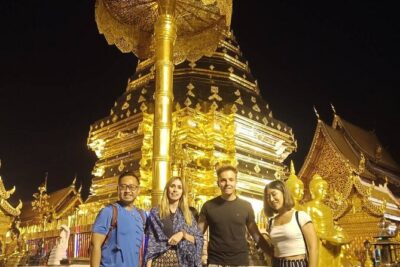
Doi Inthanon Private Tour with Trek & Lunch from Chiang Mai
Read our review →Browse the lists this tour appears in