
REVIEW · CHIANG MAI HIKING TOURS
Chiang Mai Authentic Trekking
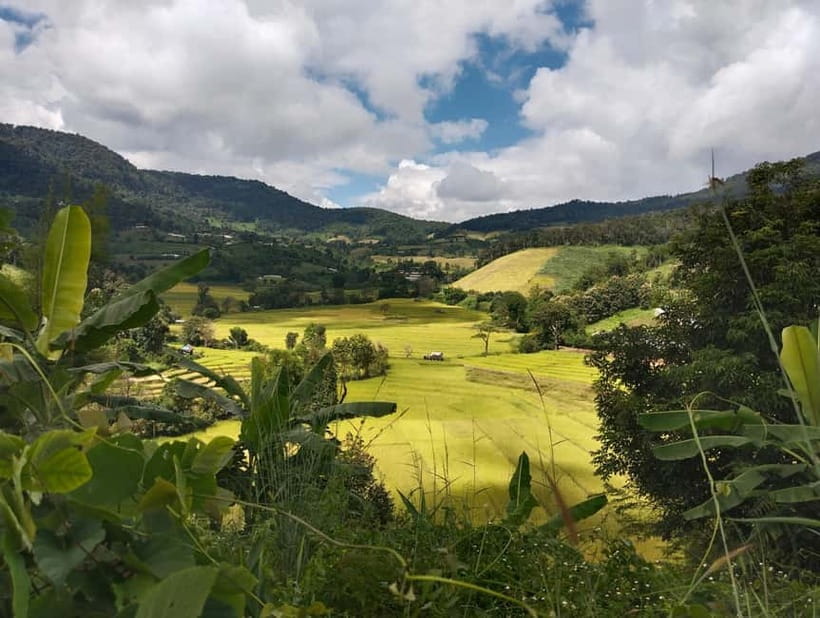
Trade city streets for a local mountain trail. Chiang Mai Authentic Trekking takes you south of the city for a 12-kilometer hike through Karen farmland, rice terraces, forest, and mountain villages. I like the small groups, capped at eight people, and the way the day supports local shops and communities rather than keeping you inside a polished tourist circuit.
I also like the local market stop, where you choose food for lunch with help from your guide, and the plant knowledge shared along the trail. The main drawback is simple: this is a real mountain hike. Some sections are steep, slippery, and uphill for a long stretch, so you should not book it if you want a gentle walk.
- Two hours of uphill walking: The route to Phalai Mountain Peak gives you a proper workout, not a casual nature stroll.
- Lunch bought at a Thai market: You eat food selected earlier in the day, then enjoy it in the forest.
- Karen village and farm life: Khun Poi offers a look at local agriculture, village routines, and mountain culture.
- Plants with practical uses: Your guide may point out edible plants, herbs, fruit, and vegetation used in daily life.
- A quiet waterfall finish: After the hike, you can swim, cool off, and rest before returning to Chiang Mai.
- Small-group format: With no more than eight participants, the pace and conversation should feel more personal.
A 7:45 AM Start From Chiang Mai
Pickup takes place between 7:45 and 8:00 AM at hotels around Chiang Mai. You should wait in the lobby about 10 minutes early, since the day begins with a drive of roughly one hour toward the southern countryside.
The van ride gives you time to watch the city thin out and farmland take over. Transportation, hotel pickup, and hotel drop-off are included, along with accident insurance, an English-speaking guide, and a local assistant.
The drive is not just dead time. It positions you far from Chiang Mai’s usual temple and market routes, in the Mae Wang area near mountain communities and the Doi Inthanon National Park region. If you are tired after several active days, the ride back can also provide a useful power nap.
The tour runs as a small group, limited to eight people. That matters here. On a narrow mountain path, a huge group would slow things down and make plant explanations or village encounters harder to follow. A smaller party also fits better with the responsible tourism goal.
Buying Lunch at a Traditional Thai Market
The first meaningful stop is a local market. Your guide helps you choose lunch and drinking water while explaining common ingredients, snacks, and the way villagers shop.
This is a smart feature. Instead of handing you a standard packed meal with no connection to the area, the tour gives you a glimpse of ordinary food buying and lets local sellers benefit directly. You also get some choice, though the exact food depends on what is available that day.
The market stop lasts about 20 minutes, so do not expect a long breakfast visit. If you need coffee or a more substantial morning meal, use this opportunity. Bring cash for food, soft drinks, snacks, and souvenirs, since those personal purchases are not included.
Later, the food you bought becomes your forest lunch. That makes the meal feel tied to the day rather than added as an afterthought. One important practical point: drink plenty of water before the hike and buy enough for the full route.
A few more hikes around Chiang Mai worth a look
- 3-in-1: Doi Inthanon Tour, Elephant Sanctuary, and Trekking Trail
★ 5.0 · 1,087 reviews - Chiang Mai: Doi Inthanon Trip with Pha Dok Siew Guided Trek
★ 4.6 · 910 reviews - Chiang Mai: 2-Day Jungle Trek with Elephant Farm & Raft Ride
★ 4.7 · 881 reviews
Mountain Views Before Khun Poi Village
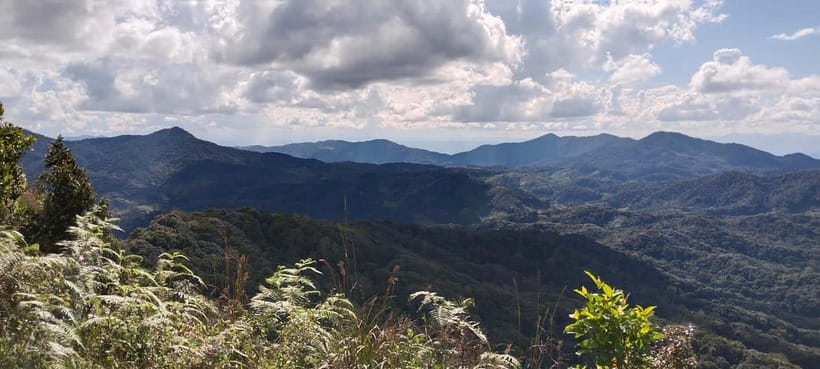
The drive includes a scenic viewpoint where you can stop for photographs and look across the valley and surrounding mountains. A second short viewpoint stop is also listed, with about 20 minutes for walking and viewing.
These pauses break up the van ride and give you a useful sense of the terrain ahead. You are not simply going from Chiang Mai to a trailhead. You are watching the road climb toward a high rural area where farms and villages occupy the folds between the mountains.
Do not confuse the viewpoints with the main summit. The best mountain views come later, after you have walked to Phalai Mountain Peak. The early stops are brief, so keep your camera handy and avoid wandering far from the guide.
Khun Poi and the Karen Mountain Community
The tour reaches Khun Poi Village, a Karen hill tribe community surrounded by mountains and farmland. The visit focuses on agricultural life and local culture rather than a staged performance.
You can expect to see how farming shapes the community and how people use the land around the village. The route begins near the village school, adding a human detail to the start of the trek. You may see children enjoying their school day, but this should be treated as a respectful passing visit, not a school-tour attraction.
The village section is listed at about 30 minutes. That is enough for an introduction, not enough for an exhaustive cultural study. Still, this stop gives the walk a stronger sense of place. You are not hiking through anonymous forest. You are moving through an area where farming, homes, school life, and mountain ecology connect.
Please keep your behavior low-key here. Ask before taking close-up photographs of people, and follow the guide’s lead around the school and homes.
Four to Five Hours on a Proper Mountain Trail
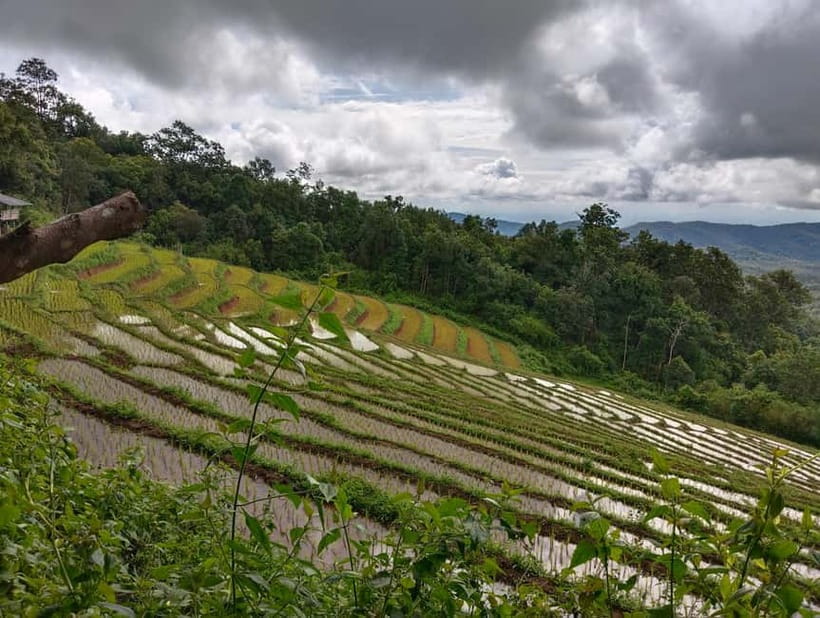
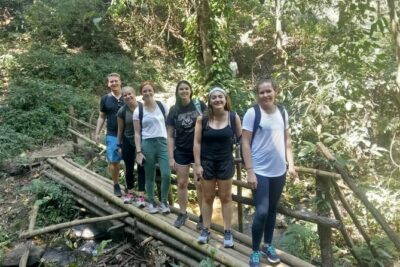
The main hike lasts four to five hours and covers about 10 to 12 kilometers, depending on the description used for the route. The trail type is mountain terrain, with rice fields, forest paths, farms, and steep sections.
The most demanding stretch is the climb toward Phalai Mountain Peak. One account of the day describes roughly two hours of continuous uphill walking. That gives you a clearer picture than the word moderate alone. Moderate here means active and strenuous in places, not a flat countryside stroll.
The path can also be slippery. Wear hiking shoes with good grip, not smooth-soled trainers or casual sandals. Comfortable clothing, sunscreen, insect repellent, a sun hat, and a daypack are useful. Weather-appropriate layers matter because conditions can change between the city, forest, and exposed viewpoints.
Your guide may identify edible plants, herbs, fruit, and vegetation used for food, medicine, and everyday life. This is one of the strongest parts of the experience because it changes how you see the forest. Instead of passing a wall of greenery, you begin to notice plants with practical value.
The tour provider’s guide Pan received specific praise for his plant knowledge and advanced English. His approach appears to include tasting some safe local plants and fruit when appropriate, but you should only eat anything after the guide gives clear permission.
Same trailhead, a different kind of day:
- Chiang Mai: Doi Inthanon Park with Kew Mae Pan Hike Day Trip
★ 4.7 · 841 reviews - Chiang Mai: Doi Inthanon Park and Pha Dok Siew Trail Trek
★ 4.6 · 752 reviews - Chiang Mai – Doi Suthep Temple & Wat Pha Lat Hike
★ 4.6 · 740 reviews - Chiang Mai – Doi Suthep Temple & Wat Pha Lat Hike
★ 5.0 · 657 reviews
Phalai Mountain Peak and Valley Views
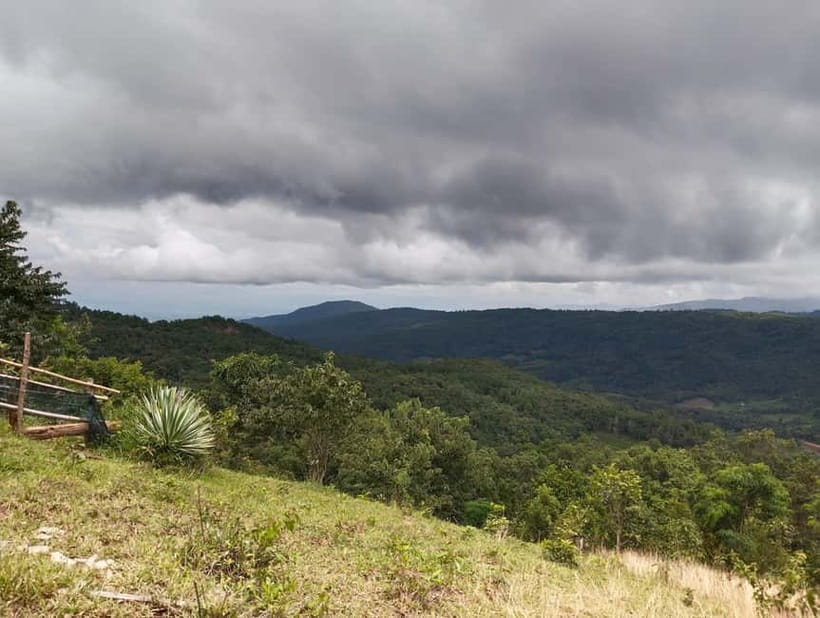
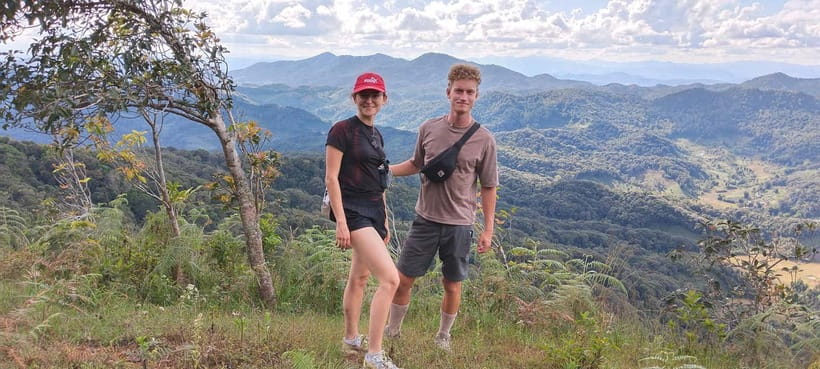
At the top of Phalai Mountain, you get the day’s major reward. The peak lies between Chom Thong and Mae Wang districts and connects with the Doi Inthanon National Park area.
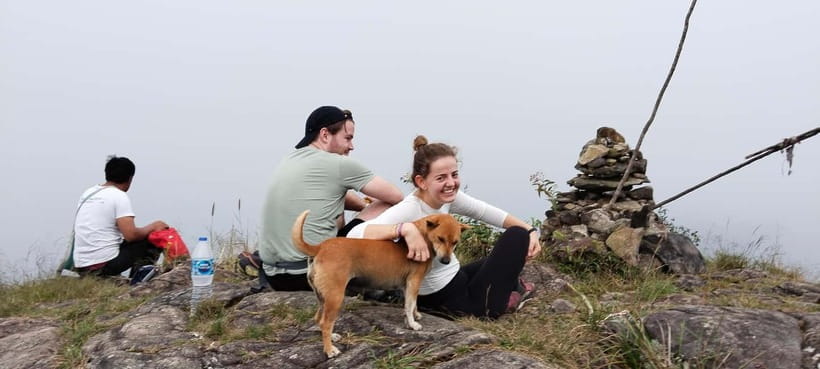
From here, you can look over the valley, village, rice fields, and surrounding mountains. The views are especially valuable because you have earned them on foot. You see the farms and trails from above, then later walk back through the rural areas you have just viewed.
Wildlife in the area may include wild boar, gibbons, barking deer, and many bird species. The word may matters. This is a nature walk, not a wildlife-spotting guarantee. You should expect vegetation, changing views, and birdlife more reliably than a close encounter with a gibbon or deer.
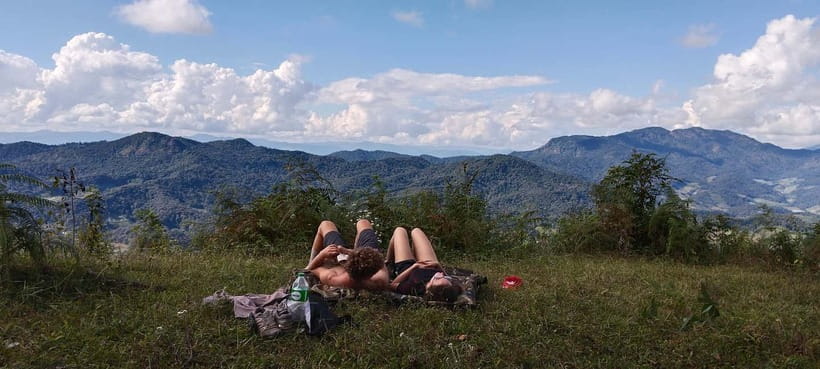
The summit is also where lunch takes on extra meaning. After the climb, eating food bought at the market in the forest gives you time to slow down. The meal is healthy and simple, with fresh air and mountain surroundings rather than restaurant service.
Bring a towel or small cloth for comfort, and pack personal medication in your daypack. There may not be a convenient chance to buy supplies once the main hike begins.
Farms, Coffee, and Everyday Mountain Work
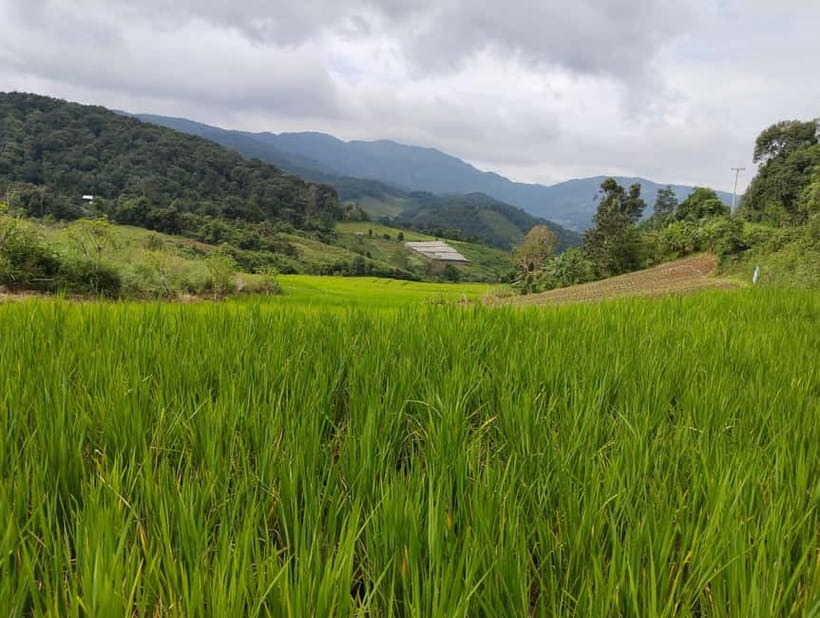
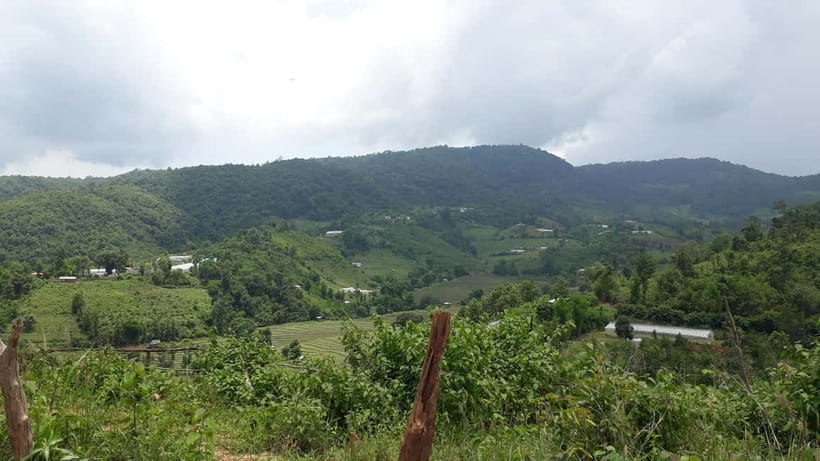
After lunch, the trail continues through hill tribe farmland. Crops along the route can include coffee, passion fruit, cape gooseberry, tomatoes, zucchini, taro, and other produce.
This section helps explain the local economy in a direct way. You see cultivated plots, not just untouched forest, and learn how food production fits around the mountain terrain. The tour’s emphasis on supporting local businesses is most visible through the market purchases and the connection with village agriculture.
One particularly appealing detail is the chance to learn about local coffee. The route passes coffee grown in the area, and a guide may explain how beans are handpicked. You may also have the opportunity to enjoy fresh coffee from locally grown beans, depending on the day and local arrangements.
The path through farms can be just as interesting as the summit. It gives you a better sense of how people live with the land, rather than treating the community as a quick photo stop. At the same time, conditions remain rural. Do not expect smooth paths, regular restrooms, or a predictable café break.
A Secluded Waterfall After the Hard Work
The final active stop is a waterfall where you can swim, cool off, relax, and take photographs. This comes after the main trek, so it is a welcome chance to rinse away sweat and rest your legs.
Pack swimwear and a towel in an easy-to-reach part of your daypack. The water stop lasts about 30 minutes, which is enough for a refreshing dip but not a long swimming session.
The word secluded describes the setting rather than promising total privacy. Conditions can vary, and the time available is limited. Still, finishing at water is a much better ending to a hot mountain hike than going straight into the van.
Change into dry clothing before the ride back if possible. You will appreciate having a spare shirt, especially during the warmer months.
When to Go and What the Weather Means
The summer season runs from mid-February to mid-May. This period can bring hotter conditions, so sun protection and extra drinking water are especially important.
The rainy season runs from mid-May to mid-October. Rain can make mountain trails more slippery, so proper shoes become even more important. A waterproof cover for your phone and camera is sensible, although no special equipment is listed as included.
Winter runs from mid-October to mid-February. This is likely to be the most comfortable period for a long climb, but you should still bring weather-appropriate clothing. Mountain temperatures and conditions may differ from those in Chiang Mai.
The route operates through changing conditions, so flexibility is part of the deal. A wet trail may slow the pace, and views can vary with cloud and rain. You should book this for the walking and village experience first, with scenery as a major bonus.
The Price: Strong Value for Active Hikers
At $57 per person, the tour offers good value if you want a full day outside Chiang Mai. The price includes transportation, hotel pickup and drop-off, an English-speaking guide, a local assistant, accident insurance, lunch, and drinking water.
The value is not just in the number of inclusions. You are paying for a small group, a full four to five hours on the trail, local market purchases, village access, a guide who can explain plants, and a waterfall stop. A shorter nature outing may cost less, but it would not provide the same amount of walking or local contact.
You will pay extra for souvenirs, soft drinks, and snacks. Carry cash for those items and do not assume card payment will be available in mountain communities.
Free cancellation is available up to 24 hours before departure, and you can reserve now and pay later. Those terms help if your Chiang Mai plans are still shifting, but the physical demands should be your first consideration.
Who Should Book This Trek?
I would recommend this experience to you if you enjoy long walks, rural scenery, local food, and small-group guiding. It suits people who want a genuine workout and prefer village paths to a polished attraction.
It is less suitable if you have mobility limitations, heart problems, or difficulty with steep and slippery ground. It is not designed for wheelchair users, pregnant women, babies under one year, or people over 70. The supplied restrictions also exclude anyone over 95.
Families should think carefully about the age and fitness of every participant. The route is not described as suitable for young babies, and the long uphill sections can be tiring even for fit adults.
Bring hiking shoes, comfortable clothes, sunscreen, insect repellent, a hat, swimwear, a towel, a camera, cash, personal medication, a passport, and a daypack. The passport is included on the recommended packing list, so follow that advice rather than leaving it behind.
Should You Book Chiang Mai Authentic Trekking?
Book it if you want a demanding day in the mountains, direct contact with Karen farming communities, and a route that feels used by local people rather than built for sightseeing. Pan and the local team appear to add real value through plant explanations, cultural context, and an easygoing small-group format.
Skip it if your ideal day means a light walk, guaranteed wildlife, or lots of free time at each stop. The two-hour uphill push, 10 to 12 kilometers of mountain terrain, and possible slippery sections are the honest price of the quiet trails and broad views.
For fit hikers who want to support local businesses while seeing another side of Chiang Mai Province, $57 is a fair price for a full and active day.
FAQ
How long does the Chiang Mai trekking experience last?
It is a one-day tour, with hotel return expected around 5:00 to 6:00 PM.
How far do you trek?
The total trekking distance is about 10 to 12 kilometers, with the tour description also giving 12 kilometers as the total distance.
How long is the main hike?
The mountain trek lasts about four to five hours.
Is the trek difficult?
It is rated moderate, but the route includes steep and slippery sections and can involve about two hours of continuous uphill walking.
Is hotel pickup included?
Yes. Pickup and drop-off at hotels around Chiang Mai are included. You should wait in the hotel lobby 10 minutes before the scheduled pickup time.
What language does the guide speak?
The live tour guide speaks English. A local assistant is also included.
Is lunch included?
Yes. Lunch and drinking water are included. The group also stops at a traditional Thai market to buy food for lunch and any extra items.
Can I swim during the tour?
Yes. The day includes a waterfall stop with about 30 minutes for swimming and relaxation. Bring swimwear and a towel.
Just added around Chiang Mai
- From Chiang Mai: Chiang Dao Cave Trekking Full-Day Tour★ 4.8 · 126 reviews
- From Chiang Mai: Doi Inthanon National Park Day Trip & Hike★ 4.8 · 125 reviews
- From Chiang Mai: Mae Taeng Valley Hike & Bike Day Trip★ 5.0 · 50 reviews
- Chiang Mai: Elephant Sanctuary & Jungle Trek w/ Waterfall★ 4.5 · 18 reviews
- Private Doi Inthanon With Trekking Pha Dok Siew Nature Trail★ 5.0 · 7 reviews
- Chiangmai : Doi Pui Summit Hiking Experience★ 4.8 · 9 reviews
- Chingmai Sunrise Hike & Cultural Traditions★ 4.9 · 17 reviews
- Chiang Mai:Doi Inthanon National Park & Hike at Kew Mae Pan★ 4.4 · 53 reviews
Chiang Mai Hiking Tours, compared.
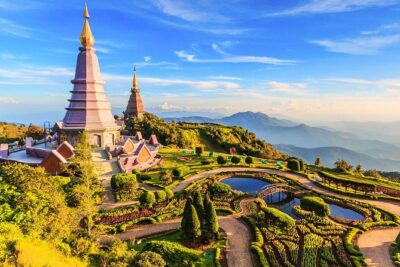
3-in-1: Doi Inthanon Tour, Elephant Sanctuary, and Trekking Trail
Read our review →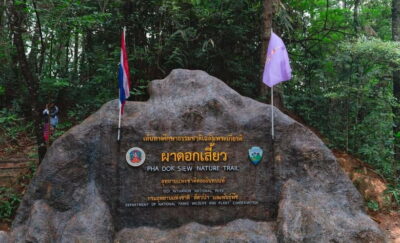
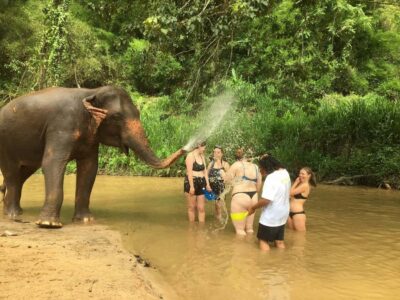
2-Day Jungle Trek with Elephant Farm & Raft Ride
Read our review →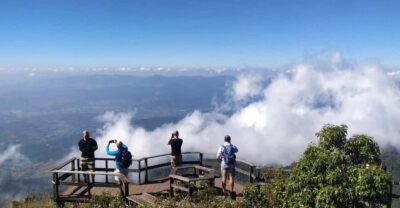
Doi Inthanon Park with Kew Mae Pan Hike Day Trip
Read our review →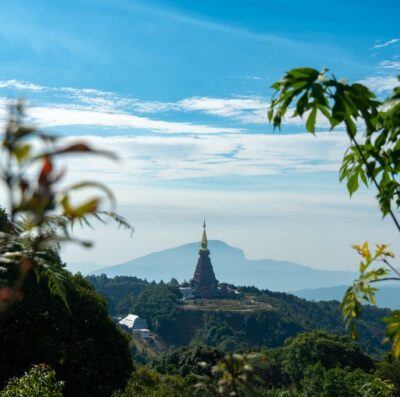
Doi Inthanon Private Tour with Trek & Lunch from Chiang Mai
Read our review →Browse the lists this tour appears in