
REVIEW · ARUSHA HIKING TOURS
8-Day Small-group Lemosho Kilimanjaro Summit Trekking
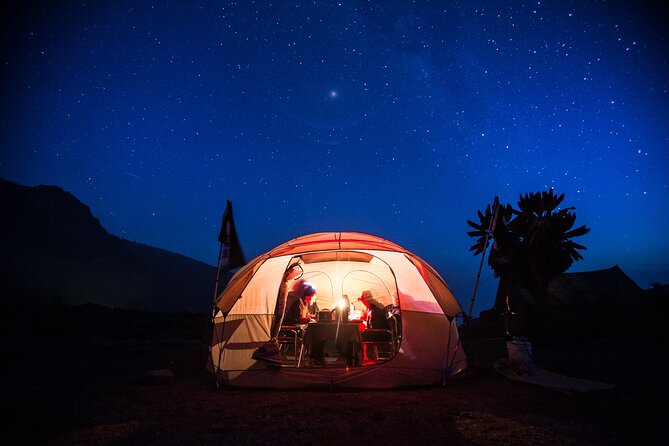
The Roof of Africa takes patience. Climb Kili’s 8-day Lemosho trek gives you time to cross Kilimanjaro’s major climate zones, from rainforest to Arctic rock, while slowly adjusting to thin air. I especially like the small-group format and the extra acclimatization day, both useful advantages on a mountain where rushing is a poor strategy. The main drawback is the tough summit night, which begins around midnight and demands strong fitness, warmth, and stubbornness.
I also like that the price includes camping equipment, park fees, meals, and transfers from your Arusha hotel. That makes planning simpler and gives you more time to focus on pacing, hydration, and the next step. Still, eight days on foot is not a sightseeing holiday, and the long summit push can feel very demanding even for fit hikers.
Key points at a glance
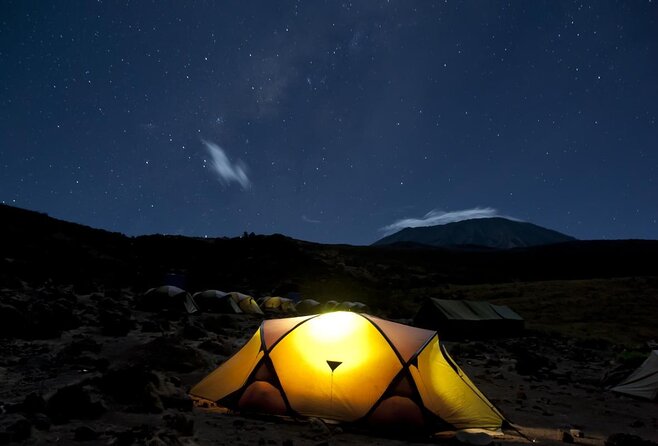
- The Lemosho route takes eight days, giving you a slower ascent than shorter Kilimanjaro programs.
- The route crosses several climate zones, moving from montane forest through heather, high desert, alpine rock, and the Arctic summit zone.
- Lava Tower is used for acclimatization, with a high climb followed by a descent to Barranco Camp.
- The summit attempt begins at midnight, reaching Stella Point around sunrise before the final push to Uhuru Peak.
- Groups are limited to 15 people, with smaller groups possible and guides able to give more personal attention.
- The $2,895 price includes major trek essentials, including meals, camping gear, park fees, and round-trip hotel transfers.
Why the 8-day Lemosho route works well
Kilimanjaro is not a technical climbing mountain on this route. You do not need ropes or advanced mountaineering skills. You do need to walk uphill for several days, sleep at altitude, and handle a final night that combines cold, darkness, fatigue, and low oxygen.
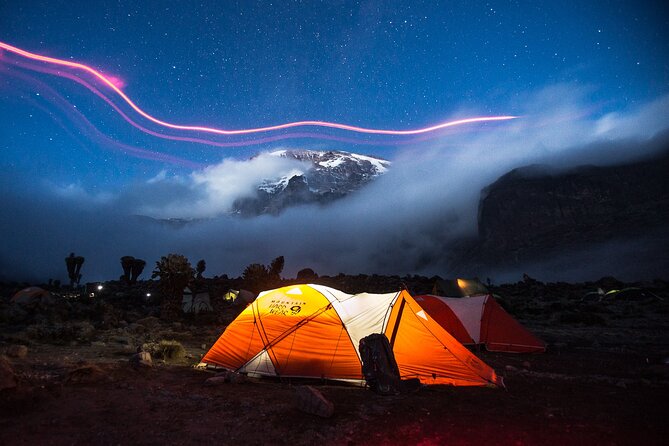
That is why the eight-day schedule matters. You spend more time gaining height gradually, with a full day on the Shira Plateau and a high-altitude acclimatization outing to Lava Tower. The route also uses the southern circuit before the summit, allowing you to approach Uhuru Peak from the Barafu area rather than simply racing straight upward.
The operator describes the summit rate as very high, and the schedule helps explain why. No route can guarantee that you will reach the top, but extra time at altitude generally gives your body more opportunity to adjust. Your guide will still need to watch for symptoms and make sensible decisions if anyone becomes unwell.
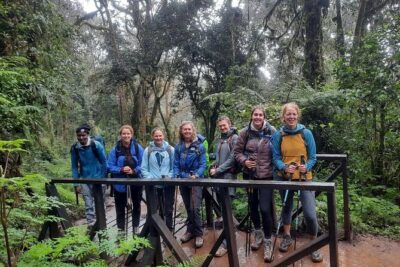
The group limit is 15. That is not always the same as a group of 15, since some departures may be smaller. A small group can make breaks, meals, and conversations easier, while giving guides more time to check how you are feeling. Several past customers specifically praised the close atmosphere of groups as small as four or five.
More Small-Group Hikes in Tanzania:
- Small Group: Valley of Fire Half Day Tour from Las Vegas
★ 5.0 · 2,130 reviews - Small Group Waterfall and Rainforest Hiking Adventure on Maui
★ 5.0 · 1,417 reviews - Glacier Hike and South Coast Small-Group Tour from Reykjavik
★ 5.0 · 827 reviews
Day 1: Londorossi Gate to Mti Mkubwa Camp
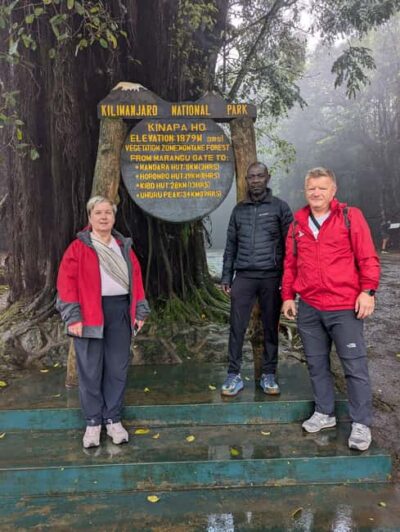
Your morning begins with pickup from your Arusha hotel, with the listed start time at 8:00 a.m. The trek starts on Kilimanjaro’s western side after registration at Londorossi Gate.
The first walk covers about 3 miles, or 4.8 kilometers, and takes roughly three to four hours. You climb gently through montane forest toward Mti Mkubwa Camp, whose name means Big Tree in Swahili. Your tent is set up before you arrive, and your personal belongings are placed inside.
This is a gentle opening by Kilimanjaro standards. The forest is a good reminder that the mountain is not just a cone of bare rock. It begins with vegetation, moisture, shade, and birdlife before gradually changing into more open country.
Your best approach today is to resist the urge to walk quickly. The opening miles may feel easy, but the point is not to prove fitness. It is to begin the climb with energy in reserve.
Day 2: Heather country and the Shira Plateau
Day two climbs to about 11,500 feet, or 3,505 meters, over approximately 4.9 miles. The walk takes about five to six hours, though the schedule gives a shorter estimate in one section, so you should expect timing to vary with group pace and conditions.
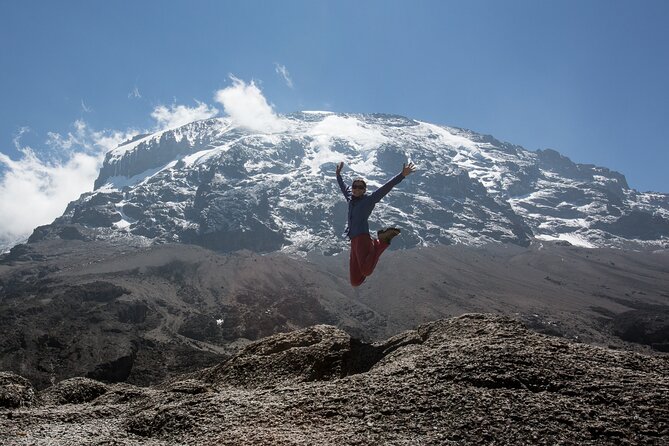
The forest gives way to tall grasses, heather, volcanic rock, and lichen. This is one of the first major changes in scenery, and the views of Kibo, Kilimanjaro’s main peak, begin to open across the horizon.
The Shira Plateau is broad and exposed compared with the forest below. Its high-altitude desert character gives you a clearer sense of what lies ahead. You are gaining height quickly on paper, but the day remains moderate enough to let your body begin its adjustment.
I would keep lunch and water breaks unhurried here. Headaches, poor sleep, and unusual tiredness can appear as altitude increases. Tell your guide early if you feel different, rather than trying to hide symptoms until they become serious.
Day 3: A full day on Shira
Day three is a longer outing of about 8.7 miles, or 14 kilometers, with five to seven hours of walking. You explore the Shira Plateau while moving east toward Kibo’s glaciated summit.
There is an option to visit the old collapsed Shira cone, the oldest of Kilimanjaro’s three volcanic cones. That optional section adds interest for hikers who want more geology and a closer look at the mountain’s volcanic past. The day ends at Moir Camp, set in a large gorge beside an old lava flow.
This is a valuable day because you gain altitude without immediately pushing for the summit. The route lets you spend time high on the mountain, then return to camp and rest before climbing higher.
It is also one of the days where the route may feel less sheltered. High-altitude terrain can bring sun, wind, and rapid weather shifts. Pack your waterproof layer and warm clothing where you can reach them, not buried at the bottom of your duffel.
More Kilimanjaro Hikes in Tanzania:
- Mountain Kilimanjaro Day Hike
★ 5.0 · 102 reviews - Private Full Day Hiking Experience to Marangu Route
★ 5.0 · 61 reviews - Private Kilimanjaro Hike 7 Day Lemosho Route
★ 5.0 · 60 reviews - From Arusha/Moshi: Kilimanjaro Hike Marangu Route Day Trip
★ 4.5 · 54 reviews
Day 4: Lava Tower, Senecio forest, and Barranco
Day four is the key acclimatization day. You climb toward Lava Tower at roughly 15,000 feet, or 4,500 meters, then descend to Barranco Camp at about 13,000 feet, or 3,962 meters.
The day covers around 4.3 miles, or 7 kilometers, and takes about four to six hours. The route passes a junction toward Arrow Glacier, but the planned trek continues after resting at Lava Tower. From there, you descend through the huge Senecio forest before reaching Barranco Camp.
This climb-high, sleep-lower pattern is one of the strongest features of the program. You get exposure to a higher altitude, then give your body a chance to recover at a lower camp. It can feel strange to climb up only to lose height, but on Kilimanjaro, that apparent backtracking serves a purpose.
Barranco Camp sits beneath the famous Barranco Wall. Clouds can move through the valley, and the setting is often one of the most dramatic camps on the route. It is also a good place to prepare mentally for the next morning, when you will climb the wall itself.
Day 5: Up the Barranco Wall to Karanga
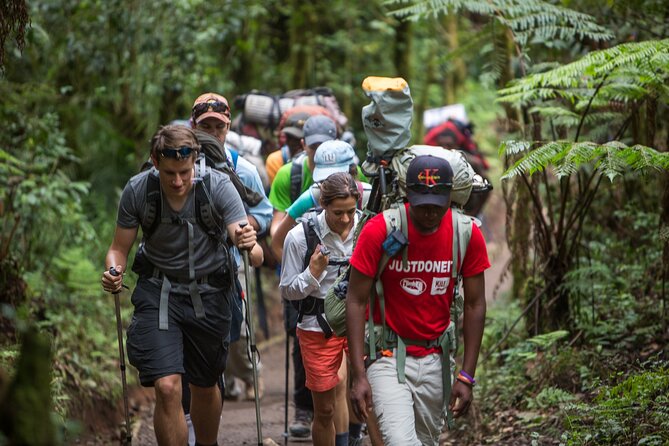
Day five is shorter, about 2.2 miles or 3.2 kilometers, with four to five hours of walking. Do not mistake the short distance for an easy day. The Barranco Wall is an adventurous section, requiring steady movement over uneven ground.
The trail takes you through the Barranco Valley and up the wall, then onward through the Karanga Valley. You reach Karanga Camp at about 13,100 feet, or 3,992 meters.
The wall is not described as a technical climb, but it can feel exposed and demanding. Your guide will set the pace, and your job is to keep your hands free, watch your footing, and avoid rushing. Trekking poles can be useful, though the provided information does not confirm whether they are supplied, so ask before departure.
The route now moves into the Arctic zone of Kilimanjaro. Vegetation becomes sparse, and the mountain feels more severe. This is where the earlier slow pace pays off. You are no longer simply hiking through attractive scenery. You are preparing for a serious summit attempt.
Day 6: Kosovo Camp and preparation for the summit
Day six covers about 2.6 miles, or 3.5 kilometers, and takes five to six hours. The route passes Barafu Camp, with views toward both Kibo and Mawenzi, before continuing to Kosovo Camp at around 16,000 feet, or 4,876 meters.
The pace is deliberately slow. You are not trying to burn energy today. You are preparing clothing, equipment, and your body for the midnight start.
Kosovo Camp sits on an exposed ridge, so you need to become familiar with the immediate terrain before dark. That detail matters. After the summit attempt, you will return tired and in daylight, but before leaving camp you may be walking in darkness and cold.
Use this afternoon for rest, not last-minute wandering. Eat what you can, drink according to your guide’s advice, and organize your headlamp, gloves, warm layers, and water so you can reach them quickly. The camp altitude can make even simple tasks feel slow.
Day 7: Stella Point, Uhuru Peak, and Mweka Camp
Summit day begins around midnight. The planned ascent covers about 5 kilometers to the summit area, followed by roughly 12 kilometers of descent. The ascent is listed at six to seven hours, with another four to six hours descending to Mweka Camp.
The first goal is Stella Point on the crater rim, at about 18,885 feet. The route is steep in places and includes heavy scree. You move slowly in the dark, often focusing on the boots directly in front of you. This is the most mentally and physically demanding part of the trek for many people.
The reward is sunrise near Stella Point. From there, Uhuru Peak is about another hour away, depending on pace and conditions. The summit stands at 19,340 feet, or 5,895 meters, and marks the highest point in Africa.
The final section passes between the Rebmann and Ratzel glaciers before reaching the summit. The glaciers are a memorable part of the view, though the real achievement is simply arriving after the long night.
After time at Uhuru Peak, you descend to Mweka Camp for dinner and celebration. This is a very long day, and fatigue can affect your balance and mood. I would treat the descent as seriously as the climb. Do not rush simply because the summit is behind you.
Day 8: Mweka Gate and a welcome shower
The final walk goes from Mweka Camp to Mweka Gate, about 6.4 miles or 10.3 kilometers, in three to four hours. The terrain returns toward lower elevations, and the mountain begins to feel more familiar and less severe.
At the gate, the Climb Kili vehicle takes you back to your Arusha hotel. After a week of camping, a shower and clean clothes will feel like major attractions.
The final morning is not just a formality. You are still tired, and wet conditions can make the lower trail slippery. Keep your pace steady and save enough energy for the walk out.
What the $2,895 price includes
At $2,895 per person, this is a significant purchase, but it includes several expenses that can otherwise complicate Kilimanjaro planning. Camping equipment, park fees, meals, and round-trip transfers from your Arusha hotel are included.
That all-in structure has real value. You are not arranging separate transport to the mountain, hiring camp support on your own, or trying to work out meals at high altitude. The guide team, cooks, and porters are central to how these treks operate, and past customers gave especially strong praise to the care, food, and practical support provided on the mountain.
Specific guides praised by name include Amani, Isaya, Emmanuel, Raymond, Herment Mosha, Goodluck, Manny, Cinga, Veda, and Steve. That does not mean you can request a particular guide or will meet all of them. It does show the range of staff associated with the company and the importance of the guiding team to the experience.
You should still ask exactly what personal gear you need to bring, since the provided details confirm camping equipment but do not give a full packing list. Also confirm how tipping is handled, as no tipping information is supplied here.
Who should book this trek?
I would recommend this route to a fit beginner who wants a carefully paced first high-altitude trek. You do not need advanced climbing skills, but you do need the stamina for repeated uphill days and the discipline to walk slowly.
It also suits experienced hikers who prefer a longer schedule and more time for acclimatization. The route includes dramatic scenery, the Barranco Wall, Lava Tower, Shira Plateau, and a proper summit night rather than a short, rushed program.
I would hesitate to recommend it to anyone looking for a relaxed camping holiday. The summit attempt can last about 11 hours in total, and the highest camps are cold, exposed, and physically demanding. The company requires a strong fitness level, and that requirement should be taken seriously.
The 5-star rating from 186 ratings and a 100 percent recommendation figure are encouraging, especially alongside repeated praise for safety, encouragement, meals, and personal care. Still, no rating can remove the risks of altitude or guarantee a successful summit. The mountain makes the final decision.
Should you book the 8-day Lemosho trek?
Book it if you want a well-supported Kilimanjaro climb with a slower schedule, included logistics, and a small-group feel. The extra day, Lava Tower acclimatization outing, and southern approach give you a sensible structure for dealing with altitude.
I would choose this over a shorter route if your budget and vacation time allow it. You will spend more, but the additional day can make the climb less rushed and may improve your chance of enjoying the mountain rather than merely surviving it.
Before paying, confirm the departure date, group size, equipment details, and what happens if altitude illness prevents you from continuing. If you are fit, patient, and ready for a midnight summit push, Climb Kili’s 8-day Lemosho program offers a strong balance of support, scenery, and time on the mountain.
FAQ
Where does the Kilimanjaro trek begin?
The trek begins on Kilimanjaro’s western side after registration at Londorossi Gate. Pickup is offered from your Arusha hotel.
How long is the experience?
The trek lasts approximately eight days.
What time does the tour start?
The listed start time is 8:00 a.m. The summit attempt begins around midnight on day seven.
How high is Uhuru Peak?
Uhuru Peak reaches 19,340 feet, or 5,895 meters.
What is the maximum group size?
The maximum group size is 15 people.
Are meals included?
Yes. Meals are included during the trek.
Is camping equipment included?
Yes. Camping equipment is included.
What fitness level is required?
You should have a strong physical fitness level for this activity. The trek includes several long uphill days and a demanding summit ascent followed by a long descent.
Just added around Tanzania
- From Arusha/Moshi: Kilimanjaro Hike Marangu Route Day Trip★ 4.5 · 54 reviews
- Full Day Private Hiking Tour to Kilimanjaro Mountain★ 5.0 · 22 reviews
- Kilimanjaro 7 Day Private Trekking Experience★ 5.0 · 40 reviews
- Mount Kilimanjaro Day Hike★ 4.5 · 23 reviews
- Mount Kilimanjaro Day Hike Through Marangu Route to Mandara Hut★ 5.0 · 37 reviews
- Best Kilimanjaro Adventure 7 days Machame route Trekking★ 5.0 · 42 reviews
- Private Kilimanjaro Hike 7 Day Lemosho Route★ 5.0 · 60 reviews
- Best Kilimanjaro hiking day trip tour with Kilinge Adventures★ 4.5 · 54 reviews
Arusha Hiking Tours, compared.
Private Full Day Hiking Experience to Marangu Route
Read our review →
From Arusha/Moshi: Kilimanjaro Hike Marangu Route Day Trip
Read our review →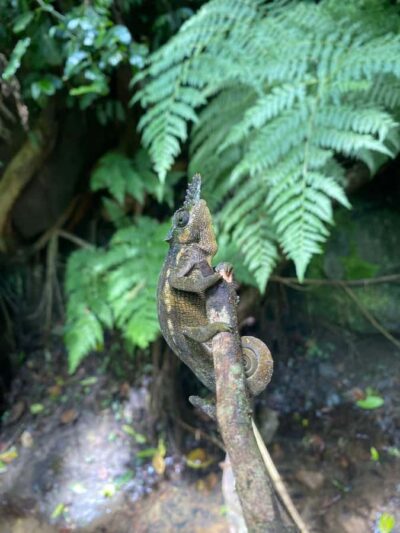
Mount Kilimanjaro Day Hike Through Marangu Route to Mandara Hut
Read our review →
Browse the lists this tour appears in