
REVIEW · ARUSHA HIKING TOURS
4 Days Mount Meru Trekking
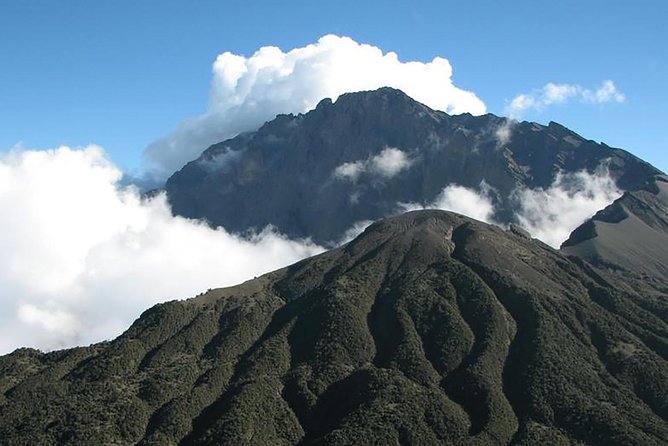
Mount Meru gives you a real mountain day. This four-day trek from Arusha combines open grassland, rainforest, moorland, volcanic rock, and a sunrise summit without the longer commitment of Kilimanjaro. I like the included hotel transfer, meals, park fees, and armed park ranger, which keep the trip simple and add a useful sense of security. I also like the small maximum group size of four, since a compact team can set a steadier pace.
The main drawback is the summit day. You leave at night, climb for four to five hours over ash, gravel, and rocks, then descend the same route. The huts are basic, cold, and dark according to one detailed account, and the summit breakfast may be too small for such a demanding morning. Ask about food, hut arrangements, and tipping before you start.
Key points to know before you book
- The summit sits at 4,566 meters: You gain serious altitude in only four days, with the hardest effort concentrated on the third day.
- A ranger joins you from the gate: Wildlife such as giraffes, buffaloes, elephants, and monkeys may appear along the route.
- The scenery changes quickly: You walk from open grassland to rainforest, heather, moorland, and volcanic terrain.
- The group limit is four people: This is useful for pacing, personal attention, and a quieter mountain experience.
- The price covers major basics: The $1,000 fee includes meals, park fees, hotel transfer, and the mountain crew.
- The summit reward is Kilimanjaro at sunrise: Socialist Peak offers a striking view across to Tanzania’s famous neighbor.
Why Mount Meru is worth four days
Mount Meru is Tanzania’s second-highest peak, reaching 4,566 meters. It receives less attention than Kilimanjaro, but that is part of its appeal. You still get a serious high-altitude climb, dramatic crater views, and a demanding summit morning, but the route has its own character rather than feeling like a rehearsal for another mountain.
I especially like the way the trek begins inside Arusha National Park. The mountain is not just a bare upper slope. The lower route passes through open country where giraffes and buffaloes may be visible, then enters thick forest before reaching the cooler upper zones.
The armed ranger is an important part of the arrangement. This is not simply a guide walking ahead with a timetable. Wildlife can be present on the lower slopes, so having a ranger accompany the group gives the route a more formal and controlled feel.
The group size also matters. With a maximum of four people, you should have a better chance of walking at a pace that suits the group. This can be especially helpful on summit morning, when an overly fast pace can make altitude and fatigue much worse.
More Mountain and Summit Hikes in Tanzania
- Mountain Kilimanjaro Day Hike
★ 5.0 · 102 reviews - Mount Kilimanjaro Day Hike Through Marangu Route to Mandara Hut
★ 5.0 · 37 reviews - Mount Kilimanjaro Day Hike
★ 4.5 · 23 reviews
Day 1: Arusha to Miriakamba Hut
Your morning begins with pickup from your Arusha hotel at about 9:00 a.m. The drive through Arusha National Park is part of the experience, not just a transfer. You reach Momella Gate, complete the park formalities, meet the ranger, and begin walking from there.
The first section crosses open grassland. Keep your eyes open for giraffes and buffaloes. Seeing large animals near the start of a mountain trek gives Mount Meru a very different feel from a standard forest hike.
After about two hours, you reach Maio Falls. This is planned as a rest and picnic stop, giving you a chance to eat, drink, and settle into the walking rhythm before the route becomes more wooded.
The trail then continues toward the fig tree arch. This is one of the day’s most memorable natural features and makes a good marker between the lower open country and the forested part of the route.
After roughly another two hours, you reach Miriakamba Hut in time for afternoon tea and snacks. The day is listed at about four hours of walking, though the exact time will depend on the group’s pace and stops.
Day 1 is the gentlest introduction to the mountain. You get wildlife, waterfalls, unusual trees, and a gradual start rather than an immediate uphill test. Still, you should not treat it as a free warm-up. You are already beginning the altitude gain, and a calm pace will help later.
Day 2: Rainforest, Elephant Back, and Saddle Hut
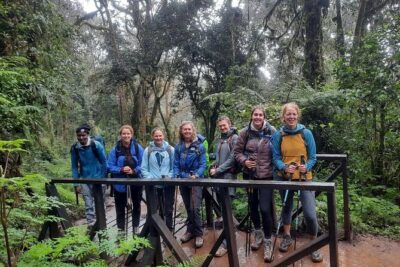
Day 2 brings a noticeable change in both temperature and vegetation. You follow wooden steps along a steep track, climbing through rainforest under clouds that often hang low among the trees.
The forest can feel cool and damp, especially after the warmer lower route. The cloudy atmosphere may limit distant views, but it creates a quiet, enclosed setting that contrasts well with the open grassland of Day 1.
After about two hours of uphill walking, you reach Mgongo wa Tembo, also called Elephant Back, at around 3,200 meters. This is a good place to rest and look back at the height already gained.
From there, the vegetation shifts from rainforest to heather and moorland. You should reach Saddle Hut at about 3,550 meters around midday. Arriving early is useful because the afternoon gives you the option of hiking to Little Meru, which rises to about 3,820 meters.
The Little Meru outing is not just extra sightseeing. It gives you a chance to test how your body responds to more altitude before the summit attempt. If you feel tired, cold, or unwell, resting at Saddle Hut may be the wiser choice. The summit is still ahead, and there is no prize for turning every optional walk into a compulsory one.
The huts are functional rather than comfortable. One account describes the cabins as basic, cold, and dark. That is worth taking seriously. Bring warm layers for evenings and rest periods, and do not expect lodge-style comfort just because the itinerary uses overnight huts.
Day 3: The night climb to Socialist Peak
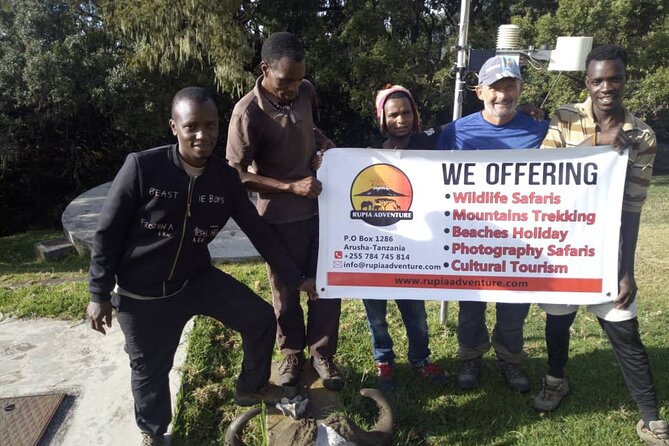
Summit day starts before dawn, after a small snack and tea. You walk by headlamp through bushland toward Rhino Point at about 3,821 meters.
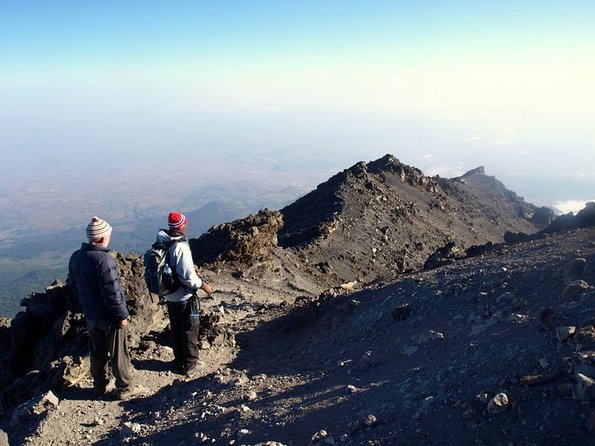
From Rhino Point, the trail becomes more demanding. At times you need to climb with your hands, and the surface changes to volcanic ash, loose gravel, and rock. The route follows the crater rim, so balance and careful foot placement matter more here than speed.
The final climb takes about four to five hours. That estimate does not make it an easy morning. You are walking in darkness, gaining height, and dealing with thin air before the sun comes up. If you are new to high-altitude trekking, this is the section to respect.
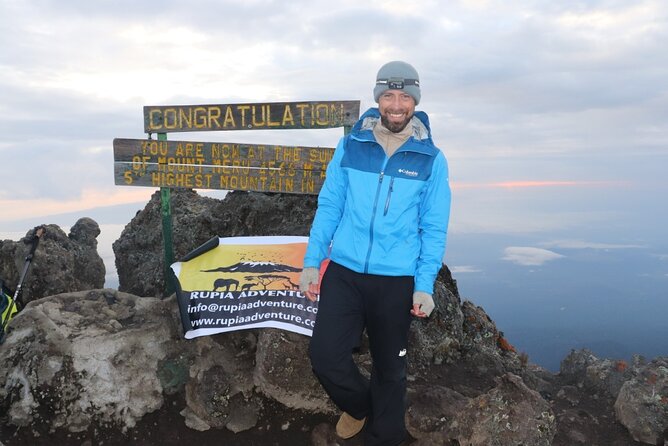
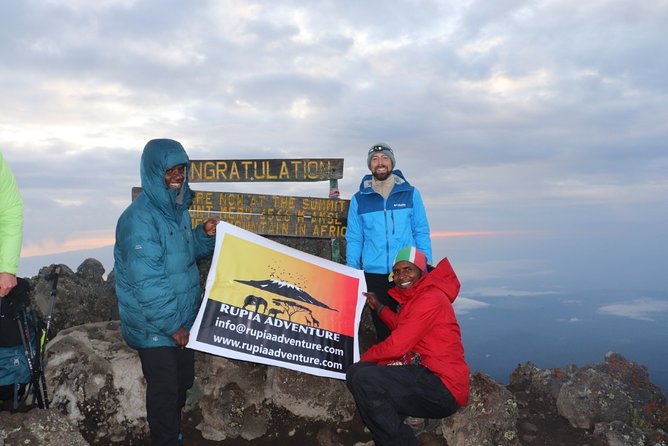
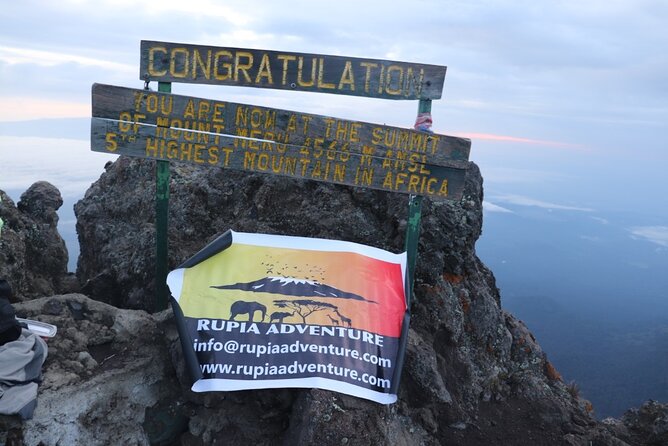
At Socialist Peak, you can watch the sun rise over Mount Kilimanjaro. You also get views into Mount Meru’s crater, with its steep inner sides and central ash cone. These features give the summit a strong sense of place. You are not simply reaching a signpost at the top of a slope. You are looking into a volcanic crater from a narrow, rugged rim.
The descent follows the same route back to Saddle Hut, where you take a break. Going down is often easier on the lungs but harder on tired legs. Loose ash and gravel can make the return slippery, so trekking poles may be useful, though the supplied information does not confirm that they are provided.
Food deserves special attention on this day. One account specifically found the summit breakfast too small and advised bringing personal food. Since the climb begins at night and lasts through the morning, carry snacks you know you can eat when tired. Also tell the operator in advance about dietary needs. The crew has prepared vegetarian and gluten-free meals for some climbers, and several people praised the cooking.
Same trailhead, a different kind of day:
- 8-Day Small-group Lemosho Kilimanjaro Summit Trekking
★ 5.0 · 186 reviews - Private Full Day Hiking Experience to Marangu Route
★ 5.0 · 61 reviews - Private Kilimanjaro Hike 7 Day Lemosho Route
★ 5.0 · 60 reviews - From Arusha/Moshi: Kilimanjaro Hike Marangu Route Day Trip
★ 4.5 · 54 reviews
Day 4: The northern route back to Momella Gate
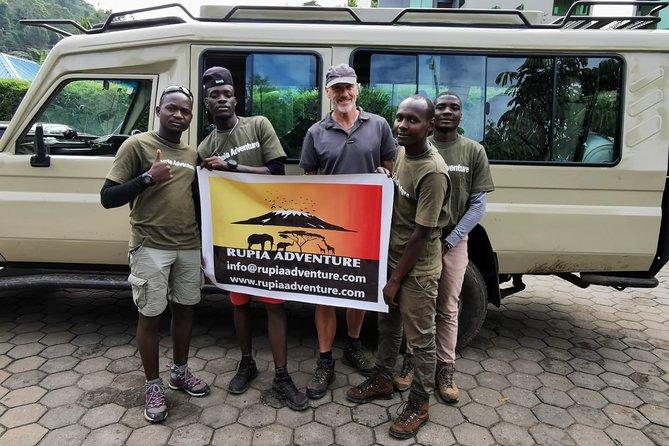
After breakfast, you take the northern route back toward Momella Gate. The descent is listed at two to three hours, shorter than the ascent route, but you still have a full mountain walk in your legs.
This final section may offer more wildlife sightings. Elephants, buffaloes, giraffes, and black and white colobus monkeys are all possible. The return is a good reminder that Mount Meru is part of a protected park, not an isolated rock climb.
At Momella Gate, you say goodbye to the hiking crew. Your driver then takes you back to the Aquiline Hotel, where the itinerary says you celebrate the achievement and spend the night.
The route description gives clear walking times, but you should confirm the exact overnight plan for the third night before booking. The early summit departure, return to Saddle Hut, and final descent are all clear, yet the supplied schedule does not spell out every sleeping arrangement between those points.
What the $1,000 price really covers
At $1,000 per person, this is not a budget day hike. It is also not a bare summit fee. The price includes your Arusha hotel transfer, park fees, meals, guide support, porters, hut accommodation, and an armed park ranger.
That package can offer good value if you want a managed climb and do not want to arrange each part separately. The mountain crew is a major part of the experience. Guides named in past trips include Gideon, Emmanuel, Laurent, Maziku, Frank, and Victor, while cooks such as Samuel, Samora, and David have received strong praise for the food.
The best comments focus on care and organization. People describe guides who stayed close to the group, adjusted the pace, helped with safety, and offered first-aid support. Food also receives repeated praise, including special meals for vegetarian and gluten-free diets.
There are two money matters to clarify before departure. First, ask exactly what equipment, if any, the company can provide. Some people praised the available trekking equipment, but the supplied details do not list specific items. Second, ask about tipping directly and early. One person disliked being given suggested tip amounts, while another felt the tip policy was not explained properly on the final evening. Clear information beforehand avoids an awkward end to a demanding trip.
Fitness, altitude, and the real level of difficulty
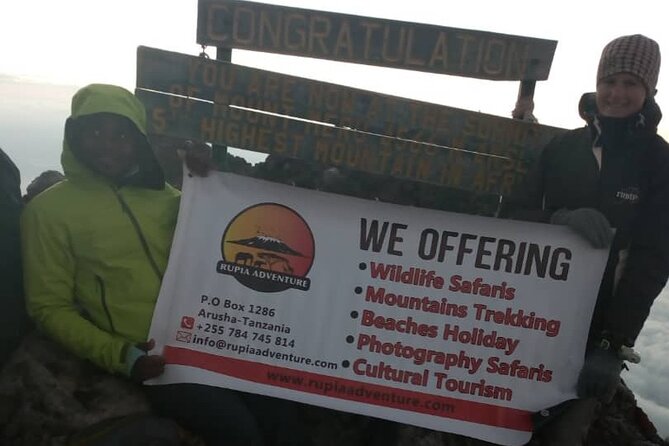
The first two days range from easy to medium depending on your experience, but the summit day is a different task. The route becomes steep, rocky, loose, and cold, and the early start adds another challenge.
You do not need to be a professional mountaineer. One first-time mountain hiker reached the summit with patient guides, and another group completed the trek with 11-year-old twins under professional supervision. Those examples do not make the route easy for everyone, but they show that the crew can support a wide range of abilities.
You should still arrive ready to walk uphill for several hours. The itinerary is short, so there is not much spare time to recover from poor pacing or illness. One person became sick on Day 2 and could not summit, although completing Little Meru later was still possible.
The most useful approach is simple: walk slowly, drink regularly, rest before you feel exhausted, and tell your guide if you feel unwell. Reaching the top matters, but getting down safely matters more.
Guide quality and group atmosphere
The strongest part of this experience appears to be the mountain team. Guides such as Gideon, Emmanuel, Laurent, Maziku, and Frank are repeatedly praised for safety, patience, friendliness, and care.
That does not mean every communication detail will be perfect. English ability and pre-trip explanations were concerns for at least one person, especially around tipping. If a detail matters to you, ask for it in writing before the climb.
A small group can also make the team feel more personal. The stated maximum is four people, although one separate student group described a much larger organized outing. Confirm the size of your own departure, since group arrangements can affect pace, quiet time, and how much individual attention you receive.
Practical packing advice for this specific trek
Pack for several climates rather than one mountain. The route moves from warm lower areas into cool rainforest, then up through cold high ground and exposed volcanic terrain.
Bring:
- Warm layers for Saddle Hut and the night summit start
- A headlamp for the pre-dawn climb
- Reliable walking shoes with good grip
- Snacks for the summit morning
- Water and a way to carry it
- Rain protection for the forest section
- Gloves and a warm hat for the upper mountain
- Any personal medication and basic comfort items
The supplied information confirms that meals are included, but it does not state what snacks or drinks are provided during every section. Carrying a few familiar foods is sensible, especially if you have a restricted diet or tend to lose your appetite at altitude.
The mobile ticket and hotel pickup make the start straightforward. Confirmation is provided at booking, and most people can participate, but the summit day still calls for honest self-assessment.
Who should book this Mount Meru trek?
I would choose this trek if you want a demanding mountain experience with wildlife, changing vegetation, and a small organized group. It suits active people who value a guided route and prefer having park fees, food, transfers, and ranger support bundled into one price.
It is also a good choice if you want a shorter alternative to a longer Kilimanjaro itinerary. The sunrise view toward Kilimanjaro gives you a memorable connection to Tanzania’s better-known peak without making that mountain your main objective.
I would hesitate if you need comfortable accommodation, dislike night walking, or want a generous breakfast before a summit push. The huts are basic, and Day 3 is a proper test of endurance.
The experience receives a 4.8 rating from 55 ratings, with 95 percent recommending it. Those figures fit the strongest practical impression: the guides and food are the main assets, while hut comfort, summit nutrition, and tip communication deserve closer attention.
Should you book it?
Yes, if you want a well-supported four-day climb and understand that the final ascent will be tough. The combination of wildlife, forest, volcanic terrain, crater views, and Kilimanjaro at sunrise gives you a lot for the time and price.
Before paying, confirm the third-night sleeping arrangement, what equipment is supplied, the summit breakfast plan, and the tipping policy. If the answers are clear and you are prepared for cold basic huts and a pre-dawn climb, Rupia Adventure’s Mount Meru trek looks like a strong choice for an active visit to Arusha.
FAQ
Where does the Mount Meru trek start?
The experience begins with pickup from your hotel in Arusha at about 9:00 a.m. You are driven through Arusha National Park to Momella Gate, where the trek starts after park formalities.
How long is the Mount Meru trek?
The trek lasts four days, with walking times listed at about four hours on Day 1, two to three hours on Day 4, and about four to five hours for the climb from Rhino Point to Socialist Peak.
What is included in the price?
The $1,000 price includes hotel transfer, park fees, meals, hut accommodation, guide support, porters, and an armed park ranger.
Is a park ranger included?
Yes. An armed park ranger accompanies the group from the start of the route, including the lower sections where giraffes, buffaloes, elephants, and monkeys may be seen.
What is the highest point reached?
The summit is Socialist Peak at 4,566 meters. From there, you can see Mount Kilimanjaro at sunrise and look into Mount Meru’s crater and central ash cone.
How many people can join the tour?
The stated maximum is four people. If group size is important to you, confirm the arrangement for your departure before booking.
Can I cancel for a full refund?
You can cancel at least 24 hours before the experience starts for a full refund. Cancellations or changes made less than 24 hours before the start are not accepted for a refund. If poor weather or insufficient numbers cause the operator to cancel, you are offered another date, another experience, or a full refund.
More Four-Day Trips around Tanzania
- Pokhara: 4-Day Ghorepani, Poonhill & Ghandruk Mountain Trek
★ 5.0 · 132 reviews - 4 Day Wild Tasmania Tour / Wildlife, Nature, Hiking / Inc. Accom
★ 5.0 · 126 reviews - 4 Days Poon Hill Trek
★ 5.0 · 94 reviews - Choquequirao Trek 4 days and 3 nights
★ 5.0 · 81 reviews
Just added around Tanzania
- From Arusha/Moshi: Kilimanjaro Hike Marangu Route Day Trip★ 4.5 · 54 reviews
- Kilimanjaro 7 Day Private Trekking Experience★ 5.0 · 40 reviews
- Full Day Private Hiking Tour to Kilimanjaro Mountain★ 5.0 · 22 reviews
- Mount Kilimanjaro Day Hike Through Marangu Route to Mandara Hut★ 5.0 · 37 reviews
- Mount Kilimanjaro Day Hike★ 4.5 · 23 reviews
- Private Kilimanjaro Hike 7 Day Lemosho Route★ 5.0 · 60 reviews
- Best Kilimanjaro hiking day trip tour with Kilinge Adventures★ 4.5 · 54 reviews
- Best Kilimanjaro Adventure 7 days Machame route Trekking★ 5.0 · 42 reviews
Arusha Hiking Tours, compared.
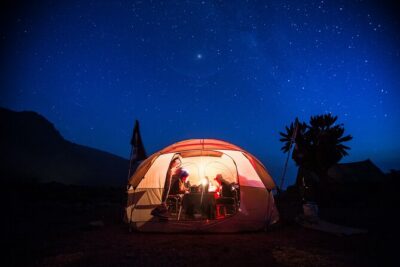
8-Day Small-group Lemosho Kilimanjaro Summit Trekking
Read our review →
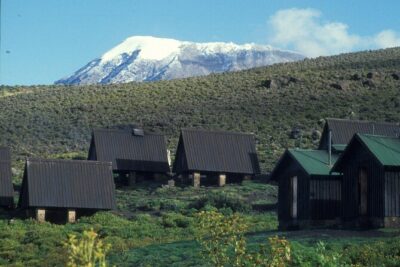
Private Full Day Hiking Experience to Marangu Route
Read our review →
From Arusha/Moshi: Kilimanjaro Hike Marangu Route Day Trip
Read our review →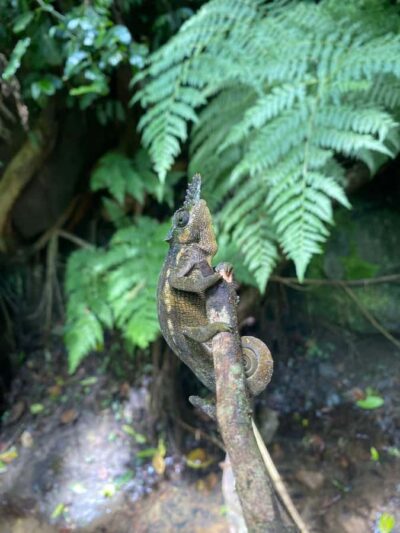
Mount Kilimanjaro Day Hike Through Marangu Route to Mandara Hut
Read our review →
Browse the lists this tour appears in