
REVIEW · NEW ZEALAND HIKING TOURS
Tongariro Alpine Crossing: Premium Guided Hike
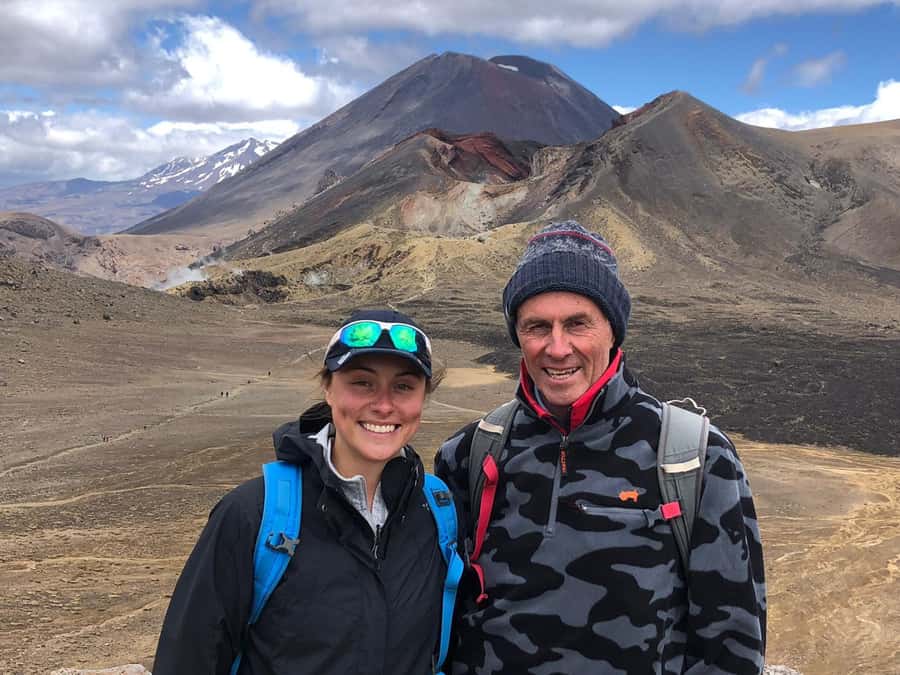
Volcanic drama starts with every uphill step. Adrift Tongariro’s guided crossing gives you a close look at red craters, mineral-stained lakes, native bush, and the twin peaks of Mt. Ngauruhoe and Mt. Tongariro. I like the escape from the busiest paths, and I like having a guide who can read fast-changing alpine weather. The main catch is simple: the full crossing is never guaranteed, and this is a hard walk, not a casual day out.
I also like the practical help built into the $254 price, including transport from the Adrift base, a guide, and up to $60 of clothing and footwear hire. Guides such as Kayla, Ty, Stu, Hiro, Hannah, and Kenny have been praised for encouragement, local knowledge, and calm handling of problems. Still, you need decent fitness, proper layers, and patience if weather or group pace changes the plan.
Key points at a glance
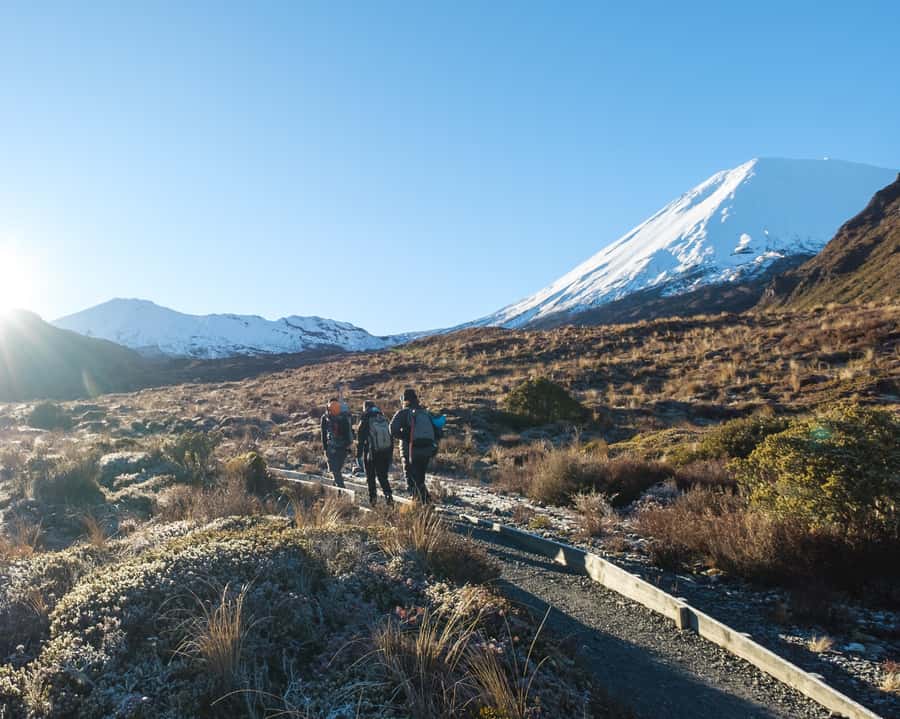
- Eight hours on volcanic ground: The walk includes steep sections, loose volcanic rock, exposed ridges, crater country, and a long descent.
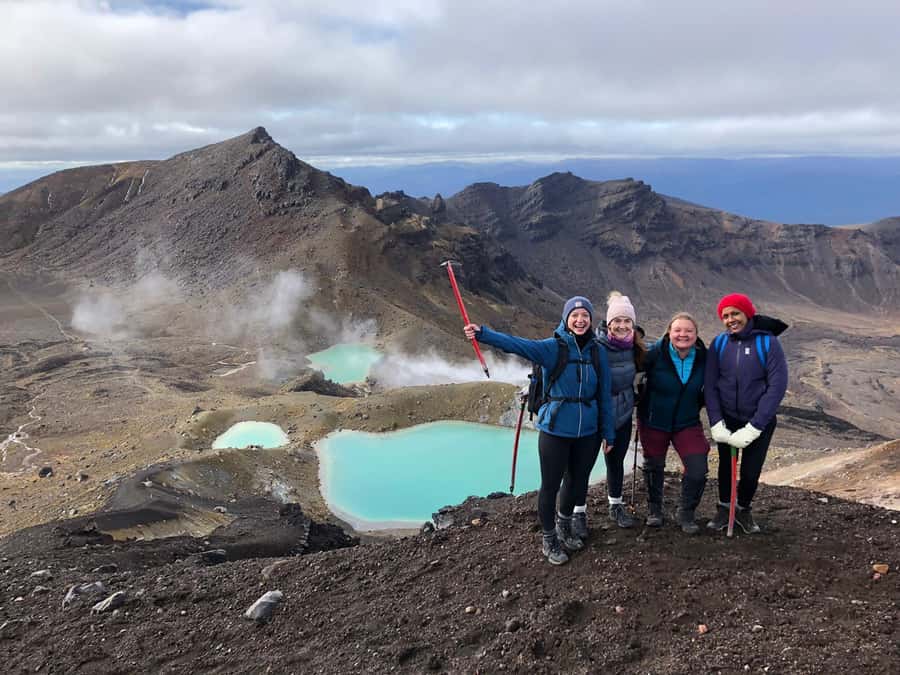
- Red Crater and Emerald Lakes: These are the visual high points, with bright mineral colors shaped by volcanic deposits.
- Weather controls the route: Wind, snow, ice, avalanche risk, and hypothermia concerns can change the day or prevent you reaching the Ketetahi end.
- Winter gear is available: Crampons and ice axes are supplied when conditions require them, with clothing and footwear hire also available.
- Guiding adds real value: The guides set the pace, explain the volcanic setting, help with fatigue, and handle route decisions.
- You need a packed lunch: Food is not included, and you should carry 1 to 2 liters of water.
Why this crossing feels unlike an ordinary day hike
The Tongariro Alpine Crossing is a walk through a volcanic world. You are not simply following a path between viewpoints. The ground changes color, shape, and texture as you move through old craters, rough lava, mountain springs, and mineral deposits.
Mt. Ngauruhoe and Mt. Tongariro give the route its dramatic frame, with Mt. Ruapehu adding another grand volcanic presence nearby. Lord of the Rings fans may recognize the scenery used as inspiration for Mordor and Mt. Doom, though the real appeal is more direct: this is a raw, active-looking part of New Zealand where the earth still feels close to the surface.
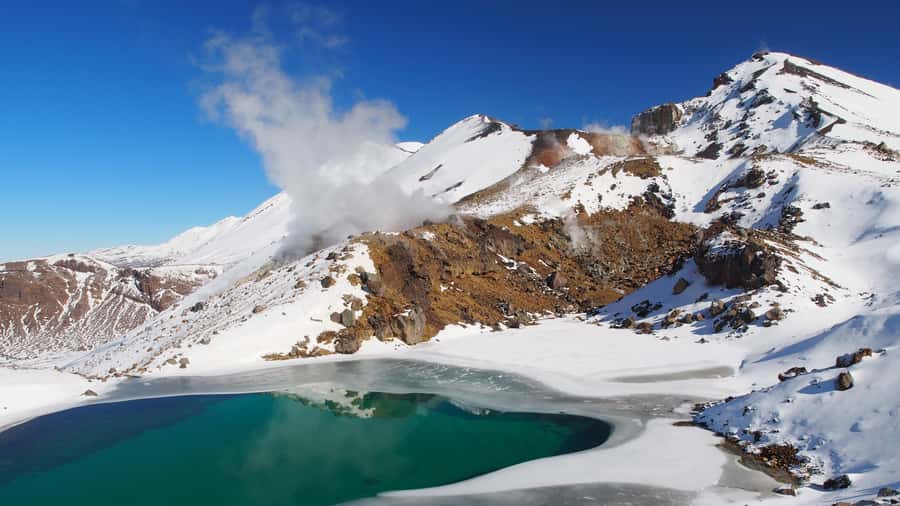
In summer, you can expect exposed volcanic terrain, strong sun, and sharp shifts in weather. Sulphur, aluminium, silica, and other minerals create much of the color around the craters and lakes. In winter, snow changes the whole character of the route. You get a quieter, white-covered setting, but you also face ice, wind, colder temperatures, and a greater need for proper equipment.
The guide matters because the crossing is not one fixed experience. A clear summer day can offer wide views and bright lakes. A wet, windy, or snowy day can turn the same route into a demanding alpine outing with limited visibility. Your guide decides how to balance the planned route with safety.
More Guided Day Hikes in New Zealand:
- Queen Charlotte Track: Cruise & Self-Guided Hike from Picton
★ 4.8 · 383 reviews - From Marrakech: Ouzoud Waterfalls Guided Hike and Boat Trip
★ 4.7 · 33,630 reviews - Berber villages : Atlas Mountains Day Hike from Marrakech
★ 5.0 · 14,007 reviews
Starting at 53 Carroll Street in National Park
The day begins at the Adrift Tongariro base and shop at 53 Carroll Street, National Park. From there, the van ride to the walking area takes about 25 minutes. That transfer is short, but it removes a transport headache and lets you begin the day with the operator rather than trying to coordinate your own drop-off.
The total experience lasts about nine hours, including the two van journeys. The walk itself is scheduled for about eight hours. That is a long day on your feet, so arrive ready to eat, drink, layer clothing, and manage your own energy.
The $254 price is easiest to judge when you look at what it replaces. You are paying for a live English-speaking guide, transport between the base and activity, safety decisions in changing conditions, winter equipment when needed, and up to $60 of clothing and footwear hire. Lunch is not included, and transfers from Taupo CBD, Turangi, or Whakapapa Village cost extra, with a minimum of two people for those added transfers.
For a confident hiker who already has the gear and knows the route, a guided trip may feel costly. For you, if this is your only chance to see Tongariro and you lack alpine experience, the support can be worth the premium. The guide is not just pointing out scenery. The guide can adjust the pace, explain what you are seeing, and help when fatigue, cramps, sickness, or sudden weather become serious concerns.
Into the bush and toward the volcanic zone
The crossing begins with native bush before opening into more exposed country. This early section gives your body a chance to warm up and offers a useful contrast with the stark volcanic terrain ahead.
Do not treat the first part as a gentle stroll. You still have a long day ahead, and going too hard early can make the upper sections much tougher. A sensible guide will help set a steady rhythm, with pauses for water and rest when needed.
The native bush is also part of what makes this experience feel complete. You are not only walking across bare rock. The route moves between plant life, mountain springs, and open volcanic ground, showing how different parts of the Tongariro setting fit together.
The exact route can vary. Adrift advertises alternative paths that let you avoid some of the busiest sections while still reaching the major sights when conditions allow. That is a useful benefit on a popular walk, though the quieter option may not always be available if weather or safety limits your choices.
Craters, loose rock, and the serious climb
As you leave the bush, the walk becomes more exposed and more demanding. Volcanic craters appear in different colors and forms, reflecting eruptions and activity from different periods. The scenery is unusual, but the footing can be rough, and loose rock makes the climb and descent tiring.
This is where a reasonable fitness level becomes important. You do not need previous alpine experience, and the operator provides training and instruction on the day. You do need to be comfortable walking uphill for a sustained period, then continuing across exposed ground and descending for hours afterward.
One first-time hiker described the descent as especially difficult. Another needed help with quad cramps and benefited from electrolyte gels, sugar gummies, and advice on changing stride. That is a good reason to bring your own food and not wait until you feel weak before eating.
The guides have also helped people who became ill or could not continue. In one case, a guide arranged a vehicle pickup and made sure the hiker returned safely to accommodation. That kind of practical care is a strong argument for choosing a guided crossing if you are unsure how your body will respond.
More Guided Tours around New Zealand:
- Rotorua Hiking: Mt Tarawera Guided Volcanic Crater Experience
★ 5.0 · 283 reviews - Volcanic Valley Self Guided Walking and Hiking at Waimangu
★ 4.5 · 248 reviews - Bali: Sunrise Mount Batur Guided Hike with Breakfast
★ 4.8 · 9,660 reviews - Bali: Mount Batur Sunrise Guided Hike and Natural Hot Spring
★ 4.8 · 9,284 reviews
Red Crater and the high point of the day
Red Crater is one of the route’s defining sights. Its color comes from the volcanic material and minerals in the ground, and it gives the walk a stronger sense of scale than the earlier sections.
The high country is exposed, so conditions can change quickly. Strong wind may affect whether you can cross certain sections or continue toward the next part of the route. A clear view can appear only briefly, as one hiker discovered when cloud lifted at the summit and revealed the surrounding mountains.
You may see Mt. Ngauruhoe, Mt. Tongariro, and Mt. Ruapehu from changing angles as you move through the route. Views are not guaranteed, particularly in cloud, snow, or heavy rain. Even in poor weather, the craters remain striking, but you should not book this expecting a postcard view every minute.
If the weather is unstable, reaching the highest points may involve a firm pace and fewer long breaks. One group completed the crossing in just over six hours while trying to get ahead of an approaching blizzard. That made for a memorable day, but also a wet and exhausting one. A safer, slower approach may mean turning back or changing the route.
Emerald Lakes, Blue Lake, and the reward of color
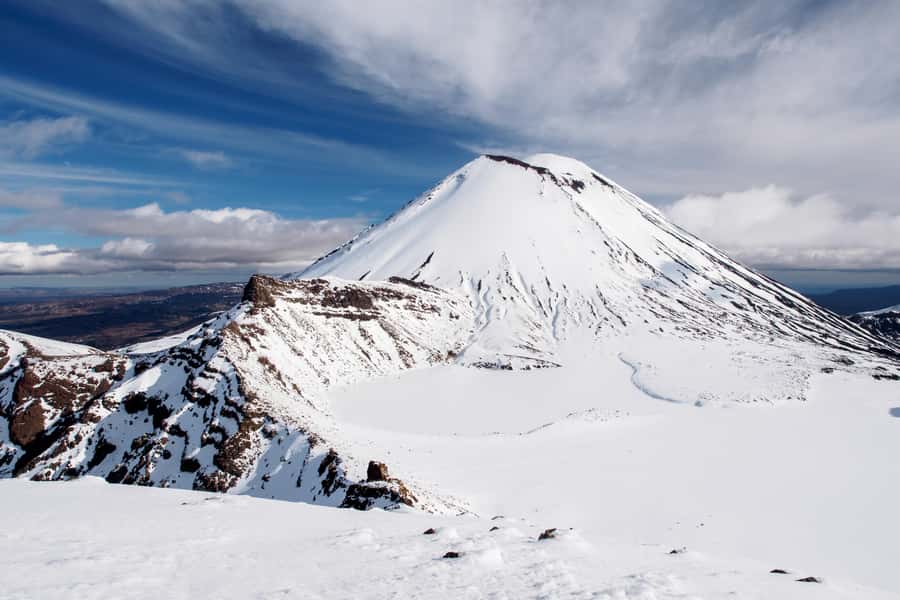
The Emerald Lakes are the most famous visual reward on the crossing. Their bright color comes from the minerals in the volcanic setting, and the contrast with dark rock and red crater walls is powerful.
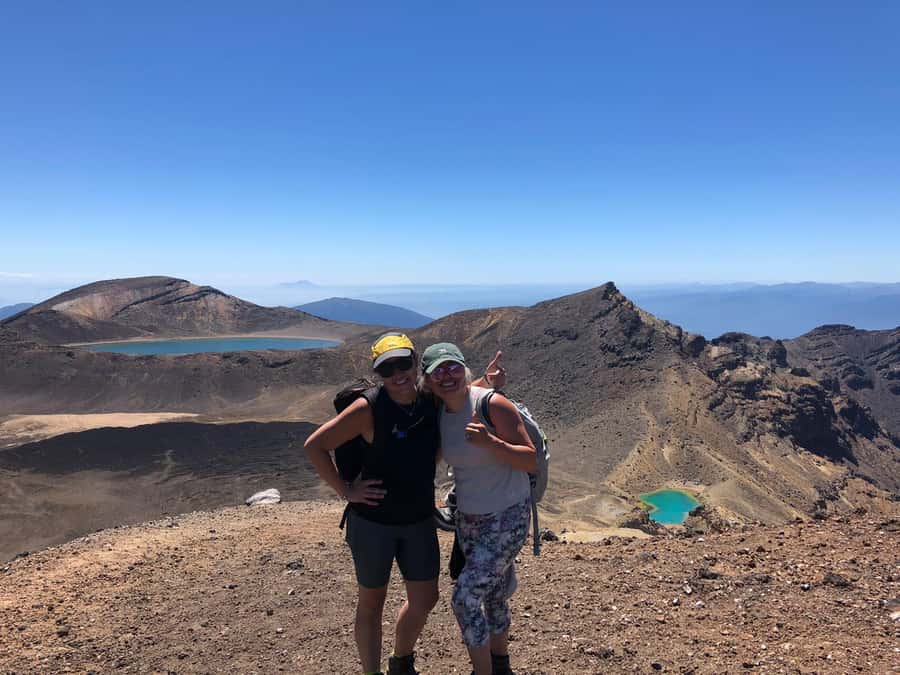
Blue Lake offers another change in tone. Together, the lakes give you a clear reason to keep moving through the harder upper sections. They are not simply scenic stops. They show how water, volcanic material, and mineral deposits create very different colors within a small area.
Wind can be severe near exposed sections, and crossing every part of the route depends on the conditions that day. Do not assume that seeing the lakes means you will automatically complete the entire crossing. A guide may decide that safety requires a shorter route, a return along the same way, or a different exit.
This is one of the most important points to understand before booking. The experience is about exploring Tongariro responsibly, not collecting a finish-line achievement at any cost.
The descent and the uncertain Ketetahi finish
The long descent is where tired legs begin to matter. You have already climbed, crossed exposed volcanic ground, and spent hours in changing weather. Descending on uneven terrain can be hard on knees and quads, even if you felt strong earlier.
The Ketetahi end is not guaranteed. Weather, avalanche risk, ice, wind, and hypothermia concerns all affect the final route. Group pace can also matter. If some people are moving slowly, the guide may need to modify the walk so everyone stays safe.
That can disappoint you if completing the full crossing is your main goal. A private arrangement may be worth asking about if you need more control over pace, but the supplied details do not promise a private route or guaranteed finish. The best mindset is to judge the day by the quality of the experience and the safety of the decisions, not only by whether you reached the planned exit.
Once the walk ends, the van returns you to 53 Carroll Street in about 25 minutes. Expect tired legs. Several people found the next day physically noticeable, which is normal after an eight-hour alpine hike.
Summer and winter require different preparation
Summer is not automatically easy. Bring 1 to 2 liters of water, sunscreen, sunglasses, a sun hat, hiking shoes or boots, walking trousers, a light top, two warm layers, and a waterproof raincoat. Breathable and quick-dry clothing will help when conditions shift.
Winter needs more serious preparation. Bring hiking boots, thermal layers, walking trousers or over-trousers, three warm upper layers, a waterproof raincoat, warm hat, and gloves. Crampons and ice axes are supplied if conditions call for them, but you still need suitable clothing and footwear.
Personal equipment can be hired at Adrift Tongariro, and the price includes up to $60 of clothing and footwear hire. Confirm what you need before setting out rather than hoping ordinary trainers will manage snow, ice, or loose rock.
You also need a packed lunch and snacks. Food is not included. Carry personal medication, insect repellent, and any food that helps you maintain energy. If you feel unwell, crampy, or unable to continue, tell the guide early. Waiting until you are in trouble makes the day harder for everyone.
What the guides add to the day
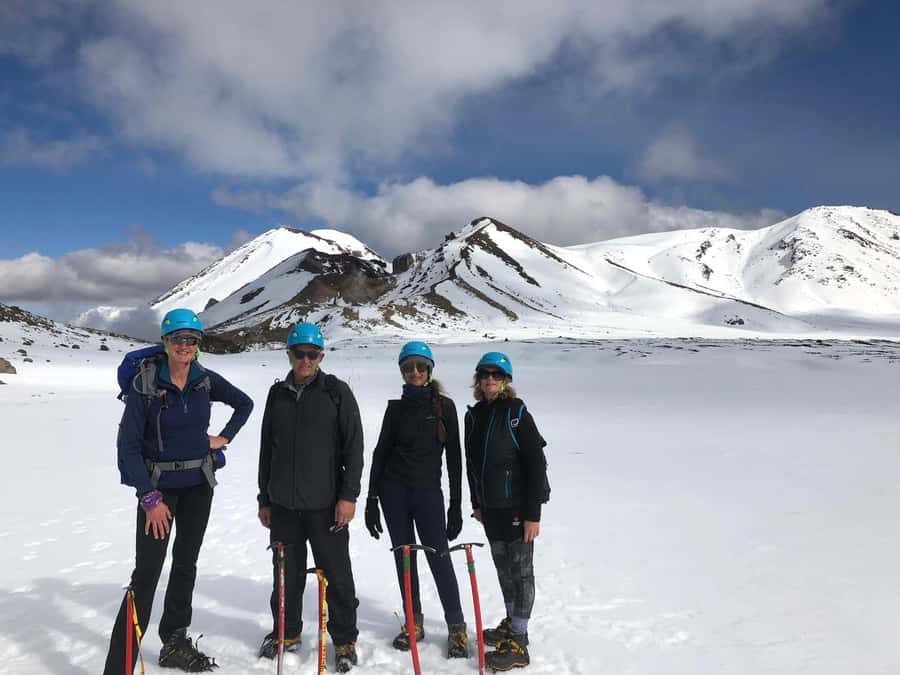
The strongest part of this experience is the human support. Guides have been praised for setting a comfortable pace, offering facts and stories, explaining Māori culture, handing out practical food or electrolytes, and keeping people calm in difficult conditions.
Ty, for example, brought Māori cultural knowledge into the day. Stu was praised for motivation and clear information. Hiro helped less confident hikers stay with the group, while Hannah was attentive to safety throughout the crossing. Kenny brought extensive rescue experience to a difficult weather day, although even strong guiding could not make soaked clothing and snow comfortable.
That last point matters. A guide can improve your decisions and safety, but cannot control the weather or remove the physical challenge. You should choose this trip for expert support, not for a promise of effortless success.
The experience accepts individual and group bookings. If you are alone, you can still book, as the operator generally meets its minimum numbers, especially on good-weather days. If you are concerned about fitness, speak with the guide before starting. There may be route options they can discuss with you.
Is $254 good value?
At $254 per person, this sits in the premium range for a one-day walk. The value depends on your starting point.
I think it is a fair price if you need transport, winter equipment, clothing help, and a guide who can make decisions in an exposed volcanic area. It is also good value if this is your only opportunity to experience Tongariro and you would not feel confident managing the route alone.
The price is less compelling if you already have full equipment, know the trail well, and are comfortable judging mountain weather. You still need to account for lunch, snacks, and any transfer from Taupo, Turangi, or Whakapapa Village.
Free cancellation is available up to 14 days in advance for a full refund. That gives you some protection while planning, but it does not remove the need to check the weather and confirm the day’s exact arrangements.
Who should book this guided hike?
Book it if you want the major Tongariro sights with someone handling route choices, group safety, and practical support. It suits fit adults and children aged 12 or older who can manage a long, strenuous day outdoors.
It is especially helpful for first-time alpine hikers, solo visitors, people without winter equipment, and anyone nervous about changing weather. The guide can teach you what to do, but you still need to arrive prepared.
Think carefully if you dislike exposed ridges, long descents, uncertain plans, or strenuous walking. You should also reconsider if your main aim is a guaranteed full crossing. The Ketetahi end may not be reached, and poor conditions can turn the day into a shortened or modified route.
Should you book Adrift Tongariro?
I would book this guided hike if you want to see Red Crater, Emerald Lakes, Blue Lake, and the volcanic country without carrying the full responsibility for route finding and mountain decisions. The guide support is the real value, especially when wind, snow, fatigue, or illness changes the plan.
I would not book it expecting an easy sightseeing outing or a guaranteed finish. Bring food, water, warm layers, rain protection, and realistic fitness. If you accept that the mountain gets the final say, this can become one of the strongest experiences of a New Zealand trip.
FAQ
How long does the Tongariro Alpine Crossing experience last?
The full experience lasts about nine hours. This includes roughly 25 minutes by van each way and about eight hours of guided walking.
Where does the tour start?
You meet at Adrift Tongariro Base and Shop, 53 Carroll Street, National Park 3948, New Zealand.
Is lunch included?
No. You need to bring a packed lunch, snacks, and 1 to 2 liters of water.
Do I need alpine experience?
No alpine experience is required. The guides provide training and instruction on the day, but you do need a reasonable fitness level.
Are winter crampons and ice axes supplied?
Yes. Adrift Tongariro supplies crampons and ice axes when winter conditions require them. Clothing and footwear can also be hired at the base, with up to $60 of hire included.
Can I be picked up from Taupo, Turangi, or Whakapapa Village?
Return transfers from Taupo CBD, Turangi, and Whakapapa Village are available for an extra charge. The transfer service requires a minimum of two people.
Just added around New Zealand
- Cardrona Valley: Horse Trekking Experience★ 5.0 · 12 reviews
- Abel Tasman National Park: Cruise, Kayak, & Hike Tour★ 5.0 · 9 reviews
- Queenstown: Walter Peak Horse Trek & Queenstown Lake Cruise★ 4.7 · 151 reviews
- Bay of Islands Cruise & Island Tour – Snorkel, Hike,Swim,Wildlife★ 5.0 · 177 reviews
- Rubicon Valley Horse Treks – 2 Hour River Trail Horse Trek★ 5.0 · 196 reviews
- Volcanic Valley Self Guided Walking and Hiking at Waimangu★ 4.5 · 248 reviews
- Mount Cook: 3 Hour Heli Hike to the Tasman Glacier★ 4.7 · 218 reviews
- Mount Cook: 3-Hour Tasman Glacier Helicopter Ride and Hike★ 4.9 · 235 reviews
New Zealand Hiking Tours, compared.
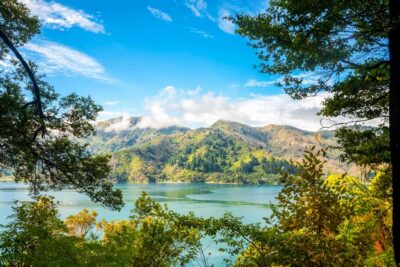
Queen Charlotte Track: Cruise & Self-Guided Hike from Picton
Read our review →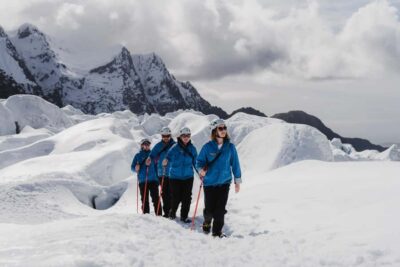
Franz Josef: 2.5 Hour Glacier Hike with Helicopter Transfer
Read our review →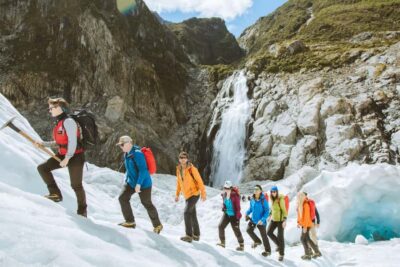
Fox Glacier: Up to 3 Hours Hike with Helicopter Transfer
Read our review →
Rotorua Hiking: Mt Tarawera Guided Volcanic Crater Experience
Read our review →
Cardrona High Country Pub Trail Horse Trek (Intermediate level+)
Read our review →
Volcanic Valley Self Guided Walking and Hiking at Waimangu
Read our review →Browse the lists this tour appears in