
REVIEW · RIO DE JANEIRO HIKING TOURS
Rio De Janeiro: SUGARLOAF MOUNTAIN HIKE & CLIMB
Trade the cable car for hands-on adventure. This four-hour Sugarloaf Mountain climb gives you close-up nature, steep rock, and huge views for $60, with certified guide André leading the way. I like the small groups, capped at five people, and I like that you need no previous climbing experience. The main drawback is clear: this is a hard, exposed outing, not a gentle sightseeing walk.
You begin in Urca and follow a narrow trail through the reserve before reaching a roughly 20-meter vertical rock section. André’s calm, safety-first style receives nearly universal praise, but you still need good fitness, grippy sports shoes, and a comfortable head for heights. If steep ground makes you freeze, the climb may feel tougher than the cheerful description suggests.
Key points before you book
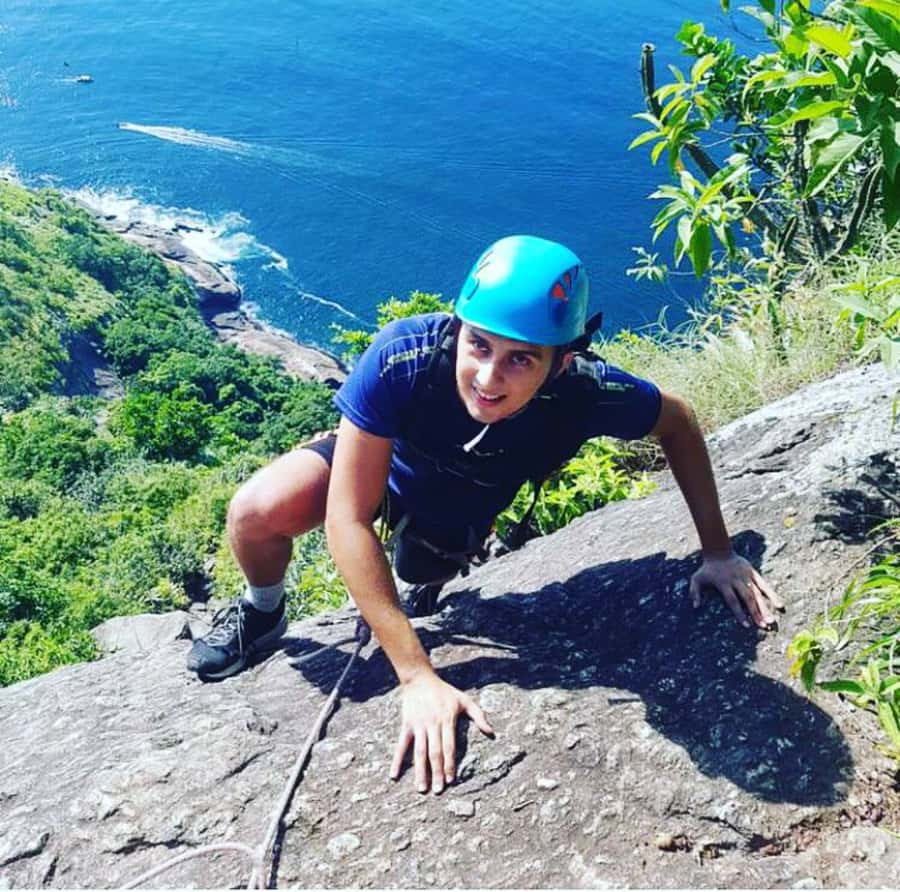
- A real route to Sugarloaf’s summit: You hike through Urca, pass tropical plants and rocky sections, then use climbing equipment on a 20-meter wall.
- No climbing background required: André gives hands-on guidance with foot and hand placement, rope work, and pacing.
- Small groups matter: With no more than five participants, the guide can give personal help on difficult sections.
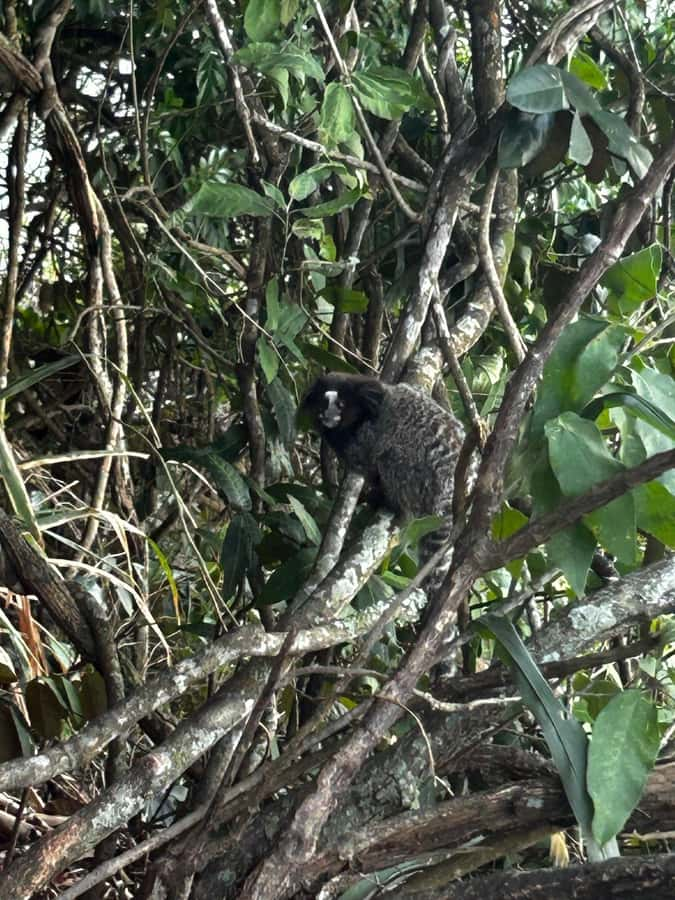
- Expect monkeys and open-air views: The route passes through nature, with chances to see small monkeys before the summit panoramas.
- The return may involve a cable car: The cable-car ticket is not listed as included, though André has sometimes covered the first ride down with his guide pass.
- Fitness is not optional: This is a four-hour hike and climb, with steep and slippery sections that can feel demanding before you reach the rope section.
Why this beats a simple cable-car ride
Sugarloaf is famous for its cable car, and that is the easy answer. You ride upward, take your photographs, enjoy the views, and ride back down. This experience takes the long way, using your legs and a rope instead of simply stepping onto a platform.
I like that difference. The route gives you a sense of the mountain as rock, forest, heat, and effort. You are not only looking at Sugarloaf from above. You are moving through its lower paths, working across rocky ground, and earning the final view.
That said, the extra effort is the point, so do not book this as a scenic walk with a small climbing add-on. Some sections are steep well before the main wall. One participant found the 20-meter climb manageable only with major help after arriving tired from the approach. That is useful warning: the hardest part may not be the rope section itself. Your legs can already be working hard by then.
The price is $60 per person. For a four-hour private-feeling outdoor experience, certified equipment, and a small group, I consider that a fair price, especially if you want an active way to see Sugarloaf. It is less attractive if you only want summit photographs or if your fitness is low. A cable-car visit will be simpler and less tiring.
More Mountain and Summit Hikes in Rio De Janeiro:
- Rio de Janeiro: Dois Irmãos Peak Sunrise, Day or Sunset Hike
★ 4.7 · 94 reviews - Rio de Janeiro: Tijuca Peak Guided Hike
★ 4.7 · 56 reviews - Rio de Janeiro: Sugarloaf Mountain Hike and Climb
★ 5.0 · 45 reviews
Starting in Urca at the foot of Sugarloaf
The experience begins with a short hike in Urca, at the base of the mountain. This first stretch lets you settle into the pace before the more demanding sections arrive.
The path moves through a nature reserve with tropical plants and rocky ground. It is not a polished urban promenade. You need to watch your feet, keep your balance, and stay aware of the person ahead of you. The route can feel slippery after rain, so shoes with a good grip are important even if the weather looks fine at the start.
Small monkeys may appear along the way. They are one of the pleasant surprises of the climb, though you should treat them as wild animals and keep your food packed away unless your guide tells you otherwise. The natural setting gives this outing more character than a direct ride to the top.
Guide André adds useful local context and encouragement as you go. His strongest quality is his calm manner. He explains what you need to do, gives you time to handle a difficult move, and does not appear to rush people simply to finish quickly. That matters when a rocky step looks much more intimidating from above than it did from below.
The rocky approach is harder than it looks
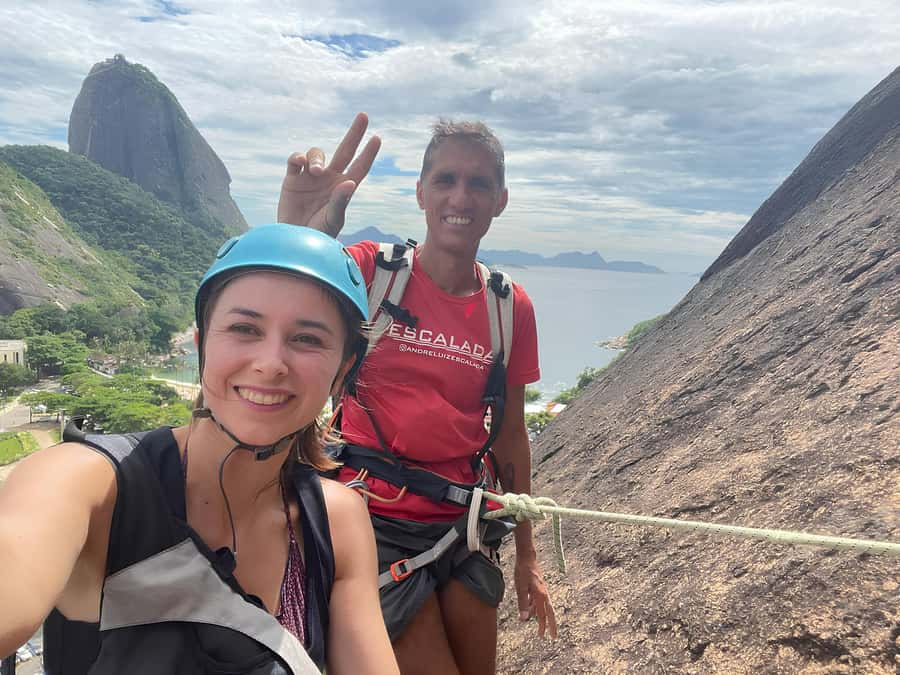
After the opening section, the path narrows and becomes more challenging. You pass over rocks and continue upward through the reserve, using your hands at times and choosing each step carefully.
The activity description is right to ask for a good level of fitness. You do not need the strength of a trained climber, but you should be comfortable with four hours of walking and climbing. You may sweat, tire, and need to pause. The route is active from the beginning, rather than saving all the work for one dramatic wall.
The steepness also changes the emotional side of the outing. A participant described continuing partly because going back seemed even less appealing. That is not a criticism of the guide. It is an honest reminder that a person who is nervous around heights may find the return and descent just as demanding as the climb up.
André’s support is especially valuable here. He can show you where to put your hands and feet, offer encouragement, and help you work through fear. Still, guidance does not remove the need for your own judgment. You should tell him early if you feel unsteady or anxious.
The 20-meter wall and the climbing equipment
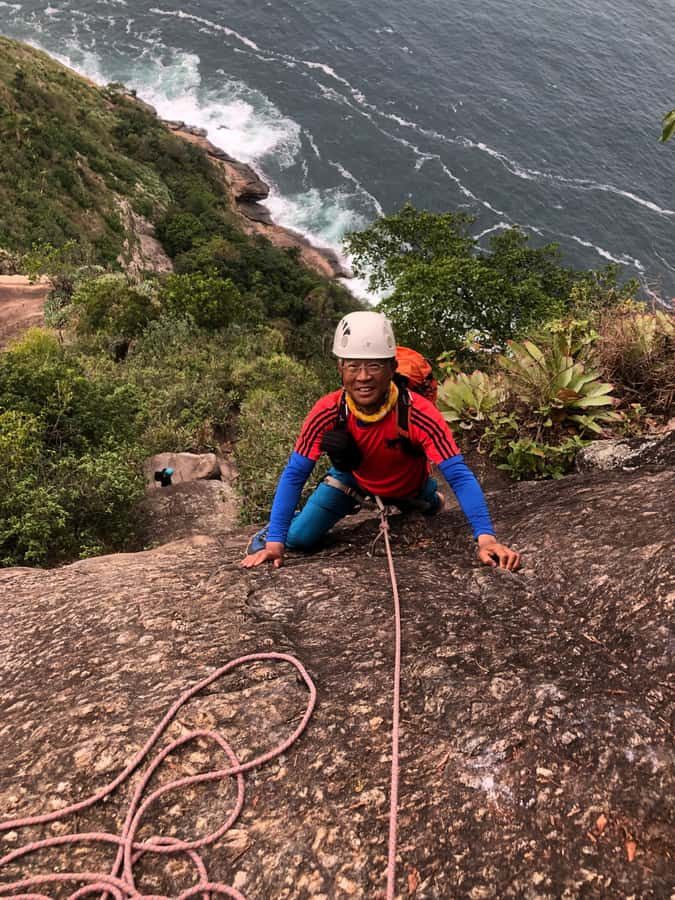
The main technical section is a vertical wall of about 20 meters. This is the moment when the outing changes from a steep hike into a proper climbing experience.
Certified climbing equipment is included. André, an experienced climbing instructor, handles the safety side and explains how to move. You do not need previous outdoor climbing experience. Several people with limited or no rock-climbing background found the rope section safe and manageable under his direction.
You should still picture the wall accurately. It is vertical, exposed, and physically tiring. The rope helps with safety and confidence, but it does not do all the work. You will need to use your arms and legs, follow instructions, and keep moving even when the rock feels awkward.
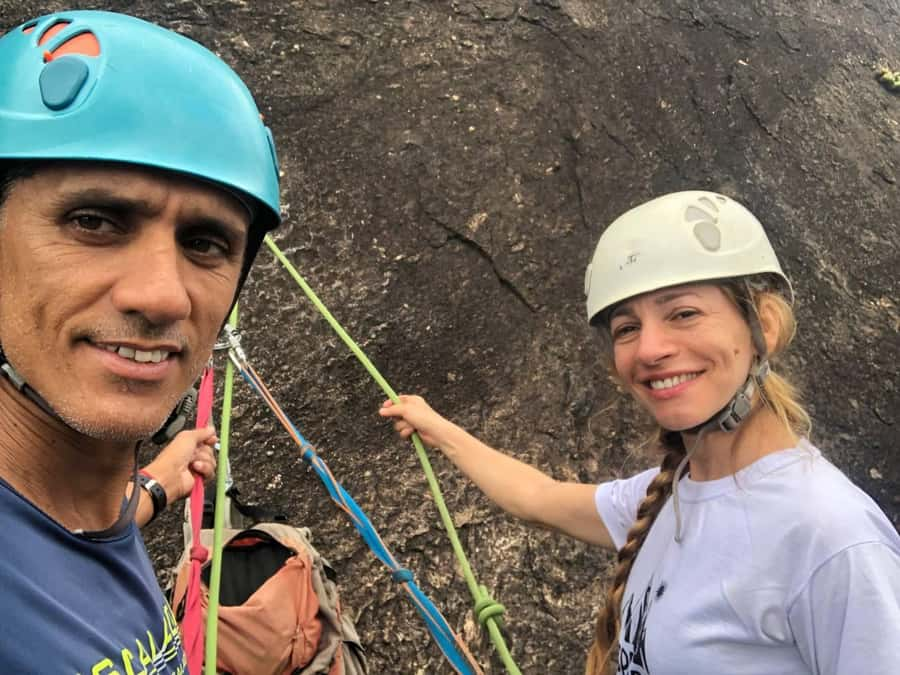
This is where the small group earns its value. A maximum of five people means André has a better chance to focus on each person. He can adjust the pace, give individual movement advice, and help someone who is hesitant. A larger group could make this feel less personal.
The guide’s style receives repeated praise for being patient, friendly, and serious about safety. That combination is exactly what you want in a climbing instructor. You do not need a guide who treats fear as a joke, but you also do not want one who makes every move feel grim. André appears to keep the mood light while remaining careful.
A few more hikes around Rio De Janeiro worth a look
- Rio: Tijuca Forest Small Group Hike to Caves and Waterfalls
★ 4.9 · 536 reviews - Pedra do Telégrafo Hike and Beach Full-Day Tour
★ 4.5 · 417 reviews - Rio de Janeiro: Pedra da Gávea 7-Hour Hike
★ 4.7 · 183 reviews - Rio de Janeiro: Tijuca Forest Challenge Hike Full-Day Trip
★ 4.9 · 163 reviews
Reaching the summit and the views over Rio
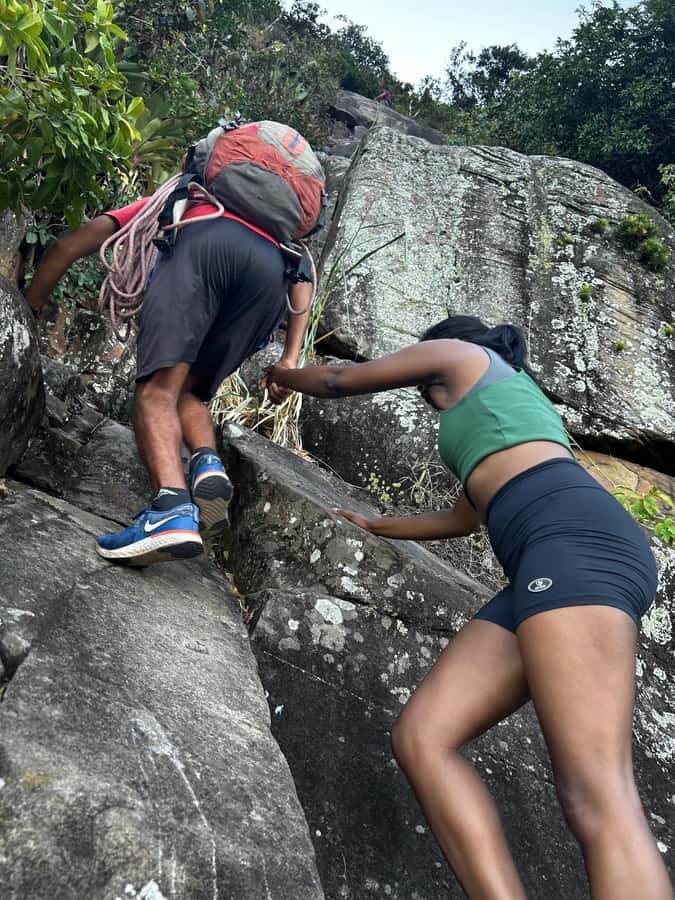
Once you clear the wall, there are still a few meters to go. Do not imagine that the technical climb marks the instant finish. You continue upward before reaching the summit area.
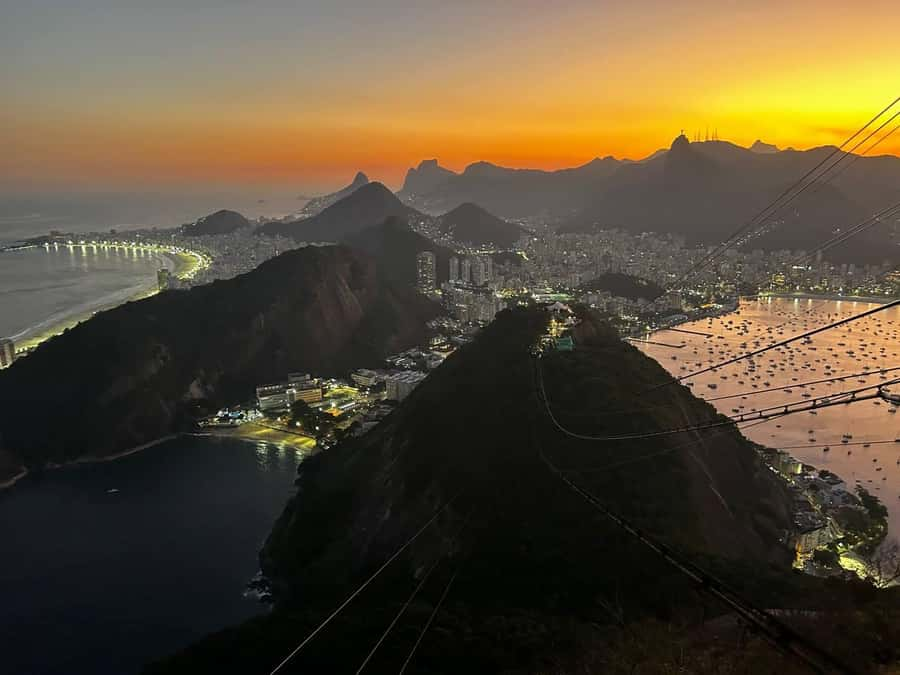
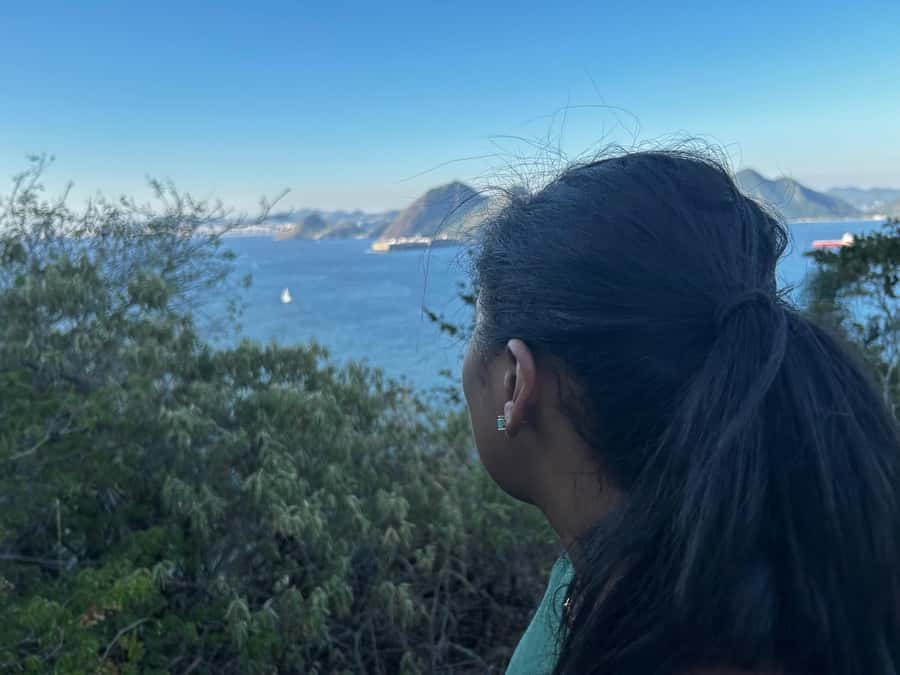
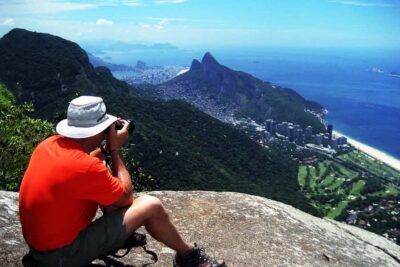
The reward is a broad view toward Copacabana and Guanabara Bay. The setting gives you the famous Rio panorama from a much more personal angle because you have arrived by foot and rope rather than by car or cable car.
Early timing can improve the experience. Some outings have reached the top before larger crowds arrived, leaving more room for photographs and a quieter moment at the summit. The start time is arranged with André rather than always fixed at 7 a.m., so contact with him is useful when planning your morning.
Weather matters a great deal. Rain can make the rock slippery and alter the safety decision. One outing was rescheduled because of poor weather, while another went ahead after overnight rain because the rock had dried enough to climb without serious risk. André does not promise perfect conditions. That is a good sign. A responsible guide should assess the surface rather than force the plan.
Views are never guaranteed in Rio. Clouds, rain, or haze can reduce the panorama. Even so, the hike has value beyond the final photograph because the route itself passes through nature and includes the climbing challenge.
The descent and the cable-car question
The return needs a little clarification. The experience includes the guided hike and climb, but the cable-car ticket is listed as an extra in case you do not want to walk back down.
In practice, André has sometimes used his guide pass to cover the first cable-car ride down to Morro da Urca. From there, the group walked roughly 20 to 25 minutes downhill to Praia Vermelha. You should confirm the current arrangement with him and should not assume that a separate passenger ticket is automatically included.
This hybrid return makes sense. After several hours on steep rock, a cable-car section can spare your knees and reduce the amount of downhill scrambling. If you prefer to walk, ask about the route and the condition of the trail. Downhill ground can be slippery, and tired legs often make careful footwork harder.
The activity may finish sooner than four hours for a quick, fit group. One outing took around two and a half to nearly three hours, while the advertised duration is four hours. Treat four hours as the safe planning figure, especially if you expect pauses, a larger small group, or slower movement on the rock.
What to wear and carry
Pack simply, but pack sensibly. You need sports shoes with firm grip, comfortable sportswear, sunglasses, sunscreen, food, and enough water.
Do not wear sandals or flip-flops. Light athletic clothing is a better choice than anything restrictive, and you should expect to sweat. A small energy snack is useful because the route requires sustained effort. Beverages and snacks are not supplied.
You also need to keep the setting in mind. This is an outdoor climb, so sun exposure can be strong even when the air feels pleasant. Apply sunscreen before you begin, and bring more if the outing is likely to run close to four hours.
Pets are not allowed, apart from assistance dogs. Alcohol and drugs are prohibited, which is especially important on steep rock and with climbing equipment.
Language, group size, and guide support
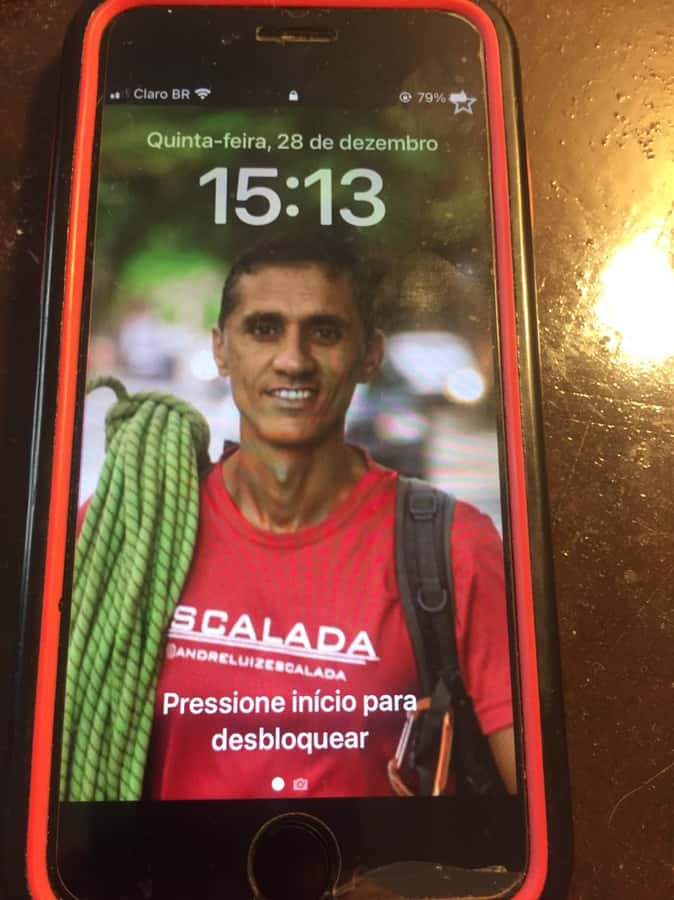
The activity is available in Portuguese, Spanish, and English. That gives international visitors a practical way to receive safety instructions and climbing advice in a language they understand.
The five-person limit is one of the best features. You avoid the slow, impersonal feel of a large excursion, and the instructor can watch how each person moves. If you are nervous, this individual attention is worth more than a few minutes saved.
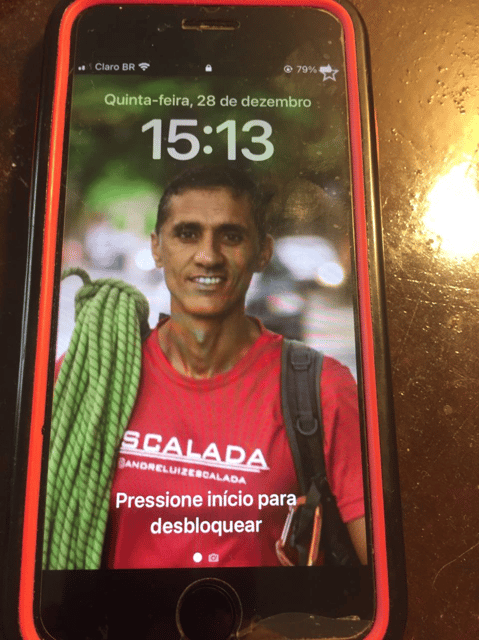
André is the named guide associated with the experience. His background as a certified climbing instructor is central to the outing. The strongest praise focuses on his professionalism, friendliness, patience, and ability to motivate people without making them feel pressured.
He also takes photographs during some climbs, giving you a record of the experience. Do not book solely for that, since photography is not listed as a formal inclusion, but it is a welcome bonus when it happens.
Who should book this climb?
I would recommend it to you if you:
- Exercise regularly and can handle four hours of steep walking.
- Enjoy heights or at least remain functional when exposed.
- Want a more active alternative to the cable car.
- Like small groups and personal instruction.
- Are willing to follow safety directions and accept weather-related changes.
- Want nature, monkeys, rock, and city views in one outing.
I would be cautious if you have low fitness, serious fear of heights, or difficulty walking on uneven ground. The activity is not suitable for children under 18, people with altitude sickness, or people with a low level of fitness.
No climbing experience is required, but that does not mean the activity is easy. The phrase to keep in mind is beginner-friendly, not effortless. You can learn the rope work during the outing, but you cannot skip the steep approach.
Is the $60 price good value?
At $60, the experience offers more than transport to a viewpoint. You are paying for a certified guide, climbing equipment, instruction, a small group, and several hours of active time.
I think the value is strong if this is the kind of memory you want from Rio. André’s personal support is a major part of the price. You are not simply following a marked path and hoping the difficult section goes well.
Budget separately for drinks and snacks. Also ask about the return cable car before you go, since the ticket is not clearly included in the stated price. The possibility that André covers the first ride down is helpful, but it should be confirmed rather than assumed.
Free cancellation up to 24 hours before the activity and reserve-now, pay-later terms add flexibility. They are useful here because rain can affect the route, though you should still communicate promptly if weather changes your plans.
Should you book the Sugarloaf climb?
Book it if you want to earn Rio’s famous view rather than simply collect it. The route is challenging, the scenery is excellent, and André’s calm instruction makes the technical section approachable for fit beginners.
Skip it if you want a relaxed half-day, dislike exposure, or are unsure you can manage steep ground. In that case, take the cable car and save your energy for another part of Rio.
For the right person, this is one of the city’s best active experiences: small-group attention, genuine rock climbing, nature, monkeys, and a summit view that feels deserved.
FAQ
Do I need previous climbing experience?
No. The activity is designed for people without climbing experience, and the guide provides instruction and support. You still need good fitness and a head for heights.
How long does the Sugarloaf hike and climb take?
The stated duration is four hours. Some outings have taken about two and a half to three hours, depending on pace, conditions, and the group.
How high is the main climbing section?
The biggest challenge is a vertical wall of about 20 meters. You use certified climbing equipment with help from the guide.
What languages does the guide speak?
Instruction is available in Portuguese, Spanish, and English.
Is the cable-car ride included?
The cable-car ticket is listed as not included. André has sometimes used his guide pass to cover the first ride down, so confirm the current arrangement before the activity.
What should I bring?
Bring sunglasses, sunscreen, food, drinks, comfortable sportswear, and sports shoes with good grip. Sandals and flip-flops are not allowed.
Just added around Rio De Janeiro
- Rio de Janeiro: Tijuca Peak Guided Hike★ 4.7 · 56 reviews
- Rio de Janeiro: Sugarloaf Mountain Hike and Climb★ 5.0 · 45 reviews
- Rio de Janeiro: Tijuca Forest Waterfall of Souls Hike★ 4.5 · 24 reviews
- Rio de Janeiro: Pedra do Telégrafo Trail Hike and Ocean View★ 5.0 · 30 reviews
- Rio de Janeiro: Pedra da Gávea – guided hike with best views★ 5.0 · 9 reviews
- Rio de Janeiro: Telegrafo Rock Hike with Optional Beach Stop★ 5.0 · 13 reviews
- Rio de Janeiro: Dois Irmãos Peak Sunrise, Day or Sunset Hike★ 4.7 · 94 reviews
- Rio de Janeiro: Christ the Redeemer Guided Hike★ 4.9 · 22 reviews
Rio De Janeiro Hiking Tours, compared.

Rio: Tijuca Forest Small Group Hike to Caves and Waterfalls
Read our review →
Pedra do Telégrafo Hike and Beach Full-Day Tour
Read our review →
Sunrise and Sunrise Walk Two Brothers with Local Guide
Read our review →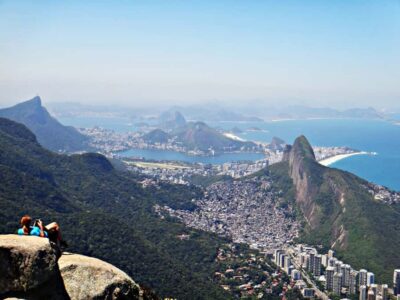
Rio de Janeiro: Tijuca Forest Challenge Hike Full-Day Trip
Read our review →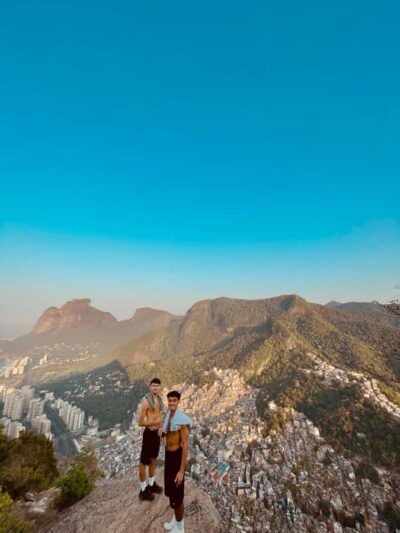
Rio de Janeiro: Dois Irmãos Peak Sunrise, Day or Sunset Hike
Read our review →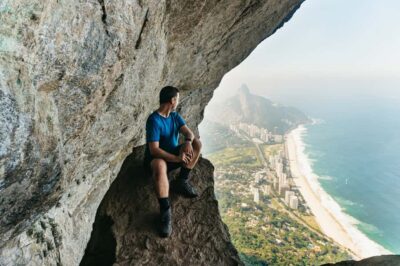
Rio: Tijuca National Park Small-Group Hike to Pedra Bonita
Read our review →Browse the lists this tour appears in