
REVIEW · THAILAND HIKING TOURS
Chiang Mai: Doi Inthanon and Elephant Sanctuary Tour & Hike
Thailand’s highest mountain shares the day with elephants. This Chiang Mai outing brings together a no-riding sanctuary and Doi Inthanon National Park, with waterfalls, forest trails, royal pagodas, and a Karen village visit. I like the respectful animal experience, where you feed elephants and watch them move freely, and I like the chance to see rural northern Thailand beyond the city. The catch is the length: with pickup, winding roads, and several stops, this can become a 12-hour day.
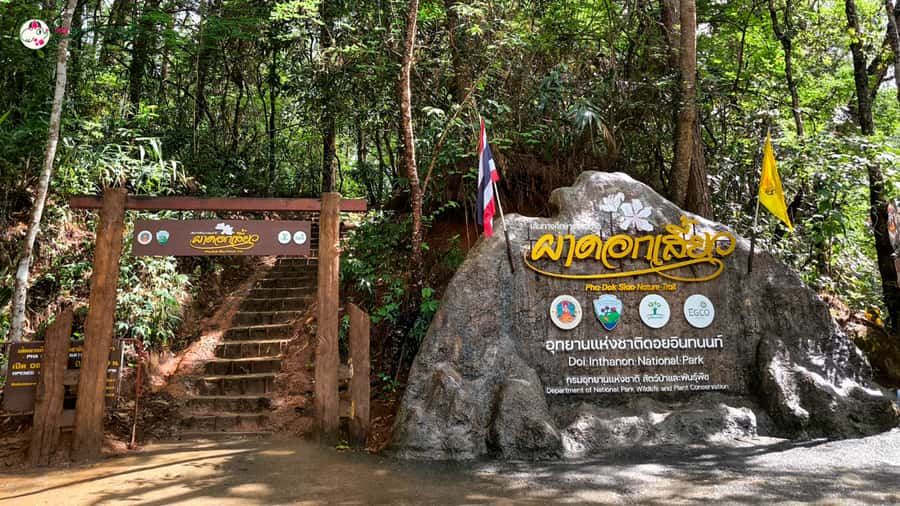
The Pha Dok Siew trail is a real walk, not just a roadside photo stop. Rain can turn it muddy and slippery, while the sanctuary requires a short switch from the air-conditioned van to a roofed 4×4 truck. Bring sturdy closed-toe shoes, insect repellent, and patience for a full schedule. Guide quality matters, and names praised in past trips include Jade, Chai, and Wan.
Key points to know before booking
- Elephants are not ridden: You feed them, observe them, and may help wash them in the river.
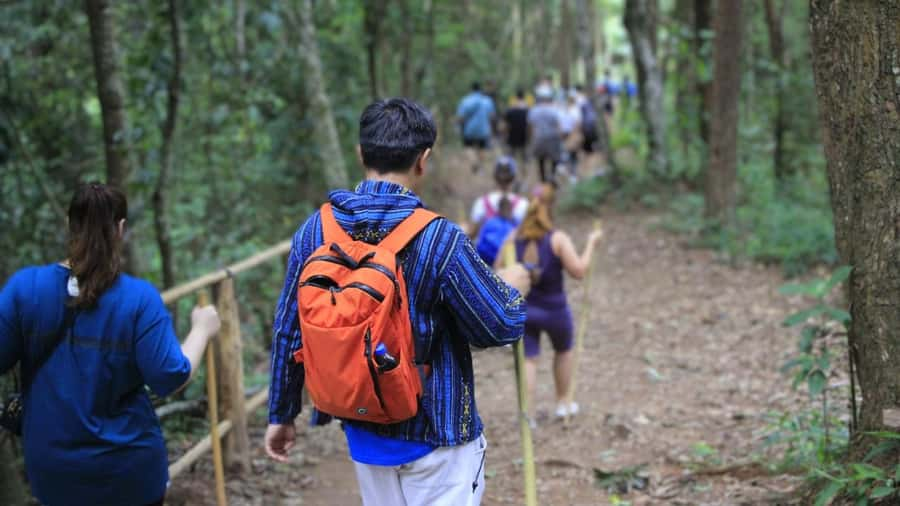
- The hike takes about one hour: It is rated medium difficulty and suits people with basic fitness.
- Doi Inthanon is Thailand’s highest mountain: The summit is cool and misty, but the viewpoint itself is modest.
- Pha Dok Siew includes more than forest: Expect rice terraces, a waterfall, wildlife, and a Karen coffee farm.
- The day uses two vehicles: A 12-seat air-conditioned van handles most of the route, followed by a roofed 4×4 truck for the final 10 minutes to the sanctuary.
- The package covers major costs: Hotel transfers within 5 kilometers of Chiang Mai’s Old City, lunch, drinks, a guide, clothing, and park and pagoda entry are included.
Why this Chiang Mai day works so well
I like this tour because it joins two very different sides of northern Thailand. The elephant visit is gentle and personal, while Doi Inthanon brings cool mountain air, forest, water, and highland agriculture.
Many Chiang Mai excursions focus on one headline attraction. This one gives you a fuller picture. You see how elephants are cared for, walk through an old farming area, visit a Karen community, and reach a place associated with Thai royal tradition.
That range also explains the long day. You are not spending hours at one attraction. You are moving from Mae Wang District to Doi Inthanon, then among the Twin Pagodas, Pha Dok Siew Waterfall, and Mae Klang Luang. If you prefer slow mornings and generous free time, this schedule may feel packed.
The price is $93 per person. I consider that fair for a full-day guided trip when you add transport, lunch, drinks, park entry, pagoda entry, and the sanctuary experience. It is not a cheap half-day outing, but you are paying for access to several places that would be awkward to combine without private transport.
A few more hikes around Thailand worth a look
- 3-in-1: Doi Inthanon Tour, Elephant Sanctuary, and Trekking Trail
★ 5.0 · 1,087 reviews - Chiang Mai: Doi Inthanon Trip with Pha Dok Siew Guided Trek
★ 4.6 · 910 reviews - Chiang Mai: 2-Day Jungle Trek with Elephant Farm & Raft Ride
★ 4.7 · 881 reviews
The morning ride from Chiang Mai to Mae Wang
Pickup is provided from hotels within 5 kilometers of Chiang Mai’s Old City. You wait in the lobby 10 minutes before the confirmed time, then join a 12-seater air-conditioned van.
The drive to the Mae Wang area takes about an hour. This is useful time for your guide to explain the day and for you to watch the city give way to rural northern Thailand. If your hotel sits outside the free pickup zone, transport costs extra, so check that before paying.
The road to the sanctuary includes a final 10-minute ride in a roofed 4×4 truck. That change is part of the setting, but the route can be rough and winding. One person specifically advised bringing motion sickness medicine. If you are prone to nausea, sit where the ride feels smoothest and keep water close.
Meeting elephants at the no-riding sanctuary
The elephant portion is the emotional center of the day. On arrival, you are welcomed and dressed in traditional northern clothing before receiving a safety briefing.
That briefing is more than a formality. Large animals can be calm and well cared for while still being powerful and unpredictable. Listen carefully, follow the staff’s instructions, and do not treat feeding time as a chance to get too close on your own terms.
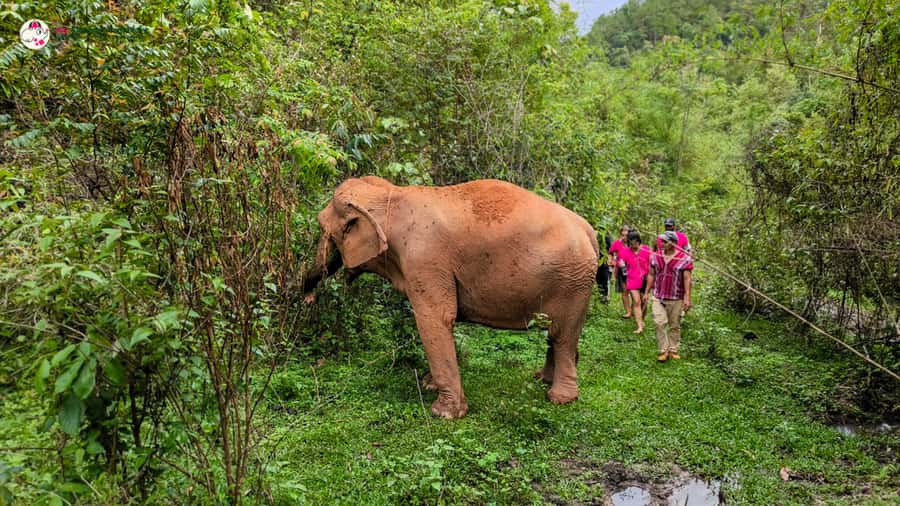
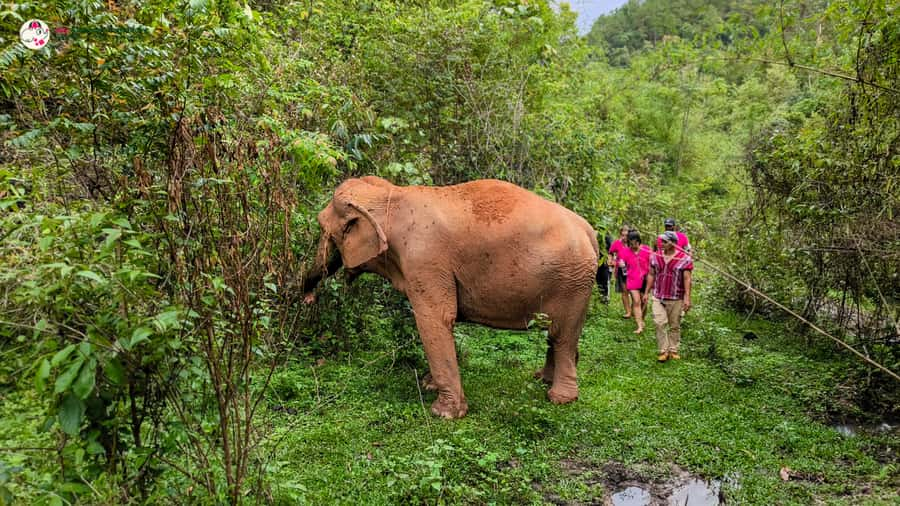
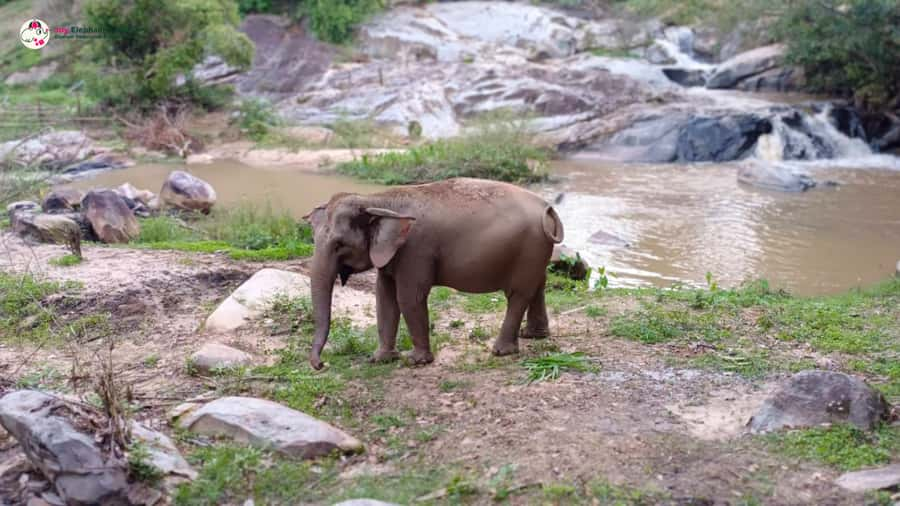
You receive bananas and sugarcane to feed the elephants. The best part is not a staged performance. You stroll through the sanctuary, watch the animals graze and bathe, and spend time at designated viewing areas while they go about their routine.
The no-riding policy is an important point. You are not asked to sit on the elephants or watch them perform tricks. The experience instead focuses on feeding, observation, and contact with the animals in a setting described as peaceful and respectful.
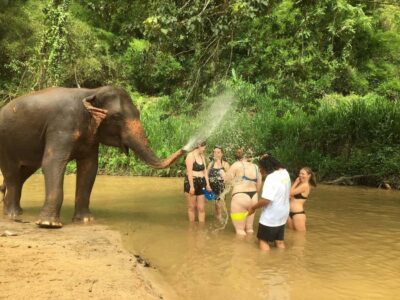
Some outings allow you to enter the river beside the elephants and help wet them down. If that is offered on your date, bring a swimsuit or clothes that can get wet. The published information does not include swimwear among the required items, so this is an easy detail to miss.
You also have time for herbal tea made from village ingredients, birdwatching, butterflies, and a waterfall break. A handmade Thai cultural souvenir activity gives the visit a practical link to local craft traditions.
Keep your camera ready, but put it away when staff are giving instructions. The most worthwhile moments may be watching an elephant quietly eat, walk, or bathe rather than posing for a close-up.
Lunch, tea, and the human side of the sanctuary

Lunch is included, along with water, tea, and coffee. That matters on a day with a long ride and a forest walk. You do not need to plan a separate lunch stop, though alcoholic drinks are not included.
I especially like the way the schedule connects the sanctuary with village life. Herbal tea and handmade work are not just filler between attractions. They give you a glimpse of how local knowledge, farming, and craft fit into the visit.
Past trips were praised for warm, helpful guides. Jade was singled out for patience and clear explanations, while Chai was described as energetic and friendly. Wan was praised for keeping the day well organized. Guide assignments can change, but the pattern is useful: a good guide makes the animal rules, route changes, and cultural details much easier to understand.
Same trailhead, a different kind of day:
- Chiang Mai: Doi Inthanon Park with Kew Mae Pan Hike Day Trip
★ 4.7 · 841 reviews - Chiang Mai: Doi Inthanon Park and Pha Dok Siew Trail Trek
★ 4.6 · 752 reviews - Chiang Mai – Doi Suthep Temple & Wat Pha Lat Hike
★ 4.6 · 740 reviews - From Khao Lak: Khao Sok Jungle Hike & River Tour
★ 4.7 · 688 reviews
Doi Inthanon, Thailand’s highest point
After the sanctuary, the route continues into Doi Inthanon National Park. At around 2,565 meters, Doi Inthanon is Thailand’s highest mountain. You feel the difference in the air, with cooler temperatures and mist at the upper sections.
The high point is more about the setting and the fact of reaching Thailand’s highest elevation than about a grand lookout. One past participant found the highest-point stop less impressive than the other sights, though still worth doing as part of the day.
That is a fair way to view it. Do not expect a wide city panorama from the summit area. Go for the cool air, forest, and sense of place. Chiang Mai can be hot, so the mountain climate is a welcome change.
Conditions vary. Mist can soften the view, and rain can affect the trail later in the day. Your guide may adjust the walking plan if the path becomes unsafe. That is sensible, not a failure of the tour.
Twin Pagodas and a royal setting
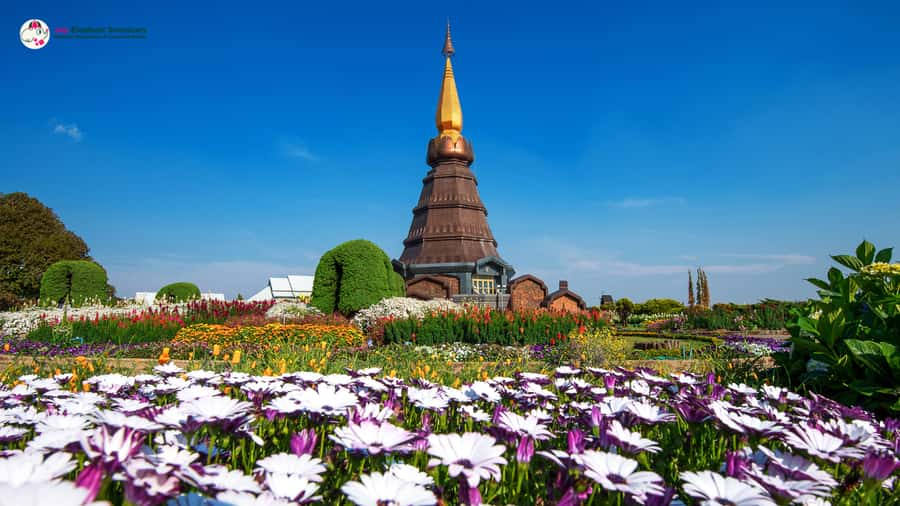
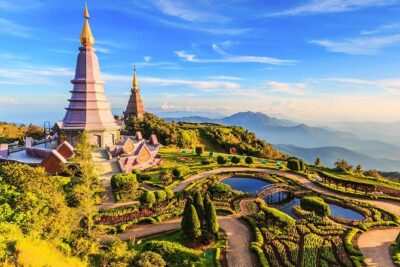
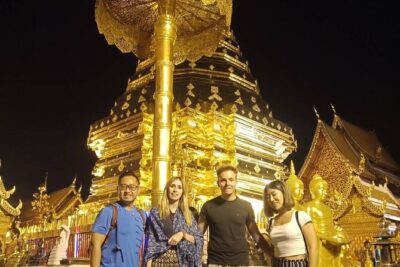
The Phra Mahathat Naphamethanidon area contains the Twin Pagodas, built to honor the late King Bhumibol Adulyadej and Queen Sirikit. The site combines royal symbolism, gardens, mountain air, and elevated views.
You have about two hours listed for the guided visit, though the exact pace may depend on weather and the rest of the schedule. The pagodas are more formal than the sanctuary and village stops, so dress and behave respectfully.
The views can be impressive when the air is clear. Misty weather gives the site a quieter, softer mood but limits long-distance visibility. Wear shoes that are easy to walk in, since this is a sightseeing stop rather than a quick picture beside the vehicle.
Pha Dok Siew trail: forest, water, and terraces
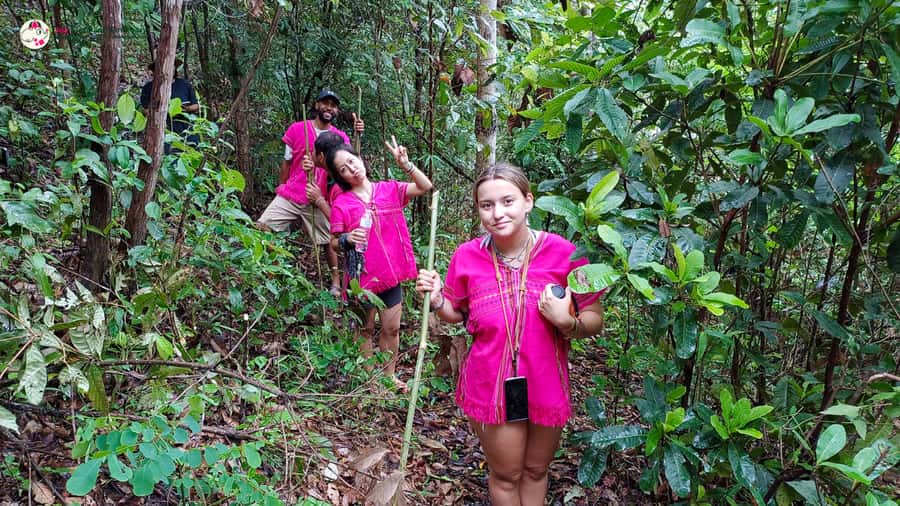
The Pha Dok Siew nature trail is the most active part of the day. The walk itself takes about one hour and is rated medium difficulty, suitable for people with a basic fitness level and children over five.
You pass through cool forest, see plant life and possible wildlife, and reach a waterfall. The route also includes rice terraces and an organic Karen Hill Tribe coffee farm. This combination gives the walk more purpose than a simple out-and-back nature path.
The trail can be muddy after rain. One past group walked during wet weather and found the paths, road, shoes, and legs covered in mud. Another group was advised not to hike because the slippery trail had become dangerous, and the guide instead drove them to the planned sights and stopped for coffee.
That flexibility is valuable. Still, you should arrive ready for a proper walk. Closed-toe shoes are required advice, and I would choose trail shoes or sturdy trainers over sandals. Bring insect repellent and sunscreen. A swimsuit is useful only if you plan to join the elephants in the water, not for the trail itself.
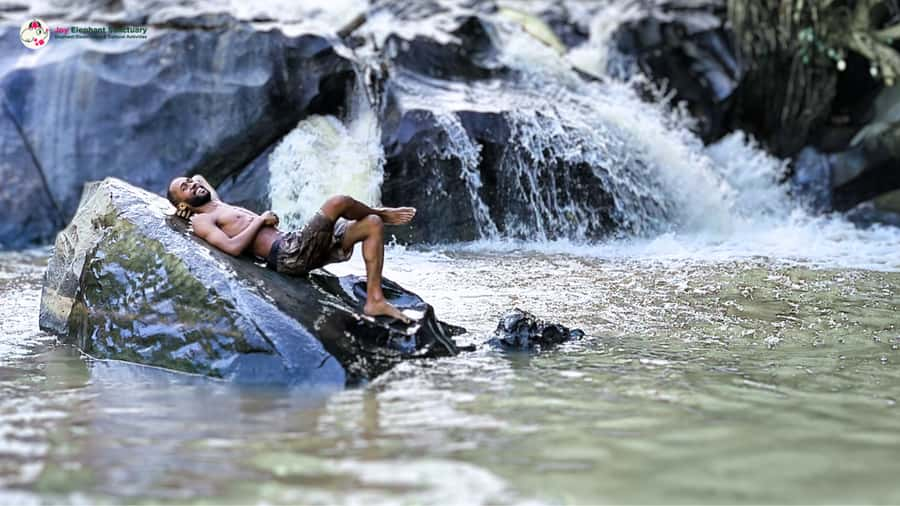
Swimming at the waterfall is listed as part of the stop, but conditions and the guide’s advice should determine if you enter the water. Rain can make rocks slick, so do not force the issue for the sake of a photo.
Mae Klang Luang and Karen coffee culture
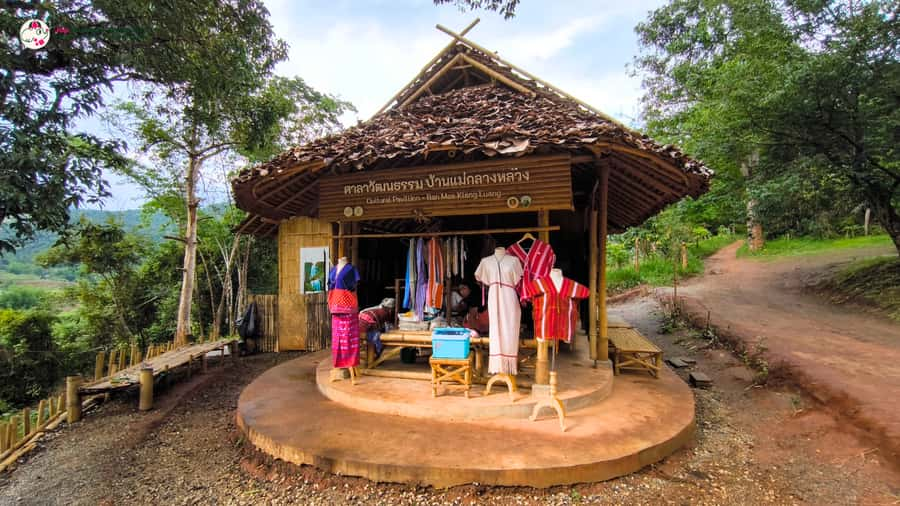
Mae Klang Luang is one of the day’s most valuable stops because it shifts your attention from scenery to community life. The village is associated with Karen culture, local textiles, coffee, tea, and terraced farming.
You may taste village coffee and tea after the walk, and you can buy handmade textiles to take home. Several people found the textile work especially appealing. Bring enough cash if you want to shop, since a card option is not specified.
This is also where a guide can add real value. You may see a village as a quick photo stop, or you may understand how coffee farming, craft, and terrace agriculture shape daily life. Ask respectful questions, avoid treating residents as scenery, and buy something only if you genuinely want it.
The visit is not a polished shopping mall. That is part of its appeal, but it also means the pace and available goods may vary. The coffee farm and village stop reward curiosity more than a strict checklist.
How long the day really feels
The advertised duration is one day, with roughly an hour each way in the van and multiple long stops. One past account put the full pickup-to-drop-off day at 12 hours.
That makes an early start and a late return likely, though your exact times depend on availability and the operator’s schedule. You need enough energy for the road, the sanctuary, the pagodas, and the walk.
The transport is practical rather than luxurious. The air-conditioned van helps in the heat, while the 4×4 truck reaches the sanctuary’s final stretch. Group size is not stated beyond the 12-seater vehicle, so do not assume a tiny private group.
The schedule can also change for safety. If rain makes Pha Dok Siew too slippery, the guide may replace the hike with driving and sightseeing. That means you should book this for the overall mix, not only for one exact waterfall walk.
What to pack for comfort
Keep your packing simple but useful:
- Closed-toe shoes with a firm sole
- Sunscreen and insect repellent
- Extra water if you prefer more than the included supply
- A swimsuit or spare clothes if you want to enter the river with the elephants
- Cash for coffee or handmade textiles
- Motion sickness medicine if winding roads affect you
- A phone or camera with enough battery
Drones are not allowed. Avoid bringing one even if you hope to use it only in open countryside.
Traditional clothing is provided for the sanctuary visit, so you do not need to pack a special outfit for that part. For the pagodas and village, wear comfortable clothing that is respectful and suitable for walking.
Who should book this tour?
I would choose this day if you want elephants, mountain scenery, a short hike, and local culture in one organized trip. It suits families with children over five, active couples, first-time Chiang Mai visitors, and anyone who would rather not arrange several distant stops alone.
It is less suitable if you dislike long van rides, muddy paths, steep or uneven ground, or full-day schedules. People with mobility challenges should ask for precise access details before booking, even though the activity is listed as wheelchair accessible, because the sanctuary transfer and nature trail include uneven rural terrain.
The tour earns its strong 4.8 rating from 73 reviews mainly through three things: respectful elephant care, friendly guides, and a well-filled day. The main complaints to anticipate are not about the core experience. They are practical: bad weather, slippery trails, long hours, and rough roads.
Should you book it?
Book this tour if the idea of feeding elephants without riding them appeals to you, and you want Doi Inthanon to mean more than a quick summit photo. The sanctuary, Pha Dok Siew trail, Twin Pagodas, and Mae Klang Luang village create a broad and worthwhile day for $93.
Skip it if you want a relaxed mountain visit with long breaks, or if you are not comfortable with a medium-difficulty walk and a possible 12-hour outing. For the best chance of enjoying it, wear solid shoes, prepare for rain and mud, bring cash, and judge the elephant experience by respectful observation rather than forced contact.
FAQ
How much does the Chiang Mai Doi Inthanon and elephant tour cost?
The price is $93 per person.
How long does the tour last?
It is a full-day experience. The complete pickup-to-drop-off schedule can run about 12 hours, including driving and the many stops.
Is hotel pickup included?
Yes. Pickup and drop-off are included for accommodation within 5 kilometers of Chiang Mai’s Old City. Locations outside that area require a surcharge.
What type of transport is used?
Most of the day is in a 12-seater air-conditioned van. You switch to a roofed 4×4 truck for the final 10 minutes to reach the elephant sanctuary.
Are elephants ridden during the experience?
No. The sanctuary is a no-riding facility. You feed the elephants, observe them, and may have the chance to help wet them in the river.
How difficult is the Pha Dok Siew hike?
The walk takes about one hour and is rated medium difficulty. It is suitable for people with basic fitness and recommended for children over five.
What should I bring?
Bring sunscreen, insect repellent, and closed-toe shoes. A swimsuit or spare clothing is useful if you plan to enter the river with the elephants.
Are meals and drinks included?
Lunch, water, tea, and coffee are included. Alcoholic drinks are not included.
Can I cancel or pay later?
You can cancel up to 24 hours before the activity for a full refund. The reservation option also allows you to reserve now and pay later.
Just added around Thailand
- Mangrove Forest Hike and River Boat Ride with Private Guide from Hua Hin★ 4.5 · 15 reviews
- Trekking with Lunch cooked by Bamboo in the Chiang Rai jungle★ 5.0 · 12 reviews
- Trek to a Jungle Waterfall★ 5.0 · 14 reviews
- 1 Day Trekking Group Tour With Bamboo Cooking / Chiang Rai★ 5.0 · 51 reviews
- Safety whitewater rafting in Chiangmai by Khampan Rafting★ 5.0 · 62 reviews
- Waterfall Wanderer Doi Inthanon Hiking Tour★ 5.0 · 15 reviews
- Full Day Doi Saket Hiking Tour★ 5.0 · 14 reviews
- Full-Day Trekking and Sightseeing Tour in Mae Kampong★ 5.0 · 46 reviews
Thailand Hiking Tours, compared.
3-in-1: Doi Inthanon Tour, Elephant Sanctuary, and Trekking Trail
Read our review →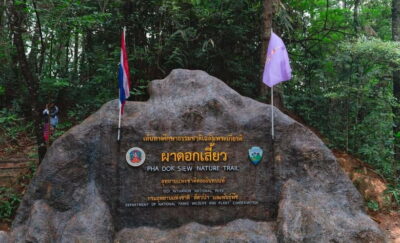
2-Day Jungle Trek with Elephant Farm & Raft Ride
Read our review →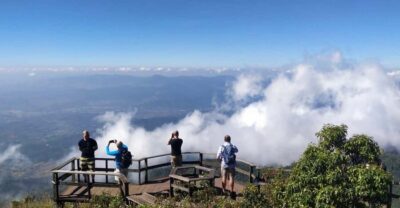
Doi Inthanon Park with Kew Mae Pan Hike Day Trip
Read our review →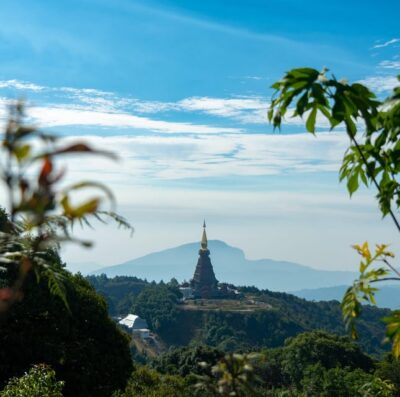
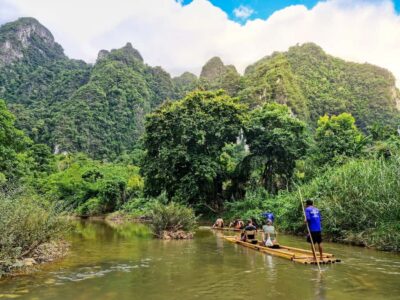
From Khao Lak: Khao Sok Jungle Hike & River Tour
Read our review →Browse the lists this tour appears in