
REVIEW · CHIANG MAI HIKING TOURS
3-Day Chiang Dao Mountain Trek
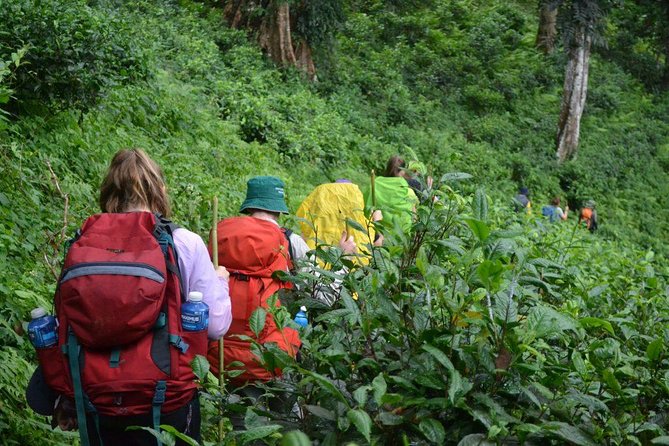
Leave the city far behind. This three-day trek takes you into the remote Chiang Dao mountains for bamboo forests, steep jungle paths, village homestays, and meals cooked by your guide. I like the small-group format, with no more than 10 people advertised, and I like that the trip connects hiking with daily life in the mountain villages. The main catch is simple: this is a hard physical trek, not a gentle walk with a few scenic stops.
The strongest part is the human touch. Guides such as Tan and Sap are praised for explaining local plants, sharing stories about village life, and preparing surprisingly good Thai meals over the course of the trek. You should also expect basic accommodation, changing hike lengths, and village sounds at night, including dogs, roosters, and perhaps pigs.
Five things to know before you book
- Day two is the test: Expect the toughest hiking, with long stretches of up and down movement on jungle trails and mountain ridges.
- Your guide also cooks: Meals are included, and guides such as Tan and Sap have earned high praise for their Thai cooking.
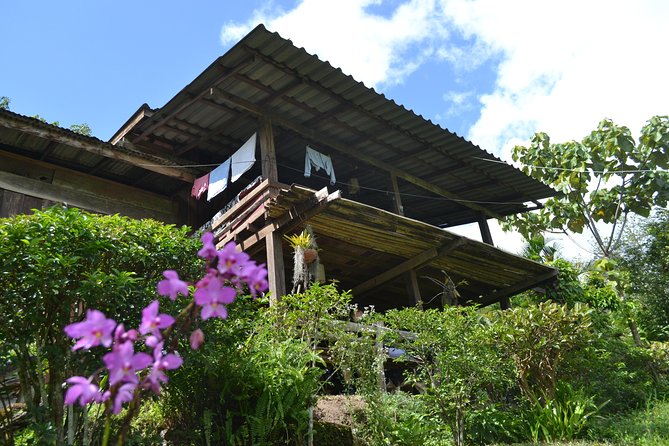
- The homestays are basic but memorable: Mountain views, fires, solar-powered electricity, and local village life replace hotel comforts.
- You carry your own gear: Keep personal belongings to a 45-liter backpack and pack for five to six hours of walking.
- This is a small-group trip: The tour is advertised for up to 10 people, while the additional booking information gives a maximum of 12, so confirm the final group size.
- Bring earplugs: Dogs, roosters, singing, and other village sounds can make the second night lively.
Why Chiang Dao is worth three days
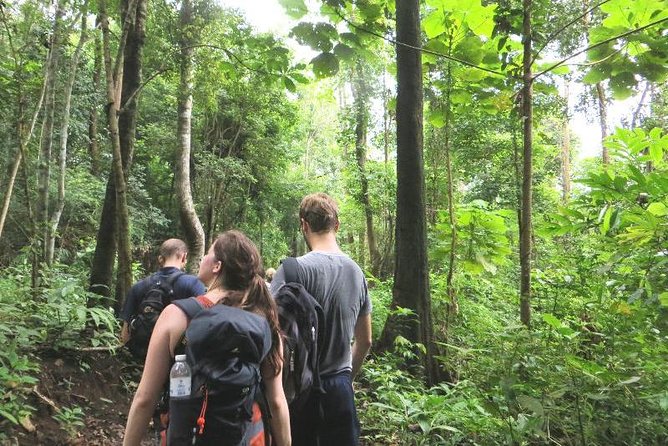
Chiang Dao offers a very different side of northern Thailand from the temples and cafés of Chiang Mai. The mountains north of the city are cut by jungle trails, bamboo stands, farms, and remote villages connected to the Maetang River valley. You spend enough time here to see the area change under your feet.
A one-day outing could show you a viewpoint or waterfall. This trek gives you the slower parts too: buying ingredients at a local market, walking through village areas, eating food prepared on the route, and sleeping in homes rather than returning to the city. That extra time matters. You are not simply passing through the mountains for a photograph.
The route also appears to avoid the usual animal attractions and crowded sightseeing stops. The focus is walking, nature, food, and contact with the local communities. If you want a polished resort-style trip, this is the wrong choice. If you want a more grounded northern Thai adventure, the format makes good sense.
More Mountain and Summit Hikes in Chiang Mai:
- Chiang Mai: Suthep National Park Hiking & DH Mountain Biking
★ 4.8 · 151 reviews - From Chiang Mai: High Mountain Day Trek
★ 4.8 · 119 reviews - Mount Doi Inthanon National Park Sunrise and Hiking
★ 5.0 · 52 reviews
Leaving Chiang Mai and shopping for the trail
Pickup is offered from hotels within Chiang Mai’s second ring road area. The schedule gives an 8:30 a.m. pickup, while the meeting information lists a 9 a.m. start at Le Dta’ Wan Food Market in Chang Khlan. Because those times differ slightly, confirm the exact pickup time and location after booking.
The drive north is part of the transition. Chiang Mai’s traffic and buildings give way to the countryside, then to the Chiang Dao area. A stop at a local market lets your guide introduce the ingredients used for the trek. This is more useful than it sounds. You get an early look at the food culture that will follow you into the mountains, and your guide can explain unfamiliar produce before it appears in your meals.
From there, the walking begins. The first day is generally shorter than the second, with one detailed account putting it at about four hours. Do not mistake that for an easy warm-up. The ground is uneven, and the route may include steep sections through bamboo and jungle.
The first homestay is often the memorable one. You may have mountain views, a quiet setting, a fire, and a chance to watch the light change over the hills. The accommodation is clean and usable, but basic. This is a village home, not a lodge with hotel services.
Day two: the demanding heart of the trek
Day two is where the tour earns its serious hiking label. You wake to the sounds of the mountains and have breakfast with locally grown tea or coffee from nearby plantations. Then the route follows ridges and crossing trails through jungle terrain.
The exact walking time depends on the route and conditions, but you should be ready for five to six hours at minimum and possibly much longer. One account described a nine-hour second day, with repeated climbs and descents. That variation is important. The mountains do not provide a neat, level trail schedule.
You will likely notice the strain most on downhill sections. Several people found the descents tough on the knees, even when the climbs received more attention. Trekking poles would be sensible if you use them, though the provided information does not state that poles are supplied.
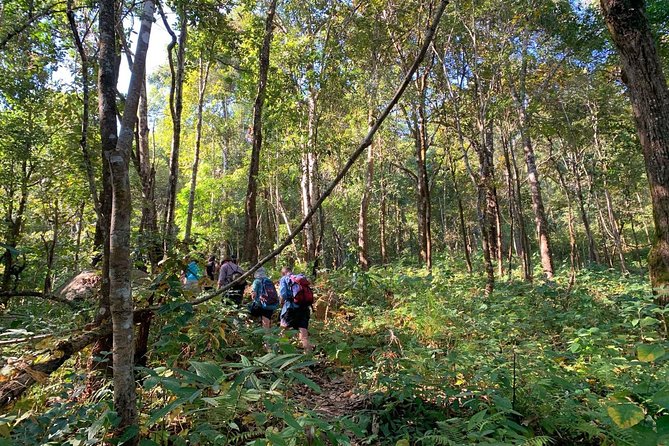
The scenery is the reward. Bamboo forests, dense jungle, farms, mountain ridges, and distant views create a changing route rather than one repeated forest walk. On overgrown sections, your guide may need to clear the way with a knife. That can add to the adventure, but it also tells you that conditions are not always smooth or carefully groomed.
The guides are a major part of this day. Tan is described as having more than 30 years of guiding experience, and one account noted that he was still leading the group energetically at age 67. Sap is praised for explaining plants and animals, offering tastes of edible plants, and keeping a steady pace for the group.
That does not mean you will receive a formal nature lecture at every turn. The appeal is more informal. You stop when something interesting appears, hear how plants are used, and learn about farming and village life as you walk. Good guides also watch the group. Tan, in particular, is praised for adjusting the pace for a mixed-age party.
Meals cooked on the mountain
Food is one of the best value points here. The price includes two breakfasts, three lunches, and two dinners. Drinks at homestays and restaurants are not included, so carry some money for beverages and personal purchases.
Your guide may also be your cook. That arrangement keeps the trip local and practical, and the food receives unusually strong praise. Thai meals are prepared along the route, with ingredients introduced at the market and local produce appearing during the trek.
Do not expect a restaurant menu or special-order service once you are in the mountains. Vegetarian meals can be arranged, but you must request them when reserving. If you have other dietary needs, the supplied information does not specify what can be accommodated, so ask before paying.
A hot meal after a long climb has a value that is hard to measure on a standard tour checklist. It gives the day a rhythm and makes the homestay feel connected to the walking rather than simply added as an overnight stop.
More Three-Day Trips around Chiang Mai:
- Chiang Mai: 3-Day Karen Hill Tribe Immersion with Trekking
★ 5.0 · 11 reviews - Sapa 3 Days 2 Nights Trekking Tour (1 Night In Ta Van Village, 1 Night In Hotel)
★ 5.0 · 699 reviews - 3-Day Trekking Adventure of Sapa from Hanoi – Stay Ta Van Village
★ 5.0 · 611 reviews - From Marrakech: 3-Day Mount Toubkal Climbing Trek
★ 4.7 · 597 reviews
The second homestay and the sound of village life
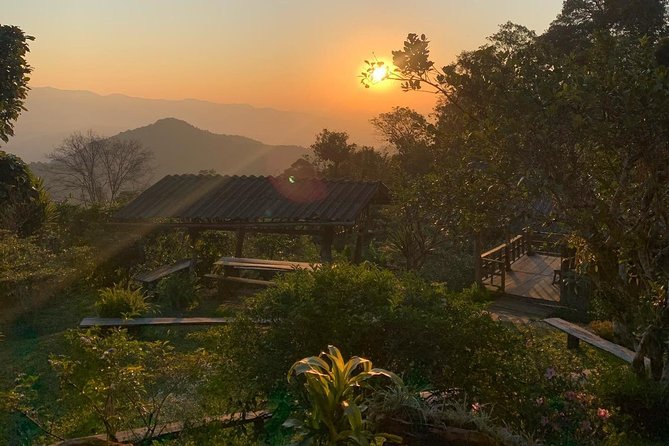
The second night may be less peaceful than the first. Dogs and roosters are part of village life, and some nights may include singing or other household sounds. Earplugs are not a luxury here. Pack them.
That noise is a drawback, but it is also a reminder of where you are. You are staying in a working community, not an isolated mountain hotel. The accommodation remains basic, though clean and generally comfortable enough for a short stay. Some homes use solar power, so you may have access to limited electricity.
If you need perfect quiet, private bathrooms, dependable charging, and soft beds, you should choose a different trip. If you can accept a few inconveniences in exchange for a more direct look at highland life, the homestay is one of the tour’s strongest features.
The villages also add meaning to the walk. You pass farms and see how people live in the Maetang River valley. The route is not only about scenery. It gives you a closer sense of the communities that occupy these mountains.
Day three: down to the Maetang River valley
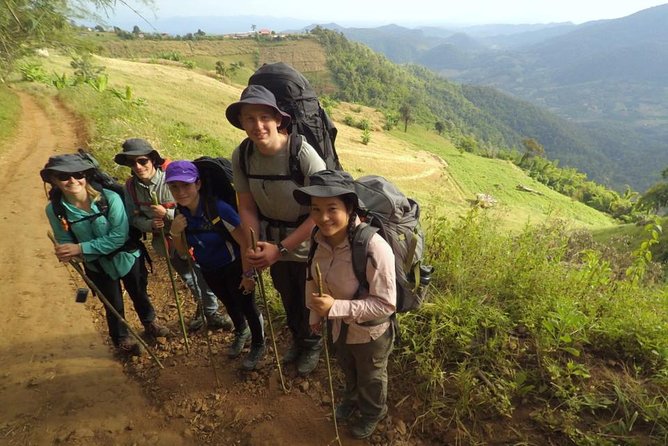
The final morning begins with breakfast in the mountains before a descent of about three hours. The scenery changes as you lose elevation and approach the Maetang River valley. This is a shorter walking day, but downhill travel can still be tiring after the previous day.
A waterfall provides a break, followed by lunch in a quiet riverside setting. The final section then shifts back to transport for the journey toward Chiang Mai. The activity ends back at the meeting point.
The uneven distribution of walking can surprise people. One detailed account described roughly four hours on day one, nine on day two, and two on day three. That pattern makes sense for a mountain route, but it is not a balanced three equal days of hiking. Treat the second day as the main challenge and the final day as a gradual return rather than a full trekking day.
What the $256 price really covers
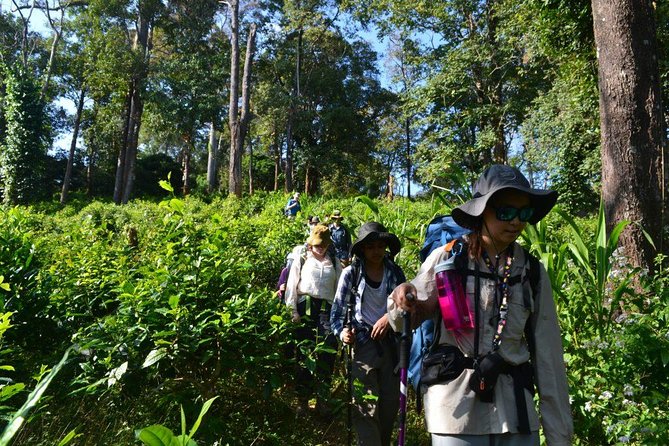
At $256, the tour is not a budget walk, but the price includes much more than a guide and a few trail hours. You get transport from Chiang Mai and back, two nights of homestay accommodation, seven included meals, market time, and a small group.
The value is strongest if you would otherwise arrange transport, meals, accommodation, and a local guide separately. The homestays also put your money closer to the communities you visit, though the supplied information does not explain the exact payment split.
You still need to budget for drinks and personal spending. You also need proper footwear and a suitable backpack. Those costs are modest compared with the tour price, but poor preparation can make the trek much harder.
The group size deserves a quick check before booking. The main description gives a maximum of 10 people, while the additional information says up to 12. Either size is still fairly small for a three-day trek, but ask for the confirmed number if this matters to you.
Fitness, clothing, and what to pack
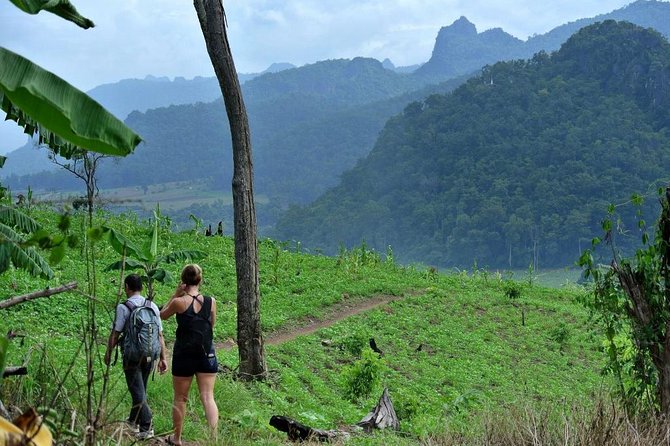
You should be able to walk for five to six hours on undulating ground. The phrase moderate physical fitness may sound mild, but the route includes steep climbs, long descents, jungle trails, and changing surfaces. The most honest description is challenging but manageable for a fit person with some hiking experience.
Wear hiking boots or reliable running shoes with good grip. Suitable outdoor clothing is required, and the operator supplies a seasonal kit list. Since you carry your own belongings, limit your gear to a 45-liter backpack.
A practical packing list includes:
- Hiking shoes with secure grip
- Lightweight outdoor clothing
- A 45-liter backpack or smaller
- Earplugs for the village nights
- Personal toiletries and any required medication
- Money for drinks and personal purchases
- Extra care with water and weather items based on the seasonal kit list
Children under 10 are not considered suitable unless they are already used to several hours of hiking. The trip is a better match for active adults, older teenagers with trail experience, and families who already know how their children handle long walks.
The guides make or break the experience
The most consistent strength is the guiding. Tan and Sap receive repeated praise for their plant knowledge, humor, cooking, and care with different fitness levels. Another guide, Tam, is also praised for good English, helpful explanations, and strong cooking.
That matters because the trail is not always obvious. On some sections, vegetation may cover the path, and your guide may need to clear it. You want someone who can read the route, understand the local setting, and keep the group together.
There is a small trade-off: your guide may be handling several jobs at once, including cooking, route finding, and group care. That is part of the local format, but it can feel less polished than a larger operation with separate cooks and support staff.
Communication before the trek may not always be perfect, so confirm pickup details, the final group size, dietary requests, and the packing list in advance. Confirmation is sent within 48 hours, subject to availability.
Who should book this trek
I would recommend this trip if you want:
- A serious three-day hike rather than a sightseeing bus tour
- Jungle trails and mountain views
- Local meals and village homestays
- A small group with personal guide attention
- Time away from Chiang Mai’s usual tourist route
- A guide who can explain plants, farming, and local life
I would not choose it if you want equal walking distances each day, hotel comforts, guaranteed quiet at night, or a soft introduction to hiking. The route can be demanding, and the second day may be much longer than the first or third.
The cancellation terms are fairly clear. You can receive a full refund if you cancel at least three full days before the local start time. Poor weather or an insufficient minimum group can also lead to a new date or a full refund, though the operator makes that decision.
FAQ
Where does the Chiang Dao Mountain Trek begin?
Pickup is offered from accommodation in Chiang Mai within the second ring road area. The listed meeting point is Le Dta’ Wan Food Market in Chang Khlan, Chiang Mai.
What time does the trek start?
The pickup information gives an 8:30 a.m. pickup from accommodation, while the meeting information lists a 9 a.m. start. Confirm the exact time for your booking.
How long does the trek last?
The experience lasts approximately three days and includes two nights in mountain homestays.
How difficult is the hiking?
You should have a moderate fitness level and be able to hike five to six hours on undulating ground. The second day can be especially demanding, with steep climbs and descents.
What meals are included?
The tour includes two breakfasts, three lunches, and two dinners. Beverages at homestays and restaurants are not included.
Can I request vegetarian meals?
Yes. Vegetarian meals need to be arranged in advance, so request them when you reserve.
How much luggage can I bring?
Your personal belongings should fit into a 45-liter backpack, which you will carry during the trek.
Is the tour suitable for children?
The trek is not suitable for children under 10 unless they are accustomed to hiking for multiple hours.
What happens if the weather is poor?
The experience requires good weather. If it is canceled because of poor weather, you will be offered another date or a full refund.
Should you book the Chiang Dao trek?
Book it if you want the real work of getting into the mountains: long walks, basic homes, local food, village sounds, and guides who bring the forest to life. The scenery is excellent, but the stronger memory may be eating a meal cooked by your guide or hearing a rooster announce the morning before your alarm does.
Skip it if you are not comfortable carrying a backpack or if a nine-hour hiking day would ruin your holiday. For fit walkers who want an authentic northern Thailand experience without a large group or animal attraction stops, the $256 price offers solid value. Just pack light, wear proper shoes, bring earplugs, and prepare for day two.
Just added around Chiang Mai
- Trek to a Jungle Waterfall★ 5.0 · 14 reviews
- Safety whitewater rafting in Chiangmai by Khampan Rafting★ 5.0 · 62 reviews
- Waterfall Wanderer Doi Inthanon Hiking Tour★ 5.0 · 15 reviews
- 8KM White Water Rafting and 3HRS Jungle Trekking Adventure★ 5.0 · 9 reviews
- Full Day Doi Saket Hiking Tour★ 5.0 · 14 reviews
- Full-Day Trekking and Sightseeing Tour in Mae Kampong★ 5.0 · 46 reviews
- Mount Doi Inthanon Hiking & Bird Watching★ 5.0 · 14 reviews
- Mount Doi Inthanon National Park Sunrise and Hiking★ 5.0 · 52 reviews
Chiang Mai Hiking Tours, compared.

3-in-1: Doi Inthanon Tour, Elephant Sanctuary, and Trekking Trail
Read our review →
2-Day Jungle Trek with Elephant Farm & Raft Ride
Read our review →
Doi Inthanon Park with Kew Mae Pan Hike Day Trip
Read our review →
Doi Inthanon Private Tour with Trek & Lunch from Chiang Mai
Read our review →Browse the lists this tour appears in