
REVIEW · MEXICO CITY HIKING TOURS
Trekking Through The Volcanoes
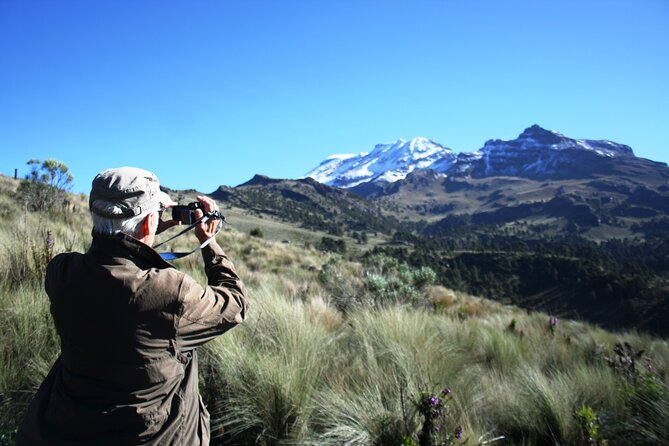
Two volcanoes, one long day outside Mexico City. Trekking Through The Volcanoes takes you into Iztaccíhuatl-Popocatépetl National Park, where pine woods, high meadows, glacial water, volcanic ash, and fumaroles replace the city’s traffic and concrete. I especially like the small group limit of 13 and the fact that trekking poles, a backpack, water, snacks, and lunch are included. The traditional tacos and quesadillas at the end are not a token sandwich stop. They are a proper Mexican meal after a demanding morning.
The route is scenic rather than technical, but the altitude changes the equation. You may walk only 9 to 13 kilometers, yet much of the route sits between roughly 3,500 and 4,000 meters, or about 11,800 to 13,000 feet. I also like the attentive guides, including Carlos, Bernardo, Alan, and Sergio, though the quality of commentary can vary. One practical drawback is that the final stretch may use a road with passing cars, and the two-hour drive each way can be rough if you get carsick.
Key points at a glance
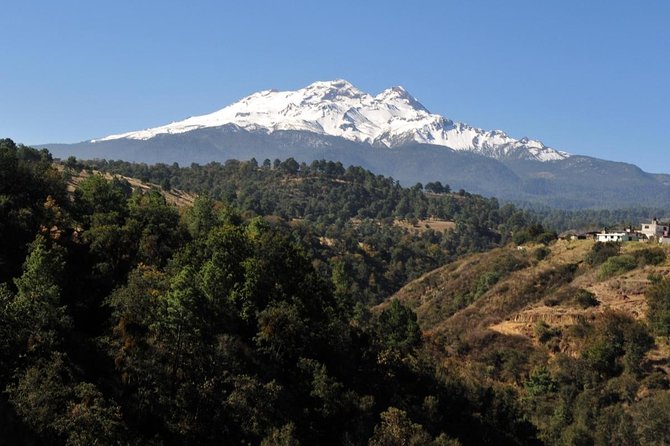
- Walk between two famous volcanoes: The route gives you views of Iztaccíhuatl, known as the Sleeping Woman, and Popocatépetl, an active volcano.
- Expect high-altitude hiking: The trail is generally not technical, but thin air, steep sections, dust, and loose or slippery ground make it more demanding than the distance suggests.
- Lunch is a real part of the experience: After hiking, you stop at a traditional market or roadside cantina for tacos and quesadillas, including fillings such as squash flower.
- Useful gear is supplied: You receive trekking poles, a backpack, water, an energy drink, chocolate, peanuts, fruit snacks, and other food.
- Guides usually provide strong support: The better guides regularly check your pace, explain the area, and help anyone struggling with the altitude.
- It is a full-day outing: Pickup is at 7:00 a.m. in Condesa, and the total day may run just over 10 hours once driving, hiking, breaks, and lunch are included.
Leaving Mexico City for the high country
The day begins at 7:00 a.m. at Av. Vicente Suárez 38 in Colonia Condesa. From there, private transportation carries you toward the national park, with the drive taking about two hours each way. That is a serious chunk of the day, but it is also what makes this outing useful: you can reach remote mountain country without arranging a car, permits, equipment, or a route of your own.
The road can be winding. If you are prone to carsickness, take that seriously and prepare before departure. A restroom stop is made during the drive, but facilities are limited around the trailhead and on the route. Carry some cash and toilet paper for basic bathroom access.
The van is described as comfortable, though taller people may prefer a front-row seat. The group size is supposed to be capped at 13, which helps keep the hike manageable and lets the guide keep an eye on different fitness levels. One account describes a larger group, so I would confirm the current group limit when booking if that matters to you.
More Volcano Hikes in Mexico
- Iztaccihuatl Volcano Hike with an Alpinist
★ 4.0 · 244 reviews - Mexico City: Guided Volcano Trek with Lunch
★ 4.7 · 242 reviews - From Mexico City: Hike Iztaccihuatl Volcano with an Alpinist
★ 4.3 · 155 reviews
Paso de Cortés: where the volcano walk begins
The hike starts at Paso de Cortés, a mountain pass between Iztaccíhuatl and Popocatépetl. This is not a summit attempt. You are exploring the lower sections and nearby high country, with the route designed around views, forests, valleys, and volcanic features rather than reaching either peak.
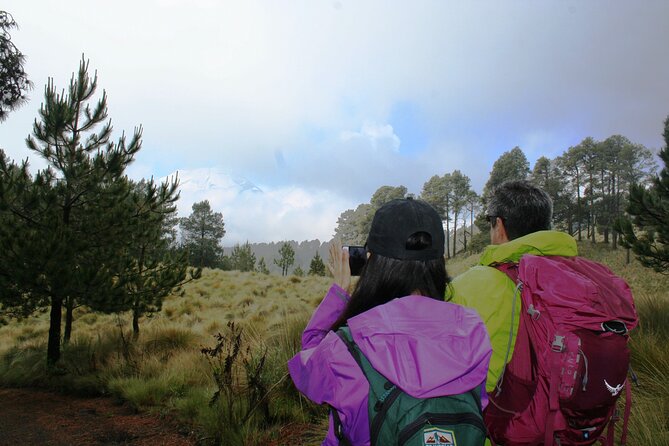
The opening section heads through forest with Iztaccíhuatl ahead. The trees provide a calmer start before the route opens into wider views. The air is cold in the morning, with one outing beginning at about 8 degrees Celsius, but temperatures can rise quickly once the sun comes out. Layers are the sensible answer: a fleece, trousers, and a windproof or warm jacket at the start, with lighter clothing possible later.
The forest route is one of the strongest parts of the outing. It gives you a changing setting rather than one long climb on bare rock. You may walk through pine woods, alpine grasslands, and open volcanic ground, with the mountains appearing from different angles as you go.
Cerro Altzomoni and the Popocatépetl views
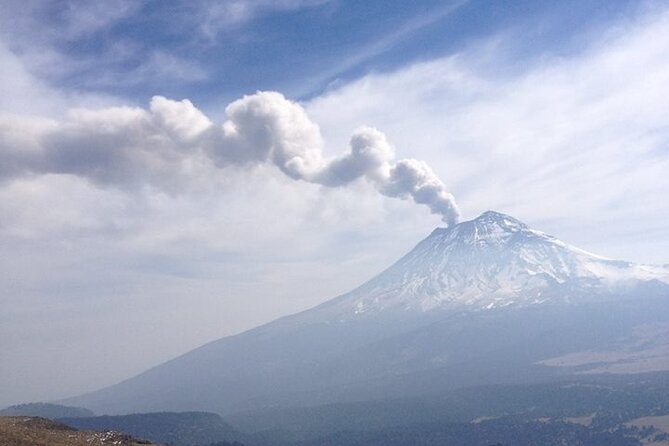
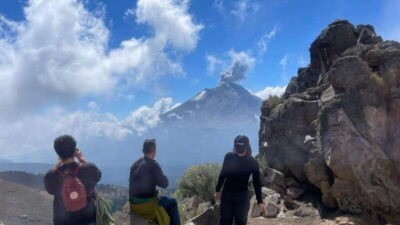
The route climbs toward Cerro Altzomoni, one of the best points for seeing Popocatépetl. The active volcano is the visual centerpiece here, and you may see its fumarole, the plume or vent activity rising from the volcano. Clear weather makes a major difference, but even on hazier days, the mountain setting remains impressive.
This section is where altitude begins to matter. The climb is not described as technical, and the paths are generally walkable, but the air contains less oxygen than you are used to in Mexico City. Several people found the uphill portions tiring even when they considered the route easy by normal hiking standards.
Your guide should set a measured pace and allow breaks. Carlos, Bernardo, Alberto, and other guides are praised for checking on the group and staying with people who needed more time. One guide even arranged a ride for an older participant near the end, a useful sign that the company is not simply pushing everyone along at one speed.
Still, do not confuse a supportive guide with an easy walk. The full route may run about 13 kilometers, or roughly 8 to 10 miles depending on the version taken. Some outings use a shorter 9-kilometer option, while others take the longer loop. Ask which route is planned on your date.
The Amalacaxco ravine and the change in scenery
After Cerro Altzomoni, the route descends toward the Amalacaxco ravine. This gives the day a welcome rhythm: climb, pause for views, descend, then move through a different type of mountain terrain.
The ravine is a good place to look for plants and possible wildlife, though sightings are not guaranteed. The route can also include glacial water, waterfalls, and icicles forming on vegetation in colder conditions. One particularly memorable section includes a waterfall with icicles, while other outings describe a glacial river or waterfall near the middle or end of the walk.
Expect dust. Volcanic ash can look like ordinary sand but gets kicked up by walking, especially when the ground is dry. A buff, scarf, or other mouth covering can make the day more comfortable. Sunglasses also help, and sturdy hiking shoes are far more sensible than ordinary city sneakers.
The footing varies. Some parts are on dirt roads or well-maintained paths, while others can be rocky, loose, dusty, or slippery. The route is not a technical climb, but steep uphill sections and uneven ground make it an intermediate hike for many people.
Same trailhead, a different kind of day:
- Nido de los Aguiluchos, Monterrey: Hiking + Rock Climbing + 3 Rappels
★ 5.0 · 713 reviews - Puerto Vallarta: Full Day Hike to 6 Hidden Beaches & Snorkel
★ 4.8 · 403 reviews - Los Cabos: Hiking at the Fox Canyon with Waterfall
★ 5.0 · 369 reviews - Balandra & Tecolote: hike, kayak and snorkel in paradise
★ 5.0 · 299 reviews
The road section and the return to Paso de Cortés
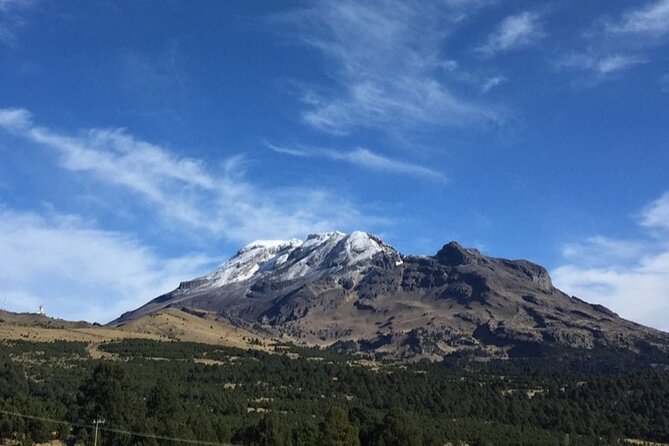
The loop eventually returns toward Paso de Cortés. This closing section is the least attractive part for some people because several kilometers may follow a road with cars. After a quiet morning among trees and volcanoes, walking beside traffic can feel like a flat ending to an otherwise excellent route.
That point is worth considering if you want a completely wild mountain walk. The tour’s appeal is the combination of views, access, guidance, and a meal, not a perfect trail from start to finish. The road section does not erase the mountain experience, but it does lower the quality of the final stretch.
The guides generally keep the group together and adjust for different abilities. You should still be ready for a long day on your feet. The actual hiking time is often around five hours, with the rest of the nine to ten-plus-hour day taken up by driving, stops, and lunch.
What the supplied food and gear really mean
The operator provides trekking poles and a backpack. That is useful because poles help with balance on dusty descents, loose ground, and slippery sections. You do not need to bring a large daypack, though you should still arrive with suitable clothing and shoes.
The hiking food can include:
- One liter of water
- A 600-milliliter energy drink
- A chocolate energy bar
- Peanuts
- Fruit snacks
- A sandwich or additional packaged snacks, depending on the day
The food carried in the backpack is more than a token emergency ration. It gives you something to eat during a long morning at altitude, where appetite and energy can change quickly. If you normally need a large breakfast or have dietary restrictions, ask what can be accommodated before you go. The information provided does not promise special diets.
The post-hike meal is a separate pleasure. You stop at a traditional market or roadside Mexican eatery for tacos and quesadillas. Fillings may include squash flower, and the meal is repeatedly described as tasty and satisfying. This is one of the tour’s best value points: you get both trail provisions and a local meal rather than being left to find food after a long ride back.
The guides can shape the entire day
The strongest guides are not just drivers or pathfinders. Carlos is praised for being warm, patient, and well informed about the volcanoes, plants, and animals. Bernardo is described as attentive and good at explaining what comes next. Alan and Sergio also receive praise for support and clear information.
That said, commentary is not perfectly consistent. Some outings include useful explanations of geography, flora, fauna, and volcanic activity. On another, the main guide offered little information and mainly led the group. If learning about the park matters to you, ask questions directly and make clear that you want commentary.
The company uses more than one guide on some departures. That can help when the group contains people moving at different speeds. It also means a guide can stay with someone who needs a slower pace while the rest of the group waits or continues carefully.
Fitness, altitude, and what to pack
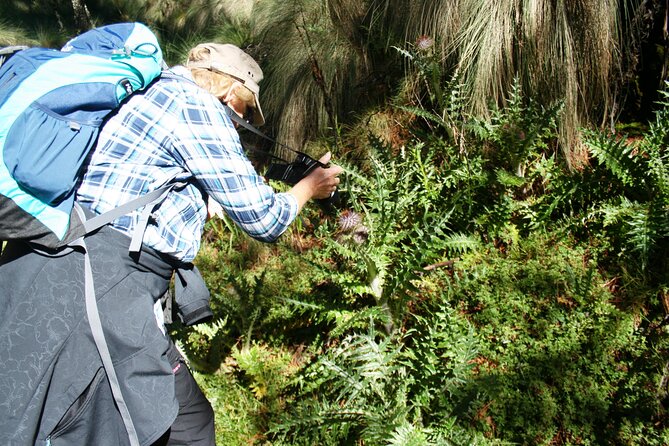
You do not need mountaineering experience for this tour. You do need reasonable fitness and comfort walking uphill for extended periods. The route can feel easy to a regular hiker and surprisingly hard to someone used to flat city walking.
The altitude is the main issue. Mexico City itself sits high, but the volcano route goes much higher. A person who has spent several days in Mexico City may still feel short of breath near 4,000 meters. Move slowly, drink water, take breaks, and tell the guide immediately if you feel unwell.
Pack:
- Layered warm clothing
- A windproof jacket
- Hiking shoes or boots
- Hat and sunglasses
- A mouth covering for ash and dust
- Sunscreen
- Cash and toilet paper for basic restroom stops
- Motion-sickness medicine if winding roads affect you
Rain can affect views and trail conditions. The outing requires good weather, and poor conditions may lead to a new date or a full refund. Clear skies are not guaranteed, especially during the rainy season, but the forest and mountain setting still give the walk value when clouds cover the summits.
Is $133.34 a fair price?
At $133.34 per person, the price is reasonable for a full-day guided mountain outing from Mexico City. You are paying for private transportation, a professional guide, supplied hiking equipment, trail food, drinks, and a substantial Mexican lunch.
The value is strongest if you do not have a rental car or mountain gear. Organizing the same day independently would mean arranging transport to the national park, identifying a safe route, carrying food and water, and dealing with high-altitude conditions without local support. The small group limit adds value as well.
The price is less compelling if you want a short, gentle sightseeing trip. The drive is long, the walk can be strenuous, and the final road section is not scenic. You are paying for access to remote mountain country, not for a polished attraction with smooth paths and constant narration.
Who should book this volcano hike?
I would choose this experience if you want a proper day outdoors and like seeing a side of Mexico City that most city itineraries miss. It suits people who enjoy moderate hiking, mountain views, local food, and changing terrain.
It is also a good first high-altitude hike for someone with decent fitness who wants a guided introduction rather than a summit expedition. The route stays below the volcano summits, so you get the setting without committing to a far harder ascent.
I would think twice if you dislike long van rides, get motion sick, have trouble with altitude, or want a relaxed walk with little uphill effort. Families may manage it if everyone can handle the distance, but the tour is not a stroll in a city park. Children and older participants may need extra time and close attention.
Should you book Trekking Through The Volcanoes?
Book it if your priority is big mountain scenery without a summit climb. The best parts are the views of both volcanoes, the quiet forest and high meadows, the waterfall sections, attentive guides, supplied gear, and the generous meal afterward.
Go in prepared for thin air, dust, cold mornings, a long drive, and a possible road section near the end. Choose layered clothes, sturdy shoes, and a pace you can maintain. If you accept those conditions, this is a strong-value escape from Mexico City and one of the more memorable ways to see the volcanic country nearby.
The experience is offered in English, begins at the Condesa meeting point, and ends there. Confirmation is provided at booking. You can cancel for a full refund up to 24 hours before the start time. Cancellations or changes inside that window are not refunded, and weather or minimum-group issues may lead to a new date or full refund.
FAQ
Where does the tour start and finish?
It starts at Av. Vicente Suárez 38 in Colonia Condesa, Mexico City, at 7:00 a.m. The activity ends back at the same meeting point.
How long does the experience last?
The listed duration is about nine hours. Based on the driving and hiking schedule, the full day may run just over 10 hours.
How far is the hike?
The route may be offered as a shorter 9-kilometer hike or a longer 13-kilometer hike. The exact option can depend on the group and the day.
How high does the hike go?
The route reaches high-altitude terrain between about 3,500 and 4,000 meters. Some descriptions place the upper section near 13,000 feet.
Is lunch included?
Yes. The package includes trail food and drinks, followed by tacos and quesadillas at a traditional market or roadside Mexican eatery.
What equipment is provided?
The company provides trekking poles and a backpack. The backpack includes lunch items and drinks, while the guides carry safety equipment.
Is the tour offered in English?
Yes. The experience is offered in English and uses professional guides.
What happens if the weather is poor?
The experience requires good weather. If it is canceled because of poor conditions, you are offered another date or a full refund.
Just added around Mexico
- Fox Canyon: Day Hike★ 4.9 · 9 reviews
- Balandra Adventure: Hike, Kayak, and Snorkel★ 4.8 · 26 reviews
- Private Hiking at the Fox Canyon from Cabo San Lucas★ 5.0 · 68 reviews
- Private Hiking to La M in Chipinque Ecological Park★ 5.0 · 28 reviews
- Private Hiking Tour in Iztaccihuatl★ 5.0 · 45 reviews
- El Nogalito Mountain River- Hiking Tour★ 5.0 · 25 reviews
- 3 Hour Private Hike: Mountain Nevado Toluca from Mexico City★ 5.0 · 59 reviews
- Mismaloya Waterfalls and Mountain Hike. Full-Day tour★ 5.0 · 28 reviews
Mexico City Hiking Tours, compared.
3 Hour Private Hike: Mountain Nevado Toluca from Mexico City
Read our review →Browse the lists this tour appears in