
REVIEW · NORWAY HIKING TOURS
Odda: Trolltunga Winter Hike on Snowshoes
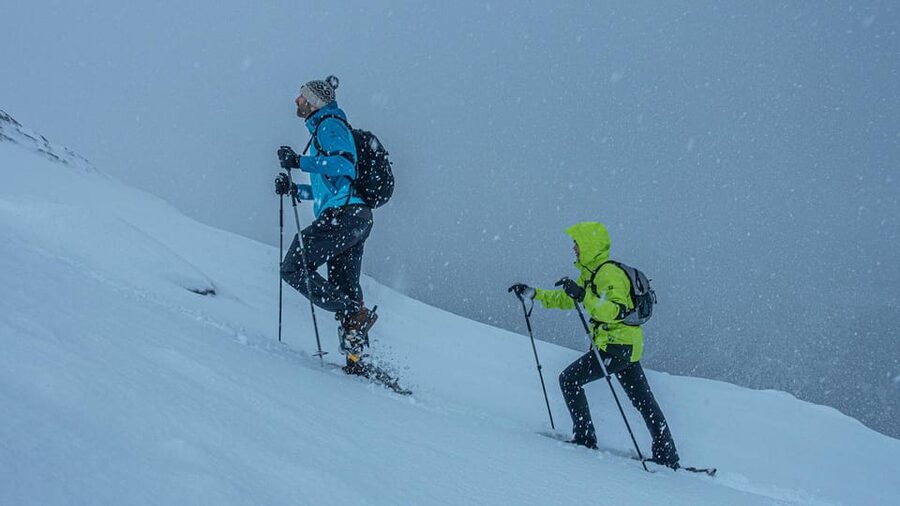
The mountain saves its best trick for the end. This 10-hour winter hike combines a serious trek to Trolltunga with wide views of Ringedalen lake, frozen waterfalls, and the Folgefonna glacier. I especially like the guided pacing and the cheerful snowracer ride back toward the parking area. The main catch is simple: this is a long, demanding day in cold, changeable weather, not a casual photo outing.
You meet at the Trolltunga Active store beside the P2 parking area in Skjeggedal. The price is $194 per person, which is fair if you need winter instruction, safety equipment, photo help, and a guide who knows how to manage the route. It is less appealing if you already own all the gear and want to walk independently.
Key points to know before you book
- The day begins with a 4-kilometer climb from Skjeggedal to Mågelitopp, before you even put on the snowshoes.
- Gryteskar is the steepest uphill section, so save some energy early in the day.
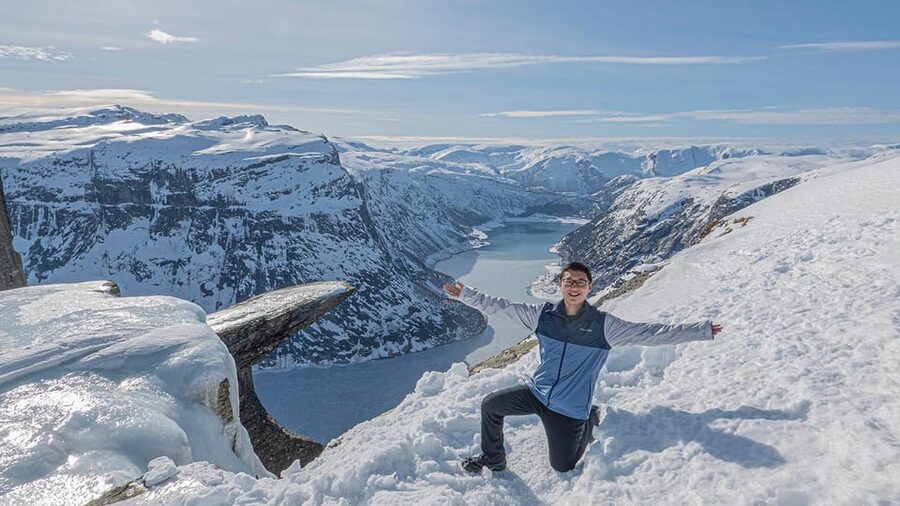
- The winter views are the real prize, with Ringedalen, frozen waterfalls, wind-carved snow, and Folgefonna glacier in sight.
- The Trolltunga viewpoint is reached after several hours of effort, making the famous rock formation feel properly earned.
- A snowracer ride from P3 to P2 adds a playful finish to an otherwise serious mountain day.
- You need real winter hiking clothing and food, including at least two liters of water and enough food for double your normal day.
Why winter Trolltunga is a different experience
Trolltunga is famous for its long rock ledge above Ringedalen lake. In summer, the bare rock and open mountain views dominate the scene. In winter, snow changes the mood completely. The mountains look quieter, the waterfalls may be frozen, and wind can sculpt the snow into soft ridges and strange shapes.
That beauty comes with a price. Winter weather in Norway can change quickly, and the route takes around 10 to 12 hours in total. You are not simply walking to a viewpoint, taking a picture, and heading back for lunch. You are committing to a full mountain day with cold, uphill work, long stretches outside, and a return route that may feel tiring even after the main goal is reached.
I like the way this trip gives the mountain room to unfold. The route passes through several named areas, including Gryteskar, Floren Endåne, and Tyssebotn, rather than rushing straight to the famous rock. The guide also shares local nature and history, points out good photo locations, and sets the breaks at useful moments.
A private group is listed for the experience, and the guiding language is English. The exact number of people is not provided, so you should confirm the group details when booking if that matters to you.
More Snowshoe Hikes in Norway
- From Tromsø: Snowshoeing Hike with Picnic Lunch and Photos
★ 4.9 · 840 reviews - From Tromsø: Guided Husky Snowshoe Hike and Husky Camp Visit
★ 4.9 · 715 reviews - From Tromsø: Snowshoe Hike in the Arctic
★ 4.9 · 467 reviews
Starting at Skjeggedal and climbing to Mågelitopp
The meeting point is easy to identify: the Trolltunga Active store in the building next to the P2 parking area in Skjeggedal. The scheduled start is 7:30 in the morning. Before setting out, the guide gives a briefing, checks the weather, and makes sure everyone is prepared for the conditions.
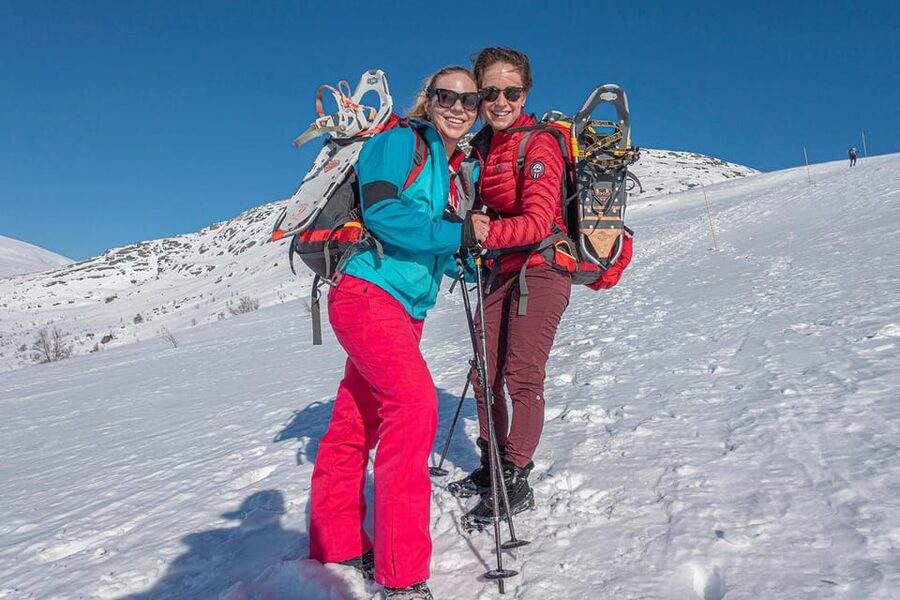
This opening check is more important than it may sound. The route is long, and winter equipment must fit and work properly. The company can provide rental gear if you need it, while hiking poles, microspikes, and snowshoes are included as needed.
The first section covers about four kilometers from Skjeggedal up to Mågelitopp. At this point, you are gaining height before the main snowshoe work begins. Depending on the conditions, this opening stretch may feel like a steady warm-up or a tiring first test. Do not spend all your energy here. The hardest uphill section is still ahead.
A useful point about the early start is daylight. Winter days are short, so beginning in the morning gives the group time to handle the route without rushing. You should still bring a head lamp, as conditions and timing can vary.
Gryteskar brings the hardest uphill
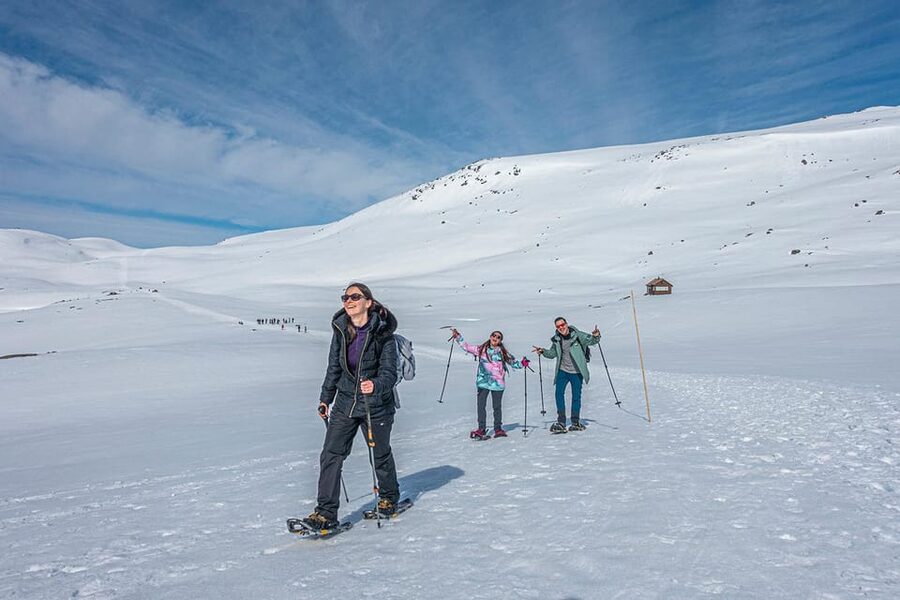
At Mågelitopp, you switch to snowshoes. The route then reaches Gryteskar, described as the steepest uphill section of the hike. This is where a modest level of fitness becomes essential.
The slope is not the whole story. Snow, cold, and the weight of a packed backpack make uphill walking harder than the same distance on a dry summer trail. Snowshoes help you stay on top of softer snow, while poles give you extra balance and support. Your guide can show you how to use the equipment, but you still need to do the climbing.
One useful piece of pacing advice is to treat the first steep section as a controlled effort. Walk steadily, take the planned breaks, and avoid racing ahead. One participant estimated about 35,000 steps over the day, which gives you a better sense of the total workload than the famous viewpoint alone.
The encouraging part is that the terrain becomes easier after Gryteskar. The route continues over a mixture of gentle uphill and downhill sections. It is still a long walk, but the hardest sustained climb is behind you.
Floren Endåne and Tyssebotn: the views open up
After Gryteskar, the route continues through Floren Endåne and Tyssebotn. These names may not mean much before the hike, but they mark the gradual change from steep climbing to a broader mountain journey.
This is where the winter setting begins to reward the effort. You can look across snowy peaks and toward Ringedalen, a valley framed by steep mountain walls. Frozen waterfalls add vertical lines to the view, while wind-shaped snow creates small natural sculptures along the route.
The scenery is not just something to admire at the end. It gives the day its rhythm. You walk, stop, look around, and listen as the guide explains local nature and history. The breaks allow you to eat, drink, adjust layers, and take pictures without turning every pause into a separate production.
Good clothing matters here. You may feel warm while climbing, then cold as soon as you stop. A wool base layer, warm mid layer, and windproof waterproof shell let you adjust without soaking your clothing in sweat. Avoid cotton. The supplied instructions are blunt on this point, and for good reason: wet cotton becomes cold quickly.
Same trailhead, a different kind of day:
- Guided hike to Pulpit Rock Preikestolen
★ 5.0 · 390 reviews - Trolltunga Classic Overnight Hike
★ 5.0 · 336 reviews - From Stavanger: Pulpit Rock Guided Hike with Pickup
★ 4.9 · 294 reviews - Stavanger: Preikestolen (Pulpit Rock) Hike with Local Guide
★ 4.8 · 279 reviews
Reaching Trolltunga above Ringedalen lake
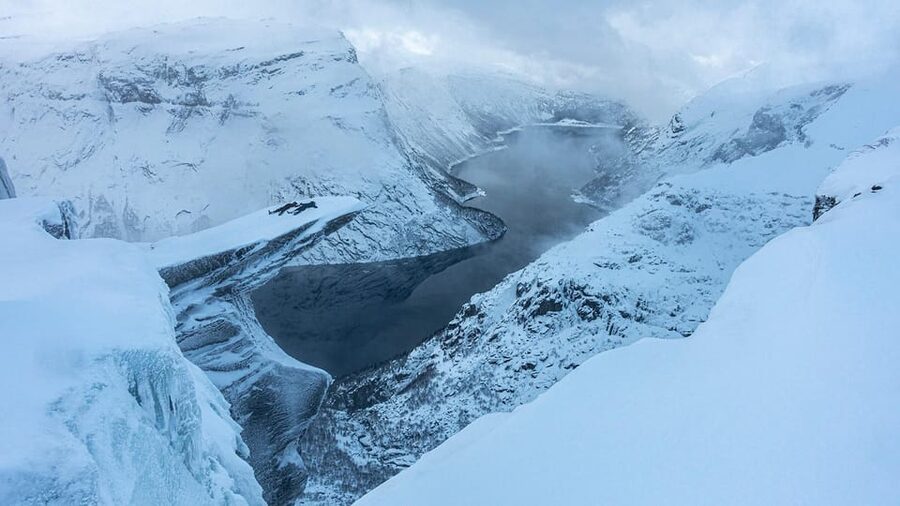
Eventually, the route reaches Trolltunga, the rock formation known as the Troll’s Tongue. In winter, the rock rises above a snowy setting, with Ringedalen lake below and the Folgefonna glacier visible in the distance.
This is the photo stop, but it is also the emotional center of the day. You have spent hours climbing and crossing snowy ground, so the viewpoint feels earned rather than instantly available. The guide helps with pictures throughout the trip, which is useful at a spot where you may not want to trust a quick arm’s-length phone shot.
You should still treat the viewpoint with care. The activity is not suitable for people afraid of heights or people with vertigo. Winter adds snow, wind, and uncertain footing, so this is no place for casual behavior or poor footwear.
The guide also shares more stories at Trolltunga and helps the group choose photo locations. Plan your time here with the return journey in mind. The main goal has been reached, but the day is not over.
The return route and the snowracer finale
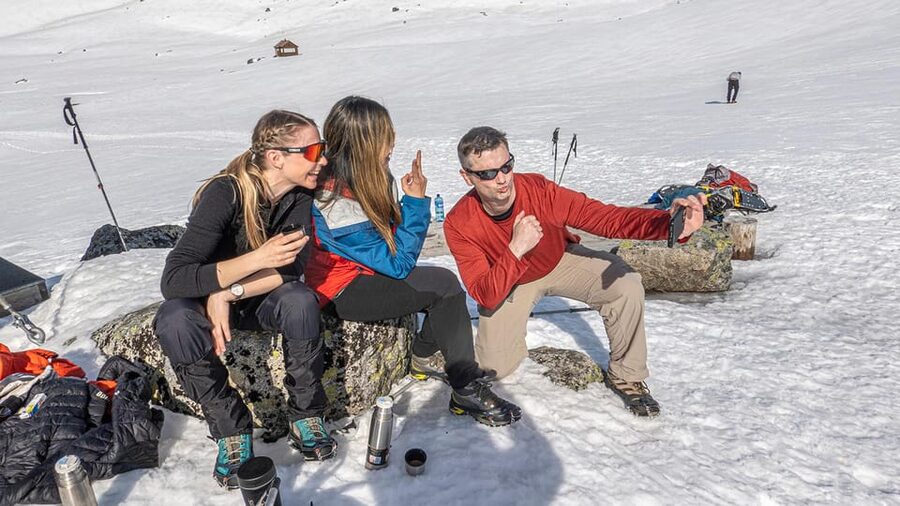
The way back is often easier because the group follows a packed snow trail and has more downhill walking. That does not make it effortless. After several hours on your feet, even a gentle descent can test your legs, especially if the snow conditions change.
The return offers a different view of the route. You may catch a sunset while walking down Gryteskar, depending on the season and the day’s timing. The changing light can be beautiful, but it also reinforces the need for warm layers and a head lamp.
The final flourish is a snowracer ride down the road from P3 to P2, a distance of about four kilometers. This is included in the price and turns the last part of the day into something lighter and more playful. You still need to pay attention and follow the guide’s instructions, but sliding downhill is a memorable contrast to the long climb earlier.
For many people, this ending may be the most distinctive part of the trip. Plenty of mountain outings finish with a tired walk to a vehicle. Here, you get a simple bit of fun before returning to the parking area.
What the $194 price really covers
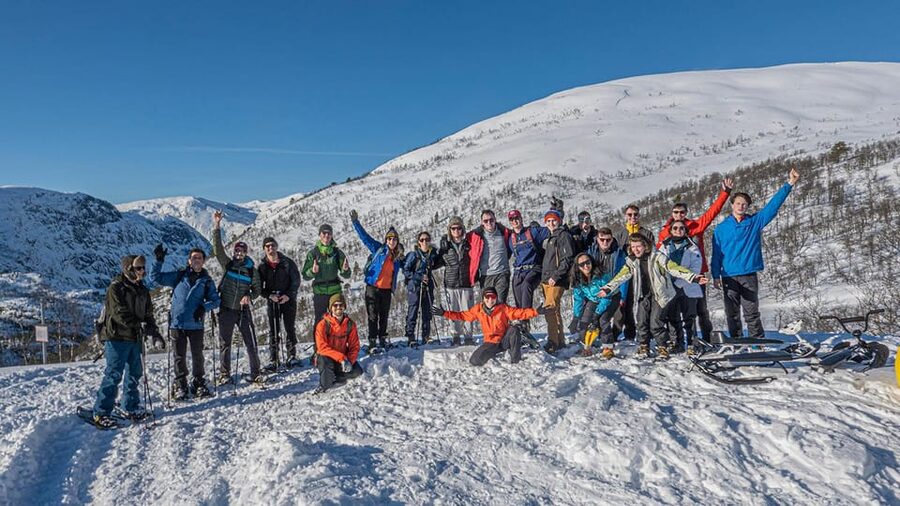
At $194 per person, this is not a cheap walk. The value depends on what you would otherwise need to arrange yourself.
The fee includes a professional guide and instructor, safety and first-aid equipment, hiking poles, and microspikes or snowshoes when needed. It also includes photo help, local nature and history information, the snowracer return from P3 to P2, and free transport to the meeting point if you are staying at the partner Trolltunga Hotel.
The safety element is the strongest reason to consider the price. Winter mountain travel requires more judgment than summer walking. The company has offered guided winter Trolltunga trips since 2015, and the guides focus on preparation, safe movement, and reading the weather. That matters when conditions can shift during a 10-hour day.
Food, drinks, and transport to the starting point are not included. You must bring your own meals and water, and the meeting point is at P2 in Skjeggedal unless your accommodation provides the listed transport.
If you already have snowshoes, winter boots, suitable clothing, poles, and mountain experience, the cost may feel high. If you need structure, instruction, safety support, and equipment access, the price is easier to justify.
What to pack for this 10-hour winter day
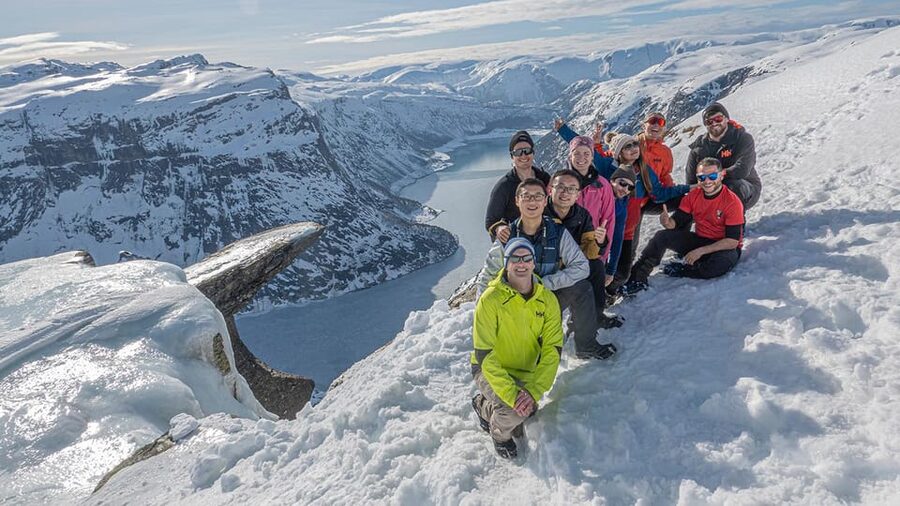
The packing list is serious because the conditions are serious. Plan for more food than you think you need. The guidance recommends at least twice the amount you would normally eat in one day, such as sandwiches, nuts, chocolate, and a banana.
Bring at least two liters of water. A thermos with hot water is a useful extra, especially during long stops in cold weather.
Your clothing should include:
- Sturdy, waterproof, warm hiking boots
- Warm wool socks, plus a spare pair
- A wool base layer, not cotton
- A warm mid layer
- Windproof and waterproof jacket and trousers
- Beanie or warm headband
- Gloves or mittens, plus a spare pair
- Sunglasses or goggles
- Sunscreen
- A head lamp
- Outdoor clothing suitable for changing weather
Use a backpack of about 40 liters. Leave room for microspikes, and make sure you can strap snowshoes to the outside. A fully charged phone is also recommended for emergencies, though it should not replace the guide’s safety equipment.
The combination of sunscreen and goggles may seem excessive in winter. Snow can reflect strong light, and wind can make exposed eyes uncomfortable. Small comforts matter on a long day.
Who should choose this hike?
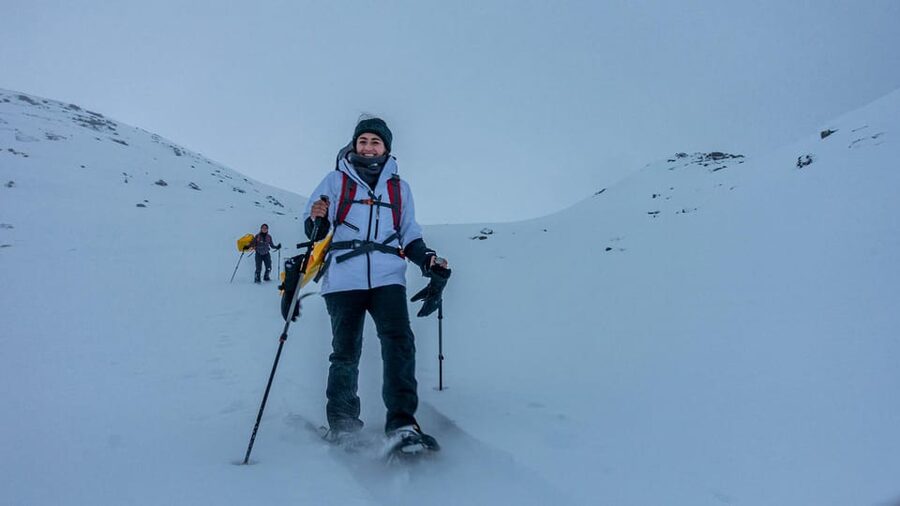
This tour suits you if you want a demanding outdoor day and prefer expert support in winter conditions. It is a good fit for someone who values scenery, photography, local stories, and a memorable activity more than speed or convenience.
You do not need to be an elite mountaineer. One participant described the initial steep section as tiring but short, followed by terrain that was mostly flat. Still, the duration and step count demand a reasonable fitness level. You should be comfortable walking uphill, walking for many hours, and carrying food, water, and spare clothing.
This is not suitable for pregnant women, people with heart problems, people with vertigo, people afraid of heights, or people with a low level of fitness. The company also prohibits smoking, alcohol, drugs, and littering.
The tour is especially appealing if you have already seen Trolltunga in photographs and want a winter version rather than a standard warm-weather outing. The snowshoe route, frozen waterfalls, glacier views, and sledding finish make it feel like its own experience.
Weather, flexibility, and cancellation
Check the forecast before departure, but do not assume it will remain accurate all day. The Norwegian winter can change quickly. Your guide has the final say on safe progress and conditions.
The booking terms allow free cancellation up to 24 hours before departure, with a full refund. You can also reserve now and pay later, which is useful when your Norway plans are still moving around.
The tour is offered in English, and the duration is listed as 10 hours, with the route description allowing 10 to 12 hours. Build that longer window into your day. Do not schedule a tight evening connection or an important dinner immediately afterward.
Should you book the Trolltunga winter hike?
Book it if you want a full winter mountain experience rather than a quick visit to a famous viewpoint. The guide support, included equipment options, photo assistance, glacier views, and snowracer finish give the $194 price real substance.
Skip it if you dislike long hikes, cold weather, heights, or carrying a large pack. You also need to accept that the most beautiful part of the day may come with the most physical effort.
My practical advice is to book when the route, weather, and gear list match your ability. Arrive prepared, eat often, pace yourself on Gryteskar, and keep your expectations realistic. Trolltunga is spectacular in winter, but the mountain asks you to earn the view.
FAQ
How long does the Trolltunga winter hike take?
The activity is listed as 10 hours, while the route information gives an expected duration of 10 to 12 hours.
Where is the meeting point?
You meet at the Trolltunga Active store in the building next to the P2 parking area in Skjeggedal.
What time does the hike start?
The tour starts at 7:30 AM.
Are snowshoes included?
Snowshoes or microspikes are provided if needed. Hiking poles are also included.
Is food included?
No. You need to bring your own food, snacks, and drinks. The guidance recommends at least twice your normal daily amount of food and two liters of water.
Is the snowracer ride included?
Yes. The snowracer return from P3 to P2 is included in the activity.
Is the tour suitable for people with vertigo or a low fitness level?
No. The activity is not suitable for people with vertigo, people afraid of heights, or people with a low level of fitness. It is also not suitable for pregnant women or people with heart problems.
More Winter Activities around Norway
- Stavanger: Preikestolen Winter Hike + Hot Lunch
★ 5.0 · 96 reviews - From Tromsø: Evening Fjellheisen Snowshoe Hike and Cable Car
★ 4.8 · 91 reviews - Snowshoe hiking in Bergen – Public tour
★ 5.0 · 59 reviews - Oslo: Winter Wonderland Forest Hike and Campfire with a Dog
★ 5.0 · 48 reviews
Just added around Norway
- Half-Day Hiking in Mosjøen Via Ferrata★ 4.5 · 7 reviews
- Hiking Trip to Keiservarden, Classic Hike, Bodo – Northern Norway★ 5.0 · 13 reviews
- Hiking Day Trip in Bodo, The Hidden Valley★ 5.0 · 20 reviews
- Hike to Hovdsundet Beach – Bodo, Northern Norway★ 5.0 · 10 reviews
- Mjelle Beach – Easy Day Hike to Bodos no 1 Beach, Northern Norway★ 5.0 · 11 reviews
- Fjord Hiking – Private tour★ 5.0 · 9 reviews
- Full Day Hiking Adventure from Bergen to Trolltunga★ 5.0 · 7 reviews
- 3-Hour Private Norwegian Hiking Experience with Local Guide★ 5.0 · 27 reviews
Norway Hiking Tours, compared.
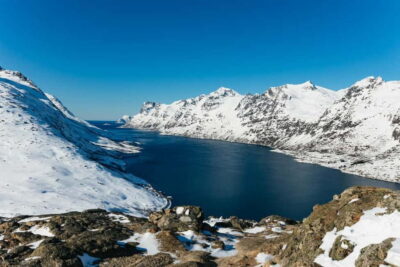
From Tromsø: Snowshoeing Hike with Picnic Lunch and Photos
Read our review →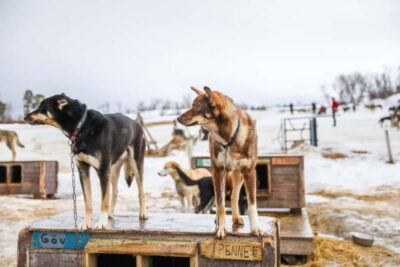
From Tromsø: Guided Husky Snowshoe Hike and Husky Camp Visit
Read our review →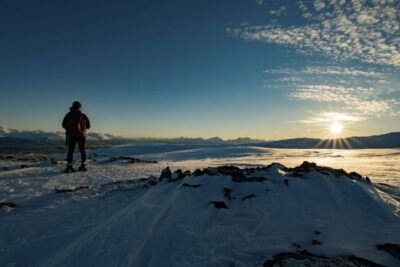
From Stavanger: Pulpit Rock Guided Hike with Pickup
Read our review →
Stavanger: Preikestolen (Pulpit Rock) Hike with Local Guide
Read our review →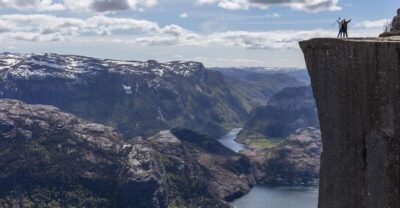
Stavanger: Preikestolen Classic Hike and Side Trail
Read our review →Browse the lists this tour appears in