
REVIEW · SRI LANKA HIKING TOURS
Night Hike to see Elusive & Rare Loris in Sigiriya
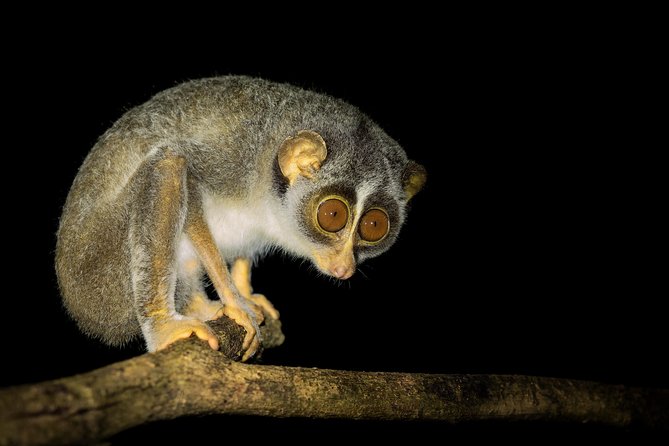
The jungle changes after sunset. This 90-minute night walk near Pidurangala gives you a real chance to see Sri Lanka’s shy loris, a tiny primate with huge eyes and slow, careful movements.
I like the strong conservation focus and the guides’ sharp wildlife skills. I also like that the walk stays small, with no more than eight people, and includes the basic gear you need. The main consideration is that wildlife is never fully predictable: rain and bright moonlight can make lorises harder to find, even though the stated sighting rate is above 90%.
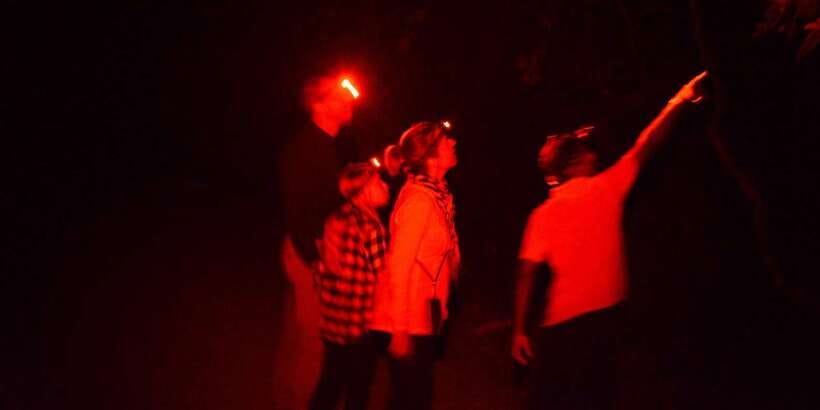
This is not a fast-paced safari or a climb up Pidurangala Rock. You meet at Rocko’s Vegetarian Cafe, receive an introduction to lorises and the night ecosystem, then walk through the nearby jungle with headlamps. The route is short, but the searching takes patience.
Key points before you book
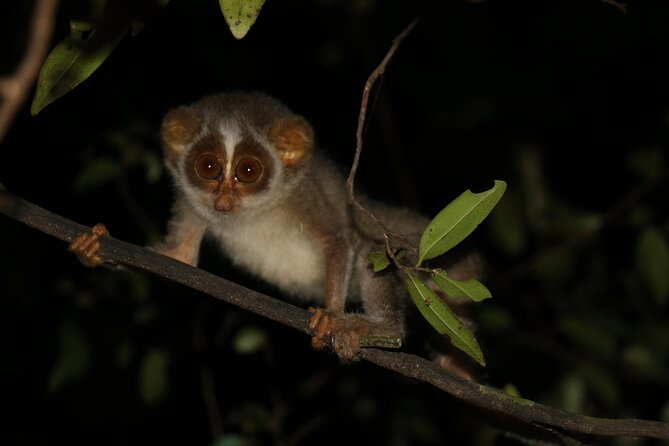
- The target is the red slender loris, a nocturnal primate that moves through the trees after dark.
- The stated sighting rate is over 90 percent, with a money-back guarantee if no loris is seen.
- The walk begins at Rocko’s Vegetarian Cafe in Pidurangala and returns to the same place.
- Headlamps and necessary equipment are provided, but you must bring suitable clothing and shoes.
- The group is limited to eight people, which helps the guide search quietly and keep everyone together.
- The price is $64 per group of up to two, a useful value if you are traveling as a pair.
Meeting the guide at Rocko’s Vegetarian Cafe
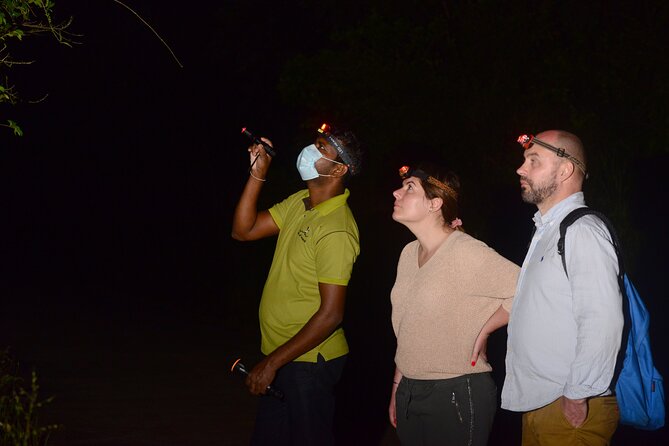
Your evening begins at Rocko’s Vegetarian Cafe in Pidurangala, near Sigiriya. This is more than a simple roadside meeting point. The activity takes place around a jungle lodge setting, and the opening talk gives the walk a useful purpose before you head outside.
The guide explains the loris, its habits, and the problems facing its habitat. The conservation group behind the activity, Back of Beyond, also works to protect the local ecosystem. That background matters because you are not simply being taken into the trees to point at an animal. You are learning why the animal is difficult to see and why quiet, careful observation is important.
A short presentation comes first. It covers the loris and other night creatures you may encounter. Some people will enjoy this talk more than others. If you already know a lot about South Asian primates, it may feel basic, but the presentation helps you understand what to watch for once the lights go out.
You may also receive a drink before the walk. The guides use this opening time to explain how the evening will work and to get the group ready. This is a good moment to ask questions, check your clothing, and make sure your headlamp is working.
More Night Hikes in the world:
- Fortress Night Hike & Snack at a Local Market
★ 5.0 · 112 reviews - 2 Day 1 Night Trek / Colca Canyon
★ 4.5 · 92 reviews - Tenerife: Teide Night Hike to Watch Sunrise and Shadow
★ 5.0 · 91 reviews
Why the loris is worth a nighttime outing
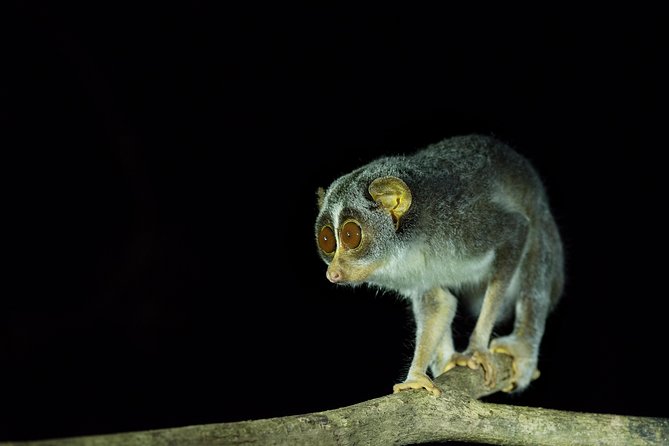
The loris is a small, slow-moving primate with large eyes adapted to the dark. It spends the day hidden and becomes active at night, which makes a normal daytime nature walk a poor way to find one.
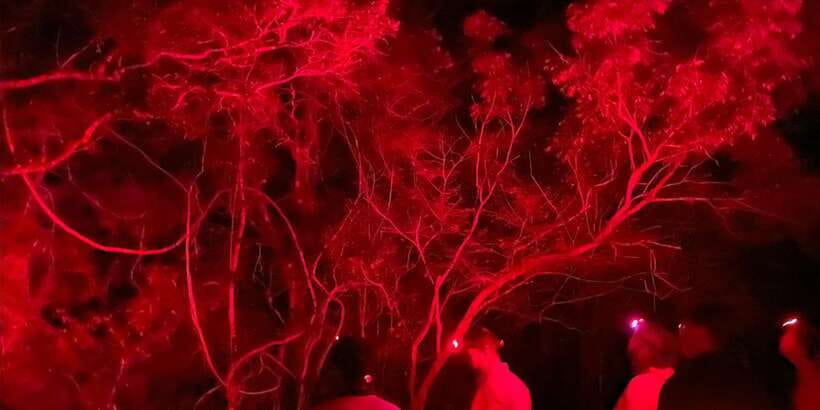
The fun is in the search. Your guide scans the branches and leaves for eye shine, movement, and the shape of a loris gripping a tree. Once one is found, the group gathers quietly and looks up. The animal may be high above you, partly hidden, or moving through the foliage one careful step at a time.
You might see one loris, several, or none if conditions are difficult. The advertised success rate is high, and many outings produce sightings of four or five animals. One evening produced five, while another group saw two after arriving more than an hour late because of rain and elephants on the road.
That last detail is useful. The high success rate does not mean the animal appears on command. Weather, moonlight, recent rain, and the loris’s own behavior all matter. The money-back promise reduces the financial risk, but not the possibility of a slower, less dramatic outing.
Walking through Pidurangala after dark
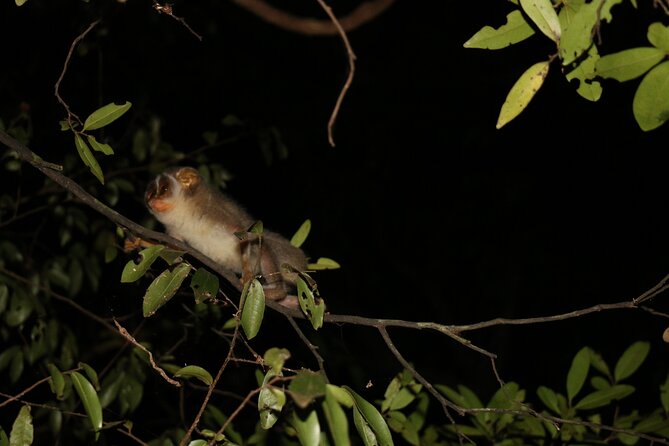
The walk takes place in the jungle around Pidurangala, not on the main climb to Pidurangala Rock. You follow the guides along natural paths while they look into trees and listen for signs of night activity.
The advertised duration is 1.5 hours, while the route description gives about two hours for the guided walk. Plan for roughly this range rather than treating the timing as exact. Searching for wildlife can stretch the outing, especially if the group finds an animal and spends time observing it.
The pace is generally gentle. One account describes the evening as a nice walk that was not too long, while another notes that the group walked for about an hour during a rainy night before finally finding a loris. This is suitable for people who can manage an outdoor walk on uneven jungle paths, but it is not a formal paved attraction.
The darkness adds real character. You hear insects and birds that are easy to miss in daylight. Guides may point out sleeping birds, unusual nests, geckos, bioluminescent insects, mouse deer, and a kangaroo lizard. These sightings are not guaranteed, but they show why the outing is more than a single-animal hunt.
There is also a practical side to walking at night. You need to stay with the group and follow the guide’s instructions. The trees can hide animals from one angle and reveal them from another, so the group may stop often while the guide checks a branch or redirects everyone to a better view.
Headlamps, clothing, and comfort
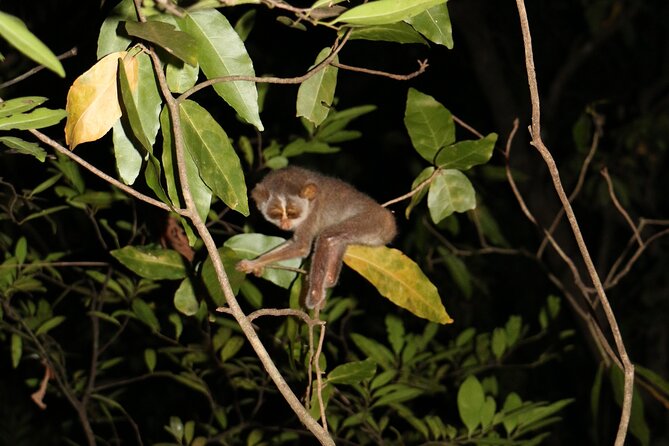
The necessary gear is provided, including headlamps. That saves you from carrying special equipment through Sri Lanka, though you should still arrive prepared for a jungle walk.
Wear long pants, a long-sleeved shirt, and closed-toe shoes. These clothes protect you from branches, insects, and rough ground. Sandals and shorts are poor choices here, even if the evening feels warm at the cafe.
A headlamp is especially helpful because it leaves your hands free and lets you watch your footing. Avoid shining lights randomly into the trees. The guide will help direct the group’s attention and keep the search as calm as possible.
Rain is an important factor. A wet evening may send lorises deeper into cover, but it does not always end the search. One outing began after a heavy rainstorm, produced several other creatures, and finally found a loris once the rain stopped.
Bright moonlight can also work against you. On a full-moon evening, the lorises stayed deeper in the jungle and were not seen as closely. If you have flexibility, a darker night may offer better conditions, though the activity’s schedule and local weather will decide what is possible.
More Evening Trips around the world:
- Stromboli: Sunset Trekking at Sciara del Fuoco
★ 4.6 · 1,372 reviews - Etna Sunset Tour: Volcano trek, Cave & tasting from Catania
★ 4.8 · 1,290 reviews - The Volcano Heart Tour: Hiking, Tasting and Sunset Experience
★ 5.0 · 1,120 reviews - Cape Town: Lion’s Head Sunrise or Sunset Hike
★ 5.0 · 1,084 reviews
What the guides add to the experience
The guide is the key to this activity. Finding a small nocturnal primate in dark foliage is not easy, and an untrained group would likely walk past it.
The guides do more than point out animals. They explain the ecosystem, identify smaller creatures, and share practical facts about lorises. Several outings were especially praised for guides who kept searching after the group had nearly given up.
That persistence matters. During one wet evening, the group saw no loris at first and had started to lose hope. The guide then spotted one moving above their heads. The sighting became the highlight of the night precisely because it came after patient searching.
The guides also appear to take animal welfare seriously. The walk is presented as an ethical wildlife activity, and the conservation work gives the fee a wider purpose. You are not promised close handling or staged encounters. The appeal is watching a wild animal in its own setting, at a respectful distance.
The small group size helps. With up to eight participants, the guide can answer questions and position people without creating a large, noisy crowd. If fewer people book, you may have an even quieter outing. One pair had two guides to themselves after arriving late, though you should not count on a private tour.
Other animals you may spot
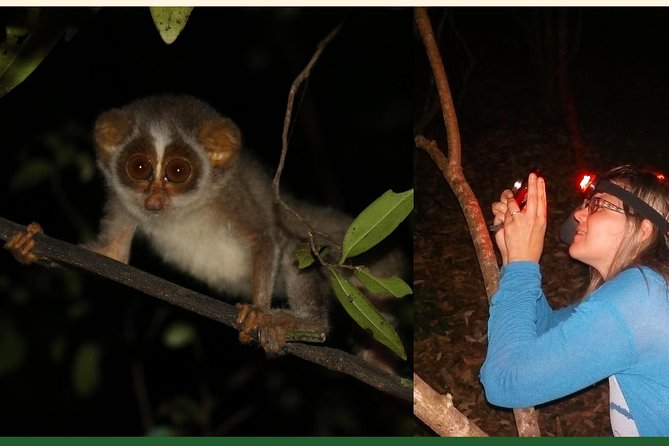
The loris is the star, but the jungle can offer a fuller night safari. The exact sightings change from evening to evening, so treat these examples as possibilities rather than a checklist.
You might see sleeping birds, unusual nests, geckos, insects that give off a faint glow, and mouse deer. One walk produced both an adult and a baby mouse deer. Another included a kangaroo lizard resting on a branch.
The starry sky can also become part of the experience. When the vegetation opens up, you may look upward rather than into the trees. This gives the evening a calm rhythm: walk, stop, scan, listen, and wait.
Some outings involve more than one loris. Four or five sightings are possible, and a close look may allow photographs. Still, the animals are not trained, and the guide cannot guarantee a perfect photo or a low branch. Bring a camera only if you can use it without disturbing the group or shining bright light into the trees.
A particularly unusual incident involved a loris found on the road after being knocked from a tree. That is not a planned part of the activity, but it shows the conservation concerns in this area. Roads and habitat loss can put small nocturnal animals at risk, which makes the educational side of the walk worthwhile.
Is $64 good value for two people?
At $64 per group of up to two, the price is easier to justify for a couple or two friends than for a solo visitor. Split between two people, it works out to $32 each, with a guide, equipment, a wildlife talk, and a strong chance of seeing the main subject.
The value is also tied to the conservation work. The fee supports an organization focused on protecting lorises and their habitat, according to the activity information. That gives this outing more substance than a simple evening stroll.
You should still compare it with your priorities. If you mainly want a guaranteed close wildlife encounter, no night walk can fully promise that. If you want a short, guided experience that combines wildlife watching with conservation education, the price is reasonable.
The walk may also be a better fit for your schedule than a major attraction. It lasts around 1.5 to two hours, leaving room for dinner or another Sigiriya activity. One person specifically preferred spending the money here rather than on the more expensive Lion Rock admission, though the two experiences are very different and should not be treated as substitutes.
Who will enjoy this most
I would choose this outing if you like wildlife, quiet walks, and small natural details. It works especially well for couples, solo nature fans, and families with older children who can stay quiet and walk carefully in the dark.
It is also a good choice if you have already seen Sigiriya Rock and want a different side of the area. Daytime ruins show the ancient culture of the region. This night walk shows the living world around it.
You may want to skip it if you dislike insects, uneven paths, darkness, or waiting for an animal to appear. It is not an action-packed hike, and the most exciting moments may last only a few seconds.
You should also avoid booking with the expectation of touching or feeding wildlife. The value comes from observation and learning, not interaction.
Booking details that matter
The live tour is conducted in English, and the group is limited to eight participants. The meeting point is Rocko’s Vegetarian Cafe, Pidurangala, with the walk returning there at the end.
The listed duration is 1.5 hours, while the detailed route suggests about two hours of walking and guided activity. Allow a little flexibility, especially if the group is searching carefully or weather affects the start.
You can cancel up to 24 hours before the activity for a full refund, and the reserve-now, pay-later option keeps your plans flexible. The money-back guarantee applies if no loris is spotted, which is a useful protection for an animal-focused experience.
Arrive on time. One late arrival worked out because the guide was willing to run another outing, but that should be seen as goodwill, not a normal arrangement. Rain and road conditions around Sigiriya can create delays, so leave enough time to reach Pidurangala.
Should you book the loris night hike?
I would book this if you want an ethical, focused wildlife experience near Sigiriya and you can accept a little uncertainty. The guides’ ability to find hidden animals, the high sighting rate, the small groups, and the conservation work make this one of the more distinctive evening activities in the area.
Go with realistic expectations. You may see several lorises close up, or you may spend much of the walk listening to insects and searching dark branches before getting one brief but memorable sighting. Wear proper clothes, keep your light under control, and let the guide do the spotting.
For two people, the $64 group price is good value. If seeing a wild loris matters more to you than another standard sightseeing stop, this is a strong choice.
FAQ
Where does the night hike start?
The meeting point is Rocko’s Vegetarian Cafe in Pidurangala, near Sigiriya. The walk returns to the cafe at the end.
How long does the experience last?
The stated duration is 1.5 hours. The detailed route describes about two hours of guided walking, so allow some flexibility.
How likely is it that I will see a loris?
The activity states a success rate of over 90 percent. Sightings still depend on weather, moonlight, and animal behavior.
What happens if no loris is spotted?
A money-back guarantee is provided if no loris is seen.
What should I wear?
Wear long pants, a long-sleeved shirt, and closed-toe shoes because the walk goes through jungle areas.
Is equipment provided?
Necessary equipment is provided, including headlamps for the nighttime walk.
How large is the group?
The experience is limited to eight participants and is conducted with a live English-speaking guide.
Just added around the world
- From Jökulsárlón: Vatnajökull Easy Level Glacier Hike★ 4.2 · 20 reviews
- From Kanab: 3-Hour Peek-a-Boo Slot Canyon Hiking/Photo Tour★ 4.9 · 25 reviews
- From Jujuy: Salinas Grandes, Purmamarca & Los Colorados Hike★ 4.2 · 75 reviews
- From Kalamata: Polylimnio Waterfalls Guided Hiking Tour★ 4.9 · 19 reviews
- From Kalkan: Saklikent Gorge and Gizlikent Waterfall Trek★ 4.7 · 13 reviews
- From Hanoi: Hoa Lu, Hang Mua Hike, Tam Coc Boat, and Lunch★ 4.4 · 28 reviews
- From Huaraz: Hike to the Lagoon 69★ 4.4 · 121 reviews
- From Kalabaka: Authentic Meteora Hiking Tour – Local Agency★ 5.0 · 20 reviews
Sri Lanka Hiking Tours, compared.
Ella: Private Ella Rock Sunrise Hike – All Inclusive
Read our review →
Sigiriya Lion Rock Hike & Minneriya National Park Safari
Read our review →Kandy: Knuckles Mountain Range Guided Trekking Tour
Read our review →
Tuk-Tuk Safari Liptons seat,Tea Fields Hike,TeaFactory Tour
Read our review →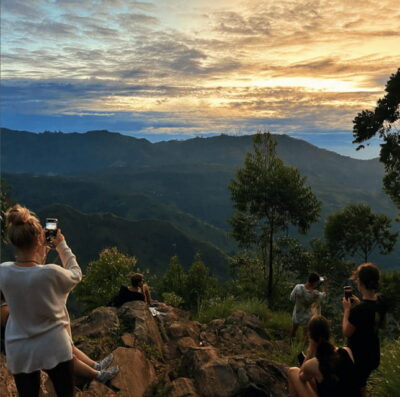
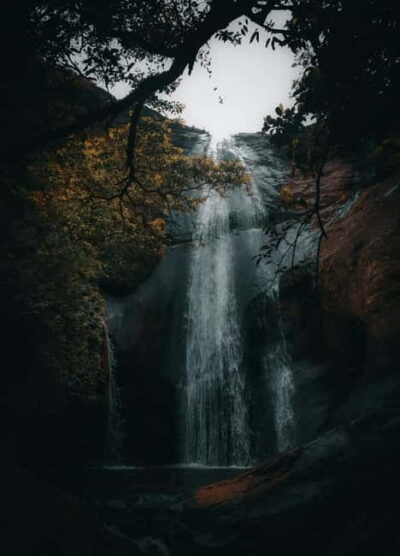
Ella: Waterfall hunting Hike to Bambarakanda and Lanka Falls
Read our review →
Ella: Sunset Tuk Tuk Tour with Little Adam’s Peak Hike
Read our review →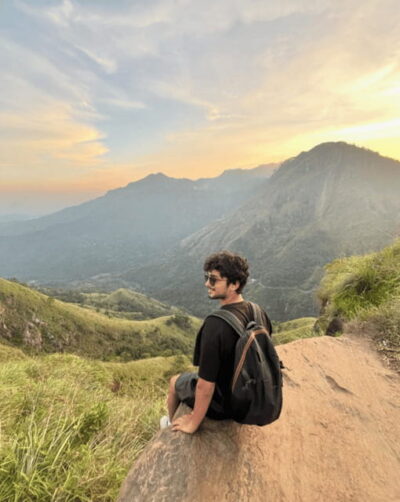
Browse the lists this tour appears in