
REVIEW · GREECE HIKING TOURS
Naxos: Countryside hike among villages & Byzantine churches
Slow down for the real Naxos. This half-day hike leaves the beach crowds behind and links five traditional villages by old footpaths, olive groves, stone lanes, and quiet country trails. I especially like the visit to Panagia Drosiani, one of the Balkans’ oldest churches, and the chance to see Naxos through local food, crafts, olive oil, and village life. The main drawback is the walking: this is not a casual stroll, and you need decent shoes, water, and a fair level of fitness.
The route begins and ends in Halki, making transport simple if you meet there, while optional hotel pickup helps if you are staying elsewhere on the island. Guides such as Nick and David add useful context about Naxian customs and daily life. At $94 per person, the price is reasonable for a small group of up to 12, several cultural visits, a snack, guide service, and insurance, though transport and the final meal cost extra.
Key points at a glance
- Panagia Drosiani: Visit a sixth-century Byzantine church with important frescoes and unusual early Christian design.
- Five-village route: Walk between Halki, Moni, Kaloxylos, Akadimoi, and other small settlements using old paths rather than busy roads.
- Working island traditions: See an old olive press, visit a folklore museum, and stop at a distillery producing Naxos’ citrus liqueur, Kitron.
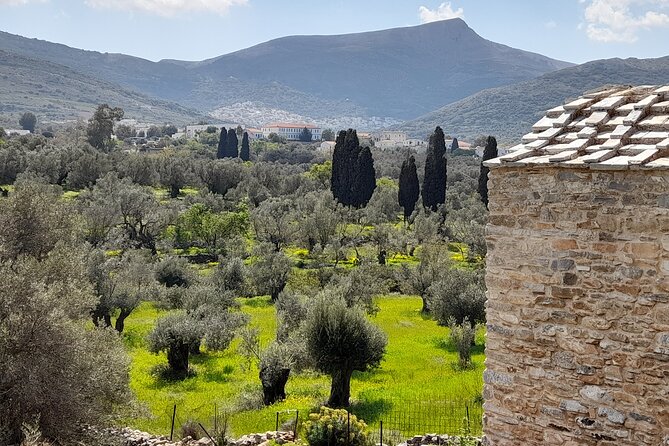
- Tragea Valley scenery: Expect olive, fig, and citrus groves, oak and plane trees, a wooded ravine, dirt trails, and stone-paved paths.
- Small-group pace: A maximum of 12 people makes it easier to hear the guide and take regular breaks.
- Optional Greek meal: Finish beneath a climbing grapevine at a traditional taverna, if you add the meal when booking.
Why this Naxos hike is worth your time
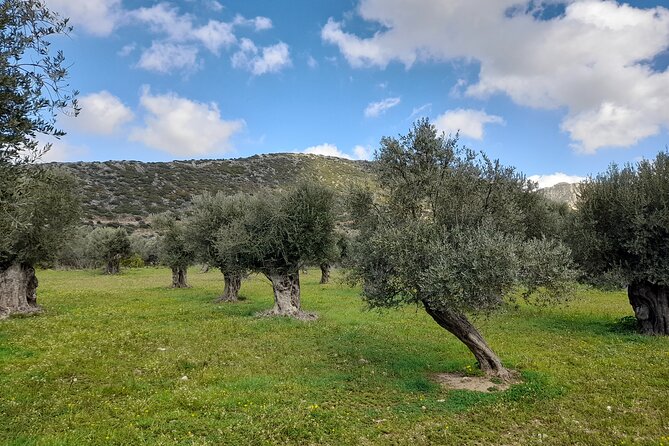
Naxos is often sold through its beaches and whitewashed port, but the island’s interior gives you a fuller picture. The Tragea Valley has a slower rhythm. You pass groves, old churches, village homes, and paths that connect communities rather than attractions built for sightseeing.
I like this tour because it joins several good experiences into one outing without making the day feel like a checklist. You get exercise, scenery, architecture, food culture, and local museums. Each part helps explain the next. The olive trees make more sense after you see the old press. The villages feel more personal after you visit the folklore collection. The Kitron tasting gives the day a cheerful finish.
The four-and-a-half to six-hour duration is long enough to feel like a proper day in the countryside, but short enough to fit into a wider Naxos visit. The exact timing depends on the pace of the group and the chosen start time. You should not book this expecting a quick two-hour walk with a few photo stops.
A few more hikes around Greece worth a look
- From Chania: Full-Day Samaria Gorge Trek Excursion & Guide
★ 4.6 · 3,191 reviews - From Rethymno: Samaria Gorge Full-Day Trek, Pickup & Guide
★ 4.5 · 1,610 reviews - From Chania/Rethymno: Samariá Gorge Guided Hike with Pickup
★ 4.5 · 1,010 reviews
Starting in Halki beside Panagia Protothronos
Your meeting point is outside Panagia Protothronos on the main road through Chalkio, also commonly written as Halki. This village is a good place to begin because it has notable neoclassical buildings and a more settled, inland character than the island’s port.
Take a moment to look around before walking. Halki is not just a departure point. Its architecture gives you an early sense of how prosperous village life once worked in the Naxian interior. The tour starts here and returns here, which is useful if you arrange your own transport.
If you choose pickup, wait outside your accommodation five minutes before the scheduled time. The exact pickup hour is sent by email the day before. If you meet at the village, you receive more detailed meeting instructions by email as well, so check your messages before setting out.
Walking through Tragea Valley
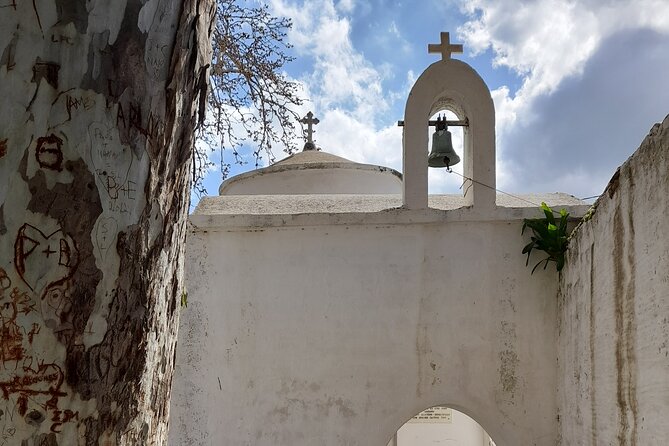
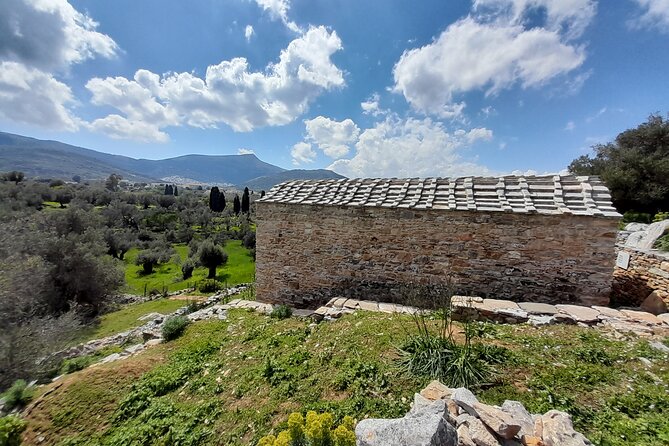
From Halki, the route moves into the Tragea Valley. This is the scenic heart of the outing, with olive, fig, and citrus groves, clusters of oaks and plane trees, a green ravine, dirt trails, and old stone-paved paths.
The walking surface changes. Some sections are natural dirt paths, while others use uneven stone lanes. That variety makes the route more interesting, but it also explains why hiking shoes are recommended. Comfortable trainers may work for some people, yet sturdy footwear gives you better support on rough or sloping ground.
The scenery here is less about one grand viewpoint and more about a steady sequence of small discoveries. You might pass a grove, turn into a narrow village lane, cross a shaded section, and then reach another old church or group of houses. The route rewards attention. Look at the walls, trees, and small details rather than rushing toward the next stop.
The guide also adds value here. Nick has been praised for his stories about Naxian history, customs, animals, and daily life, while David has been singled out for his clear explanations of the island. Their role is not only to lead the way. They help connect the countryside to the people who still use it.
Panagia Drosiani and sixth-century Christian art
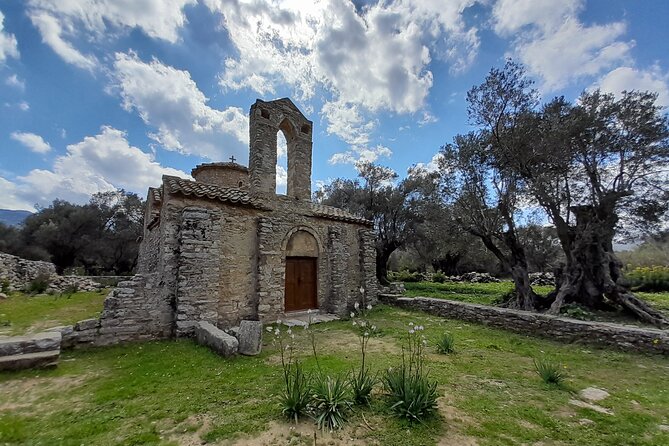
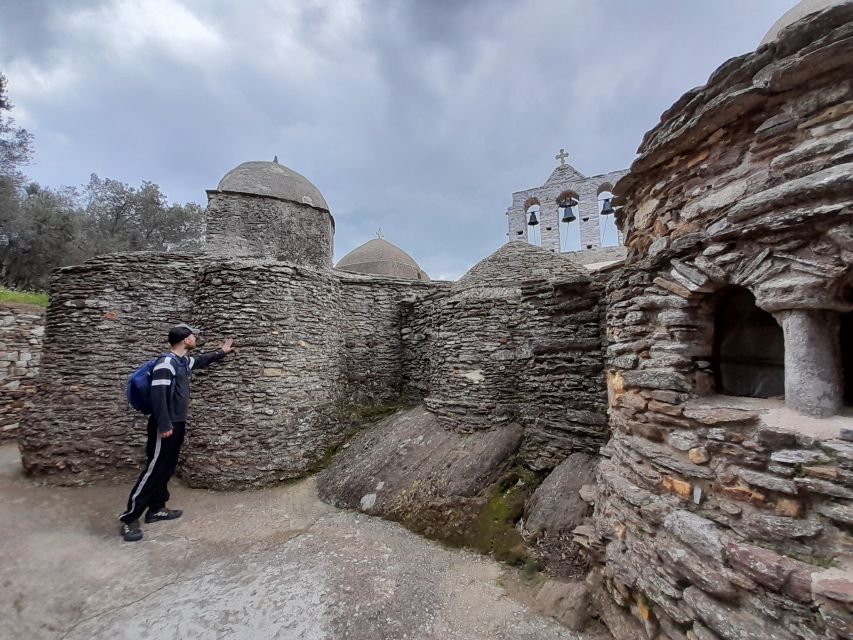
One of the day’s strongest stops is Panagia Drosiani, a church dating from the sixth century AD. It is considered one of Naxos’ most important Christian monuments and one of the oldest churches in the Balkans.
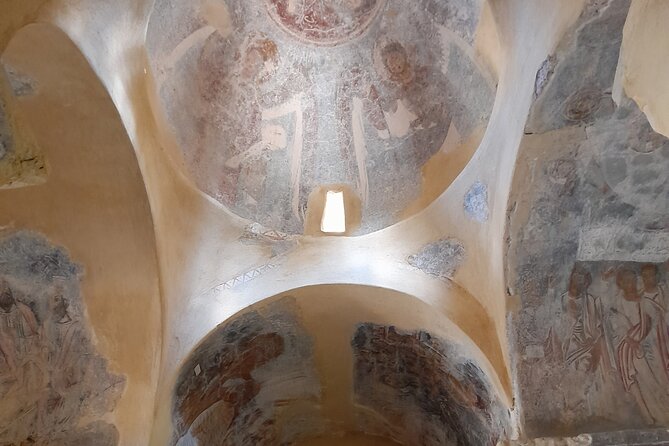
The church is valuable because it is old in a way that you can feel in the design and setting, not just read on a sign. Its architecture differs from the other Byzantine churches in the area, and some churches along the route contain striking frescoes. The variety matters. You are not looking at one repeated church style, but at buildings from different eras and with different forms.
The visit also gives the hike a welcome pause. After walking through the groves, you have time to focus on art, worship, and the long continuity of village life. If historic churches are a priority for you, this is one of the main reasons to choose the outing.
Keep expectations sensible. This is a countryside hike with church visits, not a full architectural study. The amount of time at each church depends on access, the group, and the guide’s plan. Still, Panagia Drosiani gives the route a genuine sense of place that a standard sightseeing drive would miss.
Same trailhead, a different kind of day:
- From Chania: Samaria Gorge with Professional Hiking Guide
★ 4.6 · 720 reviews - Meteora Small Group Hiking tour with Transfer and Monastery Visit
★ 5.0 · 484 reviews - From Heraklion: Samaria Gorge & Agia Roumeli Hiking Day Trip
★ 4.4 · 422 reviews - Samaria Gorge Hiking from Chania with Professional Hiking Guide
★ 4.5 · 372 reviews
Moni: a shaded break halfway through
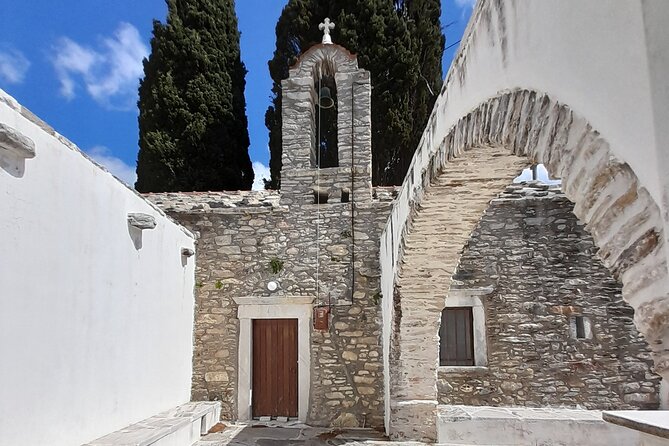
Around the midpoint, you reach Moni. The village provides a short break under the shade of trees, which is important on a warm Naxian day.
This is when your water supply matters. You are asked to bring at least 1.5 liters per person in your own reusable bottle. The operator is trying to cut out plastic bottles, so this is not a detail to ignore. Bring enough water from the start, along with sunscreen and sunglasses.
The break also helps keep the outing comfortable for different walking speeds. You do not need to be an athlete, but you do need to be willing to walk for several hours. One detailed account put the distance at about 5.5 miles, though the official timing is given as four and a half to six hours rather than a fixed mileage figure.
Kaloxylos, Akadimoi, and the old olive press
After Moni, the route continues toward Kaloxylos and Akadimoi. These smaller villages are part of what makes the excursion feel different from a standard island tour. The paths connect real settlements, and the old buildings are part of the setting rather than a staged cultural show.
At the old olive press factory, you see how olive oil was produced about a century ago. This stop gives practical meaning to all those olive groves you passed earlier. Naxos is not simply pretty countryside. Its trees supported work, trade, meals, and village routines.
The press is also a strong stop for anyone interested in food. The experience has included olive oil tasting, and it has been praised as one of the most enjoyable parts of the day. Tasting the oil after seeing the equipment makes the flavor feel connected to a process, not just a product on a shop shelf.
This is an atmospheric place, but it is not a modern production tour. You are there to understand older methods and local practice. If you want a technical lesson on every stage of olive processing, you may find the visit brief. For most people, its value is in seeing the tools and setting firsthand.
Kaloxylos Folklore Museum and village traditions
In the heart of Kaloxylos, the folklore museum offers a step back into an earlier period of Naxian life. Its collections show household objects and other items from a bygone age.
The museum works best as part of the walking route. On its own, it might be a small stop. After passing through the countryside and villages, though, the objects have more meaning. You begin to see how people worked, dressed, stored food, and made use of local materials.
A memorable part of the experience can be meeting local craftspeople. One account describes watching a weaver at work, an encounter that brought village skill and tradition to life. This is the sort of unscripted detail that can make a small museum visit more meaningful than a large display behind glass.
The museum is not likely to satisfy someone seeking a long, formal exhibition. It is better suited to visitors who enjoy personal scale, local objects, and a direct link between the village around them and the items inside.
Kitron at the local distillery
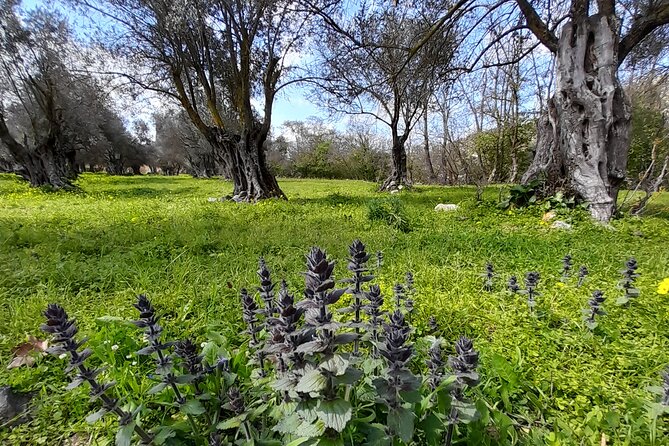
Near the end of the walk, you visit a local distillery producing Kitron, Naxos’ citrus-based liqueur. The distillery entrance is included in the $94 price.
Kitron gives the day a distinctly Naxian flavor. It is made from citrus, and the tasting provides a relaxed way to finish the cultural part of the route. The stop is also a chance to toast the day and meet other people in the group.
Because alcohol is involved, this is not the main reason to book the tour if you do not drink. The visit still has interest as a local food and production stop, but the tasting will naturally appeal more to some people than others.
The tour includes a snack, but it does not automatically include the full meal at the end. Keep that distinction in mind when comparing the total price with other Naxos excursions.
The optional meal beneath the grapevine
The optional meal takes place at a traditional taverna under the shade of a climbing grapevine. After several hours on foot, this is a welcome ending rather than a rushed lunch squeezed into the middle of the route.
A traditional Greek meal adds real value if you want the day to end around a table rather than with a quick snack. One detailed account called the lunch a highlight and praised the food as genuinely local. Still, you should check the booking details and total cost, since the meal is optional and not part of the base price.
If you have dietary needs, the supplied details do not specify available alternatives. Ask before booking if that matters to you. The same applies if you need a precise return time, since the whole outing can run from four and a half to six hours.
Fitness, equipment, and group size
This is a small-group hike limited to 12 participants. That number is useful because the guide can keep the group together, explain the churches, and offer breaks without managing a large crowd.
The route is not suitable for children under 12, people with mobility impairments, people with a low level of fitness, or people over 70. Those limits are worth taking seriously. The walk includes dirt trails, stone-paved paths, village lanes, and several hours on foot.
Bring:
- Hiking shoes
- At least 1.5 liters of water
- Sunscreen and sunglasses
- Comfortable clothing
- A small daypack
First aid kits and other necessary equipment are supplied, along with liability insurance. That is reassuring, but it does not replace proper preparation. Wear shoes you trust, protect yourself from the sun, and do not rely on finding water along the route.
The pace is not presented as a race. Breaks are built into the day, and the guide can help the group manage the climbs. Even so, you should enjoy walking before booking. This is a poor fit if you want to spend most of the day sitting in a vehicle.
Is $94 a fair price?
At $94 per person, the base price covers more than a guide and a walk. It includes the English-speaking guide, entrance to the distillery, folklore museum, and olive press factory, a snack, safety equipment, insurance, and taxes.
That is a fair package for a small group, especially because the cultural stops would be difficult to combine efficiently on your own without a car and local background. The price also buys access to an English, Greek, or Russian-speaking guide, depending on availability.
Transport is optional and costs extra. The final meal also costs extra. Those additions can make the day more expensive than the headline price, so check the full total before booking. If you are staying near Halki and can reach the meeting point yourself, the base cost offers better value.
Free cancellation up to 24 hours before the activity and reserve-now, pay-later booking add flexibility. Those terms are useful on an island trip, where weather and ferry plans can change.
Who should book this Naxos experience?
I would choose this outing if you want to understand more than Naxos Town and the beaches. It suits walkers who enjoy old churches, village paths, local food, small museums, and practical stories about island life.
It is especially good for:
- Couples and friends who want a full countryside day
- Visitors interested in Byzantine churches and village culture
- People who prefer small groups to large coach tours
- Hikers who want moderate activity with planned breaks
- Anyone who enjoys olive oil, local liqueur, and a traditional meal
I would skip it if you have limited mobility, dislike uneven paths, or want a very short and easy walk. It is also not the best choice if your main goal is swimming or coastal views. This route looks inland, toward groves, ravines, churches, and villages.
Should you book the Tragea Valley hike?
Book it if you want the Naxos that exists beyond the port and beach resorts. The best parts are the old paths, Panagia Drosiani, the olive press, and the chance to hear local stories from guides such as Nick or David. The optional lunch and olive oil tasting can turn a good walk into a satisfying full-day outing.
Think carefully about the physical demands and extra costs. Bring serious water, wear proper shoes, and confirm transport and meal options. For a fit visitor seeking culture, scenery, and a small taste of everyday Naxos, this is one of the island’s more rewarding half-day choices.
FAQ
How long does the Naxos countryside hike take?
The activity lasts about four and a half to six hours. The exact length can vary with the group’s pace and the selected start time.
Where does the hike meet?
Meet the guide outside Panagia Protothronos church on the main road through Chalkio, also known as Halki. Detailed meeting instructions are sent by email the day before.
Is hotel pickup available?
Yes. Local transportation pickup can be added during booking. You should wait outside your accommodation five minutes before the scheduled pickup time, and the exact time is sent the day before.
What should I bring?
Bring hiking shoes, sunglasses, sunscreen, comfortable clothing, a daypack, and your own water bottle. At least 1.5 liters of water per person is recommended.
Is the final meal included?
No. The meal at the traditional taverna is optional and costs extra. A snack is included in the base activity.
Who should not take this hike?
The activity is not suitable for children under 12, people with mobility impairments, people with a low level of fitness, or people over 70.
Just added around Greece
- Half-Day River Trekking Stenosia from Kalamata★ 5.0 · 12 reviews
- Ridomo Gorge hike to MANA spring★ 5.0 · 15 reviews
- Hiking around Kardamyli★ 5.0 · 12 reviews
- Hiking around Navarino Bay★ 5.0 · 9 reviews
- Hiking Menalon & Lousios gorge★ 5.0 · 8 reviews
- Ios Island Trekking Tours: Discover Ios Unexplored★ 5.0 · 32 reviews
- Full Day Hiking at Samaria Gorge&Agia Rumeli Beach from Heraklion★ 4.0 · 29 reviews
- Imbros Gorge Hiking Day Trip with transportation★ 4.5 · 20 reviews
Greece Hiking Tours, compared.
Full-Day Samaria Gorge Trek Excursion & Guide
Read our review →
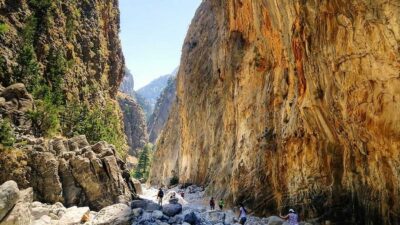
From Chania/Rethymno: Samariá Gorge Guided Hike with Pickup
Read our review →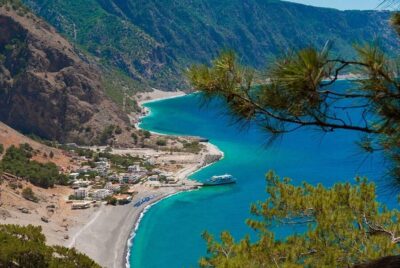
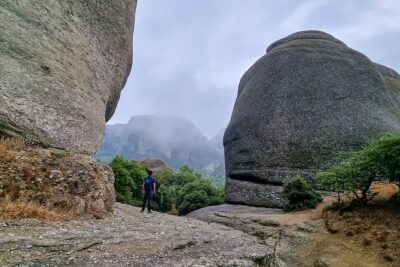
Meteora Small Group Hiking tour with Transfer and Monastery Visit
Read our review →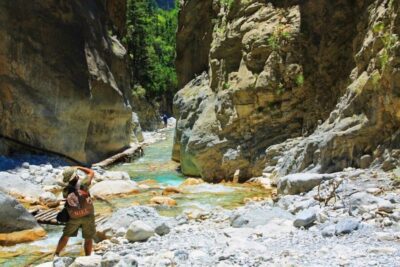

Samaria Gorge Hiking from Chania with Professional Hiking Guide
Read our review →
Browse the lists this tour appears in