
REVIEW · LOMBOK HIKING TOURS
Mount Rinjani: 2D/1N Trekking To Sembalun Or Senaru Views
Sunrise comes with a steep price. This two-day Mount Rinjani trek gives you a real summit attempt without committing to a longer route, and I like the mix of open grassland, crater views, and a night under canvas. I also like that food, water, camping equipment, guides, porters, park fees, and transport after the trek are included. The main concern is simple: this is a hard climb, and equipment quality may vary.
You start in Sembalun at 1,156 meters, climb to the crater rim at 2,639 meters, then set off around 3 a.m. for the summit at 3,726 meters. The sunrise views can be extraordinary, but the summit section is steep, slippery, and tiring. Good fitness, warm clothing, proper shoes, gloves, and a headlamp are not optional extras here.
Key points before you book
- The route starts and finishes in Sembalun, with transport from Senaru to the trailhead and onward transport to Senggigi, Bangsal, Mataram, or Kuta included.
- Summit morning begins around 3 a.m., followed by a three-hour climb over difficult volcanic ground.
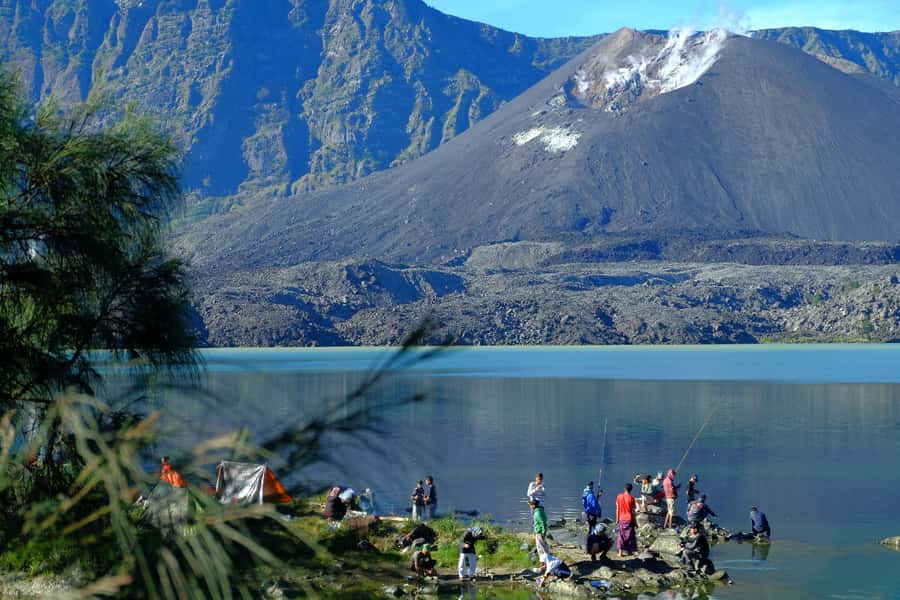
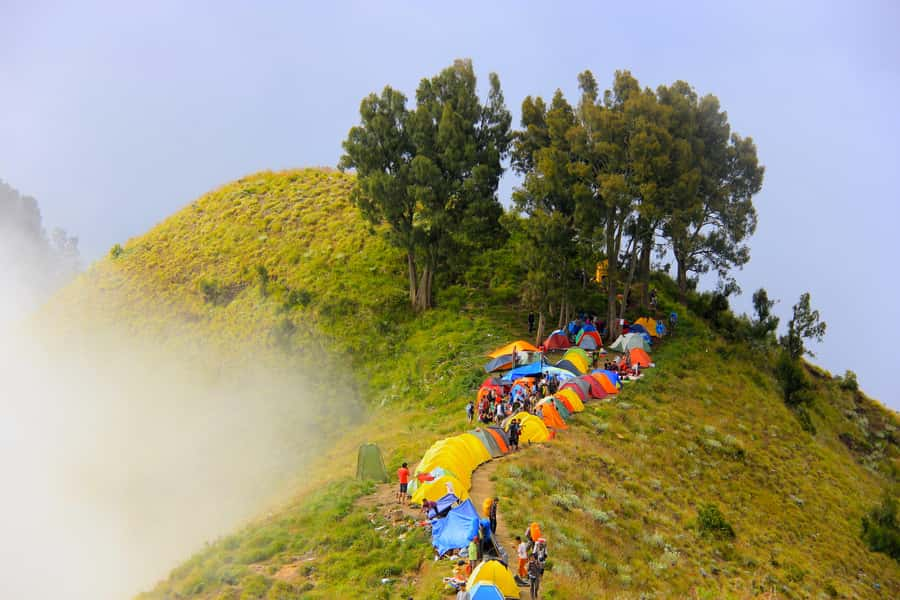
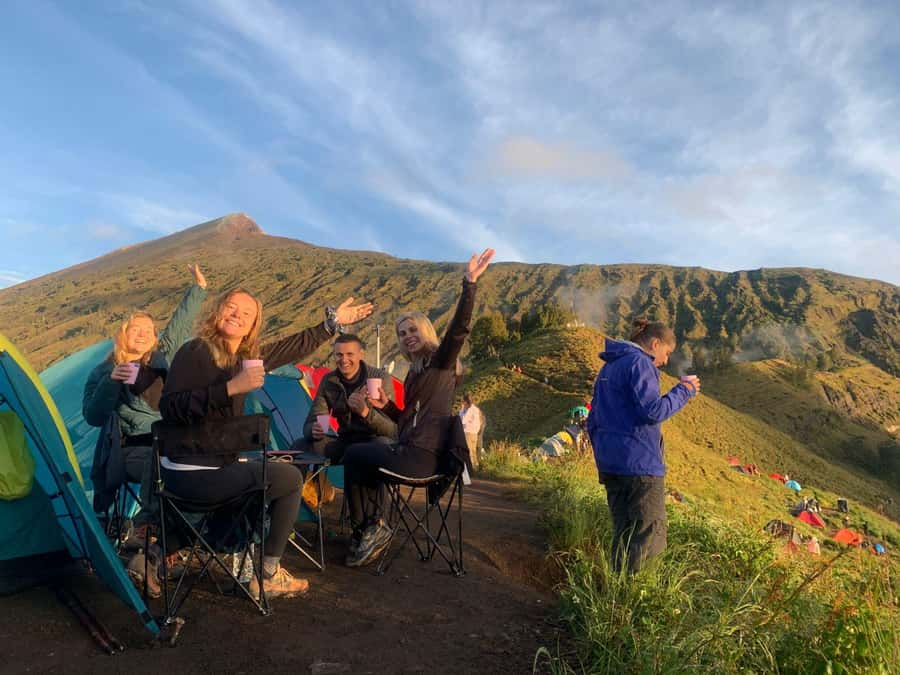
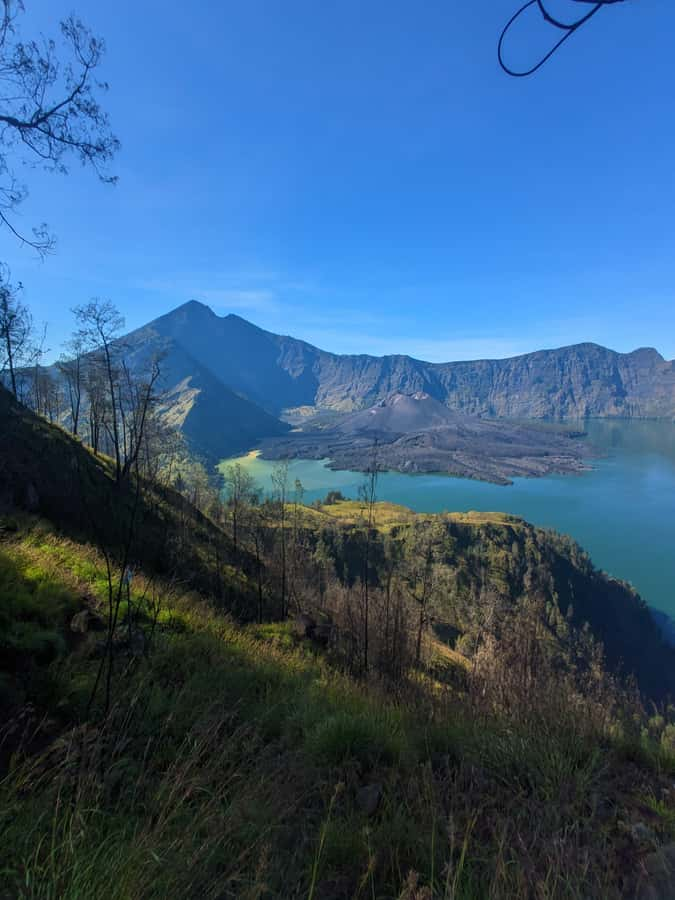
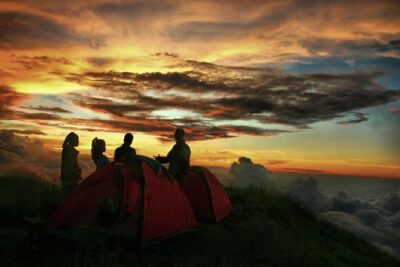
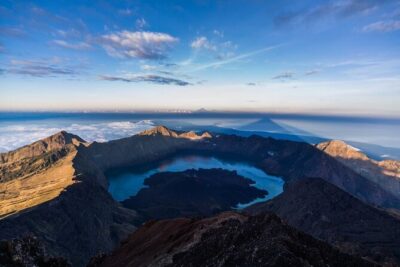
- You camp at Sembalun Crater Rim, with views of Lake Segara Anak, northern Lombok, the summit, and sunset.
- Food is a strong part of the package, with meals, fruit, tea, coffee, and drinking water supplied during the climb.
- Guides and porters are usually a highlight, with names including Awan, Kas, Ris, and Din praised for care, food, and organization.
- Bring your own reliable headlamp and trekking poles if possible, since shared or broken equipment has caused problems.
The Sembalun route: open country first
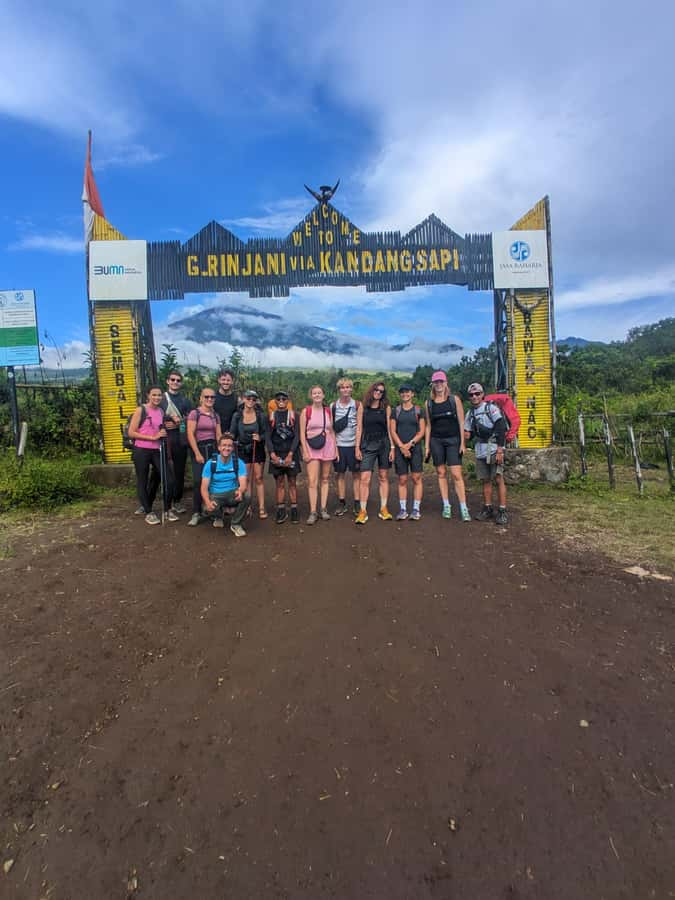
Your day begins with an early breakfast, followed by a 4WD transfer from Senaru to Sembalun. At the Rinjani Information Centre, you register at 1,156 meters before walking into the national park.
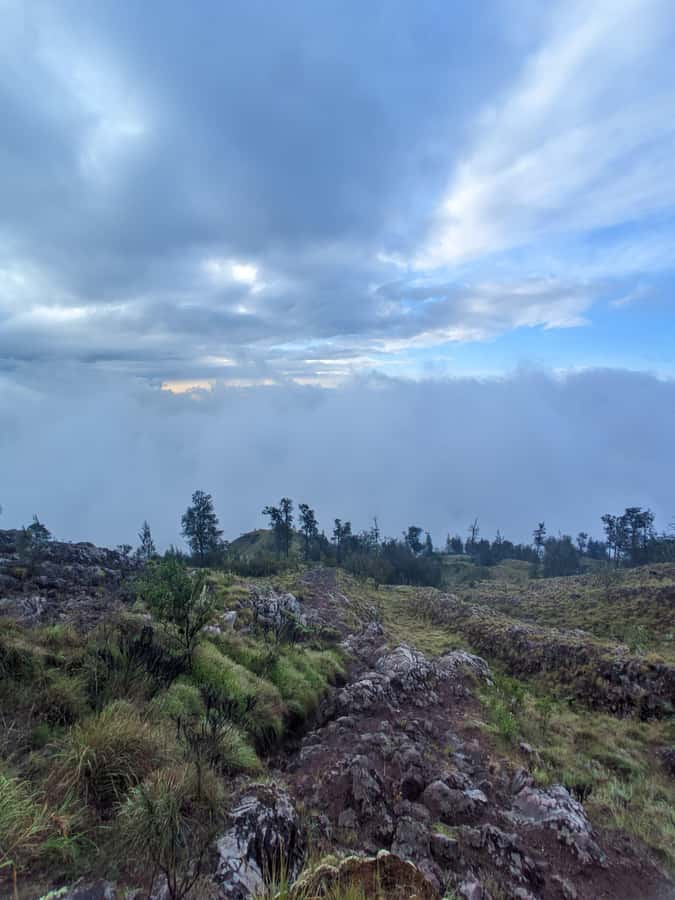
The first section is gentler than the summit push. The trail crosses wide grassland and rolls gradually uphill. This open start gives you broad views and plenty of sky, but it also means little shelter from sun and heat. Set a steady pace. The mistake here is not walking too slowly. It is spending too much energy before the serious climb begins.
You stop at Pos 1 and Pos 2 for rests and snacks. These breaks matter because the route later becomes much steeper. Use them to drink, adjust your pack, and check your feet. A blister that seems minor at Pos 2 can become a miserable problem by summit morning.
At Pos 3, around 1,800 meters, the group pauses for lunch. This is the final major rest before the trail turns upward toward the crater rim. Food is carried and prepared by the trekking team, and the package includes cooking equipment, meals, fruit such as pineapple and bananas, tea, coffee, and water.
The food is one of the better values here. Several visitors found the portions generous, and one described the meals as almost too much. That is useful on a climb like this. You need calories, not a fashionable mountain picnic.
More Mountain and Summit Hikes in Indonesia
- Bali: Sunrise Mount Batur Guided Hike with Breakfast
★ 4.8 · 9,660 reviews - Bali: Mount Batur Sunrise Guided Hike and Natural Hot Spring
★ 4.8 · 9,284 reviews - Bali: Mount Batur Sunrise Trek With Guide and Breakfast
★ 4.8 · 3,461 reviews
The climb to 2,639 meters
After lunch, the route becomes a sustained uphill walk to Sembalun Crater Rim. This is where the day earns its reputation. The climb is not just long. It is exposed, uneven, and physically demanding after several hours on your feet.
The reward is the campsite at 2,639 meters. From here, you can look toward Lake Segara Anak, the summit of Mount Rinjani, and northern Lombok. If the weather is clear, sunset is a major part of the experience. The views are not a quick photo stop. They give you a strong sense of the mountain’s scale and the distance you have covered.
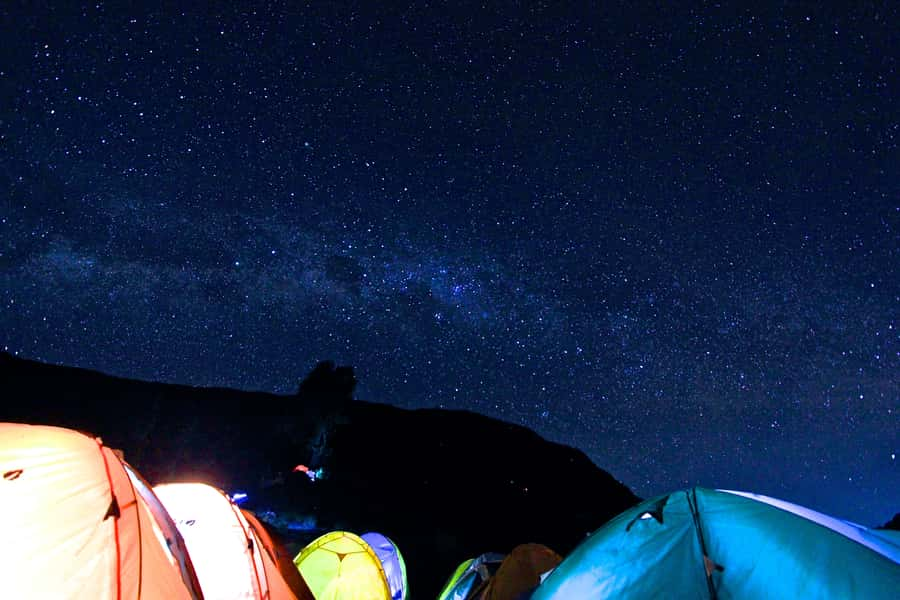
The campsite is basic. You sleep in a tent on a mat, with a sleeping bag supplied. Toilet paper is included, and a toilet setup is provided, but this remains mountain camping rather than a comfortable outdoor hotel. Bring realistic expectations. You may be cold, tired, and ready to sleep before the sun is fully down.
The night is also short. You wake at about 3 a.m. for a light breakfast and the summit attempt. Try to organize your clothes, gloves, water, and headlamp before bed. A few minutes of preparation at the campsite can save a lot of fumbling in the dark.
The 3,726-meter summit push
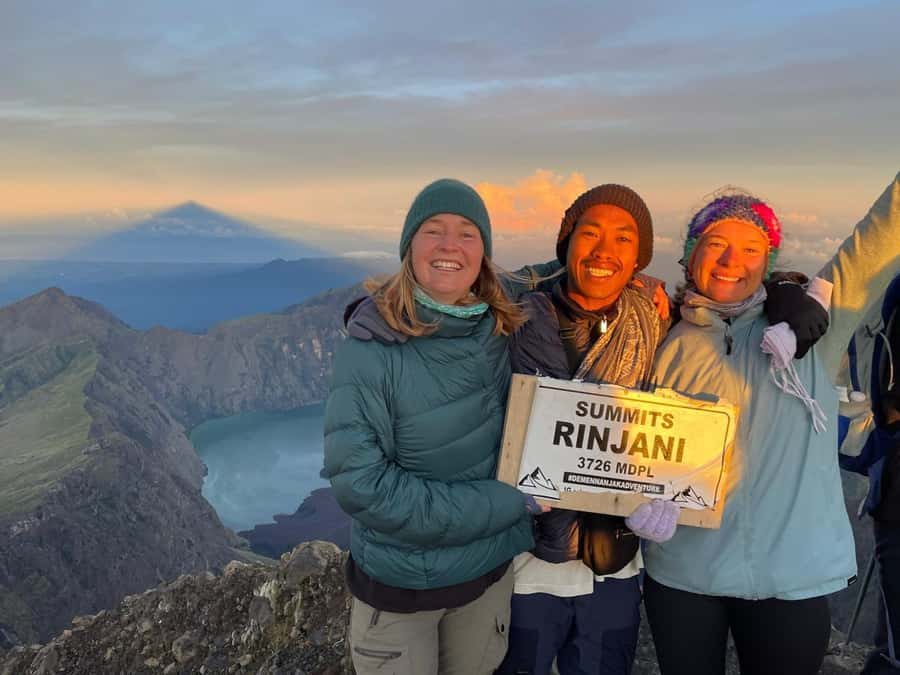
The summit climb takes roughly three hours. It begins in darkness, often when your legs are already tired from the first day. The route is steep and can be slippery, so your footwear matters greatly. Comfortable clothes alone will not carry you up.
The final climb is the hardest part of the trek. You need patience and a short, even step. If the surface feels loose, rushing only wastes energy. The guides can help set the pace, but you still need to communicate clearly if you need a break.
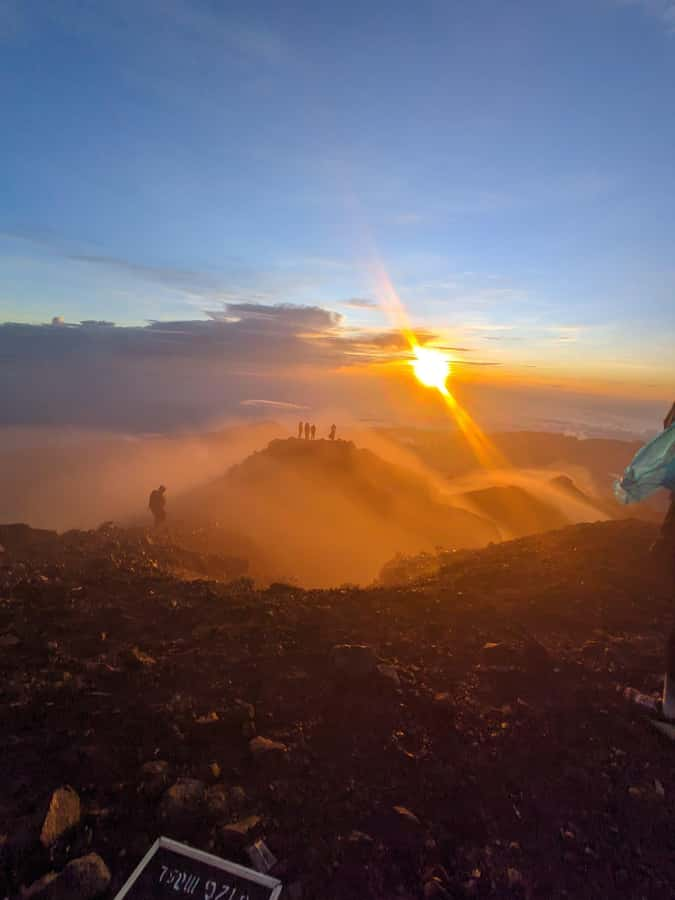
At 3,726 meters, the prize is sunrise. On a clear morning, the view reaches toward the four Gili Islands and across Lombok. You can also look back toward the crater and the route you climbed. This is the moment that makes the short schedule worthwhile.
Still, summit access and conditions can change. One booking had the summit closed, and the price was adjusted because the main goal was unavailable. That is a useful reminder to ask about current conditions before setting out. A mountain guide can control the pace and route, but not weather, volcanic conditions, or park decisions.
The summit can also be cold. Gloves and warm layers belong in your day pack, not buried in luggage carried elsewhere. The supplied equipment list does not promise warm clothing, trekking shoes, or personal headlamps, so you need to arrange those yourself.
Breakfast, descent, and the long return
After spending time at the summit, you descend to the crater-rim camp. A hot breakfast and a rest follow. This sounds pleasant, but the descent is not easy. Tired knees and loose ground can make going down harder than expected.
You then retrace the route to Sembalun, stopping for lunch at Pos 2 or Pos 3. The group usually reaches the village in the early afternoon. From there, post-trek transport is included to Senggigi, Bangsal, Mataram, or Kuta.
The return journey is an important value point. You do not have to arrange a separate transfer after an exhausting descent. The package also includes office storage for larger backpacks, which lets you carry only what you need on the mountain.
The two-day format uses the same trail for the start and finish. That makes the trip efficient, but it also means you do not get the broader route variations available on longer Rinjani programs. If you want the summit with limited time, this is the tradeoff.
More Volcano Hikes in Indonesia
- Mount Batur Sunrise Hike and Natural Hot Spring Option
★ 5.0 · 1,927 reviews - From Ubud: Mount Batur Hiking With Hotspring
★ 4.8 · 1,850 reviews - Mount Batur Sunrise Hike with Breakfast
★ 5.0 · 1,757 reviews - Mount Batur Sunrise Trekking
★ 5.0 · 947 reviews
Guides, porters, and food on the mountain
The human side of this trip can make or break it. The strongest feedback centers on the guides and porters. Awan was praised for staying attentive and making people feel safe. Kas, Ris, and other guides were described as friendly and helpful. Din handled the briefing and transport, and Man worked as both porter and cook.
That combination matters. You are not simply paying for someone to point at a trail. You need a guide who watches your pace, explains what is happening, and notices when you are struggling. You also need a porter and cook who can set up camp and provide proper food in difficult conditions.
Communication seems generally workable in English, Chinese, and Hindi, but the quality may depend on the individual guide. One poor experience involved a guide with very limited English and little instruction. That is not a small issue on a steep mountain. Before departure, confirm who your guide is and how communication will work.
Equipment is the weak point. One person had to share a headlamp, and a walking pole was broken. Another group was not offered jackets, poles, or headlamps and ended up using rough wooden sticks. I would bring or rent your own headlamp and trekking poles rather than assume the supplied gear will be dependable.
The included 3 liters of mineral water per person per day is helpful, but the climb is demanding. You may want extra snacks, which are not included. Supplementary food is listed as an extra, so pack energy bars, dried fruit, or another familiar option.
What the $190 price really covers
At $190 per person, the tour is not a bare trail permit. The price includes a guide, porter, meals, water, tent, sleeping bag, sleeping mat, cooking gear, park entry, trekking insurance, fruit, hot drinks, backpack storage, and transport after the trek to several destinations.
That is a solid package for someone who wants the logistics handled. Hiring separate transport, arranging a guide, buying food, and organizing camping equipment could easily become frustrating, especially when you are arriving in Lombok with limited time.
The price does not include one night of accommodation before the trek, trekking shoes, warm clothes, a small day pack, GoPro use, or extra snacks. It also does not include air travel, though that is hardly a surprise for a mountain trek.
The real question is not simply if $190 is cheap. It is if the equipment and organization match the price. Most of the supplied feedback praises the food, guide care, porter support, and transfers. One serious complaint described a late vehicle, unsafe driving, a different route, missing safety gear, and a charge for park access despite not passing the official gate.
That complaint should not be ignored. Ask for a clear written plan, confirm the intended route, and check that the guide will carry or provide the agreed gear. A low price loses its value quickly if you must solve basic safety problems yourself.
Fitness, age, and who should skip it
The minimum age is 10, but age alone does not make someone ready. You need good health, the ability to walk long distances, and enough strength for a steep summit climb after a full day of trekking.
This is not suitable for people with altitude sickness, height phobias, or serious fitness limits. The listed restrictions also exclude babies under one, people over 95, and people over 70. The practical message is broader: if you are unsure about your health or stamina, do not treat this as a casual sightseeing walk.
You should also think about your tolerance for rough conditions. You will sleep in a tent, wake before dawn, walk in darkness, and handle a steep, slippery route. If you need a soft bed and a slow morning, this is the wrong two days.
If you regularly hike, can manage long uphill walks, and want a concentrated summit experience, the format makes sense. It suits people with limited time who still want the high point of Mount Rinjani rather than a relaxed visit around the foothills.
What to pack for a safer climb
The supplied suggestions include a camera, comfortable clothes, gloves, climbing gear, goggles, and a downloaded app. I would give the gloves and warm clothes top priority. The summit start is before sunrise, when temperatures can feel harsh.
Pack these essentials:
- Reliable headlamp with spare batteries
- Trekking shoes with good grip
- Warm layers and a wind-resistant outer layer
- Gloves
- Small backpack for water and personal items
- Extra snacks
- Camera or phone
- Personal blister care
Trekking poles are also worth bringing or renting. One broken pole can be a nuisance on a normal walk and a real problem on loose volcanic ground.
The rules prohibit alcohol and drugs, alcoholic drinks in the vehicle, baby strollers, and baby carriages. A child safety seat is listed among the items to bring, though the tour itself requires a minimum age of 10.
Booking, cancellation, and the pre-trek briefing
A briefing takes place at the meeting point before the trek. Use it properly. Ask about the exact route, summit access, weather, equipment, start time, and who will be guiding your group.
The activity offers free cancellation up to 24 hours in advance and allows you to reserve now and pay later. Starting times depend on availability, so check the date carefully. The tour also offers skip-the-ticket-line access and live guides in English, Chinese, and Hindi.
The overall score is 4.8 out of 5 from 24 ratings, with especially strong praise for guides, porters, food, and transport. The score is encouraging, but the sharp difference between excellent experiences and one very poor experience means you should confirm the practical details instead of relying only on the rating.
Should you book this Mount Rinjani trek?
I would recommend it to a fit hiker who has two days, wants the summit, and values an all-in-one package. The combination of Sembalun grassland, crater-rim sunset, pre-dawn summit climb, sunrise views, meals, porters, and onward transport gives you a lot for $190.
I would not book it without checking the equipment and guide arrangements first. Bring your own headlamp, proper shoes, warm layers, and snacks. Ask directly if the summit is open and confirm that the official Sembalun route is being used.
If Awan, Kas, Ris, or a similarly attentive guide is assigned, you may be in good hands. If your priority is comfort, a slow pace, or dependable high-end equipment, choose a longer or more supported arrangement. For a short, demanding summit attempt with strong value in the included services, this tour is worth considering, provided you arrive prepared.
FAQ
How long is the Mount Rinjani trek?
The experience lasts two days and one night. You trek from Sembalun to the crater rim on the first day, camp overnight, climb to the summit before sunrise, and return to Sembalun on the second day.
Where does the trek start?
The trek starts in Sembalun village at approximately 1,156 meters above sea level. A 4WD vehicle transfers participants from Senaru to Sembalun before registration at the Rinjani Information Centre.
Where do I sleep?
You sleep in a tent at Sembalun Crater Rim, approximately 2,639 meters above sea level. A tent, sleeping bag, and sleeping mat are included.
What time does the summit climb begin?
The summit climb begins at around 3 a.m. after a light breakfast. The walk to the summit takes approximately three hours.
What is included in the price?
The $190 price includes a hiking guide, porter, meals, drinking water, fruit, tea, coffee, tent, sleeping bag, mat, cooking equipment, trekking insurance, national park entry, backpack storage, and transport after the trek to Senggigi, Bangsal, Mataram, or Kuta.
Are trekking shoes and warm clothes included?
No. Trekking shoes and warm clothes are not included. You should arrange them yourself and bring gloves for the cold summit start.
Can children join the trek?
The minimum age is 10 years old. The trek also requires good health and the ability to walk long distances over steep and slippery ground.
Is the trek suitable for people with altitude sickness?
No. The experience is not suitable for people who suffer from altitude sickness or have a fear of heights.
Can I cancel the booking?
You can cancel up to 24 hours before the activity for a full refund. The reserve-now, pay-later option is also available.
More Two-Day Trips around Indonesia
- 2 Days and 1 Night Ethical Jungle Trek
★ 5.0 · 229 reviews - 2D1N Senaru Crater Rim Trekking
★ 5.0 · 178 reviews - 2 Days 1 Night Ethical Jungle Trekking
★ 5.0 · 153 reviews - Rinjani trekking 2D 1N RIM
★ 5.0 · 94 reviews
Just added around Indonesia
- Mount Batur Trekking & Hot Spring in Kintamani★ 5.0 · 23 reviews
- All Inclusive Sekumpul Waterfall Trekking , Handara Gate & Temple★ 5.0 · 64 reviews
- Mount Batur Sunrise Trekking and Rice Terrace Adventure★ 5.0 · 111 reviews
- Bogor Botanical Garden & Rainforest Trekking to Hidden Waterfall★ 5.0 · 58 reviews
- Rinjani Trekking Three Days Two Night Summit Lake★ 4.5 · 73 reviews
- Dekwar Mount Agung Sunrise Trekking★ 5.0 · 66 reviews
- Ijen Blue Fire Trekking★ 5.0 · 44 reviews
- From Banyuwangi or Bali Sunrise Ijen Vulcano Hiking All Inclusive★ 5.0 · 50 reviews
Lombok Hiking Tours, compared.
3D/2N Rinjani trekking summit,lake and hot springs.
Read our review →Browse the lists this tour appears in