
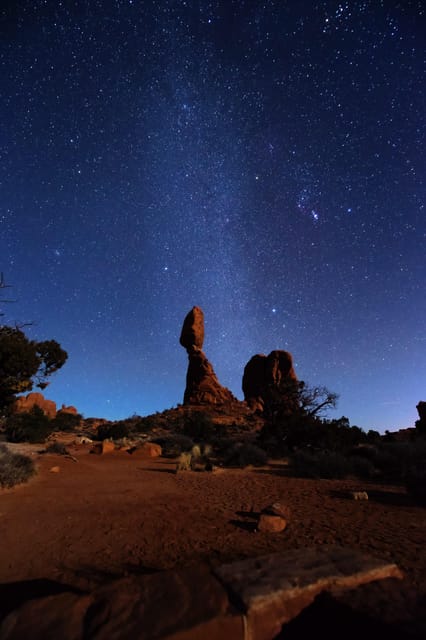
REVIEW · USA HIKING TOURS
Moab: The Windows Astro-Photography and Stargazing Hike
The desert looks different after dark. This small-group hike pairs the North and South Windows, Turret Arch, and Double Arch with practical night-photography help, giving you more than a quick look at the stars. I especially like the included red LED headlamps and tripods, plus the patient camera coaching praised by guests who learned to use both DSLRs and phones. The chance to see the Milky Way with your own eyes, then capture it, is the real draw.
The main drawback is simple: $175 per person is a serious price for a two-hour outing, and you still pay the $30 Arches entry fee per standard vehicle. You also need to hike about two miles over dark, uneven ground, so this suits active visitors more than anyone seeking an easy roadside stargazing stop.
Key Points To Know
- Small group of six: A limited group gives your guide time to help with individual camera settings.
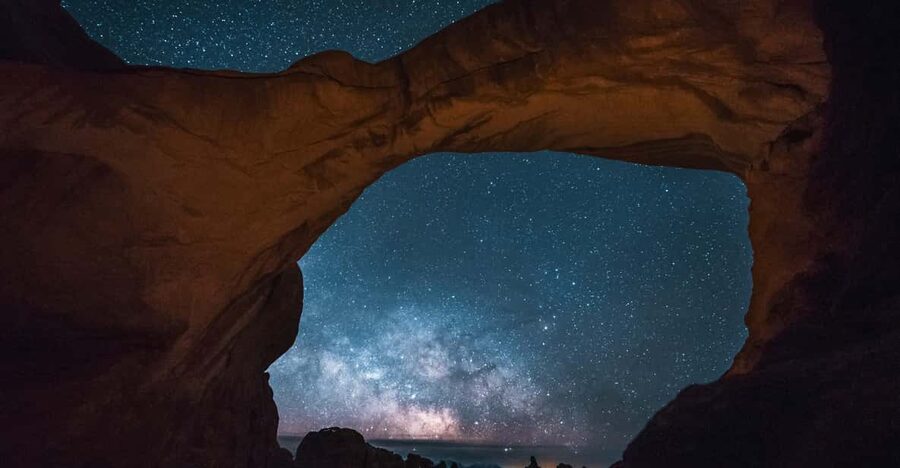
- The route covers Arches icons: You visit the North and South Windows, Turret Arch, and Double Arch.
- Phone users are welcome: Guides have helped people take strong night photos with iPhones and other smartphones.
- Gear is included: Red headlamps and tripods are provided, while DSLR cameras and lenses cost extra.
- Moonlight changes the experience: A full moon can light the arches beautifully, while darker skies are better for seeing the Milky Way.
- Sam and Brandon earned high praise: Both guides were singled out for patience, photography help, and safe navigation.
Why This Two-Hour Night Hike Works
Arches National Park is already memorable in daylight. After sunset, the same rock formations become quieter, harder to read, and far more dependent on the sky. This tour uses that change to teach you how to photograph at night while guiding you through a compact section of The Windows area.
I like the balance between sightseeing and instruction. You are not simply driven to a dark viewpoint, handed a telescope, and sent home with a few facts. You walk from formation to formation, stop to set up your camera, and practice what you have learned. That makes the experience useful even if you arrive with only a phone.
The group limit of six matters here. Night photography involves small adjustments, and people often need help with focus, exposure, stability, or phone settings at different times. A large group would make that awkward. With fewer people, your guide can spend more time beside you instead of giving one broad speech and moving on.
The experience lasts two hours, which is enough for a focused introduction but not long enough for a full-night astronomy session. Think of it as a guided photo walk with stargazing, not an advanced observatory program.
A few more hikes around the USA worth a look
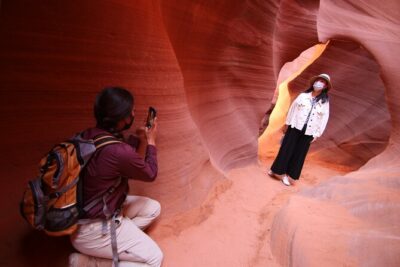
- Lower Antelope Canyon Hiking Tour
★ 5.0 · 6,216 reviews - Multnomah Falls and Columbia River Gorge Half-Day Hiking Tour
★ 5.0 · 2,108 reviews - San Francisco: Yosemite National Park & Giant Sequoias Hike
★ 4.5 · 1,777 reviews
Meeting at The Windows After Dark
You meet your guide at The Windows parking area, in the first parking lot on the right. Transportation is not included, so you need to reach Arches National Park and the trailhead yourself. The $30 entry pass for a standard vehicle is also separate from the tour fee.
Arrive prepared rather than treating the meeting point like a casual evening stroll. Bring a camera, hiking shoes, water, and a charged smartphone. The smartphone matters even if you plan to use a DSLR, since it can help with communication and may be your easiest camera for quick practice.
Your guide provides red LED headlamps. Red light is useful at night because it helps you see the trail without flooding the area with harsh white light. You also receive a tripod if needed. That is a valuable inclusion, since long exposures are central to night photography and hand-held shots usually become blurry.
If you want to rent a DSLR camera or a lens, arrange it before the tour begins. Available lenses use Canon EF/EFS or Nikon F mounts. The rental charge is extra, and the basic tour price does not include either item.
Learning the Basics Before the Arches Glow
The photography lesson focuses on fundamentals and camera operation. You should expect help with the practical parts of night shooting: keeping the camera steady, setting it up for a long exposure, and working in conditions where the camera sees more than your eyes do.
That last point is important. A photograph may pick up light that is not visible to you at the time. The finished image can show more stars, color, or detail than the scene appears to contain by eye. This is part of the appeal, but it also means your camera screen may become part of the experience.
The guides have proved especially helpful for people using phones. Sam taught visitors ways to take night pictures with their phones, while Brandon was praised for patiently explaining both camera and iPhone features. You do not need an expensive camera to take part, though a tripod and a phone with night-photo controls will give you more room to experiment.
I would not book this expecting a full technical course in astrophotography. Two hours passes quickly, especially with several stops. You will get useful foundations and hands-on help, but serious photographers may still want additional time to test different settings later in the trip.
The North and South Windows by Headlamp
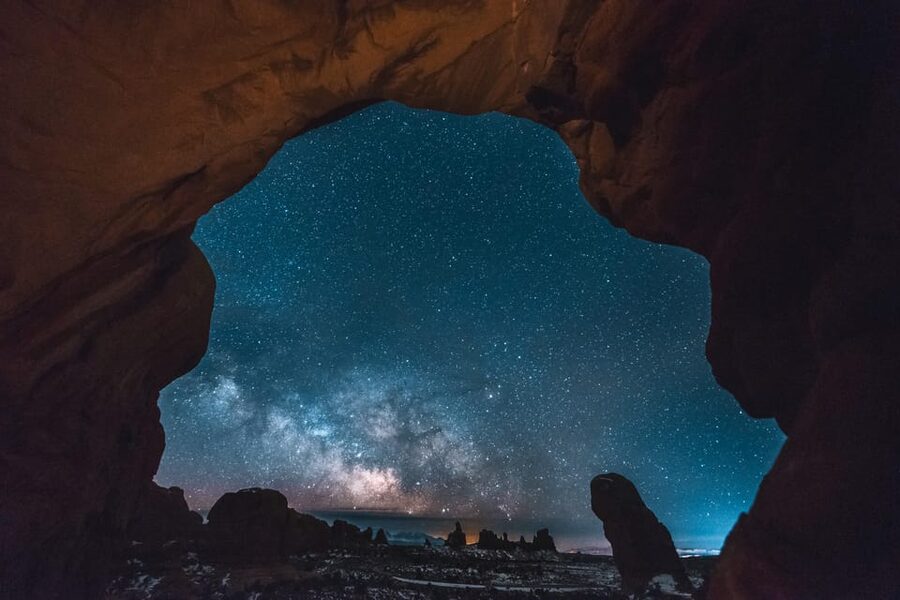
The route begins in the Windows area, a natural rock garden of arches and fins. In daylight, this is one of the most recognizable sections of Arches National Park. At night, your attention shifts from broad views to silhouettes, edges, openings in the rock, and the stars framed by stone.
The North and South Windows are major stops along the walk. Their scale is difficult to grasp in the dark, which makes your guide’s route advice important. You need to pay attention to where you step and where the trail drops away. Brandon received particular praise for pointing out drop-offs and helping people move safely through the area.
This is not a technical mountain hike, but darkness changes the demands. You should be comfortable walking roughly two miles over uneven ground and staying alert near rock edges. The tour is not suitable for wheelchair users, people with mobility impairments, or children under six.
The walking pace also gives you time to look up. Your guide can point out constellations and explain the forces that shaped the arches. The setting becomes more than a backdrop for pictures. You begin to notice how the openings frame the sky and how the lack of city light changes your sense of distance.
Same trailhead, a different kind of day:
- Small Group: Valley of Fire Half Day Tour from Las Vegas
★ 5.0 · 2,130 reviews - Valley of Fire Guided Hike from Las Vegas
★ 5.0 · 1,611 reviews - Los Angeles: The Original 2.5-Hour Hollywood Sign Hike
★ 5.0 · 1,468 reviews - Small Group Waterfall and Rainforest Hiking Adventure on Maui
★ 5.0 · 1,417 reviews
Turret Arch and the Value of Moonlight
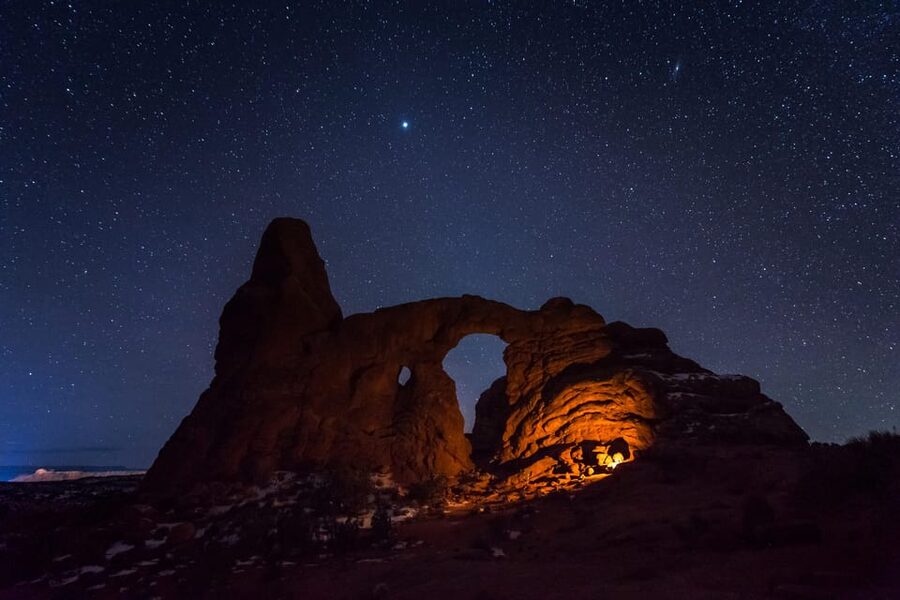
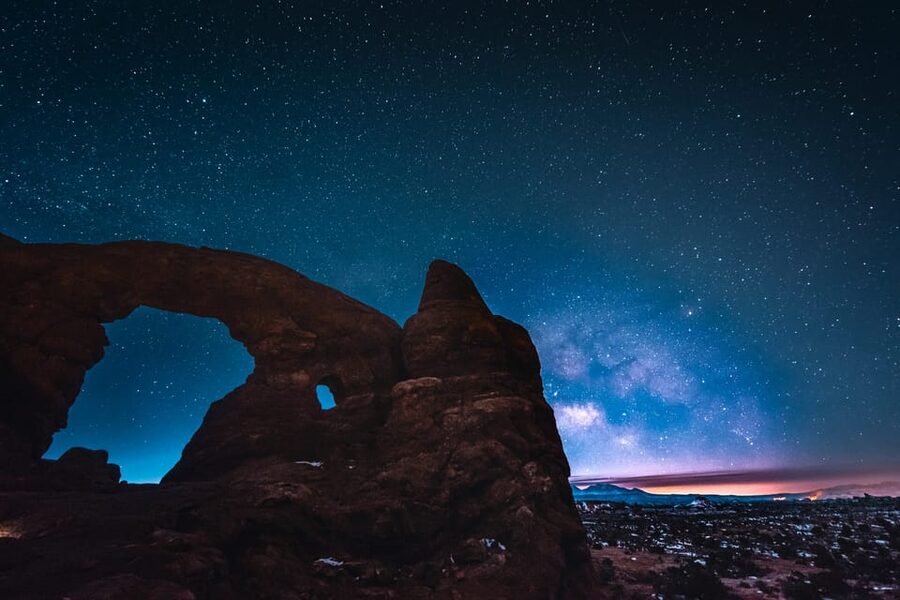
Turret Arch adds another strong photographic subject to the route. Its form gives you a chance to practice before reaching Double Arch, which is treated as the main photo stop. You can use this earlier part of the walk to get comfortable with the controls and learn how your camera handles darkness.
The lunar cycle affects the mood. A moonless or nearly moonless sky gives you the best chance of seeing a dense field of stars and the Milky Way. A full moon brings a different reward: the rock formations become easier to see, and the arches can take on a soft, naturally lit appearance.
Do not assume darker is always better for every photograph. A bright moon can help define the foreground, while a darker sky can reveal more stars. The provider encourages photography throughout the lunar cycle because each phase offers a different kind of image. If your main goal is a strong Milky Way view, contact the provider before booking so they can confirm that the timing and conditions suit you.
Weather matters too, though no conditions are promised. A clear night is essential for the best stargazing. One fortunate outing included visible northern lights, but that is an unusual bonus, not something to plan around.
Double Arch, the Night’s Main Frame
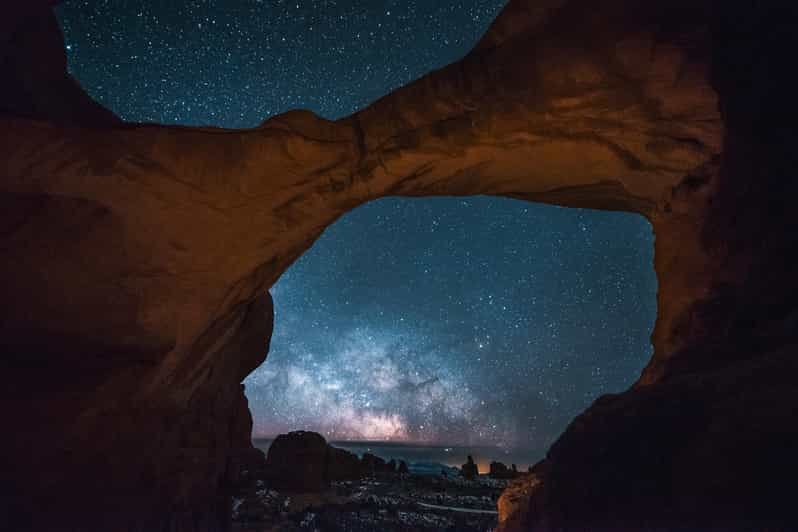
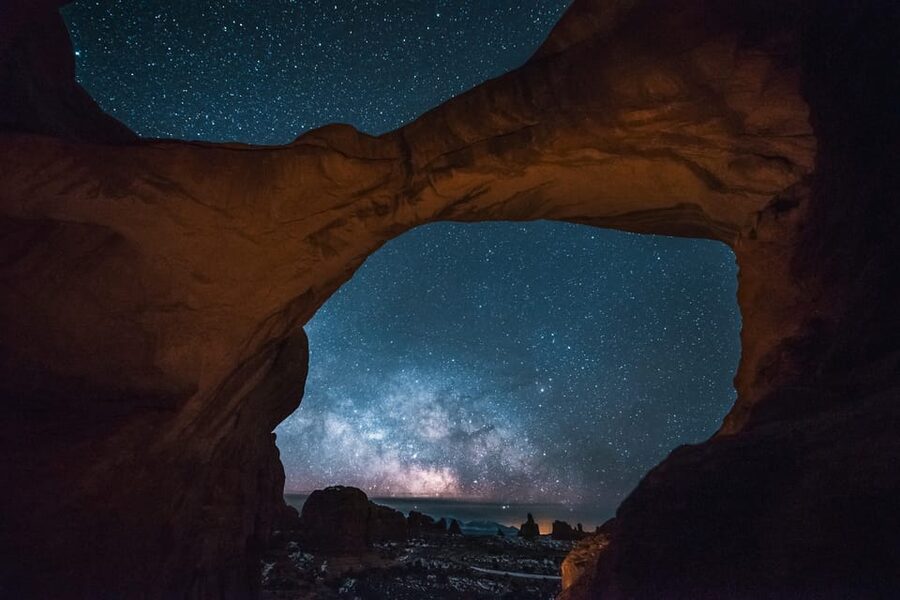
Double Arch is the highlight of the area and the final major photographic setting on the route. Its paired openings create a dramatic frame for the night sky, giving you the kind of composition that is difficult to reproduce elsewhere.
By this point, you have had time to practice. That makes Double Arch more useful than arriving there at the start, when you may still be trying to understand your camera. You can settle the tripod, listen to your guide’s suggestions, and make several attempts rather than rushing through one picture.
The best part is that you do not need to get a perfect image immediately. Night photography rewards patience. A small change in the angle of the camera, focus, or exposure can alter the balance between the dark sky and the rock. Your guide can help you work through those changes.
The arches also give the evening a strong sense of place. You are not photographing a generic star field. You are pairing the Milky Way or moonlit sky with formations shaped by powerful natural forces, then carrying that memory home in your own image.
What the $175 Price Really Buys
At $175 per person, this is not a budget add-on. The price makes the most sense if you value instruction, safety, and access to a very small group. You get a guide, a walking tour, red headlamps, and a tripod if needed. You also avoid having to figure out the route alone in the dark.
The value rises if you are new to astrophotography. A first attempt can involve confusing camera controls and wasted time. Direct help from a guide such as Sam or Brandon can turn that frustration into a usable photo, even with a phone.
The value is less clear if you already know night photography well. You may still enjoy walking through Arches after dark, but some of the camera instruction could repeat skills you already have. You also pay the park entry fee separately, and camera or lens rentals add to the total.
A DSLR rental may make sense if you want better equipment but do not want to pack it for an entire trip. Just remember that renting gear does not remove the learning curve. The tour helps, but you still need to handle the camera and make choices during the walk.
Safety, Comfort, and Who Should Book
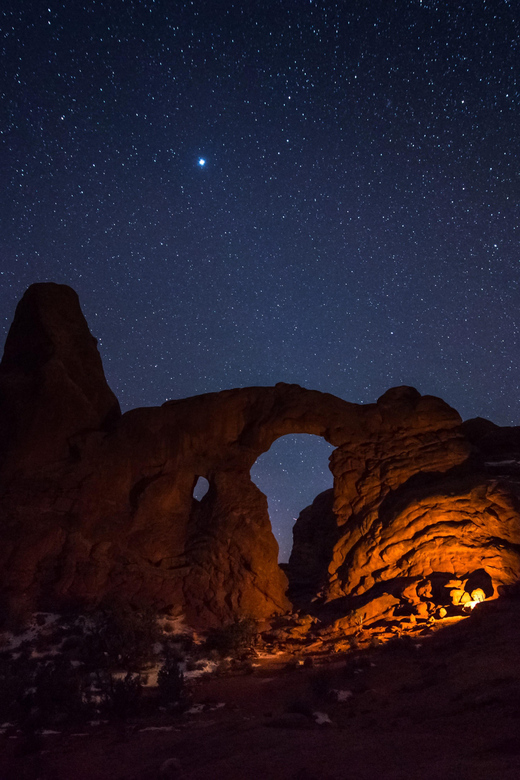
The guide’s role is not limited to photography. Night navigation is part of the experience, and the strongest feedback focused on guides who kept people safe, explained the route, and stayed patient while everyone worked on pictures.
Wear proper hiking shoes, carry water, and keep your phone charged. Pets are not allowed. The tour is in English, and the group is capped at six people.
I would recommend this to:
- First-time night photographers who want hands-on help
- Couples or friends seeking a quieter Arches experience
- Phone photographers who want to learn better low-light techniques
- Visitors who enjoy a moderate walk and do not mind uneven ground
- Photographers who want both moonlit rock and star-filled sky options
I would look elsewhere if you want a long astronomy lecture, a seated observatory session, or a completely flat walk. Two hours is also short for people who want to explore every possible composition at The Windows.
Booking Flexibility and Timing
You can cancel up to 24 hours ahead for a full refund, and reserve now while paying later. Starting times vary, so check availability for your date.
The most important timing choice is not just the hour of the tour. Ask about the moon phase and expected darkness if seeing the Milky Way is your priority. If you prefer to see the rock formations more clearly, a brighter moon may suit you better.
The tour begins after dark, so plan your day in Arches with enough time to reach The Windows parking area. Since you must arrange your own transportation, do not assume the guide will collect you from Moab.
Should You Book the Windows Night Hike?
Book it if you want a guided introduction to night photography in one of Utah’s most striking settings. The best reasons are the small group, included tripod and headlamp, and the patient instruction that works for both cameras and phones.
Skip it if $175 feels too high for two hours, if you are uncomfortable hiking after dark, or if you want a long, formal astronomy program. For most suitable visitors, the strongest value is not simply seeing stars. It is learning how to capture the arches and sky together, with a guide close by to help when the camera refuses to cooperate.
FAQ
Where does the tour meet?
Meet at The Windows parking area in the first parking lot on the right.
How long is the experience?
The guided hike lasts two hours and involves roughly two miles of walking.
What formations will I see?
The route includes the North and South Windows, Turret Arch, and Double Arch.
Is park admission included?
No. An Arches entry pass costs $30 per standard vehicle and is separate from the tour price.
What equipment is included?
The tour includes red LED headlamps and tripods if needed. You must bring your own camera unless you arrange a rental.
Can I rent a camera or lens?
Yes. A DSLR camera and DSLR lenses are available for an additional fee. The listed lens mounts are Canon EF/EFS and Nikon F.
Can I use my smartphone instead of a camera?
Yes. Guides have helped participants use their phones, including iPhones, to take night photographs.
Is the tour suitable for children and wheelchair users?
It is not suitable for children under six, people with mobility impairments, or wheelchair users.
What should I bring?
Bring a camera, hiking shoes, water, and a charged smartphone. Pets are not allowed.
Just added around the USA
- Strawberry Hill and Downtown KCK Hike★ 5.0 · 18 reviews
- Kansas City Crossroads Art District and Westside Urban Hike★ 5.0 · 22 reviews
- Mendenhall Glacier Guided Hike Juneau★ 5.0 · 125 reviews
- Juneau Shore Excursion: Mendenhall Glacier Canoe, Paddle and Hike★ 5.0 · 75 reviews
- Juneau Shore Excursion: Mendenhall Glacier Guided Hike★ 5.0 · 71 reviews
- Rainforest & Waterfalls Trek★ 5.0 · 35 reviews
- Norris Adventure: Seaplane, Paddle and Glacier Hike★ 5.0 · 12 reviews
- Diamond Head and Manoa Falls Hike and Adventure Tour★ 4.5 · 15 reviews
USA Hiking Tours, compared.
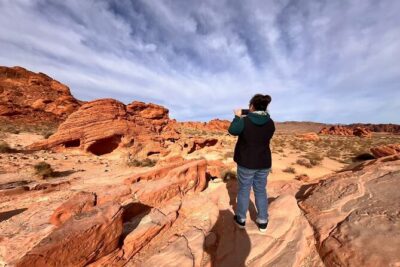
Small Group: Valley of Fire Half Day Tour from Las Vegas
Read our review →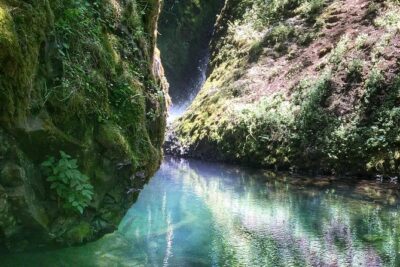
Multnomah Falls and Columbia River Gorge Half-Day Hiking Tour
Read our review →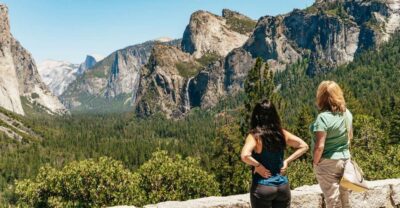
Yosemite National Park & Giant Sequoias Hike
Read our review →
Kauai Adventure: Kayak & Hike to Secret Falls with Expert Guide
Read our review →Browse the lists this tour appears in